September 19, 2026 · 4 min read
The simple act of a smile, often a universal gesture of warmth and friendliness, can carry surprisingly different meanings across cultures. In many Western countries, a smile to a stranger is a polite default, but in Russia, the unspoken rules are a little more nuanced. Here, a smile is typically reserved for genuine joy, close relationships, or a specific, acknowledged reason.
This cultural difference can sometimes lead to misunderstandings for travelers. But beyond the bustling cities and well-trodden paths, Russia holds a wealth of incredible, often lesser-known places where history, nature, and unique local traditions unfold. These are the spots where you might truly observe the subtle dance of Russian cultural expression, and perhaps even earn a genuine smile yourself.
1. The Miracle of Wooden Architecture
Kizhi Island, Russia
A UNESCO World Heritage site featuring astounding wooden churches built without a single nail.
The Kizhi Pogost, particularly the Church of the Transfiguration, is an architectural marvel from the 18th century, crafted solely from interlocking logs and intricate carpentry. Legend says its master builder, Nestor, threw his axe into the lake upon completion, declaring 'there was not, is not, and never will be another church like this one.' This remote island in Lake Onega preserves a unique piece of Russian peasant craftsmanship and spiritual devotion.
2. The Subterranean Ice Kingdom
Kungur, Russia
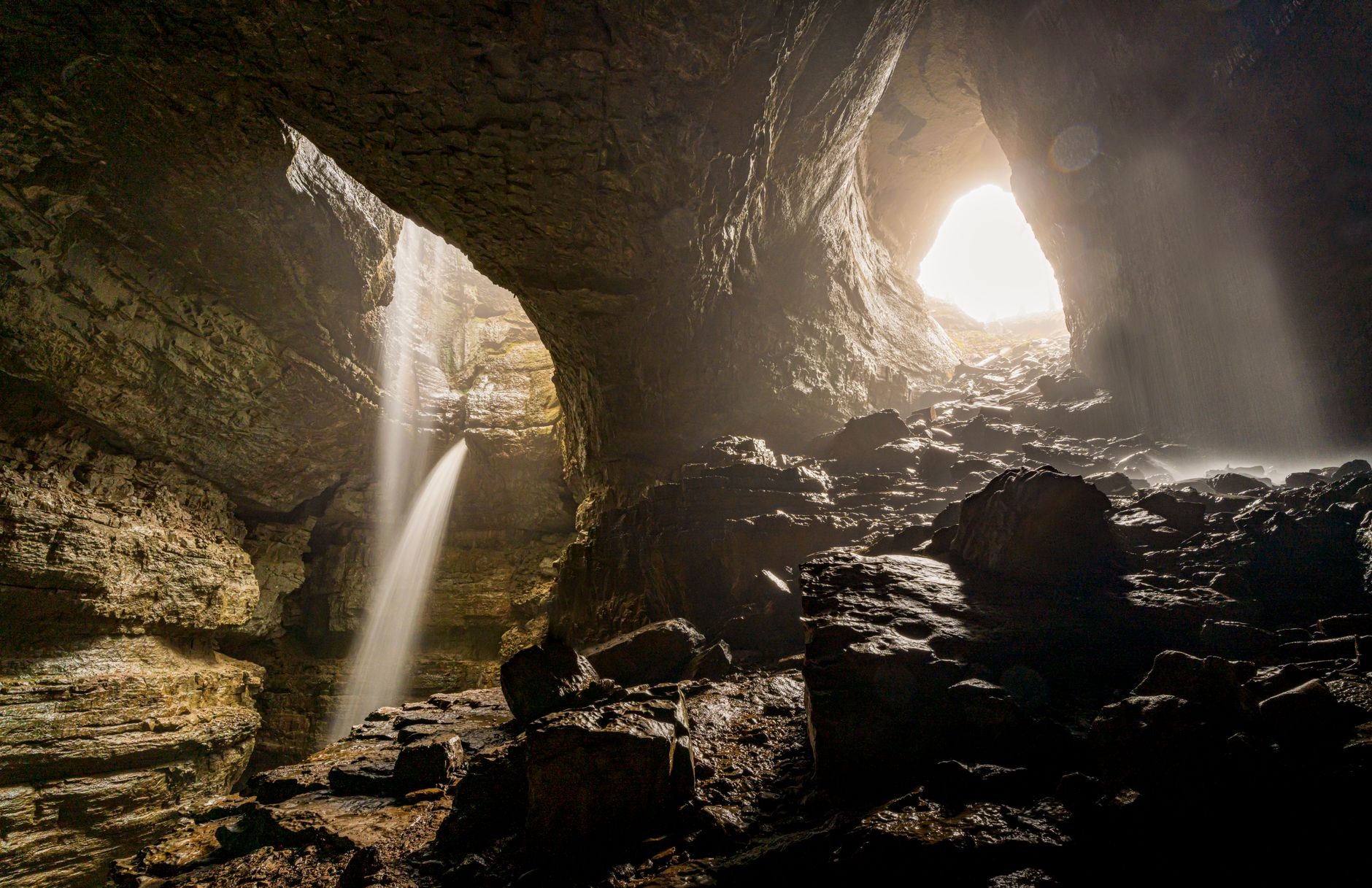
One of the world's largest gypsum caves, holding a frozen labyrinth of ice sculptures and underground lakes.
Delve into the mystical Kungur Ice Cave, a natural wonder over 10,000 years old, where constant sub-zero temperatures preserve stunning ice formations year-round. Its vast grottoes and 70 subterranean lakes are steeped in local folklore and ancient legends, making it a unique geological experience far from typical tourist routes. The cave's unique microclimate creates an ever-changing gallery of frozen art.
3. The Ghost Town of the Polar Urals
Khalmer-Yu, Russia (near Vorkuta)
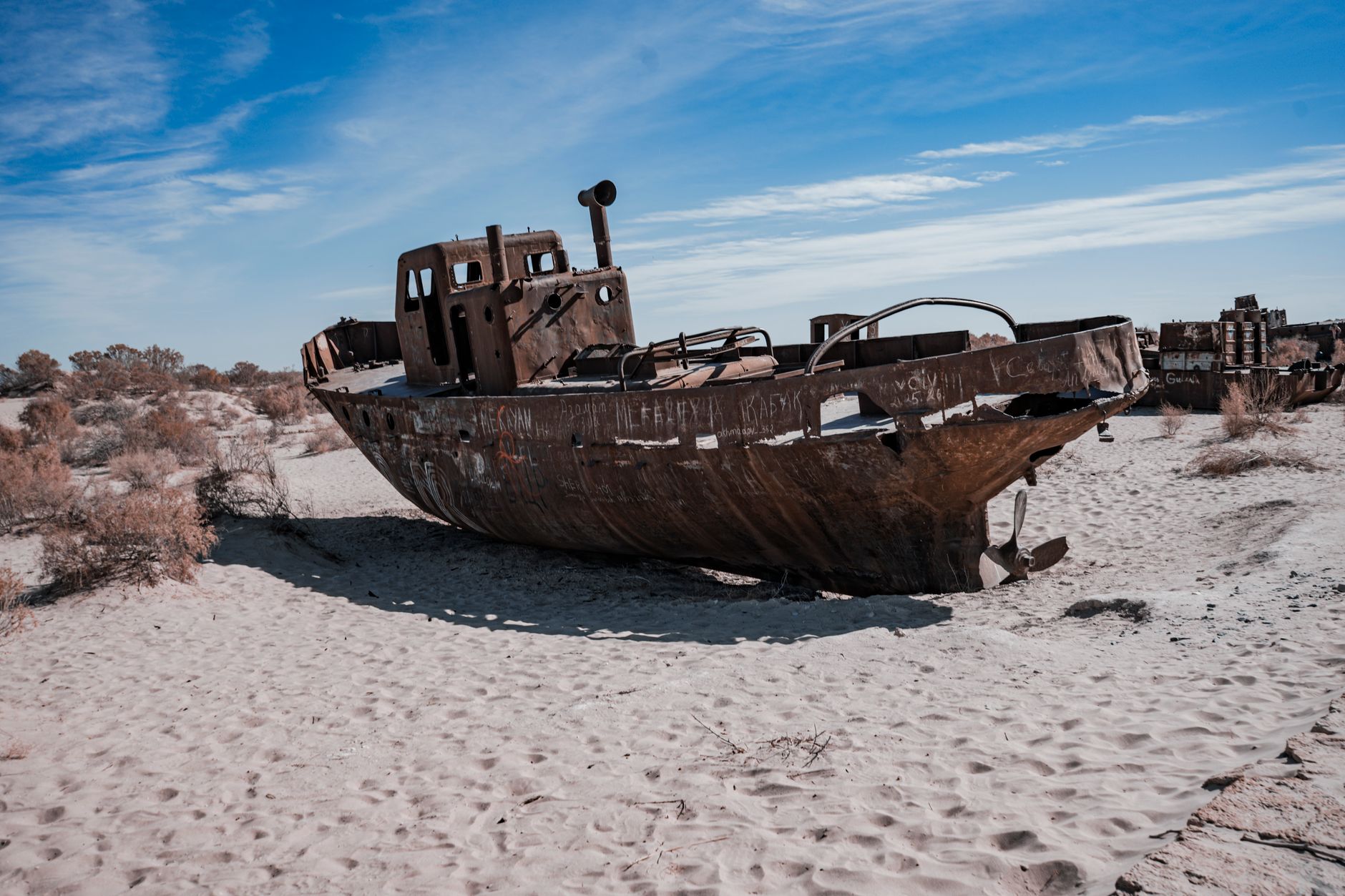
An abandoned Arctic coal mining town, once a vibrant settlement, now a haunting testament to Soviet-era ambition and the harshness of the polar environment.
Khalmer-Yu, meaning 'River of Death' in Nenets, was a thriving coal-mining town established in the 1940s, powered by gulag labor, deep within the Arctic Circle. By 1995, it was officially liquidated, its residents forcibly relocated, and the town used as a bombing range for military exercises. Today, its skeletal remains—dilapidated buildings and rusting machinery—stand as a stark, frozen monument to a bygone era and the extreme conditions of the Russian North.
4. Ivan the Terrible's Island Fortress
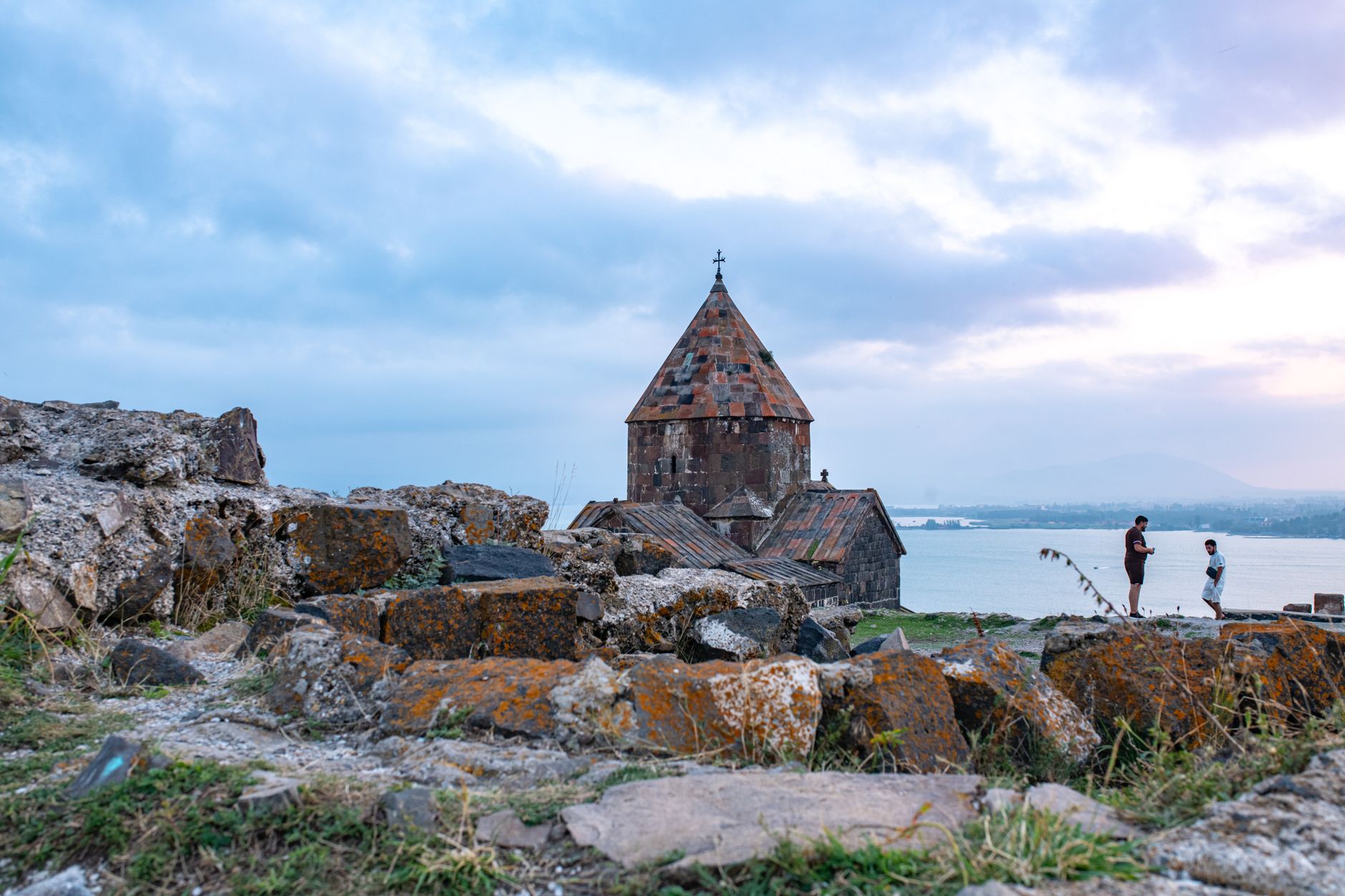
Sviyazhsk, Russia
A historic island town, strategically built by Ivan the Terrible's engineers in a single month to conquer Kazan.
In 1551, Ivan the Terrible ordered a wooden fortress city to be pre-fabricated near Uglich, then dismantled, floated down the Volga, and reassembled on the "Round Hill" in just four weeks. This audacious engineering feat became Sviyazhsk, a crucial base for his successful siege of Kazan. Today, this tranquil island is a UNESCO candidate, home to ancient monasteries and churches, including the unique wooden Trinity Church, believed to be the only surviving wooden structure from Ivan's original fortress.
5. The Crimson Salt Sea
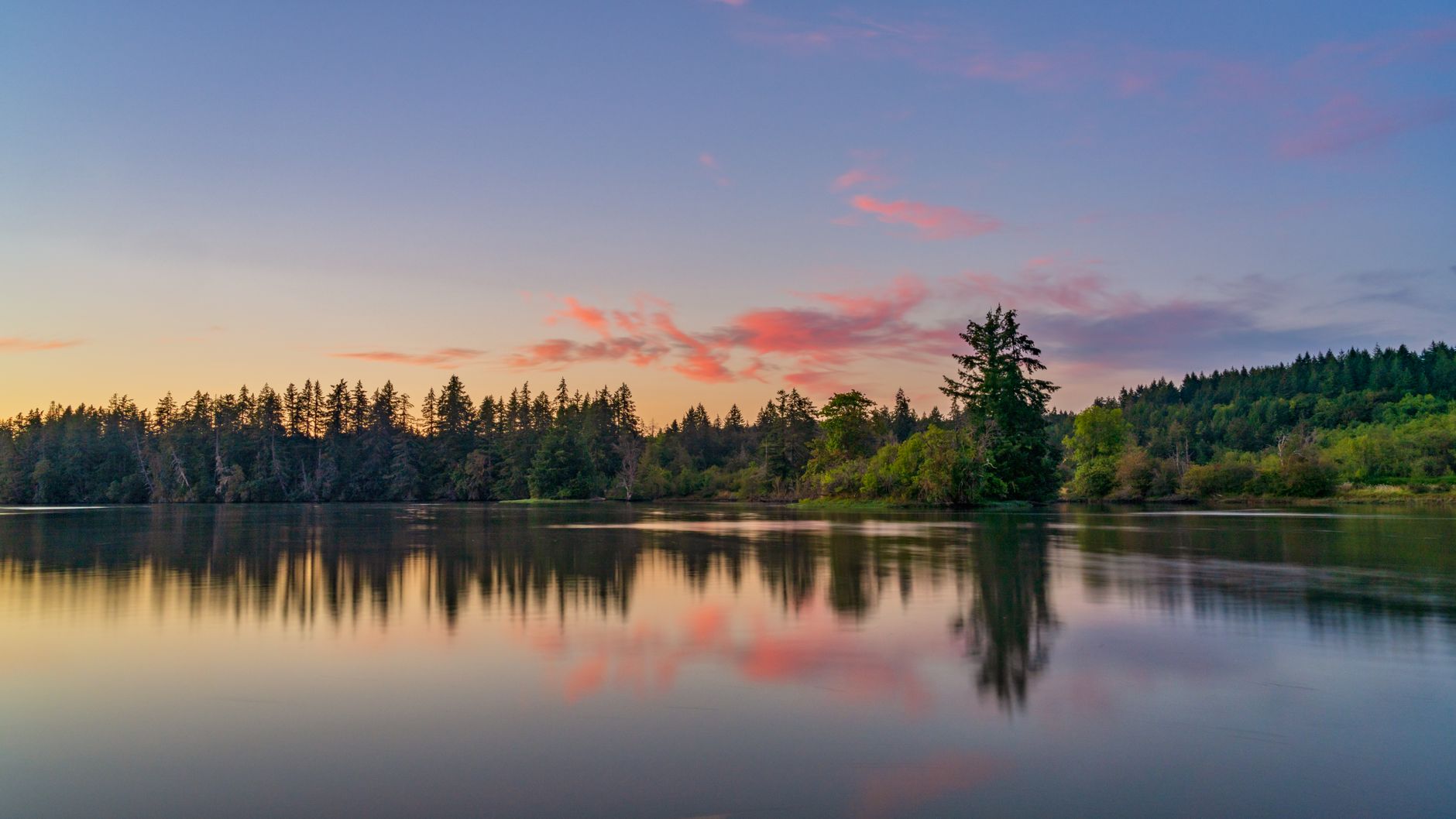
Elton Lake, Russia
Europe's largest mineral lake, famous for its striking crimson-pink waters and vast expanses of salt flats.
Nestled in the steppe near the Kazakhstan border, Elton Lake is a surreal natural spectacle. Its shallow waters shimmer with hues of pink and red, caused by salt-loving algae and bacteria, especially vibrant at sunrise and sunset. The lake's mineral-rich mud and brine have been prized for their therapeutic properties for centuries, attracting seekers of natural remedies to this otherworldly landscape, often dubbed the "Dead Sea of Russia."
6. The Stone Pillars of Siberia
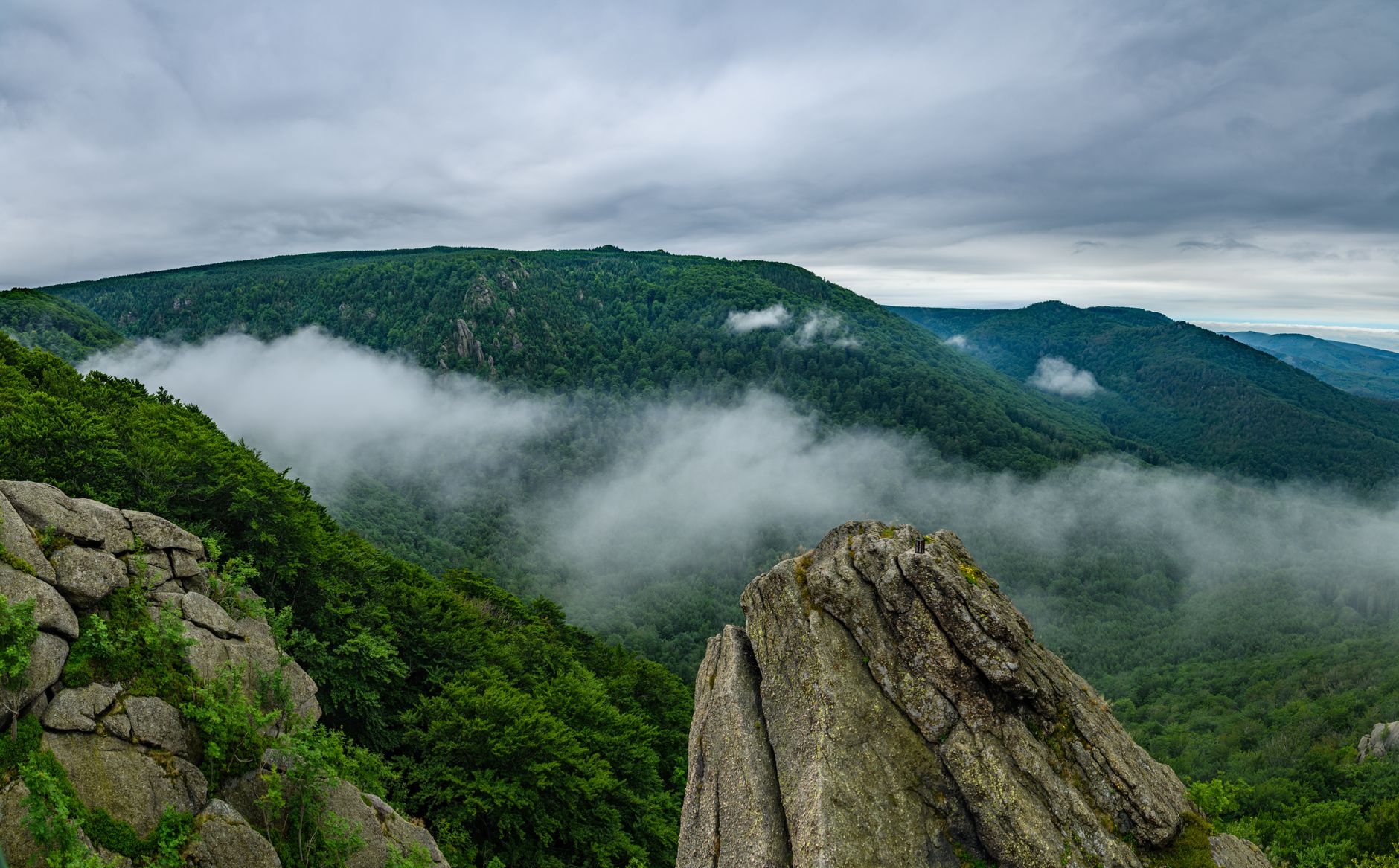
Krasnoyarsk, Russia
A unique geological park famed for its towering syenite rock formations that have inspired a distinct local climbing culture known as "Stolbism."
Just outside Krasnoyarsk lies Stolby, a dramatic landscape of ancient volcanic rock pillars, some reaching over 100 meters high, sculpted by millions of years of erosion. More than just a nature reserve, Stolby fosters a unique subculture of free-climbing enthusiasts, the "Stolbists," who have been scaling these formations for generations without ropes or special equipment, developing a deep connection with the natural environment and a unique set of traditions.
7. The Island of Smoldering Peaks
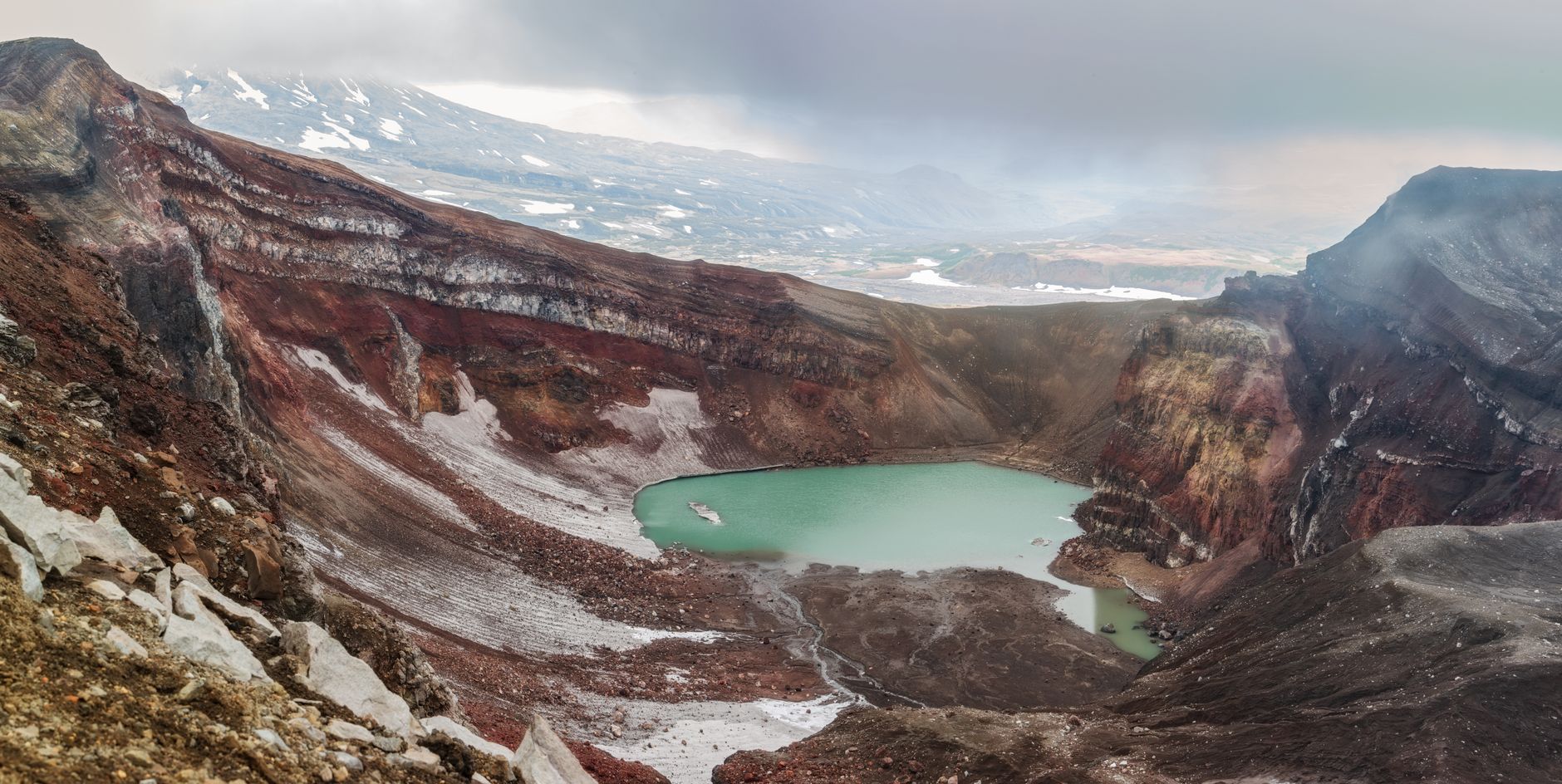
Kunashir Island, Russia (Kuril Islands)
Home to the spectacular Tyatya Volcano, one of the world's most perfect stratovolcanoes, and unique columnar basalt formations at Stolbchaty Cape.
Kunashir, a remote and seismically active island in the disputed Kuril chain, boasts raw, untamed nature. Its dominant feature is the Tyatya Volcano, a near-perfect cone often shrouded in mist, with a "sombrero" caldera from a past eruption. Along its coast, Stolbchaty Cape presents dramatic columnar basalt cliffs, resembling organ pipes, formed by ancient lava flows cooling and contracting. This wild frontier offers a glimpse into powerful geological forces and rich biodiversity, far from human crowds.
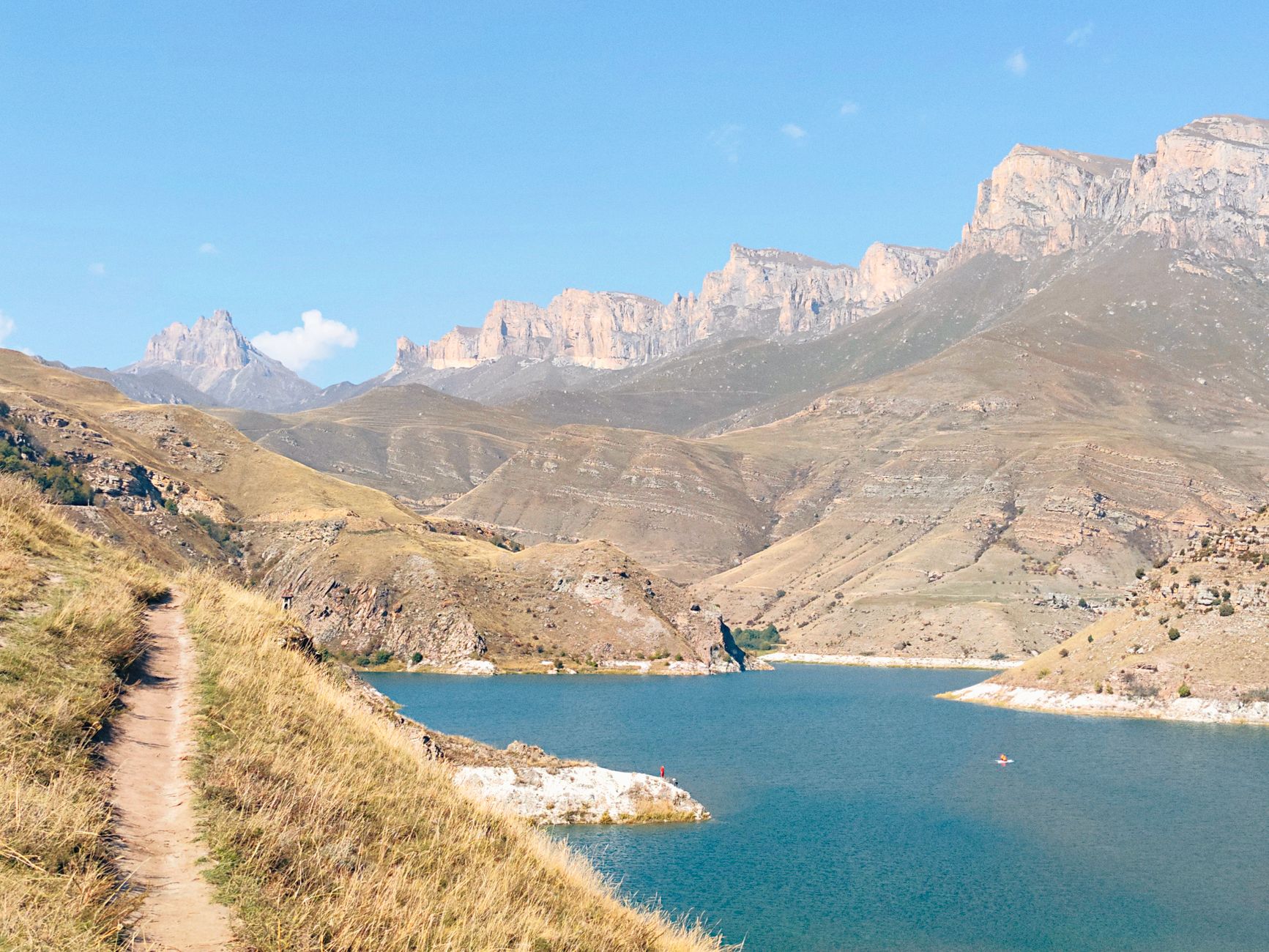
8. Europe's Deepest Gorge
Sulak Canyon, Russia (Dagestan)
A breathtaking natural wonder, deeper than the Grand Canyon in places, carved by the Sulak River through the rugged Caucasus Mountains.
Tucked away in the North Caucasus republic of Dagestan, the Sulak Canyon plunges to depths of over 1,920 meters, making it one of the deepest canyons in the world and significantly deeper than the Grand Canyon at its deepest point. The turquoise waters of the Sulak River wind dramatically through its sheer, stratified walls, offering awe-inspiring vistas. This less-traveled region showcases Dagestan's stunning natural beauty and its rich, diverse ethnic cultures, a true hidden gem.
Frequently asked questions
Is it rude to smile at strangers in Russia?
In Russia, a smile is generally reserved for close friends, family, or when there's a specific reason for joy. A wide, constant smile at strangers might be perceived as insincere, naive, or even a sign of mental instability rather than politeness. It's not necessarily rude, but it's not the default social gesture it often is in Western cultures.
How do Russians typically react if a foreigner smiles at them?
Reactions can vary. Some might return a polite, subtle smile, especially if you're in a tourist area. Others might look away, appear confused, or simply not react at all. The key is not to take it personally; it's a cultural difference, not a personal rejection. A genuine, context-appropriate smile is always better than a forced one.
Are there exceptions to the smiling norm, like in service industries?
Yes, in modern service industries, especially in larger cities and establishments catering to tourists, you're more likely to encounter staff who smile as part of their professional demeanor. However, this is still less prevalent than in many Western countries, and a warm, genuine interaction is often valued more than a constant, "customer service" smile.
How can AllTours.ai help me understand Russian culture better?
AllTours.ai is an AI audio tour guide app that can enhance your understanding of places like these. Just point your phone camera at a landmark or landscape, and the app narrates its history, geology, and culture in your language, offering deep insights into the local context and nuances you might otherwise miss. It's like having a local expert by your side, explaining the stories behind the sights.
Photography via Pexels. AllTours.ai is an AI audio tour guide — point your camera at any landscape and hear its story.