June 15, 2026 · 4 min read
When you think of Montreal, perhaps its vibrant arts scene, world-class cuisine, or European charm come to mind. But beneath the city's captivating surface lies a rich tapestry of industries that have shaped its identity, propelled its growth, and continue to innovate.
Beyond the obvious, Montreal boasts a fascinating industrial heritage that ranges from pioneering engineering feats to cutting-edge digital creation. This guide delves into the lesser-known corners and surprising stories that answer the question: What industry is Montreal known for?
1. The Lachine Canal's Industrial Banks
Lachine Canal National Historic Site, Canada
This serene waterway once powered Montreal's transformation into Canada's industrial heartland, its banks lined with textile mills and steelworks.
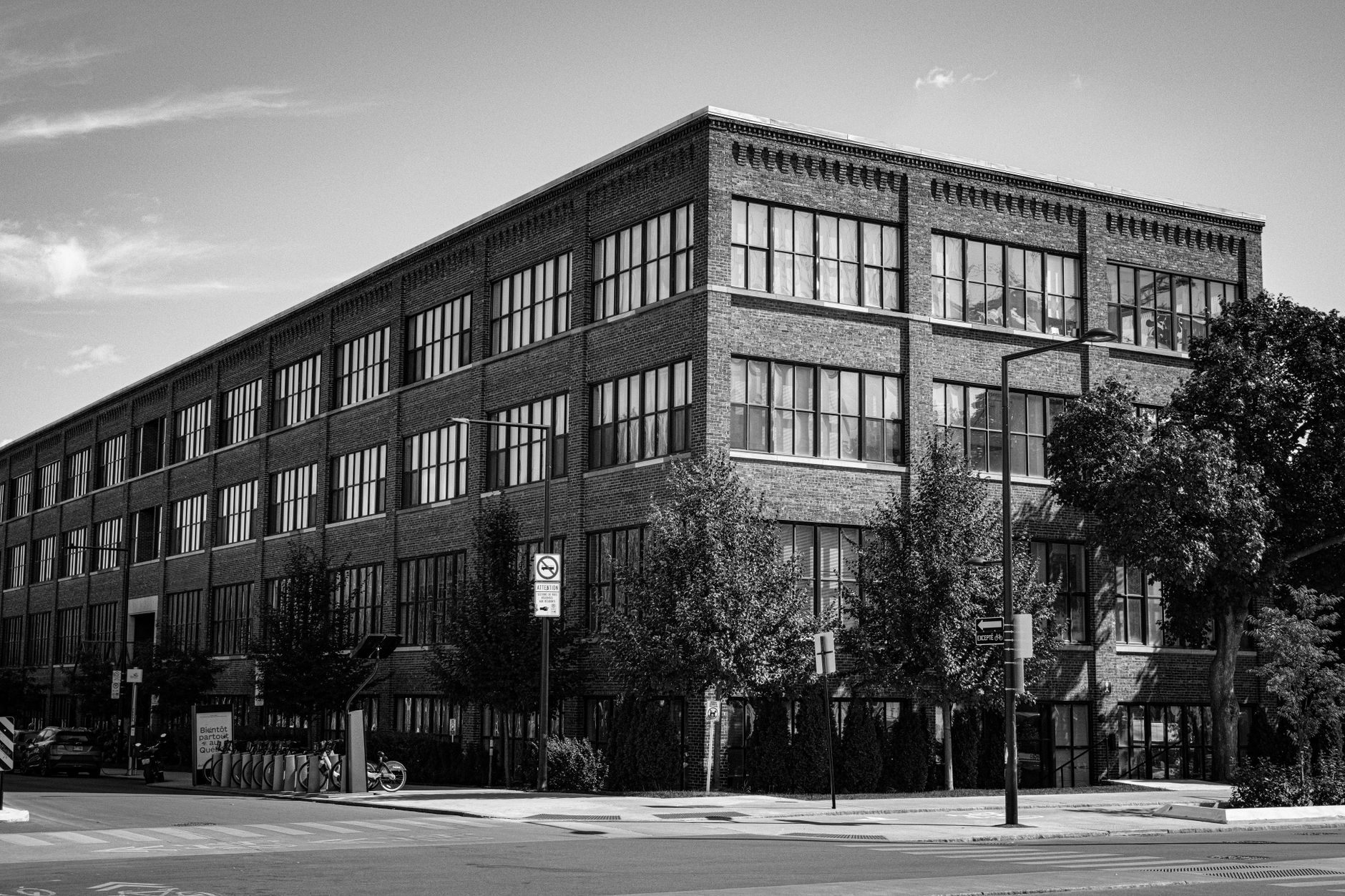
In the 19th century, the Lachine Canal locks provided vital hydraulic power, drawing industries like the Canada Car Company and Dominion Textile. The canal transformed Montreal into a manufacturing powerhouse, a story visible in the repurposed brick buildings along its edge, which now house offices, lofts, and creative spaces.
2. McAuslan Brewing (St-Ambroise Brewery)
5080 Saint-Ambroise St, Montréal, Canada
This popular microbrewery occupies a former industrial complex with a surprising past, including bottling soft drinks during Prohibition.
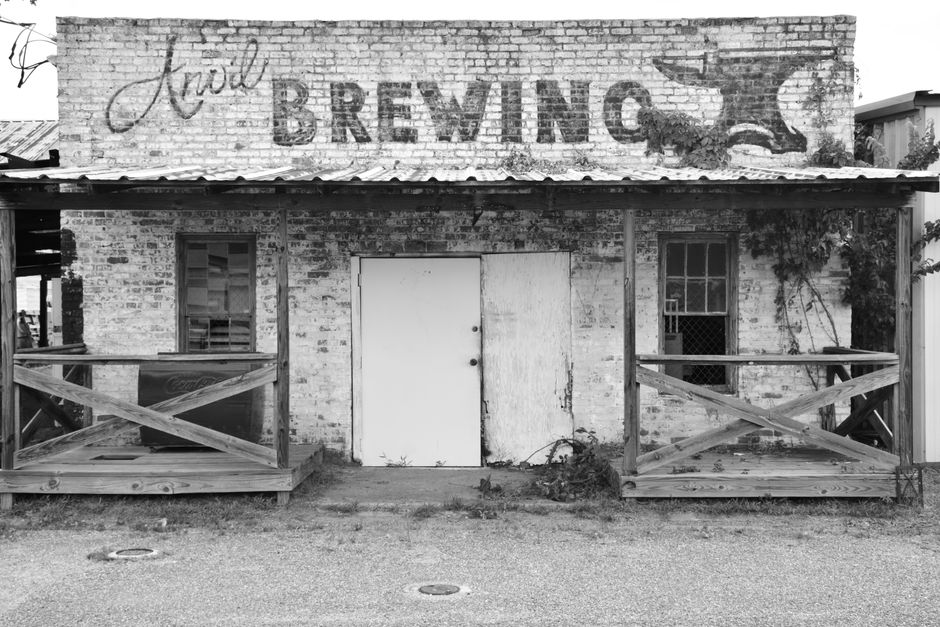
McAuslan Brewing, known for its St-Ambroise beers, is situated in a historic building that once housed a massive sugar refinery and later a soft drink plant. During American Prohibition, this location was a key supplier of non-alcoholic beverages across the border, a testament to Montreal's fluid economic ingenuity and its role in cross-border trade.
3. Marché Bonsecours (Old Port)
350 Rue Saint-Paul E, Montréal, Canada
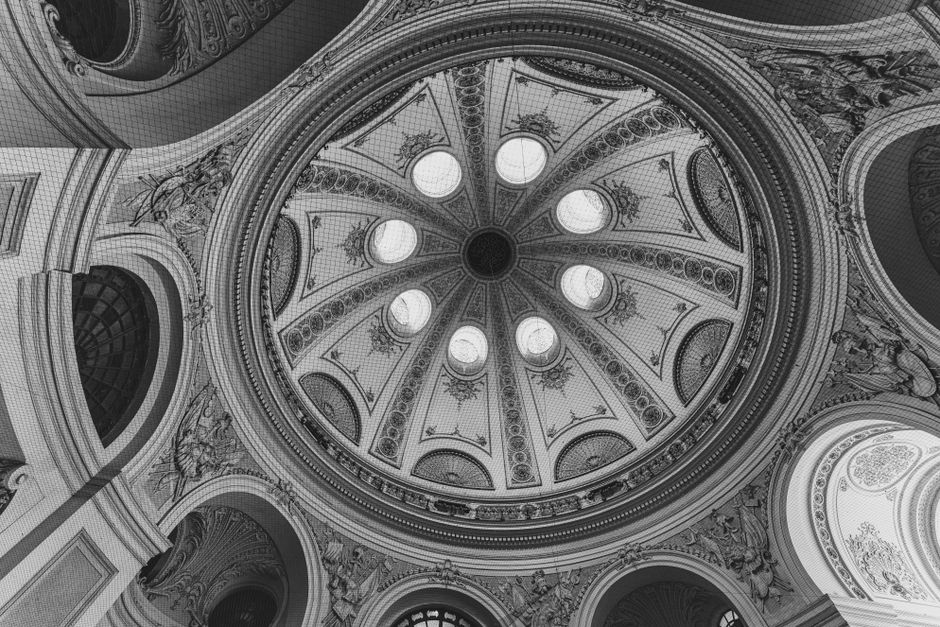
Beyond its current artisan boutiques, this grand dome once served as Canada's Parliament and a primary hub for international trade.
Built in the mid-19th century, Bonsecours Market was initially conceived as Montreal's main public market and customs house. For a brief but pivotal period, it housed the Parliament of United Canada, making it a critical political and economic center where goods and ideas converged from across the globe, especially textiles and crafts.
4. The Chabanel Fashion District
Rue Chabanel Ouest, Montréal, Canada
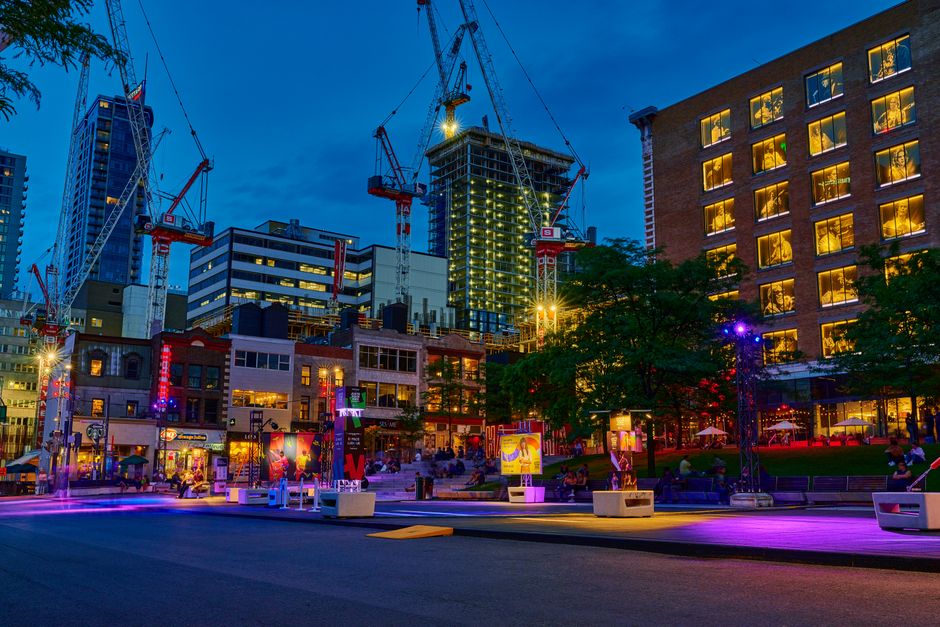
A discreet industrial zone north of downtown, Chabanel remains the quiet engine of Montreal's enduring fashion and textile industry.
While the Plateau's garment factories have largely moved on, Chabanel is where many Canadian fashion designers, manufacturers, and distributors still operate. It's a no-frills district of showrooms and workshops, showcasing the practical, working heart of Montreal's fashion scene away from retail glamor, a hub for wholesale and design innovation.
5. Cité du Multimédia (Old Montreal)
Cité du Multimédia, Montréal, Canada
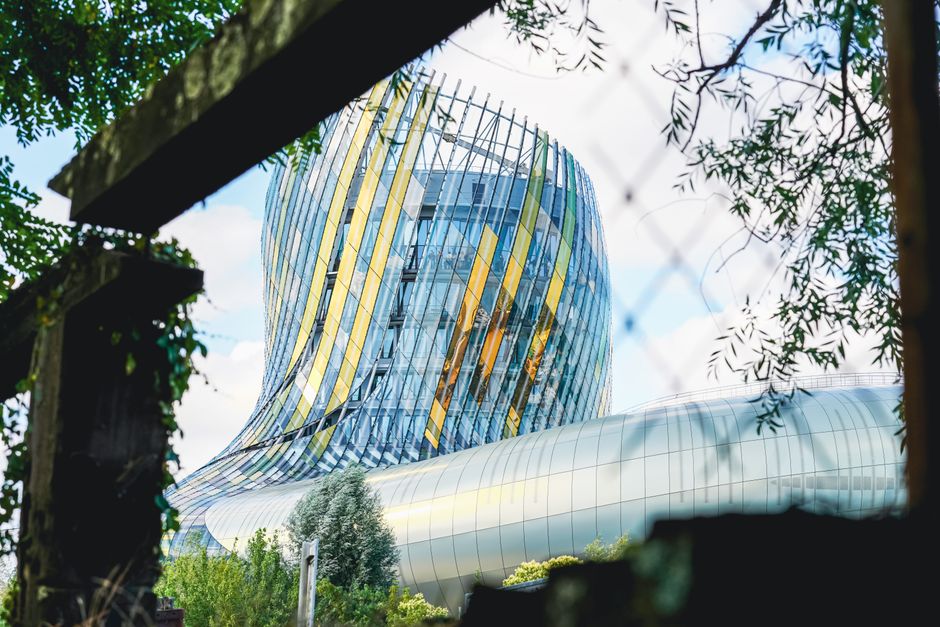
This district of revitalized 19th-century warehouses secretly birthed some of the world's most iconic video games and digital innovations.
Once a forgotten industrial area, the Cité du Multimédia was transformed in the late 1990s into a hub for tech and creative industries. Companies like Ubisoft and Eidos Montreal established major studios here, leveraging government incentives to turn historic brick buildings into modern powerhouses of interactive entertainment, solidifying Montreal's reputation in gaming and AI.
6. Pointe-à-Callière Archaeology Museum (Customs House foundations)
350 Place Royale, Montréal, Canada
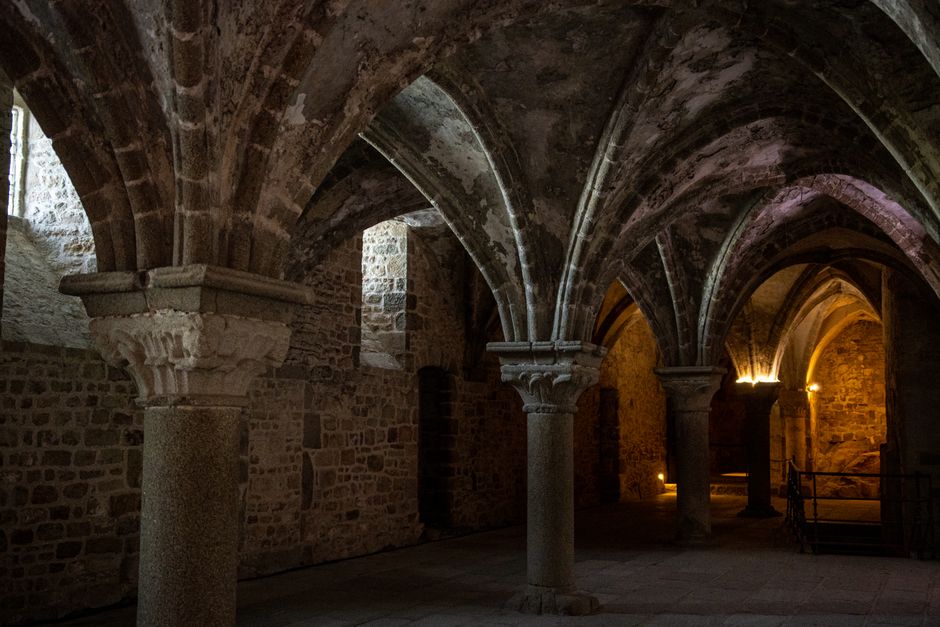
Beneath this modern museum lie the unearthed foundations of Montreal's first customs house, revealing its roots as a critical port city.
The archaeological crypt at Pointe-à-Callière offers a rare glimpse into the very origins of Montreal as a trading post. Visitors can walk among the ruins of the original customs house and the fortifications, understanding how early logistical infrastructure laid the groundwork for future industrial expansion and global commerce facilitated by its strategic port location.
7. Victoria Bridge
Victoria Bridge, Montréal, Canada
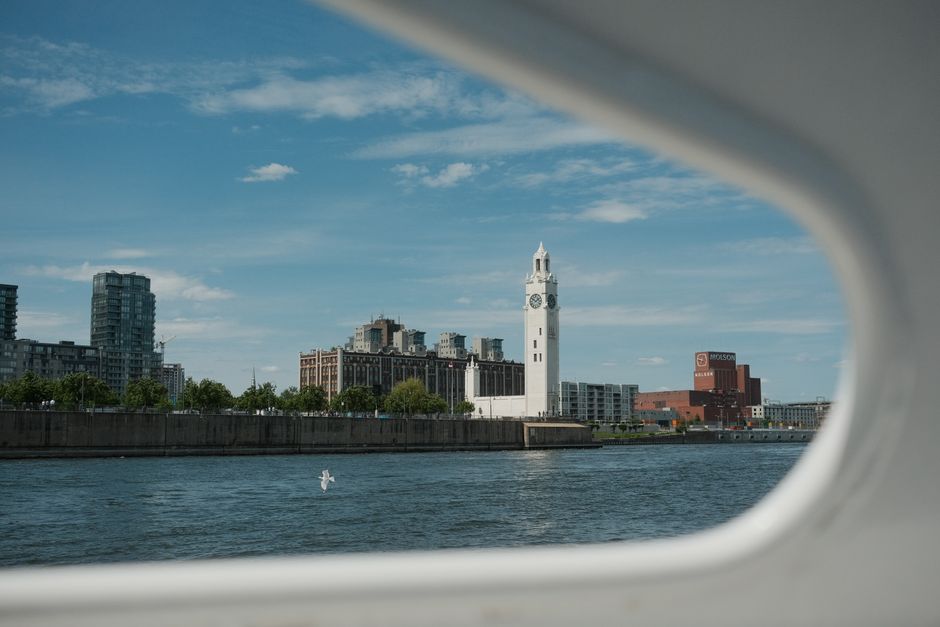
Once called the 'eighth wonder of the world,' this unassuming rail bridge solidified Montreal's status as a continental gateway.
Completed in 1859, the Victoria Bridge was a colossal engineering feat, initially a tubular bridge for the Grand Trunk Railway. It connected Montreal to the south shore, enabling the efficient transport of goods and people across the continent, directly fueling the city's growth as a major railway and shipping hub that shaped Canada's economy.
8. Molson Coors Brewery
1555 Rue Notre-Dame E, Montréal, Canada
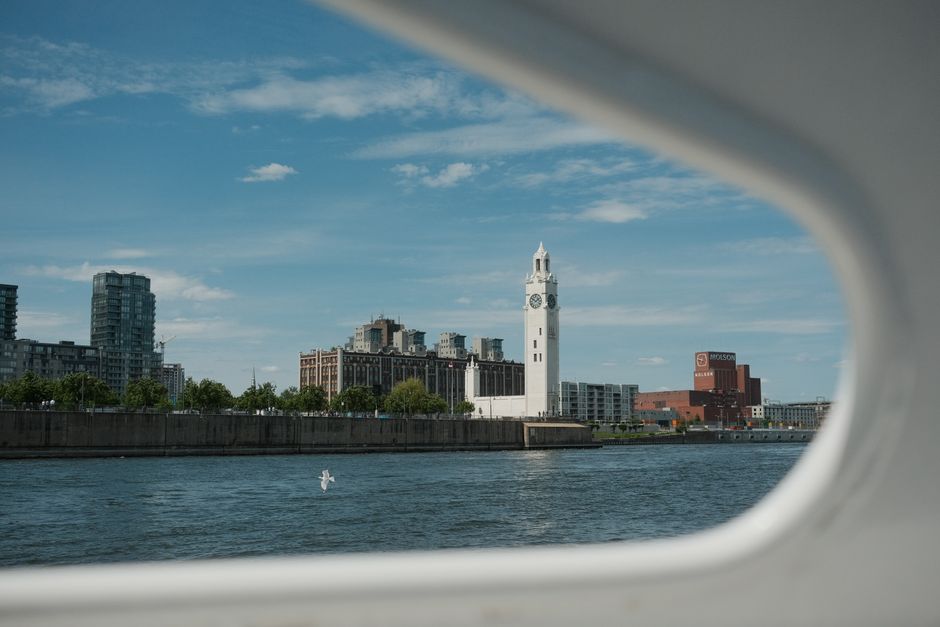
Not just a brewery, but the oldest continuously operating one in North America, its story deeply woven into Montreal's identity.
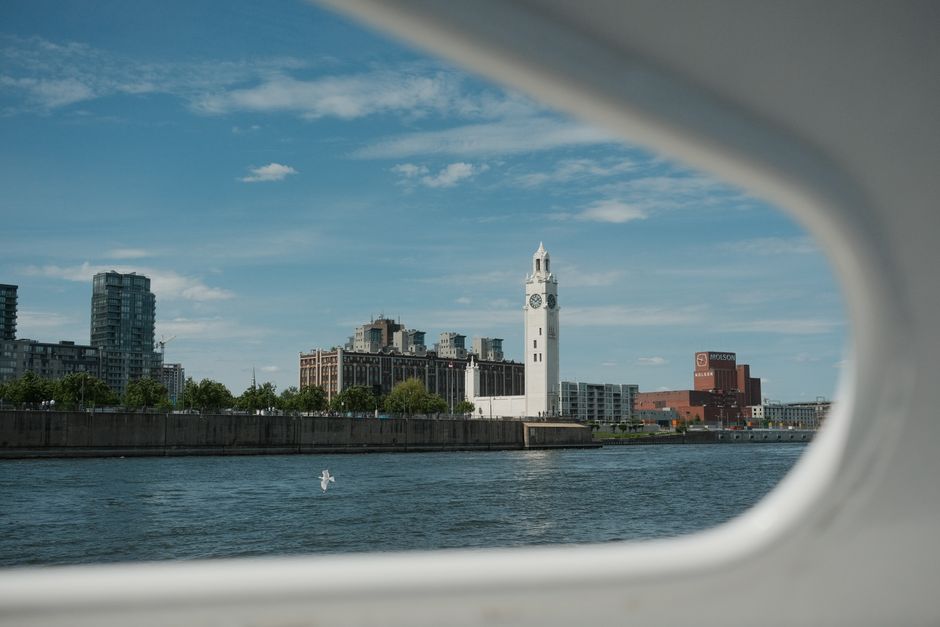
Founded in 1786 by John Molson, this brewery has witnessed and influenced centuries of Montreal's development. From its early days supplying local taverns to becoming a global brand, the Molson site on Notre-Dame East stands as a living testament to an industry that has quenched the city's thirst and contributed significantly to its economy for generations.
9. Montréal Saint-Hubert Longueuil Airport (YHU)
5000 Pl. de la Savane, Saint-Hubert, Canada
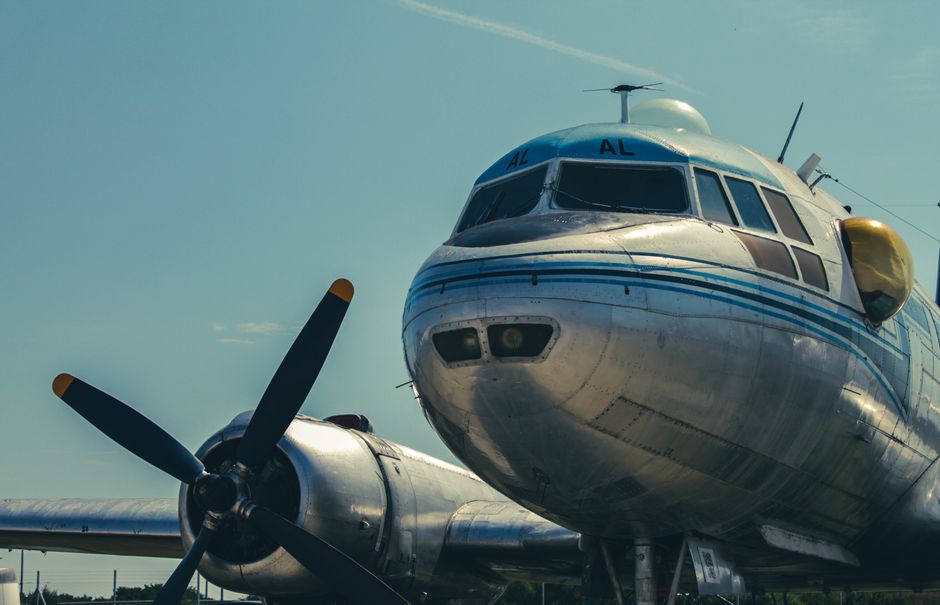
This regional airport holds a surprising history as Canada's first international airport and a birthplace of Canadian transatlantic aviation.
Before Montreal-Trudeau, Saint-Hubert was the city's main airport, inaugurated in 1927. It was the departure point for Canada's first transatlantic airmail flight in 1930 and a key site for early flight innovation. It laid the groundwork for Montreal's eventual rise as a global aerospace manufacturing and research center, a vital industry today.
Frequently asked questions
What are the primary economic drivers of Montreal today?
Montreal's economy is highly diversified. Key industries include aerospace, information and communication technologies (ICT), video game development, artificial intelligence, life sciences and health technologies, finance, and logistics. Its vibrant cultural sector also contributes significantly.
Is Montreal a major tech hub?
Absolutely. Montreal is particularly renowned as a global hub for video game development, home to major studios like Ubisoft and Eidos. It's also a rapidly growing center for artificial intelligence research and development, attracting significant investment and talent.
What role did Montreal play in Canada's industrial revolution?
Montreal was at the forefront of Canada's industrial revolution. The Lachine Canal, for instance, provided crucial hydraulic power for early factories, making Montreal a manufacturing powerhouse. Its strategic port and railway connections, exemplified by the Victoria Bridge, also cemented its role as a major transportation and trade hub.
How can AllTours.ai help me explore Montreal's industrial heritage?
AllTours.ai brings these hidden stories to life. Simply point your phone camera at any landmark, building, or landscape mentioned in this guide – or anywhere else you wander in Montreal – and our AI will narrate its unique history, geology, and cultural significance in your language, making every step an immersive discovery.
Photography via Pexels. AllTours.ai is an AI audio tour guide — point your camera at any landscape and hear its story.