July 9, 2026 · 4 min read
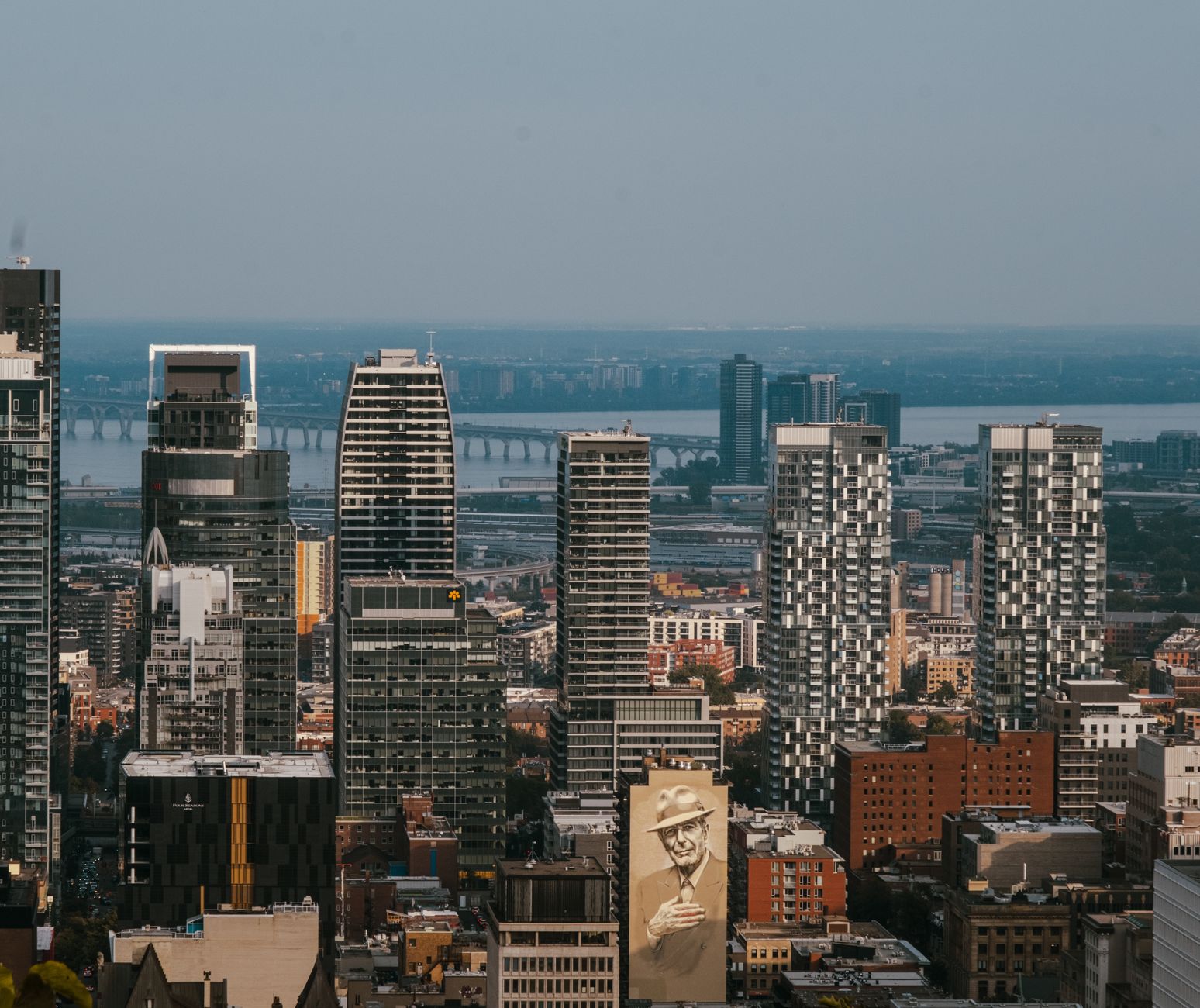
Planning a first-time trip to Montreal with kids aged 10 and 12 means balancing convenience with captivating experiences. While Old Montreal and Mont Royal Park are deservedly popular, the city holds a deeper trove of stories and lesser-known spots that truly spark curiosity.
Forget the usual tourist trail for a moment. We've curated a guide to convenient neighborhoods that are not only easy to navigate but also hide fascinating historical, geological, and cultural secrets your family will talk about long after your visit.
1. The Plateau's Winding Staircases
Plateau Mont-Royal, Montreal, Canada
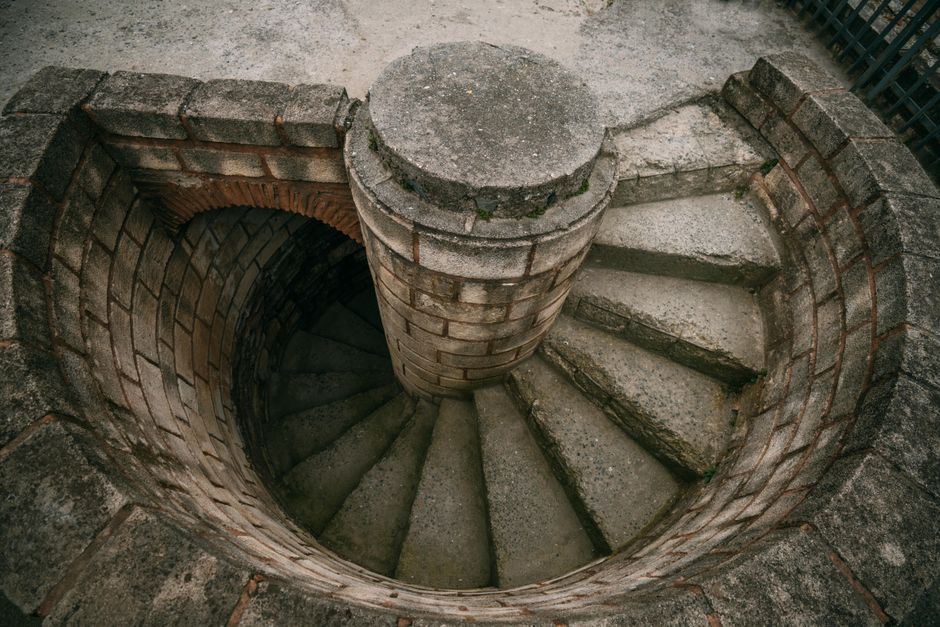
These aren't just pretty; Montreal's iconic spiral staircases were a clever way to maximize living space and served as social hubs for generations.
Look up on any street in the Plateau Mont-Royal, and you'll see them: wrought-iron spiral staircases. Far from a mere architectural flourish, these external stairways were a brilliant solution to Montreal's narrow row houses, moving circulation outside to free up precious indoor square footage. They also fostered a unique social dynamic, often becoming places where neighbors would gather, chat, and watch the street life unfold. They're a living testament to clever urban design and community spirit.
2. Mile End's Bagel Battleground
Mile End, Montreal, Canada
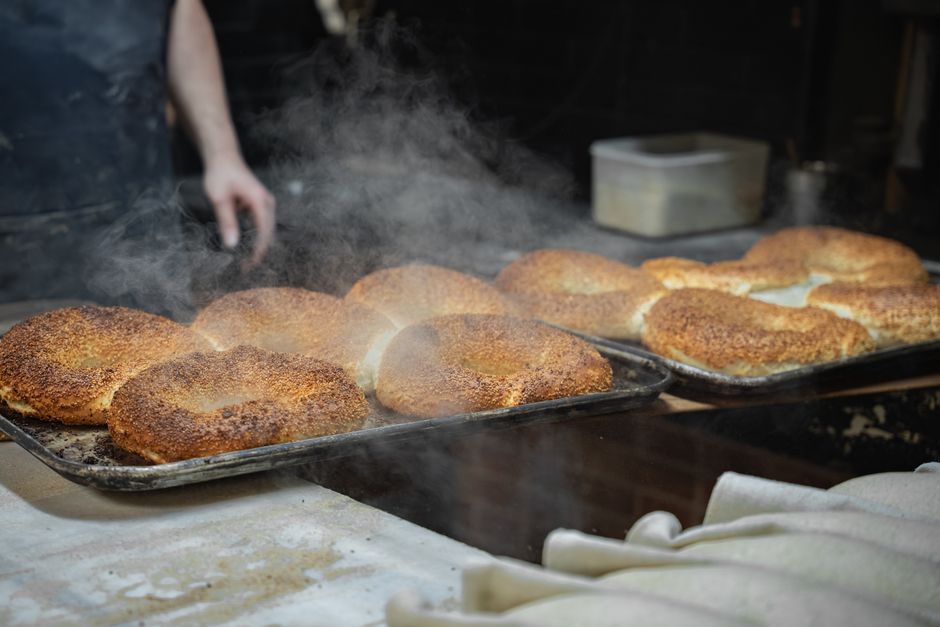
The unique chew and flavor of Montreal bagels come from an ancient Polish-Jewish baking tradition, boiled in honey water and fired in a wood-burning oven.
While New York boasts its own famous bagel, Montreal's version offers a distinct experience, particularly from the rival bakeries St-Viateur and Fairmount in Mile End. Their secret lies in a time-honored process: hand-rolled dough, a brief boil in honey-sweetened water, and then a quick bake in a searing hot, wood-fired oven. This method results in a denser, slightly sweeter bagel with a crunchy crust and chewy interior, a culinary legacy brought by Jewish immigrants.
3. Parc Jarry's Grand Slam Past
Villeray, Montreal, Canada
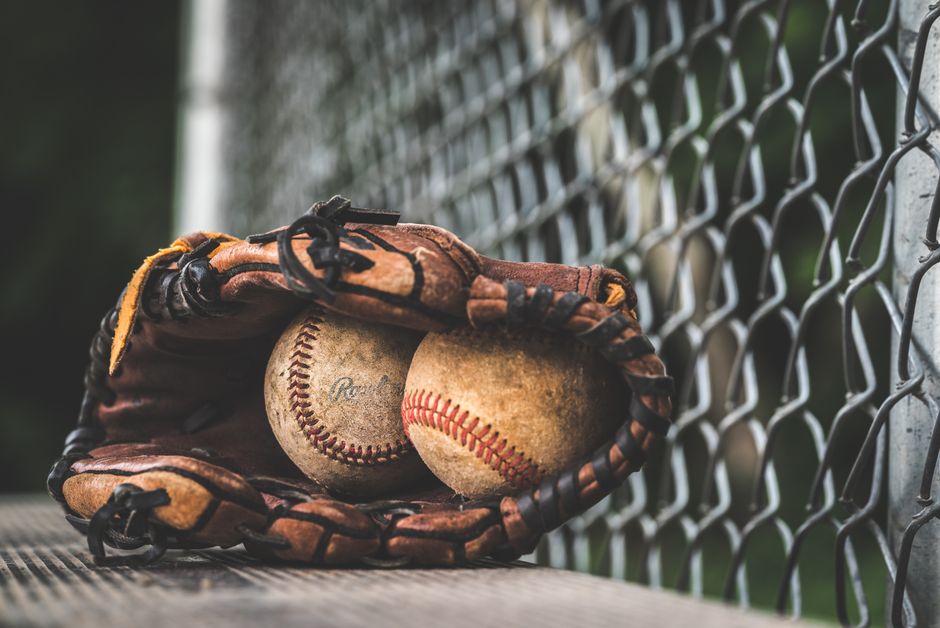
This peaceful urban park was once the roaring home field for the Montreal Expos, Canada's first Major League Baseball team.
Today, Parc Jarry is a beloved green space with playgrounds and sports fields, but from 1969 to 1976, it was a major league baseball stadium. It hosted the Montreal Expos, including legends like Rusty Staub and Gary Carter, before their move to Olympic Stadium. Imagine the cheers and crack of the bat echoing across these same grounds. The remnants of its past are subtle, but knowing its history adds a layer of sporting legend to a family picnic.
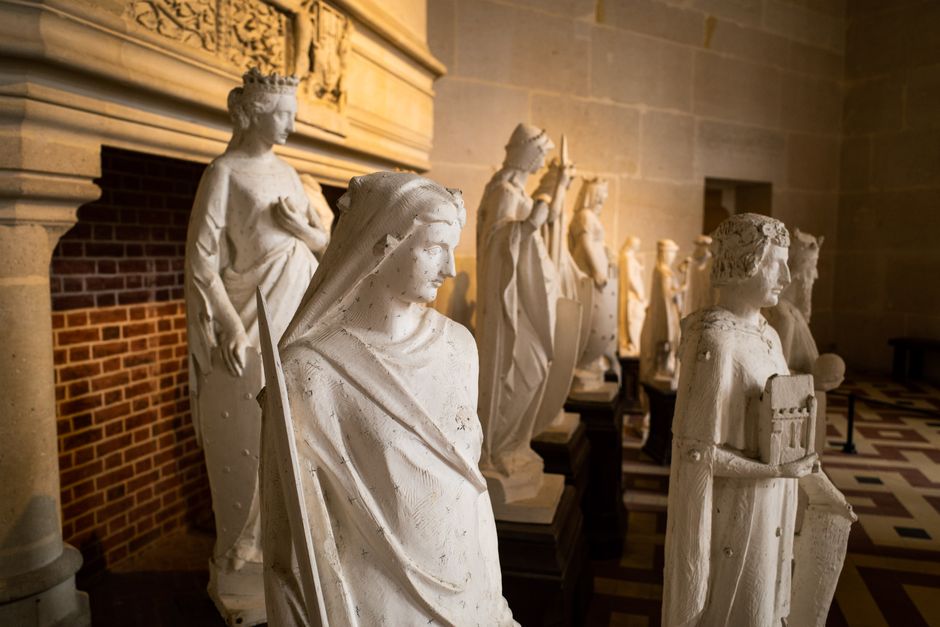
4. Benedict Arnold's Montreal Headquarters
Old Montreal, Montreal, Canada
This historic building, now a museum, served as the surprising headquarters for American General Benedict Arnold during the Continental Army's occupation of Montreal.
Château Ramezay, a beautiful 18th-century residence in Old Montreal, has witnessed centuries of history. Lesser known to many is its pivotal role during the American Revolution. In 1775, after American forces captured Montreal, Benedict Arnold established his command post within these very walls. Visitors can explore the rooms where pivotal decisions were made, offering a unique Canadian perspective on a defining American conflict.
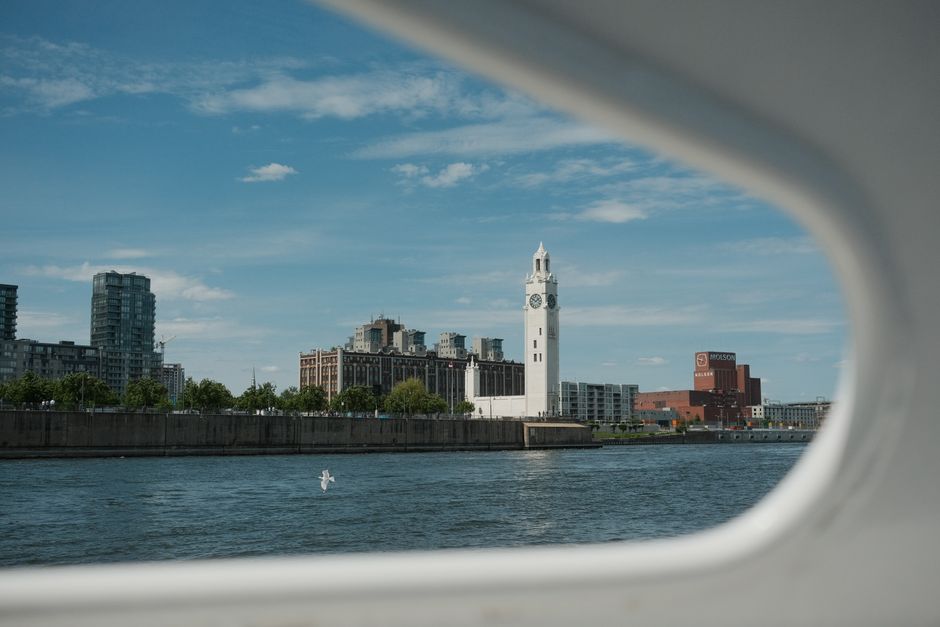
5. The Lachine Canal's Industrial Heartbeat
Pointe-Saint-Charles, Montreal, Canada
This serene waterway, now a national historic site, was once a crucial industrial engine that shaped Montreal into one of North America's busiest ports.
The Lachine Canal, stretching 14.5 kilometers, was a marvel of 19th-century engineering. Opened in 1825, it bypassed the treacherous Lachine Rapids, allowing ships to navigate past Montreal and connecting the Atlantic to the Great Lakes. Its banks became a hub of factories, mills, and warehouses, attracting immigrants and fueling Canada's industrial revolution. Today, it’s a beautiful urban park perfect for biking or walking, but its quiet waters hold stories of immense economic power.
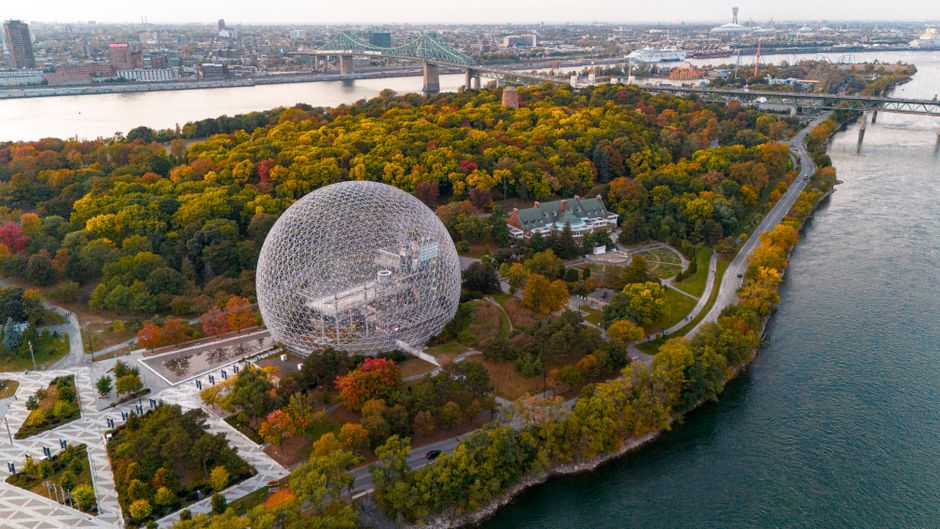
6. The Biosphere's Fiery Resilience
Parc Jean-Drapeau, Montreal, Canada
This iconic geodesic dome, originally the US Pavilion for Expo 67, survived a massive fire that transformed its structure, leaving only its steel skeleton standing.
The Montreal Biosphere is an unmistakable landmark on Île Sainte-Hélène. Designed by Buckminster Fuller, its acrylic skin initially housed an exhibit on American ingenuity during Expo 67. However, in 1976, a devastating fire consumed its transparent exterior, leaving behind the intricate steel lattice. Rather than demolish it, the structure was repurposed and now serves as an environmental museum, a testament to resilience and adaptation, still inspiring awe with its skeletal grandeur.
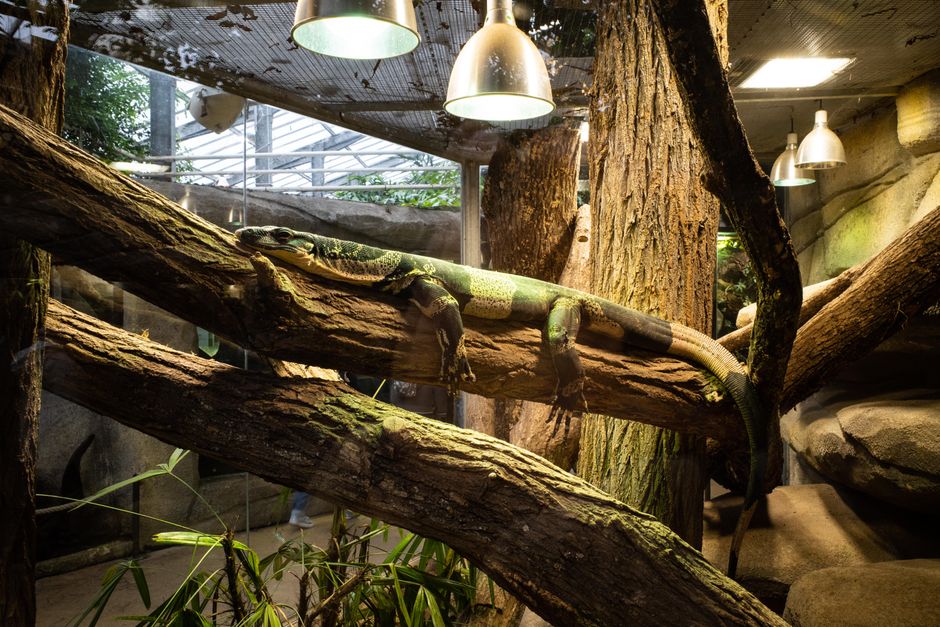
7. Montreal Insectarium's Tiny Giants
Rosemont-La Petite-Patrie, Montreal, Canada
Home to one of North America's largest insect collections, this unique museum reveals the surprising and vital roles these often-overlooked creatures play in our world.
Part of Montreal's "Space for Life" complex, the Insectarium offers a fascinating dive into the world of insects. Beyond just displaying butterflies and beetles, it highlights the incredible biodiversity and ecological importance of these small organisms. Kids can marvel at stick insects, tarantulas, and leaf-cutter ant colonies, learning how insects pollinate our food, decompose waste, and inspire scientific innovation. It's an eye-opening experience that fosters respect for the smallest inhabitants of our planet.
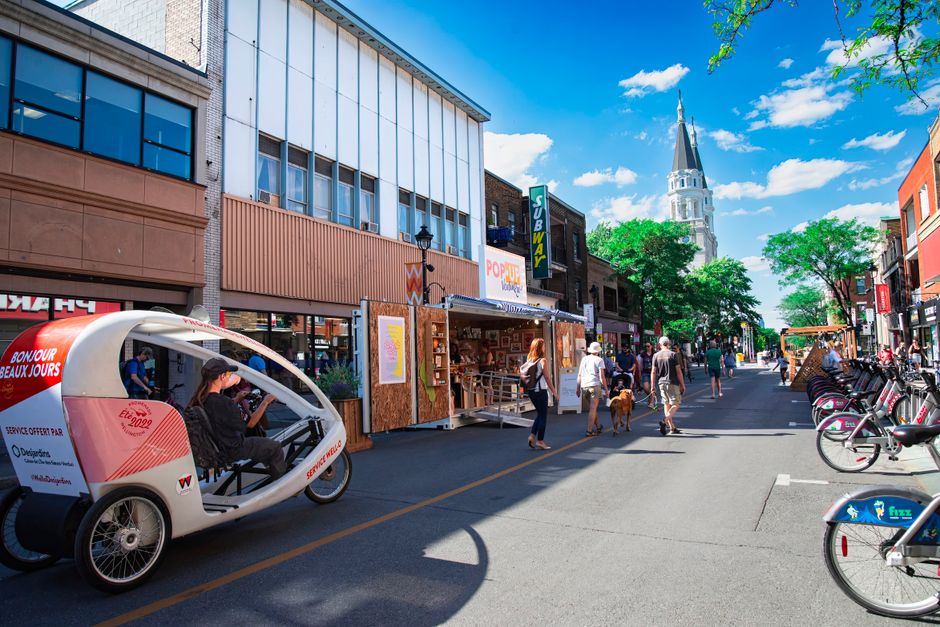
8. Rue Saint-Louis: A Brewery's Hidden Village
Plateau Mont-Royal, Montreal, Canada
Tucked away in the vibrant Plateau, this tiny street was originally built to house brewery workers, creating a unique, almost European micro-village feel in the heart of the city.
Just steps from the bustling Rue Saint-Denis, Rue Saint-Louis feels like a secret passage to another era. Developed in the mid-19th century by the Dow Brewery, it provided housing for its employees in a charming, cohesive architectural style. The narrow street, lined with uniform brick houses and small gardens, evokes a quaint European hamlet. It’s a quiet, picturesque anomaly in a busy urban district, offering a glimpse into Montreal's industrial past and community planning.
Frequently asked questions
What's the best way to get around Montreal with kids?
Montreal's Metro system is clean, efficient, and easy to use, making it ideal for families. Buses fill in the gaps for areas not directly served by the subway. For exploring specific neighborhoods like the Plateau or Mile End, walking is often the most enjoyable way to discover hidden gems.
Are there any specific foods kids (10-12) would enjoy in Montreal?
Absolutely! Poutine is a must-try Canadian classic with fries, cheese curds, and gravy. Montreal bagels, distinct from their New York counterparts, are always a hit. Smoked meat sandwiches from a deli like Schwartz's are iconic, and don't forget the local pastries.
What are some free activities for families in Montreal?
Families can enjoy exploring the vast Parc La Fontaine, walking or biking along the Lachine Canal, browsing the vibrant stalls of Marché Jean-Talon, or simply admiring the colorful street art and unique architecture in neighborhoods like the Plateau Mont-Royal. Many parks also offer excellent playgrounds.
How does the AllTours.ai app help us explore Montreal's hidden stories?
AllTours.ai transforms your phone into a personal AI audio tour guide. Simply point your camera at any landmark, building, or even a natural landscape, and the app narrates its unique history, geology, and culture in your language. It’s like having a local expert guide your family to surprising discoveries, making every walk an adventure.
Photography via Pexels. AllTours.ai is an AI audio tour guide — point your camera at any landscape and hear its story.