July 1, 2026 · 4 min read
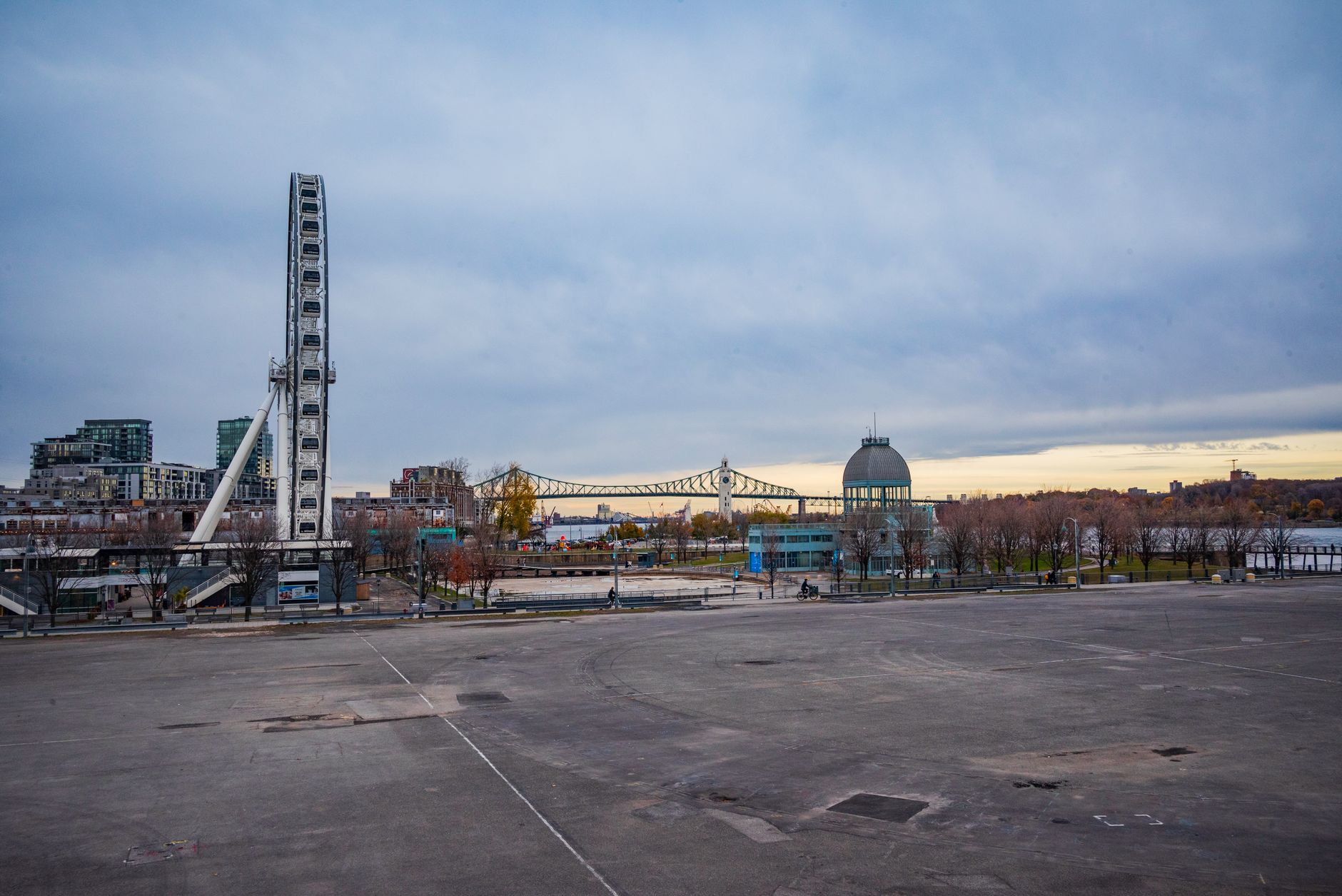
Figuring out what is a good salary to live on in Montreal often starts with budgets and spreadsheets. But living well in Montreal isn't just about covering costs; it's about enriching your life with its unique culture, history, and charm. And the best way to do that isn't always found on the main tourist routes.
Montreal is a city of layers, where grand narratives often overshadow the quieter, more intriguing stories unfolding in its less-traveled corners. Beyond the famous basilicas and bustling markets, a vibrant tapestry of history, geology, and culture awaits the curious explorer. Discover these overlooked gems, and you'll find a richer, more authentic Montreal.
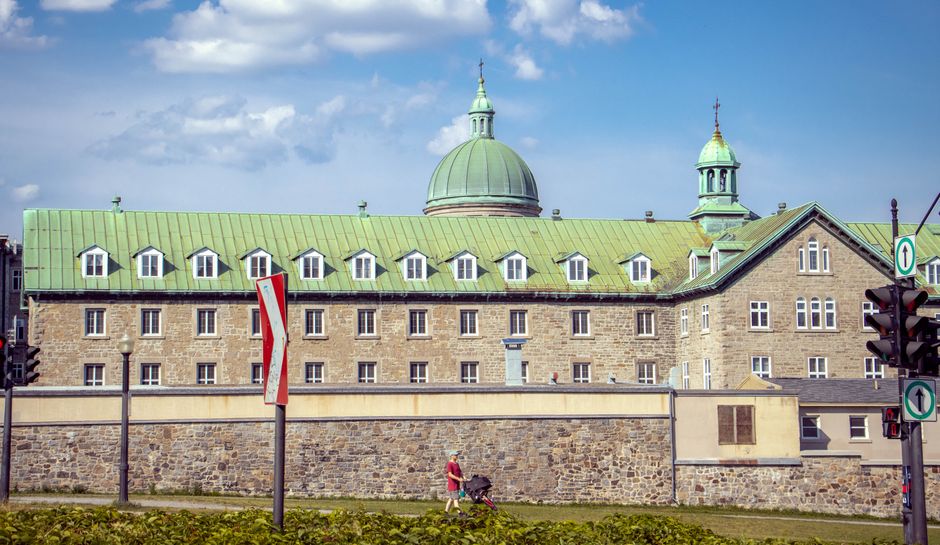
1. The Twin Houses of Château Dufresne
Château Dufresne, Montreal, Canada
These grand twin mansions, designed for two brothers, reveal a surprising history of fraternal rivalry and early 20th-century Montreal elite.
Built between 1915 and 1918, the Château Dufresne was originally two separate residences under one roof, commissioned by brothers Oscar and Marius Dufresne, prominent Montreal businessmen. Despite their shared roofline, the interiors were distinct, reflecting their individual tastes and, some say, a subtle competition between them. Today, it stands as a museum, offering a rare glimpse into the opulent lifestyle and complex family dynamics of Montreal's Golden Square Mile era.

2. Lachine Canal's Fur Trade Echoes
Old Lachine Fur Trade Store, Lachine Canal National Historic Site, Montreal, Canada
The Lachine Canal, often seen for pleasure boats today, was once the gritty, industrial heart of early Canada, pivotal to the fur trade.
Before the modern port of Montreal, the Lachine Canal was a crucial bypass for rapids, enabling ships to transport goods further inland. At its western end in Lachine, the Old Lachine Fur Trade Store stands as a testament to this era. It was here that voyageurs would depart for the vast wilderness and return with pelts, making this site a critical hub for the North American fur trade and a birthplace of Canadian commerce.
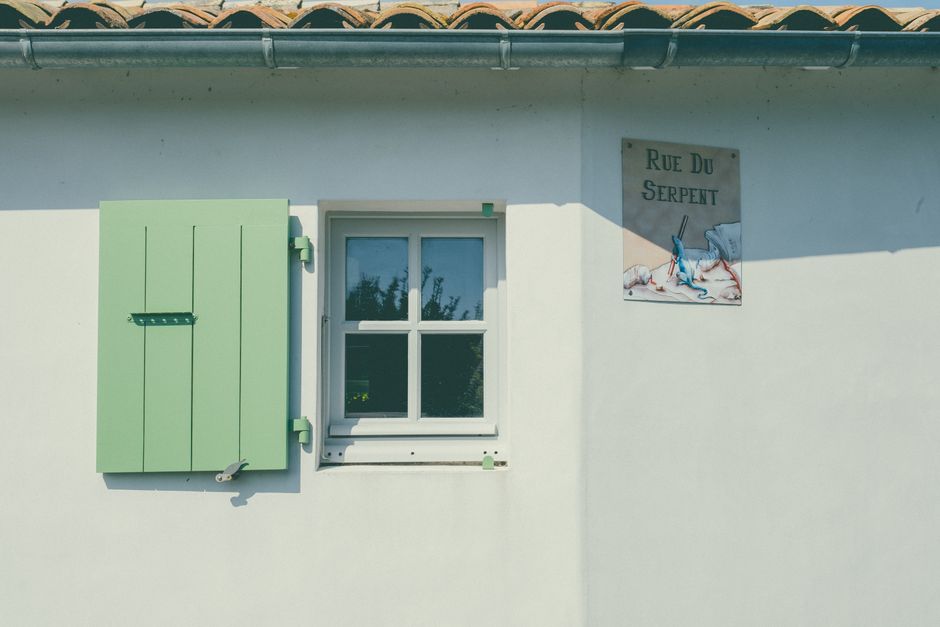
3. The People's Bathhouse: Écomusée du fier monde
Écomusée du fier monde, Montreal, Canada
This museum dedicated to Montreal's working-class history is housed in a beautifully preserved former public bathhouse.
The Bain Généreux, built in 1927, was once a bustling public bath where working-class families, many without indoor plumbing, came to wash. Its grand architecture and functional design speak volumes about social services in early 20th-century Montreal. Reimagined as the Écomusée du fier monde, it now tells the stories of Montreal's labor movements, social struggles, and the daily lives of its ordinary citizens, preserving a vital but often overlooked part of the city's heritage.
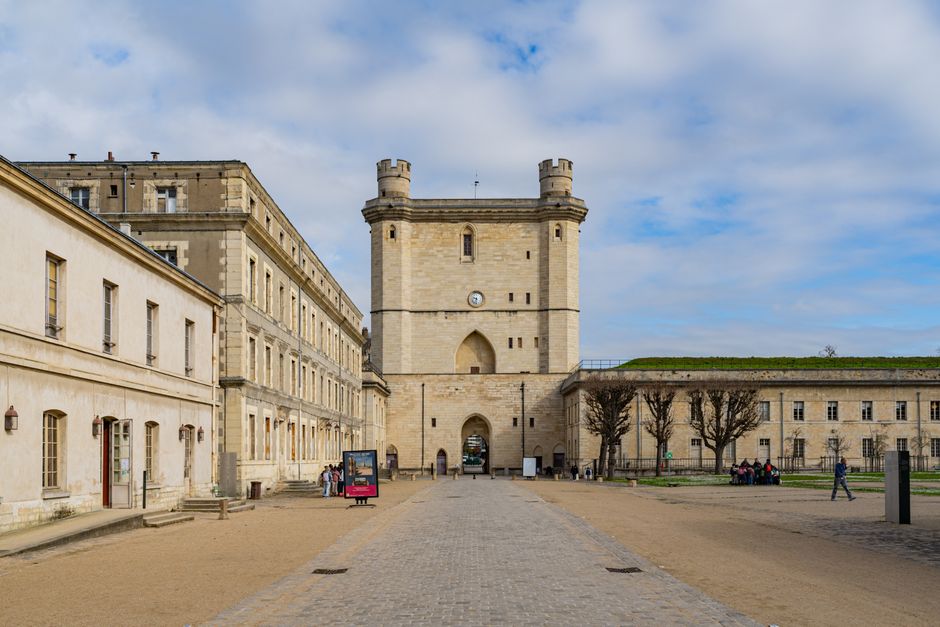
4. Hôtel-Dieu's Humble Beginnings
Musée des Hospitalières de l'Hôtel-Dieu de Montréal, Montreal, Canada
One of North America's oldest hospitals, Hôtel-Dieu, began with the vision of a single, courageous woman in the 17th century.
In 1642, Jeanne Mance, a lay nurse and co-founder of Montreal, established the Hôtel-Dieu, the first hospital on the island. The Musée des Hospitalières, housed in a wing of the current hospital complex, traces this remarkable history. It showcases the dedication of the Hospitalières de Saint-Joseph nuns who continued Mance's work, providing medical care to settlers and Indigenous peoples alike through epidemics and hardships, shaping early Canadian healthcare.
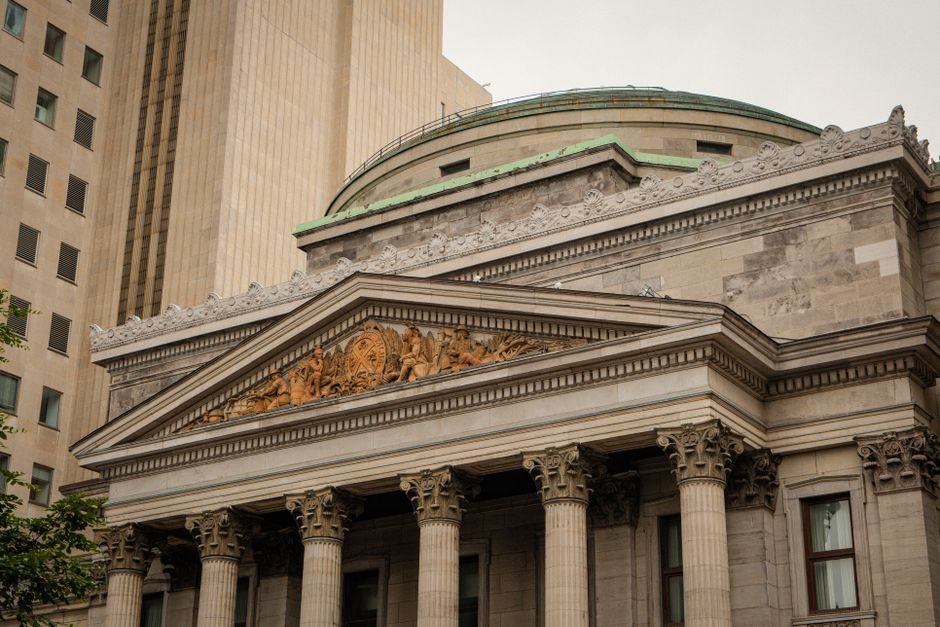
5. McGill's Ancient Wonders: Redpath Museum
Redpath Museum, McGill University, Montreal, Canada
McGill University's Redpath Museum holds an ancient Egyptian mummy acquired in a manner that was controversial even in the 19th century.
Opened in 1882, the Redpath Museum is Canada's oldest purpose-built museum. Among its vast natural history and ethnological collections is a human mummy, believed to be dating from the Ptolemaic period. The acquisition of such artifacts in the colonial era often involved methods now considered ethically questionable, a complex history that the museum acknowledges as it cares for and interprets its collections for contemporary audiences, inviting reflection on cultural heritage.
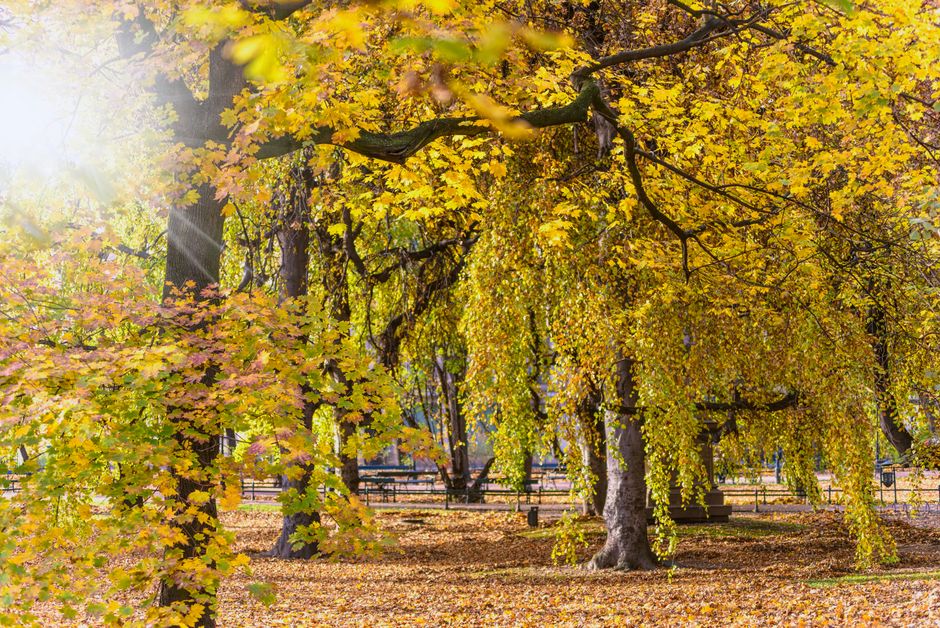
6. La Fontaine's Hidden Reservoir
Parc La Fontaine, Montreal, Canada
Before it was a beloved public park, this green space served as a military parade ground and even a municipal water reservoir.
Parc La Fontaine, a sprawling urban oasis, has a history far more utilitarian than its current tranquil appearance suggests. In the mid-19th century, part of its grounds served as the Papineau Square military parade ground, and a significant section housed Montreal's main water reservoir, supplying fresh water to the city. The park's transformation into a recreational area in the late 19th century marked a shift in urban planning, prioritizing public leisure and green space.
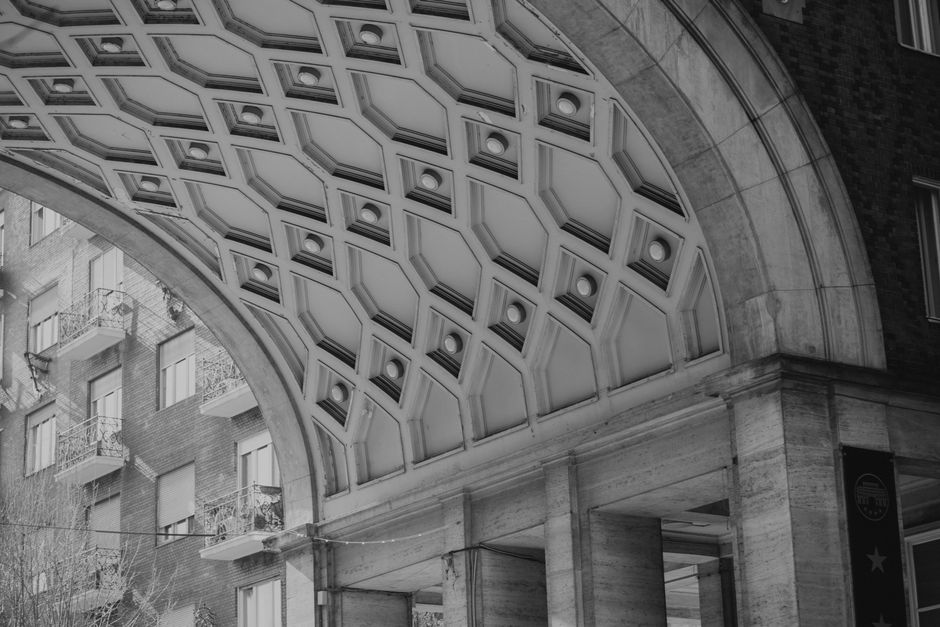
7. Art Deco at Atwater Market
Marché Atwater, Montreal, Canada
Beyond its fresh produce, Atwater Market stands as an Art Deco architectural gem, built on land reclaimed from the Lachine Canal.
Opened in 1933, Marché Atwater is not just a vibrant public market; it's a stunning example of Art Deco architecture in Montreal. Its distinctive clock tower and streamlined façade reflect the optimism and design trends of the interwar period. The market was built on land created by filling in parts of the Lachine Canal, making it a testament to both Montreal's industrial past and its commitment to beautiful public spaces for its citizens.
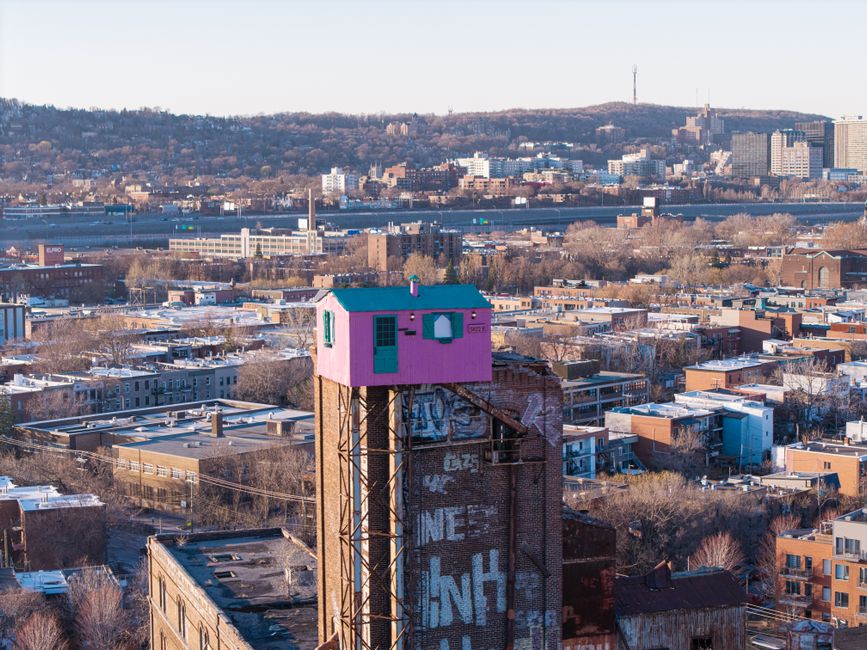
8. Carré Saint-Louis' Victorian Secret
Carré Saint-Louis, Montreal, Canada
The elegant Victorian homes surrounding Carré Saint-Louis hide a past as a working-class neighborhood built atop a former municipal water reservoir.
Carré Saint-Louis, with its charming fountain and rows of colorful Victorian houses, appears idyllic. However, this picturesque square was once the site of Montreal's first municipal reservoir in the 1850s, supplying water to the growing city. After the reservoir was deemed obsolete, the land was developed into a residential area, attracting artists and intellectuals in the early 20th century. The square's current beauty belies its industrial origins, offering a perfect blend of history and vibrant urban life.
Frequently asked questions
What is considered a good salary for a single person in Montreal?
For a comfortable single life in Montreal, covering rent, utilities, food, transportation, and some leisure, a salary upwards of $50,000 CAD gross per year is often considered good. This allows for more than just basic needs, enabling exploration of the city's cultural offerings and vibrant neighborhoods.
Is Montreal expensive for expats?
Compared to other major North American cities like Toronto or Vancouver, Montreal is generally considered more affordable for expats. Rent is a significant factor, but overall living costs for food, public transport, and entertainment tend to be lower, making it an attractive option for those looking to experience Canadian culture.
What is the best time of year to visit Montreal?
The best time to visit Montreal largely depends on your preferences. Summer (June-August) is vibrant with festivals and warm weather, while autumn (September-October) offers stunning fall foliage. Winter (December-February) transforms the city into a snowy wonderland with unique activities, and spring (April-May) brings milder temperatures and blooming flowers.
How can AllTours.ai help me discover Montreal's hidden gems?
AllTours.ai uses advanced AI to become your personal audio tour guide. Simply point your phone camera at a landmark, landscape, or even a specific building, and the app will narrate its fascinating history, geology, and cultural significance in your preferred language. It's designed to bring these lesser-known stories to life instantly, right as you encounter them.
Photography via Pexels. AllTours.ai is an AI audio tour guide — point your camera at any landscape and hear its story.