July 11, 2026 · 4 min read
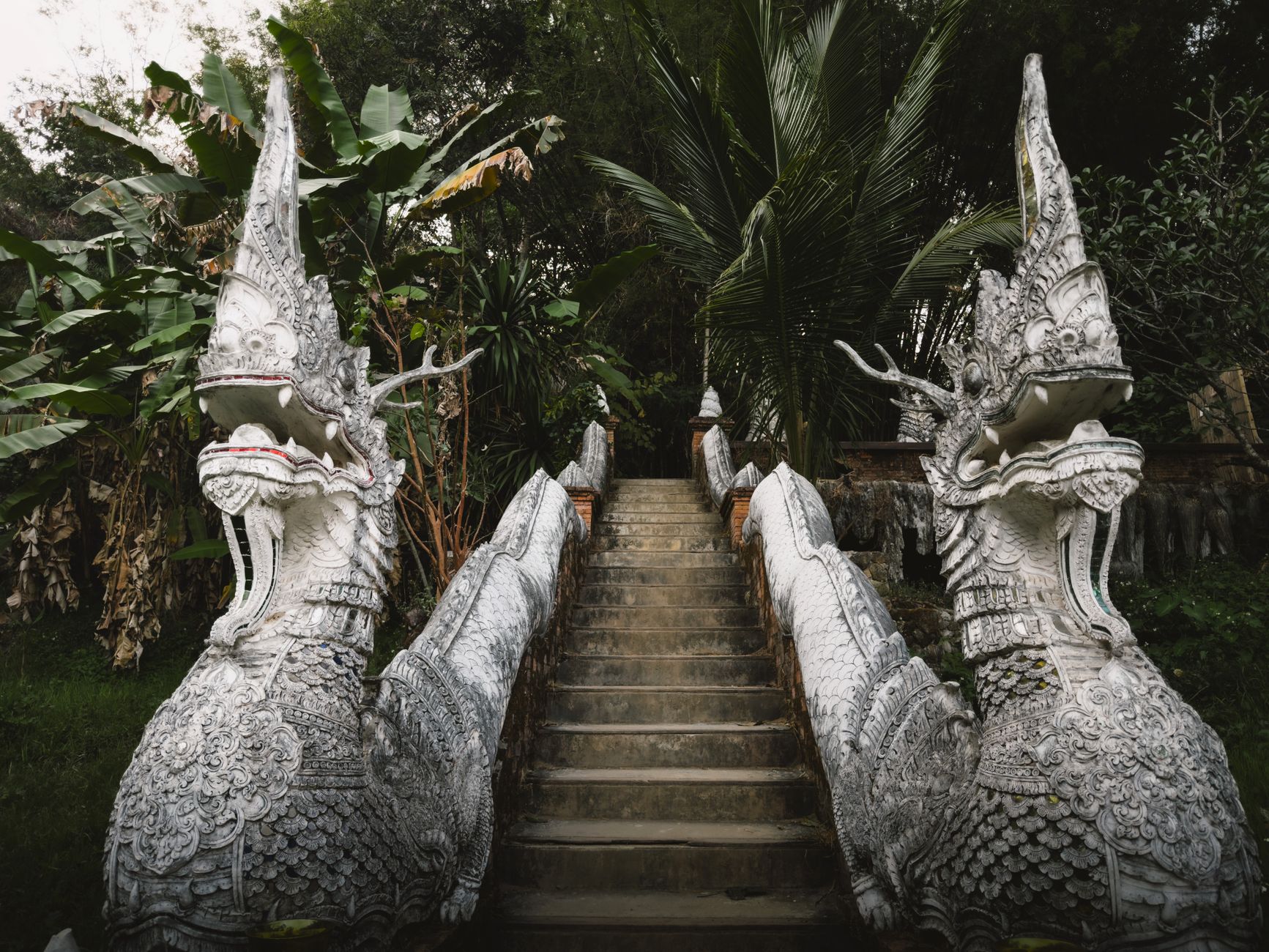
Chiang Mai often conjures images of gilded temples, bustling night markets, and vibrant Lantern Festivals. While these are undoubtedly part of its charm, the 'Rose of the North' holds deeper layers, rich with lesser-known histories, unique natural wonders, and quiet cultural enclaves waiting to be discovered.
Beyond the well-trodden paths lies a Chiang Mai that reveals its true character: a city where ancient empires were swallowed by rivers, where monks found solace in hidden jungle waterfalls, and where local artisans continue to breathe new life into age-old traditions. What is it like visiting Chiang Mai when you look beyond the postcards? It's an adventure into authenticity and unexpected narratives.
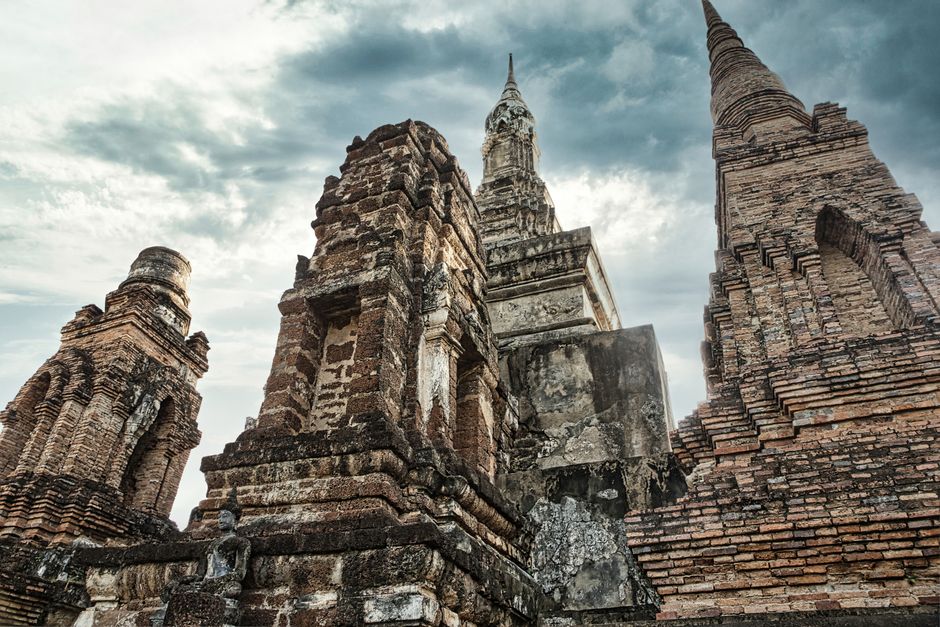
1. The City Swallowed by a River
Wiang Kum Kam, Thailand
This ancient city, once a capital, was completely buried by a massive flood for centuries.
Before Chiang Mai, there was Wiang Kum Kam, a Lanna kingdom capital founded in the 13th century. It met a dramatic end when the Ping River changed its course, submerging the entire city under layers of silt and mud. Today, ongoing excavations reveal its forgotten temples and stupas, offering a unique, literally unearthed glimpse into a past that shaped Northern Thailand.
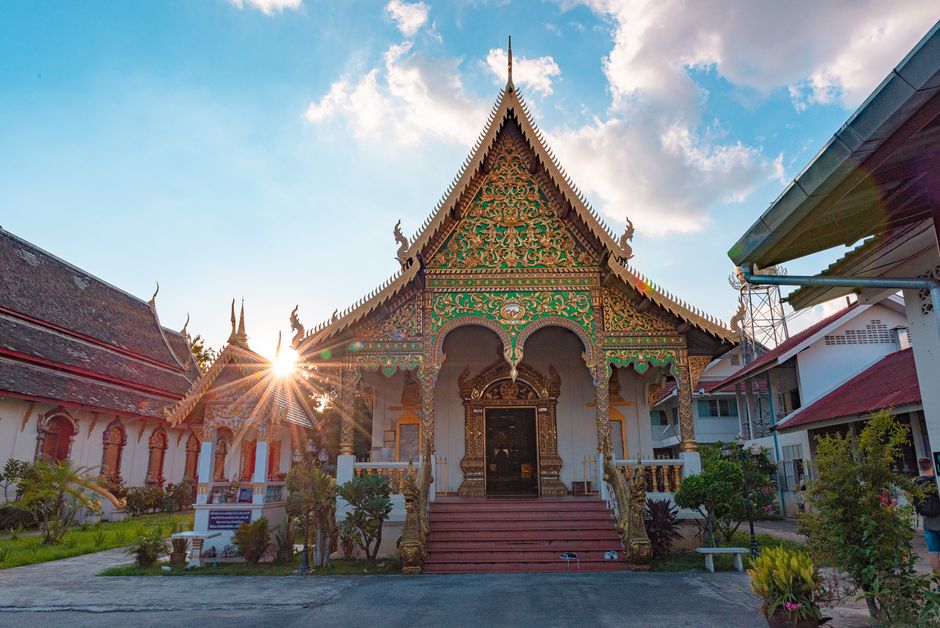
2. The Monk's Secret Waterfall Sanctuary
Wat Pha Lat, Chiang Mai, Thailand
Hidden on the way to Doi Suthep, this serene temple complex is a true jungle oasis built around a natural waterfall.
Often overshadowed by its famous neighbor, Wat Pha Lat offers a tranquil escape. Historically, it served as a resting point for pilgrims on their arduous journey up Doi Suthep. The temple blends seamlessly with its natural surroundings, featuring moss-covered stone, intricate Naga sculptures, and meditation spots beside a gentle waterfall, embodying a quieter form of Lanna spirituality.
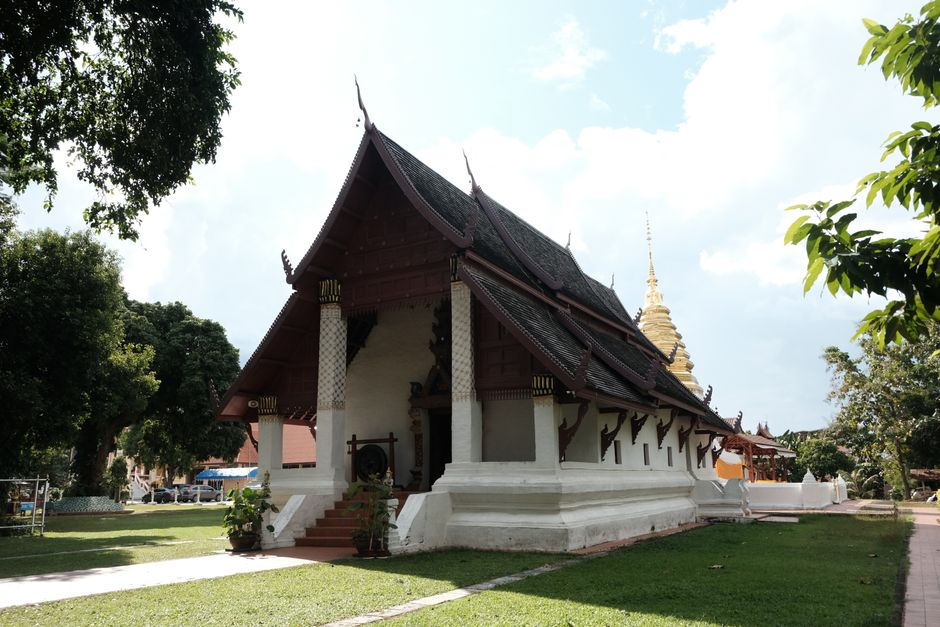
3. Where Roots Embrace Sacred Stupas
Wat U Mong Suan Phutthatham, Chiang Mai, Thailand
This forest temple features ancient meditation tunnels and stupas dramatically entwined with massive tree roots.
Founded in the late 14th century, Wat U Mong, or 'Tunnel Temple,' is a unique forest monastery built for a respected monk who preferred solitary meditation. Its distinguishing feature is a series of brick tunnels, once adorned with Buddhist murals, that lead to a central chedi. Outside, the natural world reclaims man-made structures as ancient tree roots dramatically grip and merge with stupas, creating a powerful visual metaphor for impermanence.
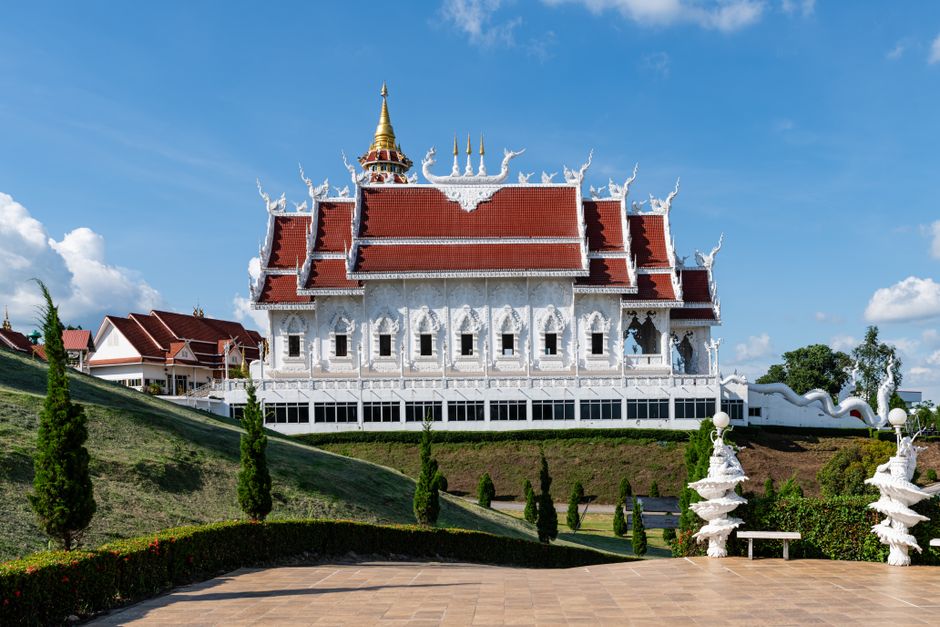
4. The Living Lanna Craft Village
Baan Kang Wat, Chiang Mai, Thailand
This vibrant artist community offers a modern take on traditional Lanna craftsmanship, far from mass-produced souvenirs.
Baan Kang Wat is not an ancient site, but a contemporary village designed to foster creativity and community. It’s a collective of small shops, cafes, and workshops where local artists, potters, woodworkers, and designers practice their crafts. Visitors can engage directly with artisans, watch them at work, and find unique, handcrafted items that reflect a living, evolving Lanna culture rather than just historical artifacts.
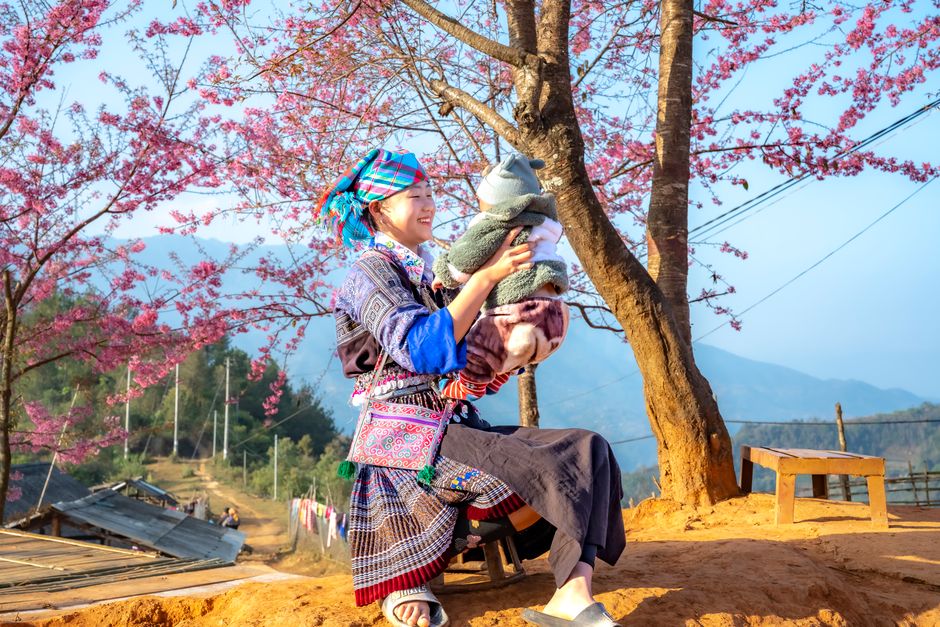
5. High Above: A Hmong Mountain Home
Doi Pui Hmong Village, Chiang Mai, Thailand
Perched high in the mountains, this village provides a glimpse into the enduring traditions and daily life of the Hmong hill tribe.
Beyond the main tourist attractions of Doi Suthep, the Hmong village on Doi Pui offers a more authentic perspective on hill tribe culture. While there are areas catering to visitors, wandering further reveals traditional homes, coffee plantations, and local farming practices. It's a place to understand the resilience of indigenous communities and their adaptation to modern life while preserving ancestral customs and intricate textiles.
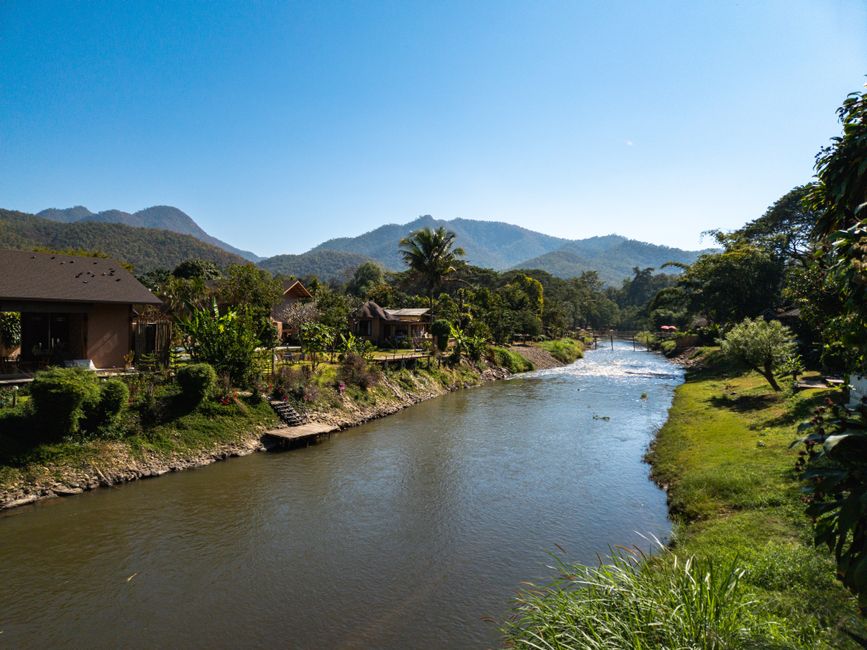
6. The Village Sustained by Coffee and Cascades
Mae Kampong Village, Chiang Mai, Thailand
This charming mountain village thrives on a unique blend of traditional Lanna life, coffee cultivation, and ecotourism amidst lush waterfalls.
Mae Kampong offers a refreshing escape into the cooler, forested mountains east of Chiang Mai. For over a century, its residents have cultivated tea and coffee, building their wooden homes on stilts along the hilly terrain. The village exemplifies sustainable living, inviting visitors to experience its tranquil pace, explore its surrounding waterfalls, and taste locally grown coffee directly from the source.
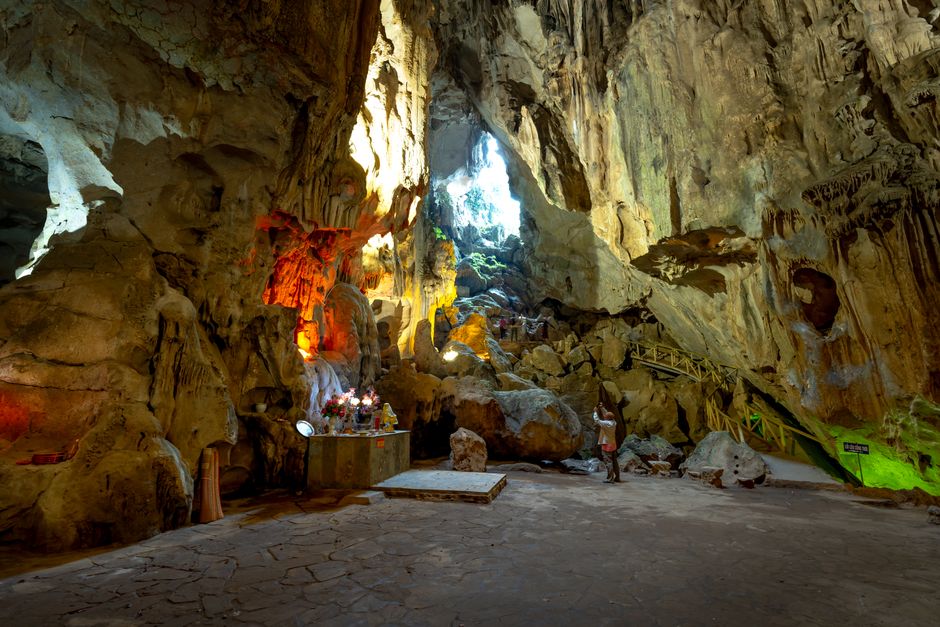
7. Chiang Dao's Ancient Limestone Labyrinth
Chiang Dao Cave, Chiang Dao, Thailand
Delve into a vast, ancient limestone cave system teeming with natural formations and hidden Buddhist shrines.
North of Chiang Mai, the Chiang Dao Cave system is an impressive natural wonder beneath Doi Chiang Dao mountain. Visitors can explore several interconnected chambers, some illuminated, others requiring a local guide with a lantern. Inside, towering stalactites and stalagmites create otherworldly landscapes, interspersed with Buddhist altars and statues, making it a place of both geological awe and spiritual reflection.
Frequently asked questions
Is Chiang Mai safe for solo travelers?
Yes, Chiang Mai is widely considered very safe for solo travelers. Like any destination, it's wise to be aware of your surroundings, especially at night, but serious crime against tourists is rare. The local people are generally welcoming and helpful.
What is the best way to get around Chiang Mai?
Within the old city and immediate areas, walking is pleasant. For longer distances, red songthaews (shared taxis) are common and inexpensive. Tuk-tuks and ride-hailing apps like Grab are also readily available for convenience. Renting a scooter is popular but requires caution and a valid international driver's permit.
What local dishes should I try in Chiang Mai?
You absolutely must try Khao Soi, a rich and creamy coconut curry noodle soup that's a Northern Thai specialty. Other local delights include Sai Oua (grilled Northern Thai sausage), Gaeng Hung Lay (Burmese-style pork belly curry), and Nam Prik Ong/Noom (chili dips served with fresh vegetables and pork crackling).
How can AllTours.ai enhance my visit to Chiang Mai?
AllTours.ai is an AI audio tour guide app that brings places to life. Simply point your phone camera at any landmark, landscape, or even a local dish in Chiang Mai, and the app will instantly narrate its history, geology, or cultural significance in your preferred language. It's like having a knowledgeable local expert by your side, revealing stories you might otherwise miss.
Photography via Pexels. AllTours.ai is an AI audio tour guide — point your camera at any landscape and hear its story.