September 9, 2026 · 4 min read
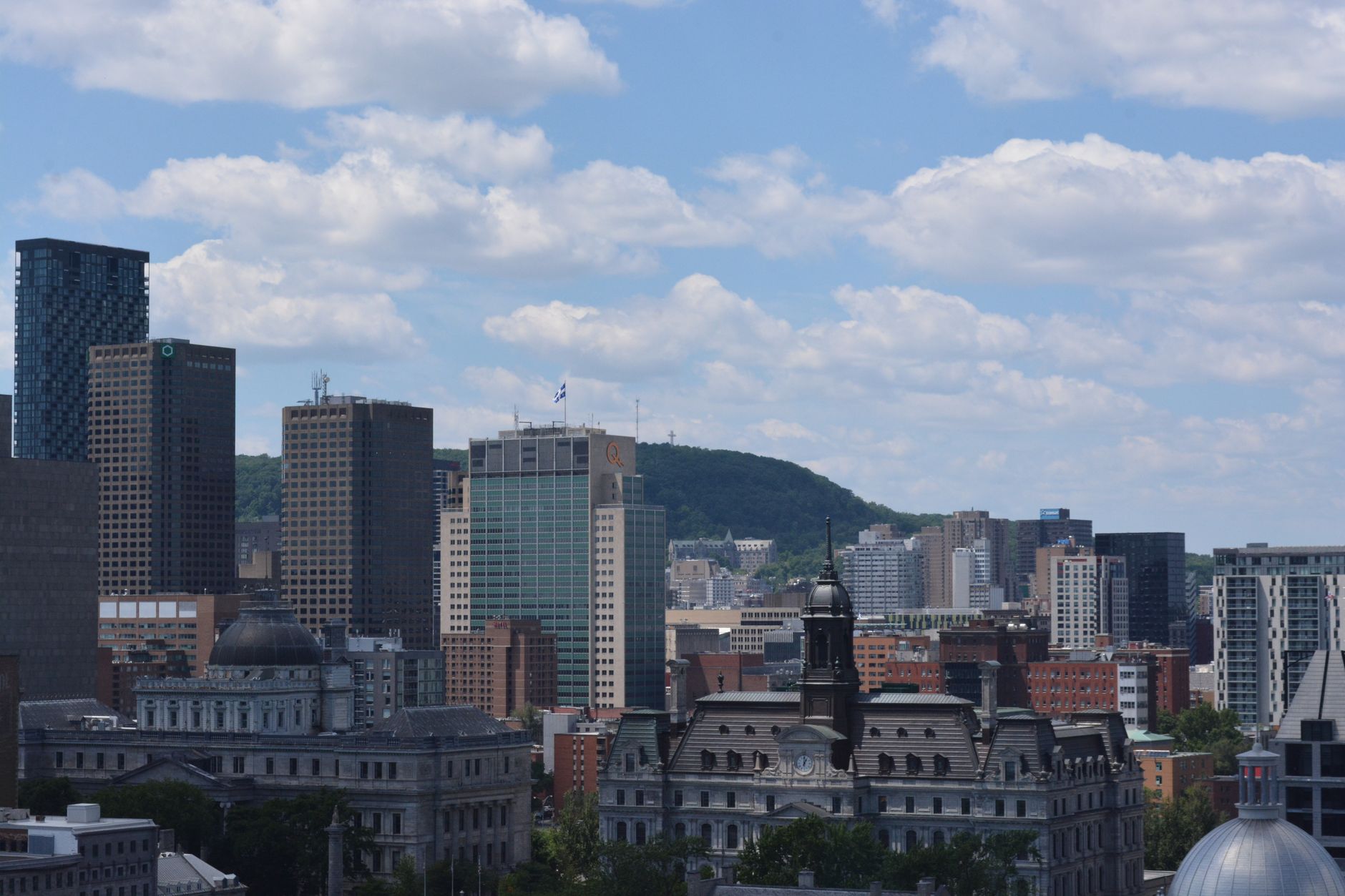
Montreal is a city with many faces, and fittingly, many nicknames. You might know it as 'The City of Saints' or 'The City of a Hundred Steeples' for its abundant churches, or perhaps the 'Paris of North America' for its undeniable European charm. But like any great city, Montreal's true identity runs far deeper than its popular monikers.
To truly understand what gives Montreal its unique spirit, you need to venture beyond the usual tourist trails. Its history is rich with untold stories, surprising turns, and places that silently hold keys to its complex past. Join us as we explore 8 underrated spots that reveal the lesser-known facets of Montreal's captivating personality.
1. The Governor's Plot Against an Empire
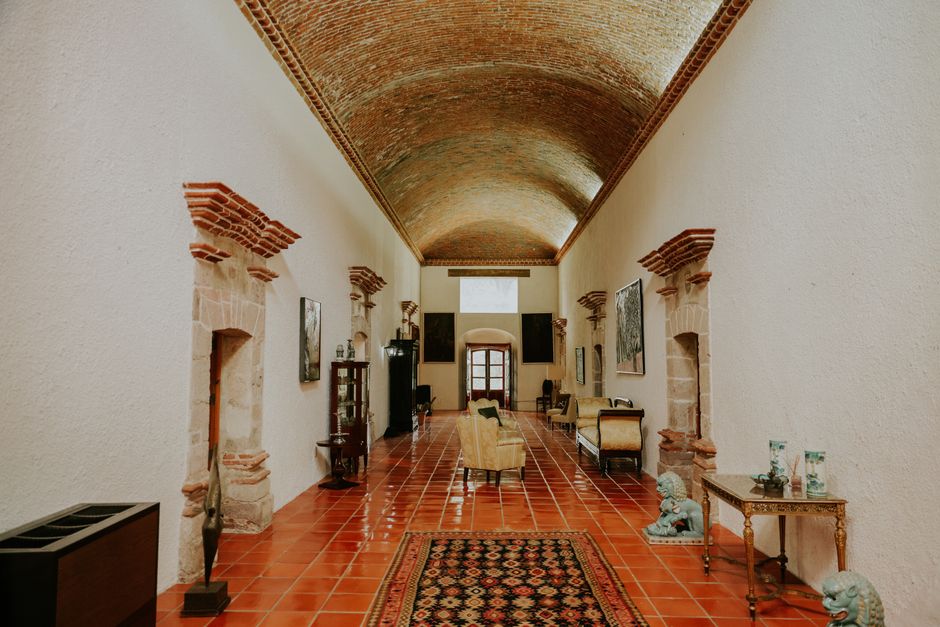
Château Ramezay, Old Montreal, Canada
This seemingly quiet historic house once housed a founding father of the United States on a secret mission.
In 1776, Benjamin Franklin lodged at Château Ramezay, then the governor's residence, attempting to sway Quebecers to join the American Revolution. His mission failed, but the house remains a tangible link to a pivotal moment when Canada's future hung in the balance, a rare echo of American revolutionary ambitions on Canadian soil.
2. Where King's Daughters Began New Lives
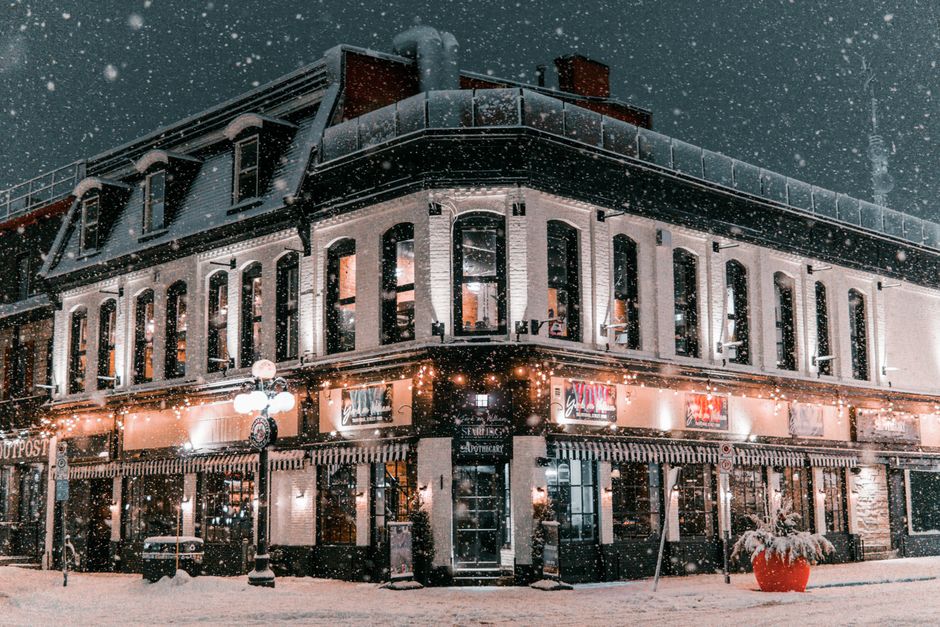
Maison Saint-Gabriel, Pointe-Saint-Charles, Montreal, Canada
Discover the humble beginnings of hundreds of young women sent from France to populate New France.
Maison Saint-Gabriel, a 17th-century farmstead, served as a reception house for the 'Filles du Roi' (King's Daughters) — young, often impoverished, French women who arrived to marry and build families in New France. Run by the Sisters of the Congregation of Notre Dame, it offered them shelter, education, and preparation for their new lives, profoundly shaping Quebec's early demographics and culture.
3. North America's First Hospital
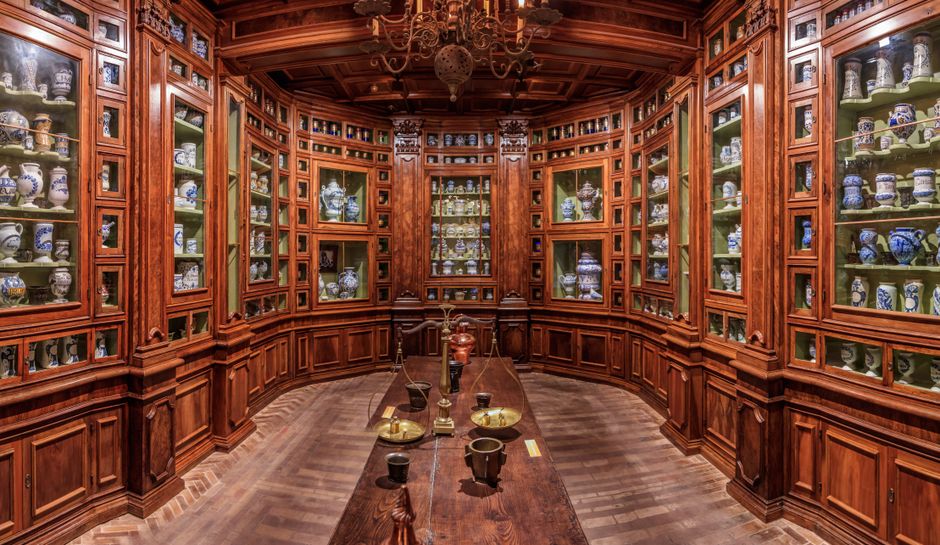
Musée des Hospitalières de l'Hôtel-Dieu, Montreal, Canada
This quiet museum marks the very spot where compassionate care began for the sick in North America.
Founded in 1642 by Jeanne Mance, Hôtel-Dieu was North America's first hospital, established years before Montreal was even officially named Ville-Marie. The museum preserves the legacy of the Hospitalières de Saint-Joseph, a pioneering order of nuns who dedicated centuries to caring for the ill, operating not just a hospital but also a pharmacy and even a school for nurses.
4. The Cradle of Canadian Industry
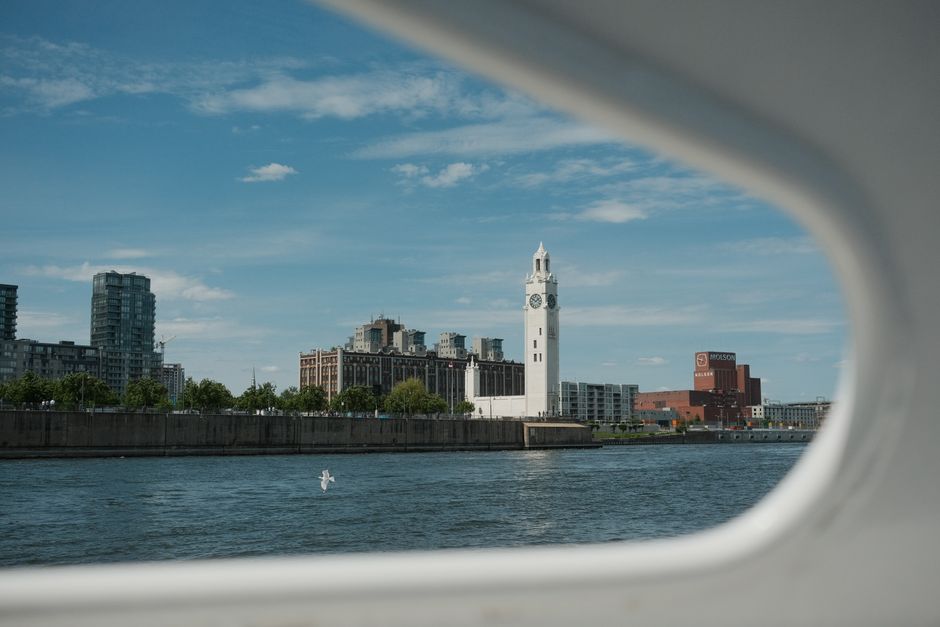
Lachine Canal National Historic Site, Montreal, Canada
This once-bustling waterway was a global industrial powerhouse, drawing immigrants and shaping the nation.
Before the St. Lawrence Seaway, the Lachine Canal transformed Montreal into a vital port and a hotbed of industrial innovation. Mills, factories, and foundries lined its banks, powered by its waters, making it the 'cradle of Canadian industrialization' in the 19th century. Its locks and brick buildings tell a story of immense economic growth and the lives of the working-class families who built modern Canada.
5. Echoes of an Early Mission
Parc-nature de l'Île-de-la-Visitation, Montreal, Canada
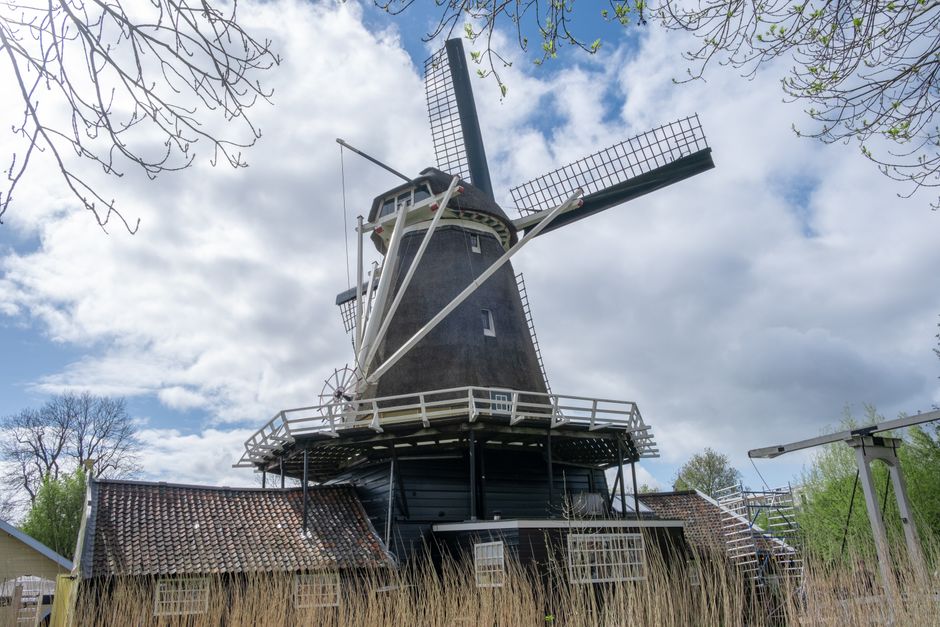
Discover one of Montreal Island's earliest European settlements, complete with a historic mill and powerful rapids.
Nestled in the city's far north, this tranquil park preserves the remains of Sault-au-Récollet, an early mission established by the Sulpician priests in 1696. It was a crucial outpost for evangelization and trade, featuring a grist mill whose foundations still stand. The Lachine Rapids, whose roar once filled the air, were a significant obstacle for early settlers and fur traders navigating the river.
6. From Parliament to Public Market
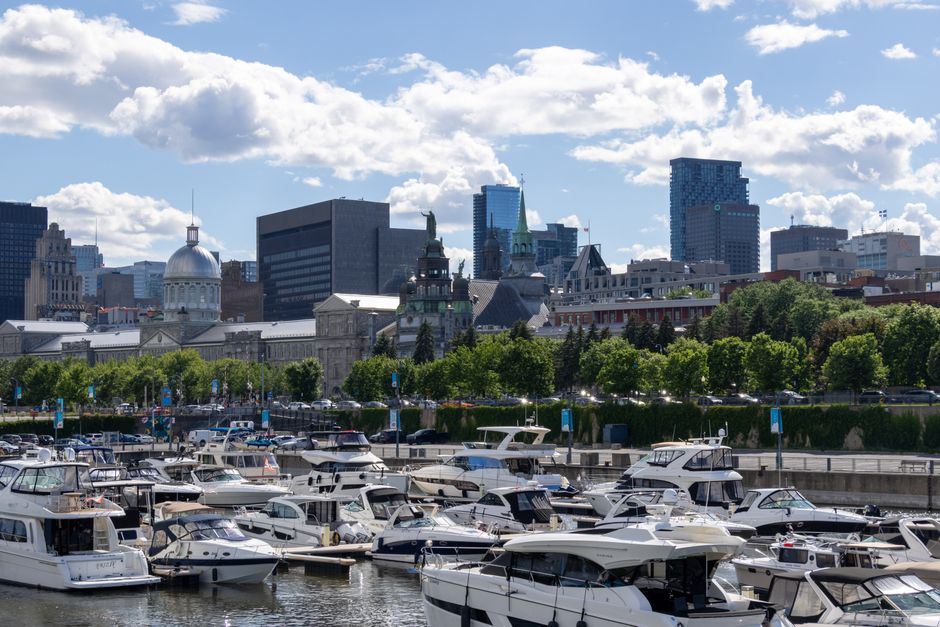
Marché Bonsecours, Old Montreal, Canada
This majestic building, now a public market, once held the highest political office in Canada.
Standing proudly in Old Montreal, the Marché Bonsecours is an architectural gem that served a surprisingly brief but significant political role. From 1849 to 1851, it housed the Parliament of United Canada, witnessing heated debates and pivotal decisions that shaped the burgeoning nation. Its grand dome and imposing facade now welcome shoppers, a silent testament to its varied and storied past.
7. A Cobblestone Glimpse into Old Montreal Life
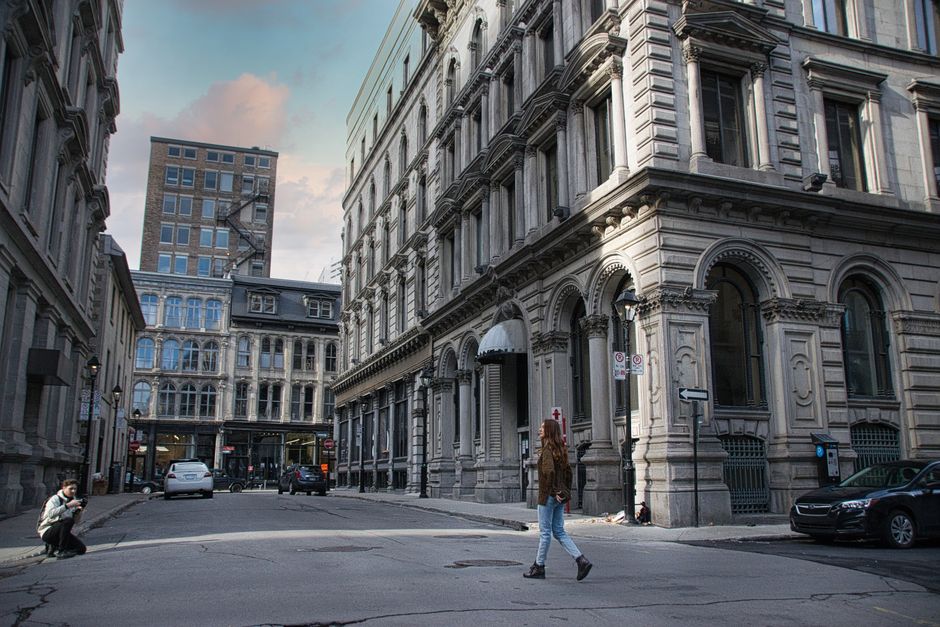
Rue Saint-Louis, Old Montreal, Montreal, Canada
Step onto one of Montreal's oldest residential streets, untouched by time and tourist crowds.
While Old Montreal's main thoroughfares bustle, Rue Saint-Louis offers a quiet, residential escape. This narrow, cobblestone street is lined with some of the city's best-preserved 18th-century stone houses, giving a rare insight into what daily life was like for early Montrealers. It's a living museum, away from the souvenir shops, where the past truly feels present in its architecture and tranquil atmosphere.
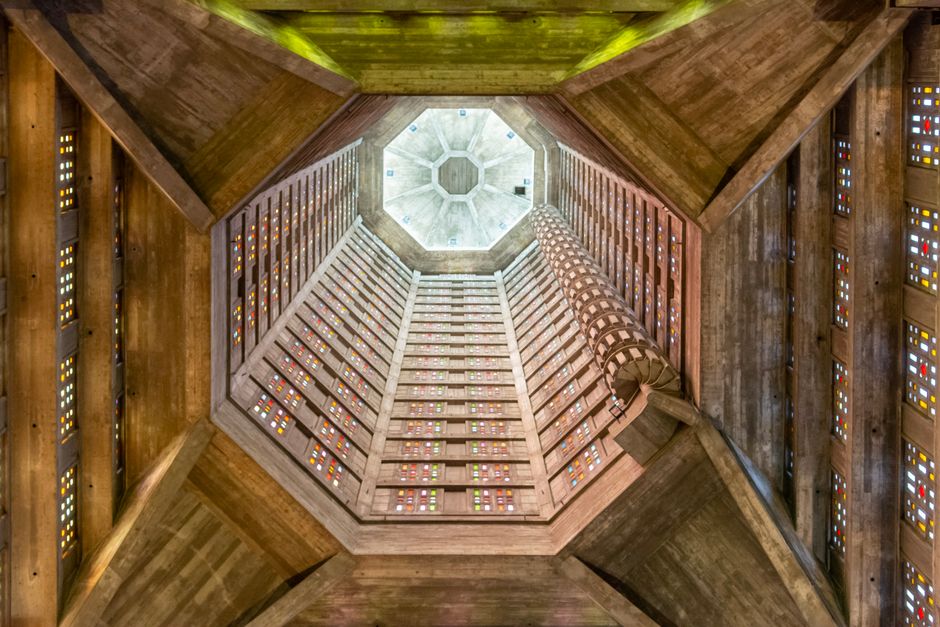
8. The Humble Heart of a Grand Shrine
St. Joseph's Oratory, Montreal, Canada
Below the colossal basilica lies the simple chapel where Brother André's mission of healing began.
St. Joseph's Oratory is an iconic Montreal landmark, but its true spiritual heart lies beneath the grand dome in the Crypt Church. This modest chapel was the original sanctuary built by Brother André, a humble doorman whose profound faith and reputation for miraculous healings attracted thousands. It's a powerful reminder of the Oratory's origins, a testament to the simple devotion that predates its monumental scale.
Frequently asked questions
Why is Montreal called the 'City of Saints'?
This nickname originated from the city's historical dedication to religious orders and its numerous churches and ecclesiastical institutions. Many streets and landmarks were also named after saints, reflecting its strong Catholic heritage.
Did Montreal ever have a 'Sin City' reputation?
Yes, during the Prohibition era in the United States, Montreal gained a reputation as a 'Sin City.' Its more liberal laws regarding alcohol and entertainment made it a popular destination for Americans seeking nightlife and revelry.
How can AllTours.ai help me explore Montreal's hidden history?
AllTours.ai is an AI audio tour guide app that brings places to life. Simply point your phone camera at any landmark, building, or landscape mentioned in this guide, and the app will narrate its history, geology, and culture in your language, revealing stories even locals might not know.
Photography via Pexels. AllTours.ai is an AI audio tour guide — point your camera at any landscape and hear its story.