June 24, 2026 · 4 min read
Embarking on a cross-Canada road trip from Vancouver to Montréal with young children is an epic undertaking, but it doesn't have to be a blur of highways and truck stops. This journey offers an unparalleled opportunity to introduce your kids to the vast, diverse, and often surprising tapestry of Canada. The trick is to find stops that spark genuine curiosity and offer vivid stories, keeping little minds engaged.
Forget the well-trodden paths. This guide focuses on lesser-known gems that offer unique insights into Canada’s history, geology, and culture. We’ve curated a route that prioritizes fascinating narratives and places where the landscape itself tells a story, ensuring your family road trip is filled with discovery, not just miles.
1. Sandon, BC: The Silver City's Echo
Sandon, British Columbia, Canada
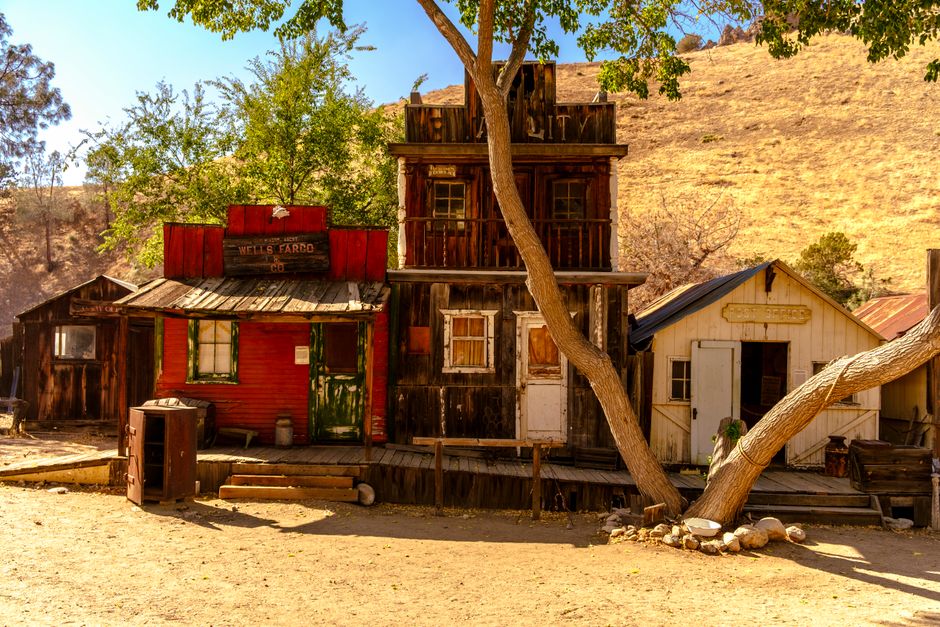
This mountain ghost town once had more amenities than Vancouver, fueled by a silver rush.
In the late 19th century, Sandon was a bustling hub in the Slocan Valley, boasting multiple hotels, stores, and even a brewery and opera house. Its rapid growth during the silver boom meant it had modern conveniences, including electric streetlights, before many larger cities. Today, remnants of its vibrant past stand among the mountains, a testament to the boom-and-bust cycle of mining towns. The remaining buildings and a small museum tell tales of prospectors, fortunes made, and the dramatic shifts of the Kootenay region.
2. Frank Slide, AB: A Mountain's Roar
Frank, Alberta, Canada
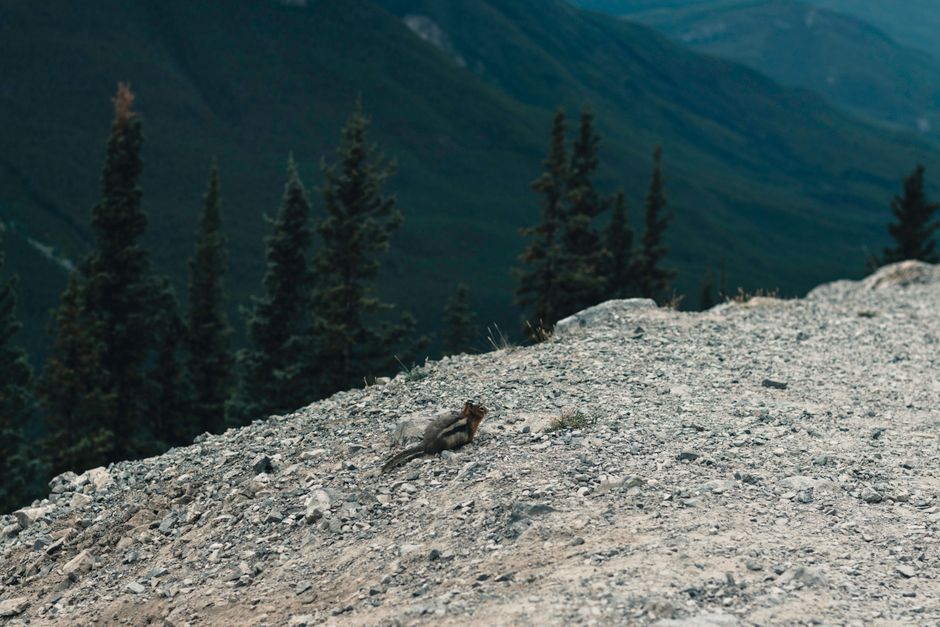
In 1903, a massive rockslide from Turtle Mountain buried part of a town in minutes, leaving a dramatic scar on the landscape.
Early on April 29, 1903, 90 million tonnes of limestone from Turtle Mountain broke loose, thundering down into the valley, engulfing a portion of the mining town of Frank. Over 70 people perished, and homes, a railway, and mining infrastructure were obliterated in a matter of seconds. Today, the massive jumble of rocks remains, a stark reminder of nature's power. The Frank Slide Interpretive Centre offers a powerful and poignant look at the event, the geology of the area, and the resilience of those who survived.
3. Grasslands National Park, SK: Prairie's Hidden Gems
Grasslands National Park, Saskatchewan, Canada
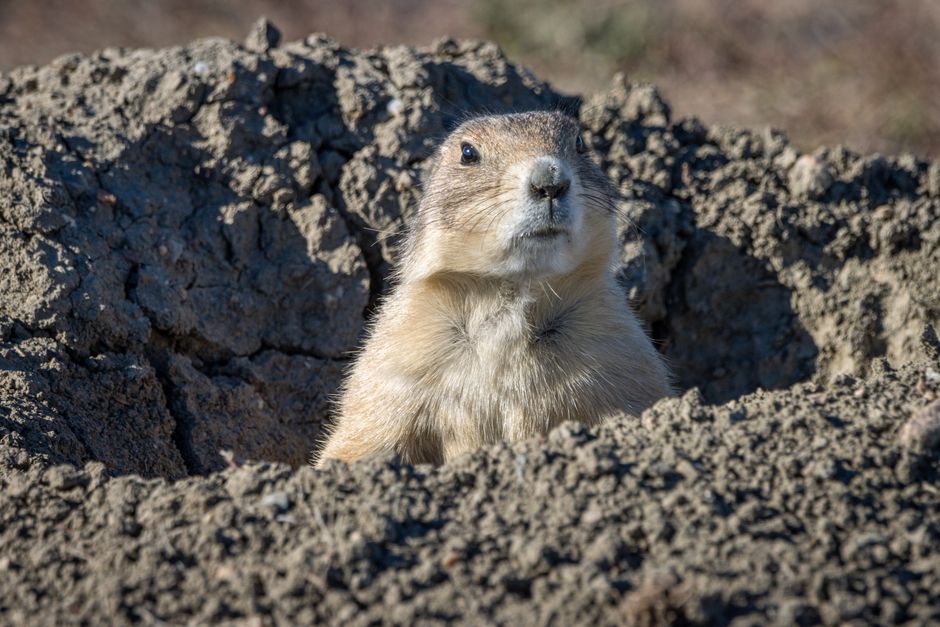
This park in Canada's only true dry mixed-grass prairie is a haven for rare wildlife and a treasure trove of dinosaur fossils.
Far from the usual tourist routes, Grasslands National Park preserves a fragile ecosystem, home to some of North America's most endangered species, including the elusive black-footed ferret and the swift fox. Its vast, rolling hills and badlands also reveal secrets from the past: dinosaur fossils are routinely discovered here, painting a picture of ancient life. The park is also a designated Dark-Sky Preserve, offering unparalleled stargazing opportunities under some of the darkest skies on the continent, a truly magical experience for families.
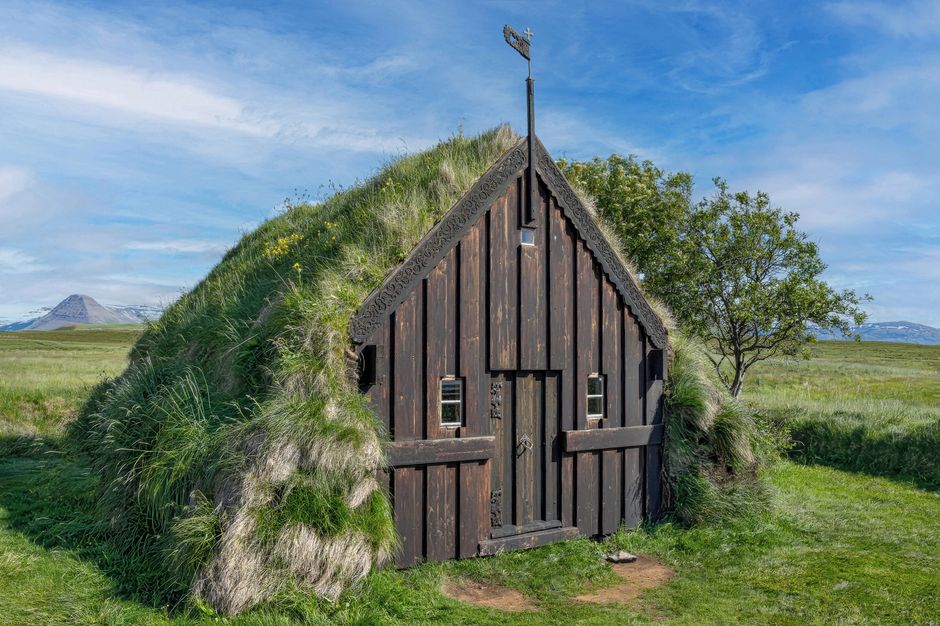
4. Gimli, MB: New Iceland's Legacy
Gimli, Manitoba, Canada
This town on Lake Winnipeg is the heart of "New Iceland," home to the largest Icelandic community outside of Iceland.
In the late 19th century, a wave of Icelandic immigrants settled along the western shore of Lake Winnipeg, establishing the self-governing "Republic of New Iceland." Gimli became its capital, and today it proudly maintains its unique cultural heritage. Visitors can explore the Icelandic Cultural Centre, see the Viking statue, and experience traditions that have been preserved for generations. The annual Icelandic Festival of Manitoba, Islendingadagurinn, is a vibrant celebration of this enduring connection, showcasing a distinct part of Canada's multicultural tapestry.
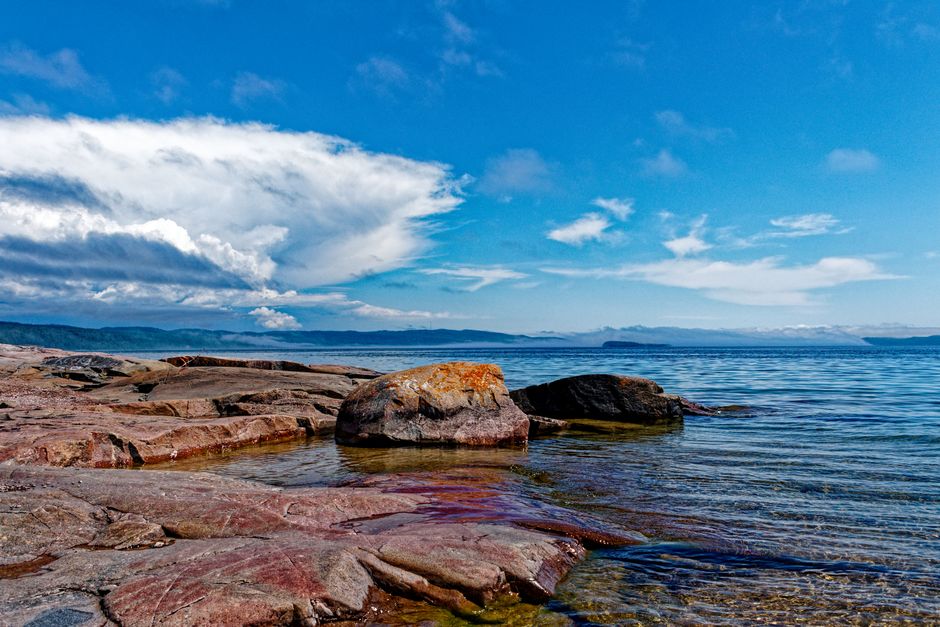
5. Sleeping Giant Provincial Park, ON: The Stone Protector
Sleeping Giant Provincial Park, Ontario, Canada
A massive rock formation resembling a giant lying on its back is central to an Anishinaabe legend of a protector turned to stone.
Stretching into Lake Superior near Thunder Bay, the "Sleeping Giant" is a dramatic mesa formation that dominates the horizon. According to Anishinaabe legend, this is Nanabijou, the spirit of the deep water, who was turned to stone when the secret location of a silver mine was revealed to white men. Today, the Giant protects the remaining silver deposits. The park offers stunning views, hiking trails, and a chance to reflect on the geological forces and rich Indigenous history of the Canadian Shield.
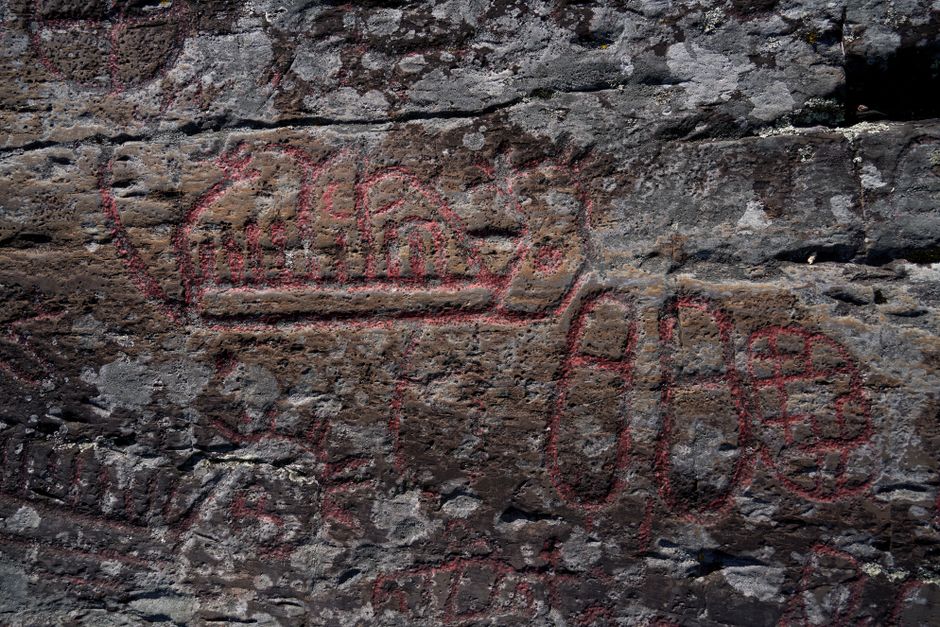
6. Petroglyphs Provincial Park, ON: Ancient Stories in Stone
Petroglyphs Provincial Park, Ontario, Canada
This site holds the largest known concentration of Indigenous rock carvings (petroglyphs) in Canada, dating back centuries.
Known as "Kinoomaagewaabkong" or "the teaching rocks" by the Anishinaabe, this sacred site features over 900 carvings etched into white marble rock faces. Depicting human figures, animals, and mystical beings, these petroglyphs offer insights into ancient spiritual beliefs and daily life. The site is protected by a visitor centre built over the carvings, allowing families to view them up close while preserving them for future generations. It's a profound connection to Canada's deep Indigenous past, inviting quiet contemplation.
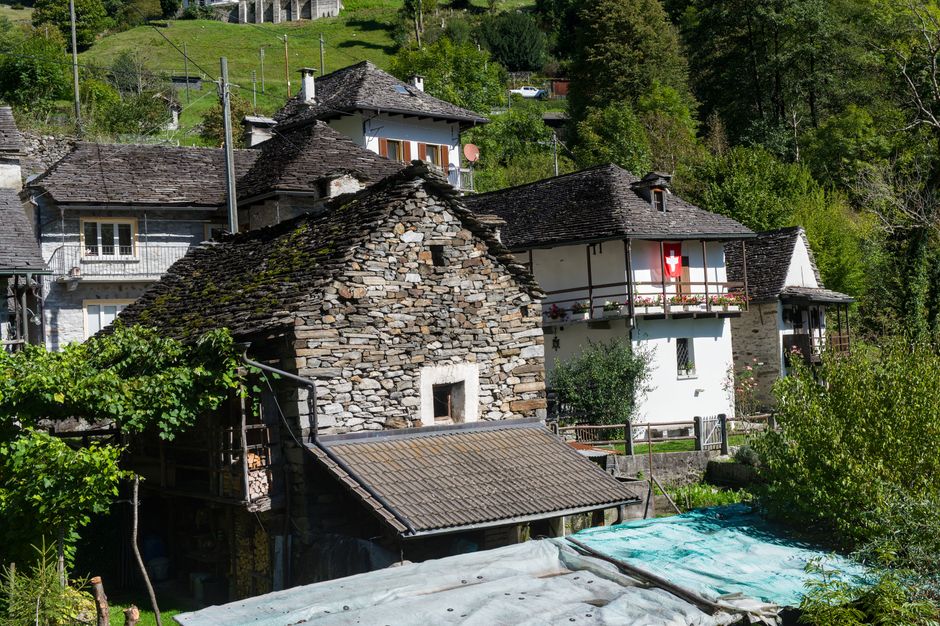
7. Village Historique de Val-Jalbert, QC: A Preserved Pulp Mill Town
Village Historique de Val-Jalbert, Quebec, Canada
Explore a remarkably preserved company town from the 1920s, abandoned almost overnight when its pulp mill closed.
Val-Jalbert was a thriving industrial village built around a pulp mill in the early 20th century, a model community for its time with modern amenities like electricity and running water. However, in 1927, the mill closed abruptly, leading to the town's rapid abandonment. Today, it stands as a unique open-air museum, allowing visitors to walk through original buildings, including the general store, convent-school, and workers' homes, all furnished as they would have been. It's a vivid, tangible journey back to a specific moment in Quebec's industrial history.
Frequently asked questions
How long does it typically take to drive from Vancouver, BC to Montréal, QC with kids?
The direct driving time is around 45-50 hours, but with young children, you should plan for at least 7-10 days to allow for comfortable driving segments, unexpected stops, and time to truly explore the unique places along the way. Prioritizing shorter driving days will make the journey more enjoyable for everyone.
What are some key tips for road-tripping across Canada with young children?
Pack plenty of snacks, entertainment (books, audiobooks, travel games), and blankets for naps. Schedule frequent stops at parks or playgrounds to let them burn energy. Consider splitting longer drives into shorter segments, and involve children in choosing some of the stops to build excitement.
Are there specific types of attractions along this route that are particularly engaging for families?
Absolutely! This route is rich in natural wonders like the unique geological formations at Frank Slide and Sleeping Giant, and wildlife viewing opportunities at Grasslands National Park. Historic sites like Sandon and Val-Jalbert offer immersive, tangible history lessons that can captivate young imaginations far more than a textbook.
How can the AllTours.ai app enhance our family road trip experience?
The AllTours.ai app is designed to bring every stop to life. Simply point your phone camera at a landmark, a mountain, or even a historical building, and the app will instantly narrate its fascinating history, geology, and cultural significance in your preferred language. It's like having a personal historian and geologist in your pocket, making every view an engaging story for the whole family.
Photography via Pexels. AllTours.ai is an AI audio tour guide — point your camera at any landscape and hear its story.