September 15, 2026 · 4 min read
When you think of investing 10,000 Norwegian Kroner (NOK), your mind might jump to stocks or savings. But for the curious traveler, this sum is a gateway to something far more enriching: an investment in unforgettable experiences and untold stories across Norway. This isn't about financial returns; it's about the invaluable dividend of discovery.
Norway is famous for its stunning fjords and vibrant cities, but its true magic often lies beyond the postcards. We're talking about the secret histories, peculiar geological formations, and unique cultural practices found in places few tourists ever reach. If you're ready to make your NOK go further in genuine exploration, here are some of Norway's most rewarding, off-the-beaten-path destinations.
1. The Arctic Fortress of Ghosts and Witches
Vardø, Finnmark, Norway
This remote Arctic island was the site of Norway's most intense witch trials and later, a crucial Cold War intelligence outpost.
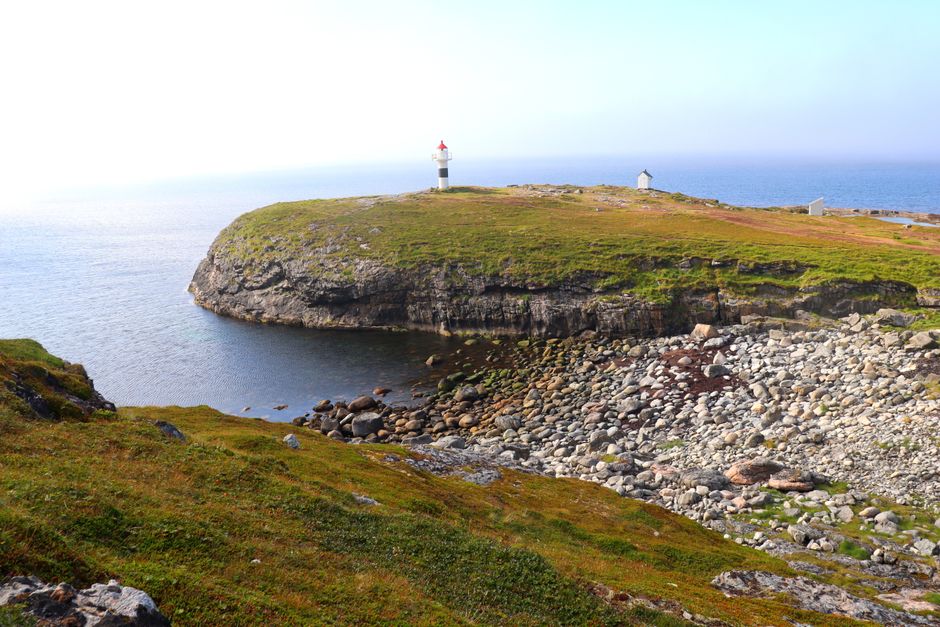
Vardø, Norway's easternmost town, possesses a stark beauty shaped by its extreme location. Here, the Steilneset Memorial stands as a chilling reminder of the 17th-century witch hunts that claimed the lives of 91 people, mostly women, accused of sorcery. Beyond its dark past, Vardø served as a crucial strategic point during the Cold War, home to secret radar installations that once monitored Soviet activity, giving the island a unique blend of ancient fear and modern espionage.
2. The Nail-Free Marvel of Averøy
Kvernes, Averøy, Norway
One of Norway's last remaining medieval stave churches, it was ingeniously constructed without a single metal nail.
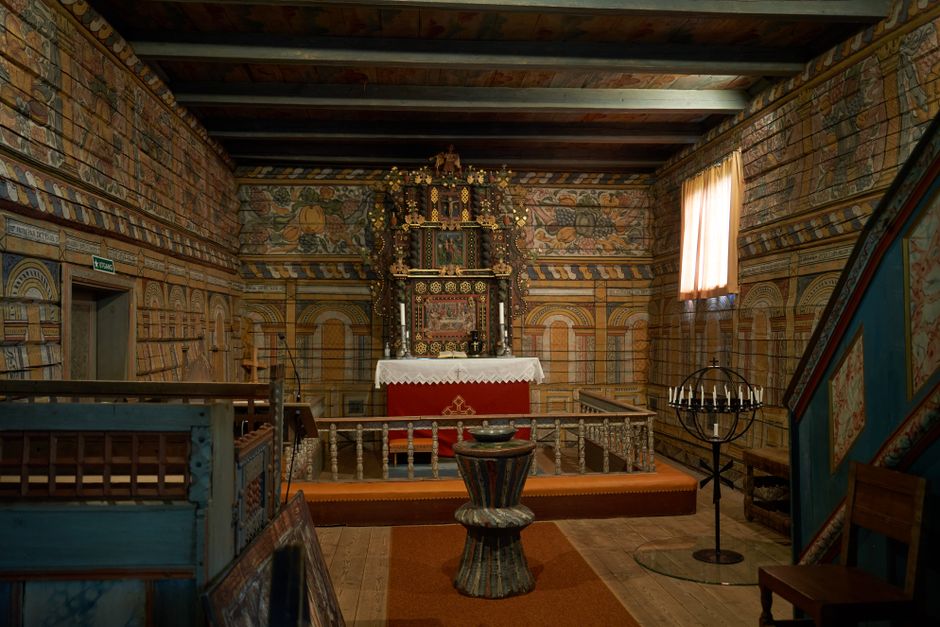
Perched with a view over Kvernesfjord, Kvernes Stave Church dates back to the 14th century, offering a rare glimpse into medieval Norwegian craftsmanship. Its distinct architecture features intricate wood carvings and a unique post-and-lintel construction method, relying entirely on wooden pegs and joinery. This architectural feat makes it a testament to the skill of its builders, standing as a quiet, unheralded cousin to more famous stave churches, imbued with centuries of untold local stories.
3. The Eider Duck's Enduring Partnership
Vega Archipelago, Nordland, Norway
A UNESCO World Heritage site where islanders have cultivated a unique, centuries-old symbiotic relationship with wild eider ducks.
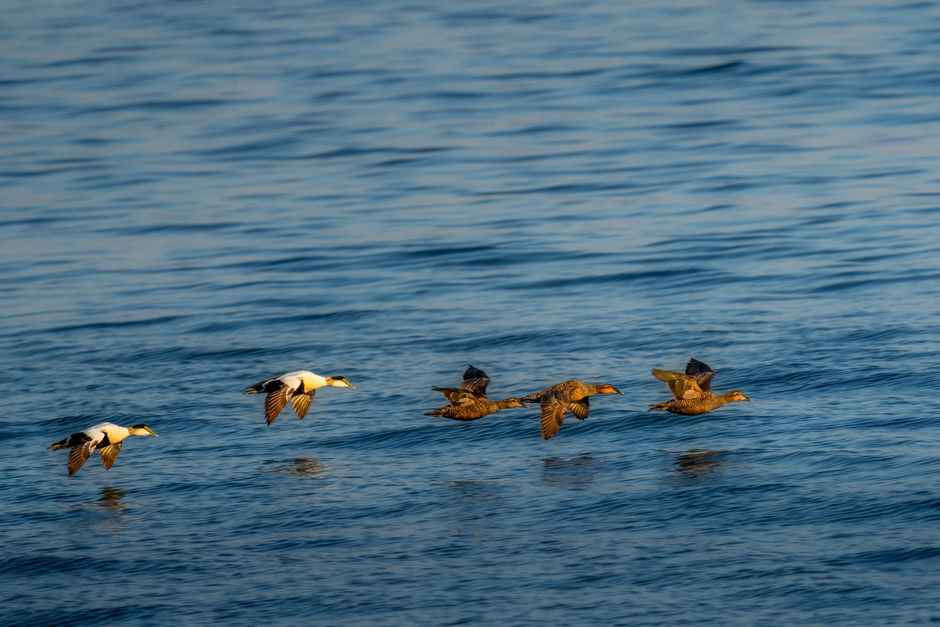
The Vega Archipelago, a cluster of 6,500 islands and islets, showcases a living cultural landscape shaped by generations of fishing and the peculiar tradition of eider duck farming. For over 1,500 years, local communities have built shelters and protected eider ducks, in return collecting their precious down, used for insulation. This sustainable, reciprocal relationship, a testament to human adaptation and respect for nature, is a profound and moving example of a harmonious existence.
4. Norway's Sole Surviving Medieval Monastery
Mosterøy, Rogaland, Norway
Discover Norway's only preserved medieval monastery, built on a site with roots stretching back to Viking royal power.
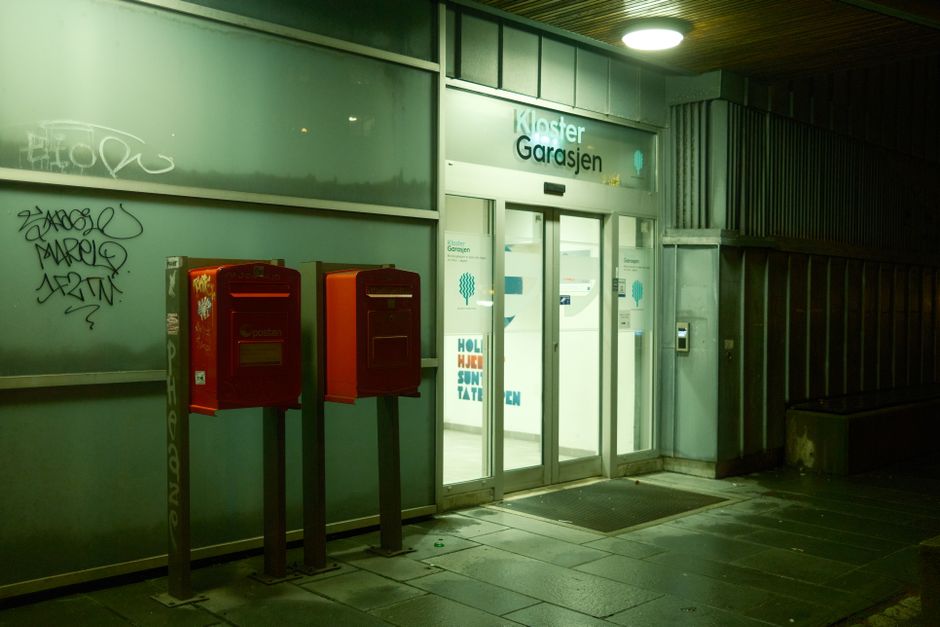
Located on the picturesque island of Mosterøy, Utstein Kloster is a former Augustinian monastery whose origins trace back to the late 13th century. Yet, its history runs deeper, with archaeological findings suggesting a royal estate existed here during the Viking Age, possibly belonging to Harald Fairhair himself. The monastery's serene grounds and well-preserved buildings offer a tangible link to medieval religious life and earlier Norse chieftains, far from the country's bustling urban centers.
5. The Sun-Starved Valley and WWII Sabotage
Rjukan, Telemark, Norway
A UNESCO industrial town nestled in a deep valley, famous for its giant 'sun mirrors' and a daring WWII heavy water sabotage mission.
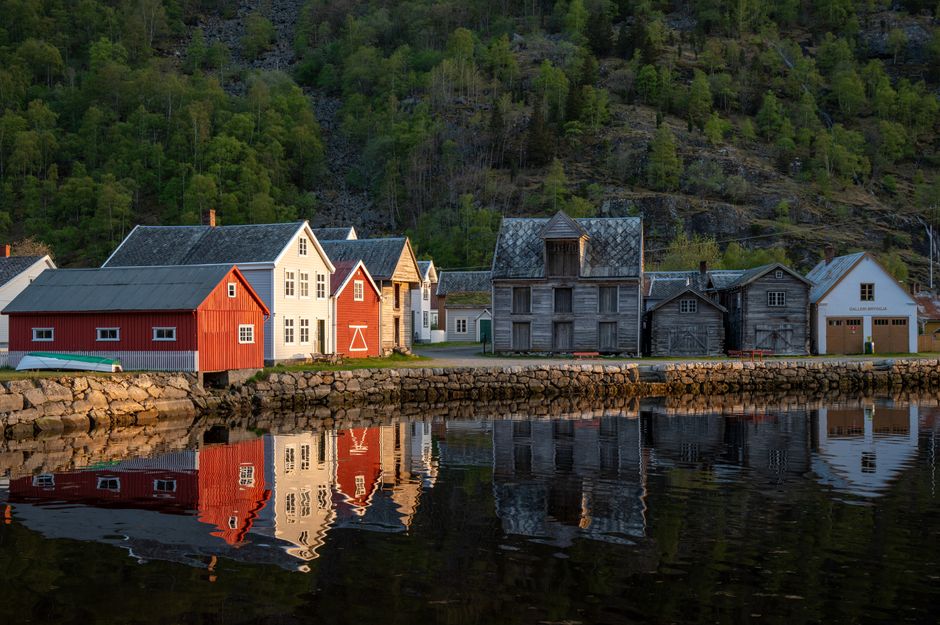
Rjukan, a town carved into a steep-sided valley, once faced months of winter darkness due to its geography. In 2013, a groundbreaking project installed massive heliostats – sun mirrors – on the mountainside to reflect sunlight into the town square. This ingenuity stands alongside its other claim to fame: the heroic 1943 "Heavy Water Sabotage" at the Vemork hydroelectric plant, a pivotal event in preventing Nazi Germany from developing nuclear weapons.
6. The Houses Under the Rock
Jøssingfjord, Rogaland, Norway
Two tiny, ancient wooden houses have sheltered for centuries beneath a colossal, overhanging rock formation, requiring no foundations.
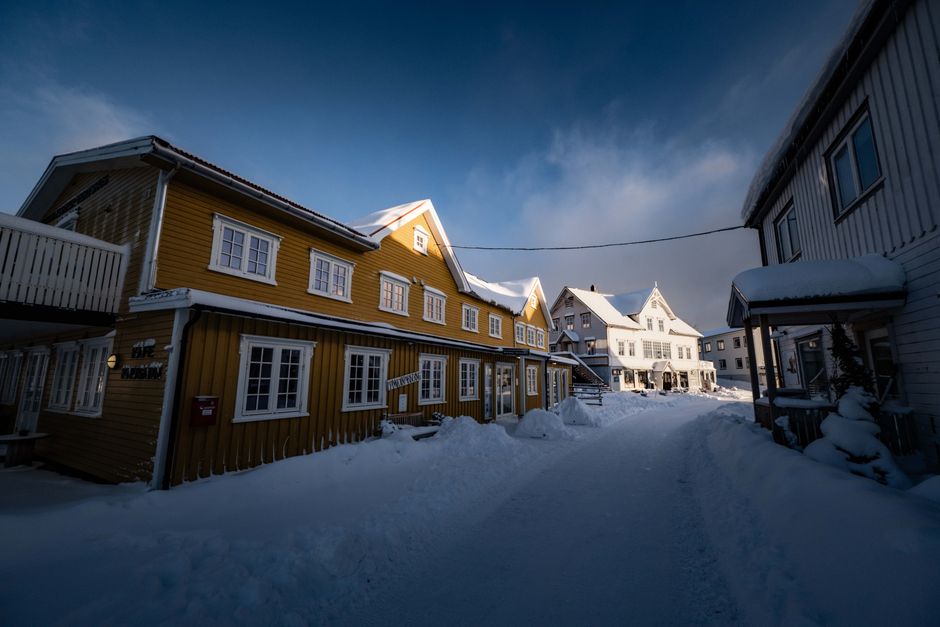
Hidden deep within the dramatic Jøssingfjord, the Helleren houses are an extraordinary sight: two small, red and white wooden dwellings nestled directly under a massive rock overhang. These unique homes, dating back to the 19th century, are built without foundations, their existence entirely reliant on the natural shelter provided by the cliff face. They represent a remarkable example of human adaptation and resourcefulness, a quirky, hidden architectural marvel against a backdrop of stunning geology.
7. Where the Atlantic Roars
Kråkenes Lighthouse, Vågsøy, Sogn og Fjordane, Norway
Perched on one of Norway's most exposed coastlines, this historic lighthouse endures some of the Atlantic's most ferocious storms, with waves reaching up to 60 meters.
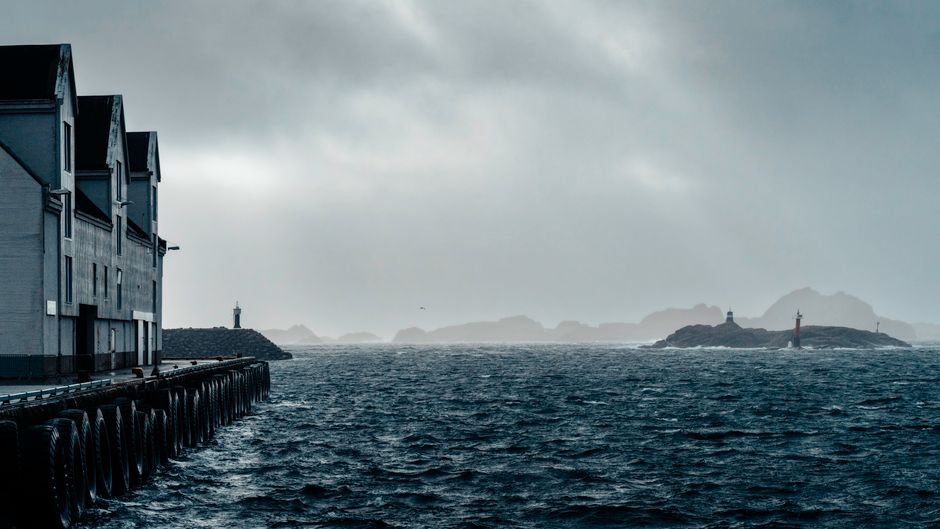
Kråkenes Lighthouse stands as a lonely sentinel on the furthest western point of the island of Vågsøy, battered by the full force of the Norwegian Sea. Operational since 1906, it has witnessed countless storms, some so powerful they send waves crashing over its 60-meter high perch. Staying overnight here offers a raw, visceral experience of Norway's wild coastal power, a dramatic counterpoint to the country's serene fjords, and a profound connection to maritime history.
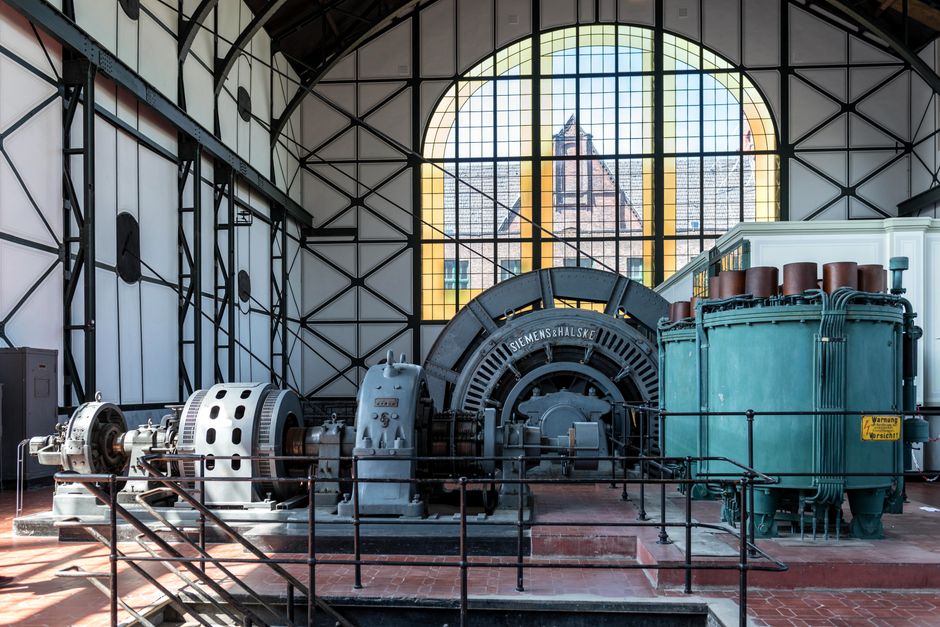
8. Deep into Norway's Silver Veins
Kongsberg, Buskerud, Norway
Explore the extensive underground silver mines that once made Kongsberg one of Europe's wealthiest and most important mining towns.
Kongsberg's Norsk Bergverksmuseum offers a subterranean journey into Norway's rich mining heritage. From 1623 to 1957, these mines yielded vast quantities of silver, shaping the town's prosperity and attracting skilled workers from across Europe. Descend into the Duke's Shaft, one of the deepest mines, and experience the arduous conditions and technological ingenuity involved in extracting the precious metal. It's a tangible "investment" in understanding Norway's industrial past, far from the typical tourist trails.
Frequently asked questions
How much does a trip to Norway typically cost?
Norway is known for being a relatively expensive destination. A moderate budget for a single traveler might range from 1,000 to 2,000 NOK per day, covering accommodation, food, and some activities. This can vary significantly based on your travel style and choices.
What is a good budget for a week in Norway?
For a week-long trip to Norway, a realistic budget for a single person traveling moderately could be anywhere from 7,000 to 14,000 NOK. This budget allows for a mix of self-catering and restaurant meals, public transport or a rental car for part of the trip, and entrance fees to some attractions.
Is 10,000 NOK enough for a trip to Norway?
Yes, 10,000 NOK is a good starting point for a focused trip to Norway, especially if you're exploring lesser-known areas as suggested. While it might not cover a lavish, multi-week journey, it's ample for a short, immersive experience, particularly if you prioritize local transport, budget-friendly accommodation, and self-catering.
How can AllTours.ai enhance my exploration of Norway's hidden gems?
AllTours.ai acts as your personal AI audio tour guide. Simply point your phone camera at a landmark, a unique geological formation, or a historical site, and the app will instantly narrate its full story – its history, geology, and culture – in your preferred language. This means you gain deep insights into even the most obscure and fascinating places, transforming every view into a rich learning experience.
Photography via Pexels. AllTours.ai is an AI audio tour guide — point your camera at any landscape and hear its story.