September 14, 2026 · 4 min read
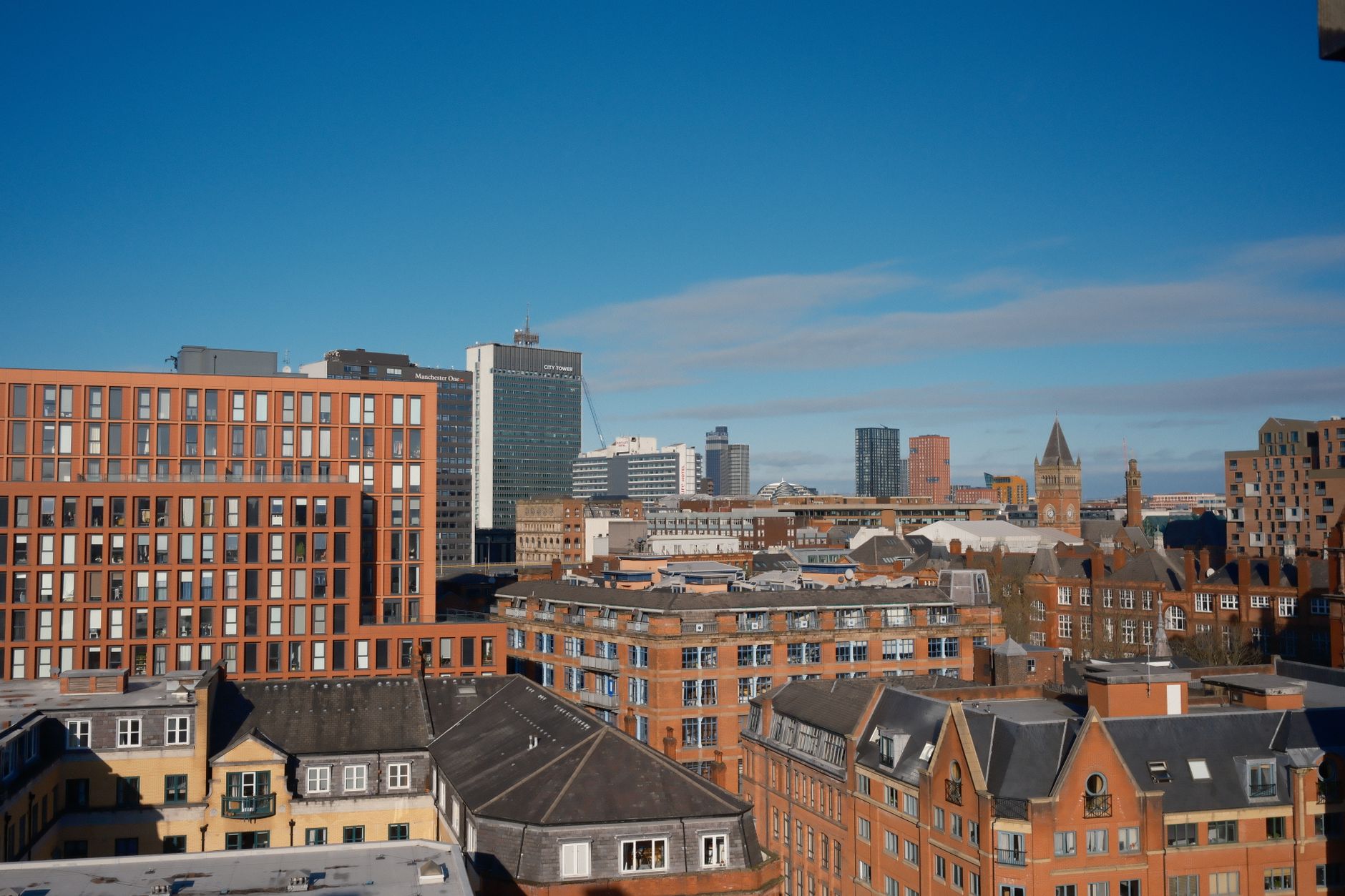
Manchester, often celebrated for its industrial might and musical legends, holds a deeper, more intricate story for those willing to look beyond the usual guidebooks. For visitors wondering what is the best way to travel around Manchester comfortably, the answer lies in a blend of accessible transport and a keen eye for the city's lesser-known wonders, many of which are best explored at a leisurely pace.
Forget the crowded tourist traps. This guide focuses on uncovering Manchester's truly unique character through its understated landmarks and their compelling, often surprising, histories. From ancient libraries to pioneering social spaces, these spots offer comfort alongside a profound connection to the city's soul.
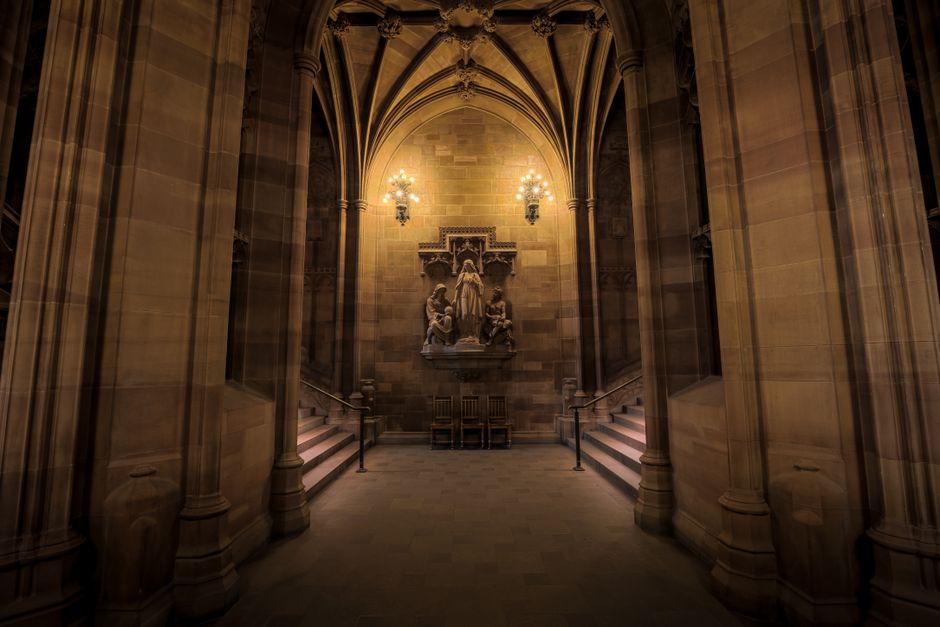
1. The Gothic Palace of Knowledge
John Rylands Research Institute and Library, Manchester, UK
A breathtaking neo-Gothic masterpiece built not for worship, but to house an extraordinary collection of books.
The John Rylands Library, a gift from Enriqueta Rylands in memory of her husband, is an architectural marvel often mistaken for a cathedral. Its soaring arches, intricate stonework, and stained-glass windows create an atmosphere of quiet reverence. Beyond its stunning exterior, the library holds priceless manuscripts, early printed books, and a Gutenberg Bible, a testament to the enduring power of knowledge.
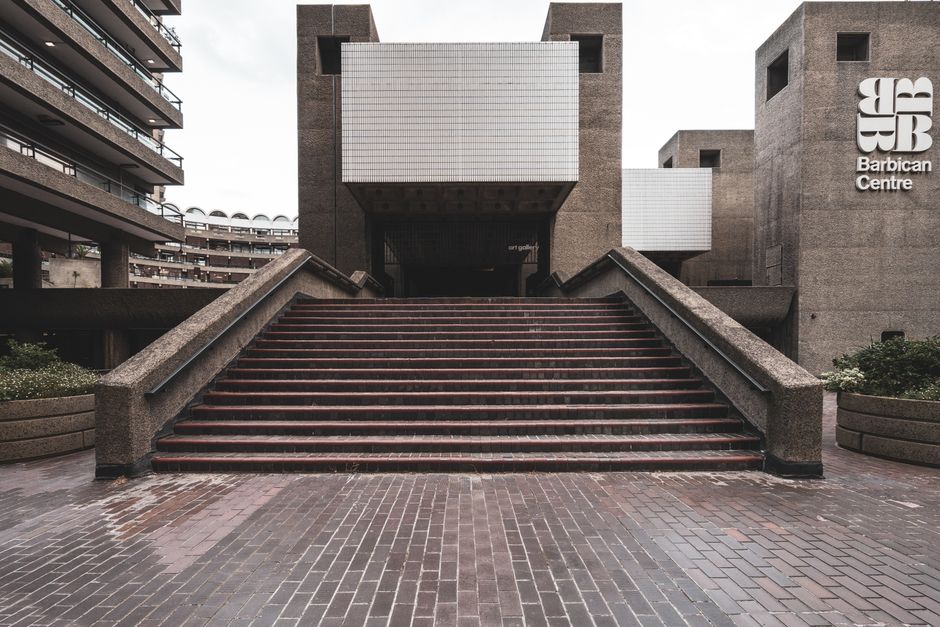
2. The Birthplace of Suffrage
The Pankhurst Centre, Manchester, UK
The unassuming Victorian home where Emmeline Pankhurst and her daughters ignited the fight for women's right to vote.
Tucked away on Nelson Street, The Pankhurst Centre is much more than a museum; it's the very house where the first meeting of the Women's Social and Political Union took place in 1903. This modest terraced house served as both a family home and a political HQ, a poignant reminder of the grassroots origins of a movement that fundamentally changed society. Its intimate scale offers a powerful connection to history.
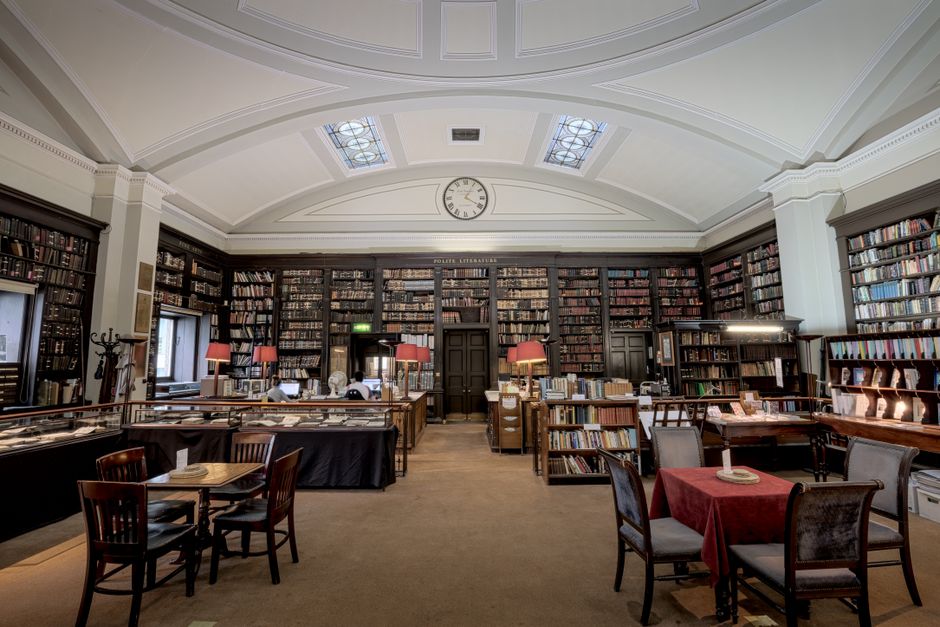
3. An 18th-Century Literary Hub
The Portico Library, Manchester, UK
Discover a hidden Georgian gem, one of Manchester's oldest subscription libraries, still inspiring minds after two centuries.
Founded in 1806, The Portico Library offers a serene escape into Manchester's intellectual past. Its elegant circular main room, filled with towering bookshelves and bathed in natural light, once welcomed prominent figures like Peter Mark Roget, author of the thesaurus. Originally a place for merchants and professionals to read and debate, it continues to operate as an independent library and gallery, preserving a unique piece of city heritage.
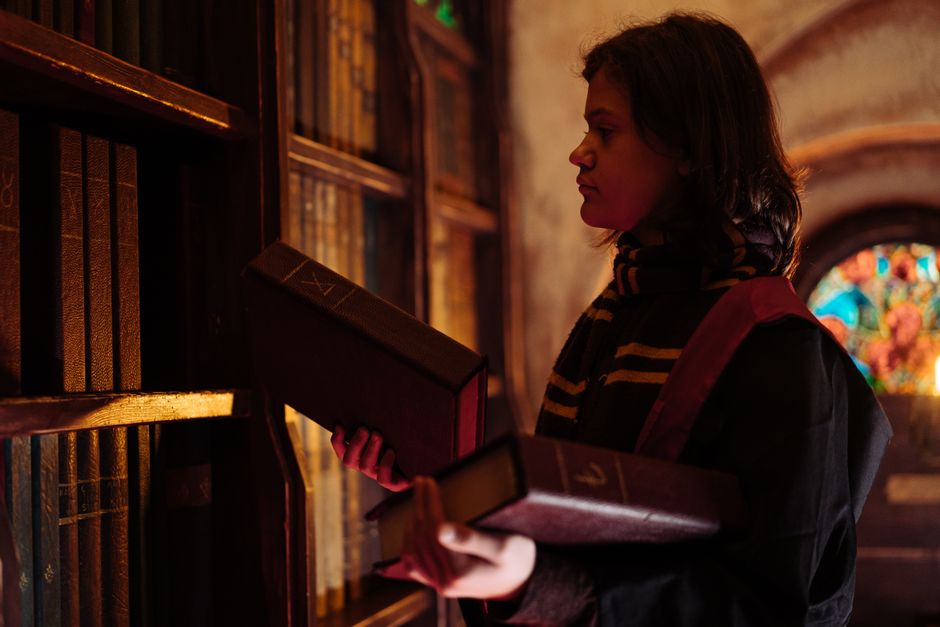
4. Where Marx and Engels Studied
Chetham's Library, Manchester, UK
Step into the oldest public library in the English-speaking world, where revolutionary ideas took root in the 19th century.
Within the medieval walls of Chetham's School of Music lies Chetham's Library, established in 1653. Its ancient oak desks and hushed reading room have witnessed centuries of scholarship. Famously, Karl Marx and Friedrich Engels spent countless hours here, researching and discussing the theories that would form the basis of 'The Communist Manifesto.' Visiting this atmospheric library offers a tangible link to a pivotal moment in global intellectual history.
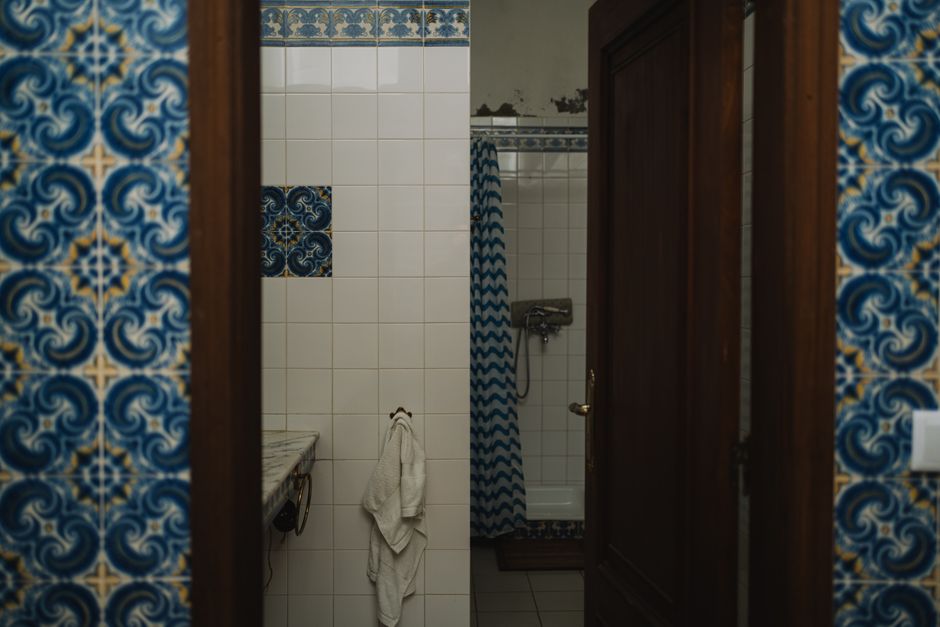
5. Manchester's 'Water Palace'
Victoria Baths, Manchester, UK
Explore a stunning Edwardian public bathhouse, once dubbed a 'water palace' for its ornate tiles and stained-glass grandeur.
Victoria Baths, opened in 1906, was Manchester's most opulent public bathhouse, offering swimming pools, Turkish baths, and even a laundry. Its vibrant glazed bricks, intricate mosaic floors, and exquisite stained glass reflect a period when public health was celebrated with architectural splendor. Though no longer fully operational as baths, it's a magnificent example of Edwardian civic pride, often open for tours and events that reveal its glorious past.
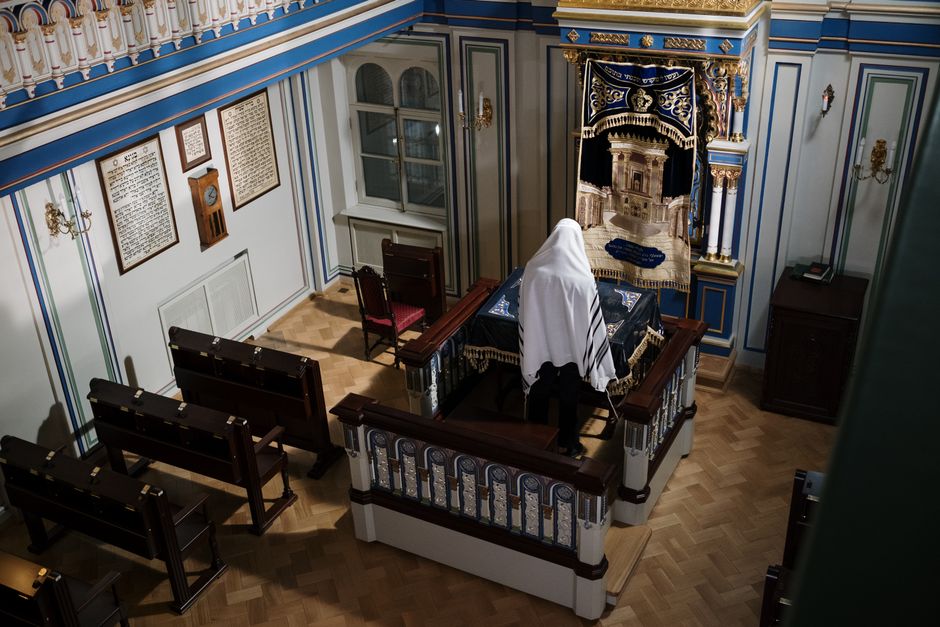
6. A Moorish Synagogue's New Life
Manchester Jewish Museum, Manchester, UK
A dazzling Moorish-style synagogue, built by Syrian Jewish immigrants, now tells the diverse stories of Manchester's Jewish community.
Housed in the former Spanish and Portuguese Synagogue, built in 1874, the Manchester Jewish Museum is an architectural gem. Its vibrant horseshoe arches, intricate plasterwork, and stunning stained glass are a testament to the thriving Jewish community that built it. Today, the beautifully restored synagogue forms the heart of a modern museum, sharing centuries of Jewish life in Manchester through personal stories, artifacts, and a powerful sense of place.
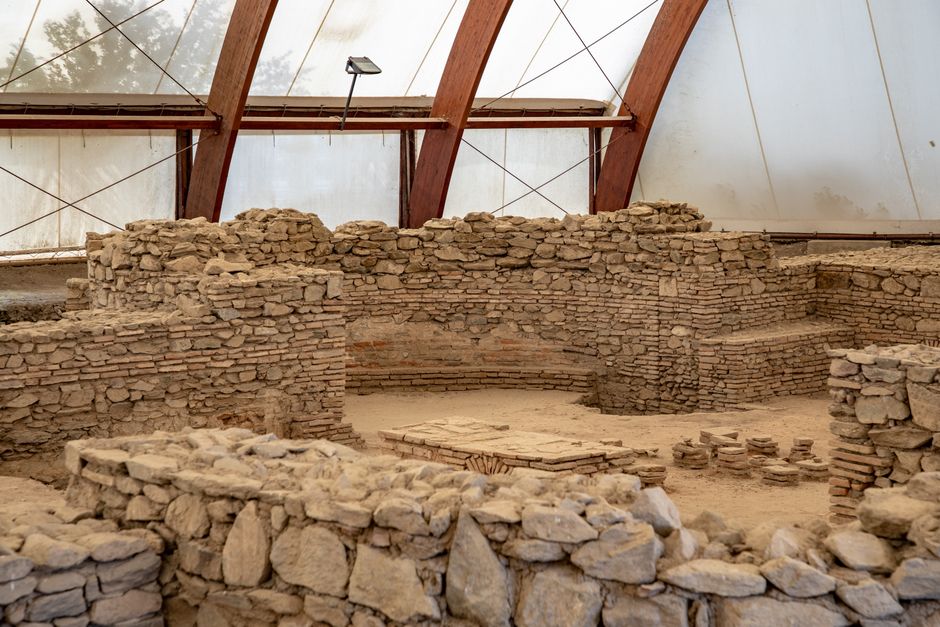
7. Echoes of Rome and Industry
Castlefield Urban Heritage Park, Manchester, UK
Walk the precise lines of a Roman fort, Mamucium, now surrounded by pioneering canals that fueled the Industrial Revolution.
Castlefield is where Manchester truly began, founded as the Roman fort of Mamucium around 79 AD. While the visible remains are subtle, the layout of the fort is still discernible amidst the modern landscape. Later, this area became the cradle of the Industrial Revolution, with the Bridgewater Canal—Britain's first true canal—terminating here. Exploring Castlefield offers a unique blend of ancient military history and pioneering industrial innovation, all within a tranquil urban park setting.
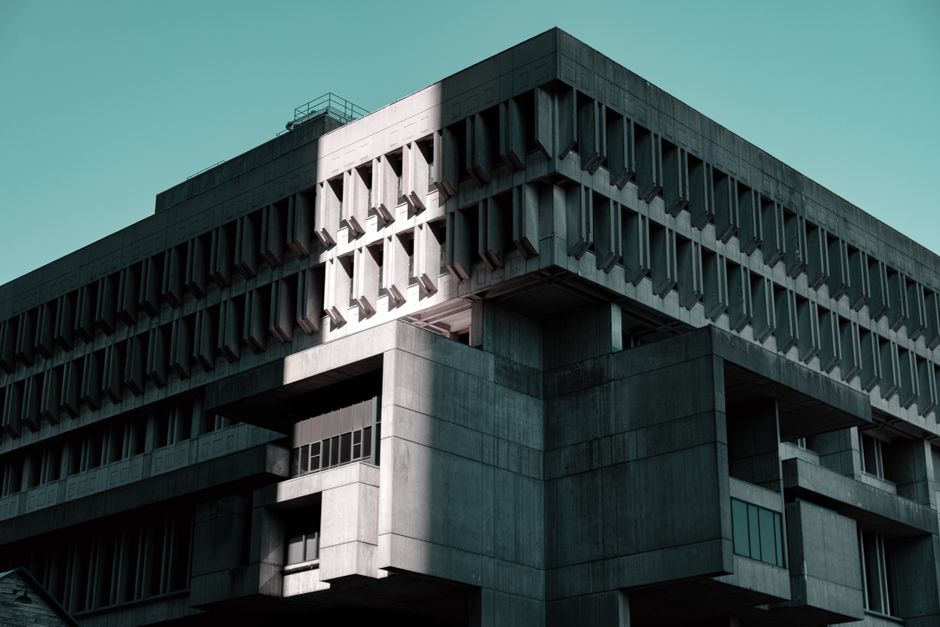
8. The Floating Concert Hall
The Bridgewater Hall, Manchester, UK
Beneath its striking modern exterior, Manchester's premier concert hall 'floats' on massive rubber pads to achieve perfect acoustic isolation.
The Bridgewater Hall, home to the Hallé Orchestra, is an architectural and engineering marvel designed for exceptional acoustics. What many don't realize is that the entire auditorium, weighing 2,500 tonnes, sits on 280 giant rubber springs. This innovative design isolates it from the vibrations of the city outside, ensuring absolute silence for the music within. It's a testament to how modern comfort and cutting-edge design combine to enhance the cultural experience.
Frequently asked questions
What is the easiest way to get around Manchester city centre?
The easiest way to get around Manchester city centre is often on foot, as many attractions are within comfortable walking distance. For longer distances, the free Metroshuttle bus service connects key areas, or you can use the Metrolink tram system, which is efficient and covers a wider network.
Is Manchester walkable for tourists?
Yes, Manchester is very walkable for tourists, especially the central districts like the Northern Quarter, Spinningfields, and the area around Piccadilly. Many historical sites, museums, and shopping areas are close together, making walking an enjoyable and comfortable way to explore.
What transportation options are best for comfortable travel in Manchester?
For comfortable travel, consider using Manchester's extensive Metrolink tram network, which is clean, frequent, and connects major attractions and neighborhoods. Taxis and ride-sharing services are also readily available. For scenic and relaxed journeys, canal boat tours offer a unique perspective of the city's waterways.
How can I discover the stories behind Manchester's hidden gems?
To truly uncover the detailed stories and fascinating history of Manchester's hidden gems, use the AllTours.ai app. Simply point your phone camera at a landmark or landscape, and the app will narrate its history, geology, and culture in your preferred language, turning every comfortable stroll into an immersive learning experience.
Photography via Pexels. AllTours.ai is an AI audio tour guide — point your camera at any landscape and hear its story.