June 29, 2026 · 4 min read
The question 'What is the border between Montreal and Ontario, Canada?' often conjures images of highways and provincial signs. But venture beyond the obvious, and this geographical line transforms into a rich tapestry of untold stories, unique natural wonders, and forgotten historical milestones. This isn't merely a boundary; it's a living archive of Canada's past, shaped by geology, early settlers, and ingenious engineering.
From crucial military canals predating larger, more famous counterparts to isolated mountains and ancient bogs, the region bordering Quebec and Ontario near Montreal holds countless hidden gems. These are the places where history whispers from stone walls, where nature has carved out unlikely sanctuaries, and where local culture has taken root in surprising ways. Prepare to discover the less-traveled paths that truly define this fascinating frontier.
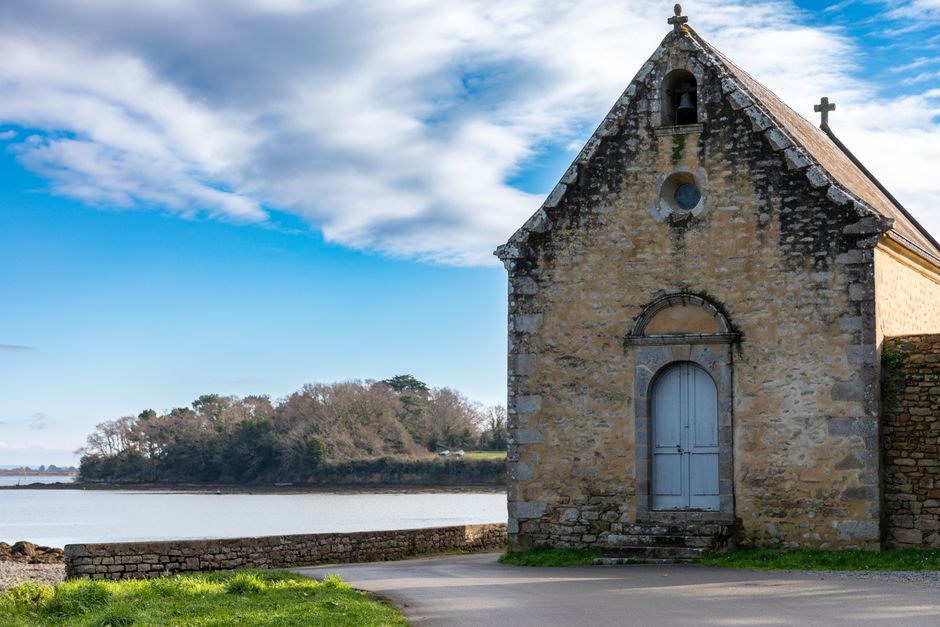
1. North America's First Multi-Lock Canal
Coteau-du-Lac, Quebec, Canada
Before the Erie Canal, this site featured North America's first multi-lock canal, a marvel of 18th-century military engineering.
Built by the British military between 1779 and 1781, the Coteau-du-Lac canal was a critical strategic bypass around the rapids of the St. Lawrence River. Its innovative design included multiple locks, a blockhouse, and defensive walls, predating more famous canals by decades. Today, you can walk among the excavated remains, glimpse the intricate stonework, and imagine the vital role it played in colonial supply lines.
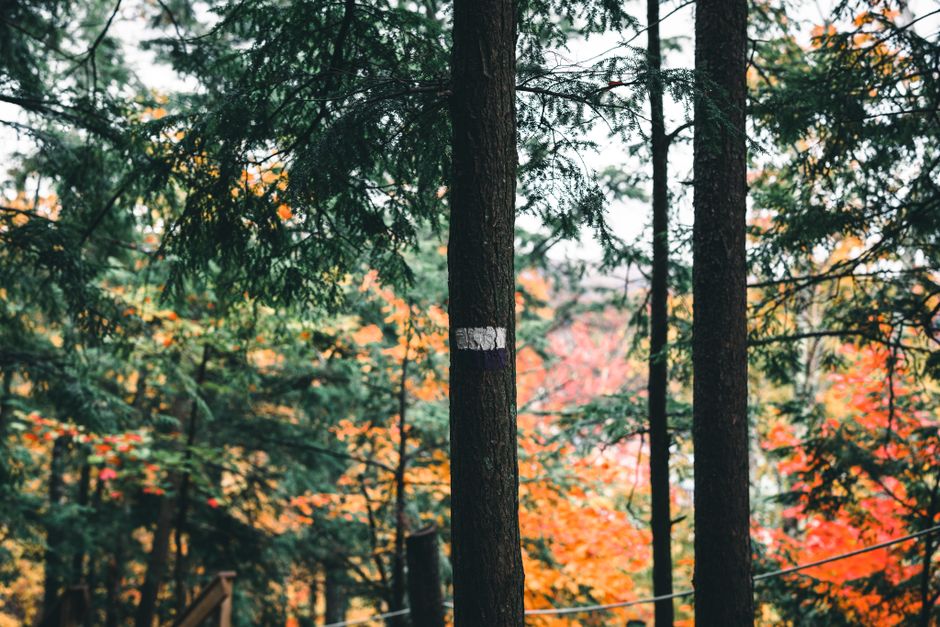
2. The Isolated Mountain of the Plains
Rigaud, Quebec, Canada
Rising abruptly from the flat plains, this isolated mountain is a geological outlier, a remnant of ancient, harder rock resisting erosion.
Mont Rigaud isn't part of a mountain range; it's a monadnock, a standalone hill that survived the relentless forces of glaciation and erosion that flattened the surrounding landscape. Its unique geology supports a diverse ecosystem, including rare plants and old-growth forests, making it a surprising ecological island. Local trails offer views over the vast agricultural plains, revealing its distinctive prominence.
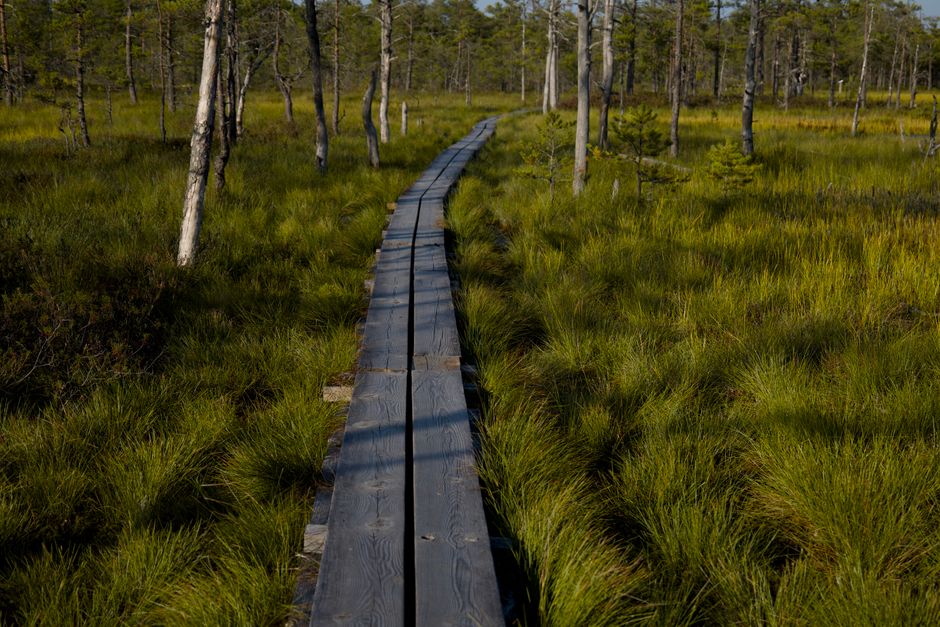
3. Ontario's Ancient Peatland Time Capsule
Alfred and Plantagenet, Ontario, Canada
Hidden just across the border, this vast peat bog is a living time capsule, preserving millennia of plant life and acting as a significant carbon sink.
The Alfred Bog, a rare and fragile ecosystem, began forming over 10,000 years ago in a depression left by melting glaciers. This acidic, oxygen-poor environment slows decomposition, creating layers of peat that trap carbon and preserve pollen, seeds, and even ancient insect remains. It's home to unique carnivorous plants, rare orchids, and elusive wildlife, offering a glimpse into a primordial landscape just a short drive from the bustling highway.
4. The Scottish Heart of Ontario
Maxville, Ontario, Canada
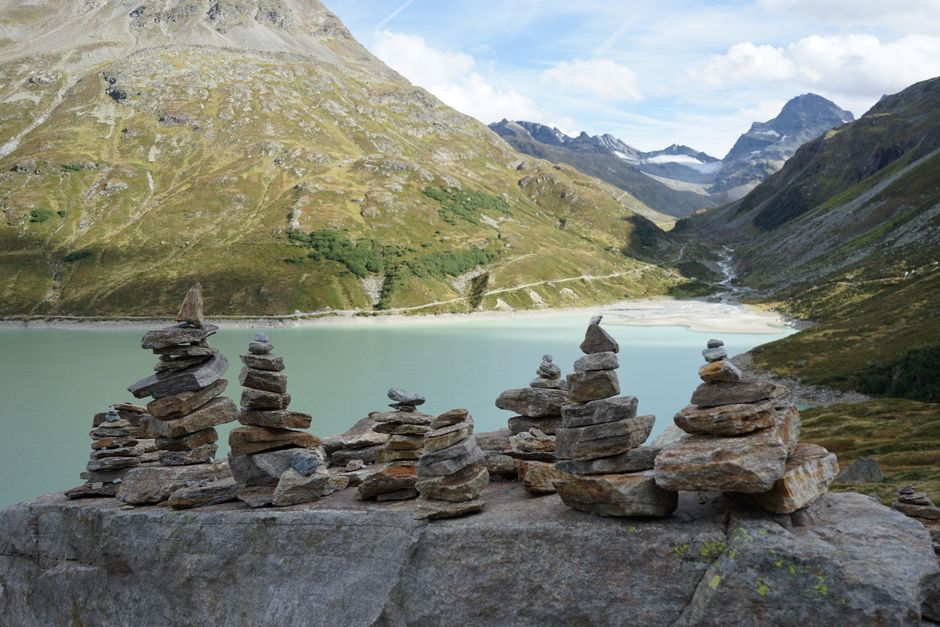
This towering cairn isn't just a monument; it marks the arrival of the first organized Scottish migration to Canada, a pivotal moment in Ontario's cultural tapestry.
Erected in 1938, the Glengarry Cairn commemorates the arrival of the "Nor'Westers," the first major group of Scottish Highlanders to settle in Canada, specifically in Glengarry County, in 1786. Their descendants profoundly shaped the region, establishing a distinct Gaelic culture that persists to this day. Visiting the cairn offers a moment to reflect on the enduring legacy of these early pioneers and their impact on Ontario's identity, far from the urban sprawl.
5. Ontario's Oldest Operating Courthouse
L'Orignal, Ontario, Canada
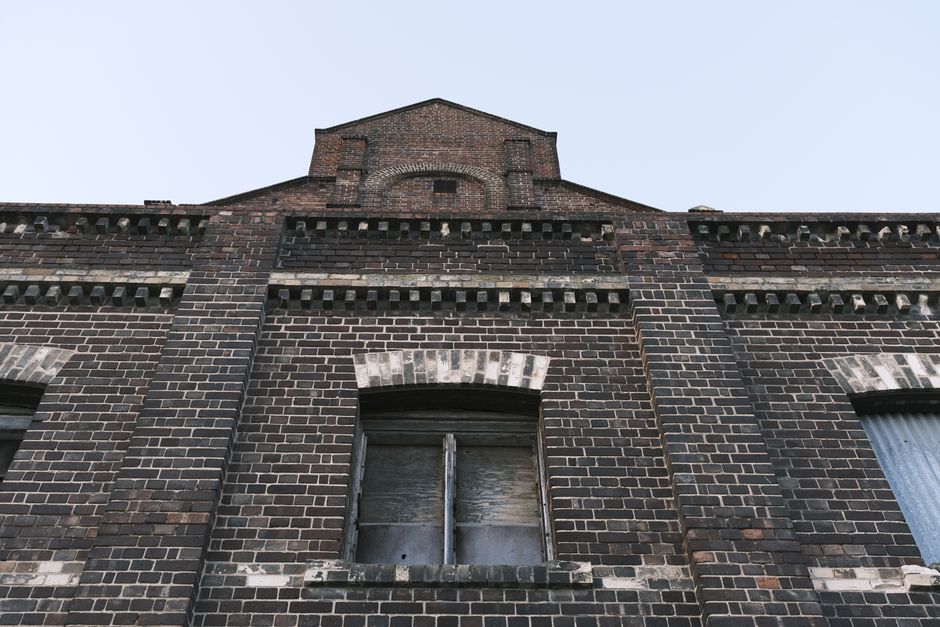
Behind the quiet facade of this small town lies Ontario's oldest operating courthouse, where justice has been dispensed since 1825, witnessing centuries of local disputes.
The L'Orignal Old Gaol and Courthouse is a remarkably preserved example of early 19th-century Canadian institutional architecture. Still in use today, the courthouse wing has continuously served the legal needs of Prescott and Russell counties for nearly 200 years. The adjacent gaol (jail), now a museum, tells stories of its past inmates and the challenges of law enforcement in a developing province, offering a stark contrast to modern justice systems.
6. Quebec's Forgotten Railway Underpass
Saint-Polycarpe, Quebec, Canada
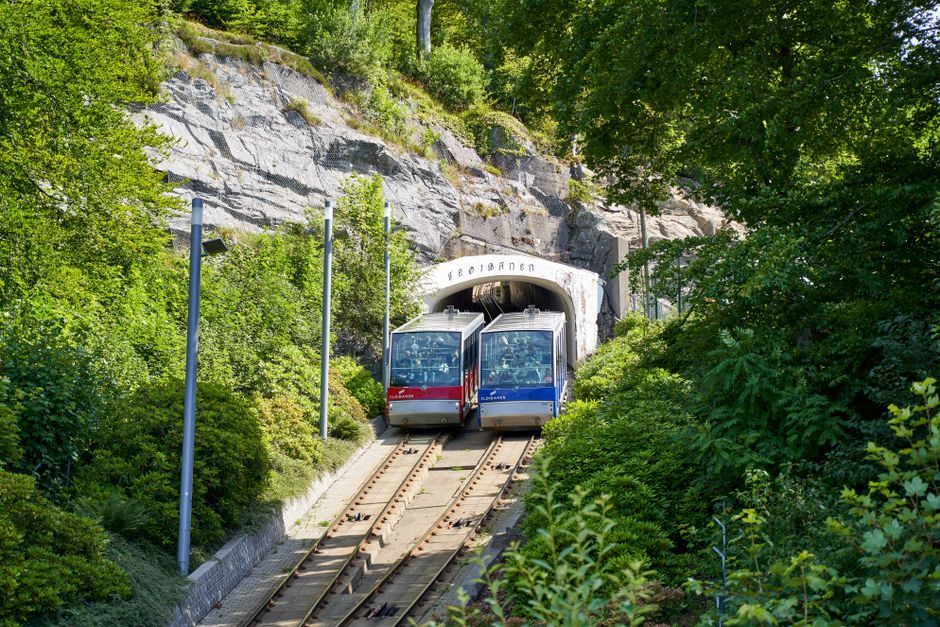
Tucked away in a small village, this historic railway tunnel from the 1890s reveals an unexpected piece of Quebec's industrial past.
The Saint-Polycarpe Tunnel is a stone arch railway underpass, part of the original Canadian Pacific Railway line. While not a grand feat of engineering like mountain tunnels, its robust construction and enduring presence in a quiet rural setting make it a fascinating relic. It speaks to the ambition of early rail expansion across Canada, connecting distant regions and facilitating trade, often overlooked by those rushing along modern highways.
7. The Canal That Moved a River
Saint-André-d'Argenteuil, Quebec, Canada
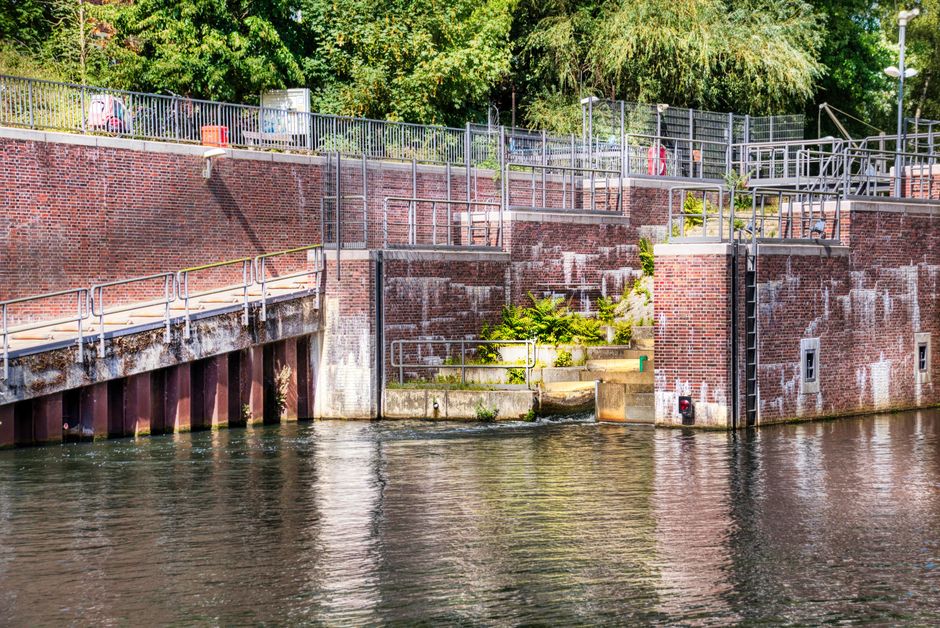
This engineering feat diverted a section of the Ottawa River, showcasing early 19th-century ingenuity crucial for Canadian defense and commerce.
The Carillon Canal was built between 1819 and 1833 by the British military, primarily to ensure safe passage for supply boats bypassing the treacherous Long Sault rapids on the Ottawa River. Its most impressive feature was a 20-foot (6-meter) high dam that effectively raised the river level, creating a navigable channel. While modern locks have replaced the originals, the site still evokes the Herculean efforts required to tame the river, a vital link between Montreal and the interior.
Frequently asked questions
What major natural feature forms part of the Quebec-Ontario border?
The Ottawa River forms a significant portion of the border between Quebec and Ontario, including areas relatively close to Montreal. This river has historically been a crucial transportation route and a natural boundary.
Is it easy to cross the border between Quebec and Ontario near Montreal?
Yes, crossing the provincial border between Quebec and Ontario near Montreal is generally very easy. There are numerous bridges and highways, such as Highway 401/20, connecting the provinces, with no checkpoints or delays beyond regular traffic.
Are there any specific cultural differences noticeable when crossing from Quebec to Ontario?
While both are Canadian provinces, Quebec has a distinct French-speaking majority and unique civil law system, while Ontario is predominantly English-speaking with common law. You might notice differences in road signs (bilingual in Quebec), architecture, and local cuisine, reflecting their respective cultural heritages.
How can I learn more about these lesser-known sites along the border?
To dive deeper into the specific stories of these hidden gems, consider using an AI audio tour guide app like AllTours.ai. Simply point your phone camera at a landmark or landscape, and the app will narrate its unique history, geology, and cultural significance in your preferred language, bringing the border's secrets to life.
Photography via Pexels. AllTours.ai is an AI audio tour guide — point your camera at any landscape and hear its story.