June 13, 2026 · 4 min read
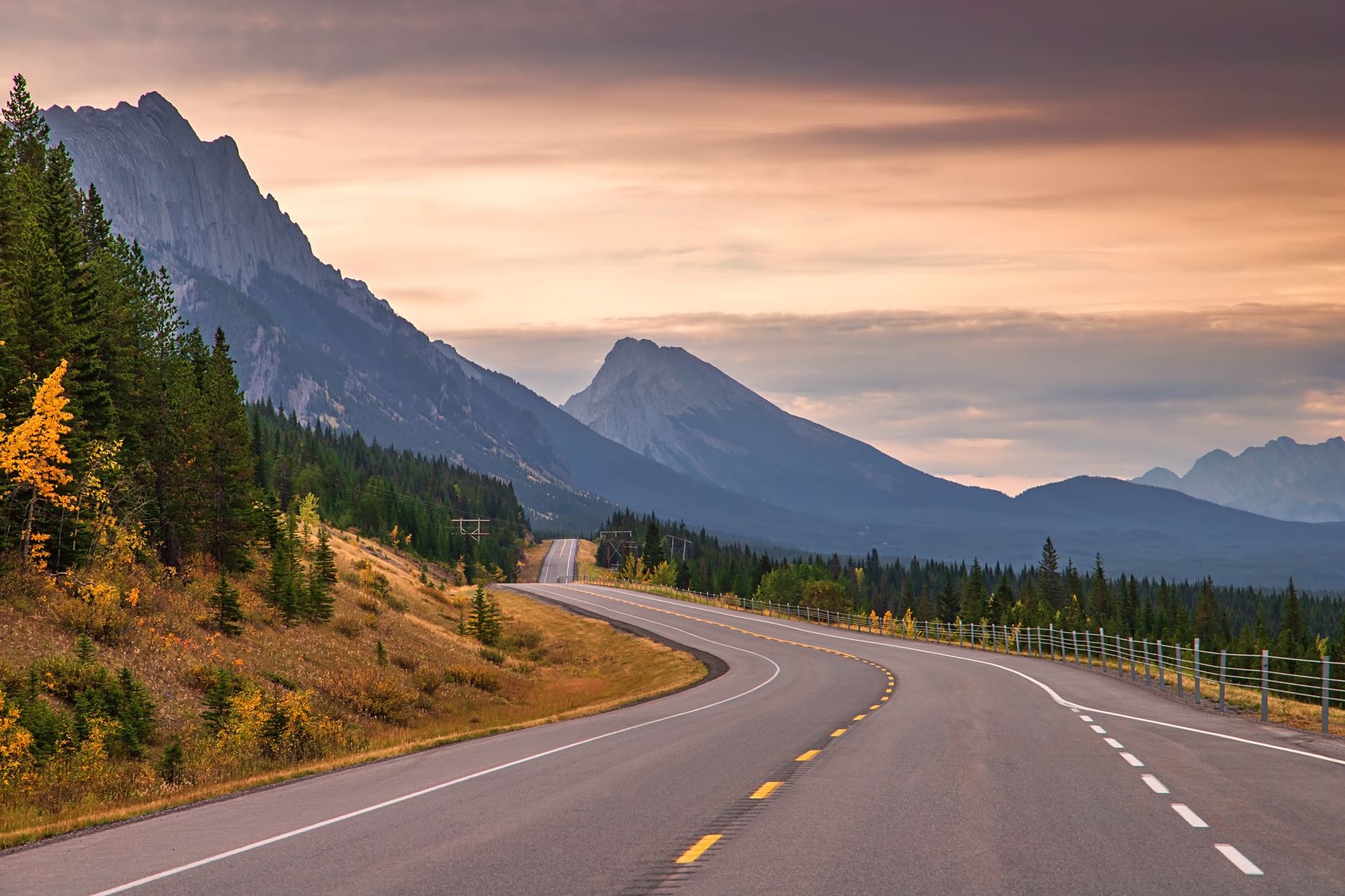
The sheer distance from Montreal to Vancouver often conjures images of endless highways and long stretches of familiar scenery. While the question "What is the driving time from Montreal to Vancouver?" might typically yield an answer around 45-50 hours of pure driving, to view this monumental journey as merely a race across the country is to miss an unparalleled opportunity.
Canada's vastness isn't just about mileage; it's a tapestry woven with countless untold stories, hidden geological marvels, and unique cultural pockets often overlooked by the rush of travel. This guide invites you to pause, explore, and discover the genuinely surprising narratives embedded in the landscapes and towns that lie far beyond the well-trodden tourist paths.
1. A Freshwater Island of Ancient Voices
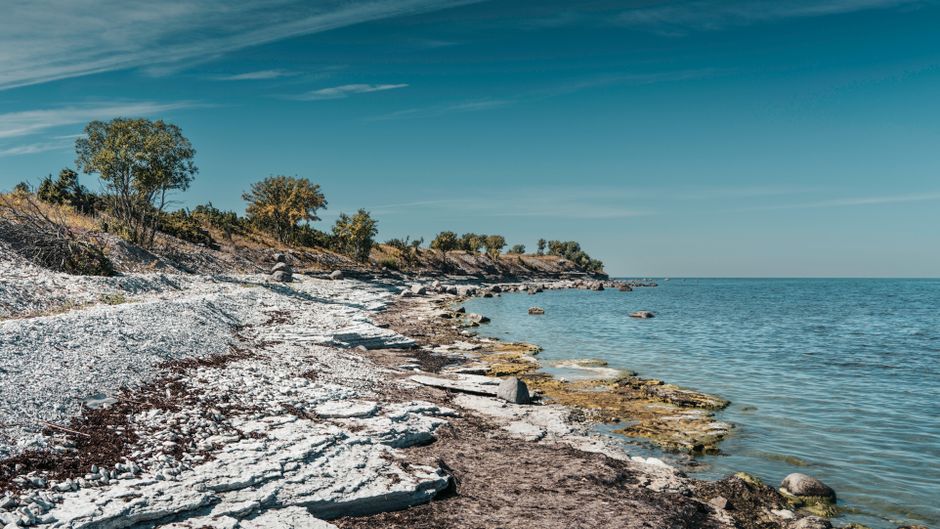
Manitoulin Island, Ontario, Canada
This island, the largest freshwater island in the world, is a vibrant stronghold for the Anishinaabemowin language, spoken here continuously for millennia.
Manitoulin Island is a unique cultural landscape within Lake Huron, distinct for its Indigenous heritage. It's home to six Anishinaabe First Nations, many of whom actively preserve their ancestral language, Anishinaabemowin (Ojibwe), through daily life, art, and education. The island offers a glimpse into a living culture that predates European settlement by thousands of years, with stories and traditions deeply intertwined with the land and water.
2. The Falls That Hide Ancient Life
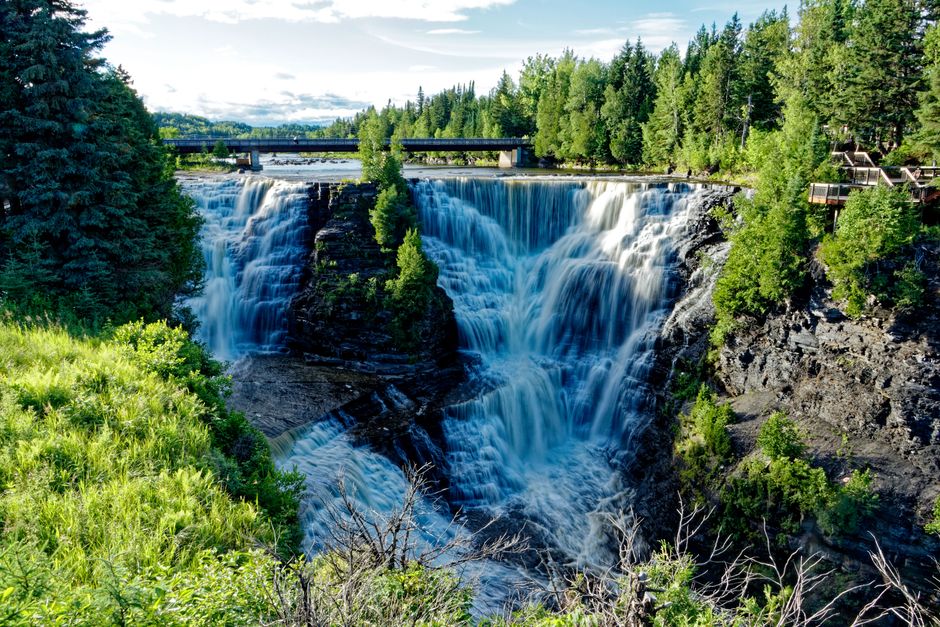
Kakabeka Falls Provincial Park, Ontario, Canada
Beneath the powerful cascade of Kakabeka Falls, known as the "Niagara of the North," are some of the oldest fossils on Earth: stromatolites dating back 2 billion years.
While its thunderous 40-meter drop into the Kaministiquia River is impressive, Kakabeka Falls holds a deeper secret. The bedrock exposed at the base of the falls reveals layers of shale and limestone containing fossilized stromatolites. These ancient microbial mats are among the earliest forms of life on Earth, offering a tangible connection to our planet's primordial past, visible in the dramatic cliffs carved by the cascading water.
3. Where Iceland Lives On The Prairies
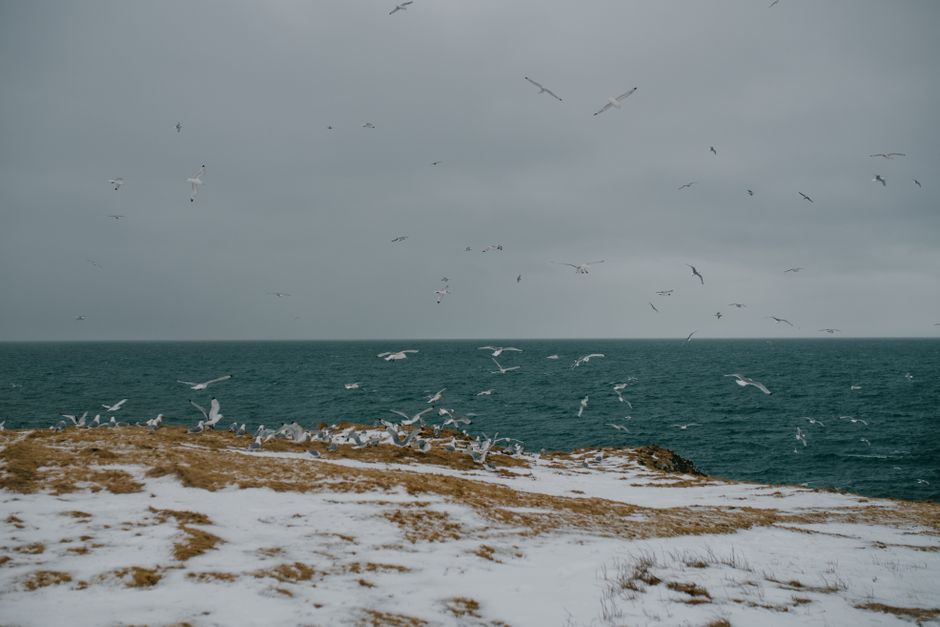
Gimli, Manitoba, Canada
This prairie town boasts a greater concentration of people who speak an ancient dialect of Icelandic than almost anywhere else in the world, including Iceland itself.
In the late 19th century, thousands of Icelanders immigrated to Manitoba, establishing the "New Iceland" colony on the shores of Lake Winnipeg. Gimli remains the heart of this vibrant community, where Icelandic heritage is fiercely preserved. You'll find Icelandic festivals, museums, and even hear the unique, older dialect of the language spoken by descendants of the original settlers, offering a living bridge to a distant Scandinavian past on the Canadian prairies.
4. The Bricks That Built a Nation
Claybank Brick Plant National Historic Site, Saskatchewan, Canada
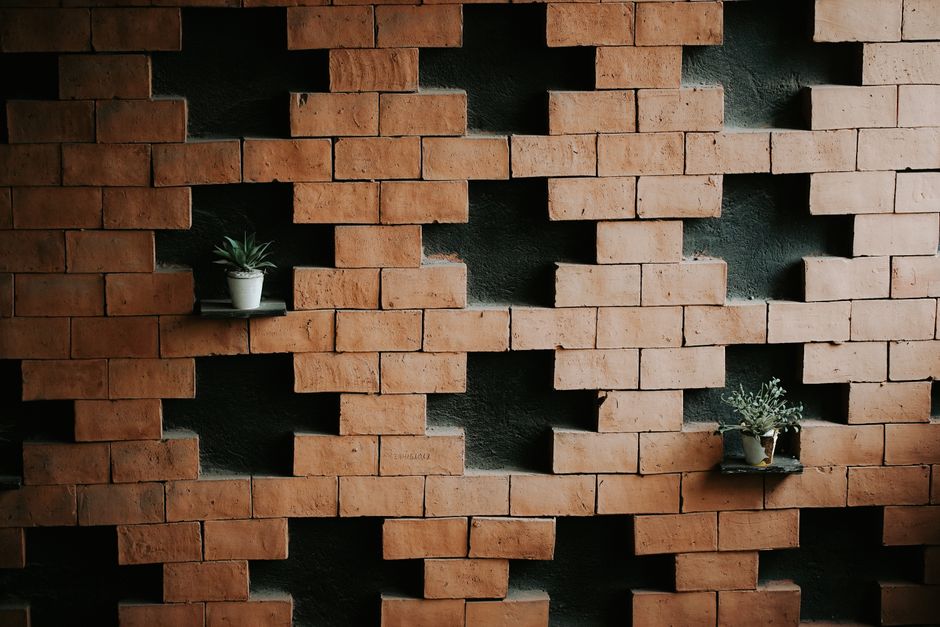
This remarkably preserved industrial site supplied the iconic bricks for many of Canada's most famous buildings, from Parliament Hill to the Château Frontenac.
Tucked away in rural Saskatchewan, the Claybank Brick Plant is a fascinating time capsule of early 20th-century industry. Operating from 1914 to 1989, it extracted high-quality clay from the local hills to produce fire bricks, paving bricks, and face bricks. These durable, distinctive bricks were shipped across Canada, forming the foundations and facades of countless significant structures, making Claybank an unexpected cornerstone of Canadian architectural history.
5. Scotty, The Prairie's Ancient Apex Predator
Eastend, Saskatchewan, Canada
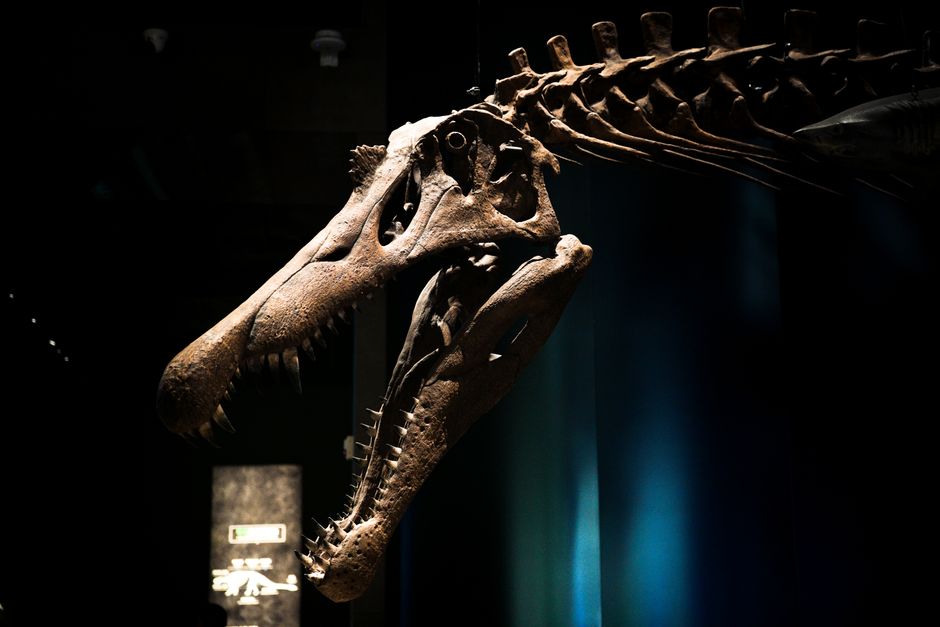
This small prairie town is home to the most massive Tyrannosaurus rex skeleton ever discovered, affectionately named "Scotty."
In 1991, near the town of Eastend, paleontologists unearthed a T. rex skeleton that would rewrite dinosaur records. "Scotty" is not only the largest T. rex ever found, estimated at over 13 meters long and weighing nearly 9 tonnes, but also one of the oldest and most complete. The T.rex Discovery Centre in Eastend showcases this incredible find, revealing that even seemingly quiet prairie landscapes once teemed with colossal prehistoric life.
6. The Mountain's Sudden Collapse
Frank Slide Interpretive Centre, Alberta, Canada
Witness the aftermath of Canada's deadliest landslide, where 30 million cubic meters of Turtle Mountain collapsed in just 90 seconds, burying part of a mining town.
In the early morning hours of April 29, 1903, a massive section of Turtle Mountain fractured and tumbled into the valley below, devastating the eastern edge of the coal mining town of Frank. The Frank Slide Interpretive Centre stands amidst the colossal boulders, telling the harrowing story of the natural disaster, its geological causes, and the lives lost. It's a stark reminder of the raw, unpredictable power of the Rocky Mountains.
7. Canada's Only Desert Oasis
Nk'Mip Desert Cultural Centre, Osoyoos, British Columbia, Canada
Explore Canada's only true desert, a biologically unique ecosystem where the Okanagan Nation has thrived for thousands of years.
The Nk'Mip Desert Cultural Centre in Osoyoos sits within Canada's only recognized desert, a hot, arid landscape teeming with unique flora and fauna, including rattlesnakes and cacti. This centre, owned and operated by the Osoyoos Indian Band, offers profound insights into the culture, history, and language of the Okanagan Nation. It's a vital place for understanding Indigenous land stewardship and appreciating the delicate balance of this surprising Canadian ecosystem.
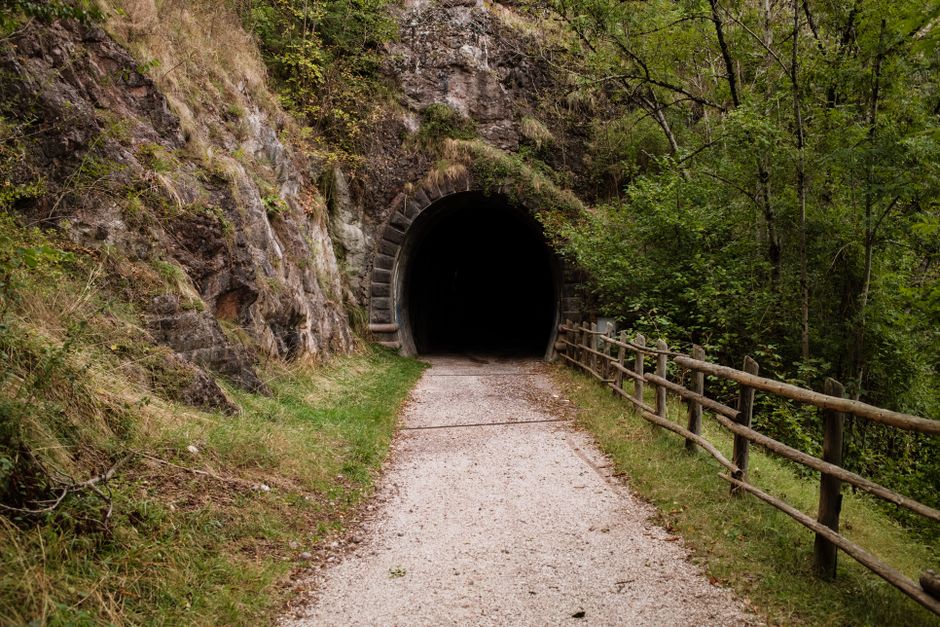
8. The Tunnels Built Through Treachery
Othello Tunnels, Hope, British Columbia, Canada
These five interconnected railway tunnels, carved through solid rock and bridging deep gorges, were a marvel of early 20th-century engineering, built through one of Canada's most treacherous landscapes.
Located near Hope, the Othello Tunnels are remnants of the Kettle Valley Railway, a historic route built through the rugged Coquihalla Canyon. Completed in 1914, the tunnels and connecting bridges were an audacious feat of engineering, designed to conquer a formidable terrain. Today, they offer a scenic walking trail that winds through the dark passages and across dramatic bridges high above the Coquihalla River, a testament to human ingenuity against nature's might.
Frequently asked questions
What is the actual driving time from Montreal to Vancouver?
The pure driving time for the Montreal to Vancouver journey typically ranges from 45 to 50 hours. This estimate does not include stops for fuel, food, rest, or sightseeing, so planning for at least 5-7 days of travel is recommended for a comfortable and enjoyable pace.
What is the best time of year to drive from Montreal to Vancouver?
Late spring (May to early June) and early autumn (September to early October) are generally the best times. These seasons offer pleasant driving conditions, moderate temperatures, and stunning scenery, avoiding the peak summer crowds and the challenges of winter weather, especially in the mountain passes.
Are there different routes I can take for this cross-Canada road trip?
Yes, there are a few primary routes. The most common involves taking the Trans-Canada Highway (Highway 1) for much of the journey. However, you can choose variations, such as dipping south into the US through states like North Dakota and Montana for a change of scenery, or exploring different provincial highways to discover more local attractions.
How can the AllTours.ai app enhance my cross-Canada road trip?
AllTours.ai transforms your road trip into an immersive discovery experience. Simply point your phone camera at any landmark, landscape, or point of interest along your route, and the app instantly narrates its hidden history, unique geology, and cultural significance in your preferred language, revealing stories you might otherwise miss.
Photography via Pexels. AllTours.ai is an AI audio tour guide — point your camera at any landscape and hear its story.