July 9, 2026 · 5 min read
When you think of Kazakhstan, images of vast steppes, majestic mountains, and perhaps the bustling modern cities of Almaty and Astana might come to mind. But what is the food like in Kazakhstan? It’s a question that unveils a culinary landscape far richer and more diverse than most travelers anticipate, deeply rooted in centuries of nomadic traditions and regional variations.
Beyond the well-known staples, Kazakhstan's cuisine tells a story of survival, hospitality, and cultural fusion, often found in its lesser-known corners. From ancient fortresses to remote mountain ranges, each region offers a unique taste, a surprising ingredient, or a traditional cooking method that brings its history and people to life. Prepare to discover the hidden flavors that define this remarkable Central Asian nation.
1. The Desert's Elixir: Shubat in Mangystau
Aktau, Mangystau Region, Kazakhstan
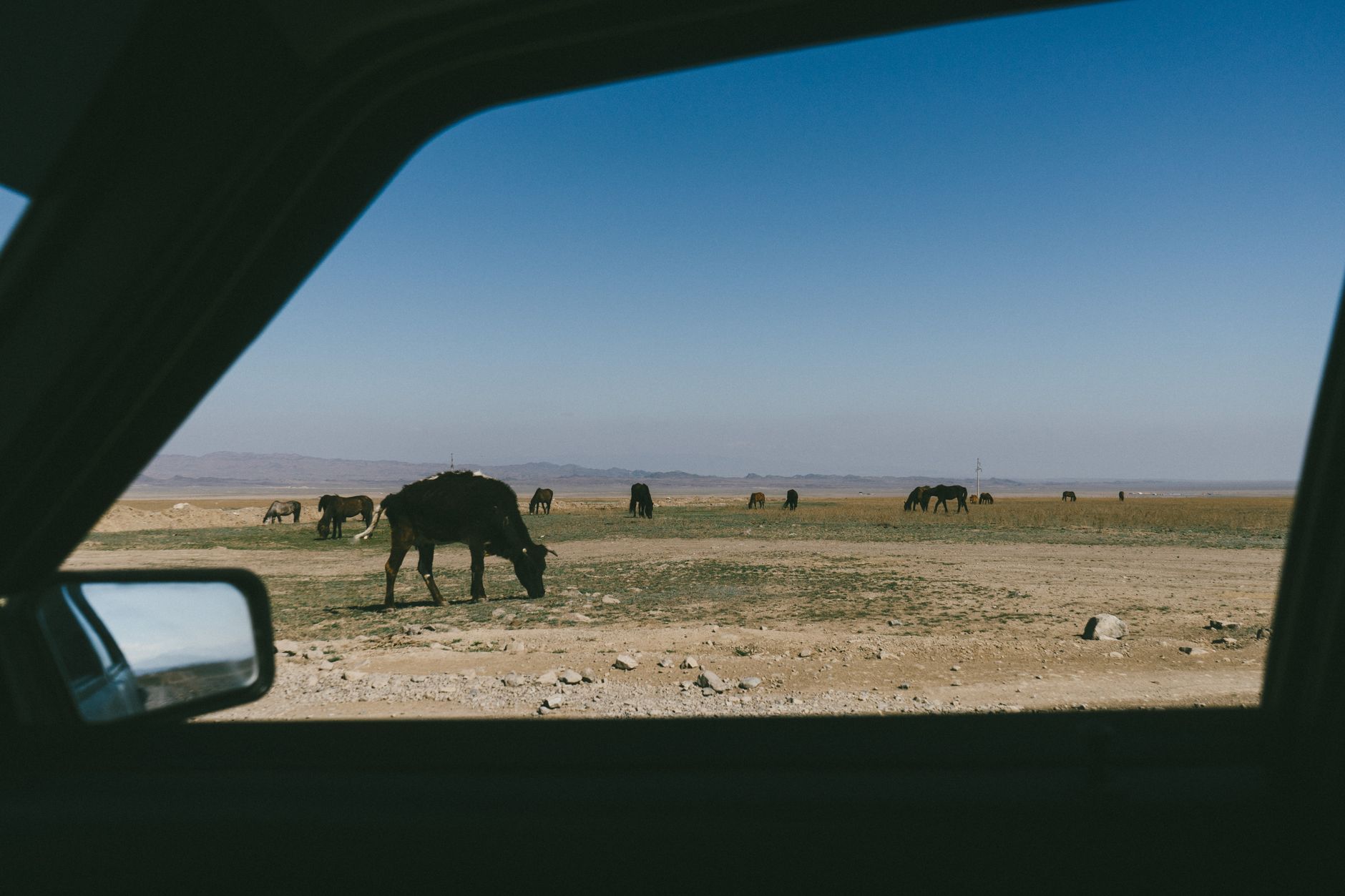
In the arid Mangystau region, the thick, sour taste of shubat, fermented camel milk, is not just a drink but a vital legacy of ancient desert survival.
The Mangystau plateau, a landscape of canyons and harsh deserts, is home to a robust camel population. Here, shubat is revered for its purported health benefits and its ability to quench thirst in extreme heat. Unlike kumys, shubat is thicker, richer, and its fermentation process is often passed down through generations of camel herders, a skill honed over millennia to thrive in this unforgiving terrain.
2. Ancient Fuel: Kurt at Aisha-Bibi's Shadow
Aisha-Bibi Mausoleum, Taraz Region, Kazakhstan
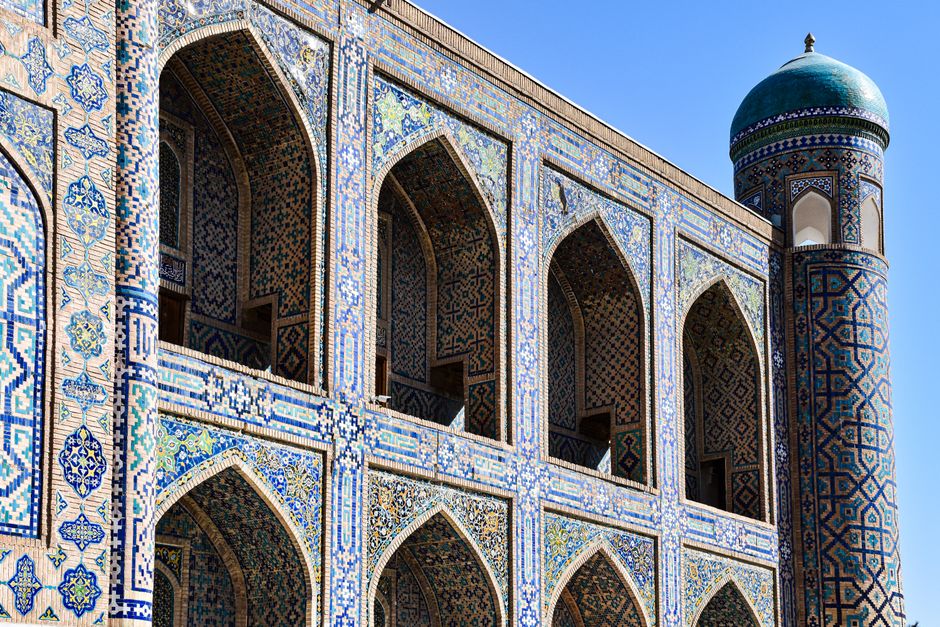
Near the ancient, intricately carved Mausoleum of Aisha-Bibi, you can find kurt, the dried cheese balls that fueled Silk Road travelers for centuries, embodying a timeless, portable sustenance.
The Mausoleum of Aisha-Bibi, a UNESCO candidate, stands as a testament to 11th-century Karakhanid architecture and a tragic love story. In the surrounding villages and markets, kurt is still a staple. These small, hard, salty or sour cheese balls were perfect for nomadic life and long journeys. They could be stored indefinitely and provided essential nutrients, making them a cornerstone of survival for those traversing the vast Kazakh steppes and contributing to the region's historical connectivity.
3. The Five Fingers Feast: Beshbarmak on the Syr Darya
Kyzylorda Region, Kazakhstan
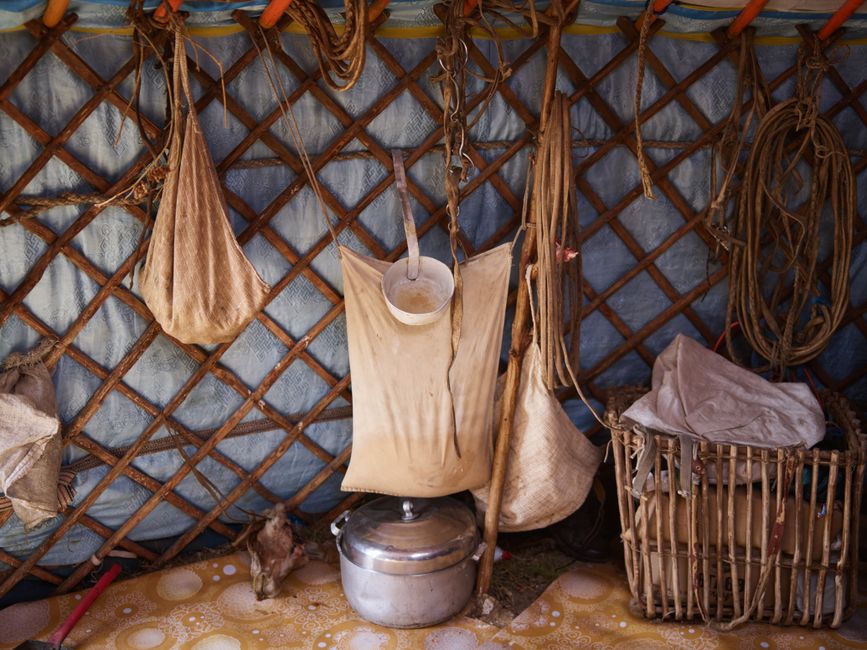
Along the banks of the Syr Darya River in Kyzylorda, beshbarmak is not just a dish but a communal ritual, often prepared in a traditional yurt, reflecting centuries of nomadic hospitality.
Kyzylorda, a city with a rich history tied to the Aral Sea and the Syr Darya, offers a glimpse into traditional Kazakh life. Here, experiencing beshbarmak – 'five fingers' food – in a yurt is a profound cultural immersion. The dish of boiled meat (often horse or lamb), noodles, and onion broth is eaten by hand, symbolizing community and respect for elders. The specific preparation and serving rituals in this region often adhere closely to ancient customs, making it a truly authentic experience.
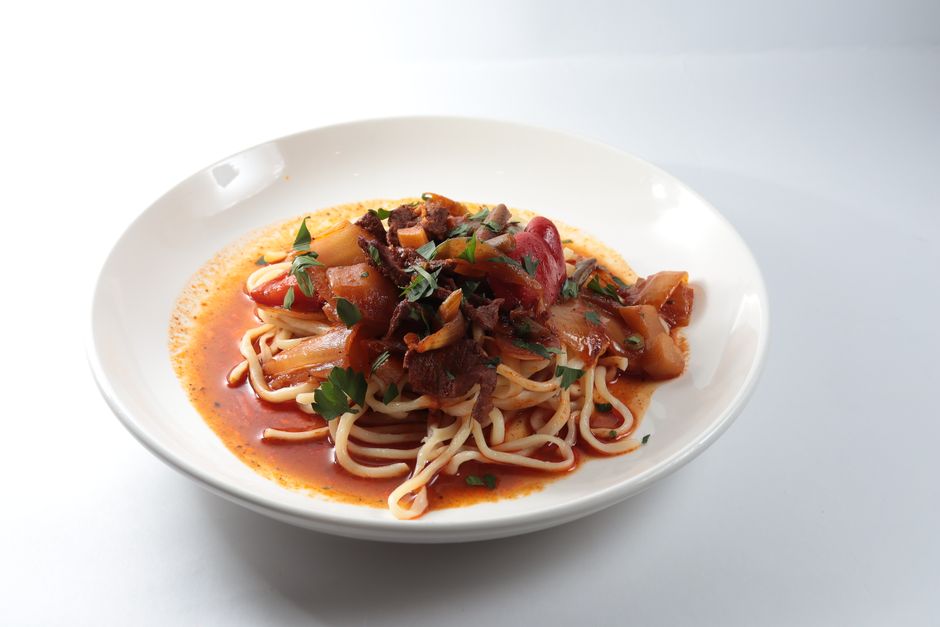
4. Noodle Trails: Dungan Laghman in Masanchi
Masanchi Village, Zhambyl Region, Kazakhstan
In the village of Masanchi, home to Kazakhstan's Dungan minority, the hand-pulled laghman noodles tell a vibrant story of migration and the fusion of Central Asian and Chinese culinary traditions.
Masanchi, located near the Kyrgyz border, is one of Kazakhstan's oldest and largest Dungan settlements, established after their migration from China in the late 19th century. Dungan cuisine is a delicious bridge between cultures, and their laghman is legendary. The meticulous process of hand-pulling the thick, chewy noodles, combined with rich, spicy meat and vegetable stir-fries, is a culinary art form passed down through generations, showcasing a unique and flavorful heritage distinct from typical Kazakh fare.
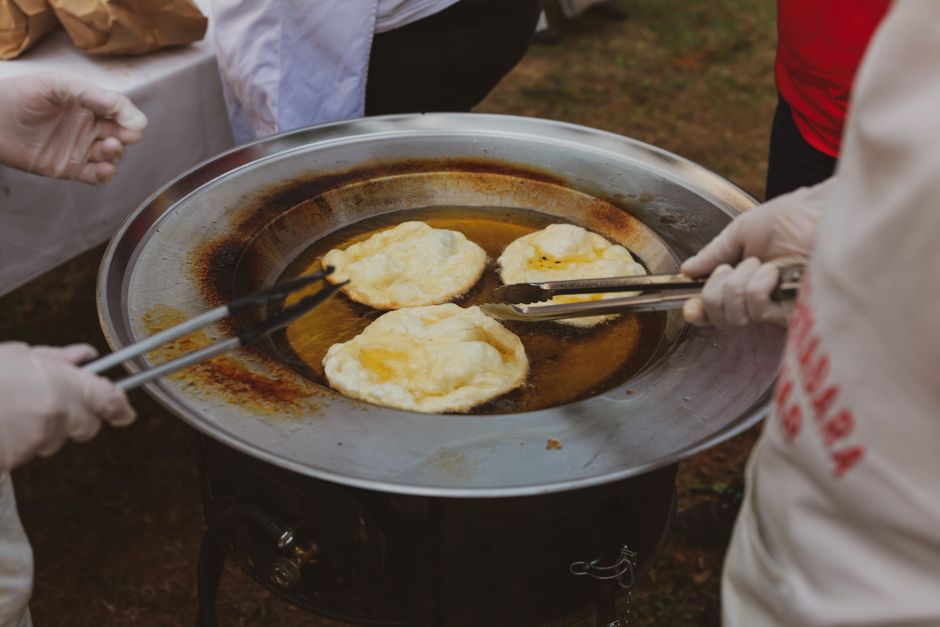
5. Steppe Sustenance: Baursaki and Tea in Altyn-Emel
Altyn-Emel National Park, Almaty Region, Kazakhstan
Amidst the singing dunes and volcanic landscapes of Altyn-Emel National Park, the simple offering of freshly fried baursaki and milky tea embodies the deep hospitality of those living on the wild steppe.
Altyn-Emel is famous for its natural wonders like the Singing Dunes and Aktau mountains, but its human element is equally compelling. Here, within the sparse settlements or guesthouses catering to visitors, the ritual of sharing baursaki – light, fluffy fried dough balls – with a cup of strong, milky tea is a cornerstone of Kazakh hospitality. It's a humble yet profound gesture that connects visitors to the enduring traditions of the steppe dwellers, who have perfected these comforting staples for centuries of transient life.
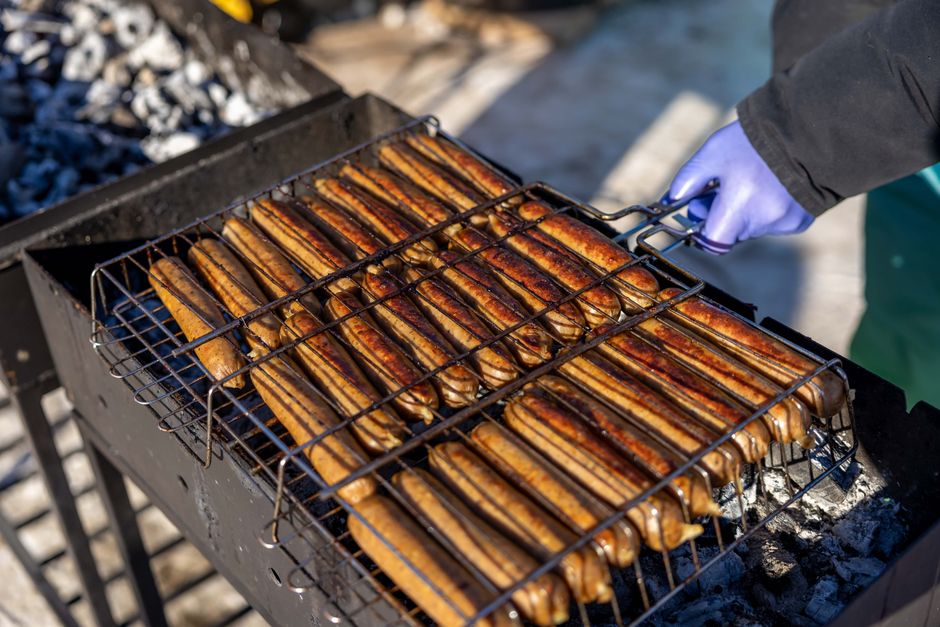
6. Sacred Sausages: Kazy and Shuzhyk in Turkestan
Turkestan City, Turkestan Region, Kazakhstan
In the ancient spiritual heart of Turkestan, the markets offer kazy and shuzhyk, horse meat sausages that are not merely food but deeply symbolic expressions of nomadic heritage and festive tradition.
Turkestan, home to the Mausoleum of Khoja Ahmed Yasawi, is a city steeped in spiritual and historical significance. Its bustling local markets are vibrant hubs where traditional Kazakh foods thrive. Kazy and shuzhyk, horse meat sausages, are highly prized delicacies, often reserved for special occasions and honored guests. The meticulous process of their preparation, involving specific cuts of meat and spices, is a craft passed down through generations, reflecting the importance of horse culture and sustenance in the Kazakh nomadic past, even today within this sacred city.
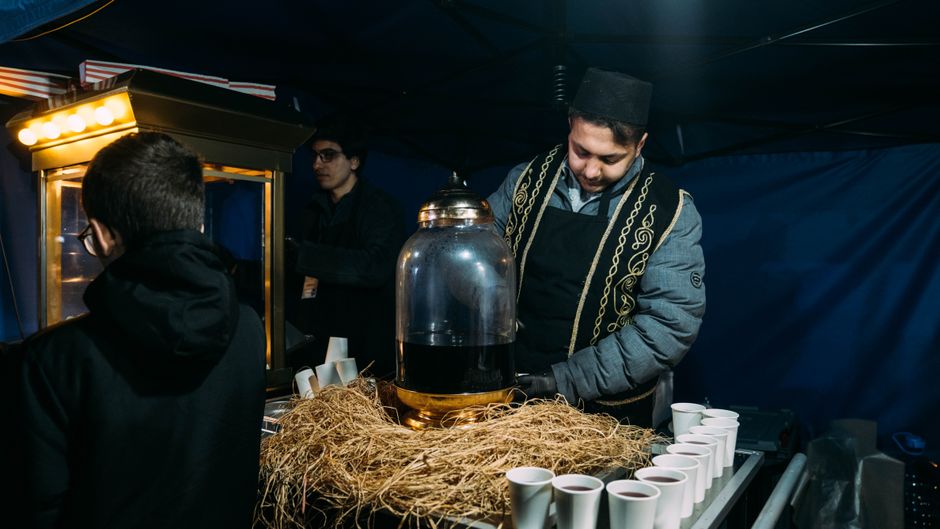
7. Steppe's Spirit: Kumys by Lake Balkhash
Lake Balkhash, Karaganda Region, Kazakhstan
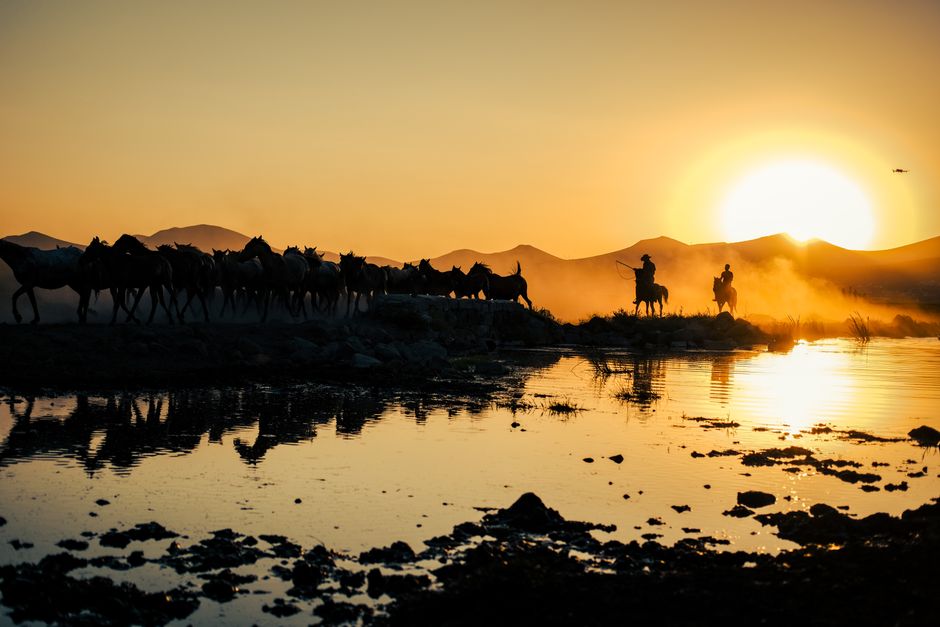
Near the vast, enigmatic Lake Balkhash, the frothy, fermented mare's milk known as kumys offers a taste of the raw, invigorating spirit of the Kazakh steppe and its ancient pastoral traditions.
Lake Balkhash, one of the largest lakes in Asia, presents a unique ecological zone and a less-traveled part of Kazakhstan. The surrounding steppes are ideal for horse breeding, making it a prime region for kumys production. This potent, slightly alcoholic drink is made by fermenting mare's milk, a process that requires constant churning. Historically, it was revered for its medicinal properties and as a staple for nomadic warriors. Experiencing kumys here connects you directly to the enduring rhythm of pastoral life that has shaped Kazakh identity for centuries.

8. Grain & Sweetness: Talkan and Zhent in Ust-Kamenogorsk
Ust-Kamenogorsk, East Kazakhstan Region, Kazakhstan
In the diverse landscapes of East Kazakhstan, you'll discover talkan and zhent, traditional grain-based foods that reveal the practical ingenuity and subtle sweetness of the Kazakh diet beyond meat and dairy.
Ust-Kamenogorsk, nestled where mountains meet rivers, is a gateway to the varied terrain of East Kazakhstan. While meat is central, lesser-known delicacies like talkan and zhent highlight other facets of Kazakh cuisine. Talkan is a nutritious flour made from toasted and ground wheat or barley, often mixed with milk or water. Zhent is a sweet, dense confection made from talkan, kurt, butter, and sugar, often served during celebrations. These dishes speak to the resourceful use of grains and dairy, representing the regional variations and deeper layers of Kazakh culinary heritage.
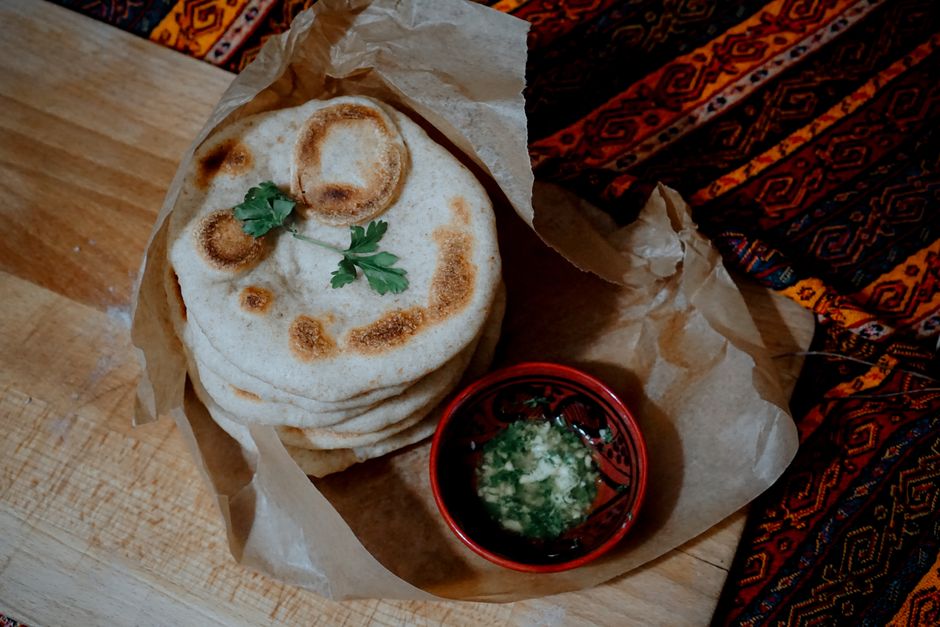
9. Hunter's Loaf: Koryk-nan in the Jungar Alatau
Jungar Alatau Mountains, Almaty Region, Kazakhstan
Deep within the Jungar Alatau mountains, the rare koryk-nan, a flatbread traditionally baked in the ashes of a campfire, offers a taste of ancient hunter-gatherer ingenuity and mountain survival.
The Jungar Alatau range, a rugged and remote area bordering China, is a land of stunning natural beauty and ancient traditions. Here, away from urban centers, the practice of making koryk-nan (literally "bread of the reserve" or "hunter's bread") persists. This simple, sturdy flatbread is traditionally baked directly in the coals or hot ashes of a campfire, a method perfected by hunters and shepherds who needed sustenance in the wild. Its preparation reflects a deep connection to the land and the practical skills necessary for survival in the harsh, yet bountiful, mountain environment.
Frequently asked questions
What are the staple ingredients in Kazakh cuisine?
Kazakh cuisine is primarily based on meat, especially horse and lamb, reflecting its nomadic heritage. Dairy products like kumys (fermented mare's milk) and kurt (dried cheese) are also staples. Wheat flour is used for various breads and noodles, and onions are a fundamental aromatic.
Are there vegetarian options available in Kazakhstan?
While traditional Kazakh cuisine is very meat-centric, vegetarian options are increasingly available, especially in larger cities like Almaty and Astana. You can find salads, potato dishes, and influences from neighboring cuisines like Uyghur or Dungan (e.g., laghman with vegetables). Rural areas might require more planning or asking for dishes without meat.
Is Kazakh food generally spicy?
Traditional Kazakh food is generally not spicy. It relies more on the natural flavors of the meat, dairy, and simple seasonings like salt, pepper, and onions. However, influences from neighboring cuisines, particularly Uyghur and Dungan dishes, can introduce a pleasant level of spice, especially in dishes like laghman or samsa from those traditions.
How can AllTours.ai help me explore Kazakhstan's food culture?
AllTours.ai can transform your culinary exploration by providing real-time, in-depth narratives about the food and its context. Point your phone camera at a bustling market stall, a traditional restaurant, or even a unique ingredient, and the app will narrate its history, cultural significance, and preparation methods, enriching your understanding far beyond a simple menu description.
Photography via Pexels. AllTours.ai is an AI audio tour guide — point your camera at any landscape and hear its story.