June 21, 2026 · 4 min read
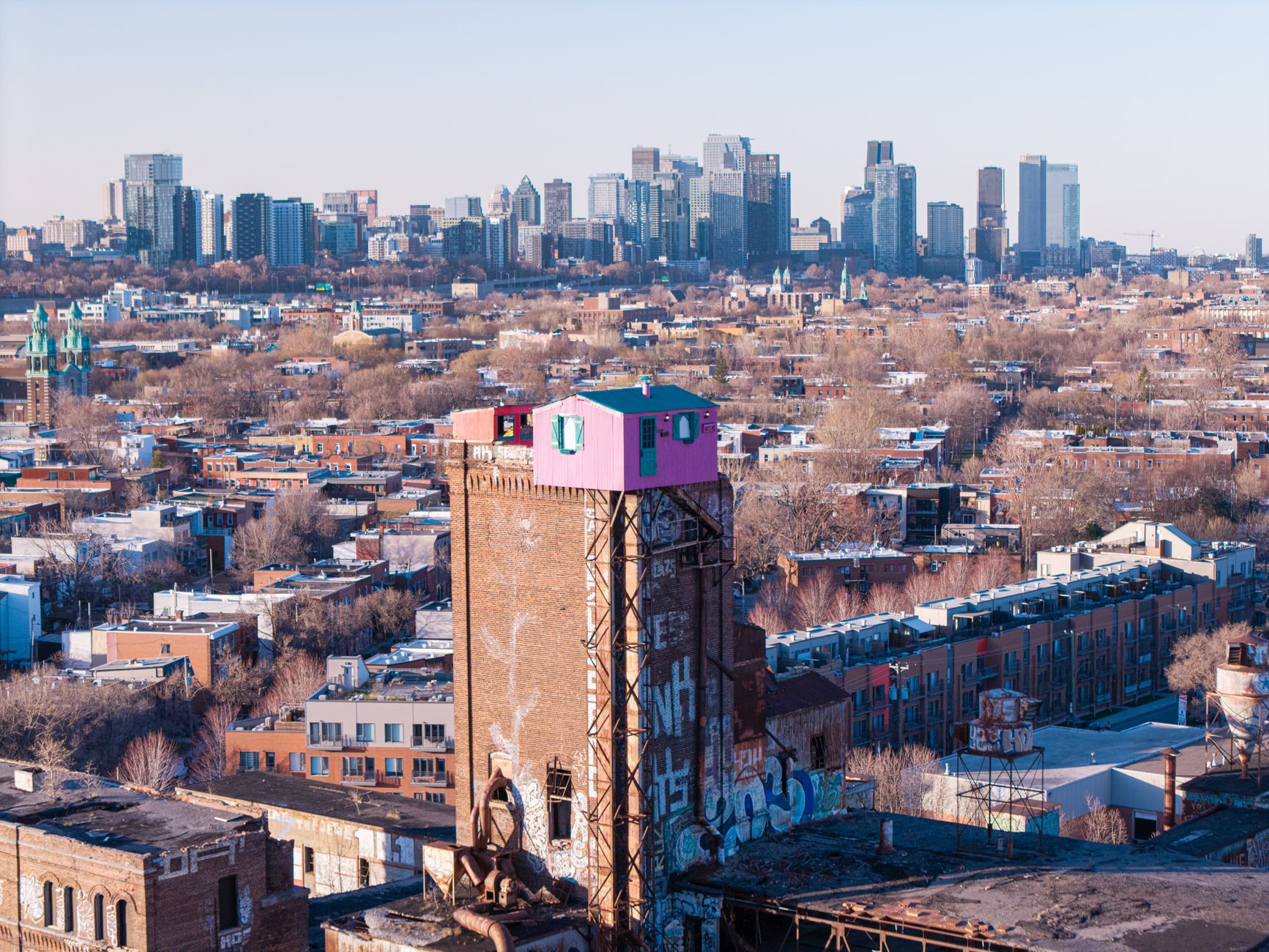
Montreal is a city of stunning contrasts, where historic grandeur meets vibrant modernity. Yet, beneath the well-trodden paths of Old Montreal and the Plateau, lie neighborhoods with profound, often overlooked stories of resilience, struggle, and rich cultural heritage.
This guide ventures beyond the postcard views to explore areas that have historically faced economic challenges, or whose narratives are simply less visible. These are places shaped by generations of working families, immigrants, and innovators, whose contributions have indelibly marked the city. Their histories offer a deeper understanding of Montreal's complex identity, revealing surprising tales of grit, community, and transformation.
1. Pointe-Saint-Charles: The Unsung Labor Battleground
Pointe-Saint-Charles, Montreal, Quebec, Canada
This modest neighborhood was the site of a forgotten riot over fair wages during the construction of Canada's first permanent bridge.
In 1859, Irish immigrant laborers building the iconic Victoria Bridge erupted in protest over exploitative wages and conditions. This wasn't just a local dispute; it was a pivotal, yet often unremembered, moment in Canadian labor history, demonstrating the fierce fight for workers' rights in a developing industrial city. Pointe-Saint-Charles became home to generations of working-class families, its streets echoing with the resilience of those who built Montreal's infrastructure.
2. Saint-Henri: The Tin Flute's Real-Life Backdrop
Saint-Henri, Montreal, Quebec, Canada
This district served as the poignant setting for Gabrielle Roy's classic novel 'The Tin Flute,' depicting the harsh realities of poverty during the Great Depression.
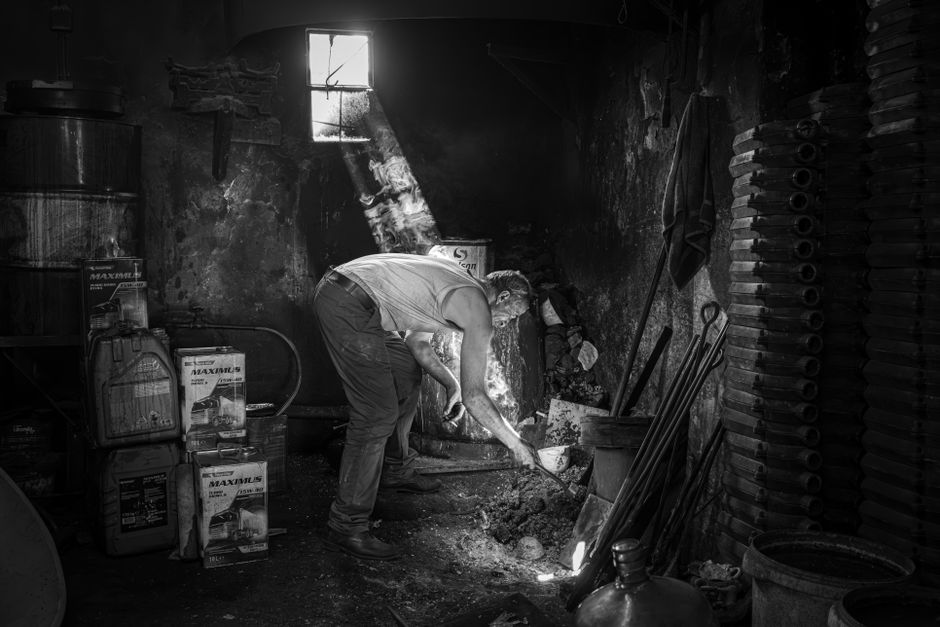
Gabrielle Roy's enduring novel brought Saint-Henri's struggles to life, painting a vivid picture of families enduring economic hardship amidst the area's industrial clang. Once a vibrant working-class hub, home to factories and bustling markets, Saint-Henri's past is a testament to the daily lives of ordinary Montrealers. Its historical texture, from its greystone buildings to its proximity to the Lachine Canal, reveals layers of resilience and community spirit.
3. Hochelaga-Maisonneuve: The Grand Market's Irony
Hochelaga-Maisonneuve, Montreal, Quebec, Canada
The grand Maisonneuve Market, built as a symbol of a utopian workers' city, ironically served a population often too poor to afford its goods.
In the early 20th century, the independent city of Maisonneuve envisioned itself as a model industrial metropolis, commissioning lavish public works like the Maisonneuve Market. These ambitious projects were meant to uplift its working-class residents. However, the city's eventual financial collapse left its citizens burdened by debt, creating a stark contrast between architectural grandeur and the daily struggles of the people it was meant to serve. The market stands today as a beautiful, complex reminder of this ambitious past.
4. Parc-Extension: A World of Languages, a Battle for Belonging
Parc-Extension, Montreal, Quebec, Canada
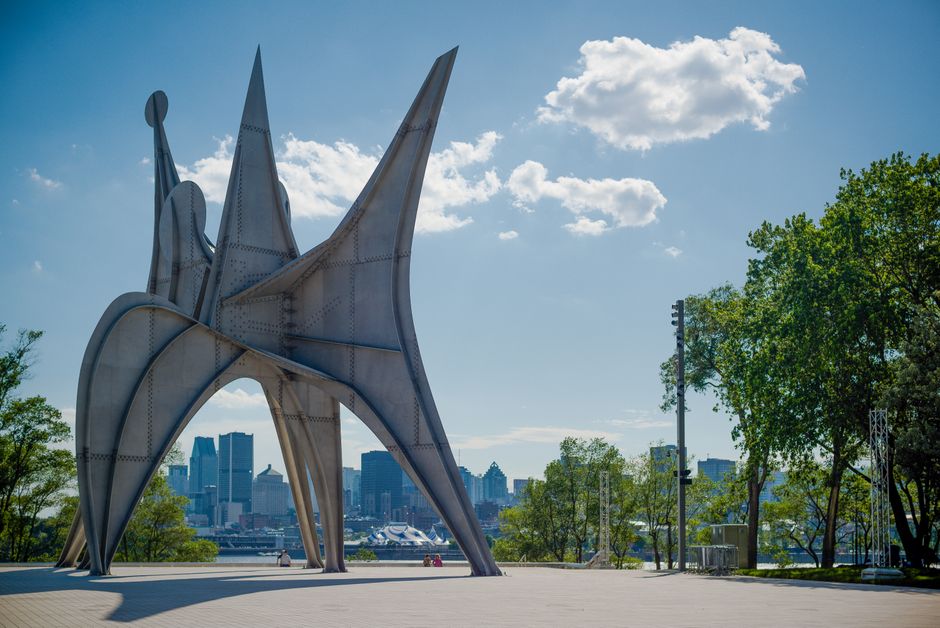
Montreal's most linguistically diverse neighborhood, where over 80 languages are spoken, faces unique challenges in balancing vibrant multiculturalism with economic integration.
Parc-Extension is a living mosaic of cultures, a first home for many new Canadians, creating a rich tapestry of global traditions. Yet, this dynamic diversity also brings significant economic barriers for many residents, including high rates of unemployment and housing insecurity. The area's vibrant street life, bustling shops, and community initiatives are a testament to the resilience and resourcefulness of its people, striving for a better future while preserving their heritage.
5. Lachine Canal (Industrial Relics): The Black Smoke Legacy
Lachine Canal, Montreal, Quebec, Canada
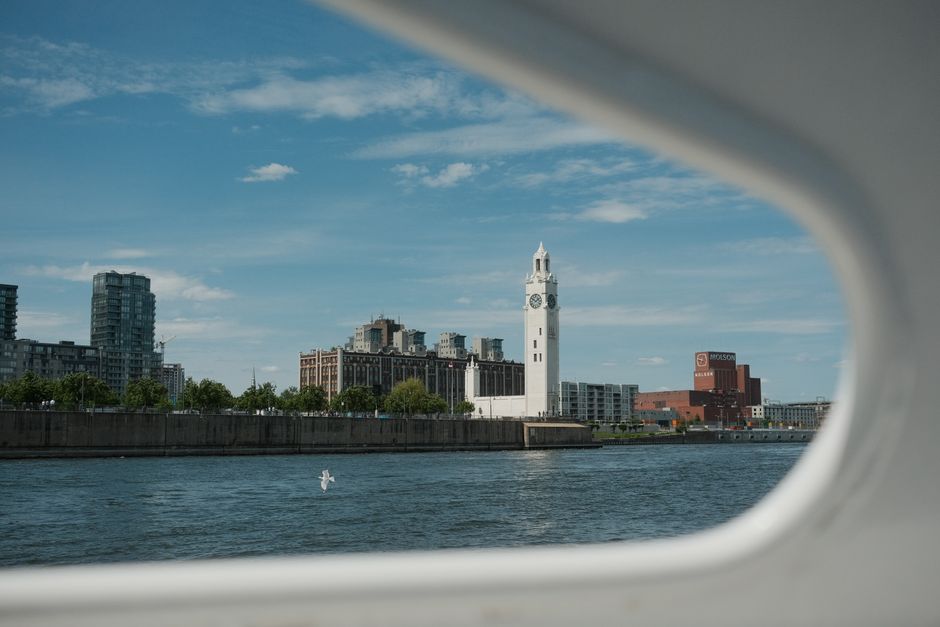
Beyond its recreational paths, the Lachine Canal's industrial banks tell a story of 'black smoke' factories and the arduous lives of the workers who powered them.
The Lachine Canal was the cradle of Canadian industry, lined with factories that belched smoke and defined generations of working-class existence. While today it's a scenic parkway, remnants of its industrial past—old mills, brick structures, and lock mechanisms—stand as silent witnesses. These structures, often overlooked, whisper tales of dangerous labor, pollution, and the relentless drive that shaped Montreal's economic engine, often at a human cost.
6. Verdun: Montreal's Dry Borough and its Echoes
Verdun, Montreal, Quebec, Canada
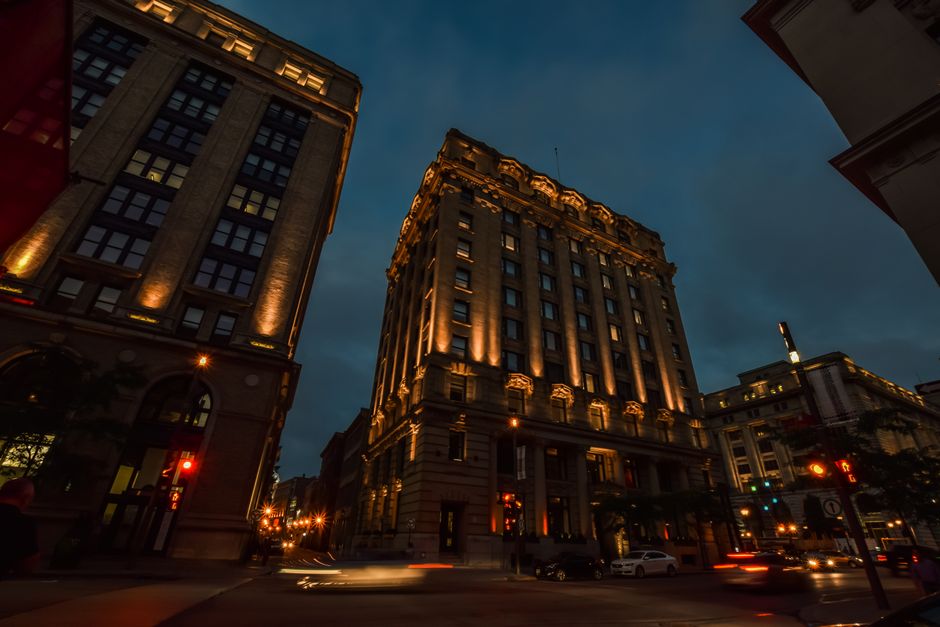
For decades, Verdun stood as Montreal's famously 'dry' borough, a puritanical stance that uniquely shaped its working-class identity and social fabric.
From 1875 until 1965, Verdun maintained strict prohibition laws, an anomaly in a city known for its vibrant nightlife. This prohibition wasn't just about alcohol; it reflected a deeply ingrained working-class conservatism and a desire for social order. While gentrification has changed parts of Verdun, the echoes of this unique history persist. The borough's quiet, residential streets and its strong community ties still hint at a past where local institutions, not bars, were the heart of social life.
7. Villeray (Quarry District): Built on Stone, Shaped by Labor
Villeray, Montreal, Quebec, Canada
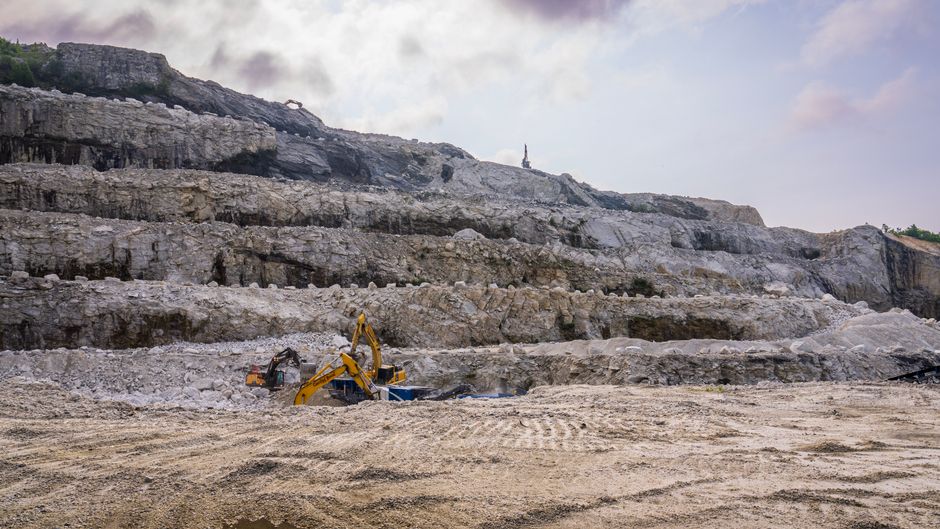
Villeray's very foundations were dug out by its early residents; it was originally a quarrying district that literally supplied the stone for much of Montreal.
Long before its current revitalization, Villeray was defined by its massive limestone quarries, employing generations of immigrant and working-class laborers. The dangerous, physically demanding work of extracting stone to build Montreal's grand structures shaped Villeray's early socio-economic landscape. The modest homes and close-knit community that grew around these quarries tell a story of hard labor and the foundational role these often-overlooked workers played in shaping the city's physical form.
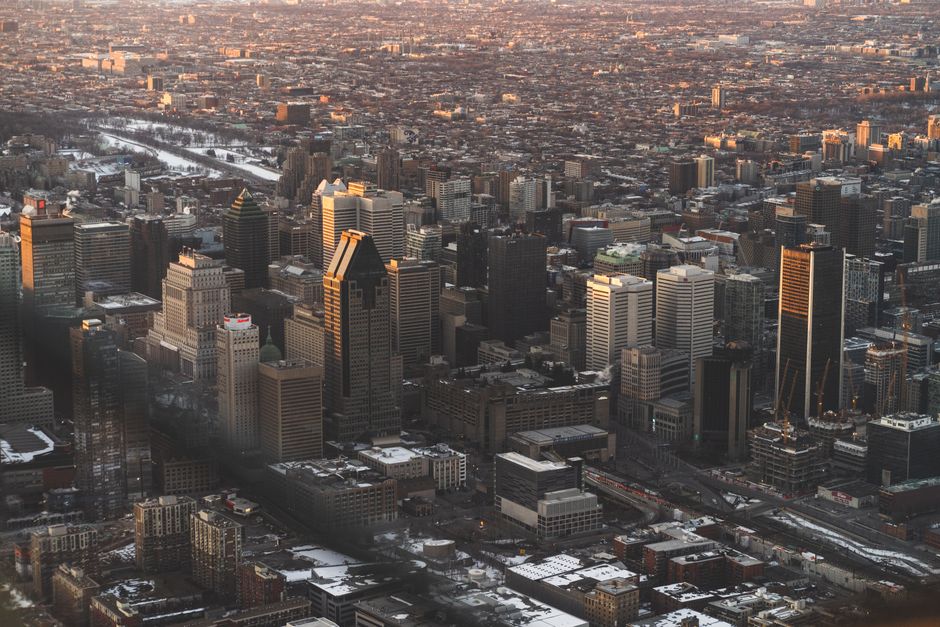
8. Montreal-North (Pie-IX/Henri-Bourassa): The Suburban Divide
Montreal-North, Quebec, Canada
This often-misunderstood borough holds a significant piece of Montreal's transportation history and reveals the challenges of suburban growth for working families.
Montreal-North emerged as a working-class suburb, offering affordable housing and a sense of community away from the crowded city center. Its development, marked by the construction of major thoroughfares like the Pie-IX Boulevard and Henri-Bourassa Boulevard, symbolized both connection and a subtle isolation from downtown. The area’s history is a microcosm of post-war suburban growth, where dreams of homeownership met the realities of economic fluctuations and the struggle for equitable services.
Frequently asked questions
What are some historically working-class neighborhoods in Montreal?
Montreal has several neighborhoods with deep working-class roots, including Pointe-Saint-Charles, Saint-Henri, Hochelaga-Maisonneuve, and Verdun. These areas were central to the city's industrial development and are rich with stories of labor, community, and resilience.
Are there areas in Montreal that are less visited by tourists but have interesting stories?
Absolutely. Beyond the typical tourist zones, neighborhoods like Parc-Extension, Villeray, and Montreal-North offer a glimpse into the diverse cultural fabric and historical evolution of the city. These areas hold unique narratives of immigration, industry, and community building that are often overlooked.
How has Montreal's industrial past influenced its neighborhoods today?
Montreal's industrial past profoundly shaped many of its neighborhoods, particularly those along the Lachine Canal and in the east end. These areas became home to factories and the working-class communities that supported them. While many industries have moved on, their legacy can still be seen in the architecture, community character, and the ongoing efforts of revitalization.
How can I learn more about these specific places when I visit?
The AllTours.ai app is designed precisely for this. Simply point your phone camera at a landmark, a street, or even a natural landscape in Montreal, and the app uses AI to identify it and narrate its history, geology, and culture directly into your language. It's like having a local expert by your side, revealing the hidden stories of every place you encounter.
Photography via Pexels. AllTours.ai is an AI audio tour guide — point your camera at any landscape and hear its story.