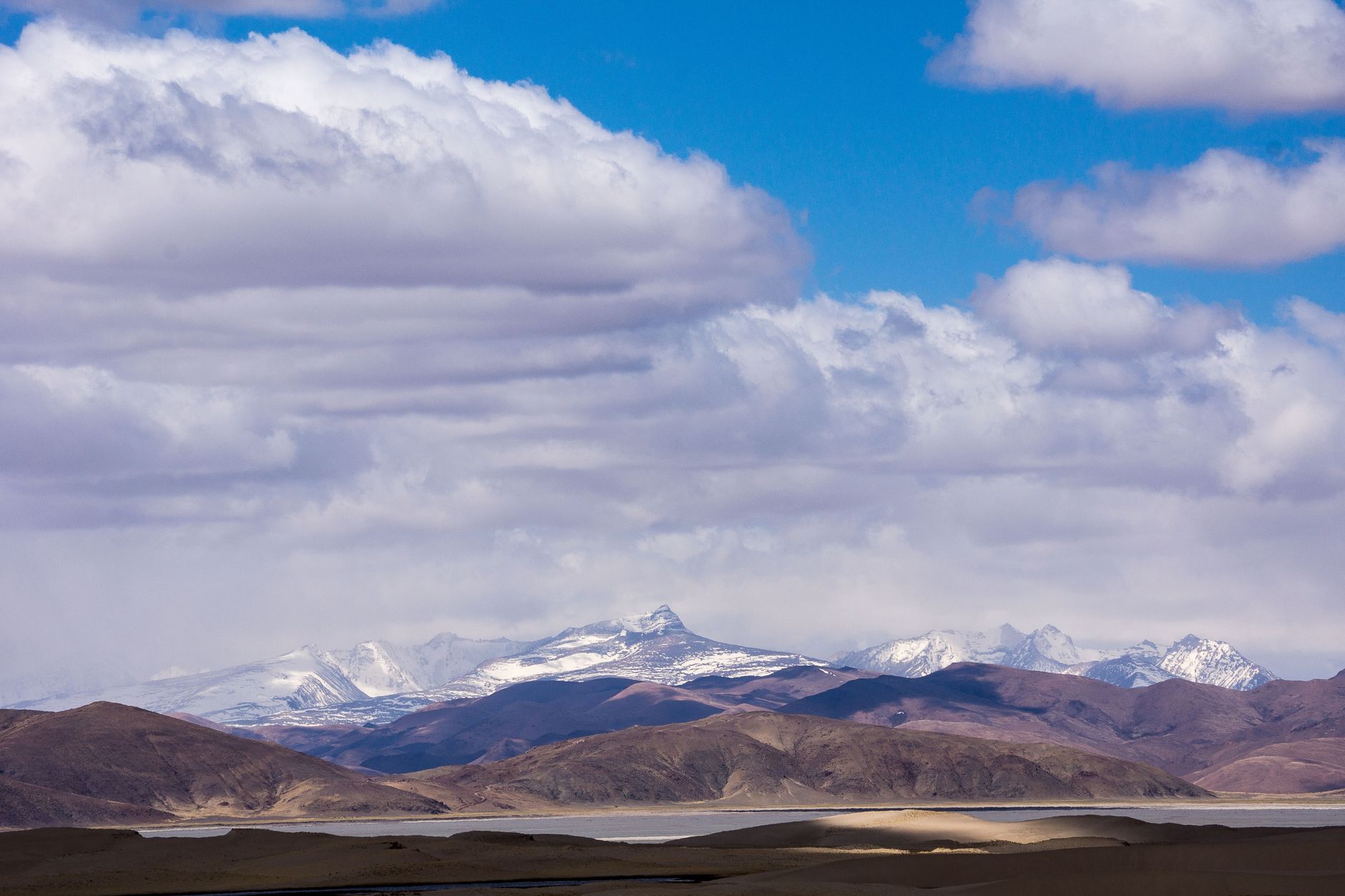
August 2, 2026 · 4 min read
When most people think of Tibetan cuisine, the ubiquitous momo (dumpling) often springs to mind. And while undeniably delicious, to truly understand the soul of Tibet's culinary landscape, you need to venture beyond the familiar. The high-altitude plateau, with its harsh climate and rich nomadic heritage, has birthed a diverse array of street foods, each a testament to resilience, tradition, and ingenuity.
But what is the most popular street food in Tibet when you look past the obvious? It's a question that leads you down ancient trade routes, into remote villages, and across vast grasslands. Forget the usual tourist traps; these are the real, often surprising, flavors and stories whispered through generations, offering a taste of Tibet's true heart.
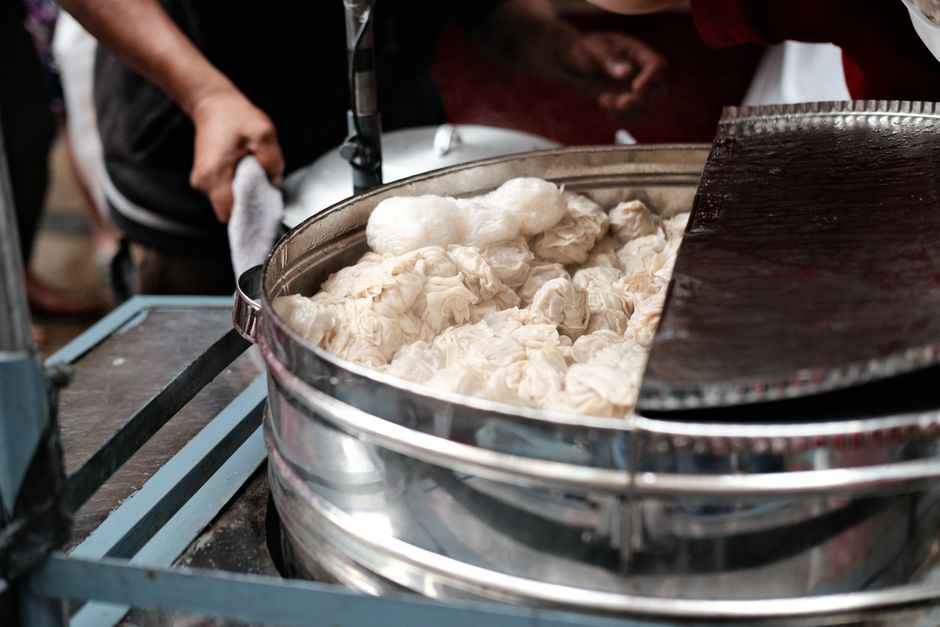
1. The Numbing Spice of Chamdo Laping
Chamdo City, Tibet Autonomous Region
Laping, a cold mung bean noodle dish, carries a unique numbing peppercorn kick in Chamdo, a direct culinary echo of ancient tea-horse trade routes that funnelled into this eastern Tibetan city.
While Laping is found across Tibet, Chamdo's version stands out for its potent blend of chili and Sichuan peppercorns. This distinctive flavor profile is no accident; Chamdo, bordering Sichuan, was a vital crossroads on the historic Tea Horse Road. Vendors in its bustling markets still prepare Laping with a fiery, tingling sauce, a testament to centuries of cross-cultural exchange that shaped the region's palate.
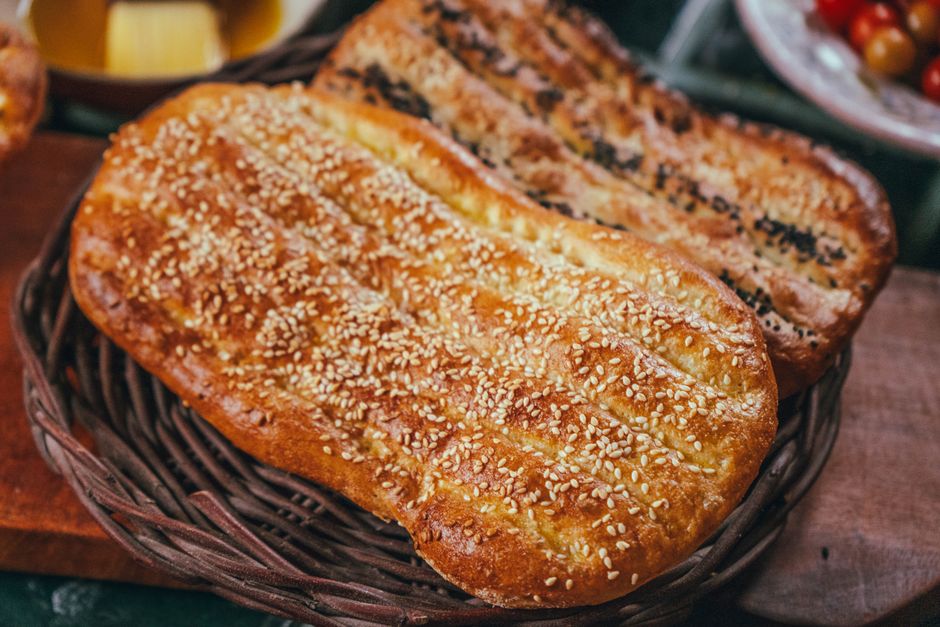
2. Balep Korkun: Ancient Bread of Yarlung Valley
Samye Monastery region, Shannan Prefecture, Tibet Autonomous Region
This simple, pan-fried round bread is a staple of the Yarlung Valley, often baked over open fires by villagers whose ancestors witnessed the birth of Tibetan civilization nearby.
In the fertile Yarlung Valley, considered the cradle of Tibetan civilization, Balep Korkun (literally 'round bread') is more than just sustenance. It's a rustic, unleavened bread, traditionally cooked on a griddle or directly in hot ash. Around the ancient Samye Monastery, families continue this age-old tradition, using locally grown barley flour. Its unadorned simplicity speaks volumes about the region's deep agricultural roots and enduring connection to the land.
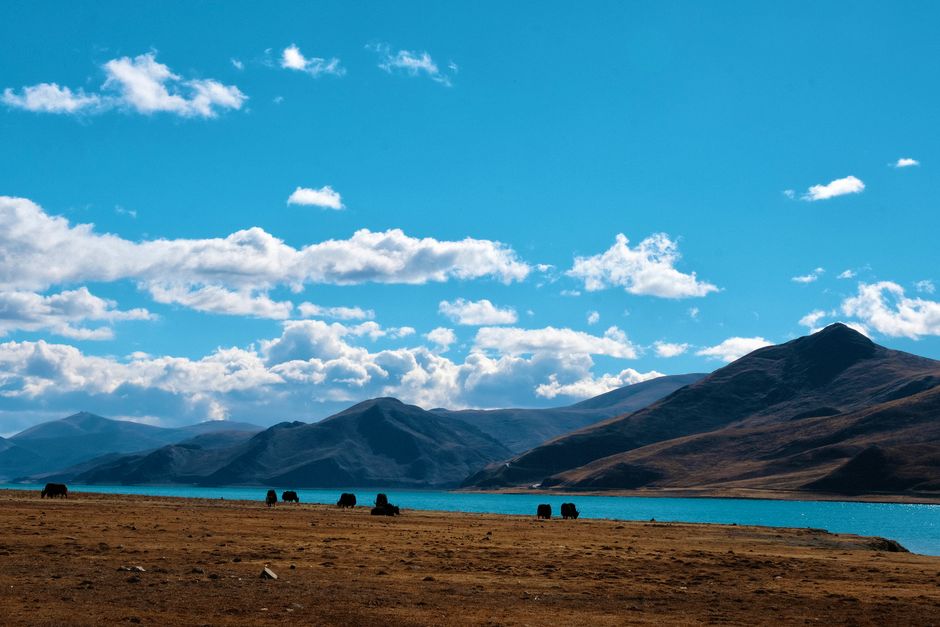
3. Chura: Nomadic High-Altitude Survival Bites
Amdo grasslands, Nagqu Prefecture, Tibet Autonomous Region
These rock-hard, aged yak cheese nuggets are a nomadic survival food, sometimes kept for years, believed by some to ward off altitude sickness on Tibet's vast, high-altitude plains.
On the sprawling Amdo grasslands of Nagqu, Chura isn't just a snack; it's a testament to nomadic ingenuity. Made from solidified yak yogurt, these incredibly tough, chewy pieces of dried cheese are packed with protein and calcium. Herders carry them for long journeys, and they can be stored for extended periods, providing vital nutrition in remote areas. Some locals even believe their consumption helps acclimatize to the extreme altitudes of the plateau.
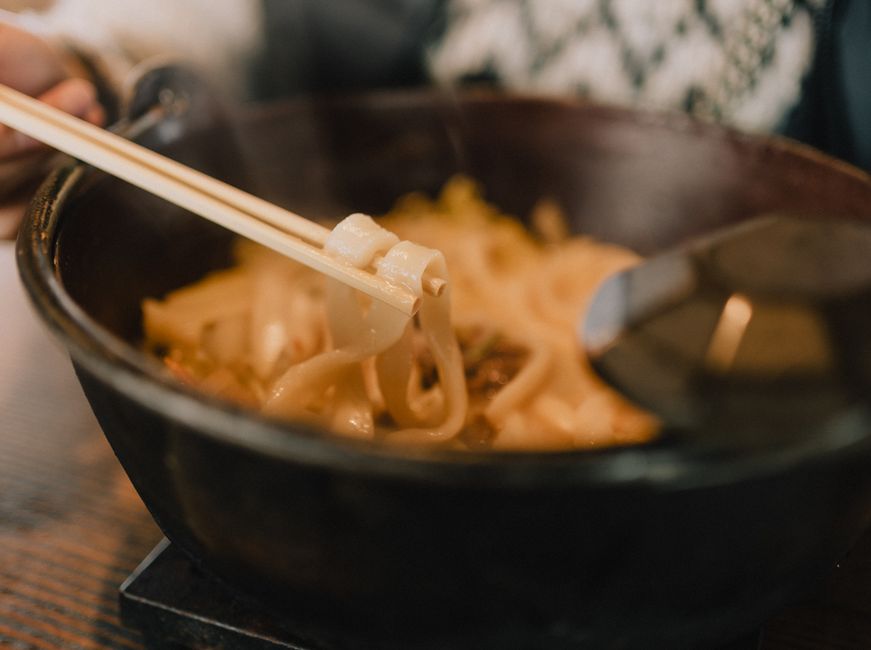
4. Thenthuk: Gyantse's Hand-Pulled Noodle Legacy
Gyantse Town, Shigatse Prefecture, Tibet Autonomous Region
The rhythmic slapping of hand-pulled noodles for Thenthuk echoes through Gyantse's old market, a technique passed down through families who once fed pilgrims and merchants along a vital trade route.
Gyantse, a historic town famed for its Palkhor Chode Monastery and fortress, was a crucial stop on the trade route between India and Lhasa. Here, Thenthuk, a hearty noodle soup featuring hand-pulled, flat noodles, is a culinary hallmark. The skilled preparation of the noodles, stretched and torn by hand, is a craft often passed down through generations. Eating Thenthuk in Gyantse's markets connects you directly to the town's storied past as a hub for weary travelers and bustling commerce.
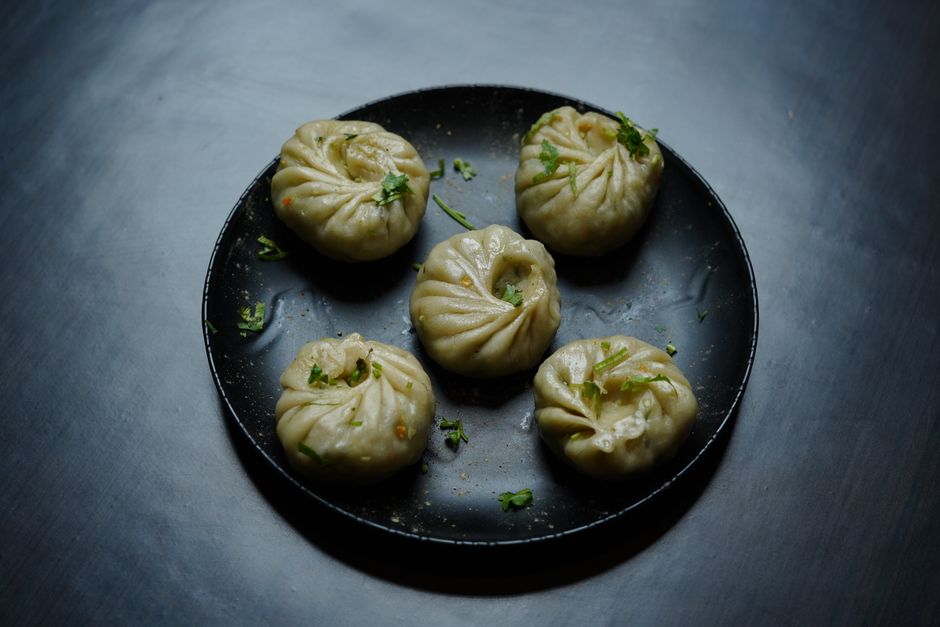
5. Pashag: Tsedang's Pan-Fried Vegetable Pockets
Tsedang, Shannan Prefecture, Tibet Autonomous Region
Unlike the more common steamed momo, Pashag is a pan-fried dumpling often filled with local vegetables and served in Tsedang, the cradle of Tibetan civilization, where ancient agricultural practices still thrive.
In Tsedang, a region rich with ancient history and early Tibetan settlements, you might encounter Pashag, a delightful variation on the traditional dumpling. These are typically pan-fried, giving them a crispy, golden exterior that contrasts with the tender, savory filling inside. Often, local seasonal vegetables play a more prominent role than meat, reflecting Tsedang's long history as an agricultural heartland, a unique departure from the more meat-centric cuisine found elsewhere on the plateau.

6. Khapse: Saga's Edible Art for Good Fortune
Saga County, Shigatse Prefecture, Tibet Autonomous Region
Intricately shaped Khapse, fried until golden, are not just snacks but edible art, often crafted in Saga for special occasions, with each twist symbolizing good fortune for travelers on the arduous western routes.
Saga County, a remote town on the road to Kailash and the western reaches of Tibet, is a place where traditions hold strong. Here, Khapse, deep-fried pastries made from flour and butter, are prepared with great care, especially during Losar (Tibetan New Year) or other festivities. The varying, often elaborate, shapes of Khapse are not merely decorative; they carry symbolic meanings, from good fortune and longevity to welcoming auspicious beginnings. These crispy treats offer a sweet blessing to those traversing the challenging landscapes of western Tibet.
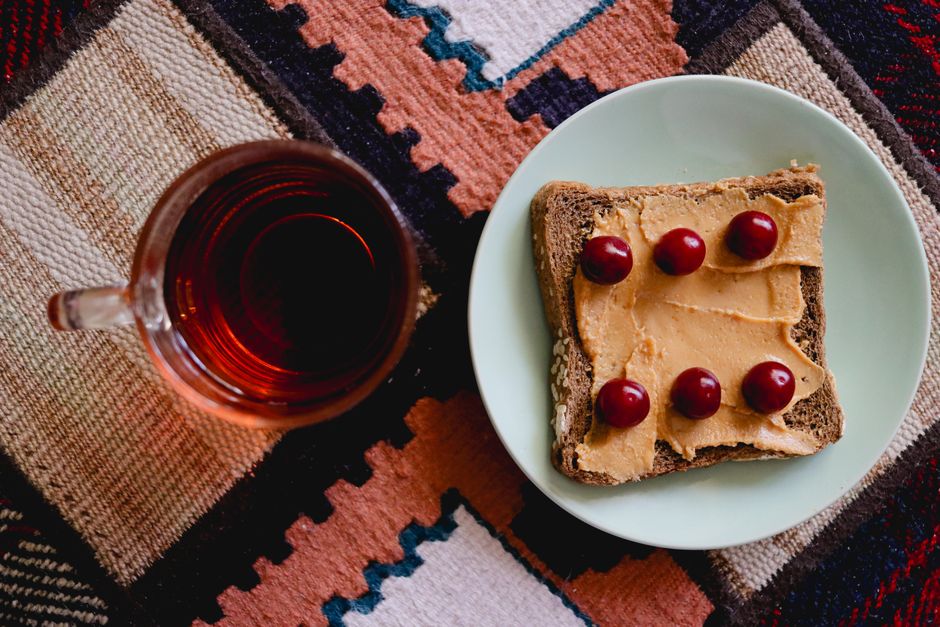
7. Tsampa: Everest's Lifeline
Rongbuk Valley, Tingri County, Shigatse Prefecture
In the shadow of Everest, Tsampa isn't just food; it's a lifeline, a quick, nutritious meal mixed with butter tea that sustained early mountaineers and high-altitude herders for centuries.
Rongbuk Valley, the gateway to Everest Base Camp, is a place of extreme beauty and challenging conditions. Here, Tsampa – roasted barley flour – is the ultimate survival food. It requires no cooking, simply mixing with butter tea (po cha) or water to form a doughy meal. This unassuming staple provided essential energy and sustenance for generations of local Sherpas, pilgrims, and early mountaineers navigating the world's highest peaks, embodying resilience in one of the planet's most formidable environments.
Frequently asked questions
What makes Tibetan street food unique?
Tibetan street food is characterized by its adaptability to the high-altitude environment, often featuring hearty ingredients like yak meat, barley, and dairy. Flavors tend to be robust, utilizing warming spices and rich textures, reflecting a cuisine designed for sustenance and comfort in a challenging climate.
Is it possible to find vegetarian street food in Tibet?
While traditional Tibetan cuisine is often meat-centric, vegetarian options are increasingly available, especially in larger towns and religious centers. Dishes like Laping (cold noodles), vegetable momos, and various barley-based foods can be found. It's always best to ask vendors about ingredients.
What is Tsampa and how is it traditionally consumed?
Tsampa is roasted barley flour, a fundamental staple of the Tibetan diet. It's traditionally eaten by mixing it with butter tea (po cha) in a bowl to form a dough, which is then kneaded and eaten by hand. It can also be mixed with other ingredients like dried cheese or sugar for a quick, energy-rich meal.
How can I learn more about these specific places and their stories while traveling?
To truly immerse yourself in the history, geology, and culture of these unique Tibetan locations, consider using the AllTours.ai app. Simply point your phone camera at a landmark or landscape, and the app will narrate its fascinating story in your preferred language, providing context that goes beyond basic guidebooks.
Photography via Pexels. AllTours.ai is an AI audio tour guide — point your camera at any landscape and hear its story.