July 6, 2026 · 4 min read
Vancouver, British Columbia, is famed for its stunning natural beauty, but beyond the well-trodden paths of Stanley Park and Grouse Mountain lie hidden viewpoints waiting to be discovered. If you're wondering "What is the most unforgettable view in Vancouver?" and seeking something truly unique, this guide is for you.
We've curated a list of lesser-known spots, each offering not just a spectacular vista but also a fascinating story rooted in history, geology, or local culture. Prepare to see Vancouver through a fresh lens, uncovering perspectives that will stay with you long after your visit.
1. Ancient Giants and Granite Cliffs at Lighthouse Park
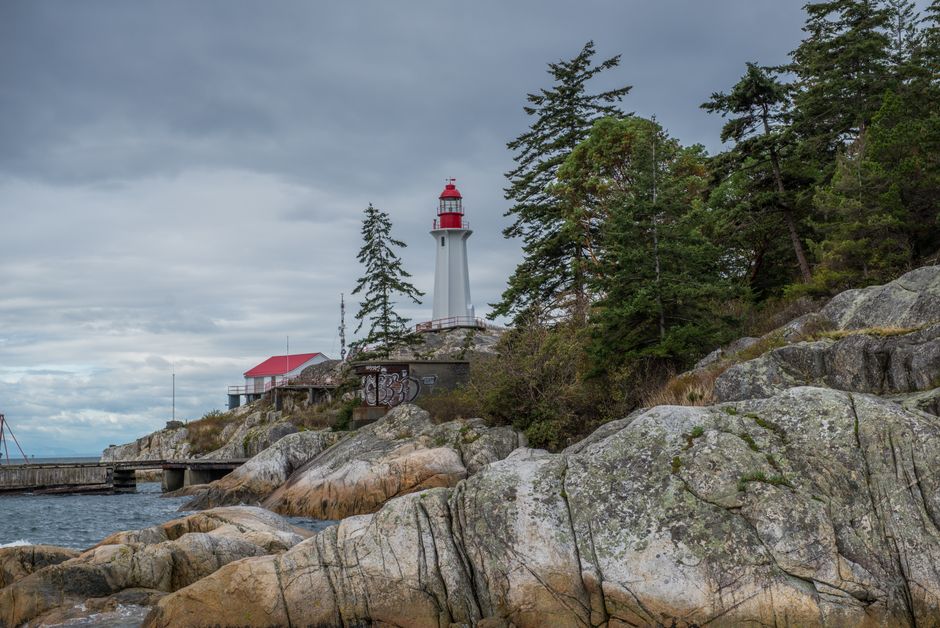
Lighthouse Park, West Vancouver, Canada
This rugged park protects some of the last remaining old-growth rainforest in Metro Vancouver, with towering Douglas firs clinging to granite cliffs carved by glaciers.
While the lighthouse itself is iconic, the true marvel here is the ancient forest, a rarity so close to a major city. Wander among trees hundreds of years old, their massive trunks a testament to time, and marvel at the dramatic coastline where massive granite formations plunge into the Pacific. The interplay of ancient geology, lush forest, and ocean vista creates a genuinely unforgettable experience.
2. Cityscape and Sky: Where Art Meets Ancient History at Burnaby Mountain
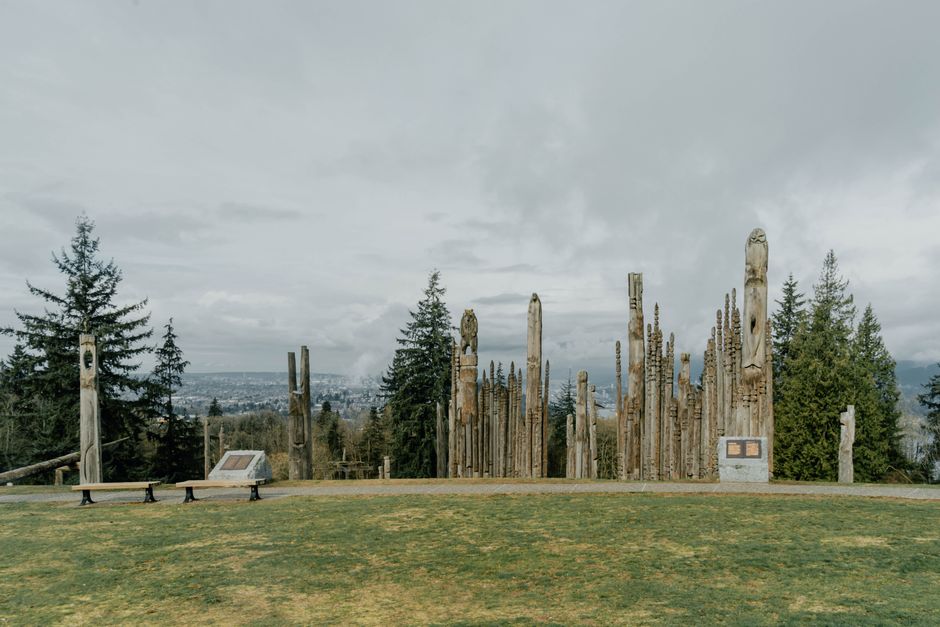
Burnaby Mountain Park, Burnaby, Canada
High above the city, this park is not just a viewpoint but also home to a collection of Ainu cultural carvings, gifts from a Japanese sister city, placed near ancestral Indigenous burial grounds.
From the panoramic viewpoint at Burnaby Mountain, the entire Lower Mainland unfolds before you – from the distant peaks of Vancouver Island to the sprawling city below. What many visitors miss are the intricate Ainu sculptures, donated by Kushiro, Japan, symbolizing peace and cultural exchange. Their presence here, amidst the broader historical landscape of the Coast Salish peoples, adds a profound layer of human history to the breathtaking natural vista.
3. Walk on Water: A Jetty to the Horizon at Iona Beach
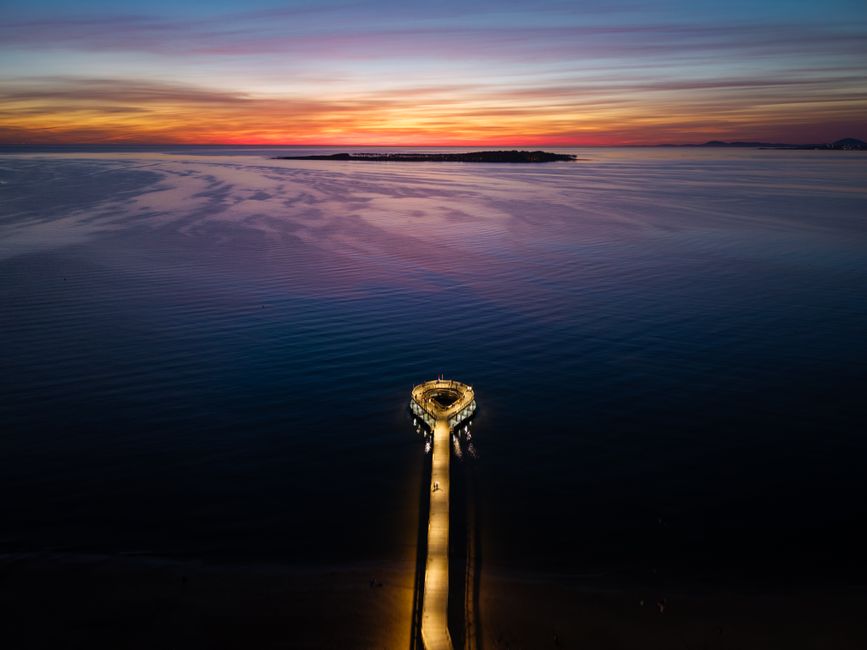
Iona Beach Regional Park, Richmond, Canada
This seemingly endless jetty, stretching four kilometers into the Salish Sea, is actually built atop a massive sewage outfall pipe, creating a unique ecosystem for migratory birds.
Iona Beach offers a surreal experience: a straight, flat walk extending far into the ocean, providing uninterrupted views of the Strait of Georgia, the Gulf Islands, and even Mount Baker on a clear day. The jetty's primary purpose is functional, yet it has inadvertently created a unique habitat for thousands of migratory birds, making it a birder's paradise. The vastness of the sky and sea here, combined with the subtle hum of distant aircraft from Vancouver International Airport, creates a meditative and expansive feeling.
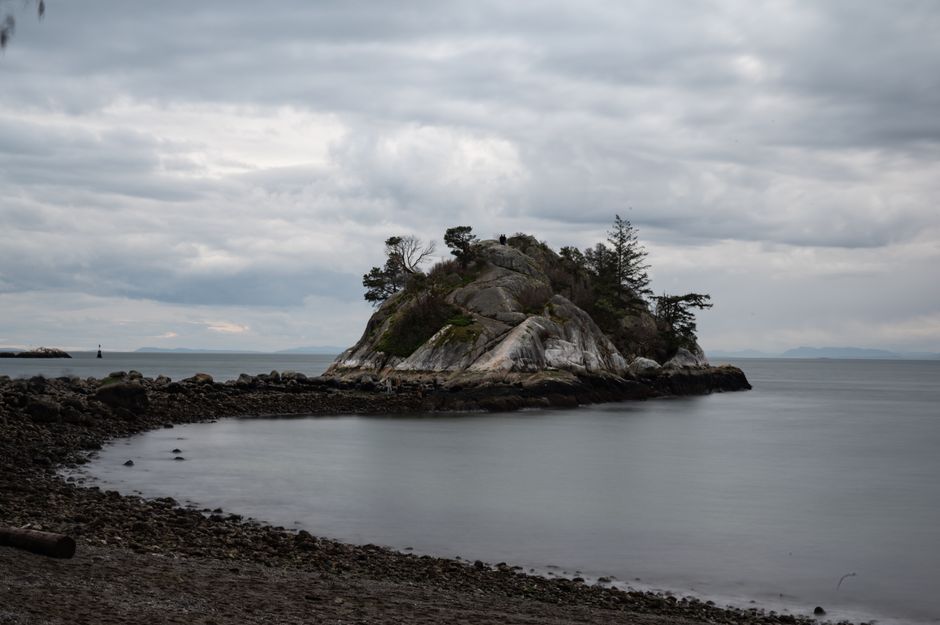
4. Beneath the Surface: Canada's First Marine Sanctuary at Whytecliff Park
Whytecliff Park, West Vancouver, Canada
More than just a scenic viewpoint over Howe Sound, Whytecliff was designated Canada's first Marine Protected Area, preserving a vibrant underwater world beloved by divers.
Perched at the entrance to Horseshoe Bay, Whytecliff Park offers dramatic views of Bowen Island and the majestic Howe Sound fjord. While the surface views are stunning, the true 'unforgettable' aspect lies beneath the waves. This protected status means a rich diversity of marine life thrives here, attracting cold-water divers year-round. Seals, sea lions, and a plethora of fish species can often be spotted from the shore, hinting at the vibrant ecosystem hidden from plain sight.
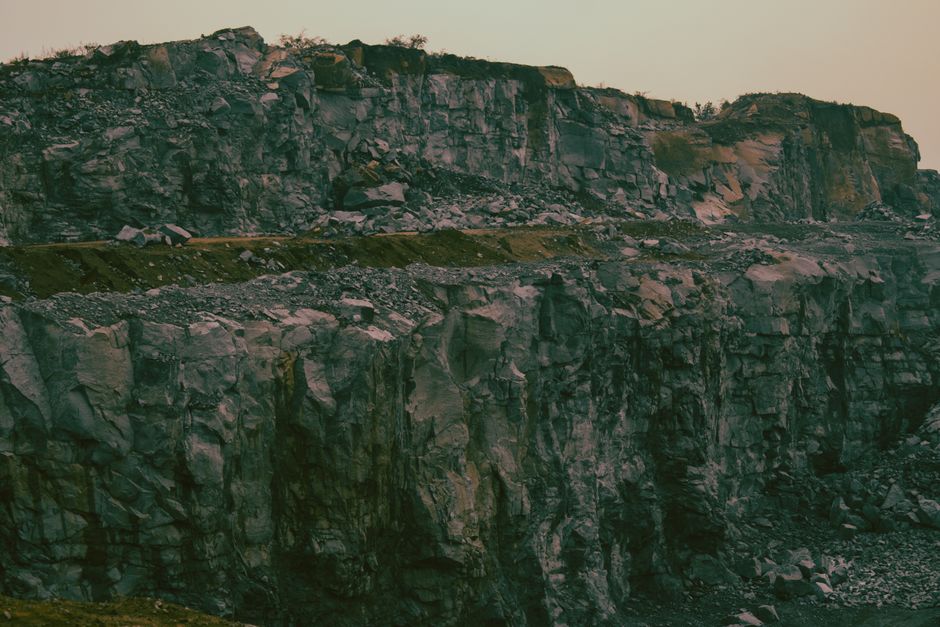
5. A Garden Reborn: From Quarry to Oasis at Queen Elizabeth Park
Queen Elizabeth Park (Quarry Garden), Vancouver, Canada
The stunning sunken Quarry Garden, a highlight of Vancouver's horticultural jewel, was meticulously crafted from the gaping hole of a former basalt rock quarry.
While Queen Elizabeth Park is well-known, its unique Quarry Garden often surprises first-time visitors. Descend into this verdant bowl, and you'll find a microclimate supporting a diverse array of plants, water features, and winding paths. The transformation from an industrial scar to a breathtaking botanical sanctuary is remarkable, offering a unique perspective of horticultural ingenuity and providing quiet corners with surprising views back up to the city skyline.
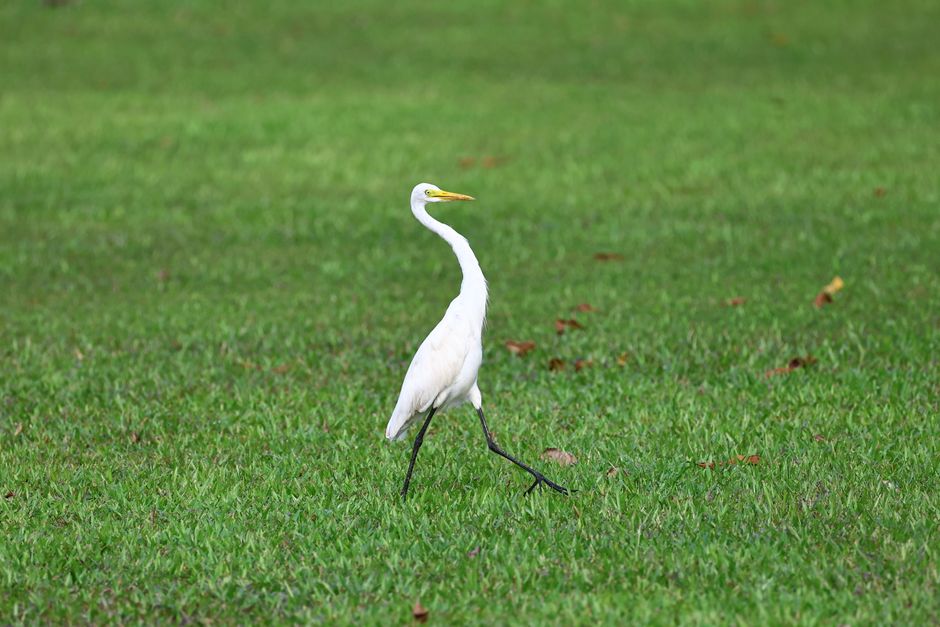
6. Wilderness and Industry: A Unique Harmony at Maplewood Flats
Maplewood Flats Conservation Area, North Vancouver, Canada
Here, one of North America's most important bird sanctuaries thrives directly opposite active industrial ports, a testament to nature's resilience and Indigenous stewardship.
Maplewood Flats offers a truly distinct view: a vibrant tidal marsh and forest ecosystem teeming with birdlife, set against the dramatic backdrop of North Vancouver's working waterfront and the Burrard Inlet. This conservation area, co-managed by the Tsleil-Waututh Nation, showcases a powerful juxtaposition of nature and industry. It's a place where bald eagles soar over shipping containers and herons fish beside working tugboats, providing a poignant and unforgettable perspective on urban ecology.

7. Roses and Rhythms: Where Academia Meets Ocean Grandeur at UBC
UBC Rose Garden, Vancouver, Canada
Perched dramatically on the cliff's edge at the University of British Columbia, this fragrant garden was once a clear-cut logging site, now offering sweeping views of the Strait of Georgia and the distant mountains.
The UBC Rose Garden provides one of the most expansive and serene views in Vancouver. Beyond the vibrant blooms, the garden commands an unobstructed panorama of the Strait of Georgia, the Gulf Islands, and the snow-capped Coast Mountains. It's a place of quiet contemplation where the academic buzz of the university fades, replaced by the rhythmic sound of waves and the vastness of the Pacific, a testament to the area's transformation from raw resource land to a cultivated space of beauty and learning.
Frequently asked questions
What is the best time of year to visit Vancouver for views?
The best time to visit Vancouver for clear views is typically during the drier months from May to September. While summer offers the warmest weather and longest daylight hours, spring and fall can provide stunning, crisp days with vibrant colors and fewer crowds. Winter often brings rain, but also dramatic cloud formations and occasionally snow-capped cityscapes.
Are these lesser-known viewpoints accessible by public transport?
Many of these spots, like Queen Elizabeth Park, Burnaby Mountain Park, and the UBC Rose Garden, are accessible by Vancouver's public transit system (TransLink). Others, such as Lighthouse Park, Iona Beach, and Maplewood Flats, may require a combination of bus and a short walk, or are more conveniently reached by car. Always check TransLink's trip planner for the most current routes.
What should I bring when exploring these viewpoints?
Comfortable walking shoes are essential, as many of these spots involve some walking or light hiking. Layers of clothing are also recommended, as coastal weather can change quickly. Don't forget your camera, water, and snacks. For birdwatching spots like Iona Beach and Maplewood Flats, binoculars would enhance your experience.
How can AllTours.ai enhance my visit to these views?
AllTours.ai transforms your exploration by narrating the hidden stories of these unforgettable views. Simply point your phone camera at a landmark or landscape, and the app will instantly provide rich details about its history, geology, and culture in your preferred language. It's like having a personal expert guide reveal the secrets behind every vista.
Photography via Pexels. AllTours.ai is an AI audio tour guide — point your camera at any landscape and hear its story.