June 12, 2026 · 4 min read
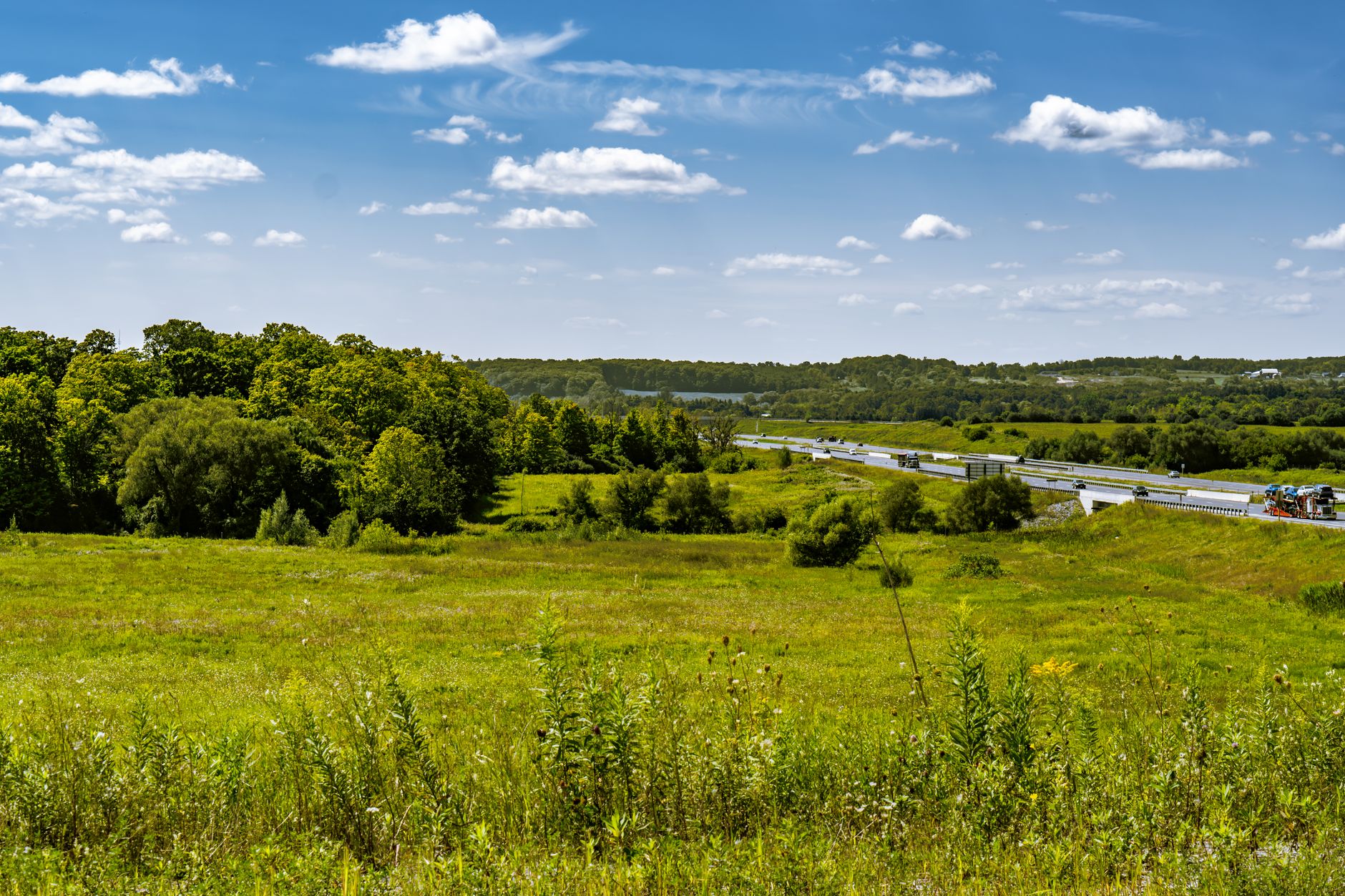
The journey between Toronto and Montreal is one of Canada's most traveled corridors, a ribbon of asphalt connecting two of its largest cities. For many, it's a straightforward dash along Highway 401, a blur of exits and service centers. But what if the "quickest route" wasn't just about speed, but about enriching the miles with stories?
While efficiency is key, this well-worn path holds a surprising number of hidden gems, real places with fascinating, often overlooked histories, geological wonders, and cultural insights. Instead of simply counting down the kilometers, let's explore how to transform your drive from Toronto to Montreal into an unexpected expedition, revealing the vibrant past and unique character of Eastern Ontario.
1. Where Salmon Leap Through Town
Port Hope, Ontario, Canada
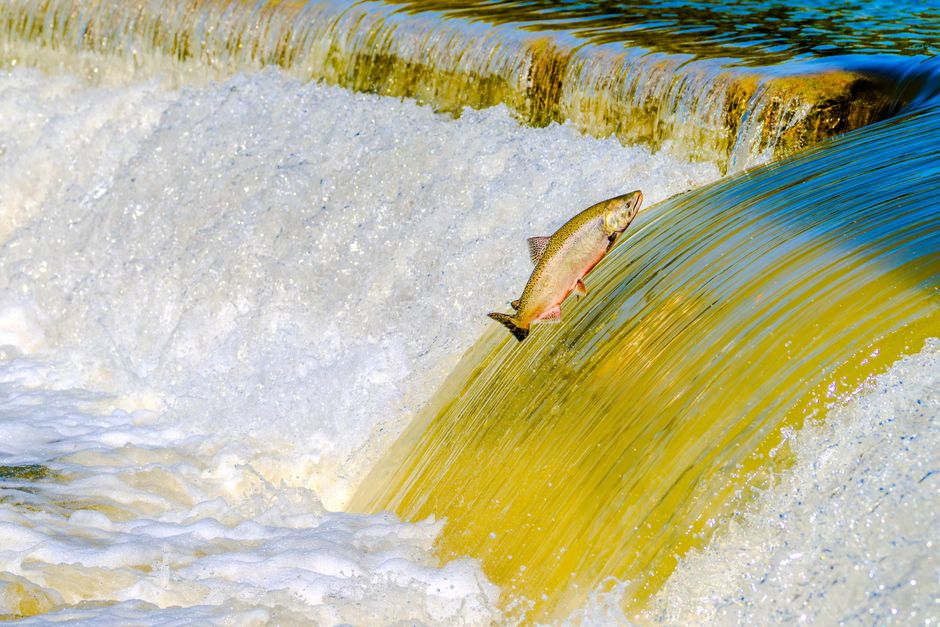
Each autumn, thousands of salmon swim up the Ganaraska River, putting on a spectacular show right through the heart of Port Hope.
Forget remote wilderness; in Port Hope, the annual salmon migration brings wild nature directly into town. Beginning in late August and peaking through September and October, Chinook and Coho salmon battle their way upstream from Lake Ontario to spawn, leaping rapids and even small dams visible from pedestrian bridges. It's a raw, primeval spectacle unfolding amidst Victorian architecture, a testament to the river's health and a surprising urban wildlife encounter.
2. A Glimpse of Grand Victorian Life
Brighton, Ontario, Canada
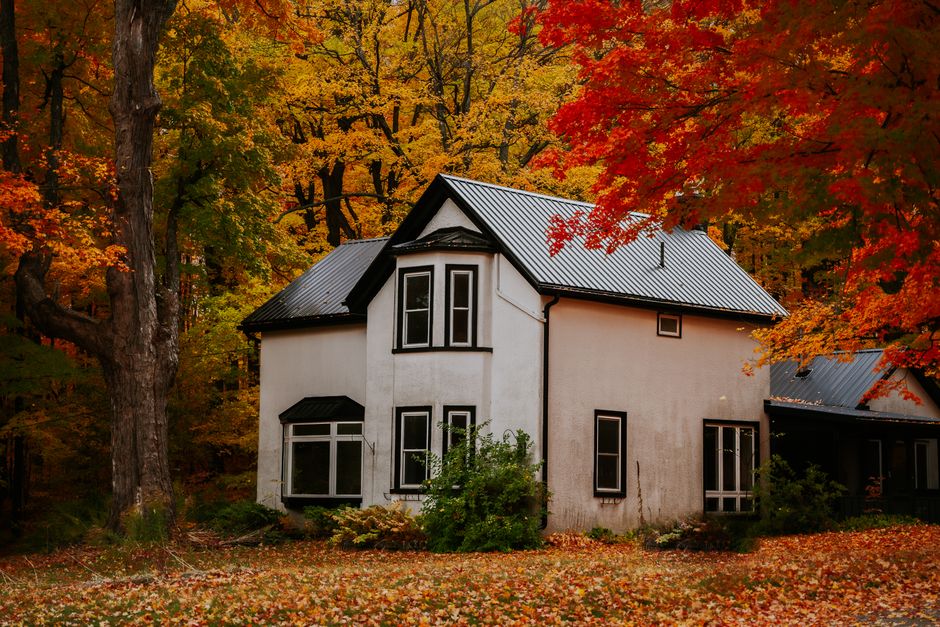
The stately Proctor House Museum wasn't just home to a prominent family; it was built on a foundation of surprising social ambition and eventual hardship.
Off the main highway, Brighton's Proctor House Museum offers a window into late 19th-century Ontario life. Built in 1867 by Joseph Proctor, a wealthy miller and politician, this impressive Victorian mansion served as a hub for local society. However, Joseph's political career was marred by scandal, and the family eventually faced financial ruin, selling off their grand estate. The house today tells a story of local prosperity, social aspirations, and the unpredictable turns of fortune.

3. The Enduring Spirit of Tyendinaga
Tyendinaga Mohawk Territory (near Marysville), Ontario, Canada
This self-governing territory is home to the descendants of Mohawk Loyalists who settled here after the American Revolution, carrying on a rich cultural legacy.
Just a short detour from the 401, the Tyendinaga Mohawk Territory stands as a vibrant community with a deep historical connection to the land. Formed in 1784, it was granted to Mohawk families who allied with the British Crown during the American Revolution. Today, it’s a living testament to resilience, sovereignty, and cultural preservation, offering insights into Indigenous governance, art, and traditions, far removed from typical roadside attractions.
4. The Loyalist's Legacy House
Napanee, Ontario, Canada
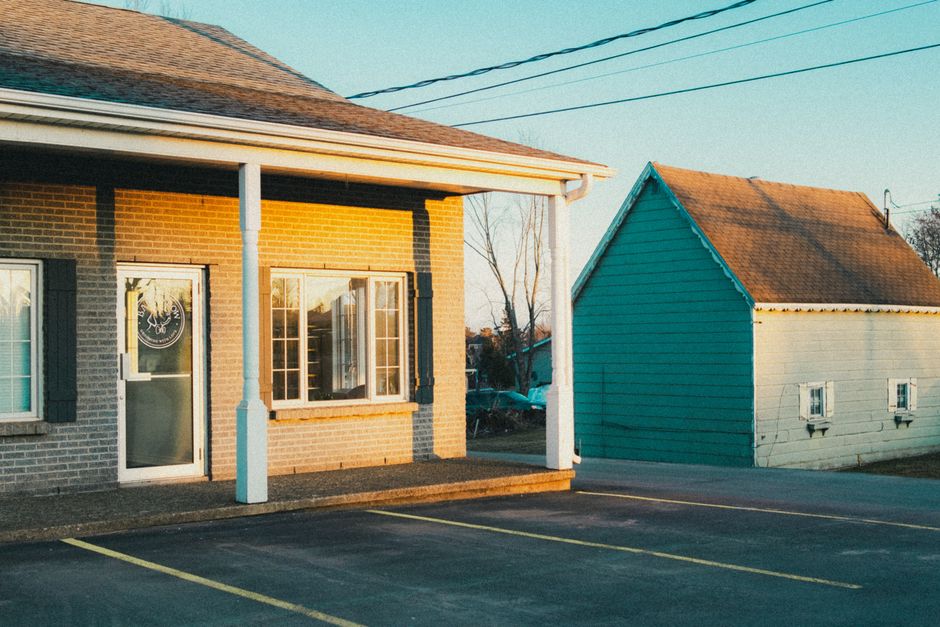
The Allan Macpherson House, a meticulously preserved Georgian mansion, belonged to a prominent Loyalist who shaped early Upper Canada's economy.
In Napanee, the Allan Macpherson House provides a tangible link to Ontario's Loyalist past. Built in 1826, it was the home of Allan Macpherson, a Scottish immigrant who became a successful merchant, mill owner, and politician. His story intertwines with the development of the region, showcasing the entrepreneurial spirit of the early settlers. The house itself, with its classic Georgian architecture, offers a glimpse into the domestic life of the burgeoning colonial elite, far from the grand narratives of national figures.
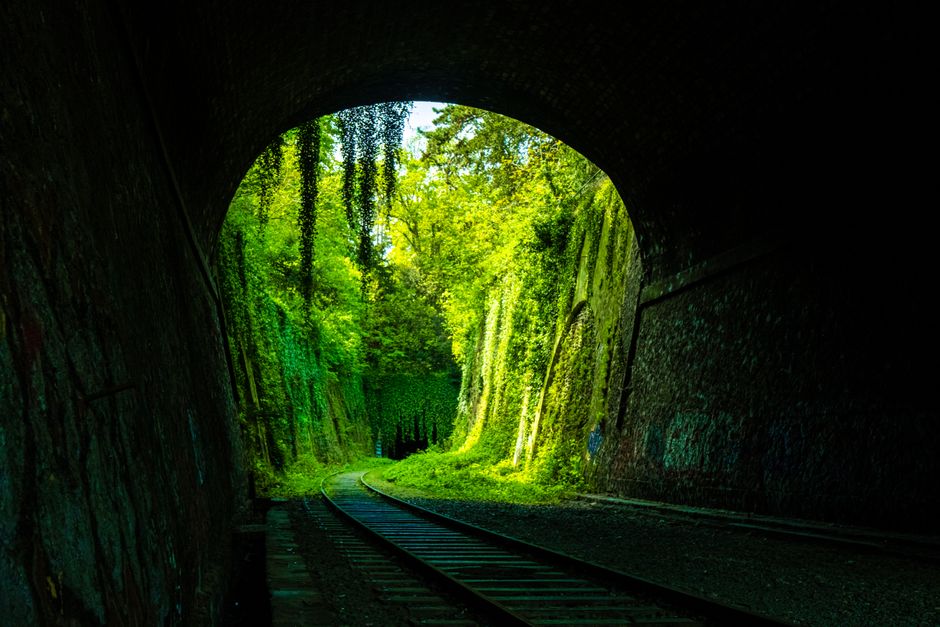
5. Canada's First Underground Railway
Brockville, Ontario, Canada
Brockville is home to Canada's first railway tunnel, a marvel of 19th-century engineering now transformed into a breathtaking illuminated pedestrian pathway.
Digging deep beneath the city, the Brockville Railway Tunnel was completed in 1860, connecting the Brockville and Ottawa Railway to the city's waterfront. For decades, it facilitated trade and transportation, a vital artery in early Canadian commerce. Today, this historic tunnel has been brilliantly repurposed into a publicly accessible, illuminated pathway, complete with sound and light shows. It’s a unique opportunity to walk through a piece of industrial history, experiencing its cool, echoing depths firsthand.
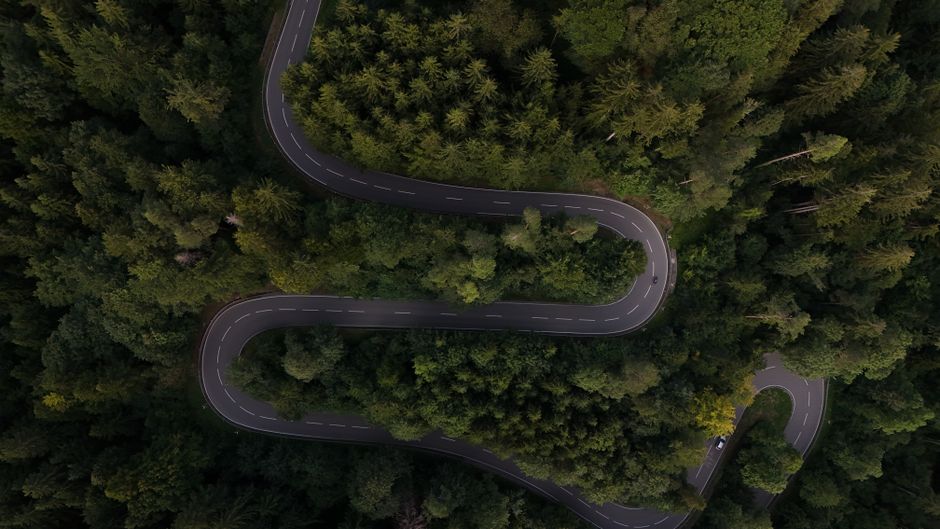
6. The Lost Villages Under the Seaway
Long Sault Parkway (near Morrisburg), Ontario, Canada
The picturesque islands of the Long Sault Parkway are all that remain of ten entire villages deliberately flooded to create the St. Lawrence Seaway in the 1950s.
Drive along the Long Sault Parkway and you're traversing a landscape that holds a poignant secret. In 1958, to facilitate the St. Lawrence Seaway and hydroelectric project, ten communities – the "Lost Villages" – were permanently submerged. Homes, farms, and businesses were either moved or demolished before the waters rose. The parkway's islands are remnants of the original landscape, offering scenic views and a stark reminder of the immense human and environmental cost of this monumental engineering feat, a story often overshadowed by the Seaway's success.
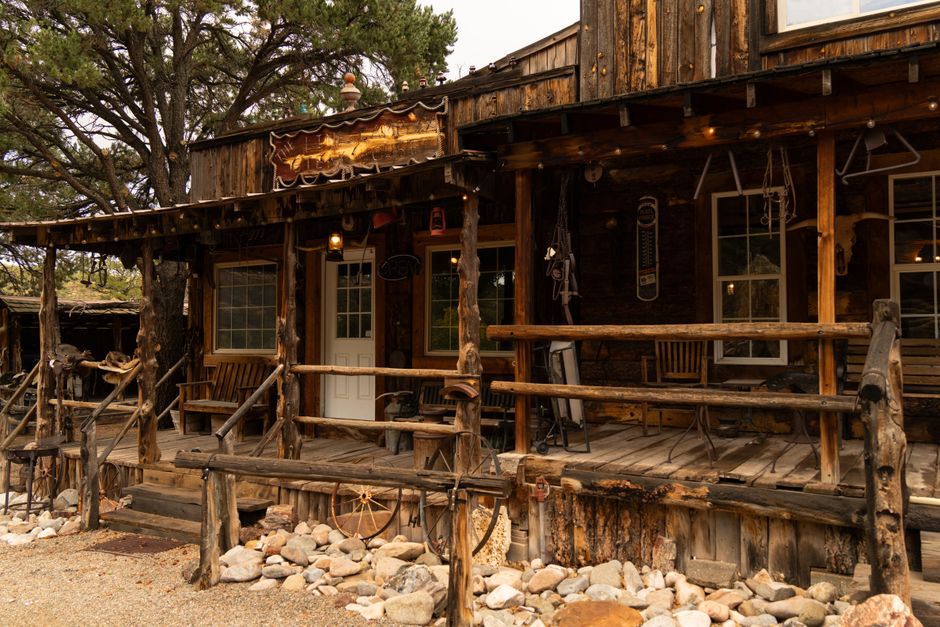
7. The Scottish Settlers' Story
South Lancaster, Ontario, Canada
The Glengarry Pioneer Museum preserves the vibrant history of Scottish Highlanders who settled this part of Ontario in the late 18th and early 19th centuries.
Tucked away in South Lancaster, the Glengarry Pioneer Museum isn't just a collection of old buildings; it's a living narrative of perseverance and cultural identity. The museum comprises several historic structures, including a log house, blacksmith shop, and schoolhouse, all relocated from various parts of Glengarry County. It vividly portrays the daily lives, challenges, and enduring legacy of the Scottish immigrants who forged a new home in this corner of Upper Canada, maintaining their distinct traditions amidst a new landscape.
Frequently asked questions
How long does it typically take to drive from Toronto to Montreal on the quickest route?
The drive along Highway 401, the quickest route, typically takes between 5 to 6 hours without significant stops or heavy traffic. This estimate can vary greatly depending on road conditions, time of day, and any construction delays, especially around urban centers.
What's the best time of year to make this road trip?
Spring (May-June) and Fall (September-October) offer the most pleasant driving conditions with beautiful scenery and moderate temperatures. Summer can be busy with tourists and construction, while winter often brings challenging driving conditions like snow and ice.
Are there any tolls on the quickest route from Toronto to Montreal?
No, there are no direct tolls on Highway 401 between Toronto and Montreal. You may encounter tolls if you choose alternative routes or use specific bridges in other parts of Ontario or Quebec, but the primary 401 route is toll-free.
How can AllTours.ai help me discover these hidden stories on my drive?
AllTours.ai uses your phone's camera and location to identify landmarks, landscapes, and historical sites as you pass them. Simply point your camera, and the app will narrate their unique history, geology, and culture in your preferred language, turning your drive into an immersive tour.
Photography via Pexels. AllTours.ai is an AI audio tour guide — point your camera at any landscape and hear its story.