June 27, 2026 · 4 min read
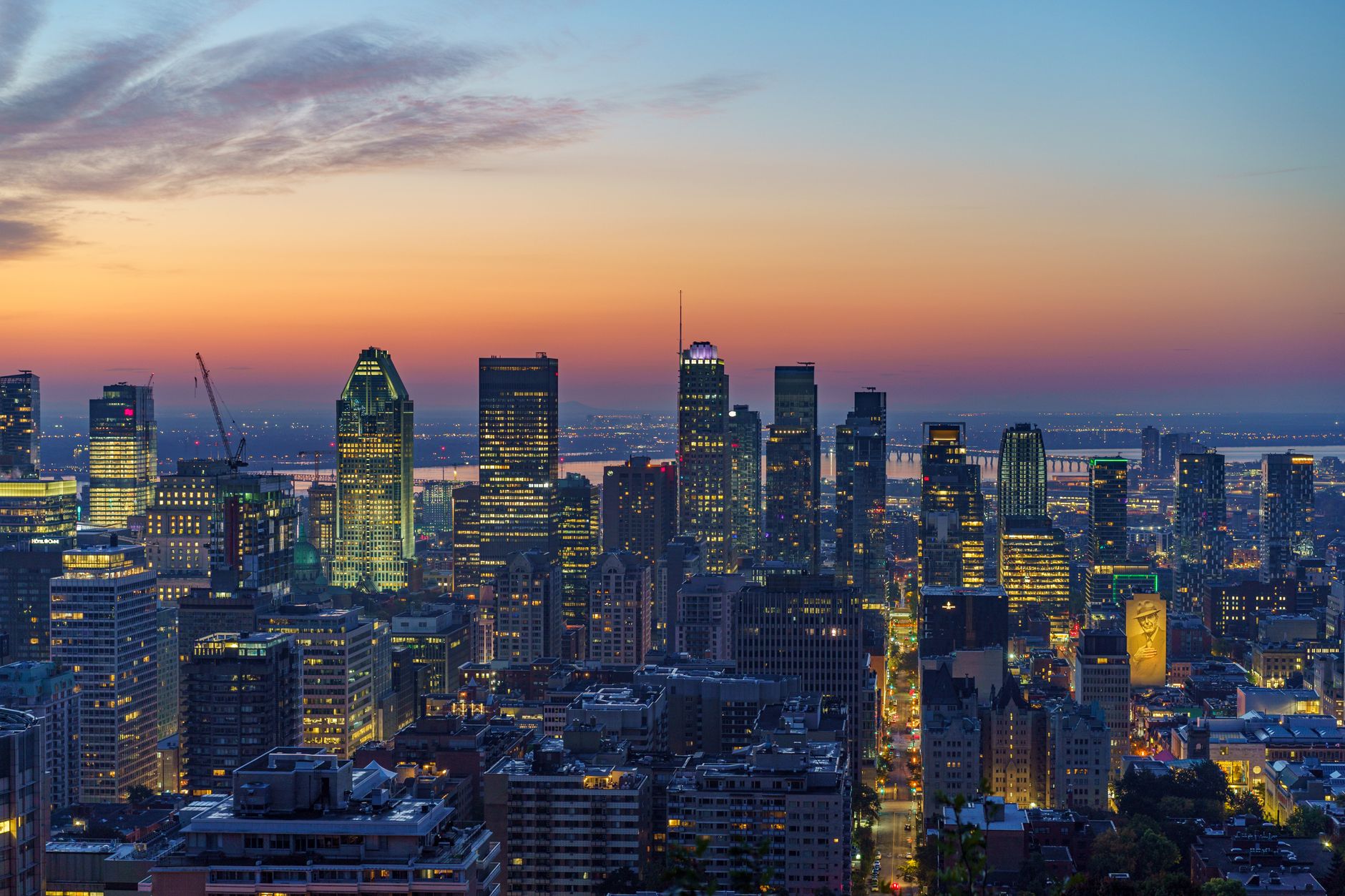
The name "Montreal" often sparks curiosity, leading travelers to ask: What is the reason behind the city of Montreal in Canada being named after a French town? While not named directly after a French town, the city's name is undeniably French, a tribute to its most prominent natural feature: Mont Royal. Originally called Ville-Marie by its French founders in 1642, the settlement eventually embraced the name "Montréal," derived from the mountain that has overlooked its evolution for centuries.
This foundational French connection hints at a history far deeper and richer than just its surface-level charms. Beyond the famed cobblestone streets and iconic basilicas lie countless lesser-known places, each holding a surprising story that reveals Montreal's complex past – from its indigenous roots and colonial struggles to its industrial might and cultural tapestry. To truly understand this vibrant city, one must look beyond the obvious and listen to the whispers of its hidden corners.
1. Pointe-à-Callière: The City's Cradle
Old Montreal, Canada
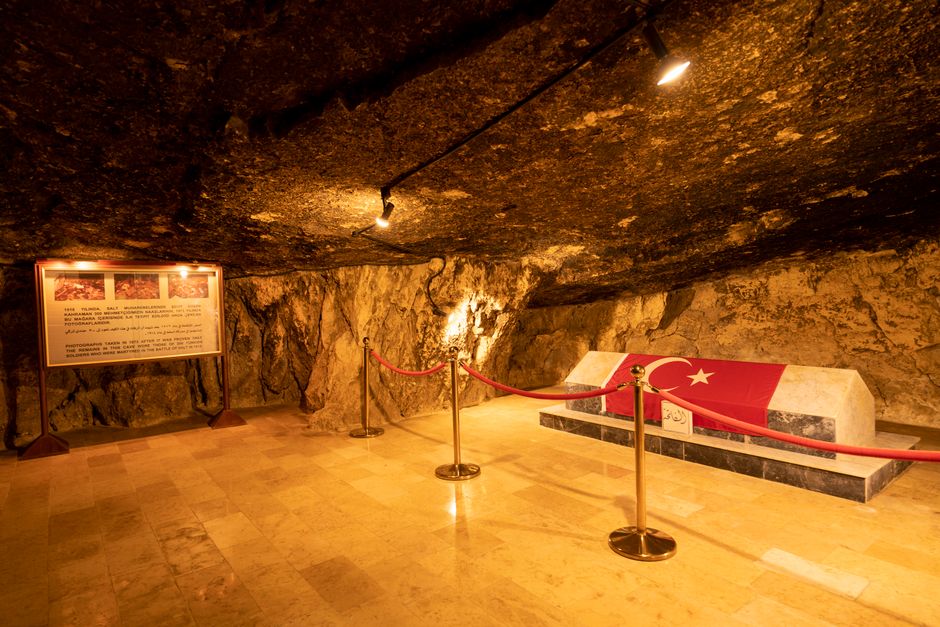
Beneath this modern museum lies the exact spot where Montreal was founded, along with layers of indigenous and colonial history.
Delve into the archaeological crypt beneath the Pointe-à-Callière Museum and trace the very beginnings of Ville-Marie. Here, you walk above centuries of human presence, from traces of the Indigenous St. Lawrence Iroquoians to the foundations of the first European settlement, its original cemetery, and the city's first Custom House. This subterranean journey offers a tangible connection to the individuals who first shaped this land.
2. Maison Saint-Gabriel: Pioneer Women's Legacy
Pointe-Saint-Charles, Montreal, Canada
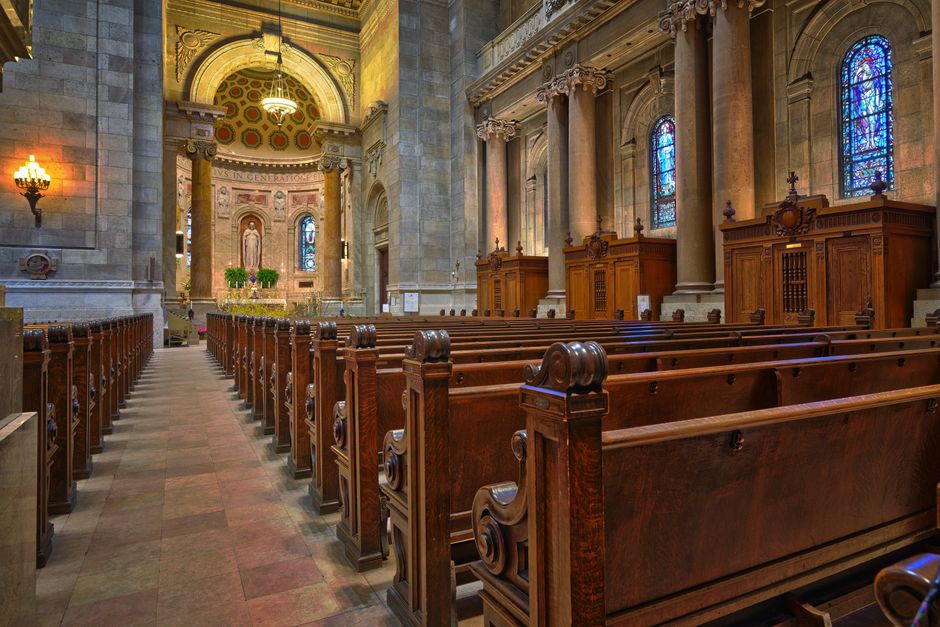
This humble 17th-century farmhouse was once home to the "Filles du Roi," pioneering women who played a crucial role in populating New France.
Step back in time at Maison Saint-Gabriel, one of Montreal's oldest surviving farmhouses, dating back to 1668. Acquired by the Congrégation de Notre-Dame, it served as a farm and school, and famously housed many "Filles du Roi" – young French women sent to New France to marry and build families. Their stories of resilience and adaptation are etched into the very beams of this remarkably preserved building, offering a rare glimpse into colonial domestic life.
3. Château Ramezay: A Political Pawn
Old Montreal, Canada
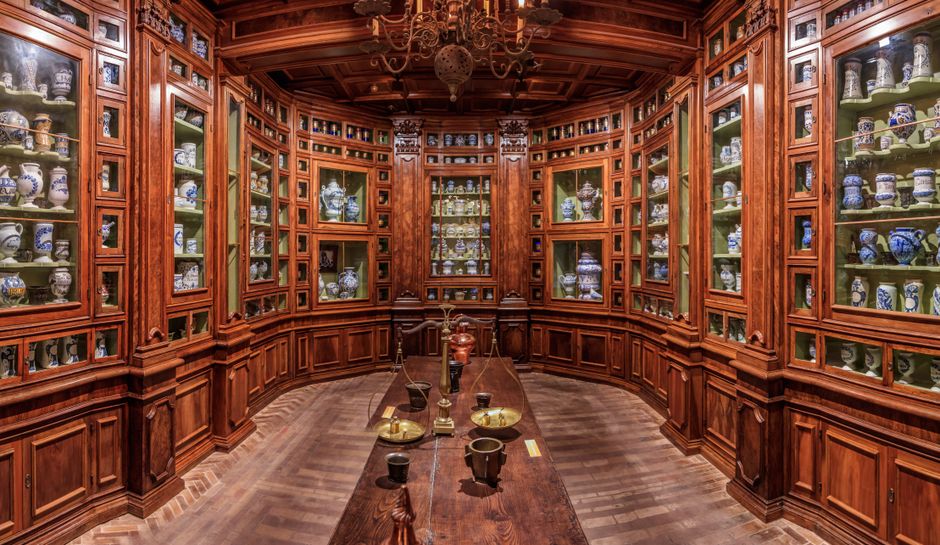
This former governor's residence hosted Benjamin Franklin during his secret mission to persuade Canadians to join the American Revolution.
While seemingly a grand colonial home, Château Ramezay played a pivotal role in international politics. In 1776, American envoy Benjamin Franklin resided here during his unsuccessful attempt to convince the people of Quebec to side with the Thirteen Colonies against the British. The house, built in 1705, has also served as a military headquarters and a courthouse, witnessing centuries of power shifts and significant historical decisions within its walls.
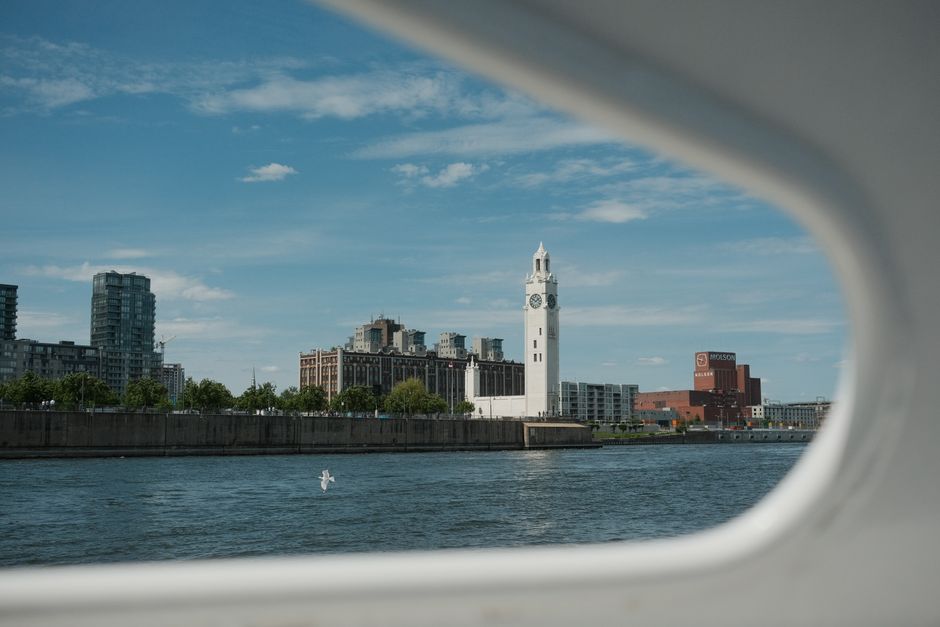
4. Lachine Canal National Historic Site: Industrial Lifeline
Lachine, Montreal, Canada
This historic waterway, now a scenic park, was once a treacherous bottleneck that fueled Montreal's transformation into a major industrial hub.
The Lachine Canal, often enjoyed today for cycling and strolls, was a monumental engineering feat. Opened in 1825, it bypassed the unnavigable Lachine Rapids on the St. Lawrence River, allowing ships to reach Montreal's inner harbor. This sparked an industrial boom along its banks, attracting factories and creating a working-class district. The canal's locks and surrounding industrial architecture tell a vivid story of Canada's early economic development and the lives of its laborers.
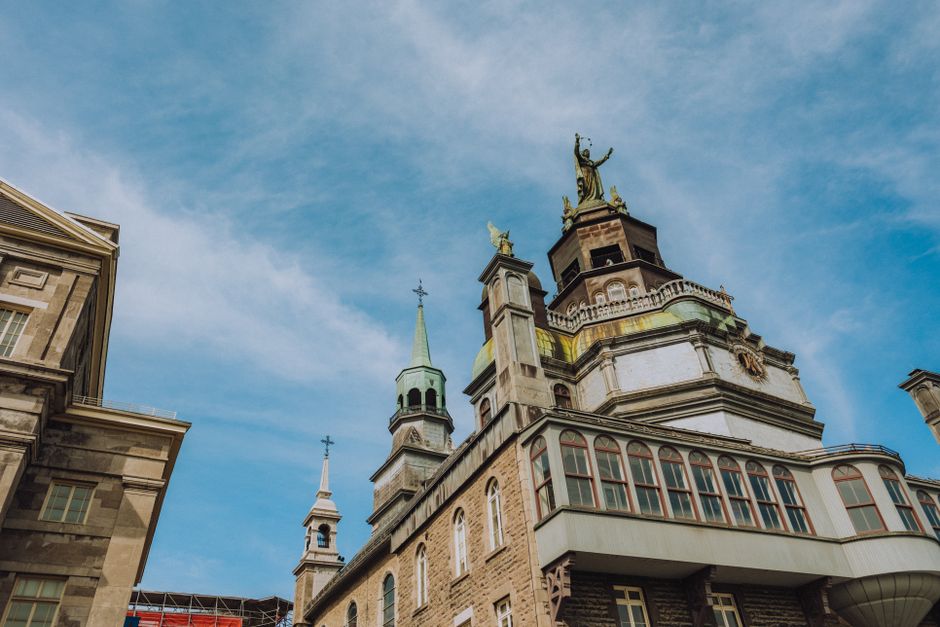
5. Église de la Visitation de la Bienheureuse-Vierge-Marie: Oldest Stone Church
Sault-au-Récollet, Montreal, Canada
Tucked away in the city's north, this church is the only surviving example of French colonial architecture on the island, built by Sulpician missionaries.
Dating back to 1749-1751, this beautiful stone church in the former village of Sault-au-Récollet holds the distinction of being the oldest church on the Island of Montreal. Its simple yet elegant design, with thick stone walls and original wooden altars, offers a direct link to the earliest days of French settlement and the profound influence of the Sulpician order. It stands as a quiet testament to enduring faith and craftsmanship from a bygone era.
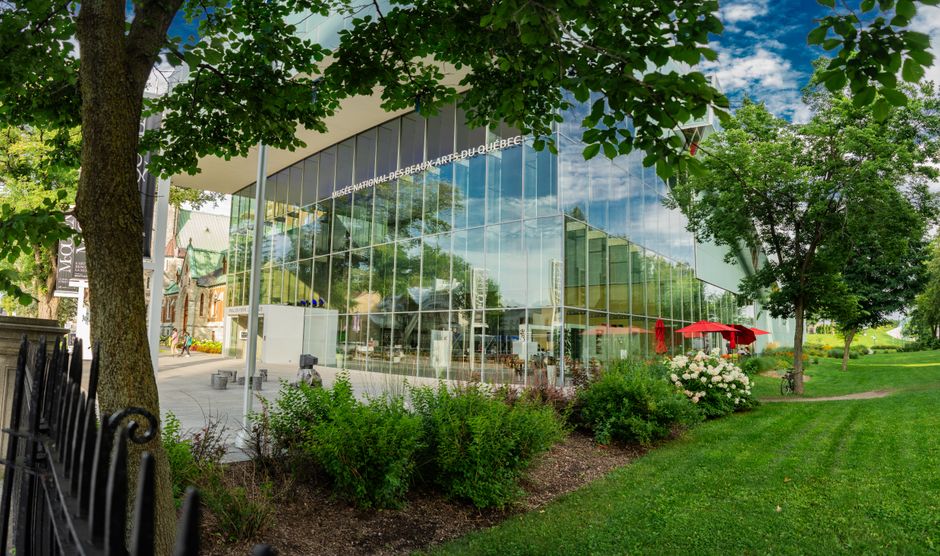
6. Redpath Museum: A Victorian Time Capsule
McGill University, Montreal, Canada
This ornate 19th-century museum, built like a Greek temple, houses a bewildering collection including an Egyptian mummy and dinosaur skeletons.
Nestled on the McGill University campus, the Redpath Museum is a Victorian-era "cabinet of curiosities" frozen in time. Opened in 1882, its grand architecture and eclectic natural history collection – featuring fossils, minerals, a real Egyptian mummy, and mounted animals – reflect the scientific exploration trends of its founding era. It's a place where you can ponder deep time and the history of scientific discovery itself, far from typical art galleries.
7. Morgan Arboretum: Ancient Forest, Indigenous Echoes
Sainte-Anne-de-Bellevue, Montreal, Canada
On Montreal's western tip, this vast forest reserve preserves ancient tree species and offers a glimpse into the island's pre-colonial ecological heritage.
Beyond the urban sprawl lies the tranquil Morgan Arboretum, a 245-hectare forest reserve managed by McGill University. More than just a collection of trees, it's a living laboratory and a quiet sanctuary where towering old-growth forests speak of the island's original landscape. This land was traversed by Indigenous peoples for millennia, and walking its trails evokes a deeper connection to the natural history that predates European arrival, offering a profound sense of continuity.
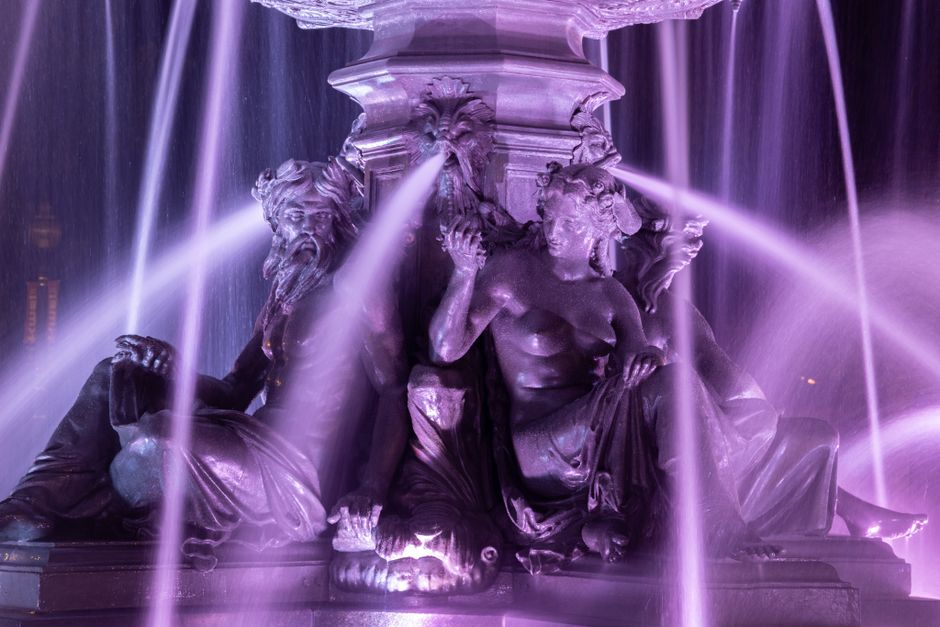
8. Parc La Fontaine: From Quarry to Public Gem
Plateau Mont-Royal, Montreal, Canada
This popular urban park was once a working stone quarry and later a military parade ground before becoming a beloved green space.
Today, Parc La Fontaine is a vibrant hub of activity, but its past is far less idyllic. In the early 19th century, the site was a quarry, providing stone for many of Montreal's buildings. Later, it served as a military parade ground and shooting range. Its transformation into a beautiful public park in the late 19th century, with its iconic fountain and pond, reflects Montreal's evolving urban planning and its commitment to creating accessible green spaces for its citizens.
Frequently asked questions
Why is Montreal called Montreal?
The city's name comes from Mont Royal, the large hill in the center of the island. Originally named Ville-Marie by its French founders in 1642, the informal name "Montréal," derived from "Mont Royal," eventually became the official designation, honoring the mountain that defines its landscape.
Is Montreal truly an island city?
Yes, the main part of Montreal is located entirely on the Island of Montreal, which is the largest island in the Hochelaga Archipelago, situated at the confluence of the Saint Lawrence and Ottawa Rivers. This geographical setting has profoundly influenced its development as a major port and urban center.
What is the oldest building in Montreal?
While there are older archaeological sites, the oldest surviving building in Montreal is generally considered to be the Maison Le Ber-Le Moyne in Lachine, parts of which date back to 1669. Another strong contender is Maison Saint-Gabriel, built in 1668, though it has seen various additions over time.
How can AllTours.ai help me discover Montreal's hidden stories?
AllTours.ai transforms your phone into an AI audio tour guide. Simply point your camera at any landmark, landscape, or even a specific building, and the app will instantly narrate its rich history, geology, and culture in your preferred language, revealing the hidden stories behind every corner of Montreal.
Photography via Pexels. AllTours.ai is an AI audio tour guide — point your camera at any landscape and hear its story.