September 8, 2026 · 4 min read
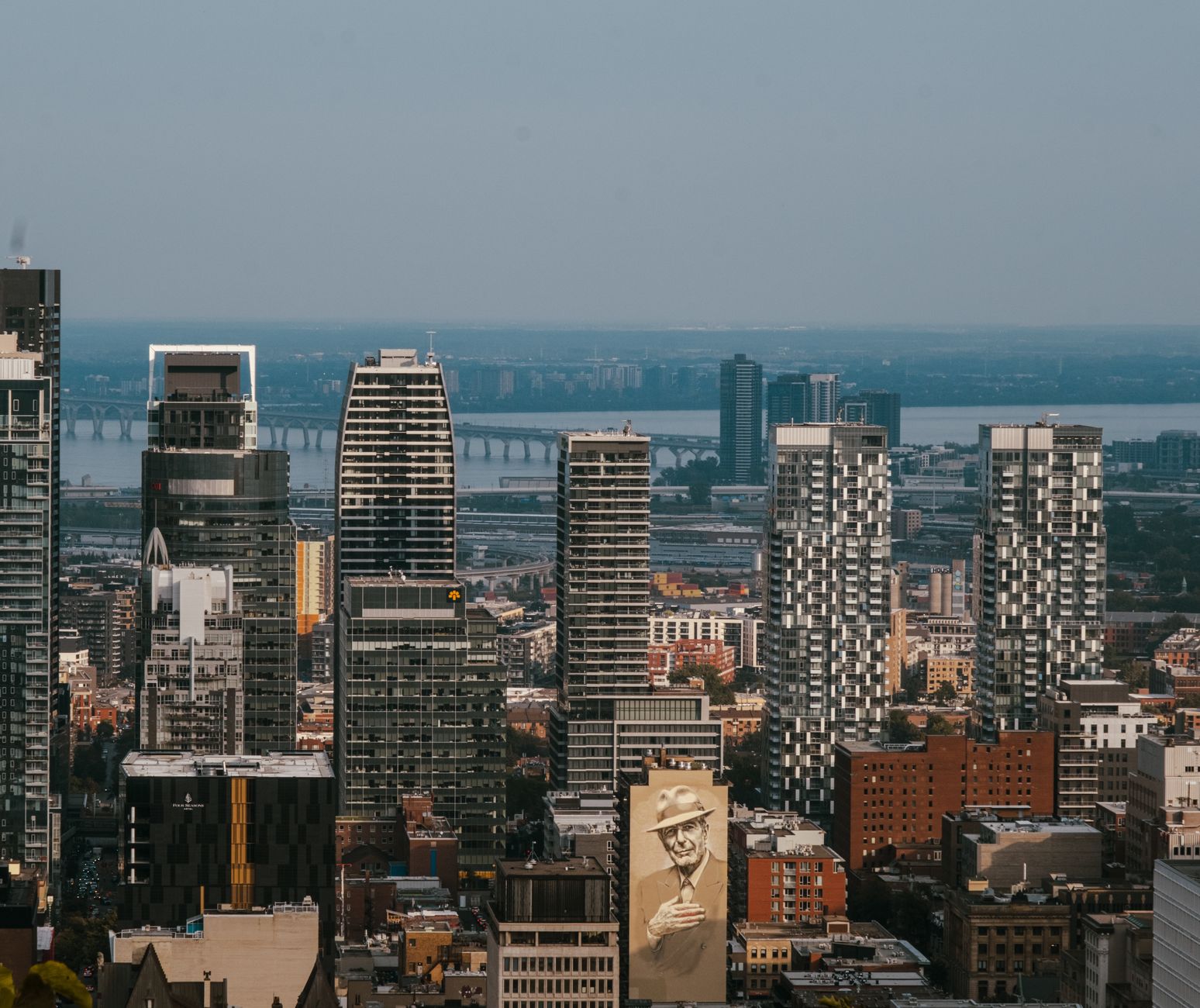
Montreal's iconic triple-peaked mountain, Mount Royal, anchors the city's identity, a verdant jewel rising from the island. It's a natural landmark so central, it seems almost obvious that the city would bear its name. Yet, the question lingers: What is the reason behind the city of Montreal not being named after Mount Royal? The answer, like much of Montreal's story, is layered with linguistic evolution and a touch of historical serendipity.
While the mountain itself was indeed christened 'Mont Royal' by Jacques Cartier in 1535, the settlement that grew at its base took a different path. Over centuries, the name 'Ville Marie' (City of Mary) and later 'Montréal' emerged, a contraction of 'Mont Royal' but also a distinct identity. To truly understand this city, we must look beyond the obvious, into the overlooked streets and structures where forgotten tales whisper. These are the places where Montreal's genuine spirit, far from unoriginal, truly shines.
1. The Farmhouse of the King's Daughters
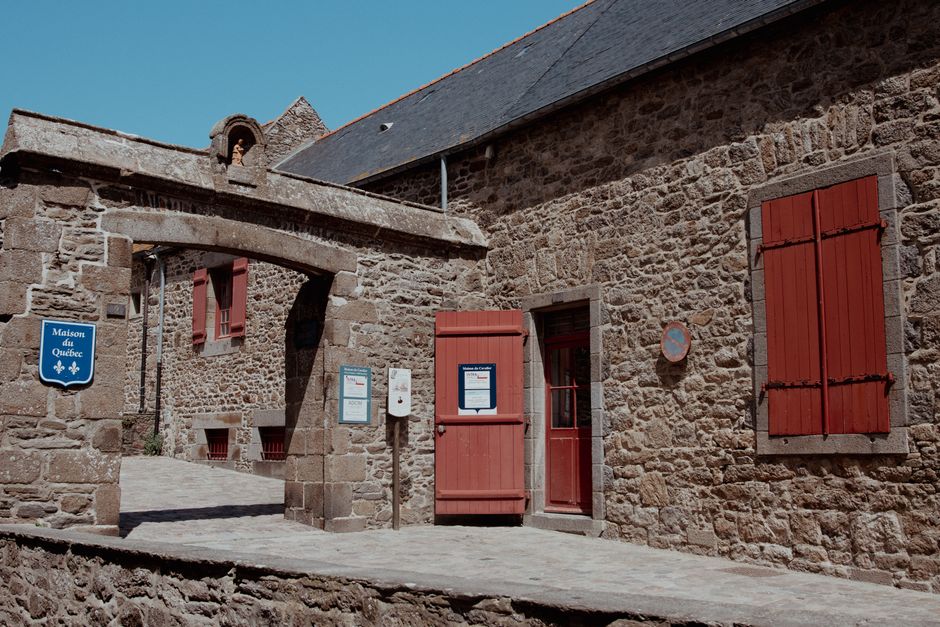
Maison Saint-Gabriel, Montreal, Canada
This 17th-century farmhouse was home to 'filles du Roi,' young women sent to New France to marry and populate the colony.
Before Montreal became a bustling metropolis, it was a frontier settlement. Maison Saint-Gabriel, a remarkably preserved stone farmhouse in Pointe-Saint-Charles, offers a tangible link to this era. It was purchased in 1668 by Marguerite Bourgeoys for the Sisters of the Congregation of Notre Dame, serving as a training school and farm for the 'filles du Roi.' These brave young women learned essential skills here before embarking on lives that would shape the future of Quebec.
2. Site of Canada's Burned Parliament
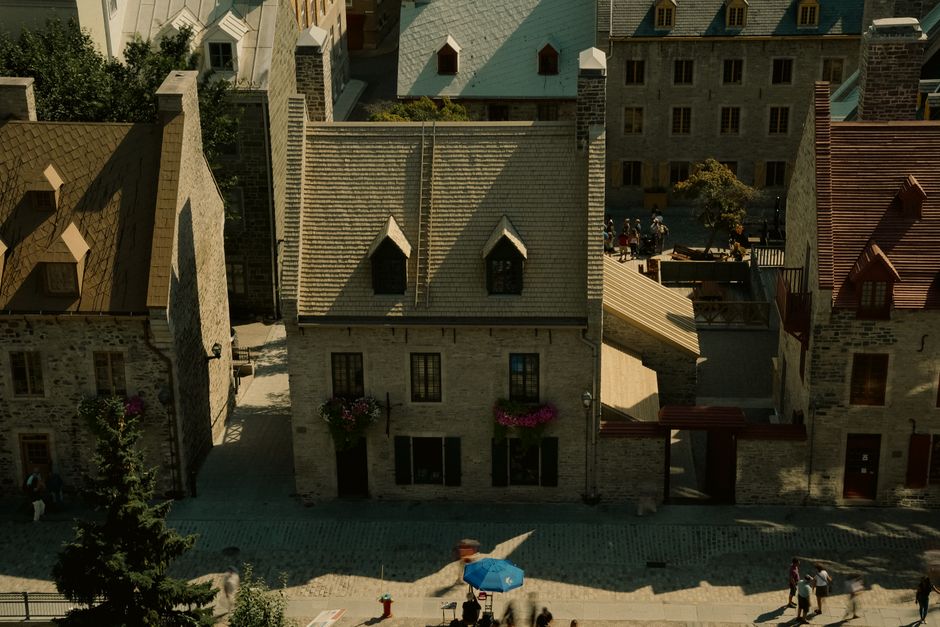
Place Royale (near Pointe-à-Callière), Montreal, Canada
Walk over the precise spot where the Parliament of the Province of Canada once stood, before it was burned down by rioters in 1849.
Montreal briefly held the title of capital of the Province of Canada (present-day Ontario and Quebec) from 1844 to 1849. The Parliament building, formerly the Saint-Ann's Market, was located near today's Place Royale. In 1849, amidst political tensions surrounding the Rebellion Losses Bill, a mob set fire to the building, destroying it and much of the parliamentary archives. Today, subtle markers near Pointe-à-Callière Museum hint at this dramatic, fiery chapter in Canadian history, a literal lost parliament.
3. Montreal Island's Oldest Church
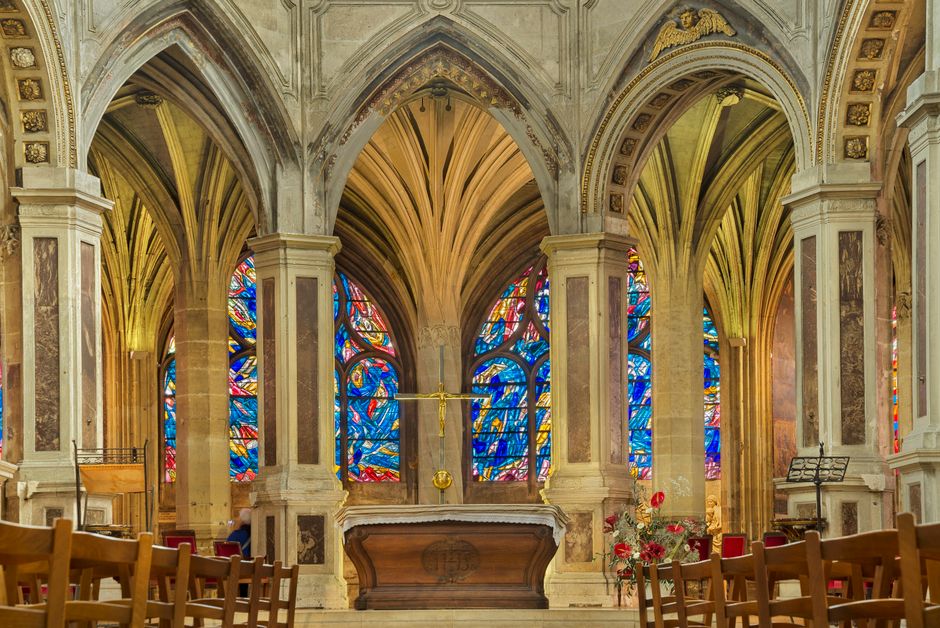
Église de la Visitation-de-la-Bienheureuse-Vierge-Marie, Montreal, Canada
Tucked away in the city's north, this church is the only surviving one on Montreal Island from the French colonial regime.
While Notre-Dame Basilica dominates postcards, the Église de la Visitation-de-la-Bienheureuse-Vierge-Marie in the Sault-au-Récollet borough holds a unique distinction. Built between 1749 and 1752, it is the sole church on the island that predates the British Conquest of 1760 and remains active. Its rural Baroque architecture, ornate interior, and peaceful setting by the Rivière des Prairies offer a quiet glimpse into Montreal's earliest spiritual life, far from the downtown bustle.
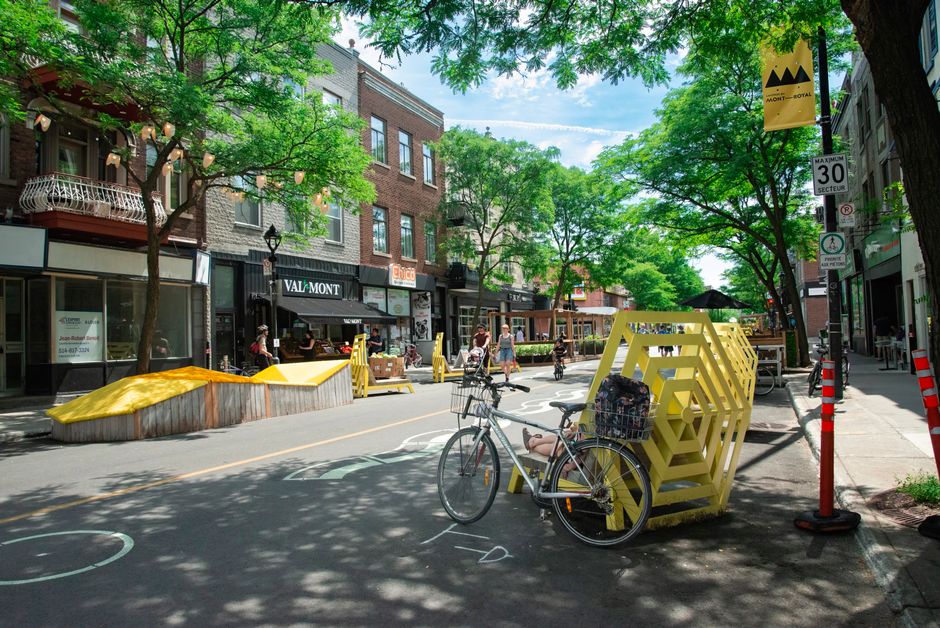
4. Olmsted's Forgotten Urban Park
Square Viger, Montreal, Canada
This once-grand public square, designed by the landscape architect behind New York's Central Park, fell into disrepair but now showcases peculiar public art.
Square Viger, near the Jacques Cartier Bridge, has a fascinating and turbulent past. Originally a magnificent public space and home to a grand railway station, it was partially designed by Frederick Law Olmsted in the late 19th century. Over decades, it suffered neglect and was bisected by a highway overpass. Today, it's a testament to urban evolution, featuring intriguing, often surreal, public art installations that invite contemplation on the passage of time and the changing face of a city's public spaces.
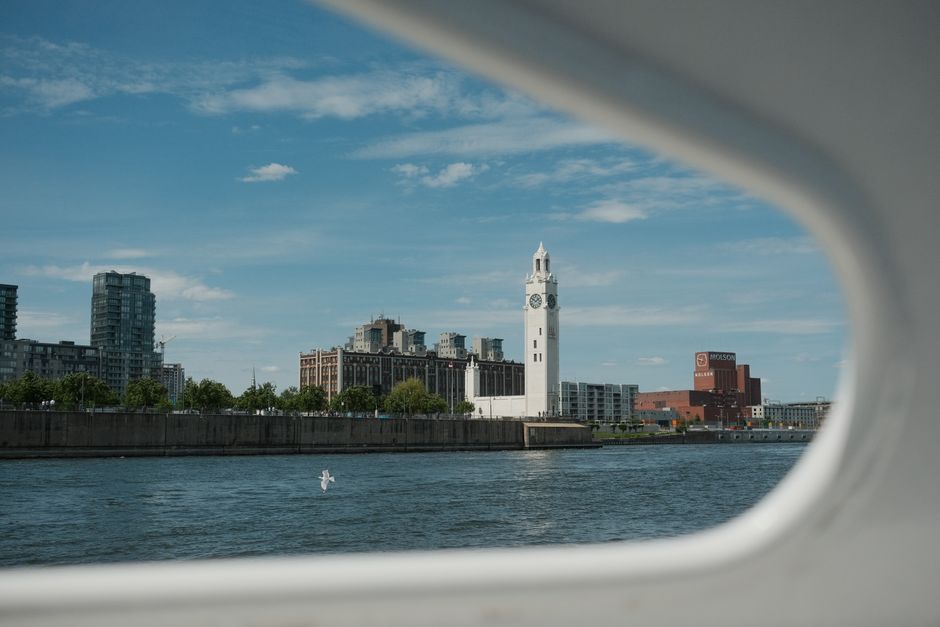
5. Birthplace of Canadian Industry
Lachine Canal National Historic Site (Wellington Basin), Montreal, Canada
This stretch of water was once the heart of Canada's industrial revolution, home to its first railway and a hub for innovation.
The Lachine Canal, now a peaceful recreational waterway, was anything but quiet in the 19th century. Completed in 1825 to bypass the Lachine Rapids, it became a magnet for industries, drawing factories, mills, and shipping operations. The first railway line in Canada, the Champlain and St. Lawrence Railroad, connected to the canal at its eastern end, facilitating trade and ushering in an era of unprecedented industrial growth. Exploring its banks reveals remnants of this powerful past.
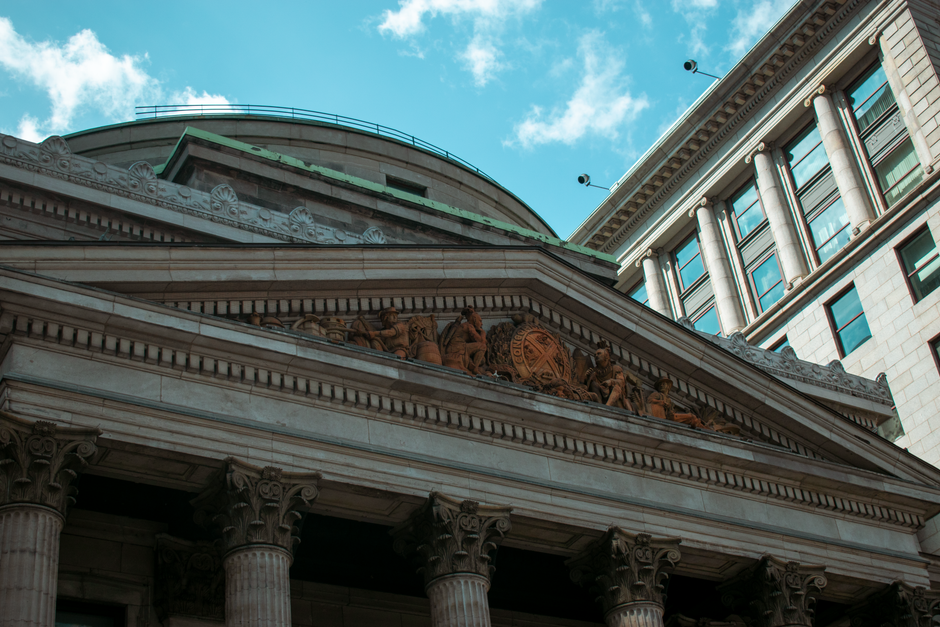
6. Canada's Oldest Chinatown
Rue de la Gauchetière (Chinatown), Montreal, Canada
Beyond its vibrant arches, Montreal's Chinatown is the oldest in Canada, a testament to enduring community and immigrant history.
While many visitors flock to the main thoroughfares, taking a deeper look into the side streets and specific buildings of Montreal's Chinatown on Rue de la Gauchetière reveals layers of history. Established in the late 19th century, it's the oldest continuous Chinese community in Canada, predating even Vancouver's. The district tells a story of immigration, resilience, and cultural preservation, with architecture that blends traditional Chinese motifs with Montreal's own unique urban fabric, reflecting decades of community building.
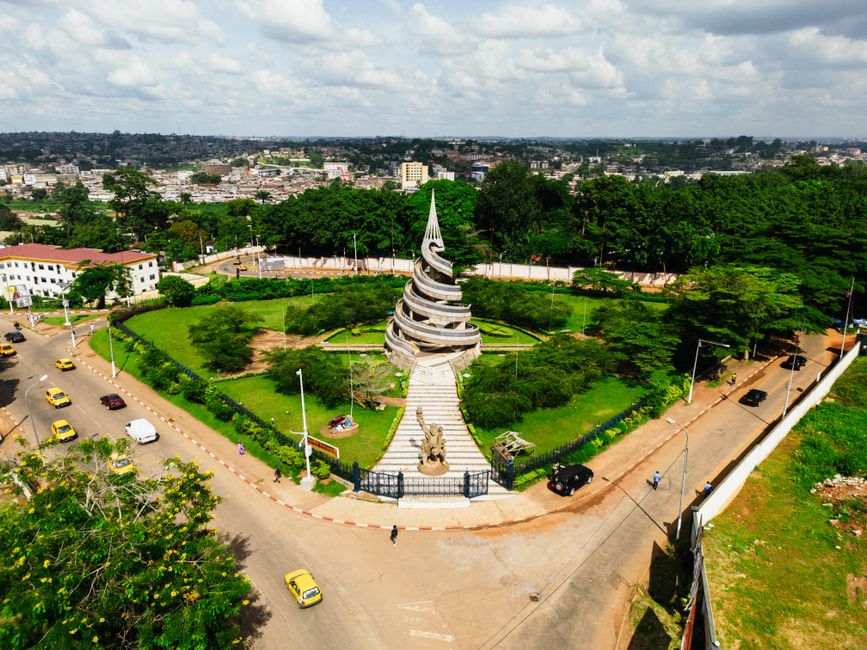
7. The Prison of the Foot of the Current
Parc du Pied-du-Courant, Montreal, Canada
This tranquil park conceals the dark history of Montreal's most notorious prison, a site of political imprisonment and executions.
Today, Parc du Pied-du-Courant is a pleasant green space along the St. Lawrence River, known for its summer beach and public art. However, from 1836 to 1912, it was the site of the Pied-du-Courant Prison, infamous for holding Patriote rebels during the Lower Canada Rebellions and serving as a place of public execution. The park now features memorials that acknowledge this grim past, inviting reflection on a turbulent period in Quebec's history, a stark contrast to its present-day tranquility.
Frequently asked questions
Why isn't Montreal named after Mount Royal?
While Jacques Cartier named the mountain 'Mont Royal' in 1535, the initial settlement was known as 'Ville Marie.' Over time, the name 'Montréal' evolved as a contraction of 'Mont Royal,' becoming the official name of the city. It's a linguistic evolution rather than a direct naming after the mountain itself.
What is the oldest building in Montreal?
The oldest surviving building in Montreal is generally considered to be the Maison Saint-Gabriel, a stone farmhouse dating back to the late 17th century (purchased by Marguerite Bourgeoys in 1668). It offers a unique glimpse into early colonial life on the island.
What are some hidden gems in Montreal's history?
Beyond the well-known sites, Montreal hides gems like the archaeological layers beneath Pointe-à-Callière, the site of the burned Parliament building near Place Royale, or the remarkably preserved Église de la Visitation-de-la-Bienheureuse-Vierge-Marie in Sault-au-Récollet, the oldest church on the island.
How can AllTours.ai help me explore Montreal's hidden stories?
AllTours.ai uses AI to turn your phone camera into a personal guide. Simply point your camera at any landmark, landscape, or even a subtle historical marker, and the app will narrate its history, geology, and cultural significance in your language, revealing the hidden stories of places like those mentioned above.
Photography via Pexels. AllTours.ai is an AI audio tour guide — point your camera at any landscape and hear its story.