September 23, 2026 · 4 min read
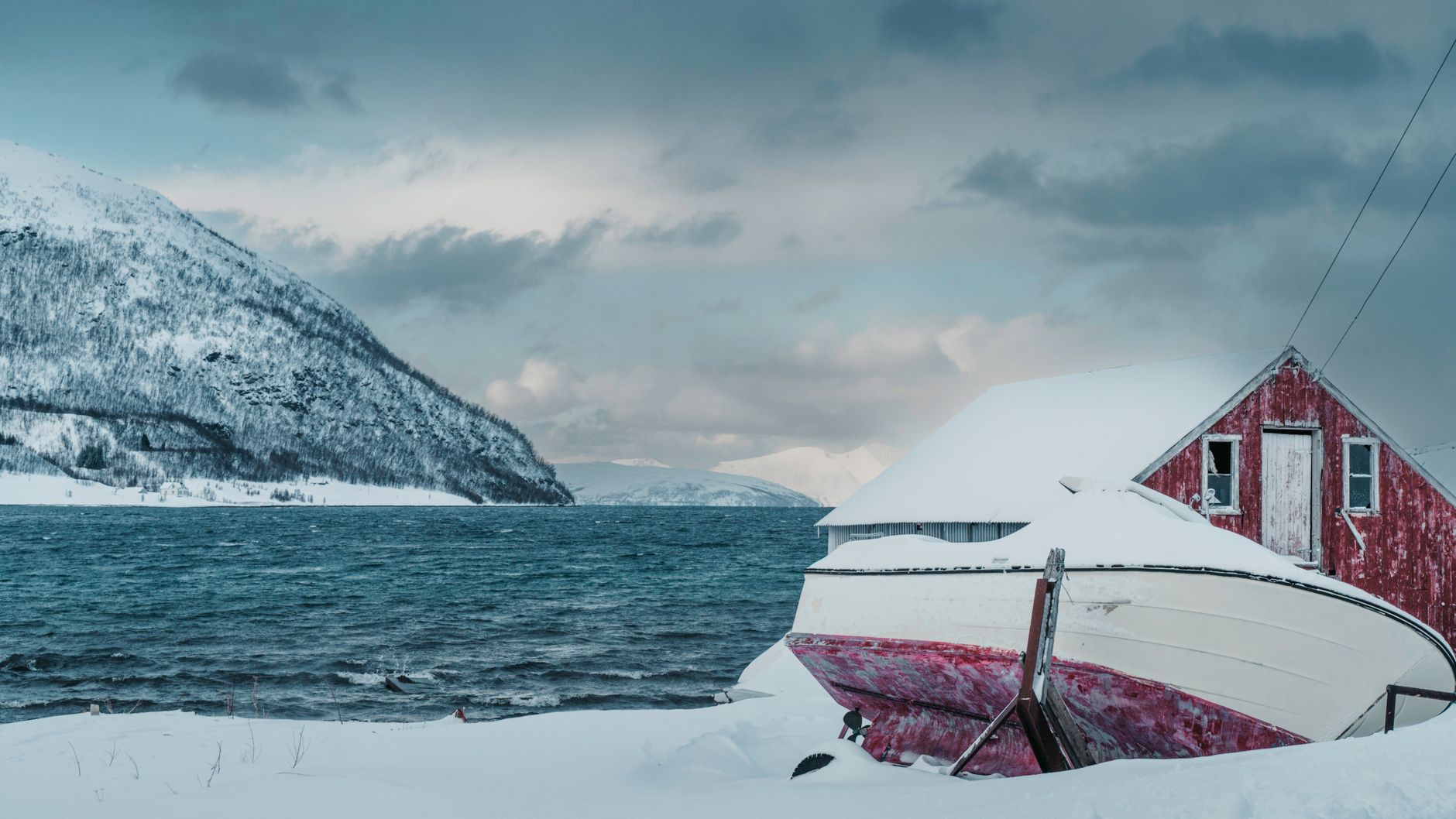
The allure of affordable housing in Scandinavia often seems like a myth, particularly when considering its vibrant cities. Yet, head north, far above the Arctic Circle and into the less-traveled reaches of Norway, Sweden, and Finland, and you'll find a different story. Here, vast landscapes, extreme climates, and sparse populations contribute to a housing market that is dramatically more accessible than in the south.
But what truly defines these northern communities beyond mere price tags? It’s a tapestry woven from unique histories, resilient cultures, and a profound connection to nature. Before you consider making the move, it’s crucial to understand the distinct character of these places. We’ve curated a list of genuinely underrated spots, each with a compelling story that goes far beyond the typical tourist brochures.
1. The Rebuilt Border Town
Kirkenes, Norway
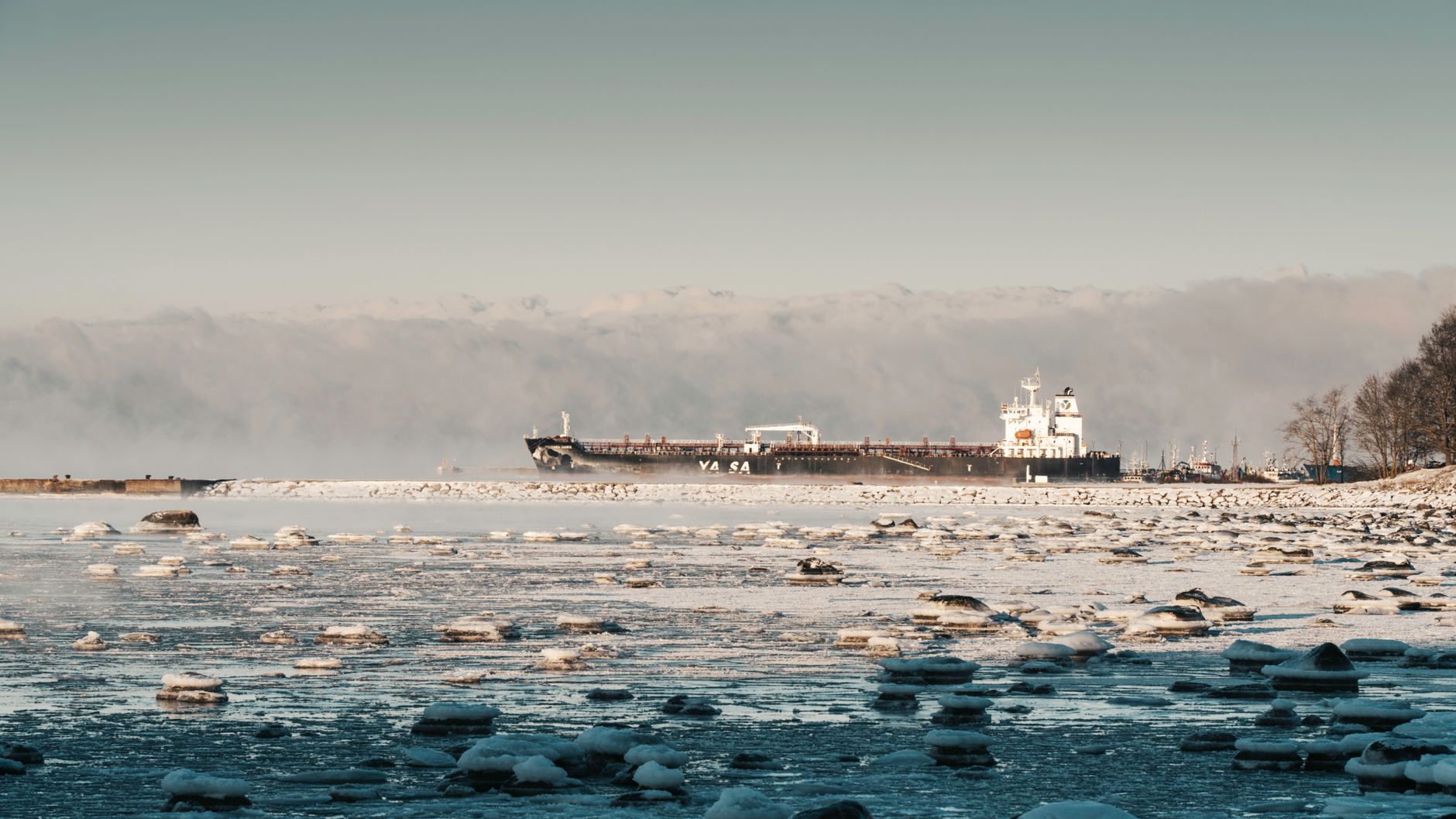
This strategic town was almost entirely destroyed in WWII but rebuilt from scratch by its resilient community.
Kirkenes, near the Russian border, bore the brunt of intense fighting during World War II, resulting in its near-total destruction. Despite this, the resilient community rebuilt, maintaining its strategic importance and unique cultural blend of Norwegian, Sámi, and Russian influences. Today, it's known for its King Crab safaris and the unique underground Andersgrotta bomb shelter, which served as a hospital during the war.
2. Where a Hotel Melts Away
Jukkasjärvi, Sweden
The site of the world's first ice hotel, annually rebuilt from the frozen Torne River, embodies transient Arctic ingenuity.
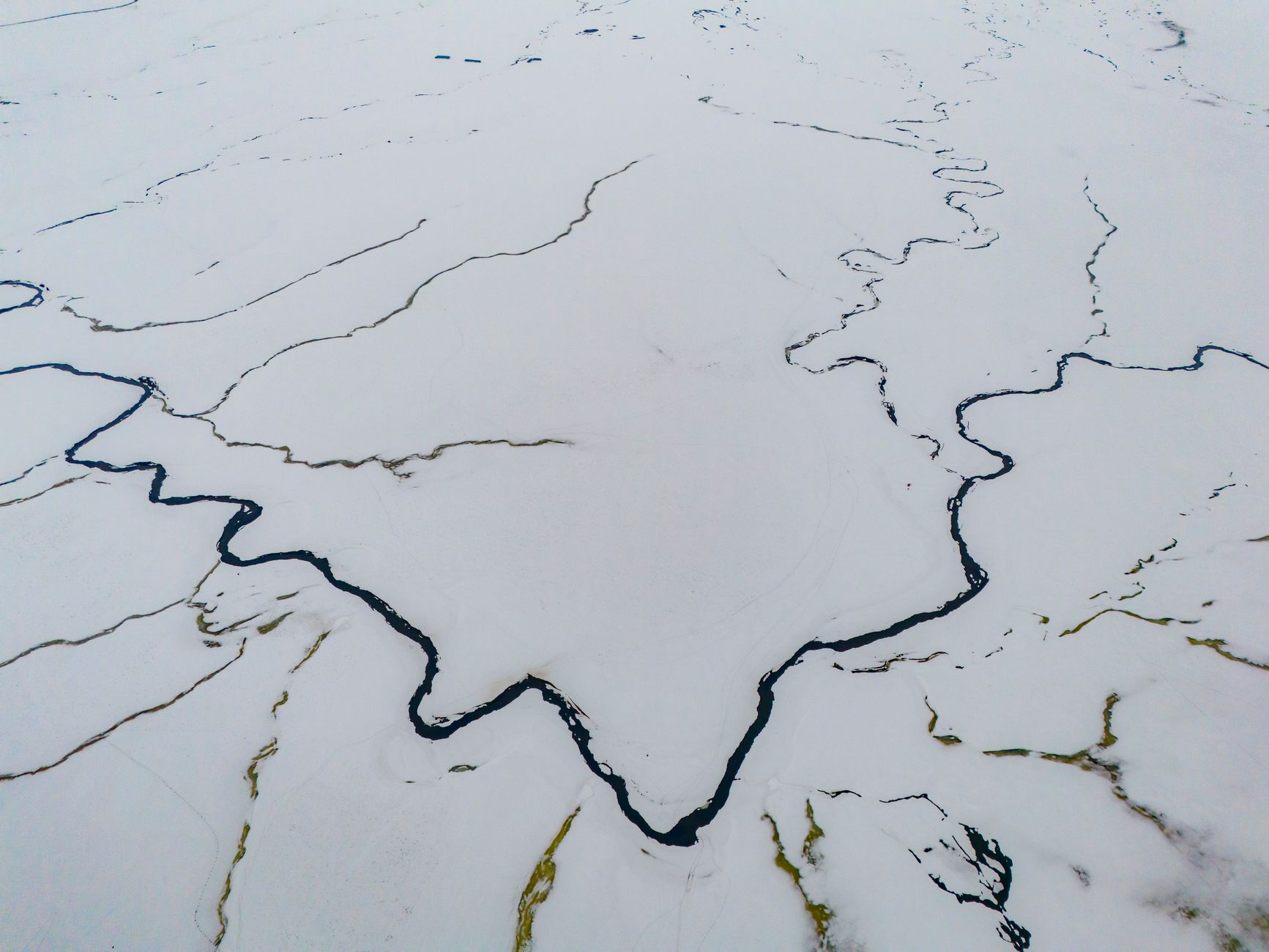
While famous for the ICEHOTEL, Jukkasjärvi's history stretches back much further as a Sámi trading post. The village's ingenuity is on display each winter when tons of ice and 'snice' (a mix of snow and ice) are harvested from the nearby Torne River to construct the hotel, which then melts back into the river in spring. This cycle embodies the transient beauty and resourcefulness of Arctic life, long before tourism arrived.
3. Heart of Reindeer Herding
Kautokeino (Guovdageaidnu), Norway
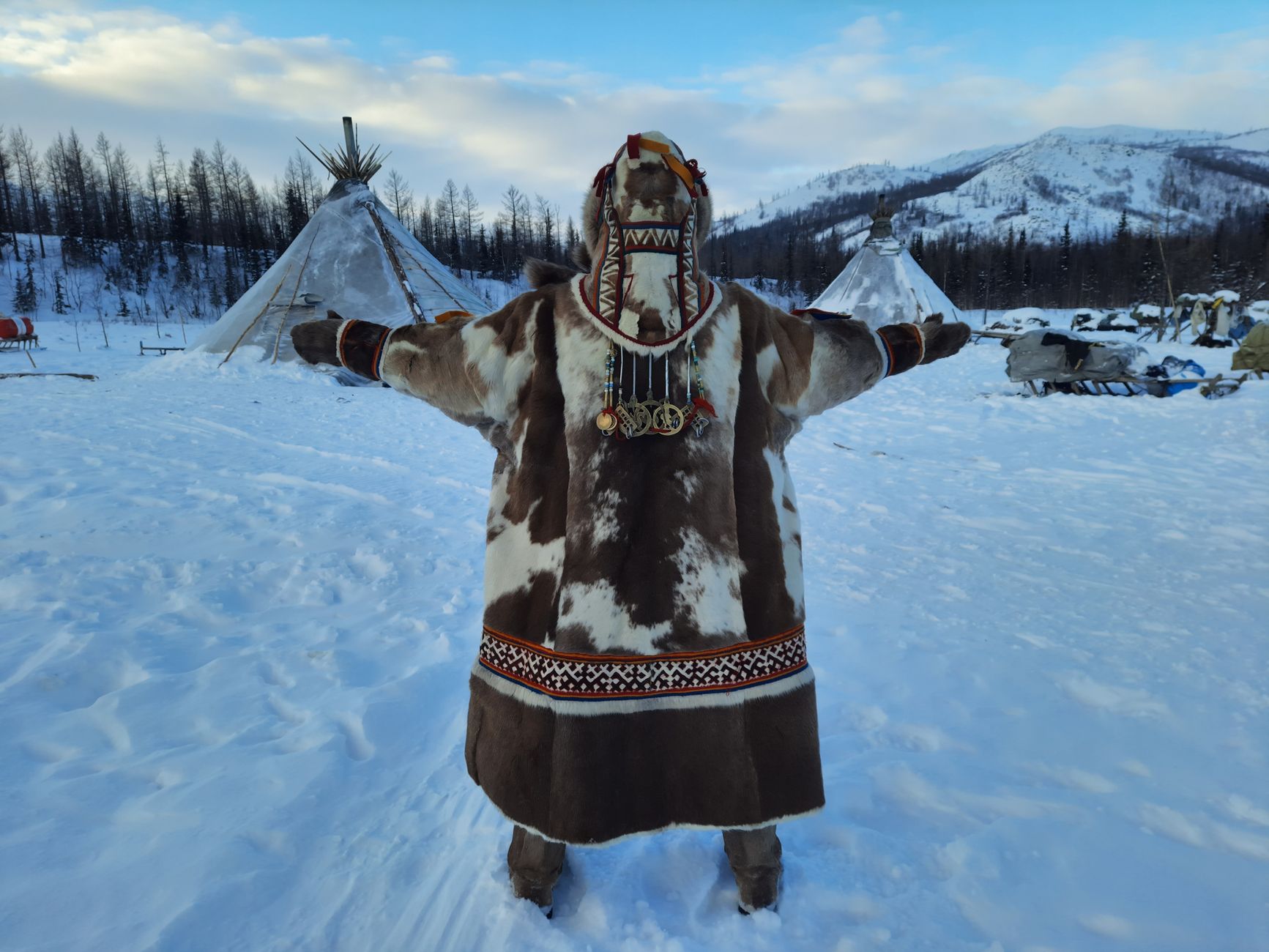
This is the true heart of Sámi culture, where reindeer herding remains a primary way of life and the Sámi language is dominant.
Kautokeino is arguably the most important center for Sámi language and culture in Norway, with over 90% of its population being Sámi speakers. It's home to the Sámi University of Applied Sciences and the Sámi National Theatre. The town is deeply connected to reindeer herding, with many families still following traditional migratory routes, making it a living museum of indigenous Arctic traditions.
4. The Living Sámi Museum
Inari (Aanar), Finland
Home to the Siida museum, which uniquely preserves and showcases the distinct cultures of various Sámi groups in the Arctic.
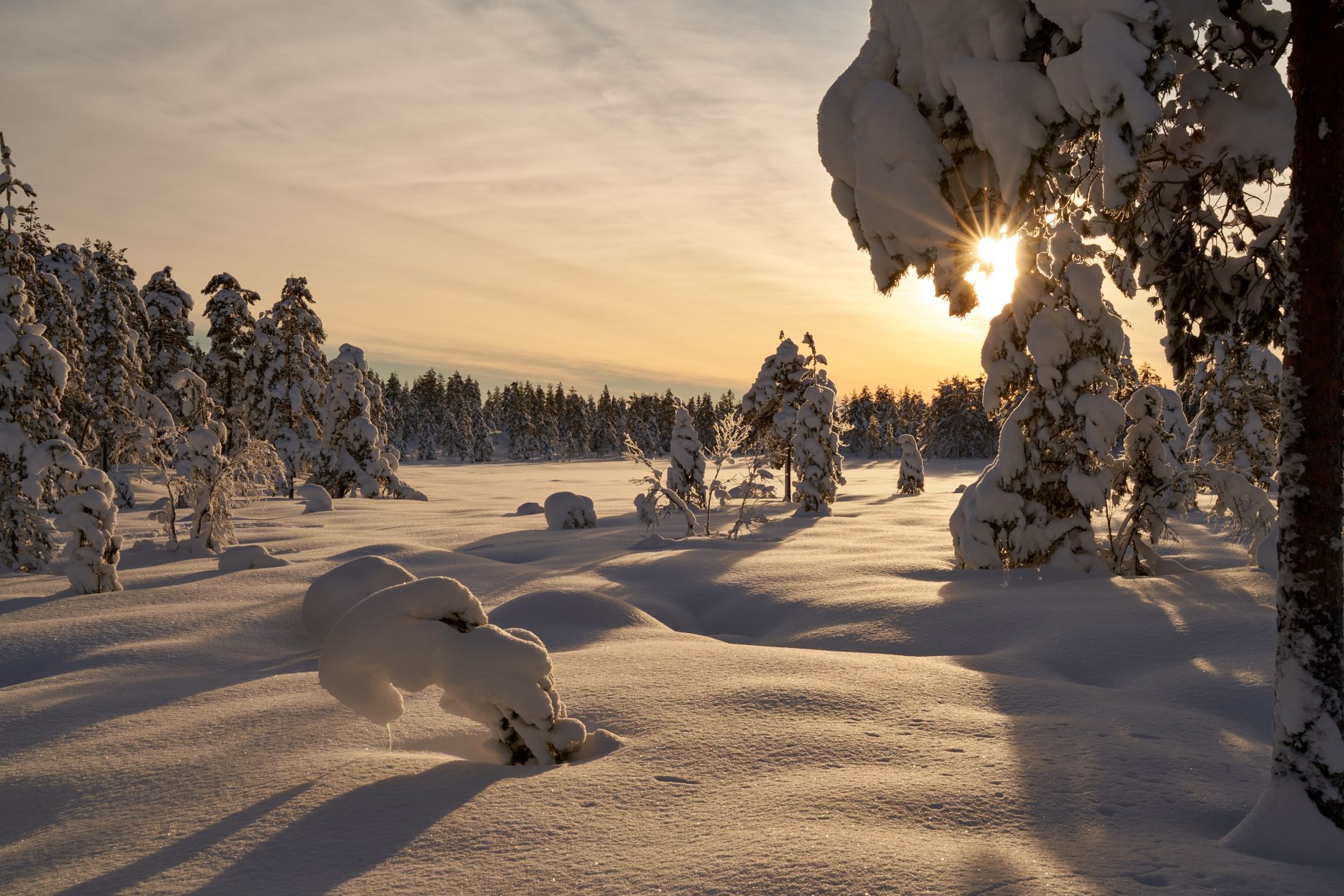
Located by the vast Lake Inari, this village is the cultural hub for the Finnish Sámi. The Siida museum is a remarkable open-air and indoor museum that provides deep insights into the history, traditions, and resilience of the Sámi people across different seasons and regions. It’s a place where ancient stories of hunting, fishing, and reindeer herding are brought to life, offering a profound understanding of Arctic adaptation.
5. The Moving Town
Malmberget, Sweden
This town is literally being moved, brick by brick, due to the expansion of an iron ore mine beneath it.
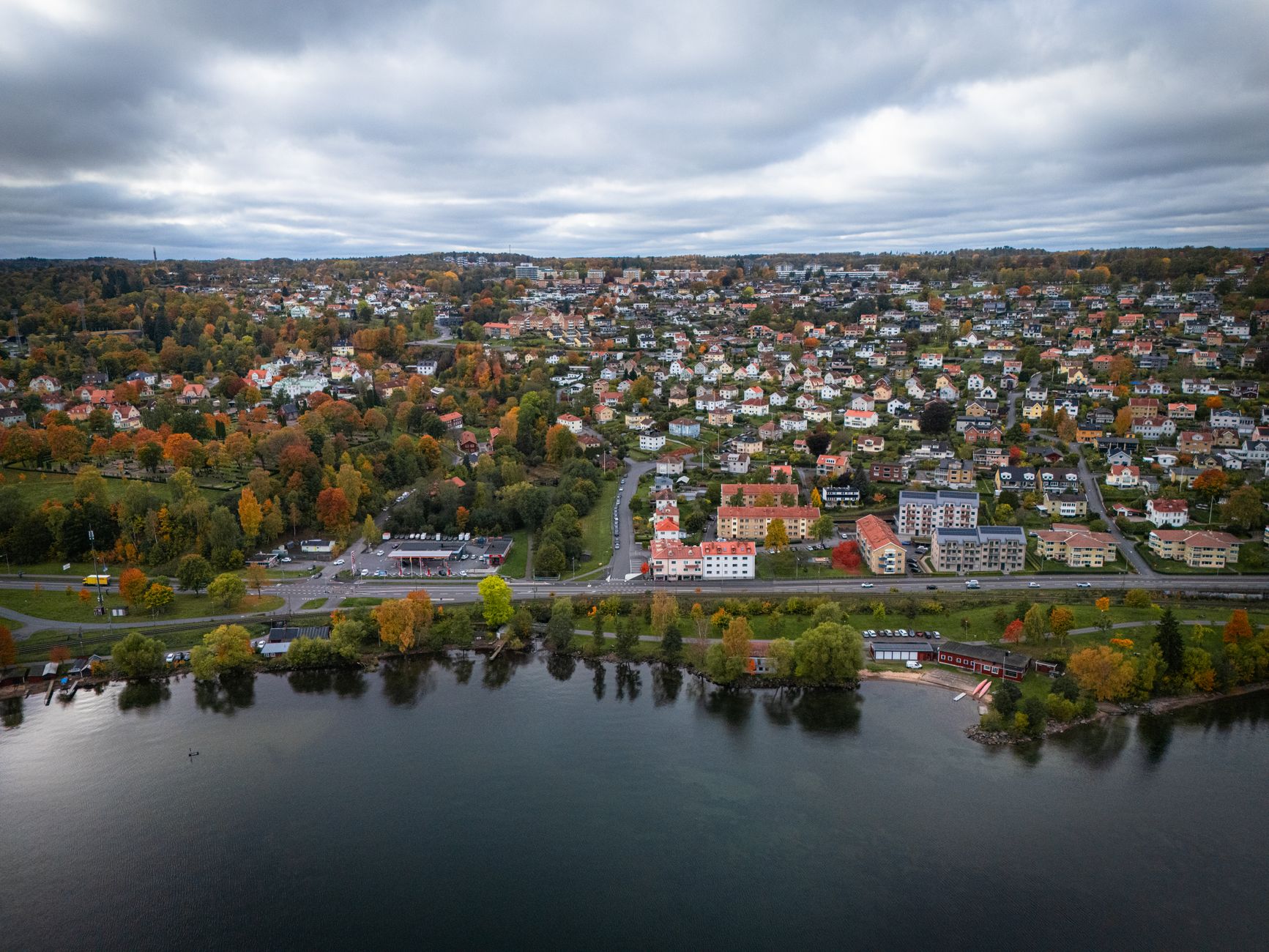
Malmberget, meaning 'Ore Mountain,' has been defined by its iron ore mine for centuries. However, the mine's relentless expansion has led to ground instability, necessitating the complete relocation of the town's buildings, including a church, to a new site in nearby Gällivare. This monumental undertaking is an ongoing testament to the industrial impact on Arctic communities, where entire neighborhoods are meticulously disassembled and rebuilt elsewhere.
6. Finland's Sámi Stronghold
Utsjoki (Ohcejohka), Finland
Finland's only municipality with an official Sámi majority, located directly on the Tana River, a famed salmon fishing spot.
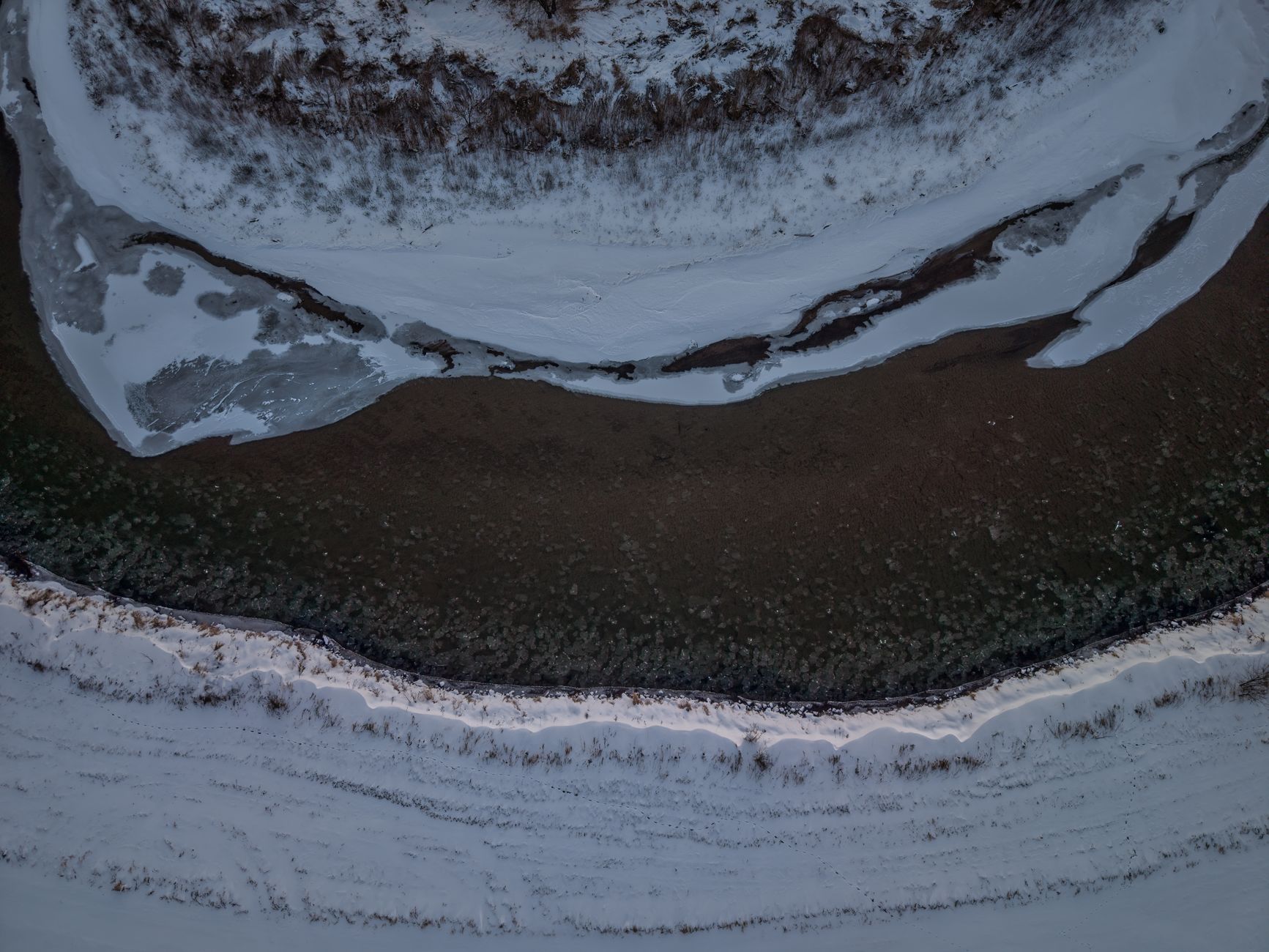
Utsjoki sits at Finland's northernmost point, bordering Norway along the Tana River. This is a stronghold of Northern Sámi culture, where indigenous languages and traditions thrive. The Tana River itself is legendary for its Atlantic salmon, drawing anglers from around the world. The unique riverboat culture and the annual salmon migration are deeply intertwined with the identity and economy of this remote border community.
7. The Secret Car Testing Hub
Arjeplog, Sweden
A small town that transforms into a massive, secret winter testing ground for the global automotive industry.
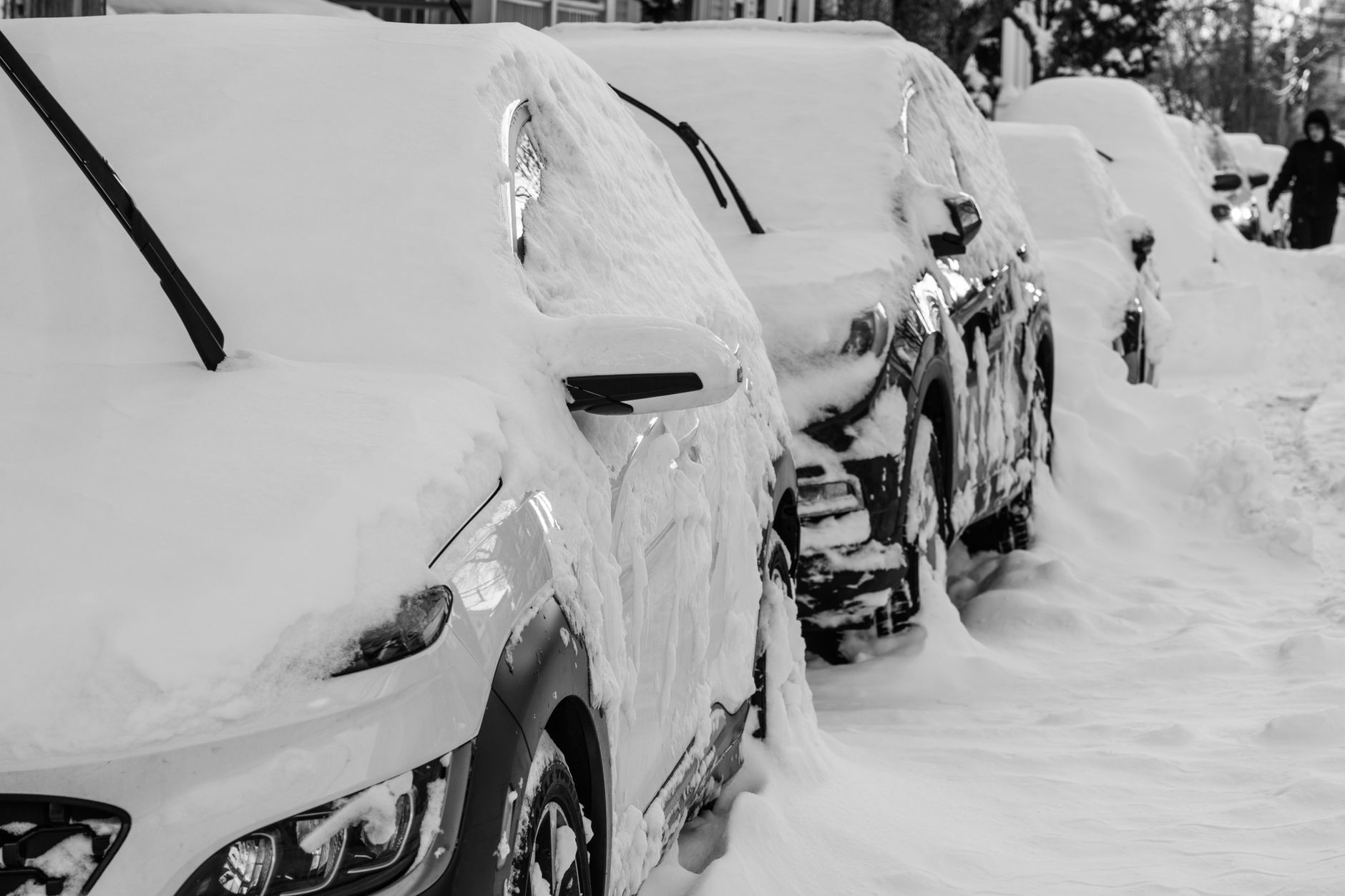
For much of the year, Arjeplog is a quiet, remote municipality in Swedish Lapland. But come winter, its vast, frozen lakes transform into a top-secret proving ground for car manufacturers from around the world. Companies like BMW, Mercedes, and Porsche test their latest models and technologies on the ice, making this unassuming town a crucial, clandestine hub for automotive innovation, far from prying eyes.
8. Lapland's Fishing Capital
Pello, Finland
Known as the 'Fishing Capital of Lapland' and home to the official residence of Santa Claus's reindeer.
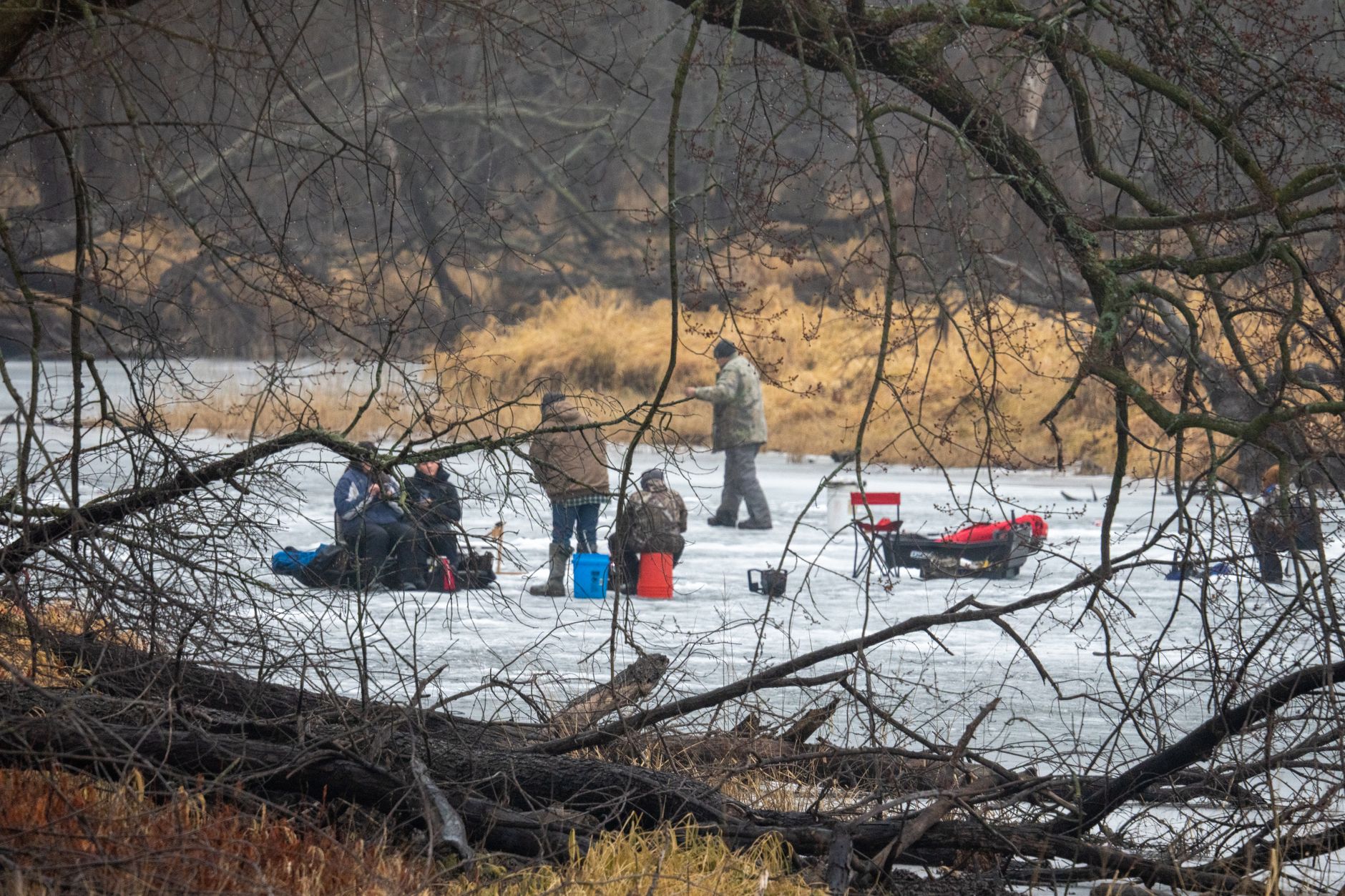
Situated on the Tornio River, Pello is a haven for anglers, particularly famous for its salmon and whitefish catches. Beyond its fishing reputation, Pello embraces its Arctic identity with unique charm. It proudly hosts the official residence of Santa Claus's reindeer, making it a magical spot for families and a nod to the region's deep connection with its wildlife and folklore.
Frequently asked questions
Why is housing so much cheaper in northern Scandinavia compared to the south?
Primarily, lower demand due to factors like the harsh climate, remoteness, and fewer diverse job opportunities outside specific industries like mining, forestry, or tourism. Additionally, vast land availability and less dense infrastructure development naturally keep property prices significantly lower.
What are the main challenges of moving to northern Scandinavia?
Key challenges include extreme winter conditions with limited daylight, potential language barriers, and cultural differences that may require significant adjustment. It's crucial to be prepared for periods of isolation and to embrace a slower, nature-driven pace of life.
Are there job opportunities in these remote northern regions?
Job opportunities often revolve around local primary industries such as mining, forestry, reindeer herding, and fishing, alongside a growing tourism sector. Public services like healthcare and education also provide roles, but specific specialized positions might have higher competition. Remote work is an increasingly viable option for residents.
How can AllTours.ai help me explore these unique places?
AllTours.ai transforms your phone into an AI audio tour guide. Simply point your camera at any landscape or landmark in these northern towns, and the app will narrate its history, geology, and culture in your preferred language, offering a deeper understanding of these hidden gems and their stories.
Photography via Pexels. AllTours.ai is an AI audio tour guide — point your camera at any landscape and hear its story.