June 30, 2026 · 4 min read
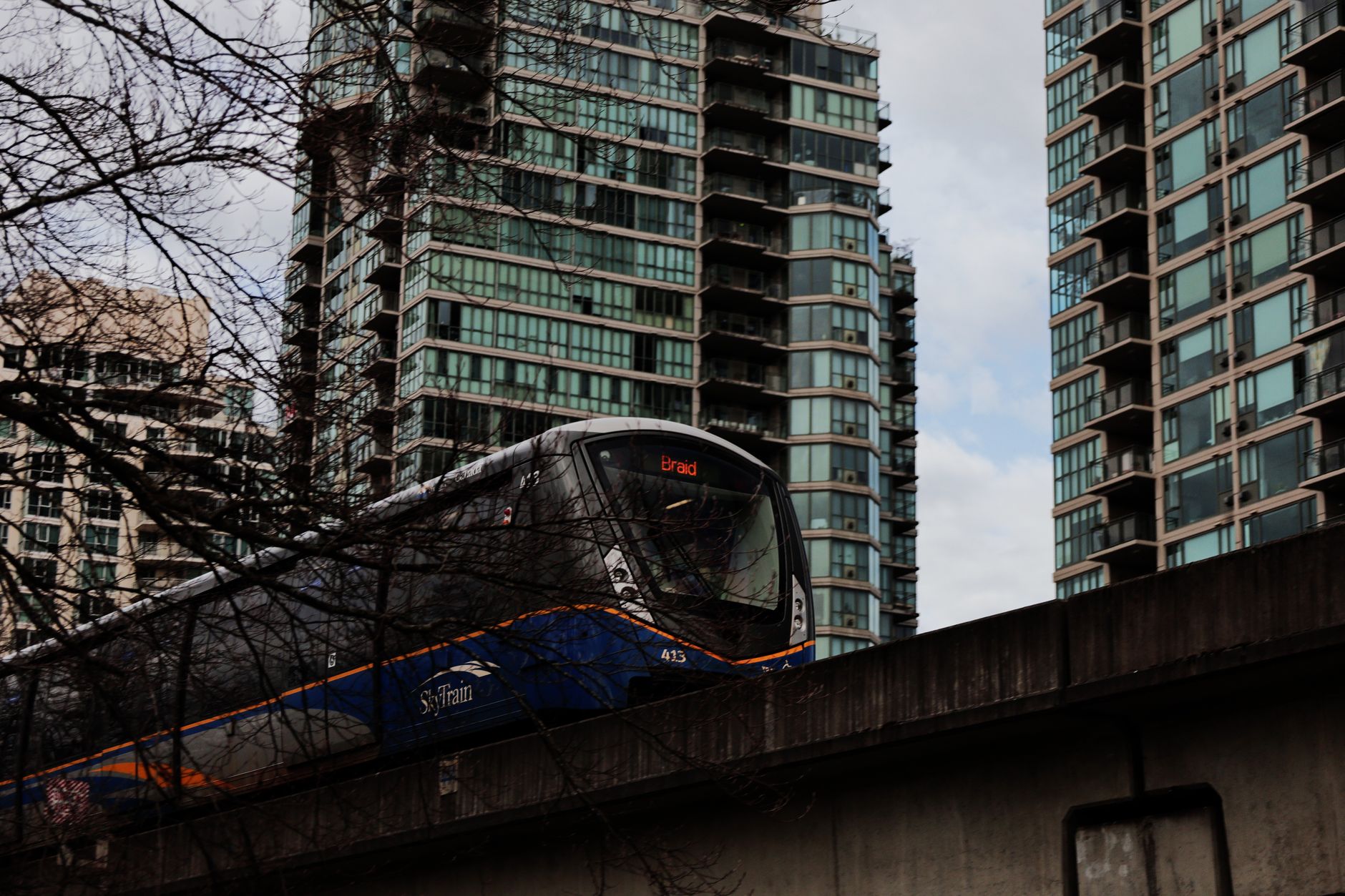
Vancouver consistently ranks high for livability, and its public transit system plays a significant role in that reputation. Unlike many North American cities grappling with transit challenges, Vancouver's network stands out for its efficiency and widespread use.
But beyond the smooth rides and clean stations, what makes Vancouver’s public transport truly reliable and safe? It’s a combination of smart planning, community focus, and a system that connects you not just to major attractions, but to the city's hidden layers of history, geology, and culture. Let’s explore some unexpected stops.
1. Echoes of War: Hastings Park
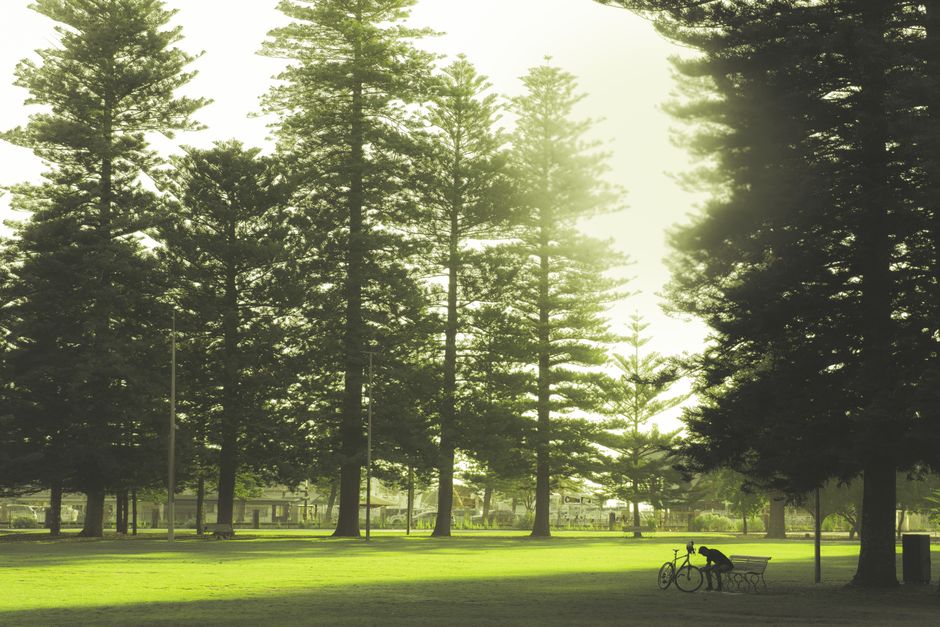
Hastings Park, Vancouver, Canada
This vibrant fairground once held a dark secret: it was a primary assembly point for Japanese Canadians forcibly interned during World War II.
Before the rides and concerts of the PNE, Hastings Park served as a temporary detention site for thousands of Japanese Canadians in 1942. Families lived in converted livestock barns and horse stalls, their lives uprooted before being sent to internment camps further inland. The park stands today as a poignant reminder of a difficult chapter in Canadian history, a place of forced displacement hidden beneath layers of public recreation.
2. A Nail-Free Oasis: Dr. Sun Yat-Sen Garden
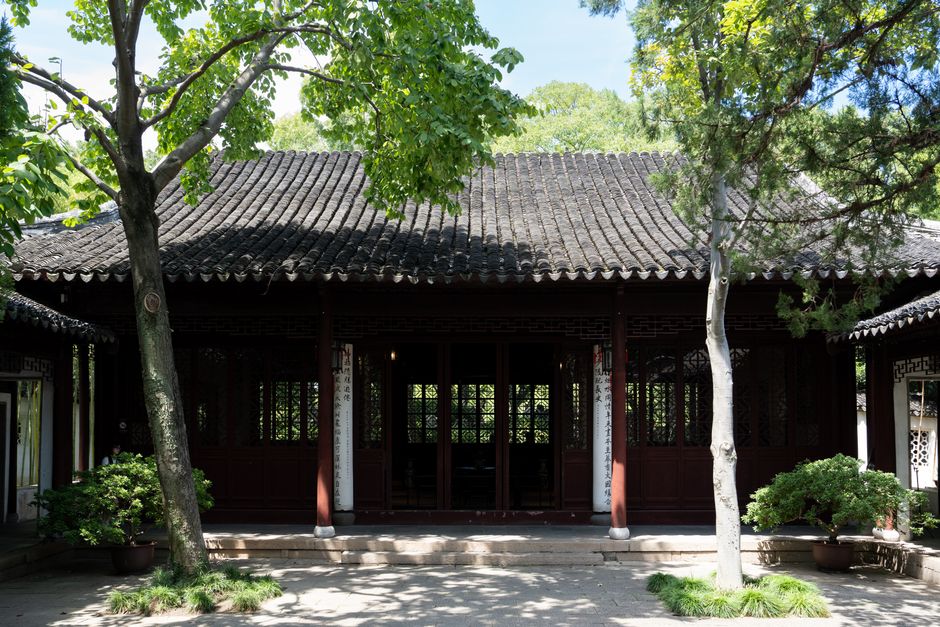
Dr. Sun Yat-Sen Classical Chinese Garden, Vancouver, Canada
This tranquil garden is an architectural marvel built entirely without nails or screws, a testament to ancient Chinese craftsmanship.
In Chinatown, this garden is a true Ming Dynasty-style scholar's garden, built using traditional 14th-century techniques. Artisans from Suzhou, China, constructed it using interlocking timber, careful joinery, and meticulously placed rocks and plants to create a harmonious micro-world. It's not just beautiful; it's a living museum of sustainable, intricate building practices that predate modern construction methods.
3. Where Rivers Meet Ocean: Fraser River Estuary
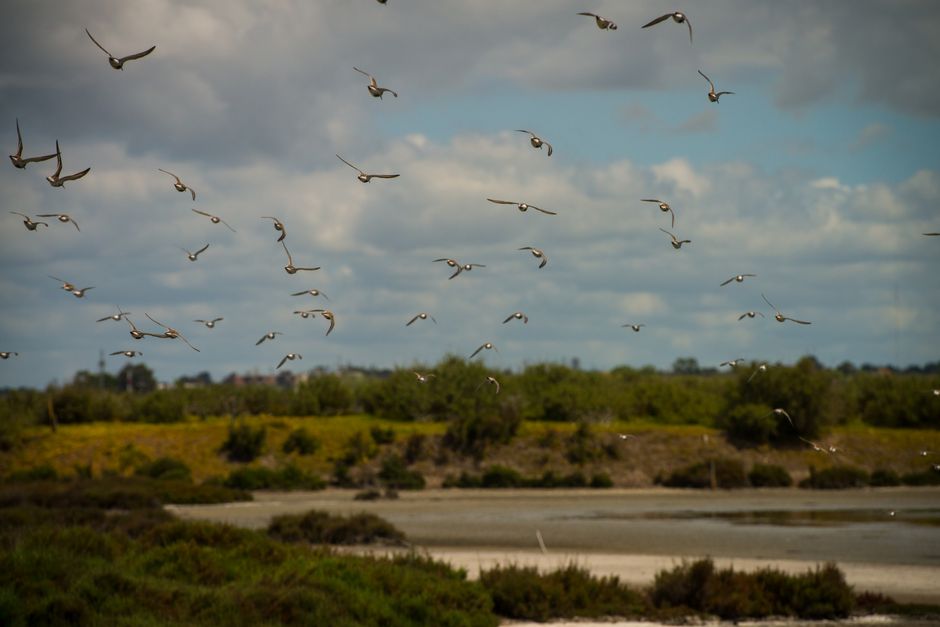
Terra Nova Rural Park, Richmond, Canada
The seemingly tranquil mudflats here are a critical stopover for millions of migratory birds, a superhighway in the sky.
The Fraser River Estuary is one of the most important wetlands in the world, a vital feeding and resting ground for over 1.4 million migratory birds annually, many traveling the Pacific Flyway. From tiny sandpipers to majestic snow geese, this dynamic ecosystem supports an incredible diversity of wildlife. Walking its dikes, you witness a delicate balance of fresh and saltwater, a crucial nursery for salmon and a lifeblood for the entire region's biodiversity.
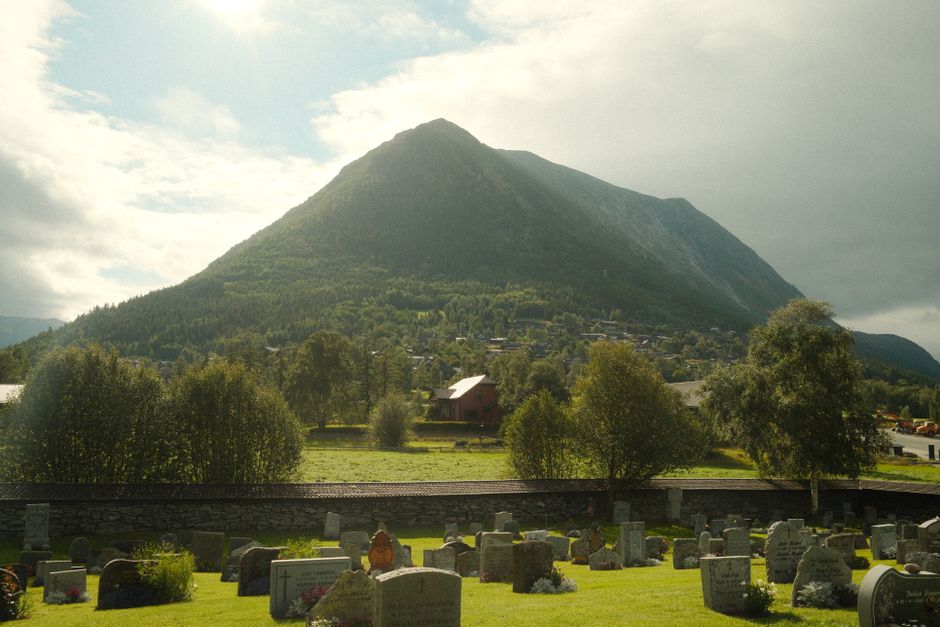
4. City of Souls: Mountain View Cemetery
Mountain View Cemetery, Vancouver, Canada
This isn't just a burial ground; it's the only active cemetery within Vancouver city limits, a quiet archive of the city's diverse past.
Established in 1886, Mountain View Cemetery tells the story of Vancouver's growth through its residents. Here lie pioneers, artists, veterans, and everyday citizens, their headstones reflecting waves of immigration and social change. From ornate Victorian monuments to simple markers, each grave offers a glimpse into different eras and cultures that shaped the city, a peaceful counterpoint to the bustling metropolis just outside its gates.
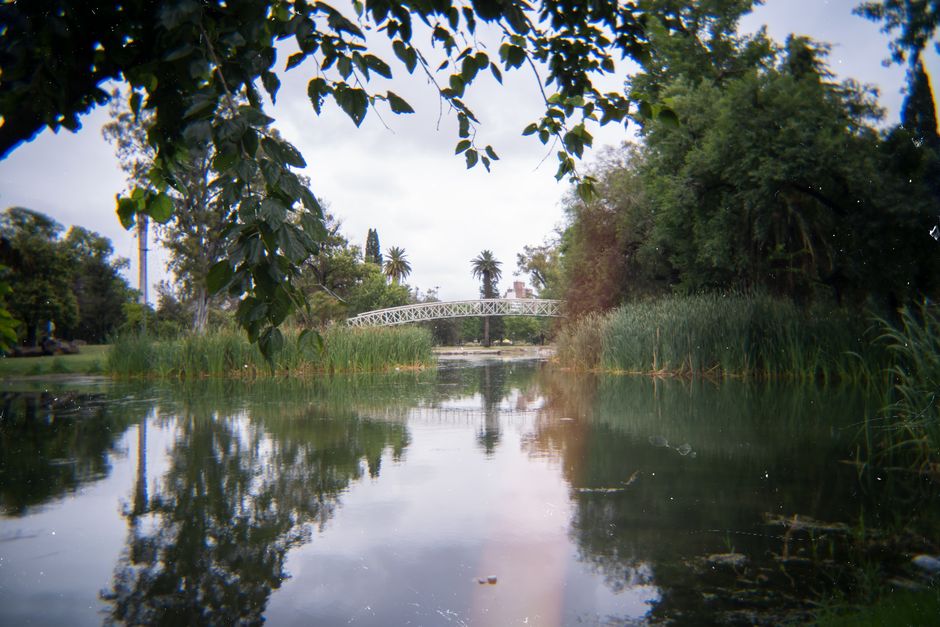
5. The Lost Lagoon's Tidal Past
Lost Lagoon, Stanley Park, Vancouver, Canada
This serene freshwater lake was once a saltwater tidal lagoon, its connection to the ocean severed for urban development.
Before it became the peaceful freshwater haven it is today, Lost Lagoon was a dynamic tidal inlet, part of Coal Harbour, flushing naturally with the Pacific Ocean. In 1916, a causeway was built to connect the park to the city, permanently damming the lagoon and transforming its ecosystem. This engineering feat, though practical for city access, forever altered a natural coastal feature, creating the tranquil yet artificial lake we see now.
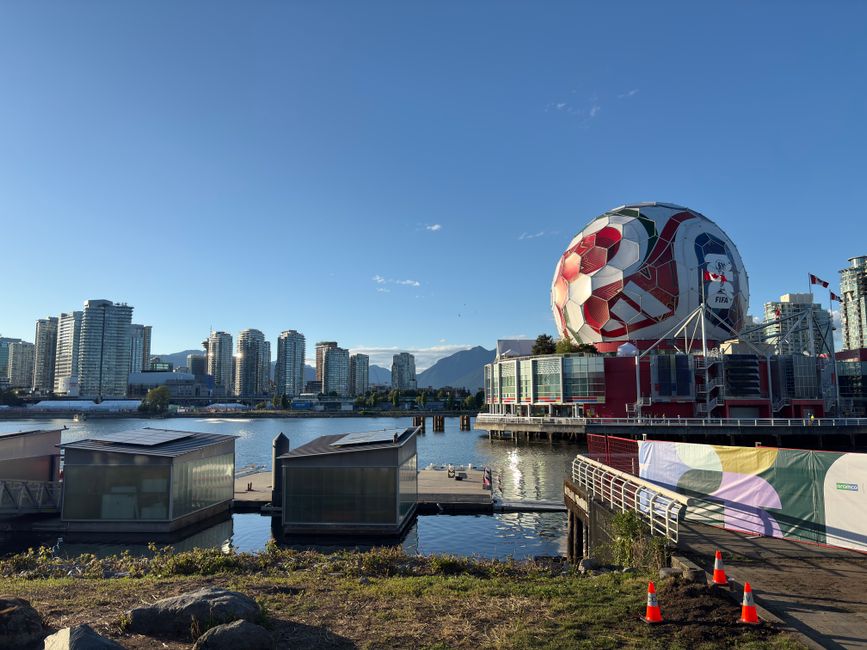
6. Olympic Village's Sustainable Transformation
Olympic Village, Vancouver, Canada
This vibrant waterfront neighborhood was once a contaminated industrial wasteland, transformed into a beacon of sustainable urban living for the 2010 Winter Olympics.
The area now known as Olympic Village, or False Creek South, underwent a massive environmental remediation project. What was once polluted land and derelict industrial sites became a model for green development, featuring LEED Platinum buildings, extensive green roofs, and a district energy system. The transformation showcases Vancouver's commitment to sustainability, turning a former eyesore into a thriving, eco-conscious community.
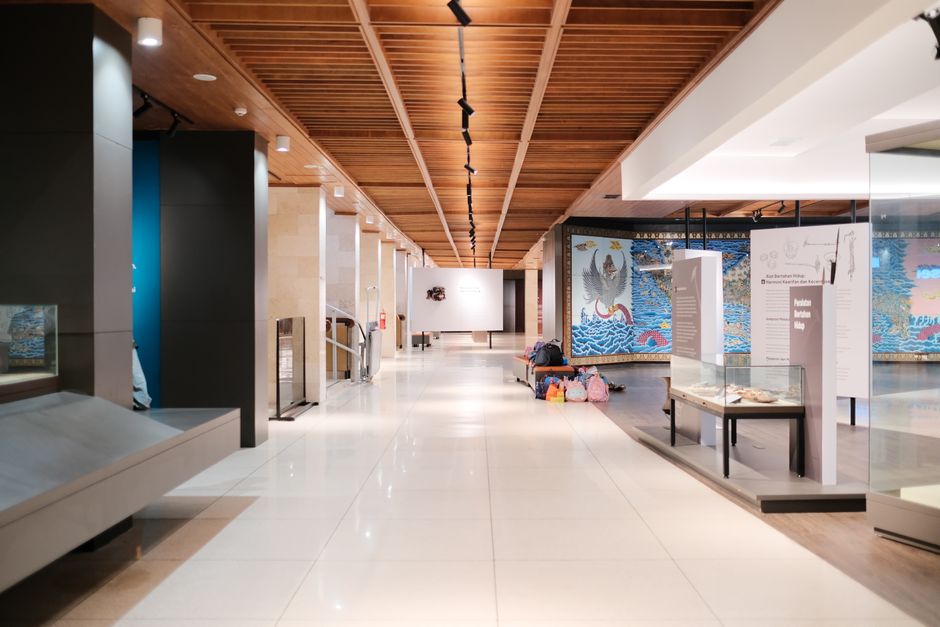
7. Voices of the First Nations: UBC Museum of Anthropology
Museum of Anthropology, University of British Columbia, Vancouver, Canada
Beyond its stunning architecture, this museum houses world-renowned Indigenous artifacts, many of which are now being repatriated or recontextualized.
While a major attraction, the museum's role in preserving and presenting Indigenous cultures is complex. Its vast collection, including monumental totem poles and intricate carvings, provides invaluable insight into First Nations art and heritage. However, much of this collection was acquired during a colonial era, and the museum is actively engaged in dialogue, repatriation efforts, and collaborating with Indigenous communities to ensure respectful and accurate representation of their living cultures.
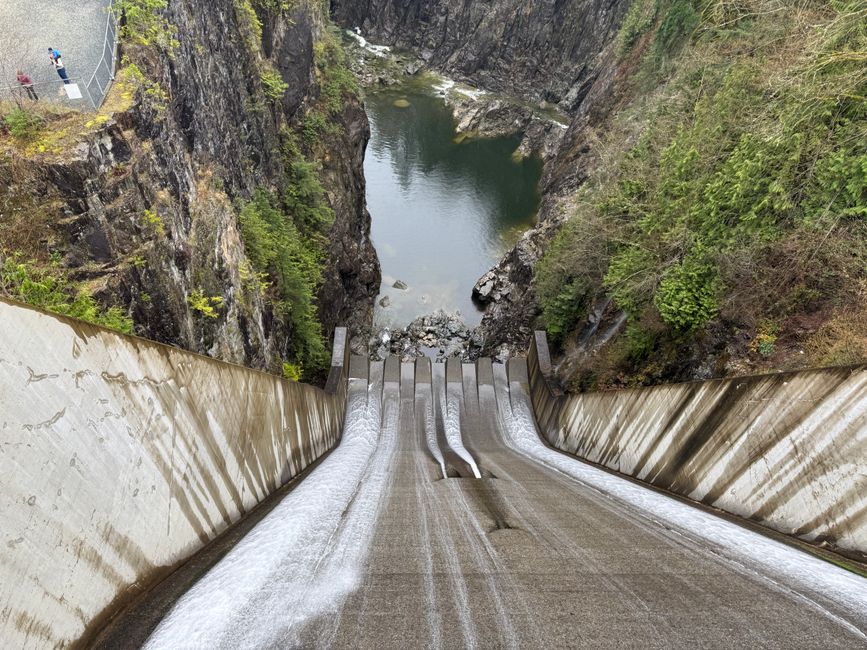
8. Salmon's Lifeline: Capilano River Hatchery
Capilano River Hatchery, North Vancouver, Canada
Witness the crucial efforts to save Pacific salmon at this hatchery, vital for sustaining both wildlife and the region's cultural heritage.
Below the Cleveland Dam, this facility plays a critical role in replenishing salmon populations in the Capilano River. Visitors can observe the various stages of salmon life, from tiny eggs to migrating smolts, and learn about the challenges these iconic fish face due to habitat loss and climate change. It's a tangible connection to the ecological health of British Columbia and a testament to ongoing conservation work.
Frequently asked questions
Why is Vancouver's public transit system considered safe?
Vancouver's public transit prioritizes safety through visible security presence (Transit Police, SkyTrain Attendants), extensive CCTV surveillance, well-lit stations, and a robust emergency communication system. These measures foster a secure environment for passengers at all times.
How reliable is Vancouver's public transit in bad weather?
Vancouver's public transit, particularly the SkyTrain, is highly reliable even in adverse weather conditions like snow or heavy rain. The SkyTrain operates on an elevated, automated system, largely unaffected by road congestion or icy conditions that might impact buses.
What payment methods are accepted on Vancouver's public transport?
Compass Cards are the primary payment method, offering discounted fares. You can also pay with contactless credit cards (Visa, Mastercard, American Express) or mobile payment apps directly at fare gates and on buses. Cash is accepted on buses for single fares.
How can AllTours.ai enhance my exploration of Vancouver?
AllTours.ai transforms your phone into an AI-powered audio tour guide. Simply point your camera at any landmark or landscape in Vancouver, and the app will narrate its unique history, geology, and culture in your language, revealing stories you'd otherwise miss.
Photography via Pexels. AllTours.ai is an AI audio tour guide — point your camera at any landscape and hear its story.