September 11, 2026 · 5 min read
Canada is a land woven from countless stories, many brought across oceans and borders by those seeking new beginnings. While much attention focuses on major cities and well-trodden paths, the nation's true narrative of arrival, struggle, and triumph is often etched into its lesser-known landscapes and quiet communities.
These places, far from the typical tourist routes, offer a profound glimpse into the experiences that have collectively shaped Canada. They are living testaments to resilience, cultural preservation, and the enduring human spirit, inviting a deeper understanding of the country's diverse identity.
1. The Island of Sorrows and Hope
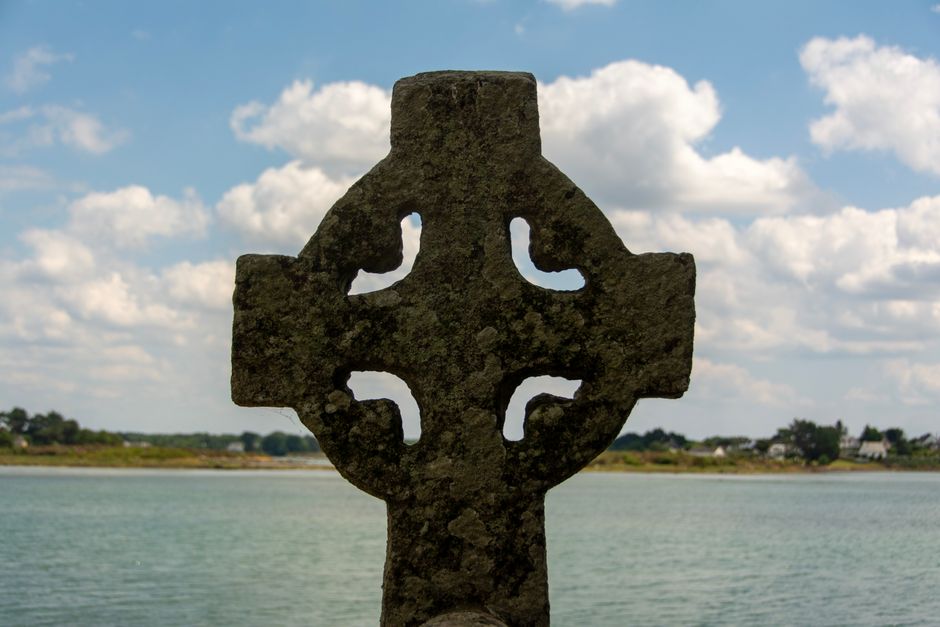
Grosse Île and the Irish Memorial National Historic Site, Quebec, Canada
During the 1847 Irish Famine migration, this island served as a quarantine station where thousands perished or were processed, making it a solemn gateway to Canada.
Grosse Île stands as a poignant reminder of Canada's early immigration challenges. As Irish famine refugees arrived, disease ravaged the crowded ships. The island became a quarantine station where medical staff and clergy often died alongside the immigrants. Today, a towering Celtic cross and individual memorials mark the graves of over 5,000 people, underscoring the immense human cost of early journeys and the compassion shown by those who tried to help.
2. A Prairie Homestead of Ukrainian Dreams
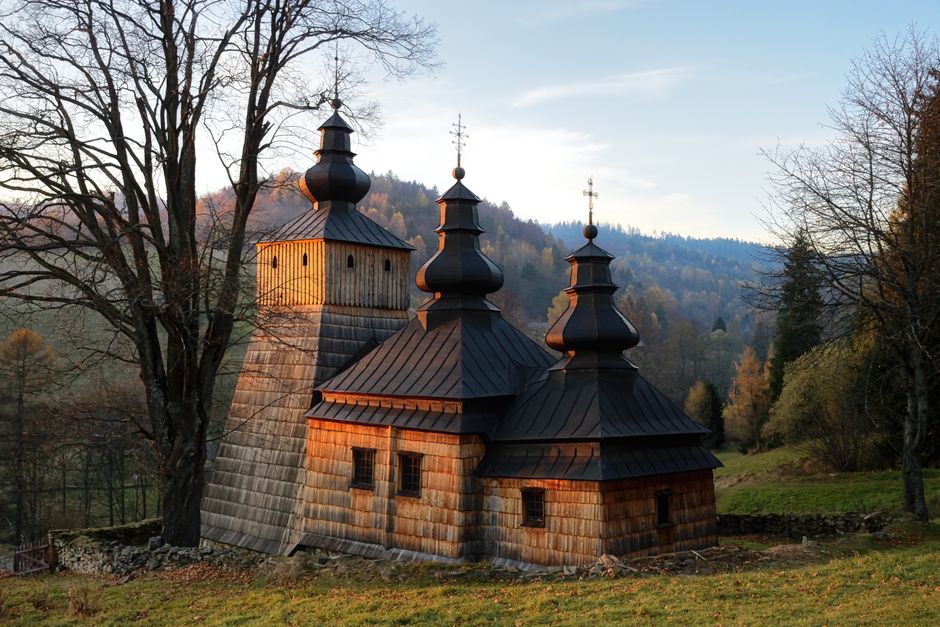
Ukrainian Cultural Heritage Village, Alberta, Canada
This living museum preserves the distinct architecture and traditions of early Ukrainian settlers, who transformed the Canadian prairies from the late 19th century.
East of Edmonton, the Ukrainian Cultural Heritage Village transports visitors back to the turn of the 20th century. Here, original buildings – including a sod house, an authentic pioneer church, and a blacksmith shop – were relocated and painstakingly restored. Costumed interpreters share stories of the hardships and triumphs of Ukrainian immigrants who arrived with little more than hope, cultivating the land and establishing vibrant communities that profoundly shaped Alberta's cultural landscape.
3. Echoes of the Fishing Fleet's Past
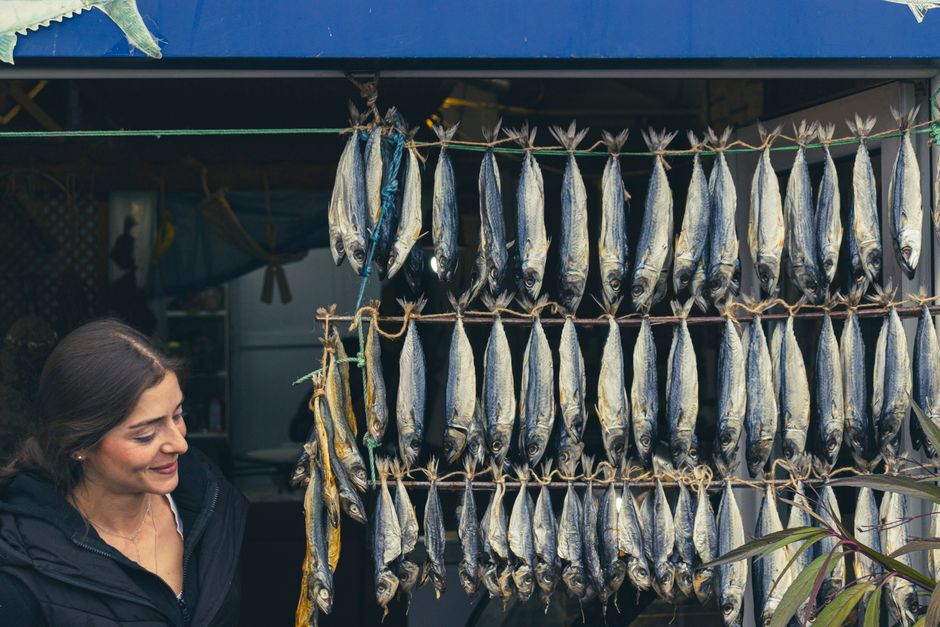
Steveston Village, Richmond, British Columbia, Canada
This picturesque fishing village once thrived thanks to a large Japanese Canadian community, whose lives were uprooted during WWII internment.
Steveston Village, at the mouth of the Fraser River, tells a layered story of industry and resilience. It was once home to a bustling Japanese Canadian fishing fleet and cannery workers, whose skills were central to the village's prosperity. However, following the attack on Pearl Harbor, over 1,200 Japanese Canadians from Steveston were forcibly removed and interned, their property confiscated. Today, the Steveston Museum and Japanese Fishermen's Benevolent Society building serve as powerful reminders of this unjust period and the community's eventual return and rebuilding.
4. A Community Erased, A Spirit Remembered
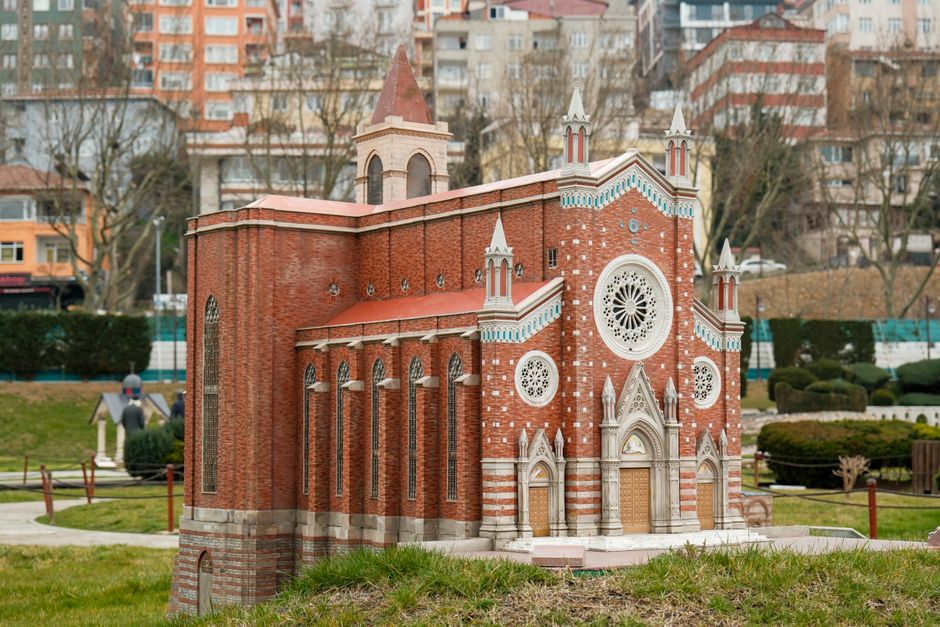
Africville Park, Halifax, Nova Scotia, Canada
Once a thriving Black community, Africville was controversially demolished in the 1960s, a stark example of urban renewal's impact on marginalized populations.
On the shores of Bedford Basin, Africville was a tight-knit community founded by Black Loyalists and refugees, a beacon of self-sufficiency despite facing systemic racism and neglect from the city of Halifax. Its residents built homes, a church, and businesses. In the 1960s, under the guise of urban renewal, the entire community was razed, scattering its residents. Today, Africville Park stands as a National Historic Site, with a replica church and interpretive panels dedicated to remembering the community's vibrant past and acknowledging the injustice it suffered.
5. The Unsung Struggle at Coal Harbour
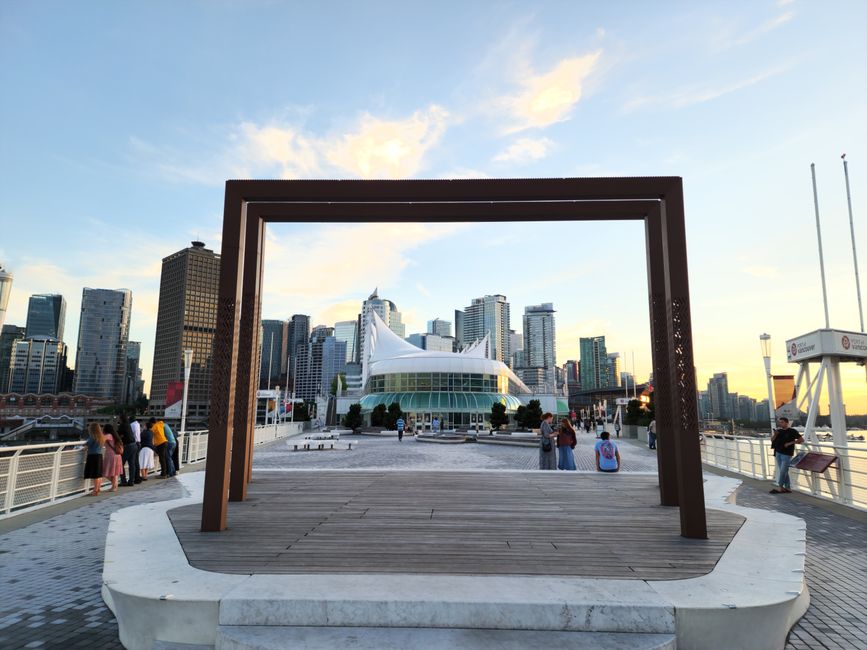
Komagata Maru Memorial, Vancouver, British Columbia, Canada
This memorial commemorates a pivotal 1914 event where over 350 South Asian immigrants were denied entry to Canada, highlighting early discriminatory immigration policies.
Overlooking Vancouver's Burrard Inlet, the Komagata Maru Memorial tells a story of perseverance against prejudice. In 1914, the steamship Komagata Maru arrived carrying 376 passengers, mostly Sikh, Muslim, and Hindu immigrants from British India, who were denied entry under Canada's discriminatory 'continuous journey' regulation. They remained stranded in the harbour for two months before being forced to return. The memorial, a striking granite and glass installation, ensures this dark chapter of Canadian history is not forgotten, symbolizing the ongoing struggle for equitable immigration.
6. Freedom's Last Stop on the Underground Railroad
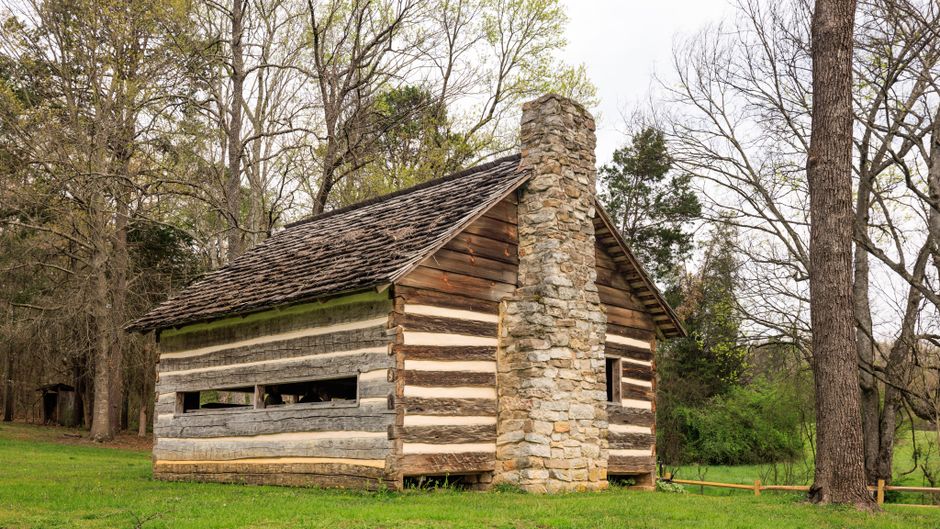
Uncle Tom's Cabin Historic Site, Dresden, Ontario, Canada
This site preserves the legacy of Josiah Henson, an escaped slave whose life inspired Harriet Beecher Stowe's 'Uncle Tom's Cabin,' and the community of Black refugees he helped establish.
In rural southwestern Ontario, the Uncle Tom's Cabin Historic Site offers a profound look into a different kind of immigration: the arrival of freedom-seekers via the Underground Railroad. Josiah Henson, a formerly enslaved man, settled here in the 1830s and helped establish the Dawn Settlement, a thriving community for Black refugees from the United States. Visitors can explore his cabin, the Fugitive's Chapel, and the Black Schoolhouse, learning about the courage and determination of those who risked everything for liberty and built new lives on Canadian soil.
7. The Klondike's Global Melting Pot
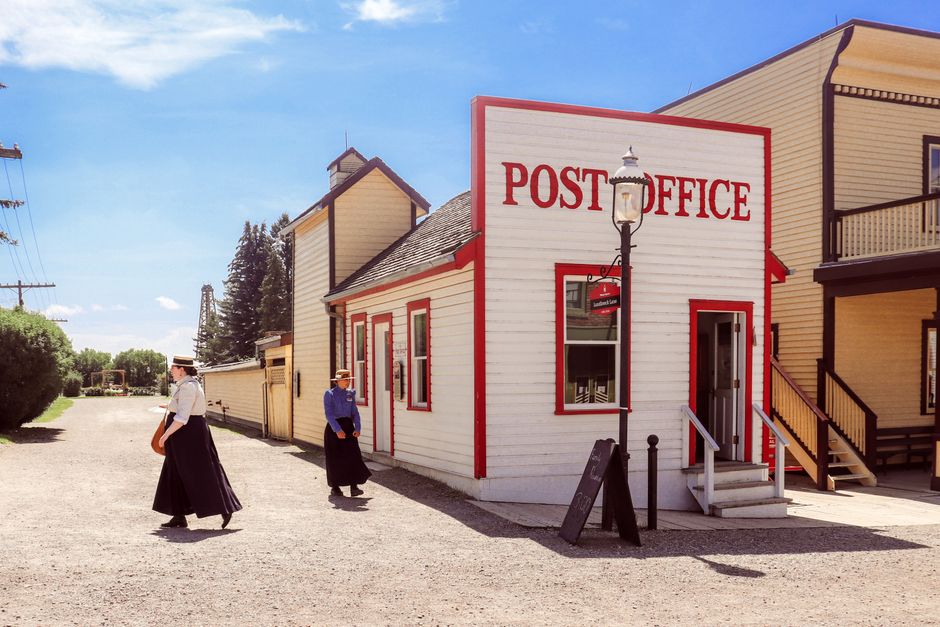
Dawson City, Yukon, Canada
Once the bustling heart of the Klondike Gold Rush, Dawson City attracted a diverse wave of 'immigrants' from around the world, transforming a remote wilderness into a vibrant boomtown.
Far north in the Yukon, Dawson City's preserved frontier streetscape belies its dramatic past as a global magnet. From 1896 onwards, tens of thousands of prospectors, entrepreneurs, and adventurers – effectively economic immigrants – poured into this remote corner of Canada. They came from every continent, bringing diverse languages, skills, and cultures, all united by the hope of striking it rich. The town’s saloons, theatres, and makeshift homes sprang up almost overnight, creating a unique, temporary society that reflects the powerful draw of opportunity and the rapid formation of new communities.
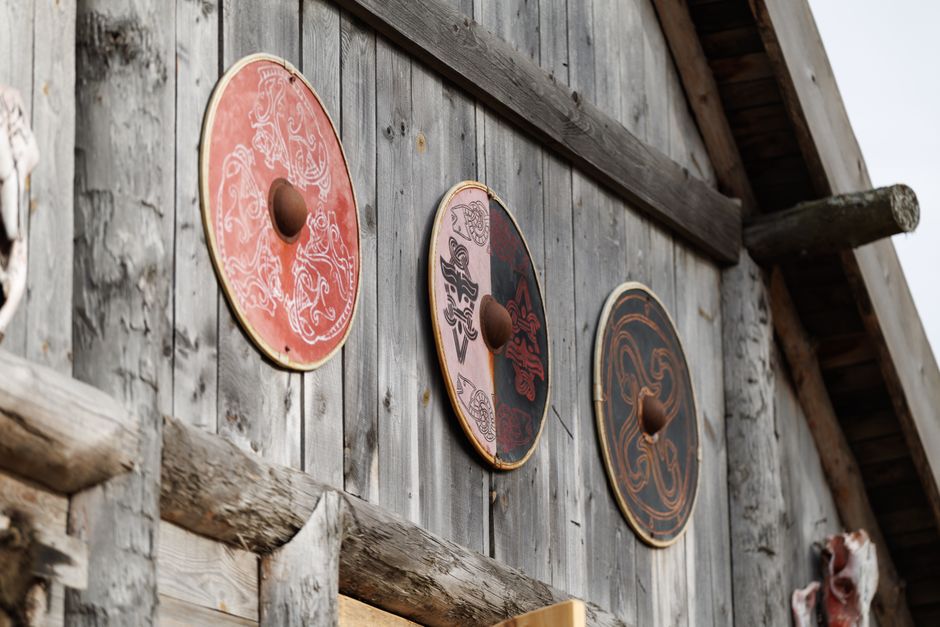
8. Where Vikings First Touched North American Soil
L’Anse aux Meadows National Historic Site, Newfoundland and Labrador, Canada
Long before Columbus, this remote Newfoundland site was home to the first known European settlement in North America, established by Norse Vikings around 1000 CE.
At the very northern tip of Newfoundland lies L'Anse aux Meadows, a UNESCO World Heritage Site that rewrites the history of North American arrival. Here, archaeological evidence confirms that Norse explorers, led by Leif Erikson, built a temporary settlement of timber-framed turf buildings a millennium ago. This discovery proves the Vikings were the continent's first non-Indigenous immigrants, long predating later European arrivals. The reconstructed longhouses and artifacts offer a tangible link to these audacious voyagers who briefly settled, explored, and interacted with the land, representing the earliest known 'shaping' of North America by external cultures.
Frequently asked questions
What historical sites in Canada highlight diverse immigrant experiences?
Canada is rich with sites that tell immigrant stories, from Grosse Île, a quarantine station for Irish Famine refugees, to the Ukrainian Cultural Heritage Village preserving pioneer life, and Africville Park, a memorial to a historic Black community. These places offer direct insights into the challenges and contributions of various groups.
How did early immigration shape Canada's cultural landscape?
Early immigration profoundly shaped Canada by introducing diverse languages, religions, traditions, and economic practices. Places like Steveston Village, built by Japanese Canadian fishers, or the settlements established by Black refugees in Ontario, demonstrate how newcomers built communities and industries, contributing significantly to the nation's unique multicultural identity.
What role do immigration consultants play in shaping immigrants' experiences in Canada?
Immigration consultants can play a significant role by providing advice, preparing applications, and representing clients through the complex immigration process. For many, they are crucial guides, helping navigate legal requirements and increasing chances of successful settlement. However, the industry also faces challenges, with some consultants providing misleading information or charging excessive fees, which can lead to negative experiences and feelings of being scammed for vulnerable individuals.
How can AllTours.ai enhance my understanding of Canada's hidden histories?
AllTours.ai brings these lesser-known stories to life by providing AI-powered audio tours. Simply point your phone camera at a landmark or landscape, and the app will narrate its history, geology, and culture in your language, offering deep, contextual insights into the places that have shaped Canada's immigrant legacy and beyond.
Photography via Pexels. AllTours.ai is an AI audio tour guide — point your camera at any landscape and hear its story.