July 10, 2026 · 4 min read
Saudi Arabia's Red Sea coast is rapidly emerging as a premier destination, but beyond the well-trodden paths lie countless untold stories. This isn't just a stretch of pristine beaches and dive sites; it's a living tapestry woven with ancient history, astounding geology, and unique cultural narratives waiting to be discovered.
For the first-time visitor, understanding what makes this region truly special means looking beyond the surface. We've curated a guide to underrated, lesser-known spots that promise to spark your curiosity and reveal the Red Sea's deeper, more surprising character.
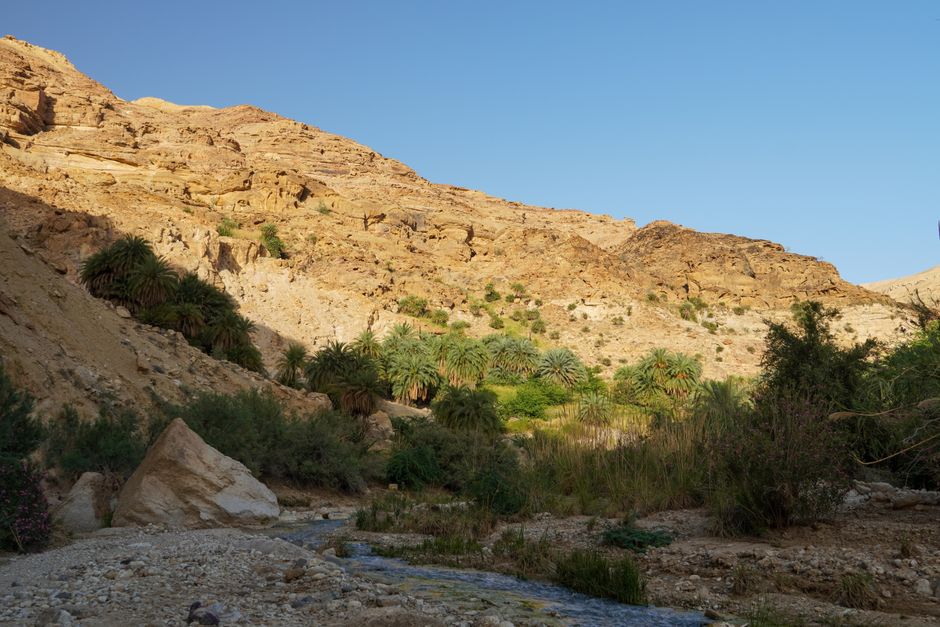
1. The Valley of Moses' Footsteps
Wadi Tayyib Al-Ism, Tabuk Province, Saudi Arabia
Local lore suggests this dramatic canyon is where Moses led the Israelites after crossing the Red Sea.
This colossal valley carves through sandstone mountains, opening directly onto the Gulf of Aqaba. Towering granite cliffs rise hundreds of meters, creating a breathtaking natural corridor. While modern archaeology debates the exact biblical route, the sheer scale and profound silence of Wadi Tayyib Al-Ism lend an undeniable spiritual aura, inviting reflection on ancient journeys.
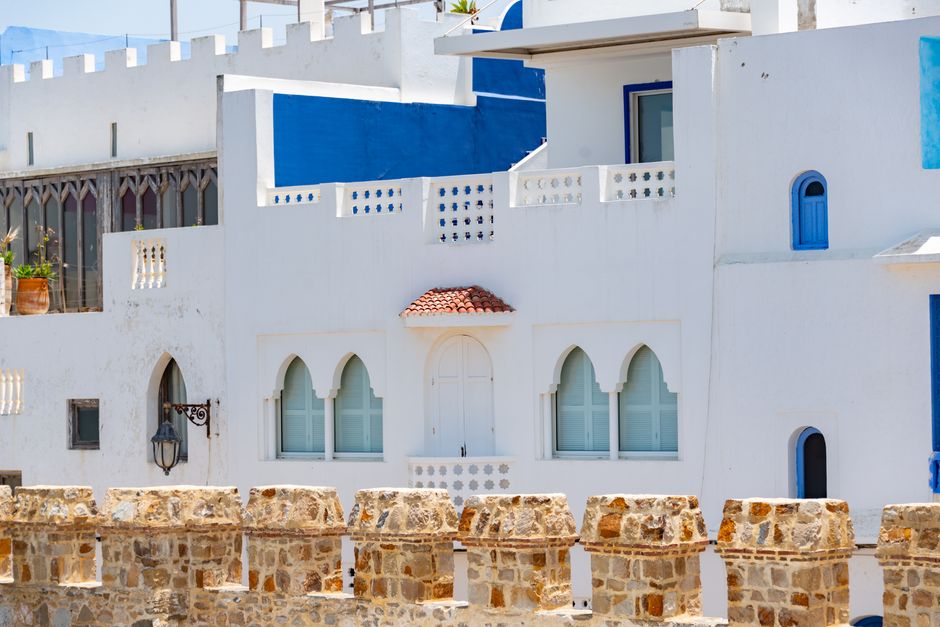
2. Coral Houses of Ancient Rome
Al-Qassar Village, Farasan Islands, Saudi Arabia
This remote village boasts historic homes constructed entirely from fossilized coral, some with inscriptions hinting at Roman presence.
On Farasan Island, Al-Qassar is a testament to resourceful architecture. Its well-preserved houses, some dating back centuries, are crafted from coral blocks harvested from the surrounding reefs. Beyond their unique construction, archaeological finds and Latin inscriptions suggest a Roman military outpost once thrived here, connecting this isolated Red Sea archipelago to the vast Roman Empire.
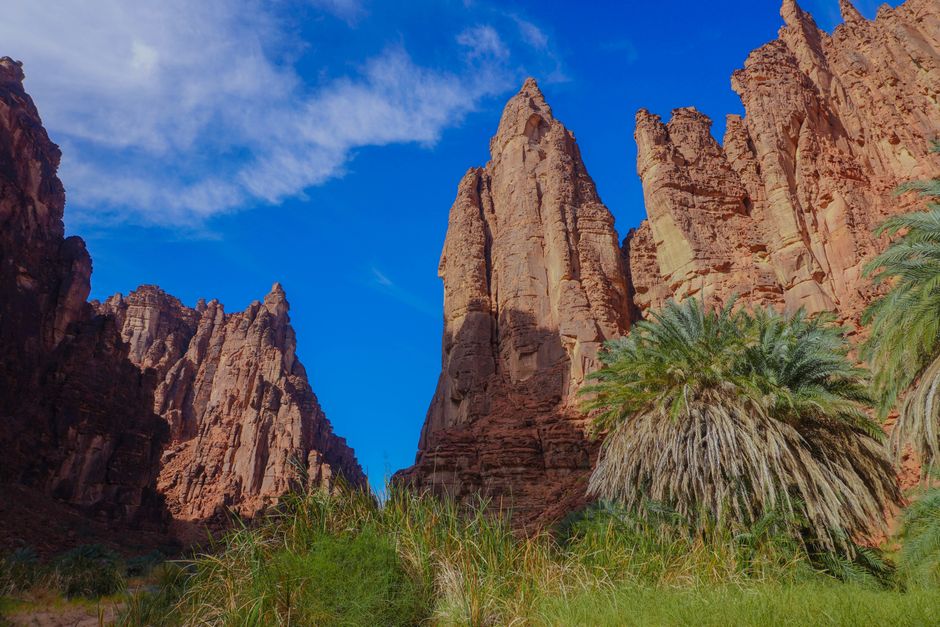
3. Desert Canyons & Nabataean Secrets
Al Disah Valley, Tabuk Province, Saudi Arabia
Hidden within a vast sandstone canyon, ancient Nabataean rock carvings and tombs are etched into towering cliffs.
Al Disah, meaning "valley of palm trees," is a dramatic oasis where lush oases thrive amidst colossal sandstone pillars. Beyond its striking geology, the valley served as a crucial trade route for the Nabataeans, who left behind intricate rock-cut tombs, wells, and inscriptions. Exploring its hidden nooks reveals a vibrant ancient civilization that once commanded the desert.
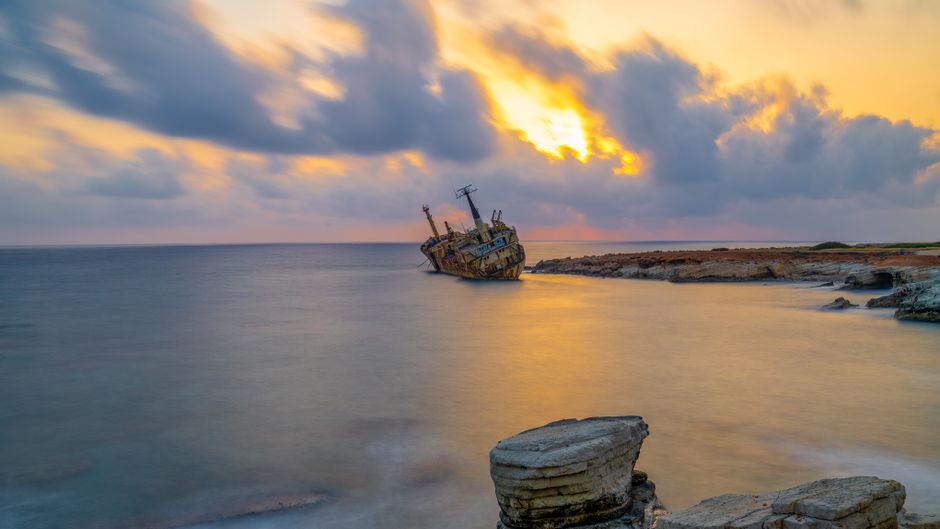
4. The 'Saudi Titanic' Shipwreck
Haql, Tabuk Province, Saudi Arabia
Just offshore from Haql, the eerily preserved wreck of the Georgios G lies partially submerged, a haunting reminder of a failed voyage.
Nicknamed the 'Saudi Titanic', the cargo ship Georgios G ran aground in 1978 and remains strikingly intact, its bow jutting from the turquoise waters. Visible from the shore, this accidental monument has become a unique landmark. Its skeletal remains are now a vibrant artificial reef, attracting divers and snorkelers to explore its barnacle-encrusted decks and the marine life thriving within.
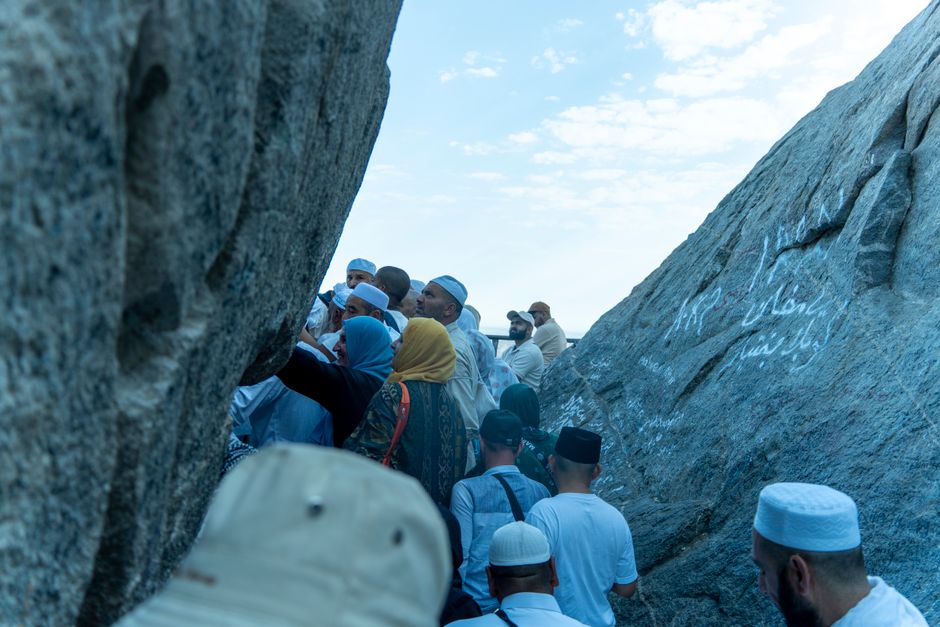
5. Snow in the Arabian Desert
Jabal Al-Lawz, Tabuk Province, Saudi Arabia
This mountain is one of the few places in Saudi Arabia that regularly sees snowfall, transforming its arid landscape into a winter wonderland.
Jabal Al-Lawz, meaning "Almond Mountain," stands as the highest peak in the Tabuk region. While the Red Sea coast basks in warmth, winter brings surprising snowfall to its summit, an extraordinary sight in the desert kingdom. Beyond this rare meteorological event, the mountain and surrounding areas feature ancient petroglyphs and are considered by some to be a candidate for the biblical Mount Sinai.
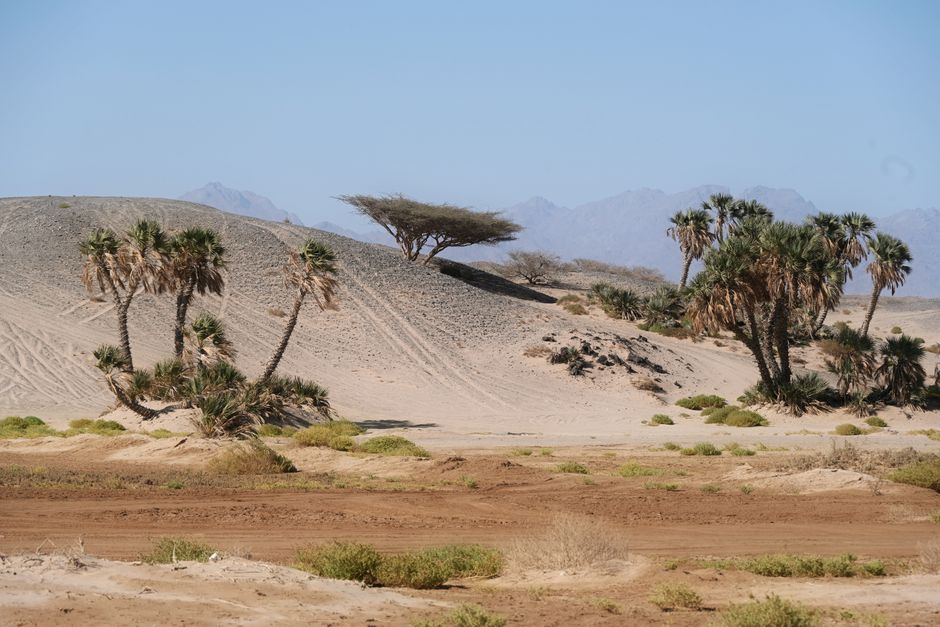
6. Volcanic Islands and Dugong Sanctuaries
Duqm Island (near Umluj), Tabuk Province, Saudi Arabia
Offshore from Umluj, pristine volcanic islands like Duqm are havens for rare marine life, including dugongs and nesting sea turtles.
The waters around Umluj are dotted with dozens of untouched islands, many of volcanic origin, ringed by vibrant coral reefs. Duqm Island, among others, offers exceptional snorkeling and diving opportunities in waters so clear they reveal healthy coral gardens and diverse fish. These islands are crucial nesting grounds for sea turtles and part of a protected area for the endangered dugong, often mistaken for mermaids.
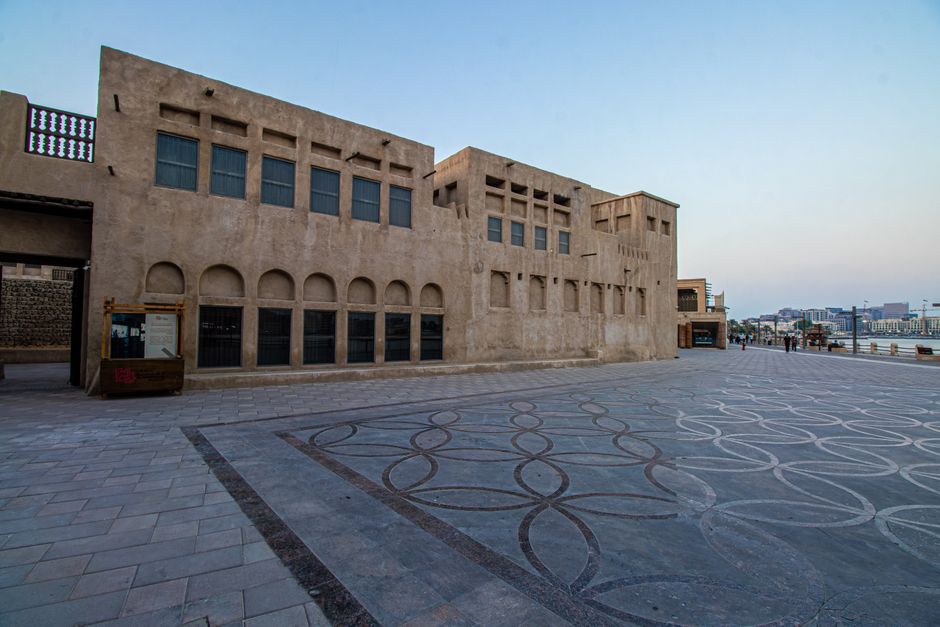
7. Fading Grandeur of an Ottoman Port
Al-Wajh Old Town, Tabuk Province, Saudi Arabia
This historic port town retains a charming maze of Ottoman-era buildings, offering a glimpse into its past as a vital Red Sea trade hub.
Al-Wajh was once a bustling port connecting the Arabian Peninsula to Egypt and beyond, marked by its distinctive Ottoman architecture. Wander through its narrow streets to discover coral-stone houses with intricate wooden balconies, many now crumbling but still exuding a melancholic beauty. The old fort, standing guard over the harbor, whispers tales of pirates, pilgrims, and pearl traders who once passed through its gates.
Frequently asked questions
Is Saudi Arabia safe for first-time visitors?
Saudi Arabia is generally very safe for tourists. The government has made significant efforts to open up to tourism, and crime rates are low. However, it's always wise to exercise standard travel precautions and stay informed about local customs.
What is the dress code for tourists in Saudi Arabia?
While not strictly enforced for tourists as it once was, modest dress is still recommended out of respect for local culture. Women should aim to cover shoulders and knees, and loose-fitting clothing is preferred. A headscarf is not generally required for women in public unless visiting a mosque.
Do I need a visa to visit Saudi Arabia's Red Sea?
Most international visitors require an e-Visa or a Visa on Arrival. The process is straightforward for many nationalities. Check the official Saudi Tourism website well in advance of your trip to confirm specific requirements for your country.
How can AllTours.ai enhance my visit to the Red Sea?
AllTours.ai transforms your phone into an AI-powered audio tour guide. Simply point your camera at any landmark, landscape, or even an intriguing rock formation along the Red Sea, and the app will instantly narrate its unique history, geology, and cultural significance in your preferred language, revealing stories you might otherwise miss.
Photography via Pexels. AllTours.ai is an AI audio tour guide — point your camera at any landscape and hear its story.