July 27, 2026 · 4 min read
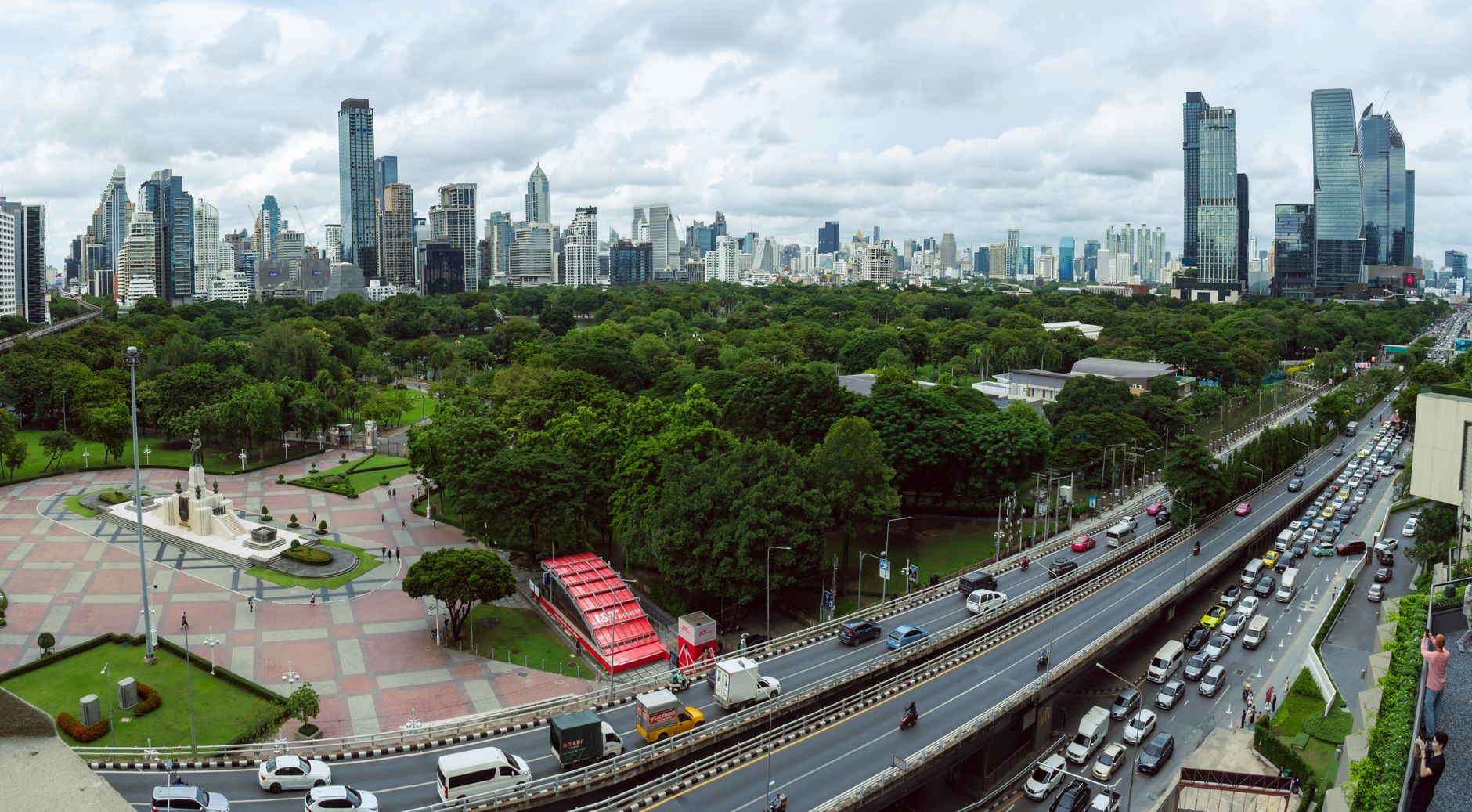
Bangkok is a city that pulses with an energy all its own, renowned for its glittering temples, bustling markets, and vibrant street life. Yet, beneath the surface of its well-trodden paths lies a Bangkok rarely seen by casual visitors—a city rich with unexpected histories, peculiar geological formations, and profound cultural narratives.
If you're wondering what to keep in mind when visiting Bangkok to truly experience its depth, look beyond the postcards. This guide invites you to explore the city's lesser-known corners, each holding a unique story that reveals the true heart of Thailand's capital.
1. Lhong 1919: Echoes of River Trade
Khlong San, Bangkok, Thailand
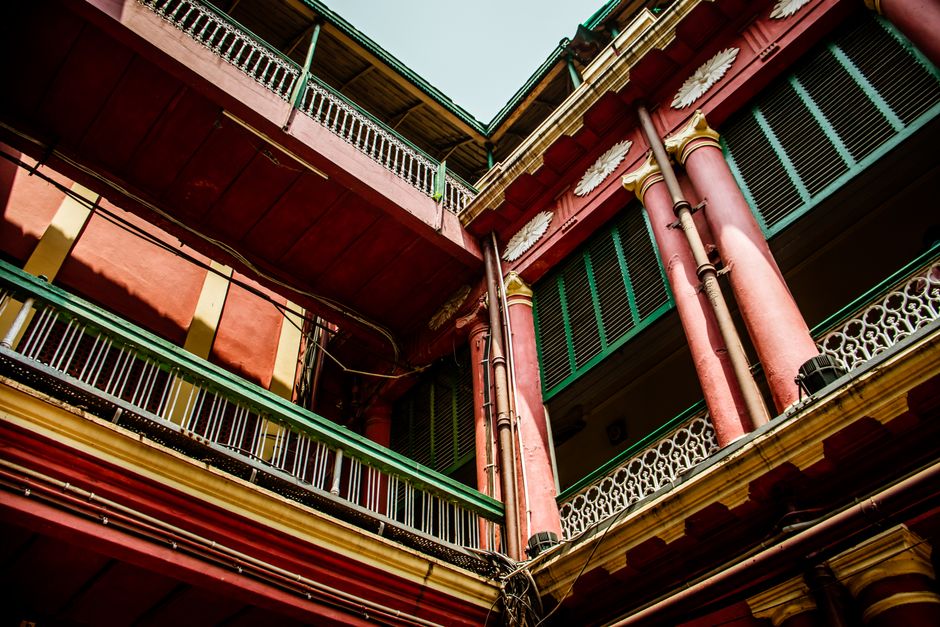
This beautifully restored compound was once a thriving Chinese trading port, predating many of Bangkok's modern landmarks.
Built in 1869, Lhong 1919 served as a bustling wharf and warehouse for Chinese merchant ships. Beyond its stunning architecture and Mazu shrine, the complex offers a tangible link to Bangkok's multicultural past, where goods and cultures converged along the Chao Phraya River. Today, it's a vibrant cultural space, but its walls whisper tales of the city's early global connections.
2. Wat Prayoon: The Turtle Mountain Temple
Thon Buri, Bangkok, Thailand
Tucked away on the Thon Buri side of the river, this temple features a unique miniature mountain made of coral fragments, home to hundreds of turtles.
Wat Prayurawongsawat Worawihan, or Wat Prayoon, is renowned for its iconic white chedi and, more surprisingly, its Khao Mo (rock garden). This artificial mountain, constructed from coral collected from the sea, became a sanctuary for turtles released by locals, symbolizing merit-making. It's a peaceful, quirky corner offering a glimpse into traditional Thai beliefs and a unique architectural feature.

3. Bang Krachao: Bangkok's Green Lung
Phra Pradaeng, Samut Prakan, Thailand
This verdant, artificial island formed by a loop in the Chao Phraya River offers an unexpected escape into nature, just minutes from the city's hustle.
Often called "Bangkok's Green Lung," Bang Krachao is a protected area of lush mangroves, elevated walkways, and quiet villages. Despite being physically separated from Bangkok by the river, it feels like a different world entirely. Its unique geography, created by the river's meandering course, has allowed it to retain a rural character, a stark contrast to the surrounding urban sprawl.
4. Baan Silapin (Artist's House): Puppetry on the Canal
Khlong Bang Luang, Thon Buri, Bangkok, Thailand
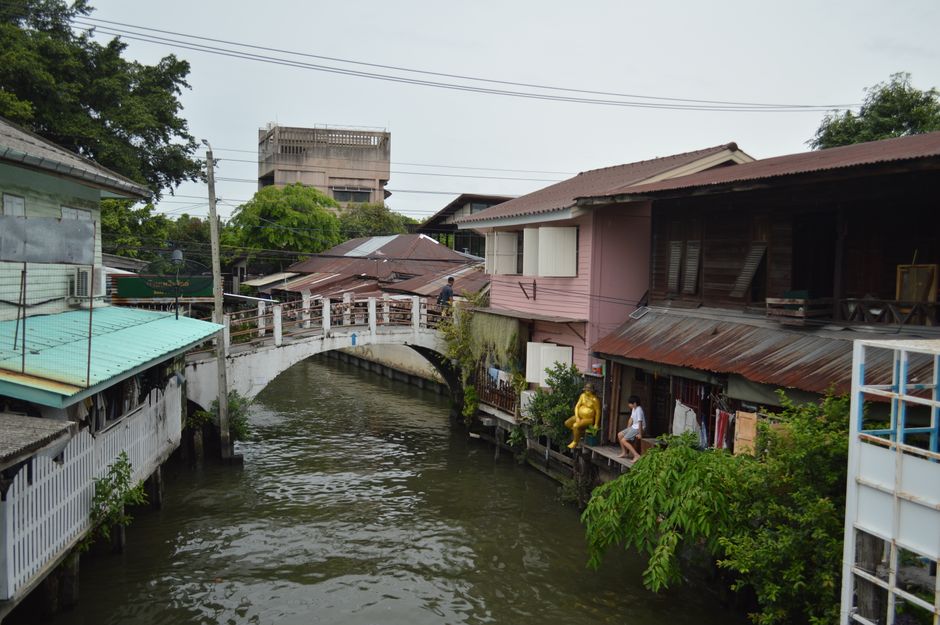
Discover one of Bangkok's last traditional Khon mask puppet theaters in a charming, centuries-old wooden house nestled along a historic canal.
Baan Silapin, or the Artist's House, is a rare glimpse into traditional Thai riverside life and art. This 200-year-old wooden house on Khlong Bang Luang hosts daily performances of intricate Khon mask puppetry, an art form typically reserved for royal courts. It's a living museum where ancient traditions are kept alive, surrounded by local artisans and the slow rhythm of canal boats.
5. Talad Noi: Living History in an Old Quarter
Samphanthawong, Bangkok, Thailand
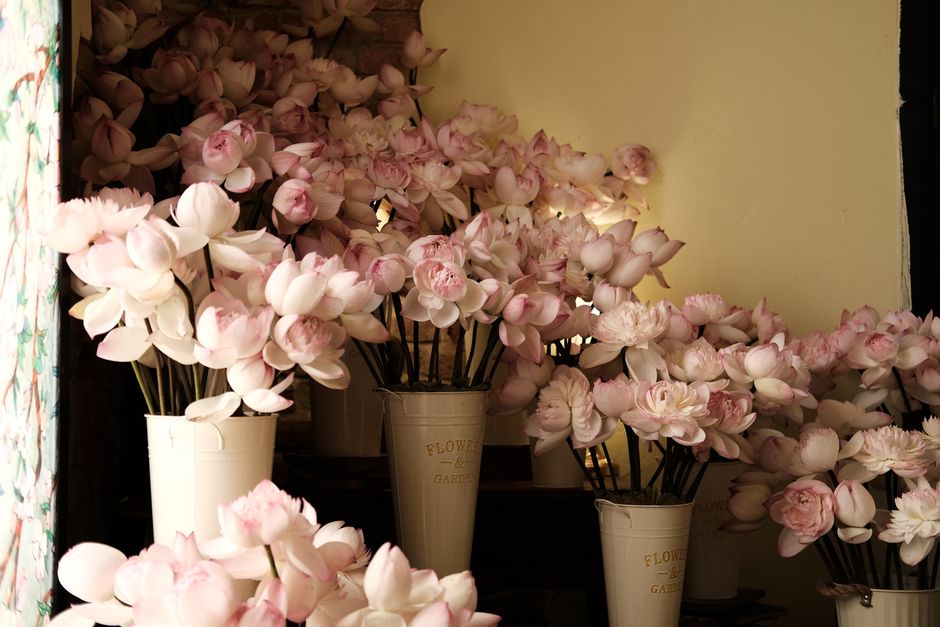
Wander through one of Bangkok's oldest Chinese-Thai neighborhoods, where vintage cars rust gracefully amidst vibrant street art and traditional workshops.
Talad Noi ("Little Market") is a treasure trove of layered history. This historic community, nestled beside the Chao Phraya, was once a bustling trading hub. Today, its narrow alleys reveal hidden shrines, ironworks, and mechanic shops where vintage car parts are salvaged and repurposed. The area's blend of crumbling colonial architecture, vibrant street art, and enduring traditional crafts tells a unique story of urban evolution.
6. Phra Sumen Fort: Guardians of the Old City
Phra Nakhon, Bangkok, Thailand
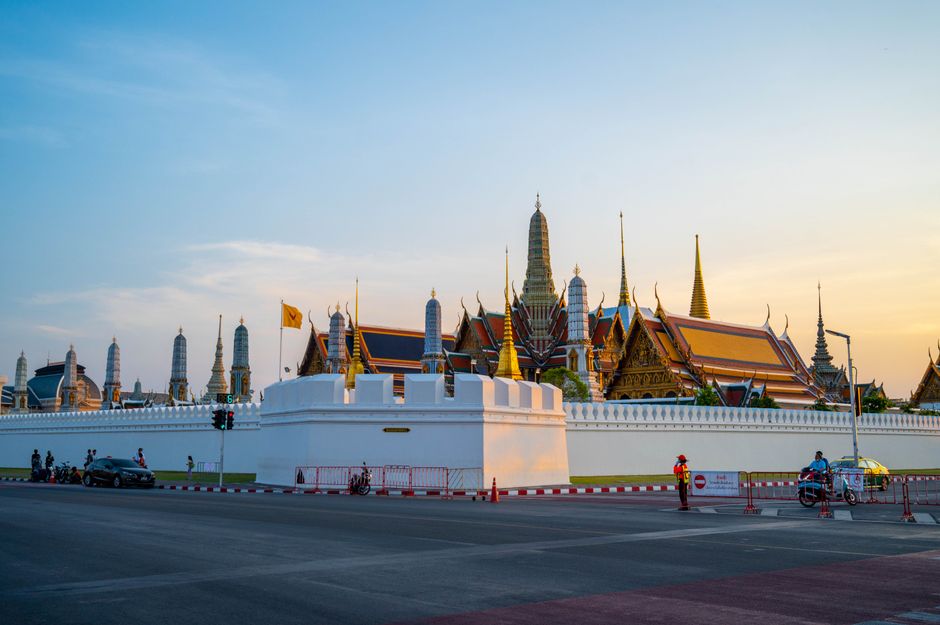
Stand before one of only two remaining fortresses from Bangkok's original 18th-century city defenses, a silent sentinel of a bygone era.
Built in 1783 during the reign of King Rama I, Phra Sumen Fort was part of a network of 14 fortifications protecting the newly established capital. While most have vanished, this impressive white fort, along with Mahakan Fort, offers a tangible connection to the city's strategic past. It stands as a reminder of the elaborate defenses once necessary to safeguard Bangkok from potential invaders.
7. Museum Siam: Decoding Thainess
Phra Nakhon, Bangkok, Thailand
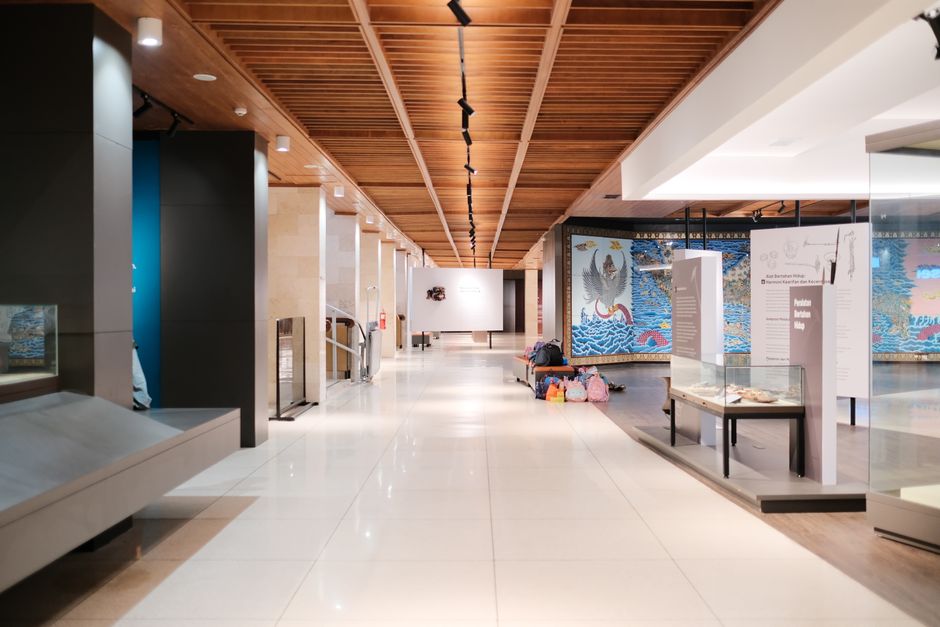
Housed in a beautifully renovated neoclassical building, this interactive museum challenges visitors to explore and question the very concept of "Thainess."
Museum Siam is not a typical historical museum. Rather than simply presenting facts, it encourages a playful and critical examination of Thai identity, history, and culture through engaging exhibits. From ancient origins to modern influences, it prompts reflection on what it means to be Thai, making it a thought-provoking experience beyond traditional displays of artifacts.
8. Masjid Java (Java Mosque): A Seafaring Legacy
Sathorn, Bangkok, Thailand
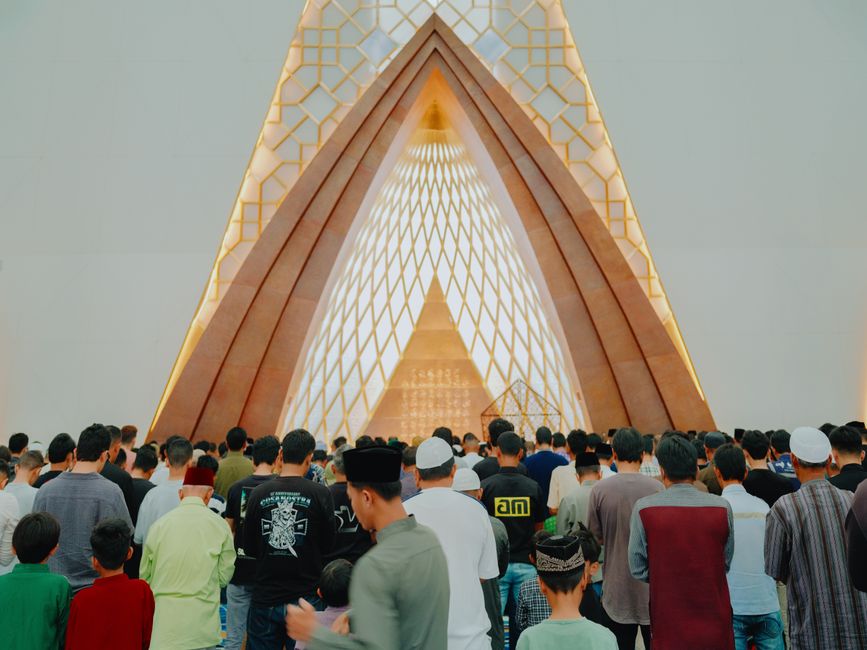
Discover a hidden mosque built by 19th-century Javanese spice traders, a testament to Bangkok's long-standing multicultural maritime connections.
Masjid Java, or Java Mosque, stands as a quiet monument to the Javanese Muslim community that settled in Bangkok during the King Rama V era. These traders arrived via maritime routes, contributing to the city's diverse fabric. The mosque, with its unique architectural blend, reflects their heritage and enduring presence, offering a glimpse into a lesser-known chapter of Bangkok's rich cultural tapestry.
Frequently asked questions
Is Bangkok safe for solo female travelers?
Generally, yes. Bangkok is a popular destination for solo travelers, including women. Exercise common sense safety precautions like being aware of your surroundings, especially at night, and using reputable transportation.
What is the best way to get around Bangkok?
Bangkok offers diverse transport. The BTS Skytrain and MRT subway are efficient for long distances. For shorter trips or local experiences, tuk-tuks and motorcycle taxis are common, but negotiate fares beforehand. Ride-hailing apps like Grab are also widely used.
Do I need to speak Thai to visit Bangkok?
While learning a few basic Thai phrases is always appreciated, it's not strictly necessary. English is widely spoken in tourist areas, hotels, and major attractions. However, knowing basic greetings and 'thank you' can enhance your interactions with locals.
How can AllTours.ai help me explore Bangkok's hidden gems?
AllTours.ai transforms your phone into an AI audio tour guide. Simply point your camera at a landmark, a street, or a landscape, and the app will narrate its fascinating history, geology, and culture in your language, revealing the stories behind even the most overlooked spots.
Photography via Pexels. AllTours.ai is an AI audio tour guide — point your camera at any landscape and hear its story.