July 12, 2026 · 4 min read
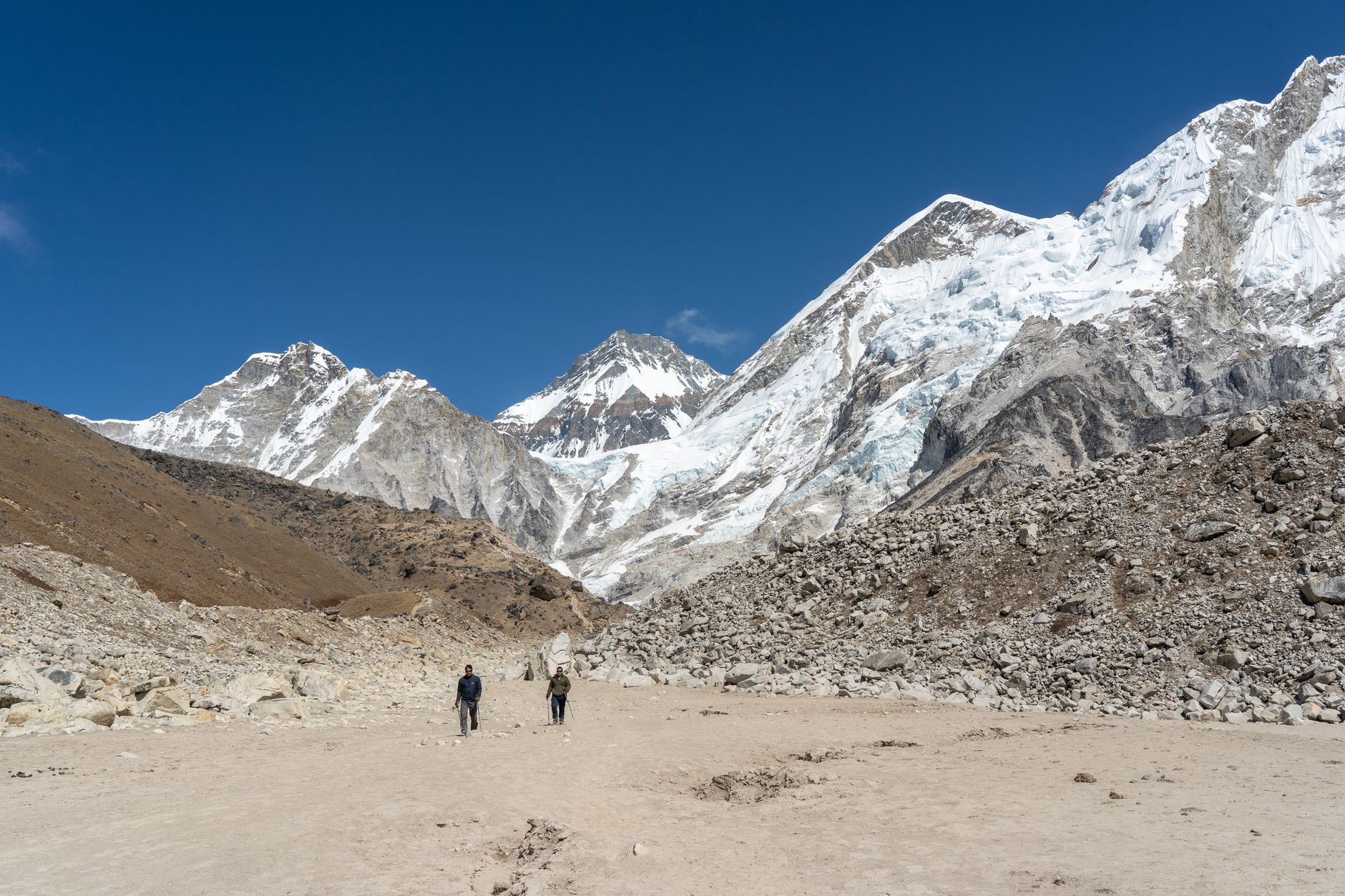
Nepal trekking is synonymous with the Annapurna and Everest regions, iconic trails that draw thousands to their legendary peaks. But after weeks spent navigating its diverse landscapes, what surprised you the most after trekking in Nepal isn't always found on the well-trodden paths.
Beyond the famous summits lie pockets of untouched culture, geological marvels, and spiritual sanctuaries that offer a radically different perspective. These are the places that truly reveal Nepal's depth—underrated spots where ancient stories are whispered by the wind, not shouted by tourist crowds.
1. The Valley Where Time Stood Still
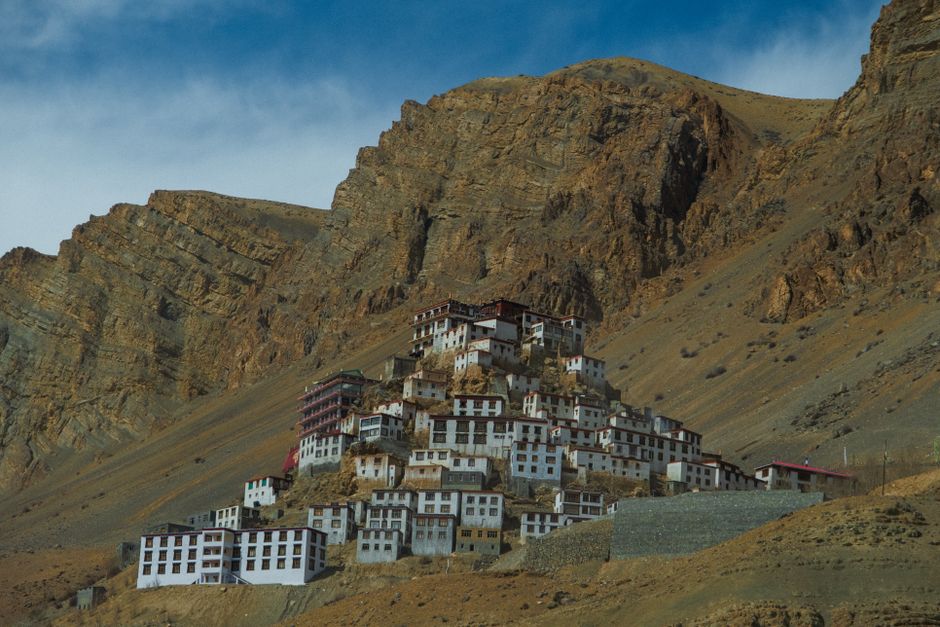
Mu Gompa, Tsum Valley, Nepal
A secluded Himalayan valley where ancient Buddhist traditions thrive, untouched by modern time.
Trekking into Tsum Valley feels like stepping into a forgotten era. The most striking surprise is Mu Gompa, one of the highest and oldest monasteries in the region. Its isolation has preserved priceless thangkas, ancient murals, and sacred texts for centuries, offering an unfiltered glimpse into a vibrant, living Tibetan Buddhist culture rarely seen elsewhere.
2. Nepal's Spiritual Wilderness
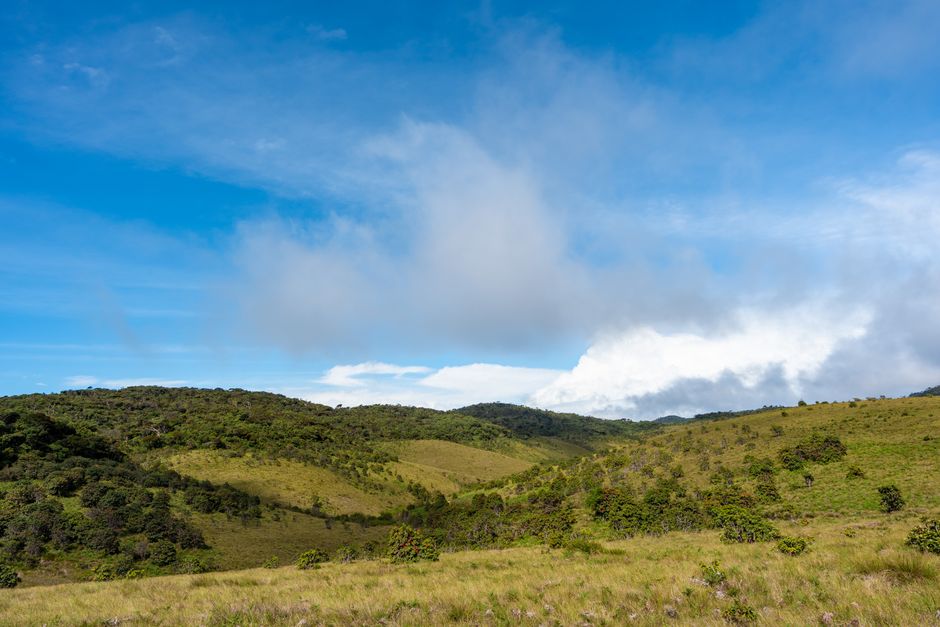
Khaptad National Park, Nepal
A unique national park in far-western Nepal, revered as a spiritual sanctuary where a famous sage meditated for decades.
Most trekkers head east, but Khaptad National Park in Nepal's remote far-west holds a profound surprise. It’s not just its diverse ecosystem of sub-alpine grasslands and dense forests; it's the spiritual legacy of Khaptad Baba, an ascetic who meditated here for 50 years. His presence imbues the entire park with an almost palpable sense of peace, attracting pilgrims seeking solace amidst its unique biodiversity.
3. The Sky Cave Enigma
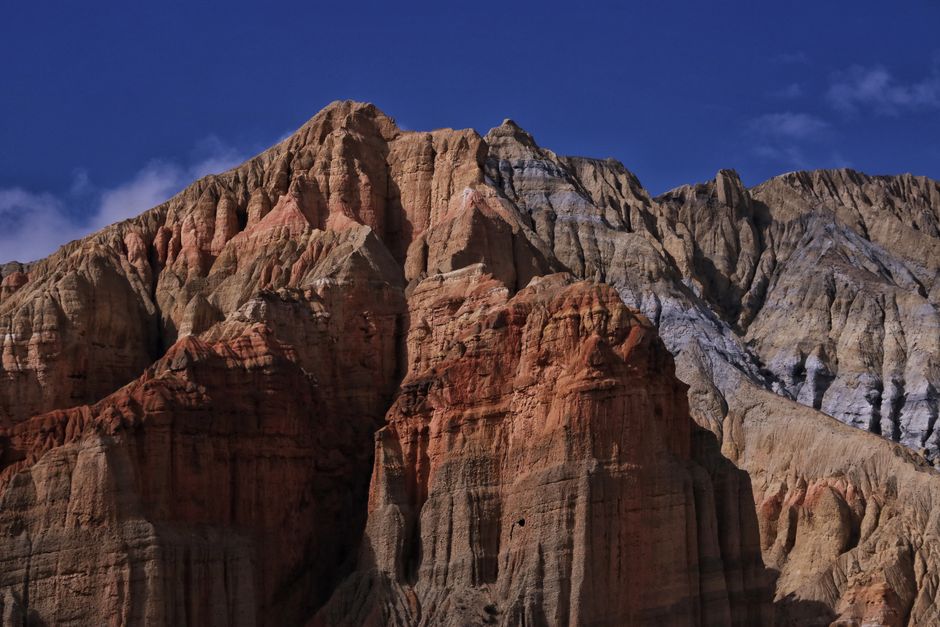
Lo Manthang, Upper Mustang, Nepal
A "forbidden kingdom" in Nepal's rain shadow where a king still holds cultural sway and ancient cave dwellings dot the cliffs.
Upper Mustang, a former kingdom sharing cultural ties with Tibet, offers a stark, wind-sculpted landscape that hides a profound secret: thousands of ancient sky caves carved into sheer cliff faces. What surprised most trekkers is the sheer number and mystery of these multi-story dwellings, some dating back thousands of years. Their original purpose—burial sites, homes, or monasteries—remains a subject of intense archaeological debate and local lore.
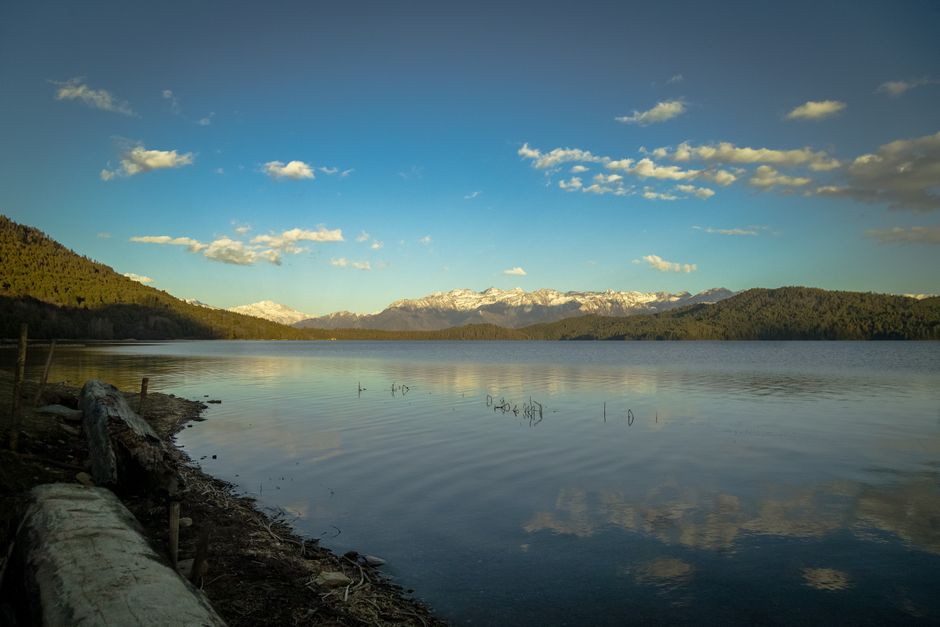
4. The Lake of Shifting Colors
Rara Lake National Park, Nepal
Nepal's largest lake, a pristine blue gem hidden in the remote far-west, where the surrounding forest shifts colors dramatically with the seasons.
Reaching Rara Lake, Nepal's largest lake, after a challenging trek is a reward in itself. The biggest surprise is the lake's mesmerizing ability to change color, often multiple times a day. From a deep sky-blue to emerald green or even purple, these shifts are influenced by the sunlight, cloud cover, and the unique mineral composition of its deep waters, making every glance a new discovery.
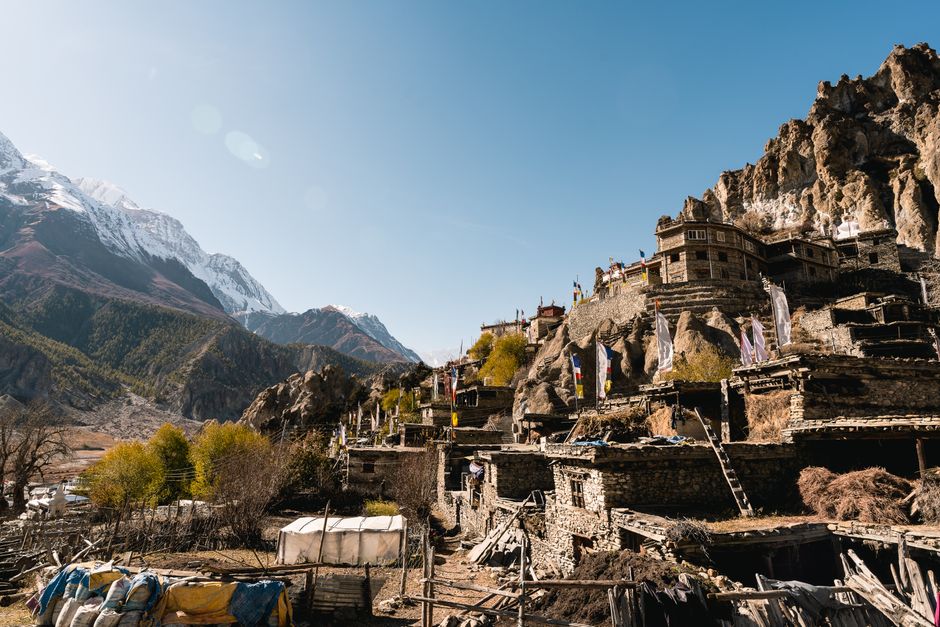
5. Ancient Paths Above Annapurna
Ghyaru Village, Manang Valley, Nepal
Ancient villages perched high above the main Annapurna trail, offering views and traditions far older than modern trekking routes.
While many trekkers follow the main Annapurna Circuit path, the true surprise comes from diverting to villages like Ghyaru, perched precariously high on the mountainside. These traditional Manangi settlements, with their stone houses and narrow alleys, have remained largely unchanged for centuries. The views of Annapurna II and IV are unparalleled, but it's the sense of stepping into a pre-Tibetan Buddhist culture, preserved in its ancient architecture and way of life, that truly captivates.
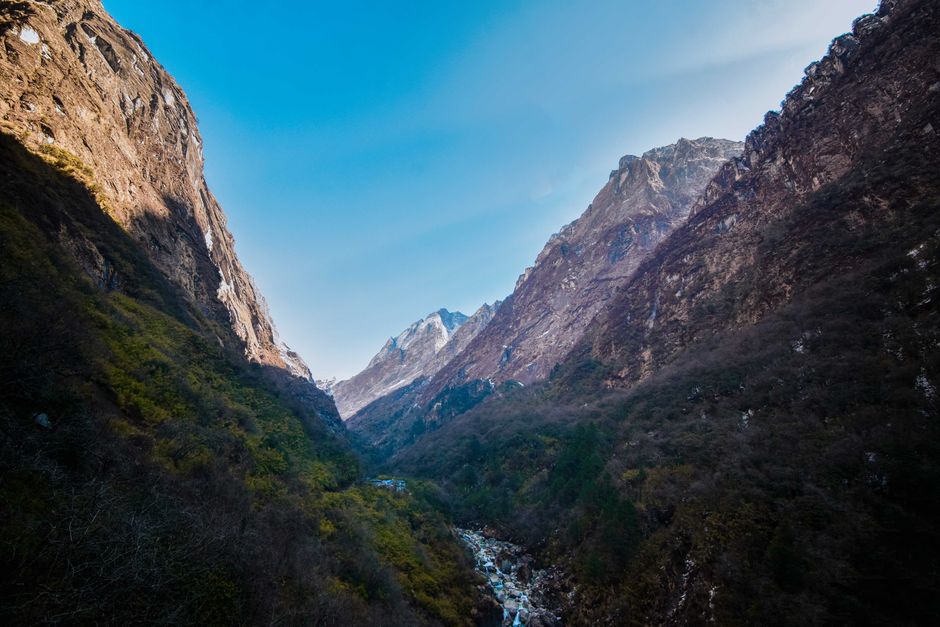
6. Where Glaciers Meet Jungles
Makalu Barun National Park, Nepal
A remote wilderness where glaciers meet tropical rainforests, creating an unparalleled biodiversity hotspot.
Makalu Barun National Park, nestled east of Everest, is a land of extremes. What surprised me most was its incredible ecological diversity: it's the only protected area globally with an elevation gain of over 8,000 meters. This dramatic vertical range means you can trek from lush tropical forests teeming with orchids and rhododendrons to permanent ice fields and glaciers, encountering an astonishing array of plant and animal life along the way.
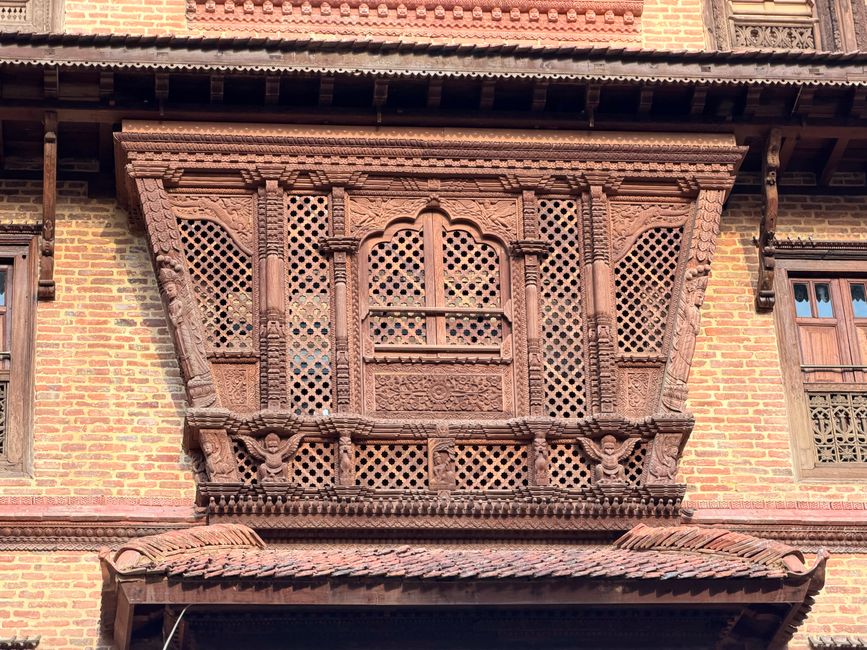
7. The Preserved Newar Trading Town
Bandipur, Nepal
A beautifully preserved Newar hilltop town where time stands still, offering a glimpse into Nepal's architectural past.
Many trekkers rush through the lowlands, but a stop in Bandipur reveals a delightful surprise. This charming Newar town, perched on a ridge overlooking the Marsyangdi Valley, was once a thriving trading hub. When a new highway bypassed it, Bandipur's prosperity waned, inadvertently preserving its exquisite 18th-century Newar architecture, cobblestone streets, and tranquil atmosphere, creating a living museum far from the bustling cities.
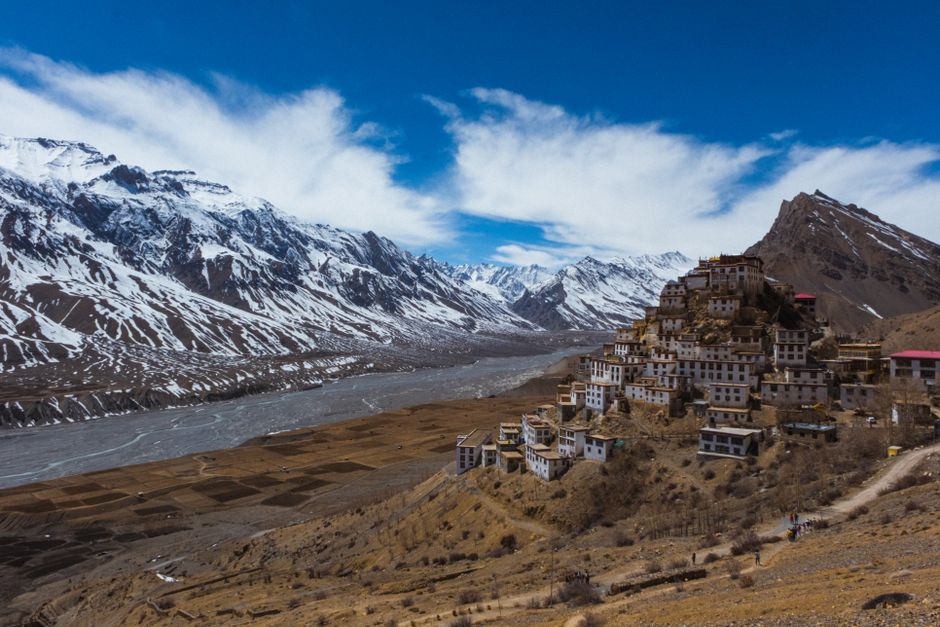
8. Langtang's Resilient Spirit
Kyanjin Gompa, Langtang Valley, Nepal
A high-altitude Buddhist monastery rebuilt with fierce determination after devastating natural disaster, nestled among glacial peaks.
Kyanjin Gompa, high in the Langtang Valley, is more than just a picturesque monastery surrounded by glacial peaks. The profound surprise here is the community's indomitable spirit. Devastated by the 2015 earthquake, the village and monastery were largely rebuilt by the local Tamang people. Trekking here offers not just breathtaking views but a powerful testament to human resilience and unwavering faith in the face of immense adversity.
Frequently asked questions
Is trekking in Nepal safe for solo female travelers?
Nepal is generally considered safe for solo female travelers, especially on popular trekking routes. However, it's always advisable to use a reputable guide or porter, inform your guesthouse of your plans, and avoid trekking alone in very remote areas, especially after dark.
What is the best time of year to trek in Nepal?
The best times for trekking are generally during the autumn (September to November) and spring (March to May) seasons. These periods offer clear skies, moderate temperatures, and stunning mountain views. Winter can be cold at high altitudes, and monsoon season (June to August) brings heavy rains and leeches.
Do I need a permit to trek in Nepal?
Yes, most trekking regions in Nepal require specific permits, such as TIMS (Trekkers' Information Management System) cards and national park or conservation area entry permits. These can usually be obtained in Kathmandu or Pokhara, or at the start of your trek, and are essential for your safety and for supporting local conservation efforts.
How can the AllTours.ai app enhance my Nepal trek?
The AllTours.ai app turns your phone into an AI audio tour guide. Simply point your camera at any landmark or landscape you encounter during your trek in Nepal, and the app will instantly narrate its history, geology, and cultural significance in your preferred language, offering deeper insights into the surprising stories of the places you visit.
Photography via Pexels. AllTours.ai is an AI audio tour guide — point your camera at any landscape and hear its story.