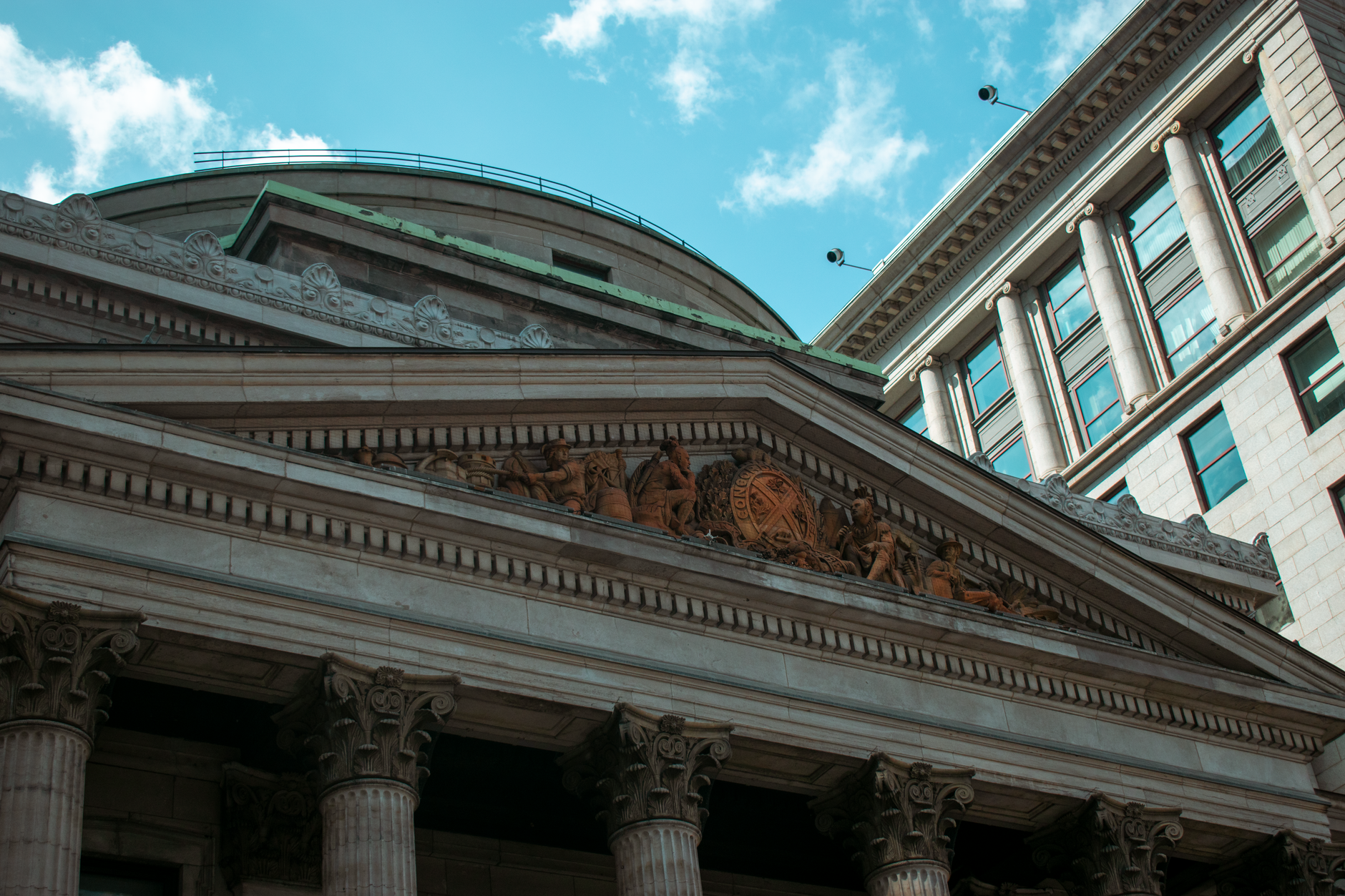
September 11, 2026 · 4 min read
Montreal often captivates American visitors and new residents with its distinct European charm, vibrant arts scene, and a lively bilingual culture. Many come prepared for the obvious differences: the predominance of French, the intricacies of the Canadian healthcare system, and, of course, the ubiquitous poutine.
However, beneath these well-known facets lie a wealth of subtler, more unexpected cultural differences that truly define daily life in this unique North American city. For those making Montreal their home, these are the delightful quirks and profound shifts that truly reveal the heart of Quebecois culture, often in places you'd least expect.
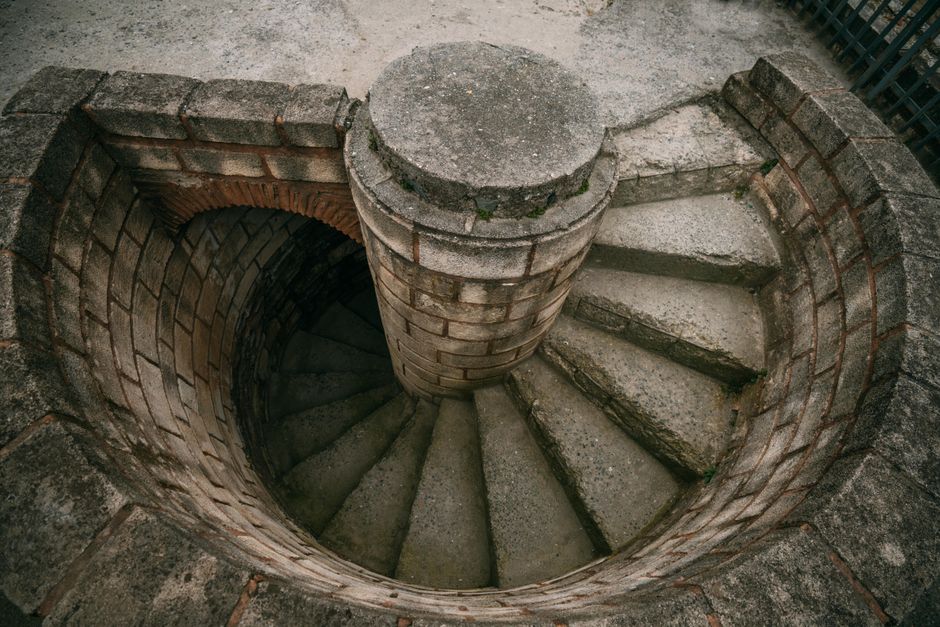
1. The Intricate World of Spiral Staircases
Rue Laval, Le Plateau-Mont-Royal, Canada
Many Montreal homes literally wear their history on their sleeves—or rather, their distinctive spiral staircases on their facades.
Wander through neighborhoods like Le Plateau-Mont-Royal, and you'll quickly notice the iconic outdoor spiral staircases gracing countless residential buildings. Far from a mere aesthetic choice, these 'escaliers en colimaçon' were a practical solution to maximize interior living space in dense urban plots, making them a defining architectural feature. They also fostered a unique social dynamic, with neighbors often sharing a common landing or even a flight of stairs.
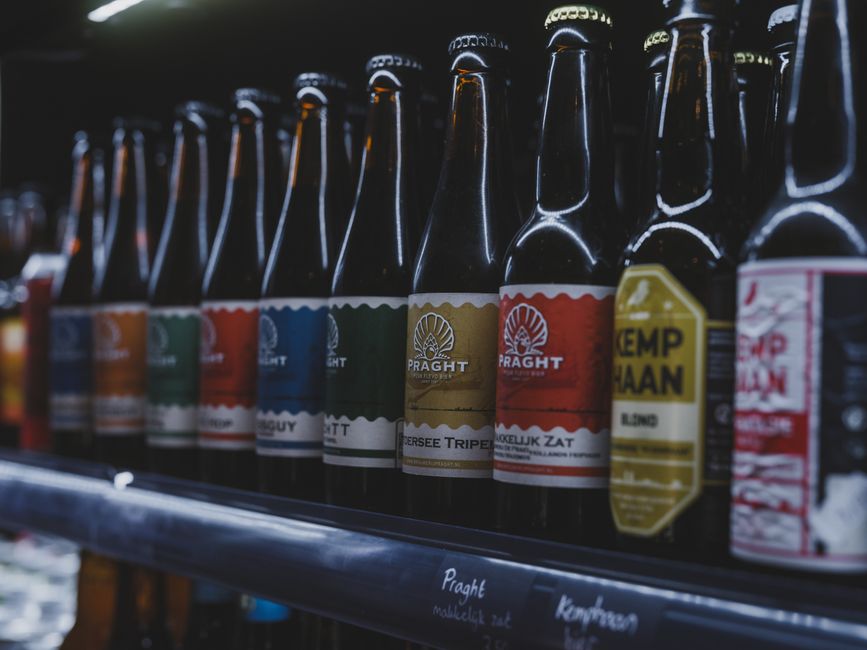
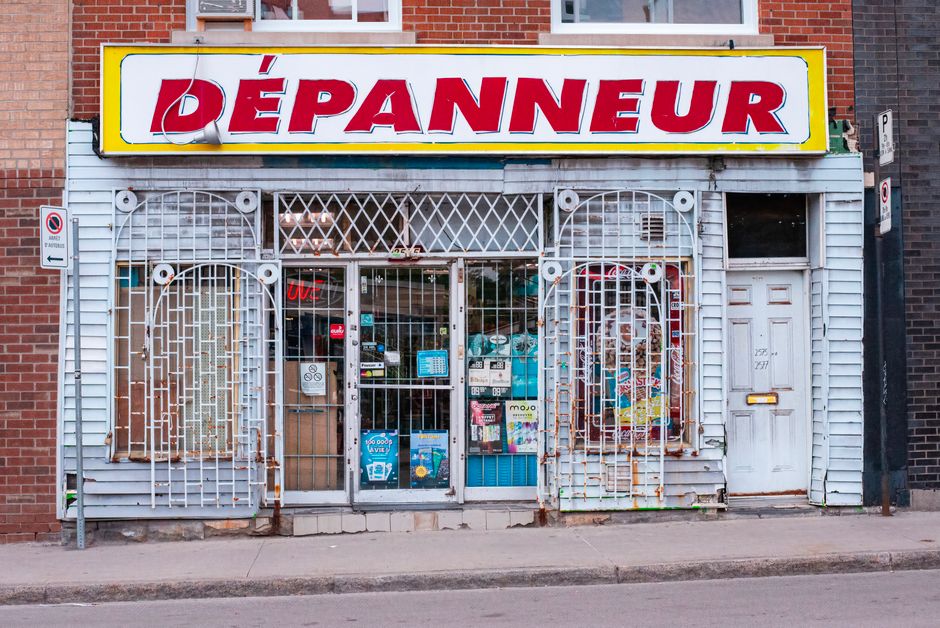
2. The Depanneur: More Than a Corner Store
Dépanneur Peluso, Villeray, Montreal, Canada
In Montreal, your corner store isn't just for milk; it's a curated hub for craft beer, local snacks, and neighborhood gossip.
Americans might call it a convenience store, but a 'depanneur' (or 'dep' for short) in Montreal is a cultural institution. Places like Dépanneur Peluso in Villeray elevate the experience, offering an astonishing selection of local Quebecois craft beers, artisanal cheeses, and specialty snacks alongside everyday necessities. They serve as vital community hubs, where proprietors often know their regulars by name and conversations flow easily, reflecting a slower, more connected pace of life.
3. The "5 à 7" Ritual: A Social Institution
Bar Le Mal Nécessaire, Chinatown, Montreal, Canada
Forget "happy hour"; Montrealers unwind with a "5 à 7," a distinct social ritual that's more about lingering than cheap drinks.
While American 'happy hour' often implies discounted drinks and appetizers, Montreal's '5 à 7' (cinq à sept) is a unique social concept—a designated time between 5 and 7 PM for after-work socializing. It's less about the deals and more about connecting, often involving a relaxed drink or two before heading home for dinner. Hidden gems like Bar Le Mal Nécessaire in Chinatown, with its speakeasy vibe, are perfect spots to observe this more refined, unhurried approach to unwinding.
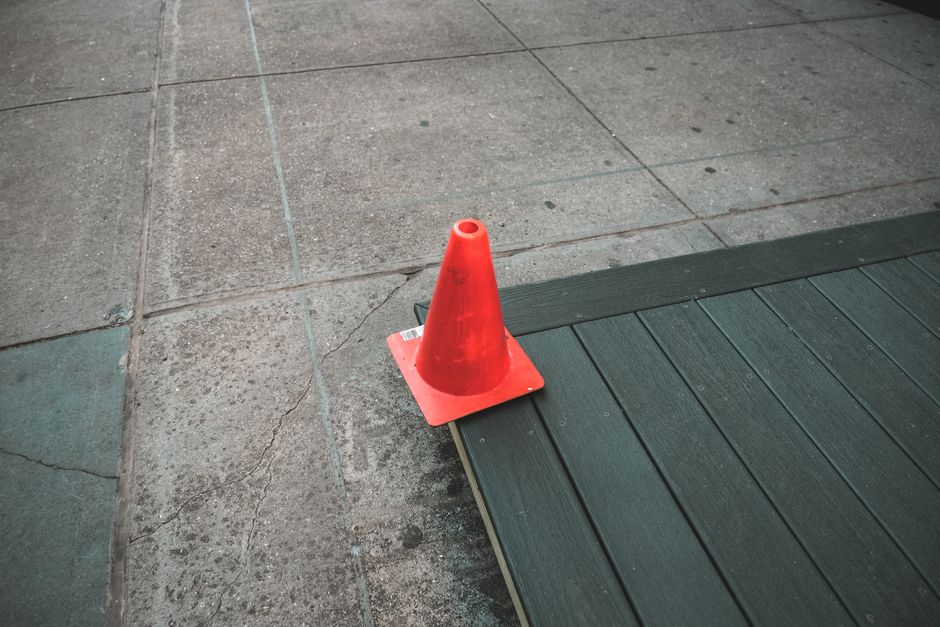
4. The Ubiquitous Orange Cone Saga
Intersection of Rue Sainte-Catherine and Peel Street, Montreal, Canada
Montreal's unofficial mascot isn't a beaver or a fleur-de-lys, but the ubiquitous orange traffic cone, signaling a perpetual state of urban transformation.
Newcomers quickly realize that construction is a year-round sport in Montreal, leading to the omnipresence of orange traffic cones. What might seem like an annoyance elsewhere becomes a running joke and a cultural symbol here. The intersection of major arteries like Sainte-Catherine and Peel Street often exemplifies this, with ongoing infrastructure projects constantly reshaping the urban landscape. It’s a testament to the city's continuous growth and an unexpected, almost endearing, part of daily life.
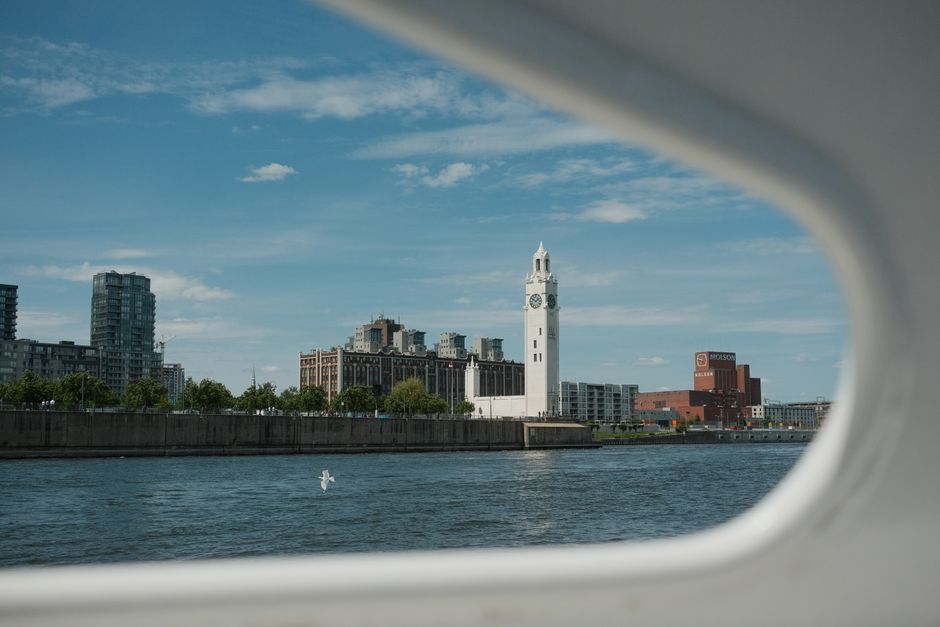
5. Year-Round Cycling on Historic Paths
Lachine Canal National Historic Site, Montreal, Canada
Winter or summer, Montrealers embrace cycling as a year-round way of life, turning historic industrial routes into bustling bike highways.
Montreal boasts an impressive network of bike paths, and unlike many American cities, cycling isn't just a fair-weather activity. Even through the snowy months, dedicated cyclists brave the elements, a testament to the city's commitment to active transport. The path along the Lachine Canal National Historic Site, once a vital industrial artery, now serves as a picturesque route where you'll see riders commuting, exercising, and enjoying the scenery, regardless of the season.
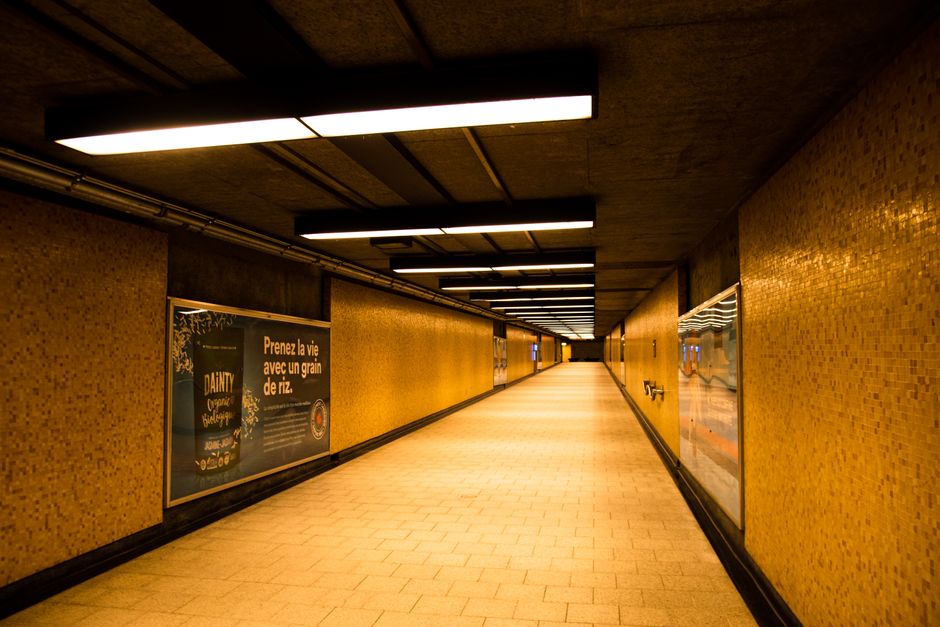
6. The RESO: A City Beneath the City
Place des Arts Metro Station, Montreal, Canada
The 'Underground City' isn't just for escaping winter; it's a fully integrated, thriving ecosystem shaping daily life, from art shows to morning commutes.
While many cities have underground tunnels, Montreal's RESO (Réseau piétonnier souterrain) is a vast, interconnected network of over 32 kilometers that truly functions as a second city. Beyond providing refuge from extreme weather, it's a bustling world of shops, restaurants, art installations, and performance venues. From the Place des Arts metro station, you can navigate to museums, universities, and shopping malls without ever stepping outside, revealing a unique layer of urban existence.
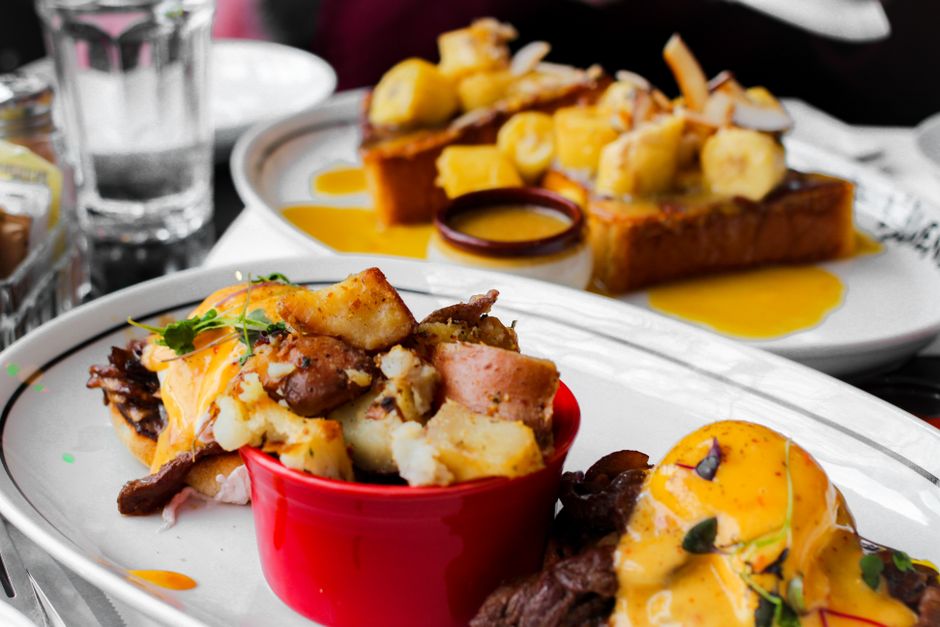
7. The Enduring Charm of Friteries
Paul Patates, Pointe-Saint-Charles, Montreal, Canada
Beyond poutine, discover Montreal's deep, enduring love for simple, perfectly fried potatoes from unassuming neighborhood "frieries."
While poutine gets all the international attention, Montrealers harbor a quiet, profound affection for the humble 'patates frites' from their local 'frierie' or 'casse-croûte.' These no-frills fry shacks, like the legendary Paul Patates in Pointe-Saint-Charles, offer classic, crispy fries served in a simple cone or paper bag, often with a side of hot dogs or steamed burgers. It's a taste of working-class Montreal history, a comfort food staple that speaks volumes about the city's unpretentious culinary soul.
Frequently asked questions
Is Montreal really that different from American cities?
Yes, Montreal offers a distinct blend of North American efficiency and European cultural depth. Beyond the obvious language difference, you'll find unique architectural styles, different social customs, and a culinary scene with a strong local identity, setting it apart from most major American cities.
What's the best way to meet locals and experience Montreal's culture?
Engage with local depanneur owners, visit public markets like Jean-Talon, participate in neighborhood festivals, or simply frequent local cafés and bars for a '5 à 7'. Learning a few phrases in French can also open doors to deeper cultural interactions.
Do I need to speak French to live in Montreal?
While Montreal is largely bilingual, especially in tourist areas and downtown, making an effort to learn French will significantly enhance your experience and ease your integration into daily life, especially outside the most central neighborhoods. Many services and interactions default to French.
How can AllTours.ai help me explore Montreal's unique culture?
AllTours.ai transforms your phone into an AI audio tour guide. Simply point your camera at any landmark, building, or even a specific cultural feature you encounter in Montreal, and the app will instantly narrate its history, geology, and cultural significance in your preferred language, helping you uncover even the most unexpected stories.
Photography via Pexels. AllTours.ai is an AI audio tour guide — point your camera at any landscape and hear its story.