July 26, 2026 · 5 min read
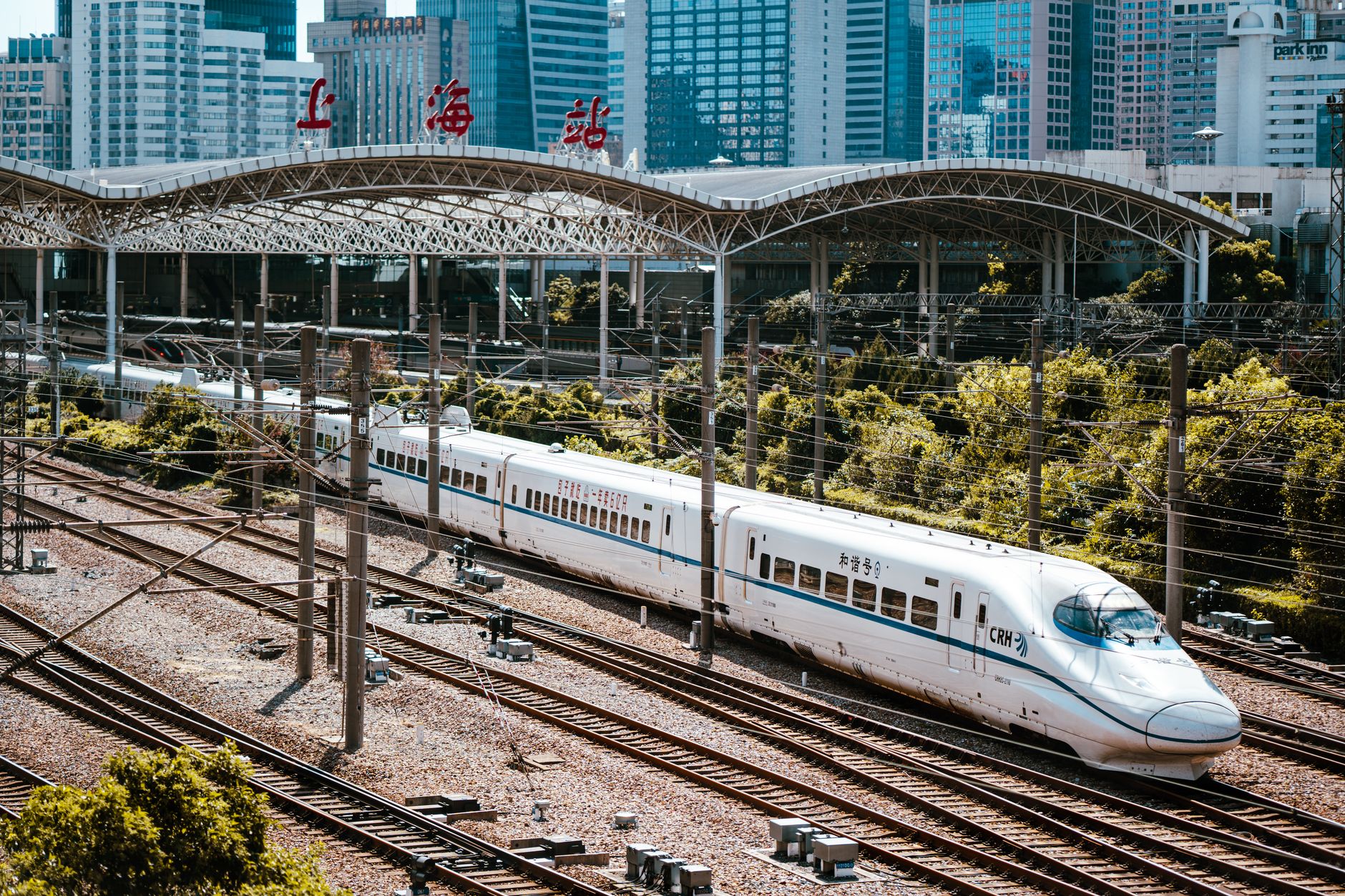
The Chongqing-Xiamen high-speed rail line carves a remarkable path through China, traversing a mosaic of landscapes from the mountainous southwest to the coastal southeast. While many travelers focus on major cities or well-known attractions, the real magic of this route lies in the lesser-known stops—places steeped in history, unique culture, and captivating natural beauty that often escape the typical tourist itinerary.
This journey isn't just about speed; it's an opportunity to peel back layers of time, revealing stories etched into ancient stones, whispered in remote villages, and preserved in geological wonders. From sites of epic sieges to havens of imperial tea, these overlooked spots offer a deeper, more personal connection to China's multifaceted heritage.
1. The Unconquered Fortress of Diaoyu
Hechuan, Chongqing, China
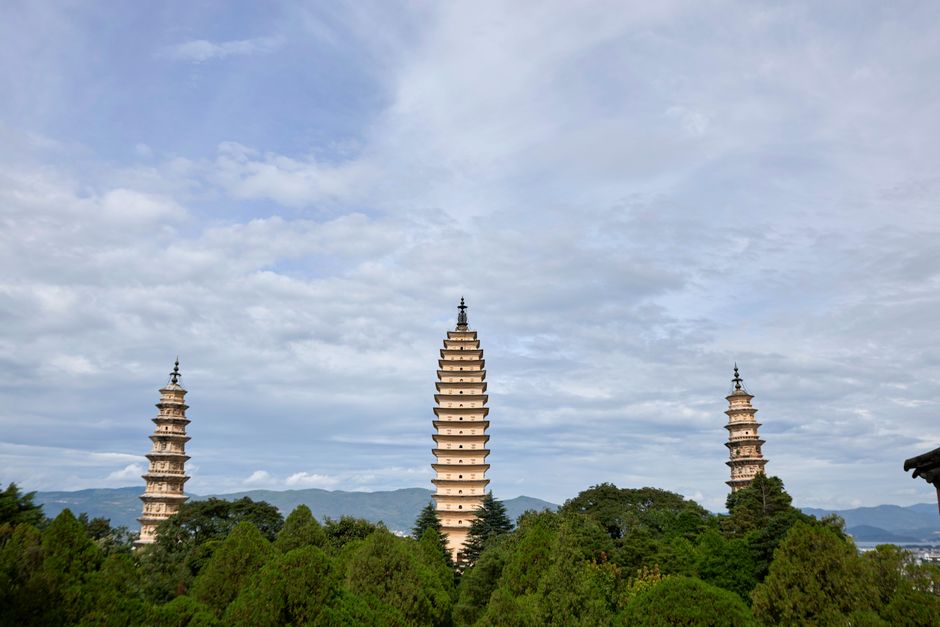
This seemingly quiet hill was once the site of a siege that dramatically altered world history, stalling the Mongol Empire's westward expansion for decades.
Perched above the Jialing River, Diaoyu Fortress is a testament to extraordinary resilience. For 36 years, from 1259 to 1279, this Song Dynasty stronghold withstood relentless attacks from Kublai Khan's Mongol armies. The stubborn defense here forced a significant redirection of Mongol forces and, crucially, led to the death of Möngke Khan, postponing the invasion of Europe and changing the course of global power dynamics. Today, its well-preserved walls, gates, and ancient inscriptions offer a haunting glimpse into a pivotal moment.
2. Qingyan's Ming Dynasty Military Charm
Guiyang, Guizhou, China
Beyond its well-preserved Ming and Qing dynasty architecture, this ancient town was originally a military fortress, boasting unique stone walls and intricate gateways.
Qingyan Ancient Town, southwest of Guiyang, is a labyrinth of narrow alleys, grey-brick houses, and temples. Built during the Ming Dynasty, it served as a military outpost guarding the provincial capital. Its most striking features are the massive stone walls, some reaching over 10 meters, and its four impressive gates, each with a distinct architectural style. Wander through its streets to discover not only its martial past but also its diverse cultural influences, including a surprising number of churches alongside traditional temples.
3. Zhenyuan's Yin-Yang River Embrace
Zhenyuan, Guizhou, China
This ancient town is uniquely bisected by a river that creates a striking 'yin-yang' pattern, reflecting centuries of diverse cultural and religious harmony.
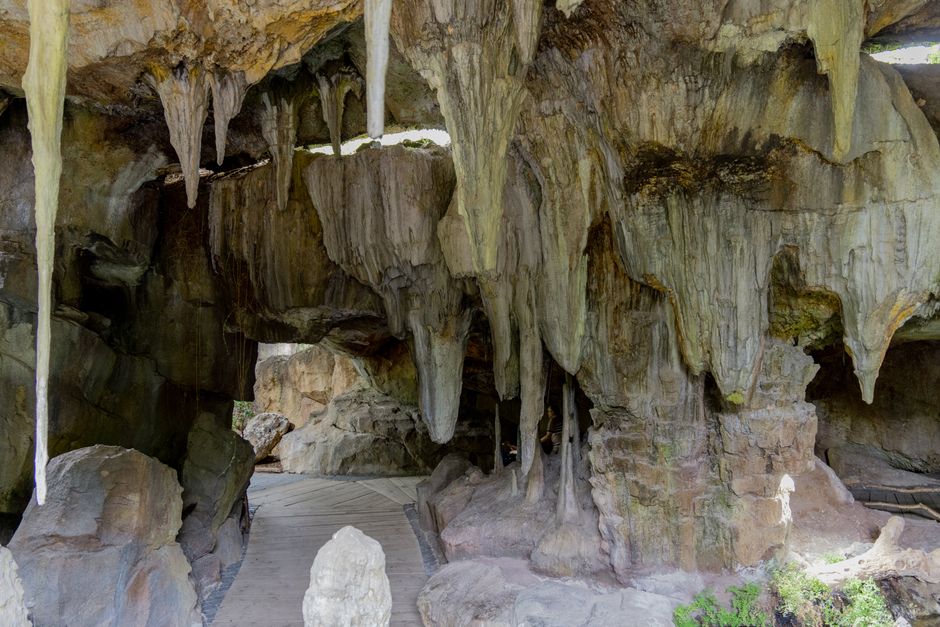
Zhenyuan Ancient Town sits gracefully along the Wuyang River, which carves a dramatic 'S' shape through its center, giving the town a distinctive tai chi or yin-yang pattern when viewed from above. This strategic location made it a vital hub for trade and military defense for over 2,000 years. The town is a living museum of diverse cultures, boasting over 160 ancient temples, palaces, and caves, including the intricate Qinglong Cave Ancient Architecture Complex that clings to a cliff face. Its bridges, waterways, and traditional wooden houses evoke a timeless serenity.

4. Junshan Island: The Birthplace of Imperial Tea
Dongting Lake, Hunan, China
This small island on China's second-largest freshwater lake is steeped in legend and is the sole origin of a highly prized imperial tea, 'Junshan Yinzhen'.
Junshan Island, a verdant speck on the vast expanse of Dongting Lake, is more than just a scenic retreat; it's a place of deep historical and cultural significance. Legends intertwine with its landscape, including tales of Emperor Shun's two concubines, the Xiangfei, who are said to be buried here. The island is most famous, however, as the exclusive origin of Junshan Yinzhen (Silver Needle), a rare yellow tea once reserved solely for emperors. Visitors can explore ancient tea gardens, temples, and enjoy the tranquil lake views, connecting with centuries of imperial tea culture.
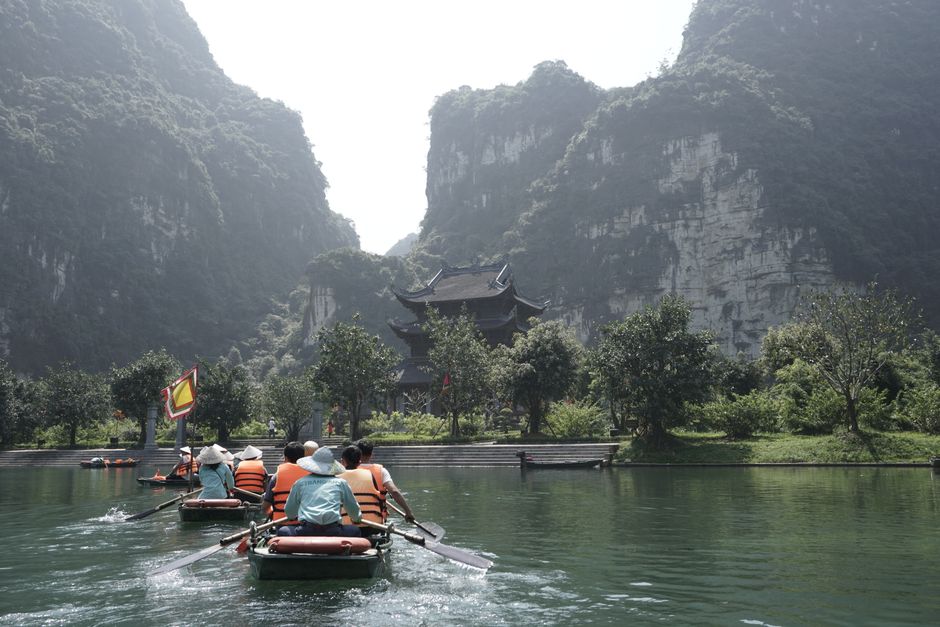
5. Fuliang Ancient County Yamen: Bureaucracy's Grandeur
Jingdezhen, Jiangxi, China
Step into the best-preserved ancient county government office in China, a sprawling complex that reveals the intricate workings of imperial bureaucracy and justice.
While Jingdezhen is renowned for its porcelain, the Fuliang Ancient County Yamen offers a unique glimpse into imperial administration. Dating back to the Tang Dynasty, this massive complex, painstakingly restored, served as the seat of local government for centuries. Visitors can explore various halls, courtyards, and offices, from the grand main hall where officials conducted trials to the private quarters of the county magistrate. It provides a fascinating, tangible understanding of how local governance functioned in imperial China, far removed from the pottery kilns.

6. Likeng Village: A Canvas of Ming and Qing
Wuyuan, Jiangxi, China
Nestled in the 'most beautiful village in China' region, Likeng stands out with its exceptionally preserved Ming and Qing dynasty architecture and a unique 'water street' layout.
Likeng is one of the many ancient villages scattered across Wuyuan, but it captivates with its distinct charm and authenticity. Unlike some more frequented spots, Likeng retains a peaceful atmosphere, allowing visitors to truly appreciate its well-preserved traditional Huizhou-style architecture. The village is characterized by its 'water street,' where houses line a meandering stream, connected by ancient stone bridges. Ancestral halls, old residences with intricate wood carvings, and a sense of timelessness pervade this picturesque hamlet, offering a window into rural imperial life.
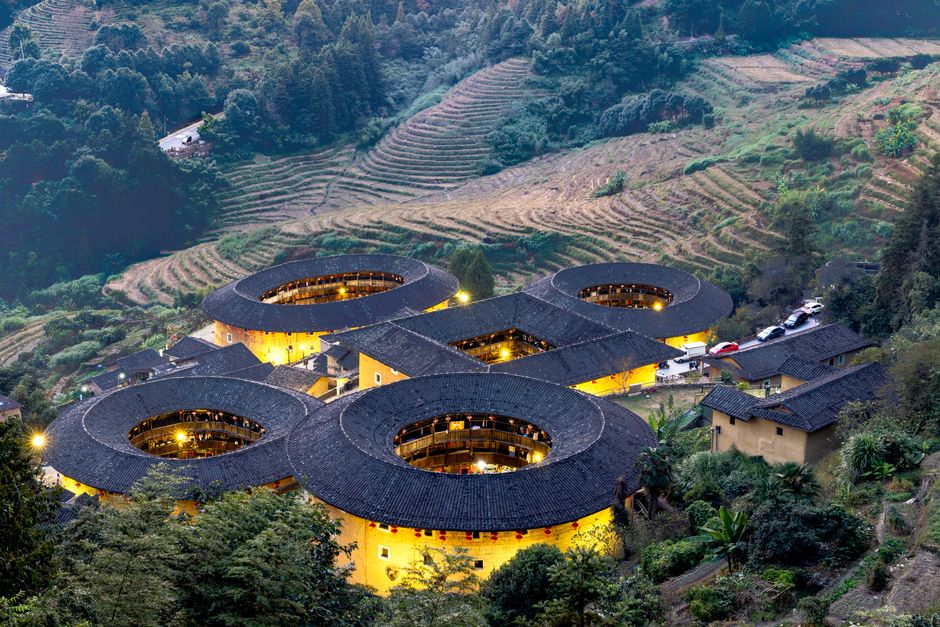
7. Quanzhou's Maritime Silk Road Treasures
Quanzhou, Fujian, China
This coastal city, a UNESCO World Heritage site, was once the busiest port in the world, a melting pot where ancient mosques stand beside Hindu temples and Buddhist pagodas.
Quanzhou, historically known as Zaytun, was the starting point of the Maritime Silk Road during the Song and Yuan Dynasties, drawing merchants, sailors, and missionaries from across Asia, Africa, and Europe. This vibrant past is visible in its incredibly diverse architecture and cultural relics. Explore the Qingjing Mosque, one of China's oldest Arab-style mosques, the majestic Kaiyuan Temple with its twin pagodas, and remnants of Hindu temples. The city offers a tangible sense of a globalized past, where different faiths and cultures coexisted and thrived, leaving behind a unique architectural and spiritual legacy.
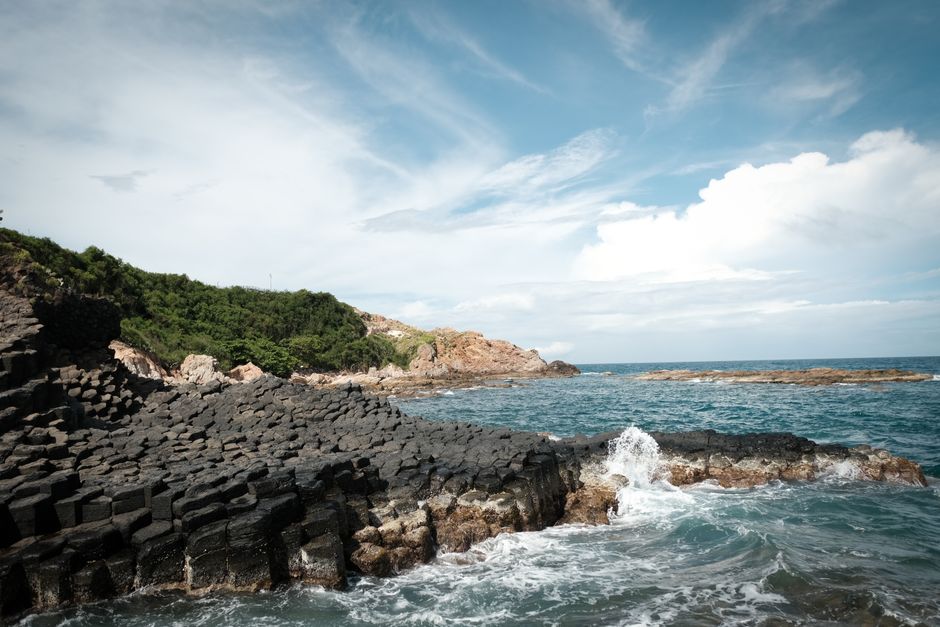
8. Chuxi Tulou Cluster: Earth Towers in Harmony
Yongding, Fujian, China
Discover a less-visited cluster of the iconic Hakka earthen 'tulou' buildings, including a rare round one that houses a temple and a square one known as the 'King of Tulou'.
While Fujian's tulou are famous, the Chuxi Tulou Cluster offers a more intimate and authentic experience compared to larger, more crowded sites. This UNESCO World Heritage site features a collection of well-preserved circular and rectangular earthen buildings, each a self-contained fortress and communal living space for Hakka families. Among them, Jiqing Lou, a massive circular tulou with 72 staircases, and Shengqing Lou, a unique square tulou that incorporates a temple, stand out. Exploring Chuxi reveals the ingenious design and communal spirit of these remarkable architectural marvels, blending seamlessly with the surrounding terraced fields.
Frequently asked questions
How long does the Chongqing-Xiamen high-speed rail journey take?
The full journey from Chongqing to Xiamen typically takes around 11-13 hours on the fastest high-speed trains, covering a distance of over 1,800 kilometers. Specific travel times can vary depending on the number of stops and the train series.
What are the best times of year to travel this route?
Spring (April-May) and Autumn (September-November) generally offer the most pleasant weather for traveling the Chongqing-Xiamen route. Temperatures are mild, and the landscapes are often at their most vibrant, making for comfortable sightseeing and train travel.
Are there dining options on the high-speed trains?
Yes, Chinese high-speed trains are well-equipped with dining options. You'll typically find a dining car offering hot meals, snacks, and beverages. Additionally, trolleys with food and drinks often pass through the carriages, and many stations along the route have vendors where you can purchase local specialties to bring on board.
How can AllTours.ai enhance my journey along this route?
AllTours.ai transforms your travel experience by turning your phone into an AI audio tour guide. Simply point your camera at any landmark, landscape, or historical site along the Chongqing-Xiamen high-speed rail line, and the app will narrate its history, geology, and culture in your preferred language. It's like having a knowledgeable local expert with you, revealing the hidden stories of every place you encounter.
Photography via Pexels. AllTours.ai is an AI audio tour guide — point your camera at any landscape and hear its story.