July 26, 2026 · 4 min read
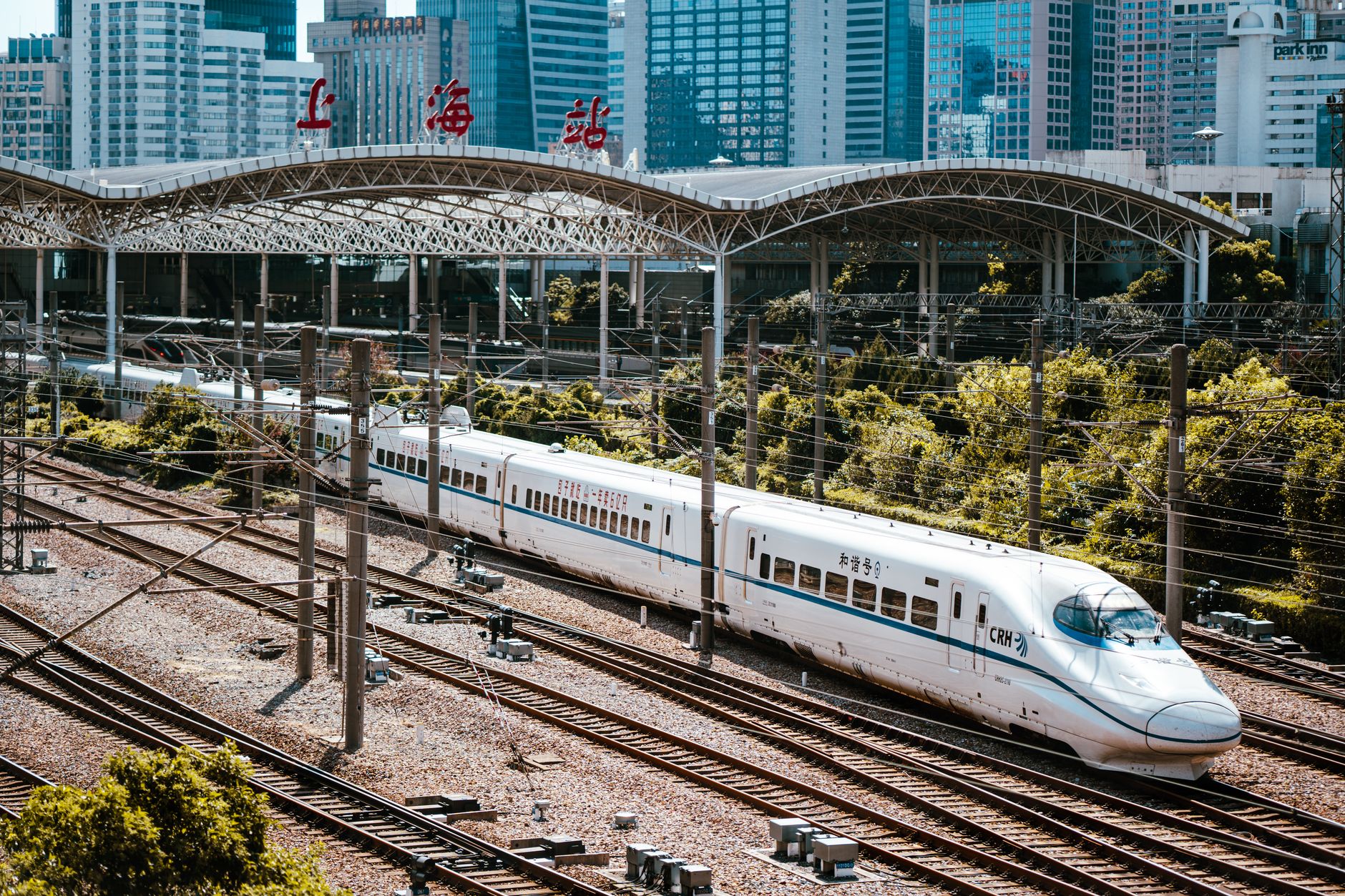
The Chongqing-Xiamen high-speed rail line isn't just a route between two major cities; it's a window into the soul of southern China. While many travelers focus on the well-trodden paths, this epic journey, slicing through mountains and across plains, reveals a tapestry of lesser-known wonders. Imagine ancient scripts still in use, fortified villages with hidden histories, and archaeological finds that rewrite human narratives.
For those curious what it was like for you to ride the Chongqing-Xiamen high-speed rail line in China, this isn't just a trip; it's an invitation to pause at stops often overlooked. We’ve uncovered some of the most fascinating, underrated places along this route, each with a vivid story waiting to be told – stories that connect you to the deep history, unique geology, and vibrant cultures of this incredible land.

1. The Whispering Script of Sandu
Sandu Shui Autonomous County, Guizhou, China
Discover an ancient pictographic script still used today, one of the last living hieroglyphic systems globally.
The Shui people, an ethnic minority in Guizhou, possess a rare cultural treasure: the Shuishu script. This pictographic system, resembling ancient oracle bone script, is traditionally used by shamans for divination, fortune-telling, and recording rituals. Unlike most modern scripts, Shuishu is not for everyday communication but serves as a sacred link to their ancestral beliefs, passed down through generations in a remote corner of China.
2. Jiangxi's Hidden Hakka Castles
Longnan County, Ganzhou, Jiangxi, China
Explore massive fortified Hakka earth buildings in Jiangxi, predating and distinct from their famous Fujian cousins.
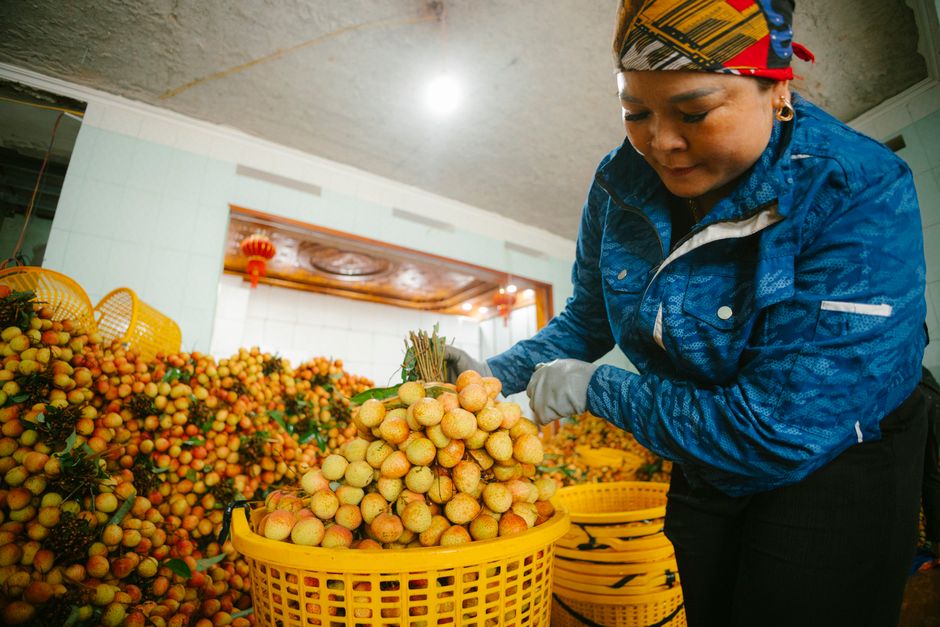
While Fujian's *tulou* are world-famous, Jiangxi's Longnan County is home to over 3700 Hakka *weiwu*, or walled villages, built centuries ago. These fortified rectangular or square earth buildings housed entire clans, designed for defense against bandits. Unlike the round *tulou*, many *weiwu* feature intricate internal courtyards and multi-story living spaces, forming self-sufficient communities that are less explored by tourists.
3. The Stone Dragon of Huitong
Huitong County, Huaihua, Hunan, China
Walk across a Qing Dynasty stone bridge, one of China's longest and best-preserved, built without any metal.
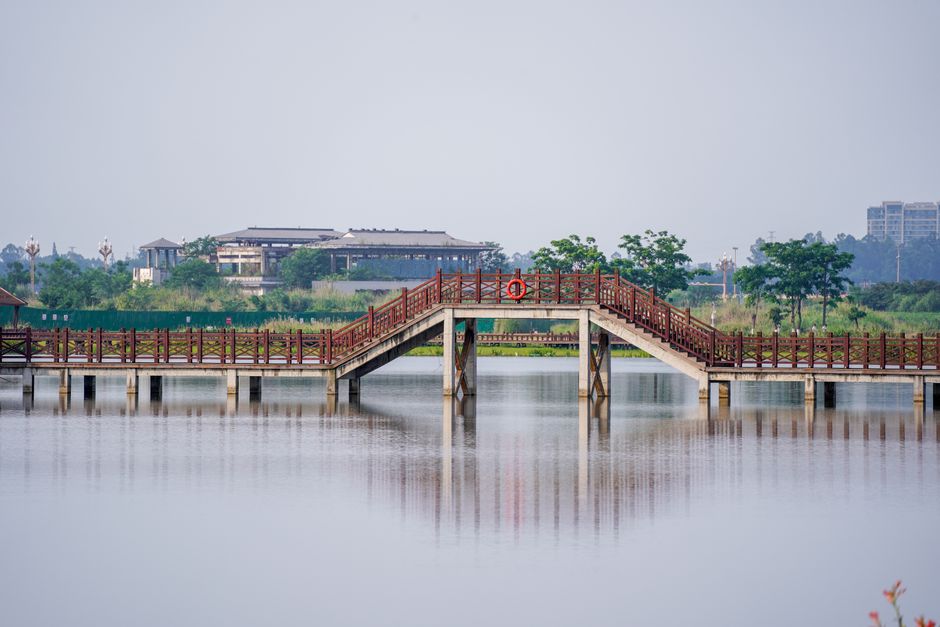
Huitong County boasts the remarkable Longxing Bridge, a magnificent stone arch bridge dating back to the Qing Dynasty. Spanning over 100 meters, it's one of China's longest ancient stone bridges, renowned for its intricate construction using only interlocking stones, without any mortar or metal fasteners. This architectural marvel, still in daily use, stands as a testament to ancient engineering ingenuity in a less-visited corner of Hunan.

4. Maba Man's Ancient Home
Shaoguan, Guangdong, China
Discover where early human ancestors, the "Maba Man," once lived, revealing a crucial link in Asian prehistory.
In a limestone cave near Shaoguan, archaeologists unearthed the skull of "Maba Man," a Middle Paleolithic hominid dating back around 130,000 years. This significant discovery provides critical insights into human evolution in East Asia, suggesting a complex prehistoric presence long before modern humans arrived. The site offers a quiet glimpse into deep time, far from bustling tourist trails.
5. The Hidden Cliff Shrines of Yong'an
Yong'an, Sanming, Fujian, China
Explore an ancient grotto complex carved into sandstone cliffs, home to Buddhist and Taoist shrines for centuries.
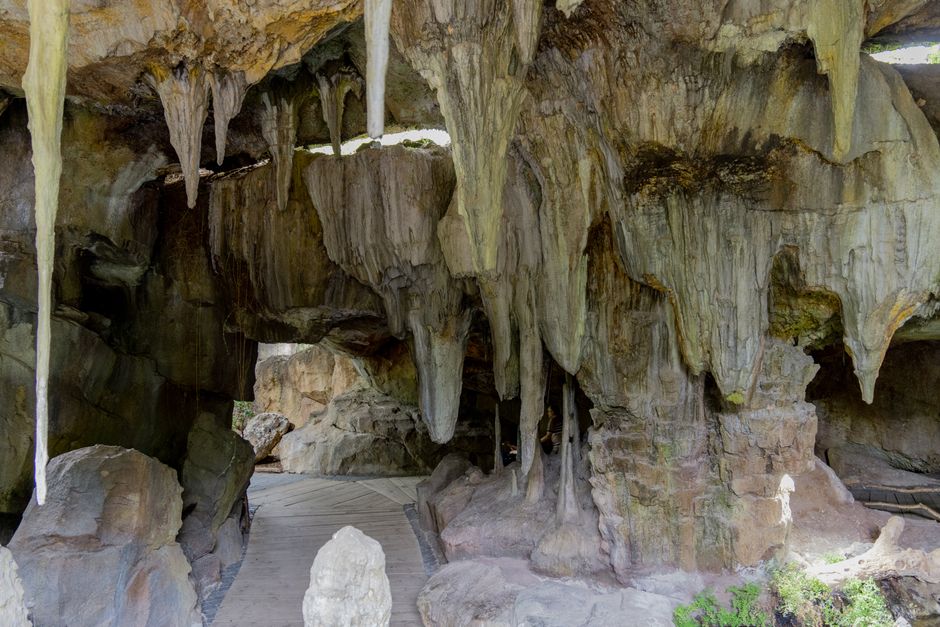
Near Yong'an, the unique Taoyuan Cave-Linshui Rock Scenic Area features a series of grottoes and pavilions carved directly into red sandstone cliffs. These natural caves, enhanced by human hands, have served as sacred sites for both Buddhist and Taoist practitioners for hundreds of years. Visitors can wander through dimly lit chambers and climb winding paths to discover ancient inscriptions and serene altars, offering a spiritual journey away from crowded destinations.
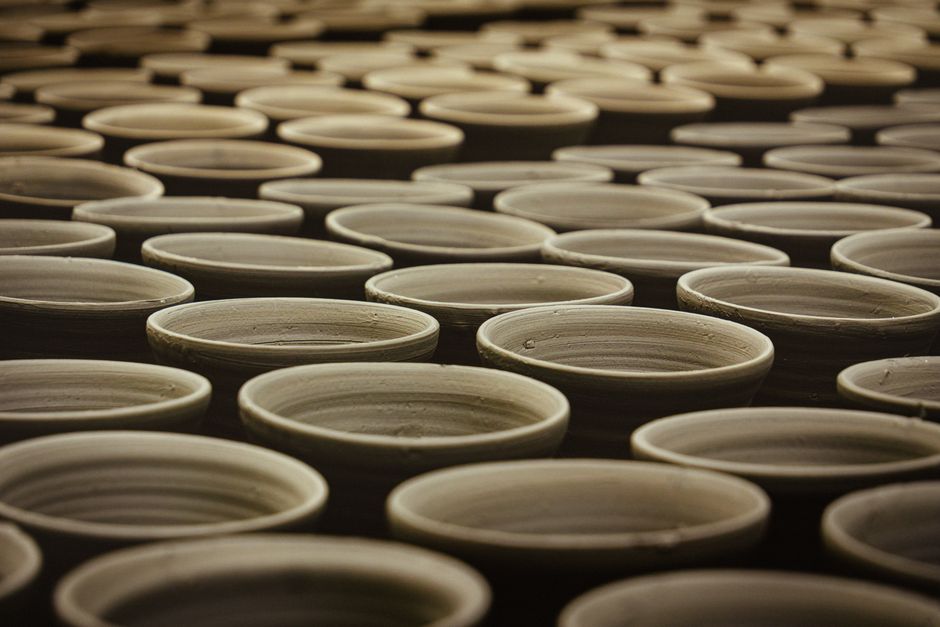
6. The Kilns of Imperial Tea
Jianyang District, Nanping, Fujian, China
Witness the resurgence of Jianzhan pottery, an ancient imperial tea ware known for its unique 'oil spot' glazes.
Jianyang District is the historical heart of Jianzhan pottery, exquisite black-glazed stoneware highly prized during the Song Dynasty for imperial tea ceremonies. Its distinctive "oil spot" and "hare's fur" glazes, created by complex firing techniques, made each bowl a unique work of art. After centuries of decline, local artisans are reviving these ancient methods, offering a chance to see master potters at work and understand the profound cultural significance of tea in China.
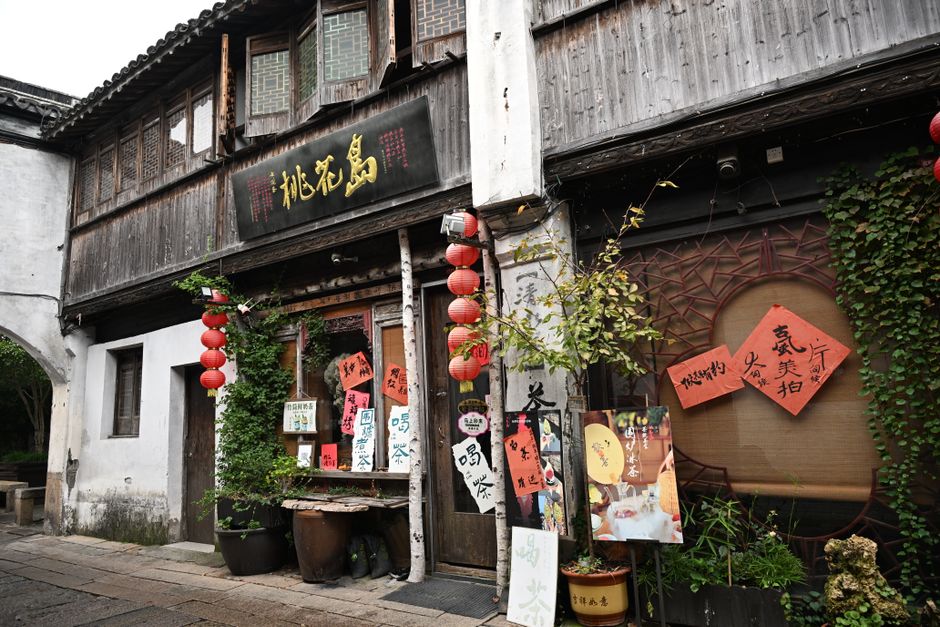
7. The Revolutionary Roundhouse of Pinghe
Pinghe County, Zhangzhou, Fujian, China
Discover a remote Hakka village protected by a unique, unusually shaped *tulou* that once hosted revolutionary figures.
While many *tulou* are famous, the Wufeng Lou in Pinghe County stands out for its unique D-shape and its role in modern Chinese history. This less-visited Hakka earth building, an architectural marvel in itself, served as a clandestine meeting point for revolutionary leaders during the early 20th century. Its thick walls and strategic design provided a secure haven, whispering tales of struggle and defiance amidst its ancient timbers.
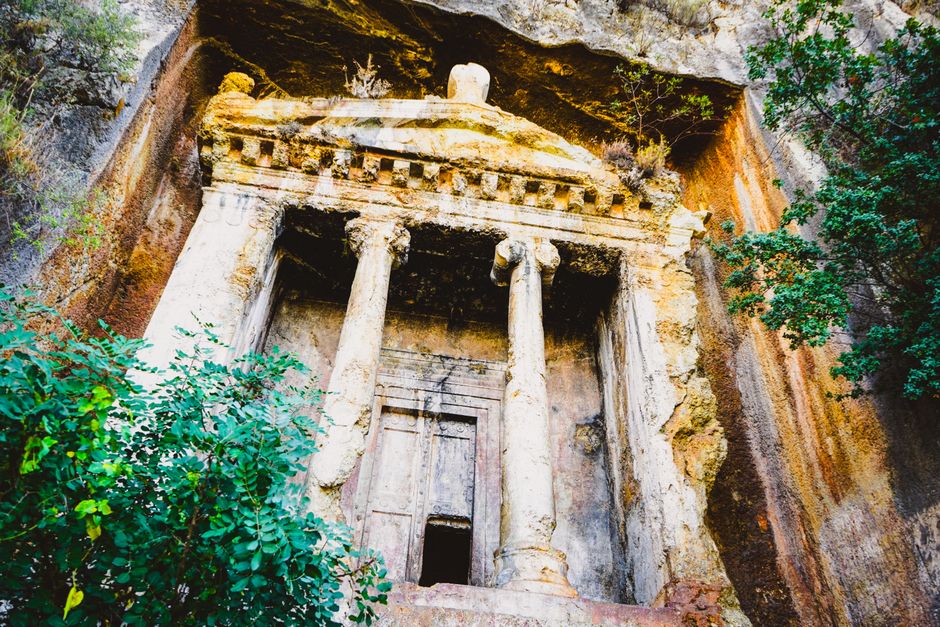
8. Echoes from the Ba Cliff Tombs
Wanzhou District, Chongqing, China
Explore ancient cliff tombs carved into rock faces, offering a glimpse into burial practices of the Ba people millennia ago.
The cliffs along the Yangtze River in Wanzhou hide a fascinating secret: numerous ancient tombs carved directly into the rock face. These cliff tombs, dating back to the Ba people who inhabited this region over 2,000 years ago, contain relics and insights into their unique burial customs and spiritual beliefs. Often overlooked, these quiet sites provide a poignant connection to the deep history of the Three Gorges region, far from the bustling modern city.
Frequently asked questions
How long does the Chongqing-Xiamen high-speed rail journey take?
The direct high-speed rail journey from Chongqing to Xiamen typically takes between 8 to 11 hours, depending on the specific train and number of stops. It covers a distance of over 1,500 kilometers, traversing diverse landscapes across several provinces.
What's the best time of year to ride this rail line?
Spring (March to May) and Autumn (September to November) are generally considered the best times. The weather is milder and more pleasant for sightseeing, avoiding the summer heat and humidity or the winter cold in some regions along the route.
Are there dining options available on the high-speed trains?
Yes, China's high-speed trains typically offer dining cars with hot meals, snacks, and beverages. Additionally, trolleys pass through carriages selling a selection of food and drinks. You are also welcome to bring your own food and drinks on board.
How can AllTours.ai help me explore these hidden gems?
AllTours.ai transforms your phone into an AI audio tour guide. Simply point your camera at any landmark, landscape, or interesting spot along your journey, and the app will instantly narrate its history, geology, and culture in your preferred language, revealing the stories behind even the most underrated locations.
Photography via Pexels. AllTours.ai is an AI audio tour guide — point your camera at any landscape and hear its story.