July 26, 2026 · 4 min read
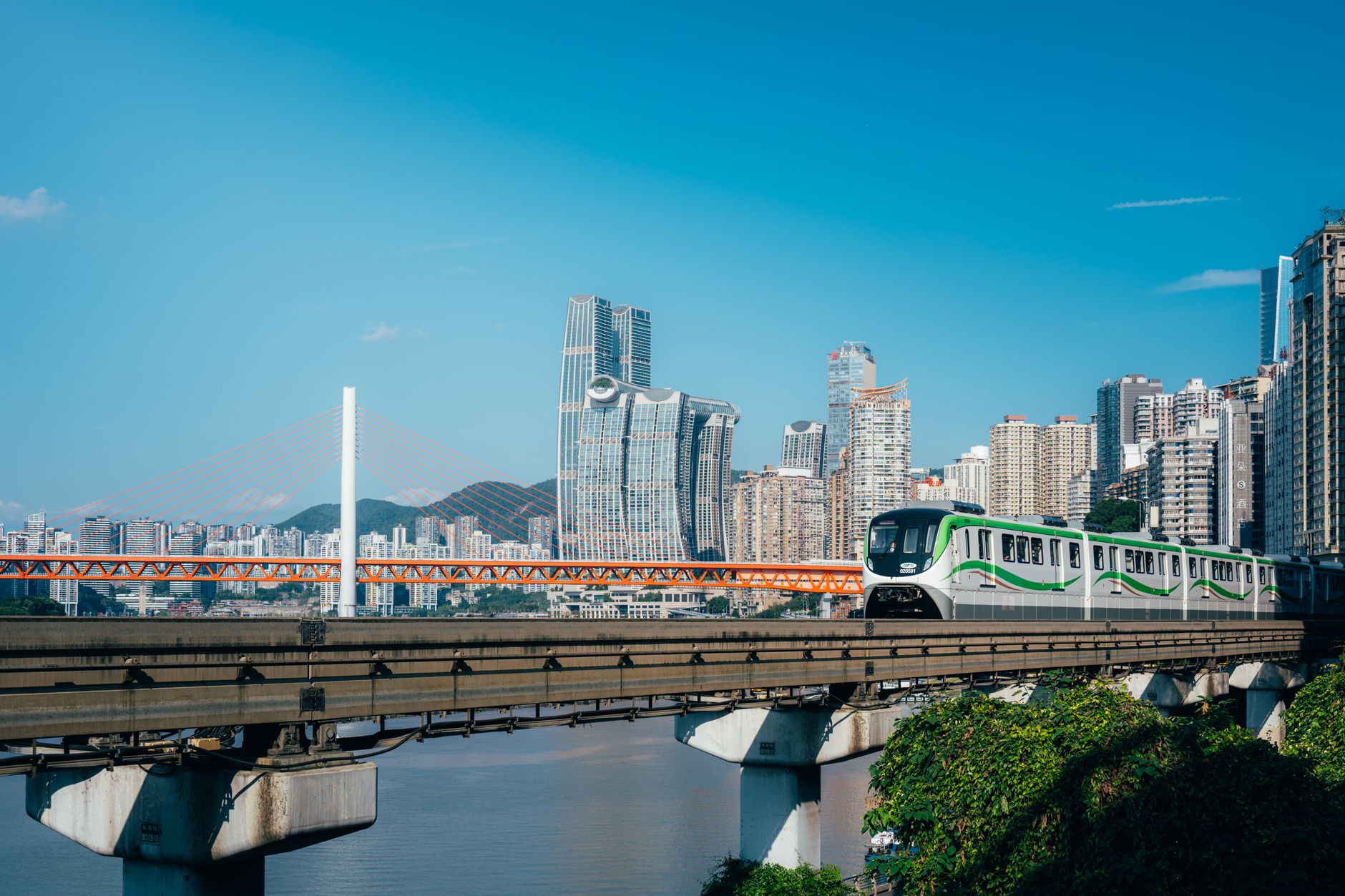
The Chongqing-Xiamen high-speed rail line carves a remarkable path across China, connecting the bustling megacity of Chongqing to the coastal charm of Xiamen. While the journey itself offers glimpses of stunning landscapes, the real magic happens when you step off the train and venture into the less-trodden paths.
Forget the usual tourist hotspots; this route is a gateway to genuinely unique stories. We’ve explored the line to bring you a guide to 8 underrated, fascinating places where history, geology, and culture converge in surprising ways, far beyond the typical postcards.
1. Where the Mongol Empire Stalled
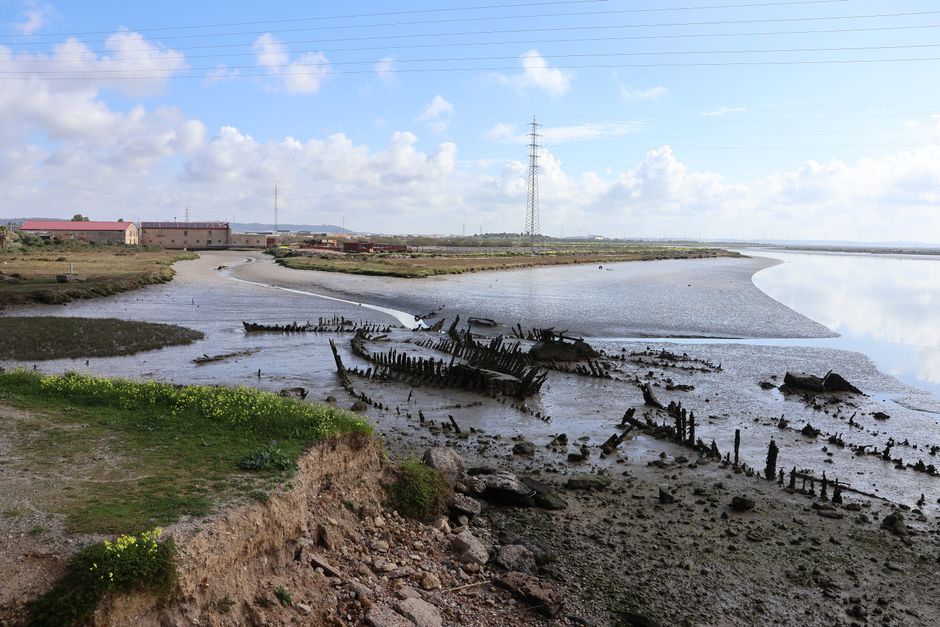
Hechuan Fishing City, Chongqing, China
This seemingly quiet fortress was the unlikely site where the mighty Mongol Empire's westward expansion was decisively halted, changing global history.
Perched on a cliff overlooking the Jialing River, Hechuan Fishing City served as a crucial Song Dynasty stronghold. In 1259, it endured a fierce siege by Möngke Khan, Genghis Khan's successor. The tenacious defense, combined with disease, led to Möngke's death here, forcing the Mongols to retreat and rethink their strategy, a turning point that reverberated across continents.
2. The River's Yin-Yang Embrace
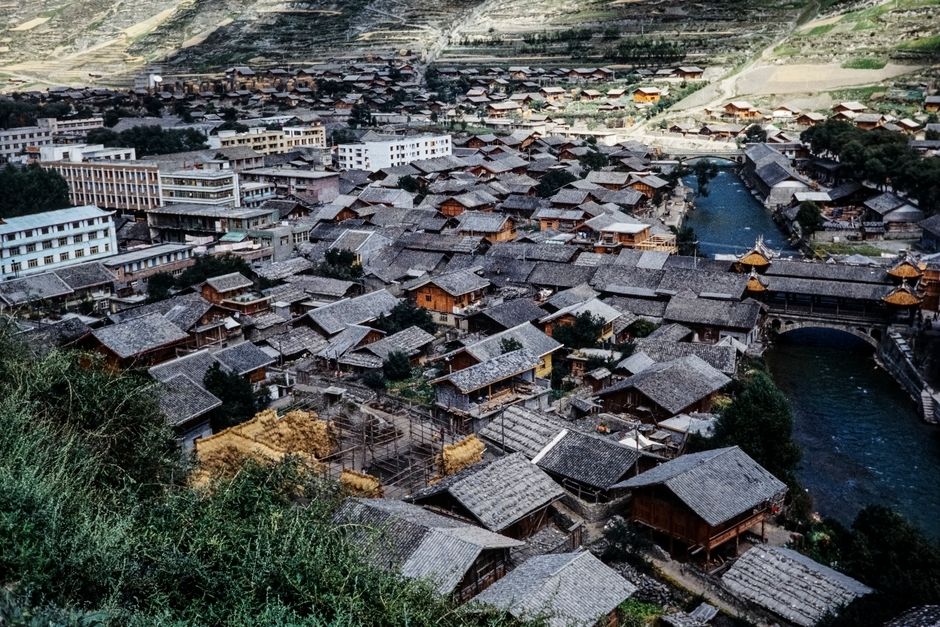
Zhenyuan Ancient Town, Guizhou, China
Here, the Wuyang River carves a perfect 'yin-yang' symbol around an ancient town, a stunning natural design that once guarded vital trade routes.
Zhenyuan, often called a 'Venice of the East', is nestled in a deep valley, its old houses clinging to riverbanks. For centuries, its strategic location on the Wuyang River made it a key military and commercial hub. The town's layout, bisected by the river's unique curve, blends traditional architecture with natural beauty, reflecting its long history as a gateway between provinces.
3. Fortress Village of the Yang Clan
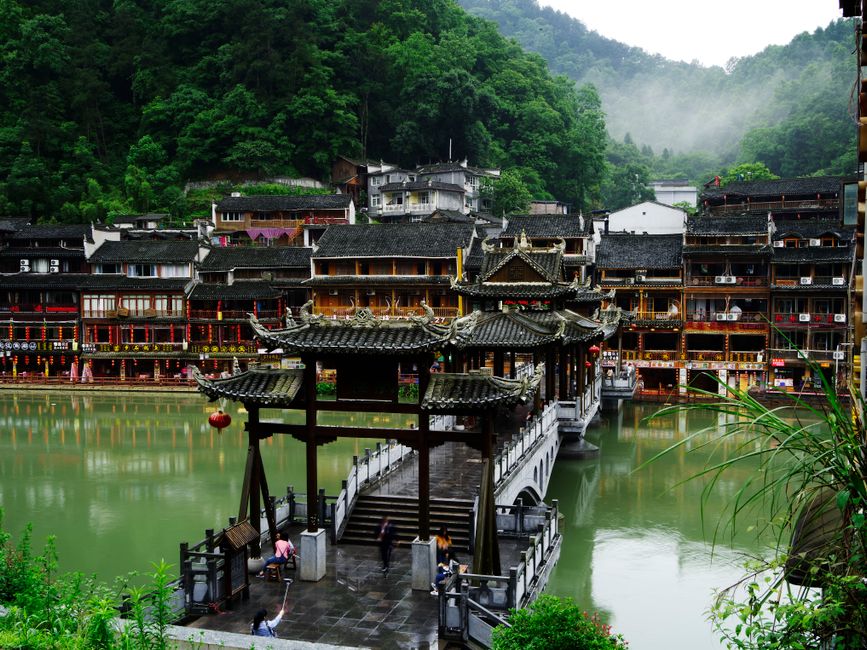
Gaoyi Ancient Village, Hunan, China
Explore a labyrinthine village designed like a defensive fortress, where the Yang family has meticulously preserved their Ming-era homes for over six centuries.
Gaoyi Ancient Village is a remarkably intact example of a traditional Chinese village, centered around a single clan. Its layout is a masterclass in ancient defensive architecture, with narrow alleys, hidden courtyards, and strategic gates. The village's buildings, crafted from wood and stone, showcase intricate carvings and a distinct architectural style that offers a rare glimpse into Ming and Qing dynasty rural life.
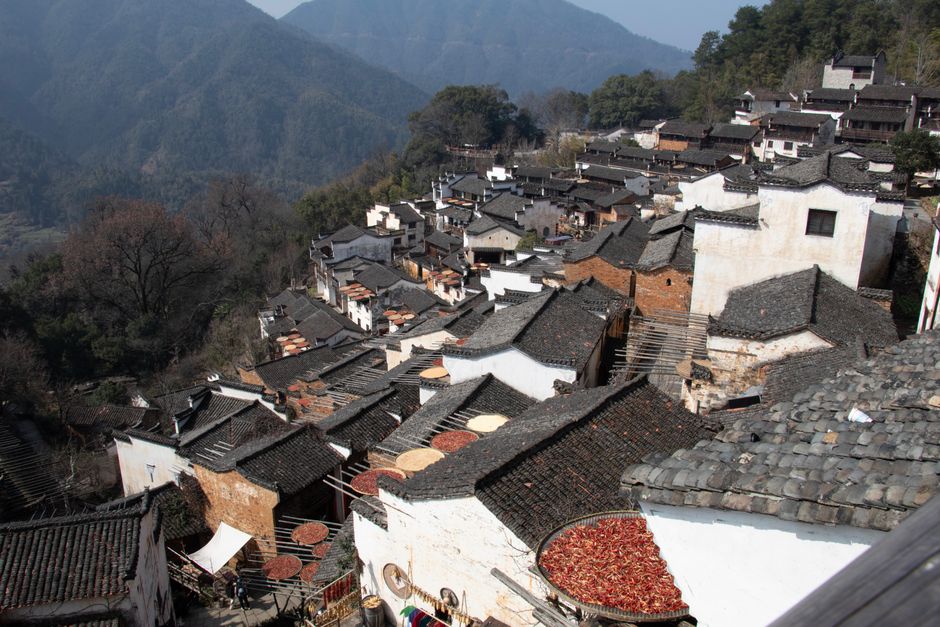
4. Whispers in Carved Wood
Likeng Village, Wuyuan, Jiangxi, China
In this quiet Wuyuan village, every ancestral hall and home tells a detailed story through its exquisitely carved wooden details, a testament to Qing dynasty artistry.
Likeng is a less-frequented gem within the scenic Wuyuan area, known for its well-preserved Huizhou-style architecture. The village boasts numerous ancestral temples, academies, and private residences, all adorned with elaborate wood, brick, and stone carvings. These intricate details depict mythical creatures, historical scenes, and auspicious symbols, reflecting the wealth and cultural sophistication of its merchant families.
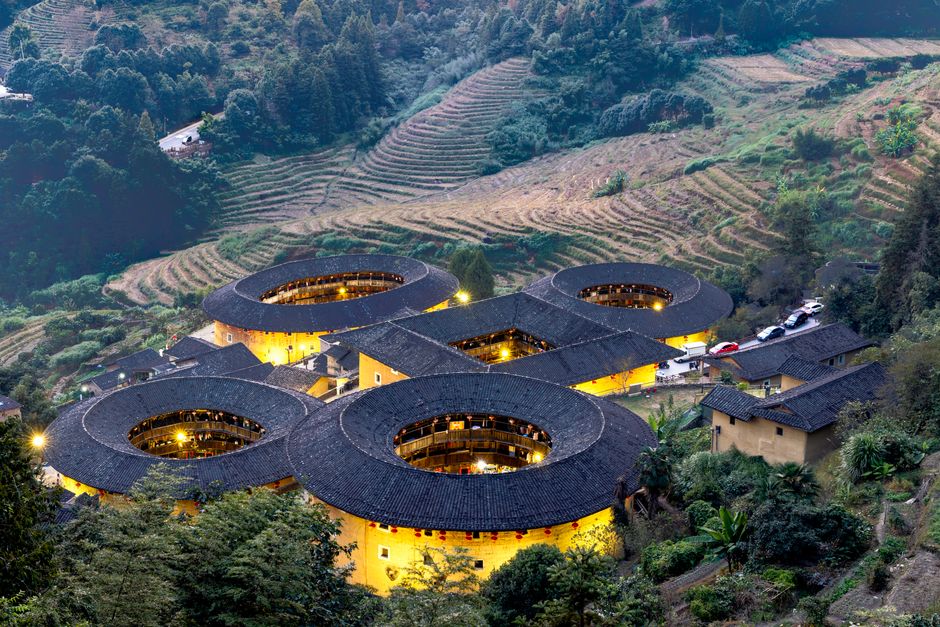
5. The Clan's 72 Staircases
Chuxi Tulou Cluster, Yongding, Fujian, China
Discover a cluster of unique earthen fortresses, one of which, Jiqinglou, bewilders visitors with an astonishing 72 separate staircases, connecting its many family units.
The Chuxi Tulou Cluster showcases the Hakka people's remarkable communal dwellings. These massive circular or square earthen buildings were designed for defense and communal living, housing entire clans under one roof. Jiqinglou, the most famous tulou here, is an architectural marvel. Its 72 staircases and 200+ rooms were ingeniously designed to give each family a private space while fostering a strong community bond within the fortress walls.

6. Emerald Pools and Seven Arches
Xiaoqikong Scenic Area, Libo, Guizhou, China
Explore a 'miniature' wonderland of emerald pools, cascading waterfalls, and dense primeval forests, all traversed by a delicate seven-arched bridge built in the Qing Dynasty.
Xiaoqikong (literally 'Small Seven-Hole Bridge') is a breathtaking karst landscape renowned for its crystal-clear waters and lush greenery. The centerpiece is the iconic bridge, dating back to 1836, which lends the area its name. Visitors can wander alongside turquoise rivers, marvel at natural rock formations, and discover hidden waterfalls, making it a serene escape into Guizhou's pristine natural beauty.
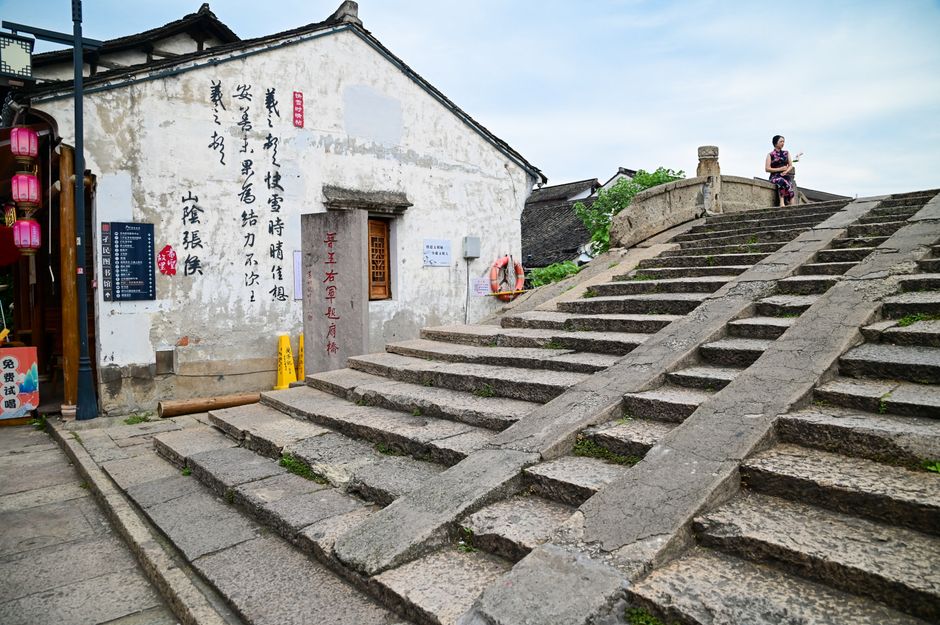
7. Echoes of Imperial Commerce
Hongjiang Ancient Commercial Town, Hunan, China
Wander through a sprawling ancient commercial town, once a bustling hub for merchants, where hidden alleys and opulent guild halls whisper tales of imperial-era trade.
Hongjiang Ancient Commercial Town is a living museum of China's mercantile past, remarkably preserved with over 380 ancient buildings from the Ming and Qing dynasties. It was a vital center for trade in timber, tung oil, and opium. Its streets are lined with former banks, pawn shops, inns, and guild halls, each reflecting the prosperity and complex social dynamics of its trading era, a rare glimpse into a bygone economic powerhouse.
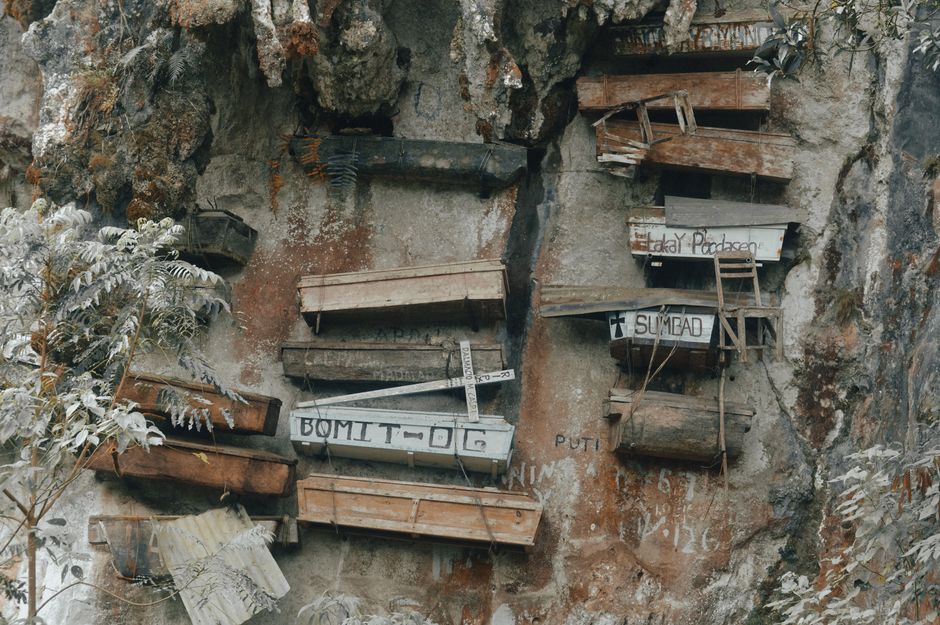
8. Taoist Birthplace, Hanging Coffins
Longhu Mountain, Jiangxi, China
Witness ancient 'hanging coffins' clinging precariously to sheer cliff faces, guarding secrets of a lost culture and marking the birthplace of Taoist alchemy.
Longhu Mountain, or Dragon Tiger Mountain, is revered as one of the birthplaces of Taoism, home to the Celestial Masters' sect. Beyond its spiritual significance, the mountain is famed for its mysterious cliff-face burials. These ancient coffins, some thousands of years old, are lodged high on precipitous cliffs, a burial custom of the Guyue people that continues to puzzle archaeologists about their placement methods and cultural meaning.
Frequently asked questions
What is the best time of year to ride the Chongqing-Xiamen high-speed rail?
Spring (March to May) and Autumn (September to November) are generally ideal for this journey. The weather is milder and more pleasant for exploring the diverse landscapes and towns along the route, avoiding the summer heat and humidity or winter chill.
Are there any specific cultural etiquette tips for visiting these lesser-known places?
In smaller, traditional villages, modesty in dress is appreciated. Always ask for permission before taking photos of people, especially ethnic minorities. Learning a few basic Mandarin phrases can also greatly enhance your interactions and show respect for local customs.
How long does the Chongqing-Xiamen high-speed rail journey typically take?
The direct high-speed rail journey from Chongqing to Xiamen typically takes around 10 to 12 hours. However, to truly explore the fascinating stops along the way, travelers should plan for a multi-day itinerary, breaking up the journey with overnight stays in various provinces.
How can AllTours.ai enhance my exploration of these hidden gems?
AllTours.ai transforms your phone into an intelligent audio guide. Simply point your camera at any landmark, landscape, or historical site, and the app will instantly narrate its history, geology, and cultural significance in your preferred language, offering deep context to every hidden story you encounter.
Photography via Pexels. AllTours.ai is an AI audio tour guide — point your camera at any landscape and hear its story.