July 26, 2026 · 4 min read
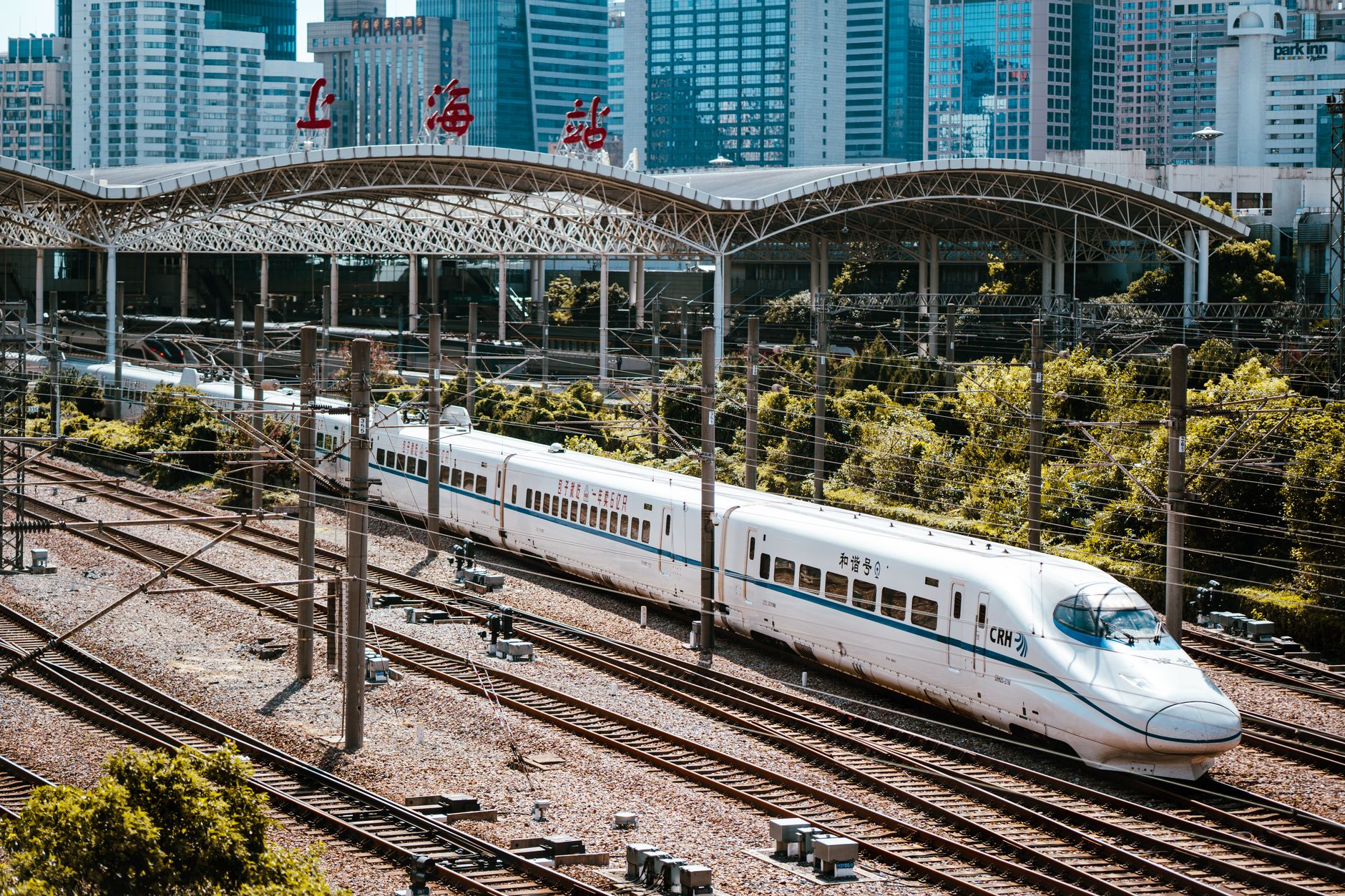
The Chongqing-Xiamen high-speed rail line is more than just a quick way to traverse China's diverse southern regions; it's a gateway to stories often overlooked. While major cities like Changsha and Fuzhou draw crowds, the true magic lies in the landscapes and smaller towns flashing past your window, each holding centuries of history, unique geology, or vibrant local culture.
Forget the usual tourist trails. This journey reveals pockets of ancient commerce, spiritual sanctuaries defying gravity, and geological wonders carved by time. We've compiled a guide to eight lesser-known marvels you might encounter or easily detour to, transforming your rail trip into an unforgettable exploration of China's hidden depths.
1. The Inland Shanghai of Old
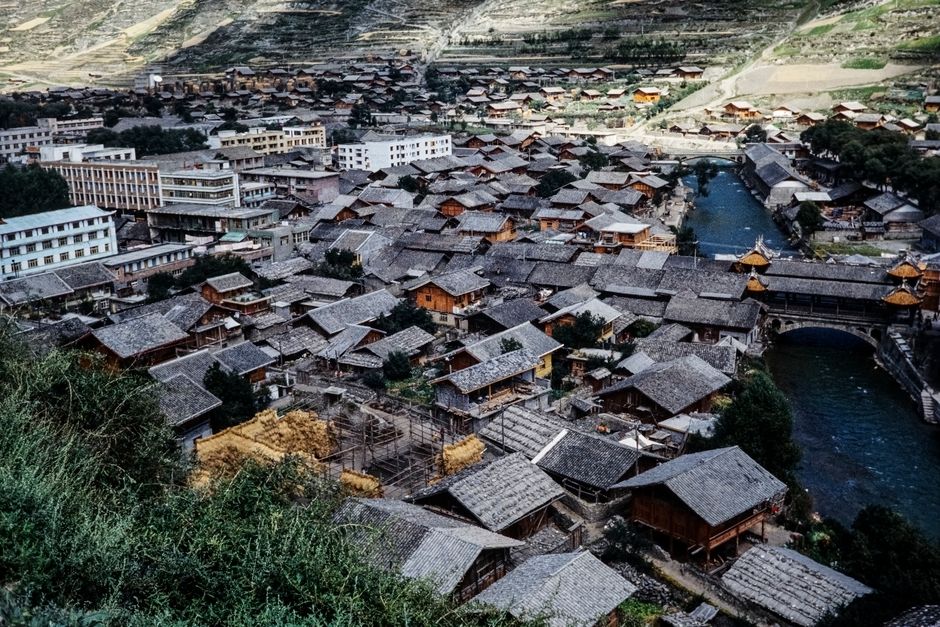
Hongjiang Ancient Commercial Town, Hunan, China
This town once rivaled Shanghai as a commercial hub, despite being deep inland.
Hidden in the mountains of Hunan, Hongjiang boomed during the Ming and Qing dynasties as a nexus for timber, oil, and opium trade. Its labyrinthine alleys reveal over 100 well-preserved ancient guild halls, banks, and residences, each telling tales of merchant empires. The town’s unique geographical position at the confluence of four rivers made it a strategic inland port, a 'living fossil' of ancient Chinese commerce far from the coastal bustle.
2. Living Fossil of Dong Culture
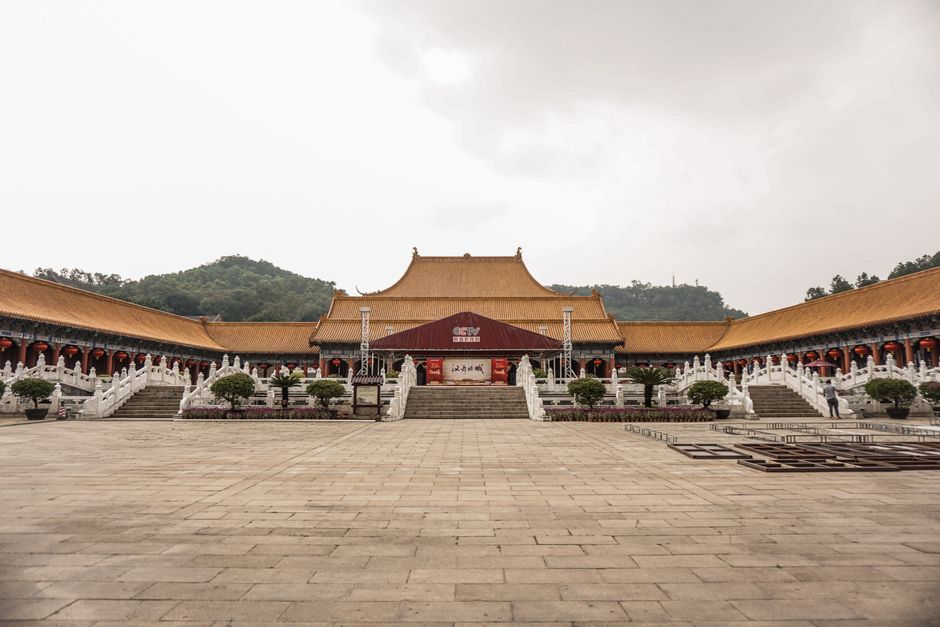
Gaoyishang Ancient Village, Hunan, China
A Dong ethnic village where ancient clan rules still shape daily life and architecture.
Tucked away in Huaihua, Gaoyishang is a remarkably preserved Dong village, dating back over 600 years. Its distinctive wooden stilt houses, drum towers, and wind-and-rain bridges are built without a single nail, showcasing ingenious traditional carpentry. Descendants of the same two clans still inhabit the village, maintaining ancient customs and a unique architectural style that reflects their deep connection to the land and their ancestors.
3. Taoist Cradle, Cliffside Secrets
Longhu Mountain (Dragon Tiger Mountain), Jiangxi, China
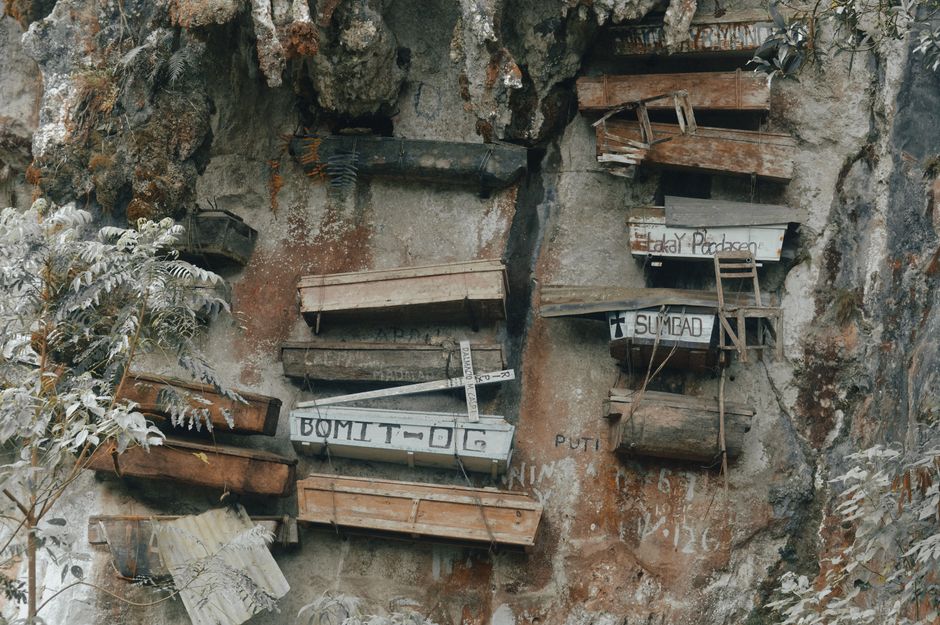
The birthplace of Taoism, where ancient 'hanging coffins' defy gravity on sheer cliffs.
Near Yingtan, Longhu Mountain is revered as the cradle of Zhengyi Taoism, boasting temples and altars linked to the first Celestial Master, Zhang Daoling. Beyond its spiritual significance, the mountain's dramatic Danxia landforms are home to a peculiar ancient burial practice. Hundreds of millennia-old 'hanging coffins' are precariously wedged or suspended in crevices high on the cliff faces, a mystifying sight whose precise installation methods remain a subject of archaeological debate.
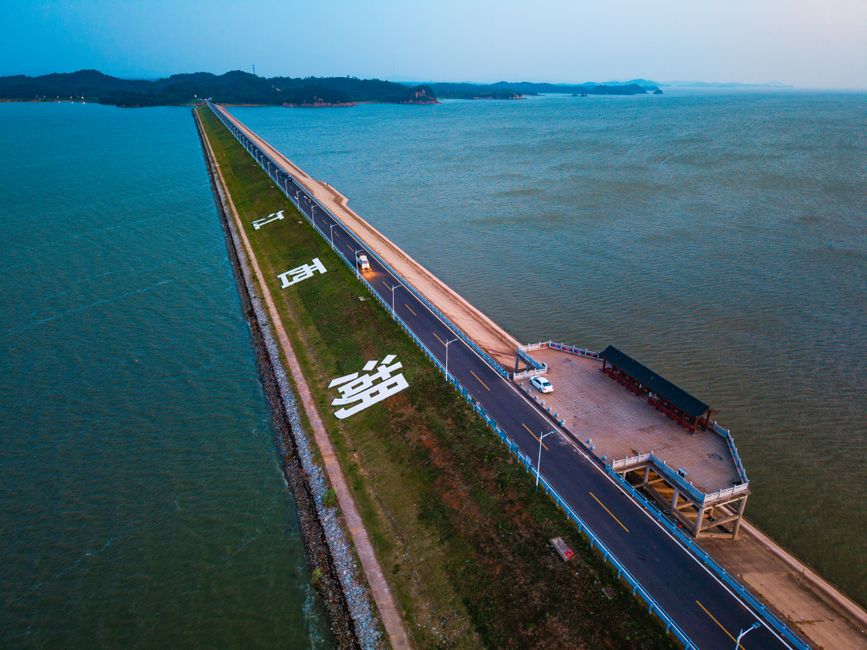
4. The Shrinking Lake's Feathered Guests
Poyang Lake Migratory Bird National Nature Reserve, Jiangxi, China
The world's largest wintering ground for Siberian cranes, a lake that dramatically shrinks and expands.
Poyang Lake is China's largest freshwater lake, but its true magic unfolds seasonally. During the dry season, it shrinks dramatically, revealing vast grasslands. Come winter, it transforms into a crucial haven for millions of migratory birds, including over 90% of the world's endangered Siberian cranes. This ecological spectacle highlights the delicate balance of nature and the lake's vital role in global biodiversity, a birdwatcher's paradise often overlooked by casual travelers.
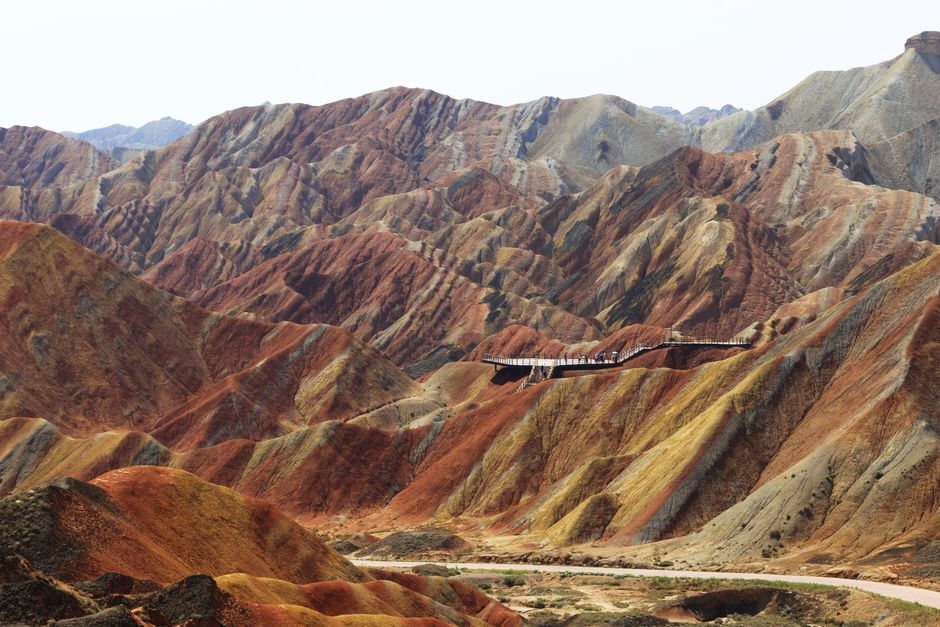
5. Water-Carved Red Rock Fortresses
Taining Global Geopark, Fujian, China
A UNESCO Geopark showcasing unique 'water-eroded' Danxia landforms that resemble ancient castles.
Taining presents an extraordinary landscape of red sandstone, sculpted over millennia by water and wind into bizarre and beautiful forms. Unlike typical Danxia formations, Taining's 'water-eroded' features create intricate caverns, narrow gorges, and towering pillars that evoke a sense of ancient, forgotten fortresses. This geological wonderland offers stunning boat rides through flooded canyons and hikes through hidden valleys, revealing nature's artistic prowess.
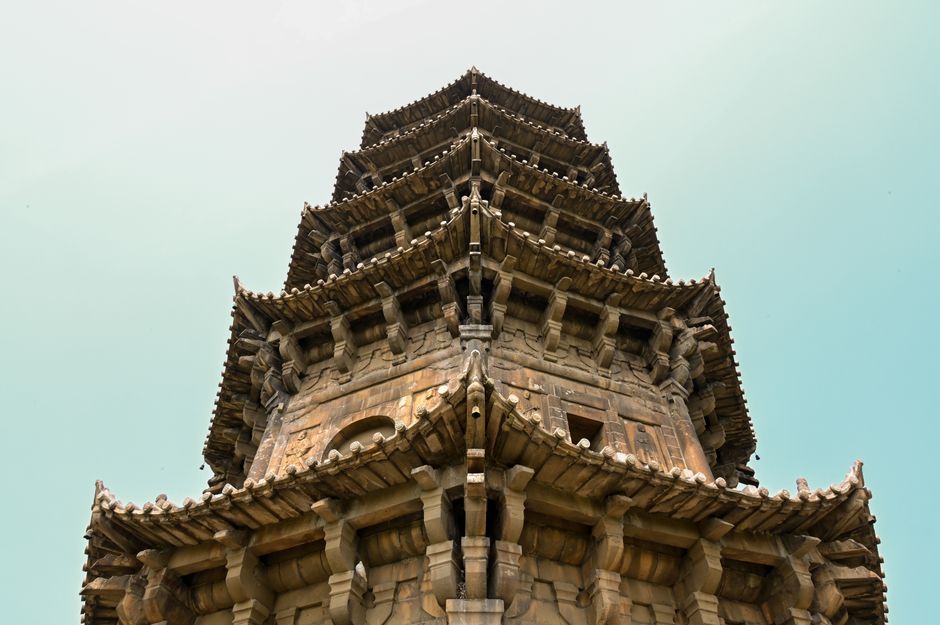
6. Elephants in a Buddhist Temple
Quanzhou Kaiyuan Temple, Fujian, China
A Buddhist temple with Hindu elephant carvings, a testament to China's ancient maritime trade.
Quanzhou, a UNESCO World Heritage site and a key port of the Maritime Silk Road, hosts the magnificent Kaiyuan Temple. Founded in 686 AD, its most striking feature is the pair of distinct Hindu-style elephant and lion pedestals supporting its main hall. These carvings, alongside other foreign architectural elements, vividly illustrate Quanzhou's historical role as a melting pot where diverse cultures and religions converged through bustling trade routes, long before modern globalization.
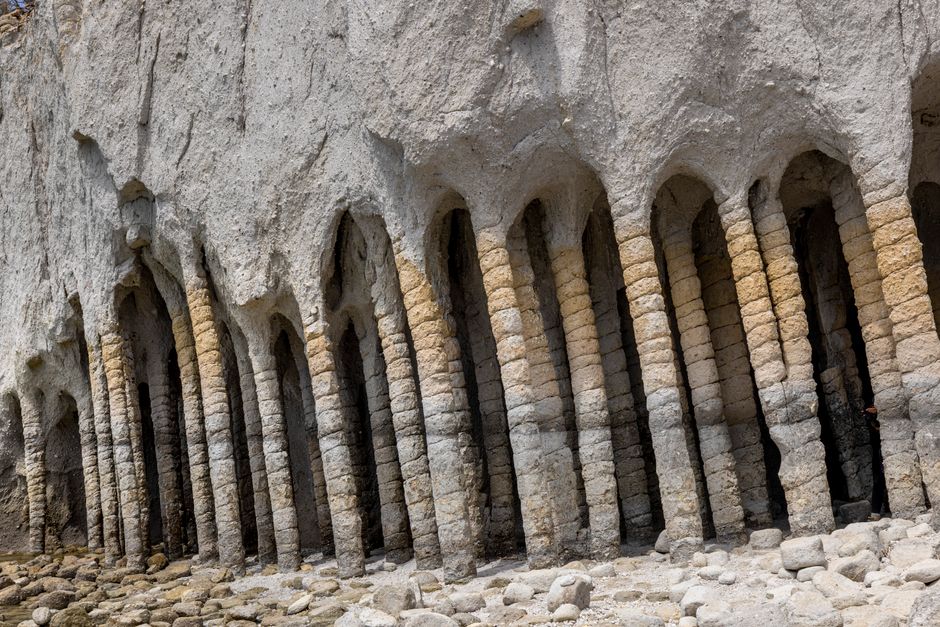
7. The Underwater Volcano's Stone Forest
Zhangpu Ancient Volcano National Geopark, Fujian, China
Witness a rare 'stone forest' of hexagonal columnar basalt, remnants of an ancient underwater eruption.
On the coast of Zhangpu, this geopark reveals a dramatic geological past. Here, vast formations of hexagonal columnar basalt rise from the sea, resembling an alien landscape. These perfect geometric columns are the result of ancient volcanic eruptions that cooled rapidly underwater, creating a unique 'stone forest.' It's a striking natural laboratory, offering a tangible connection to the powerful forces that shaped Earth millions of years ago, a stark contrast to Fujian's lush interiors.
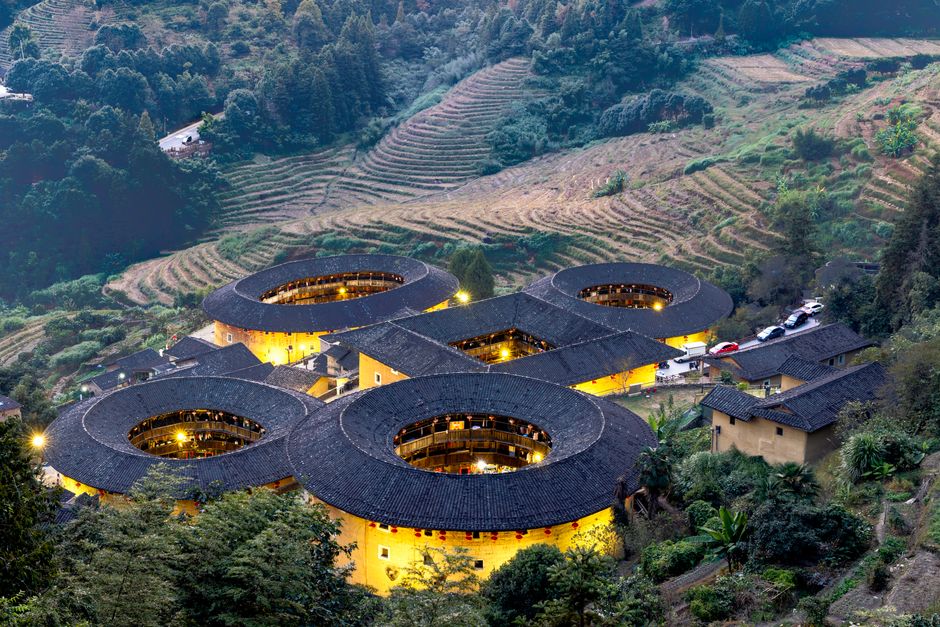
8. Hakka's Earth Castles Untold
Hekeng Tulou Cluster, Fujian, China
Discover a less-crowded cluster of Fujian's unique earthen 'tulou' castles, each with generations of family history.
While Yongding and Nanjing's tulou are well-known, the Hekeng Tulou Cluster in Hua'an County offers an equally impressive, yet more tranquil, experience. This cluster features several distinctive tulou, including the magnificent 'Dadi Tulou,' a large round fortress housing multiple families. Exploring Hekeng allows for a more intimate glimpse into the Hakka people's communal living and defensive architecture, where each earthen wall holds centuries of resilience, adaptation, and shared stories.
Frequently asked questions
How long does the Chongqing-Xiamen high-speed rail journey take?
The full journey can take approximately 12-15 hours, depending on the specific train and stops. It's often recommended to break up the trip with overnight stays in major cities along the route like Changsha or Nanchang to explore more deeply.
What are the best times of year to travel this route?
Spring (March-May) and Autumn (September-November) generally offer the most pleasant weather for travel through this region of China. Summers can be very hot and humid, while winters can be chilly, especially in the mountainous areas.
Are there dining options on the high-speed trains?
Yes, China's high-speed trains typically offer dining cars with hot meals, snacks, and beverages. There are also usually vendors who push trolleys through the aisles selling drinks and snacks. Bringing your own food is also common.
How can AllTours.ai enhance my high-speed rail journey through China?
AllTours.ai is your personal AI audio guide. As you ride the Chongqing-Xiamen high-speed rail, simply point your phone camera at passing landscapes or landmarks. The app will then narrate their history, geology, and culture directly in your language, revealing hidden stories and context you might otherwise miss.
Photography via Pexels. AllTours.ai is an AI audio tour guide — point your camera at any landscape and hear its story.