July 25, 2026 · 5 min read
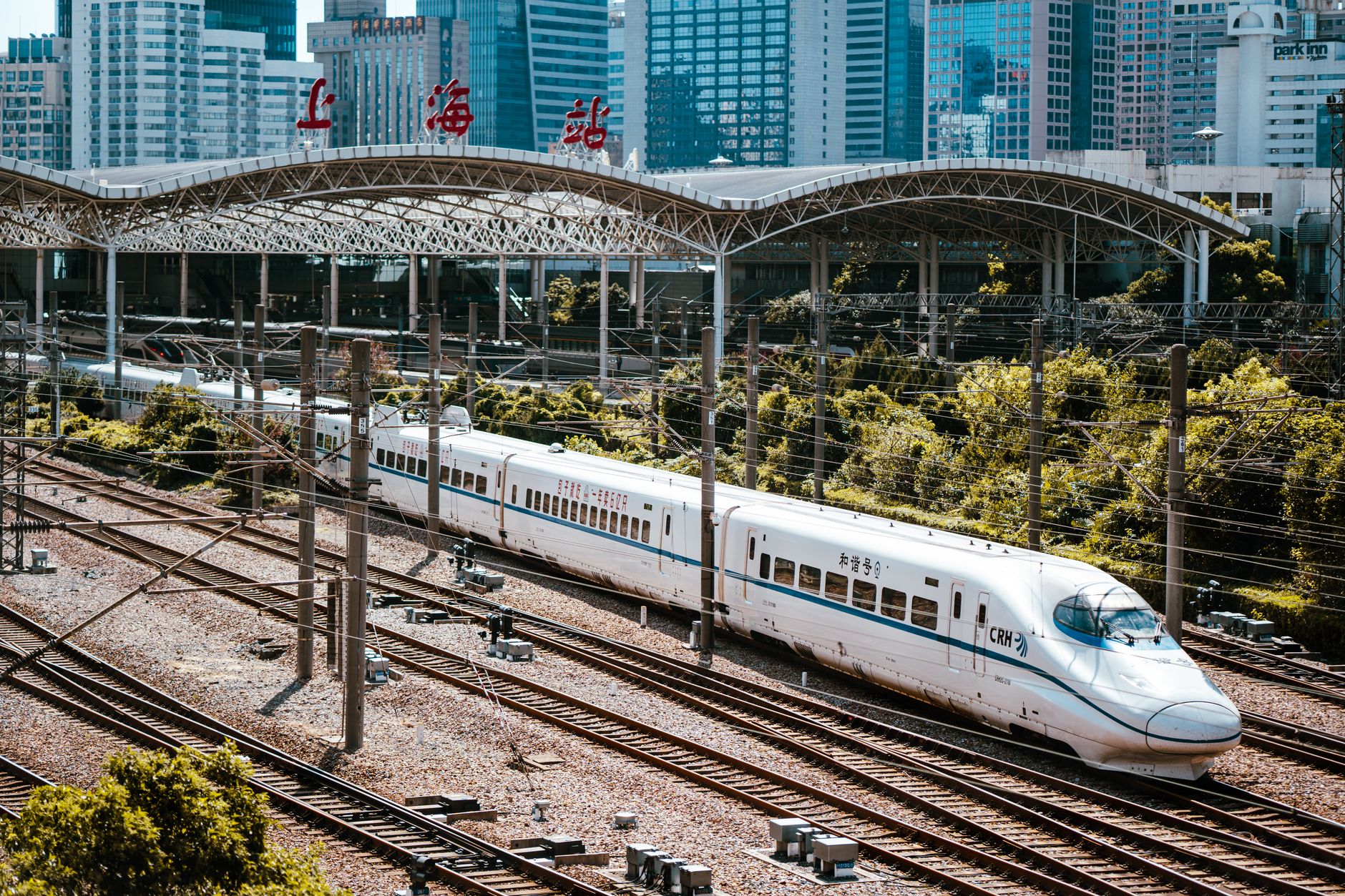
The Chongqing-Xiamen high-speed rail line carves a remarkable path across China, connecting the vibrant 'Mountain City' to the coastal charm of Fujian. While many travelers focus on major urban centers, the true magic of this journey lies in the overlooked towns and hidden historical sites that dot its extensive route.
For those curious about the layers of history, unique geology, and vibrant local cultures often missed by standard guidebooks, this train ride is an invitation to explore. Forget the usual tourist trails; we're diving into specific, verifiable wonders that tell surprising tales.

1. The Submerged Hydrological Station
Baiheliang Underwater Museum, Fuling, China
An ancient hydrological gauge from the Tang Dynasty lies beneath the Yangtze, preserved as a museum accessed by a glass tunnel.
Beneath the waters of the Yangtze River, near Fuling, lies Baiheliang – a natural rock ridge inscribed with ancient hydrological markers and poems dating back over 1200 years. These 'stone fish' once recorded the river's lowest water levels, a crucial tool for navigation. With the construction of the Three Gorges Dam, the ridge was submerged, but an ingenious underwater museum now allows visitors to descend and view this unique historical artifact through large glass windows, a silent testament to human ingenuity and nature's power.
2. The City Temple's Enduring Spirit
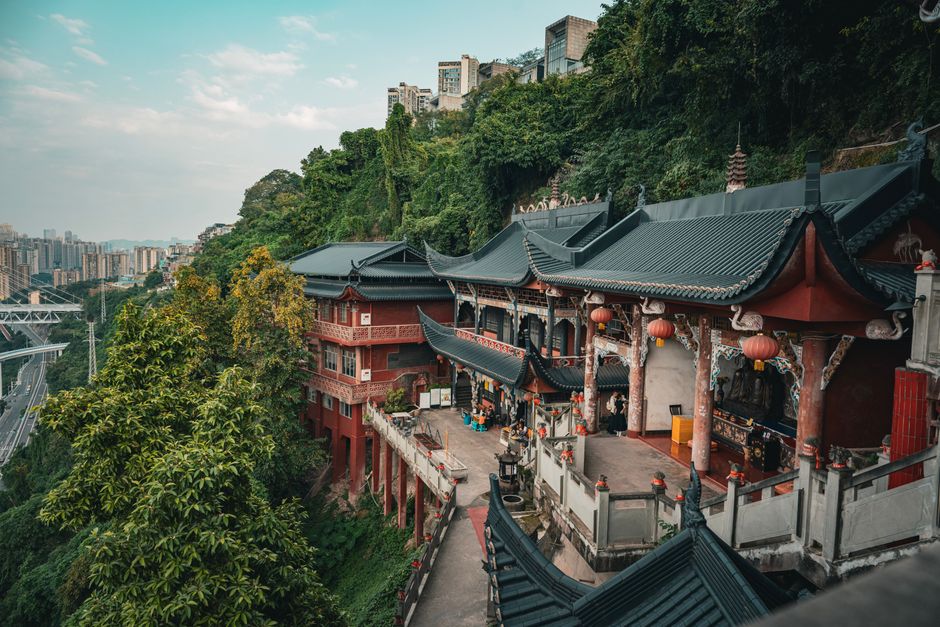
Luohan Temple, Chongqing, China
Amidst Chongqing's towering skyscrapers, an ancient Buddhist temple has defied modernization for centuries, maintaining its serene presence.
Luohan Temple, a Buddhist sanctuary with a history stretching back over a thousand years, stands as a remarkable anachronism in the heart of Chongqing's bustling Yuzhong district. Its distinctive red walls and traditional architecture offer a stark contrast to the surrounding glass and steel. This temple is famous for its 'Arhat Hall,' housing 500 lifelike clay sculptures of arhats, each with a unique expression. It serves not just as a place of worship, but also as a quiet retreat, embodying the enduring spiritual resilience amidst relentless urban development.
3. Tujia Traditions on Display
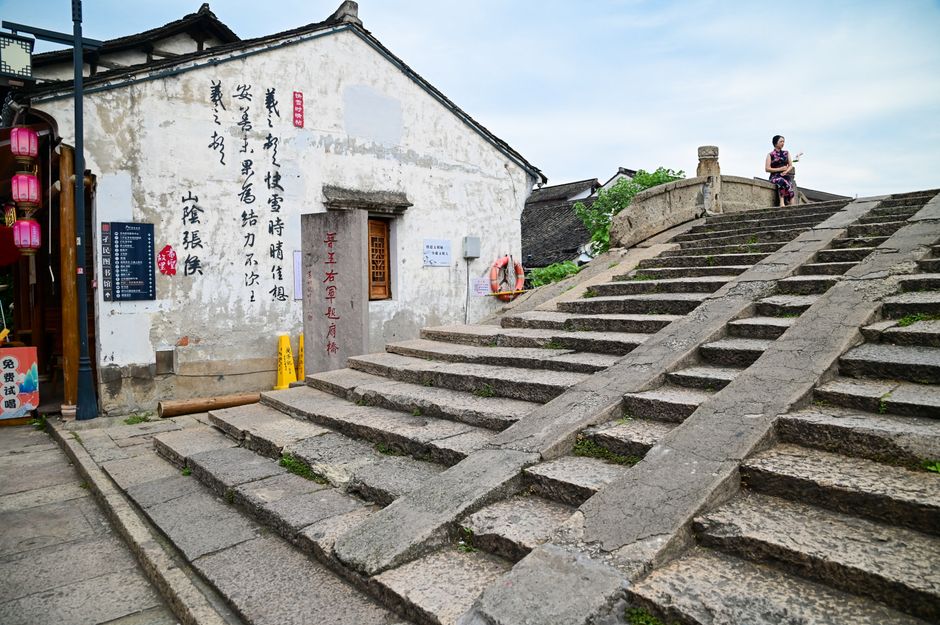
Daji Ancient Town, Changde, China
Discover ancient Tujia stilt houses and unique folk customs in a quiet town nestled by the Yuan River, far from the crowds.
Daji Ancient Town, located in Changde, offers a glimpse into the rich cultural heritage of the Tujia ethnic group. Unlike more commercialized 'ancient towns,' Daji retains an authentic charm with its traditional wooden stilt houses ('diaojiaolou') built along the riverbanks. The town is a living museum where you can observe local artisans, taste unique Tujia cuisine, and sometimes even witness traditional folk performances. It provides a peaceful, immersive experience into a lesser-known facet of Chinese ethnic culture and architecture.
4. The Scholar's Humble Abode
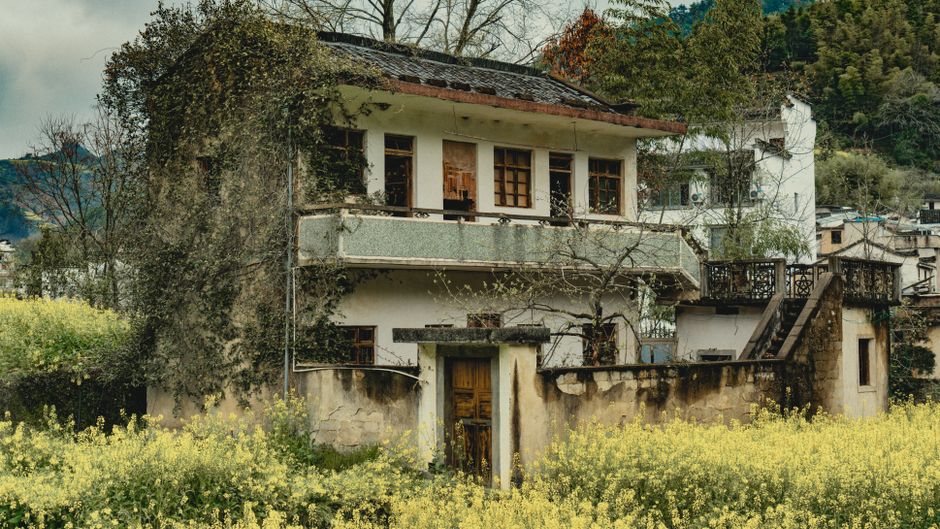
Jia Yi Former Residence, Changsha, China
Step into the modest home of Jia Yi, a brilliant Han Dynasty poet and statesman exiled and misunderstood, whose legacy shaped Chinese literature.
Hidden within the urban fabric of Changsha is the former residence of Jia Yi, a prominent scholar and official from the Western Han Dynasty. Despite his immense talent and progressive ideas, Jia Yi faced political persecution and was exiled to Changsha. His residence, though rebuilt over centuries, preserves the atmosphere of a classical scholar's dwelling with tranquil courtyards and study rooms. Visiting offers a profound connection to a pivotal figure in Chinese intellectual history, whose eloquent writings and tragic life continue to inspire contemplation on integrity and fate.
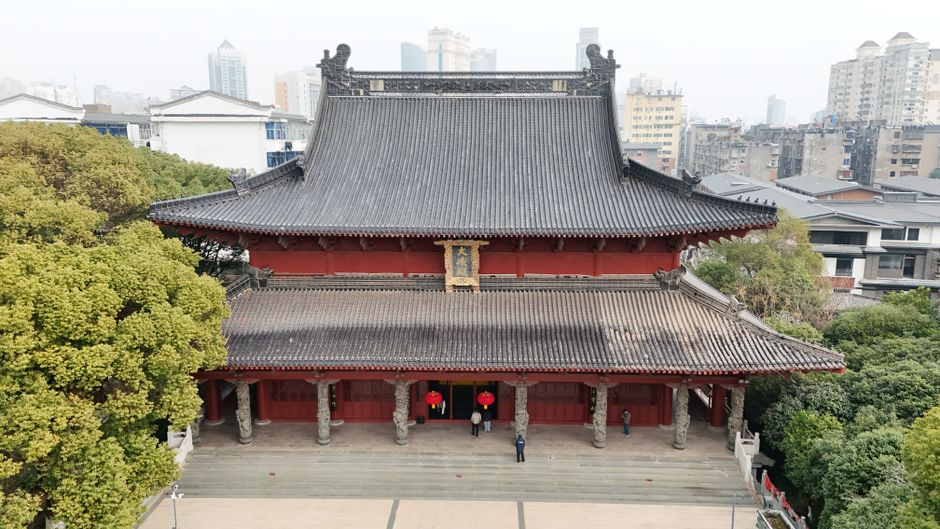
5. The Alchemist's Sanctuary
Qingyunpu Taoist Temple, Nanchang, China
Uncover the serene haven of one of China's oldest Taoist temples, founded by a legendary alchemist who sought immortality.
Qingyunpu Taoist Temple, nestled in the southern suburbs of Nanchang, boasts a history spanning over 1700 years. It was originally founded by Ge Hong, a renowned alchemist and Taoist master from the Eastern Jin Dynasty, famous for his pursuit of immortality and contributions to traditional Chinese medicine. The temple's architecture blends harmoniously with its natural surroundings, featuring ancient trees, tranquil ponds, and ornate pavilions. It remains a significant center for Taoist culture, offering a peaceful escape and a deep dive into the mystical side of Chinese philosophy.
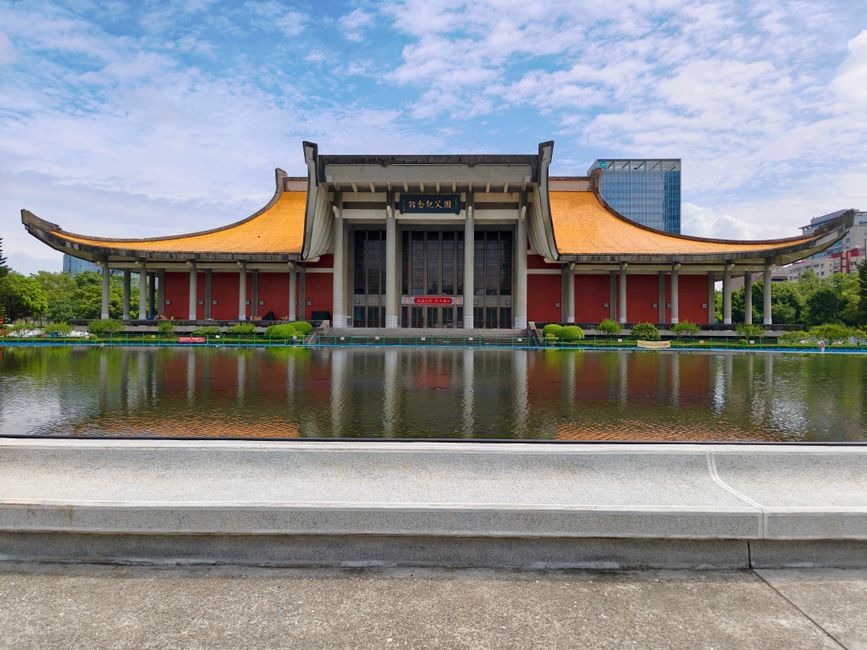
6. A Hero's Stand Against Opium
Lin Zexu Memorial Hall, Fuzhou, China
Learn about the principled official who dared to confront the British over opium, igniting a pivotal chapter in Chinese history.
The Lin Zexu Memorial Hall in Fuzhou commemorates one of China's most revered historical figures, Lin Zexu, a Qing Dynasty official famous for his unwavering stance against the opium trade. His decisive actions in Canton (Guangzhou) directly led to the First Opium War. The hall, housed in his ancestral temple, displays artifacts, documents, and illustrations that chronicle his life, reforms, and the dramatic events surrounding the opium suppression. It offers a powerful narrative on national sovereignty, integrity, and the challenges faced by China in the 19th century.
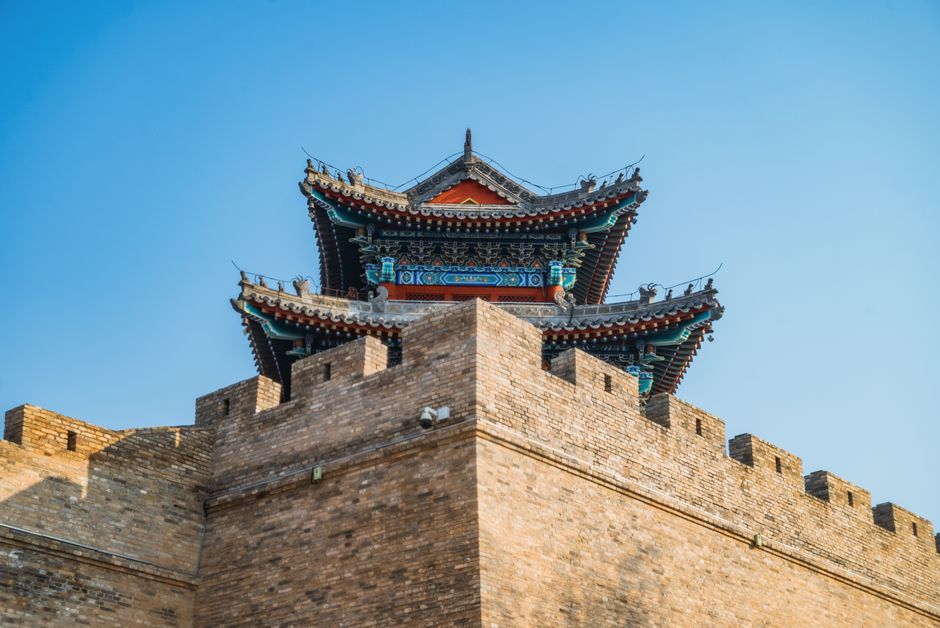
7. Scholarly Walls of Jian'ou
Jian'ou Ancient City Wall & Fengshan Academy, Jian'ou, China
Explore the remnants of a historic city wall and a revered Confucian academy in Jian'ou, a city once a hub of Southern Song scholarship.
Jian'ou, a city in Fujian, boasts a rich academic and defensive past, evident in its ancient city wall sections and the esteemed Fengshan Academy. Dating back to the Southern Song Dynasty, Fengshan Academy was a significant center for Confucian studies, attracting scholars from across the region. The surviving segments of the city wall, though not as grand as some, tell a story of regional defense and urban planning. Together, they offer a quiet reflection on a period when Jian'ou played a crucial role in cultivating intellectual and cultural life in southern China.
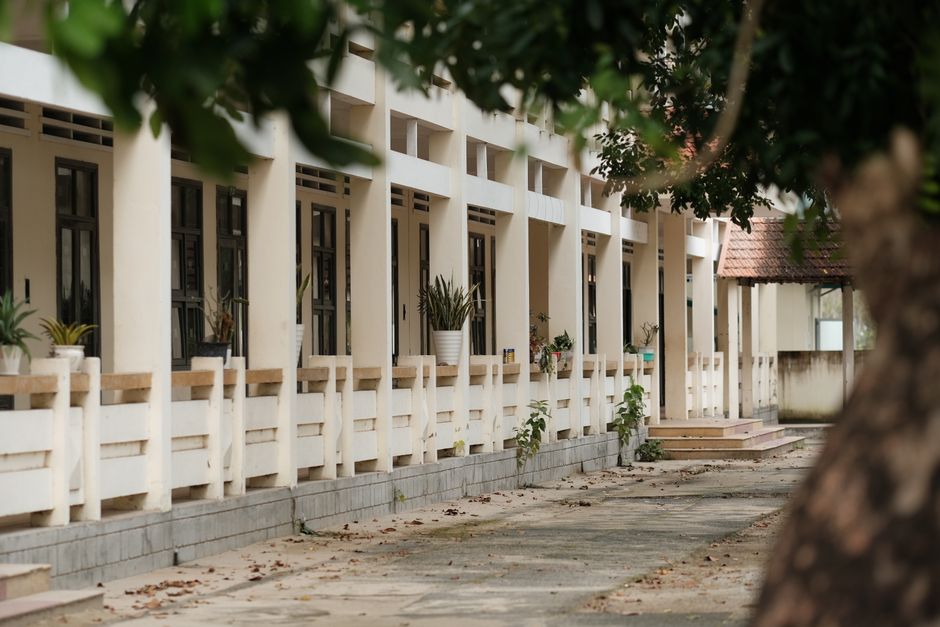
8. The Philanthropist's Legacy
Jimei School Village, Xiamen, China
Explore a stunning educational complex built by an overseas Chinese philanthropist, featuring unique East-meets-West architecture.
The Jimei School Village in Xiamen is a remarkable testament to the vision of Tan Kah Kee, a prominent overseas Chinese entrepreneur and philanthropist. Beginning in 1913, Tan Kah Kee invested his fortune in building a comprehensive educational system from kindergarten to university, creating an entire 'school village.' The architecture is a fascinating blend of traditional Chinese and Western styles, known as 'Jiageng style,' characterized by intricate carvings and grand scale. This sprawling campus is not just an educational institution but a cultural landmark, embodying a powerful story of dedication to public welfare.
Frequently asked questions
What kind of landscapes can I expect to see on the Chongqing-Xiamen rail line?
The route transitions dramatically from the mountainous and riverine scenery of Sichuan and Chongqing, through the rolling hills and agricultural plains of Hunan and Jiangxi, to the coastal vistas of Fujian. Expect a rich tapestry of natural beauty and human settlements.
Are there overnight trains available on this route?
While there are no dedicated overnight sleeper high-speed trains (D-class or G-class) that cover the full Chongqing-Xiamen route, some sections might offer overnight options if you break up the journey. Most high-speed services are daytime only, completing the trip within a single day.
How can the AllTours.ai app enhance my high-speed rail journey in China?
AllTours.ai transforms your train window into a dynamic guide. Simply point your phone camera at the passing landscape or a distant landmark, and the app will instantly narrate its history, geology, and cultural significance in your preferred language, revealing stories you'd otherwise miss.
Photography via Pexels. AllTours.ai is an AI audio tour guide — point your camera at any landscape and hear its story.