September 10, 2026 · 5 min read
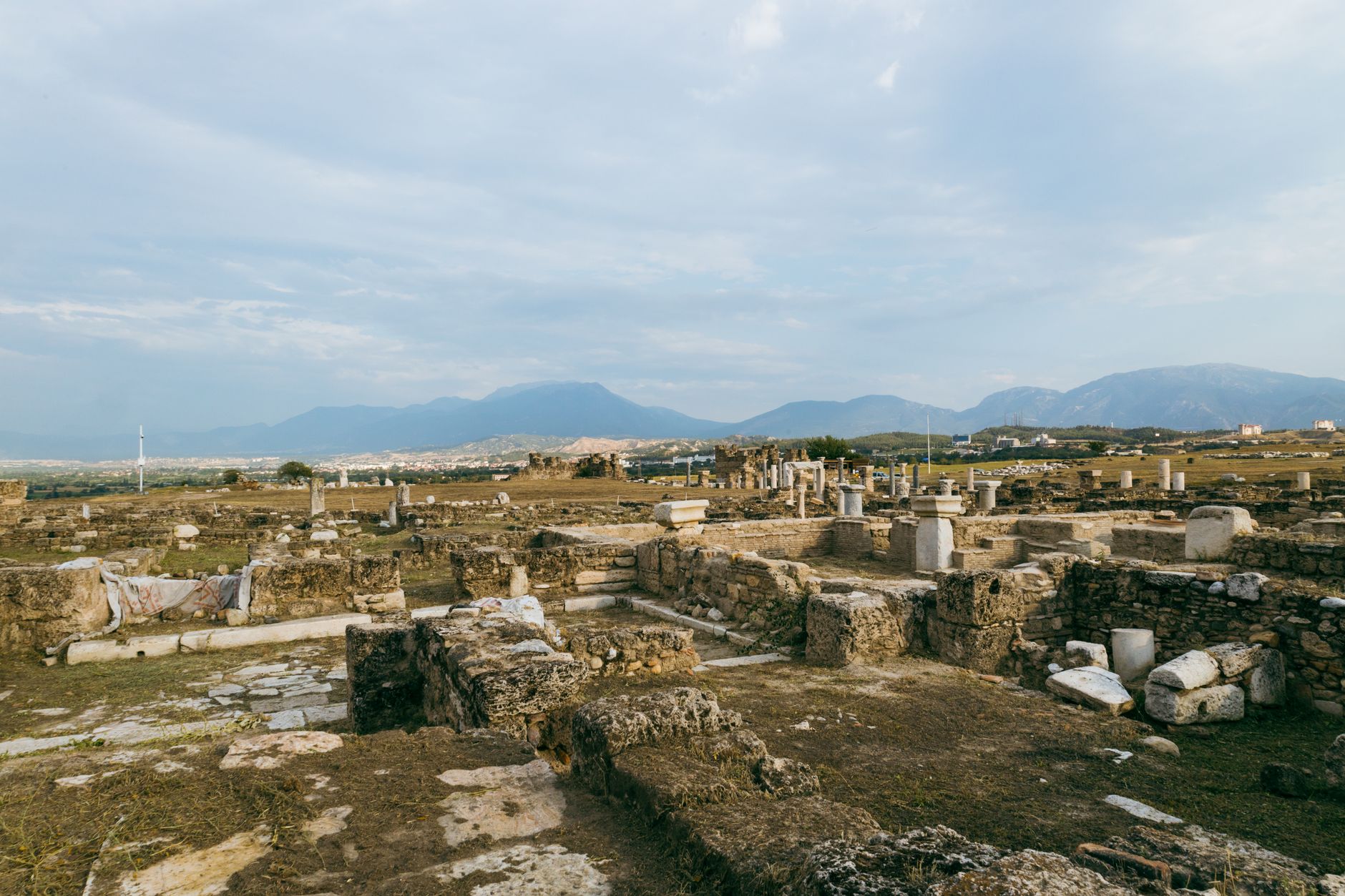
The human imagination is captivated by the idea of lost cities—places swallowed by jungles, deserts, or the sea. But beyond the famous legends of Atlantis or El Dorado, real history is dotted with once-mighty metropolises that simply faded away, leaving behind only echoes of their former glory.
These aren't just ruins; they are vast urban centers that once housed hundreds of thousands, even millions, of people, only to become virtually uninhabited. We're diving into the question: what was the largest city in history that is now virtually uninhabited? The answer isn't just one place, but a collection of forgotten giants, each with a dramatic story of rise, fall, and eventual silence.
1. The Sands of a Lost Metropolis
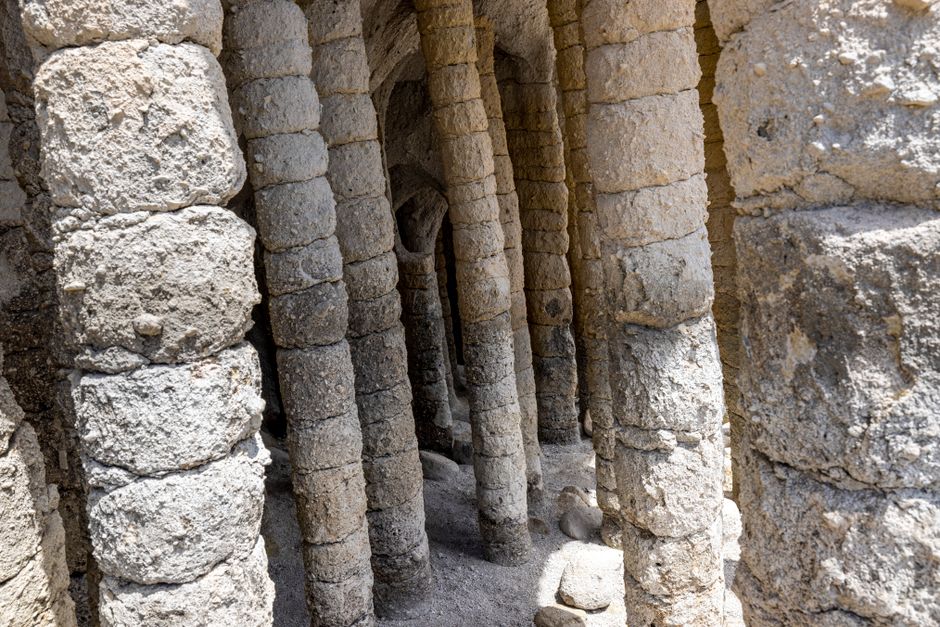
Merv, Turkmenistan
Once the largest city on Earth, Merv was reduced to dust and legend by a brutal Mongol siege.
In the 12th century, Merv was a jewel of the Silk Road, a sprawling oasis city bustling with scholars and merchants, home to over a million people. Its libraries rivaled Baghdad's. But in 1221, the Mongol army arrived, and after a short siege, massacred its entire population over several days, leaving only ruins and a chilling historical warning. Today, multiple ancient city sites lie layered upon each other in the desert, a testament to its repeated rebirth and ultimate demise.
2. The Clay City of the Chimú
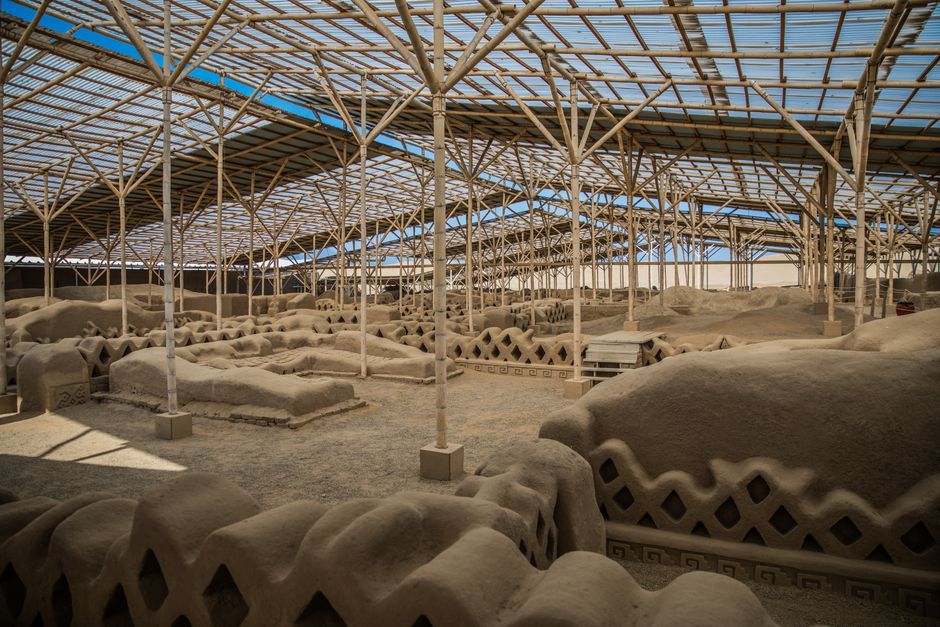
Chan Chan, Peru
This vast capital, built entirely of adobe, once housed a sophisticated society before succumbing to environmental shifts and invasion.
Chan Chan, capital of the Chimor kingdom, was the largest pre-Columbian city in South America, sprawling across 20 square kilometers. Its intricate mud-brick walls, decorated with friezes depicting fish and birds, enclosed palaces, temples, and workshops. While its sophisticated irrigation systems sustained it for centuries, climate changes like severe El Niño events weakened its foundations, making it vulnerable to the Inca conquest in the late 15th century and eventual abandonment.
3. The Ghost City of a Thousand Churches
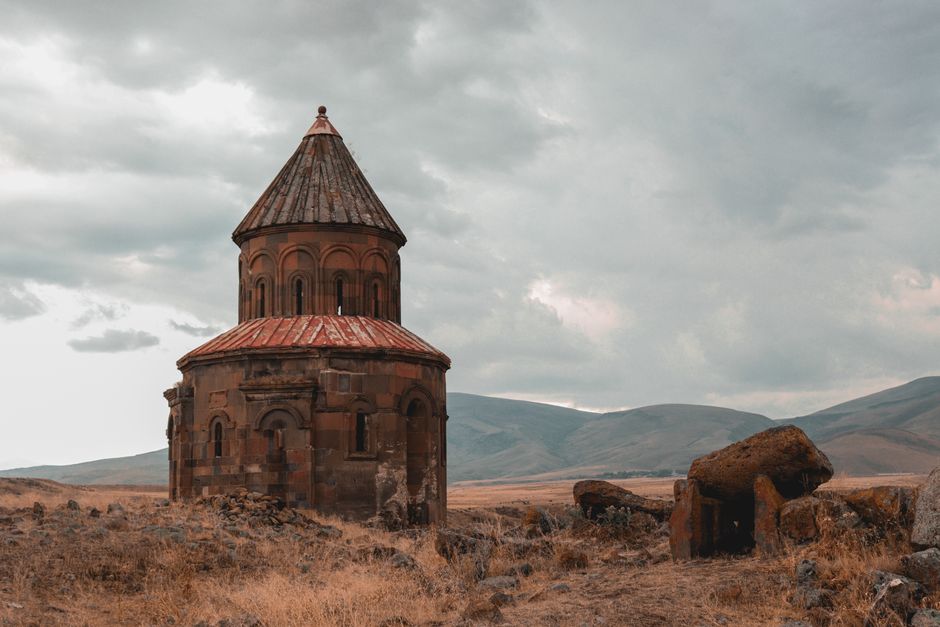
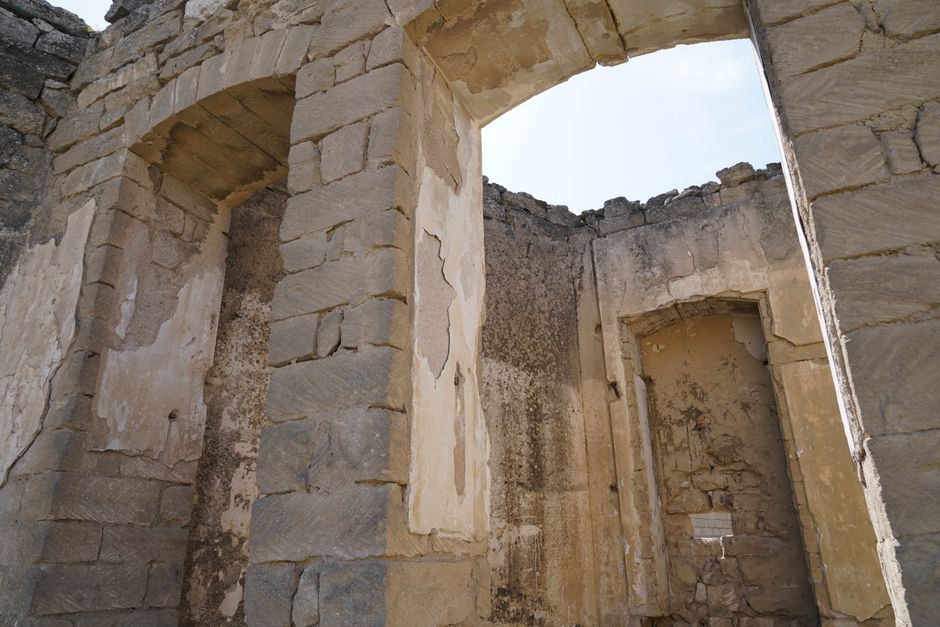
Ani, Turkey
Once a grand medieval capital rivaling Constantinople, Ani now stands as a haunting collection of exquisite stone churches on a deserted plateau.
Perched on a dramatic plateau overlooking a canyon that forms Turkey's border with Armenia, Ani was the capital of the Bagratid Armenian kingdom in the 10th and 11th centuries. Its strategic location made it a thriving trade hub, boasting a population in the hundreds of thousands and magnificent churches, mosques, and fortifications. A devastating earthquake in the 14th century, coupled with shifting trade routes and political turmoil, gradually led to its abandonment, leaving behind an eerie silence.
4. The Enigmatic Stone Citadel
Great Zimbabwe, Zimbabwe
This sprawling complex of mortarless stone walls, built by a powerful African kingdom, was mysteriously abandoned centuries ago.
Great Zimbabwe was the capital of a powerful kingdom that flourished between the 11th and 15th centuries, dominating trade routes across Southern Africa. Its most striking features are the Great Enclosure, with its massive, curved outer wall and conical tower, built without mortar. Despite its sophisticated construction and clear evidence of a large population, the city was inexplicably abandoned, possibly due to environmental degradation, famine, or a decline in gold trade, leaving its rise and fall shrouded in mystery.
5. The Lost Metropolis of the Indus
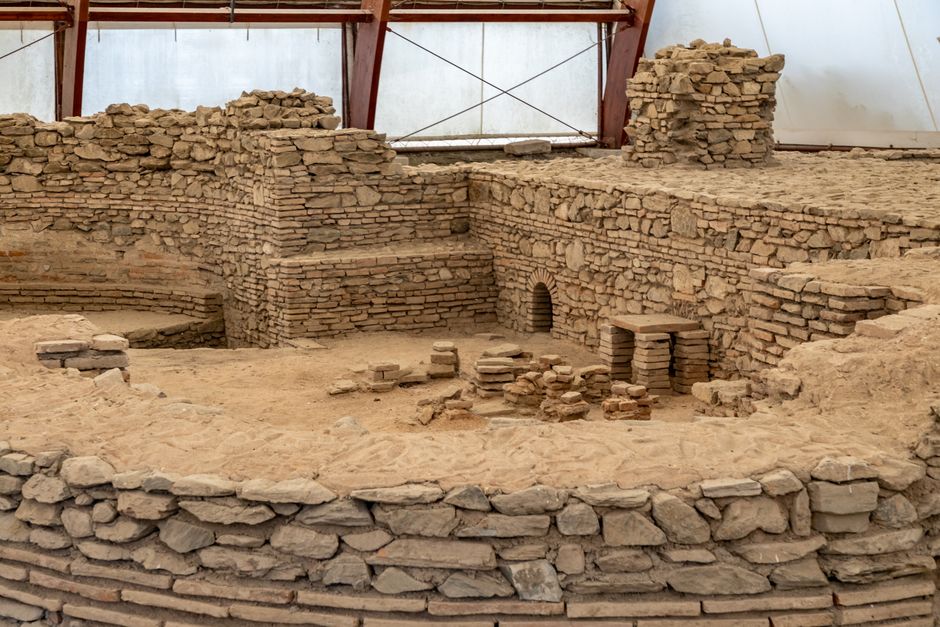
Mohenjo-Daro, Pakistan
One of the world's earliest and most advanced urban centers, this ancient city vanished without a trace, leaving behind an archaeological enigma.
Flourishing around 2500 BCE, Mohenjo-Daro was a marvel of urban planning, featuring sophisticated drainage systems, grid-patterned streets, and monumental public baths. It was one of the largest cities of the enigmatic Indus Valley Civilization, supporting a population of tens of thousands. Its sudden decline and abandonment around 1900 BCE remain a subject of debate, with theories ranging from climate change and river shifts to invasions, making it a powerful testament to the fragility of early civilizations.
6. Rome's Forgotten Moroccan Outpost
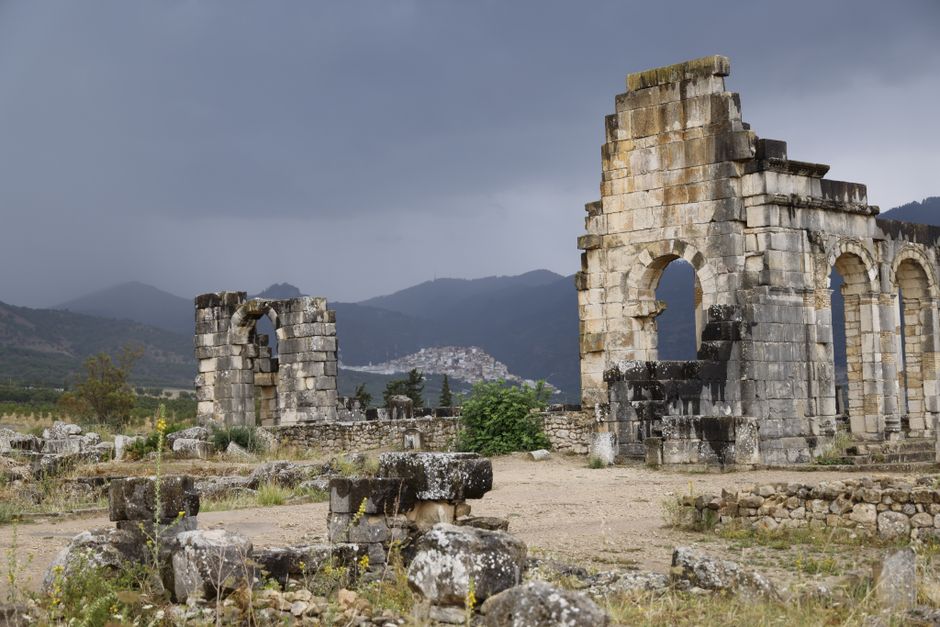
Volubilis, Morocco
This well-preserved Roman city, once a thriving administrative center, was left to ruin after the empire's retreat and later plundered for its stones.
Volubilis was the southernmost Roman capital in the province of Mauretania Tingitana, a flourishing agricultural hub supplying olive oil to Rome. By the 3rd century CE, after the Roman withdrawal to coastal areas, it continued as a Christian settlement for several centuries before its eventual abandonment. An earthquake in the 18th century heavily damaged the site, and its magnificent marble and stone were later quarried to build Meknes, leaving behind impressive arches, mosaics, and foundations.
7. The Royal City of Ceylon's Past
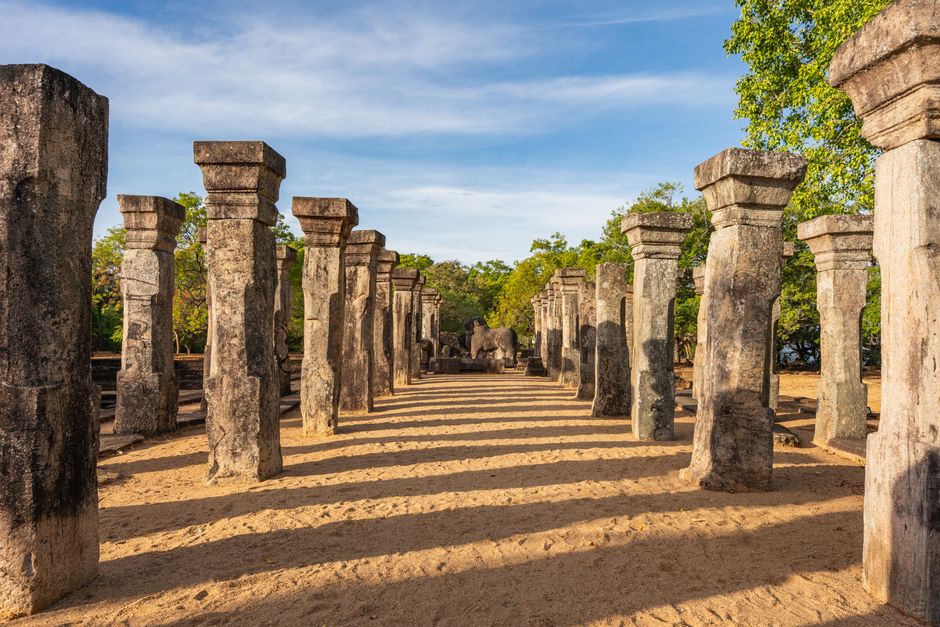
Polonnaruwa, Sri Lanka
Once a glorious medieval capital of Sri Lanka, this city was repeatedly sacked and eventually abandoned as political power shifted away.
Polonnaruwa rose to prominence in the 11th century as the second capital of ancient Sri Lanka, boasting impressive irrigation systems, vast palaces, and magnificent Buddhist and Hindu temples. Kings like Parakramabahu I transformed it into a thriving metropolis, but its strategic vulnerability led to frequent invasions from South Indian kingdoms. After centuries of prosperity, repeated conflicts and the relocation of the capital to safer, forested areas led to its gradual desertion, leaving its grand monuments to the jungle.
8. The Fortified Sun City of the Desert
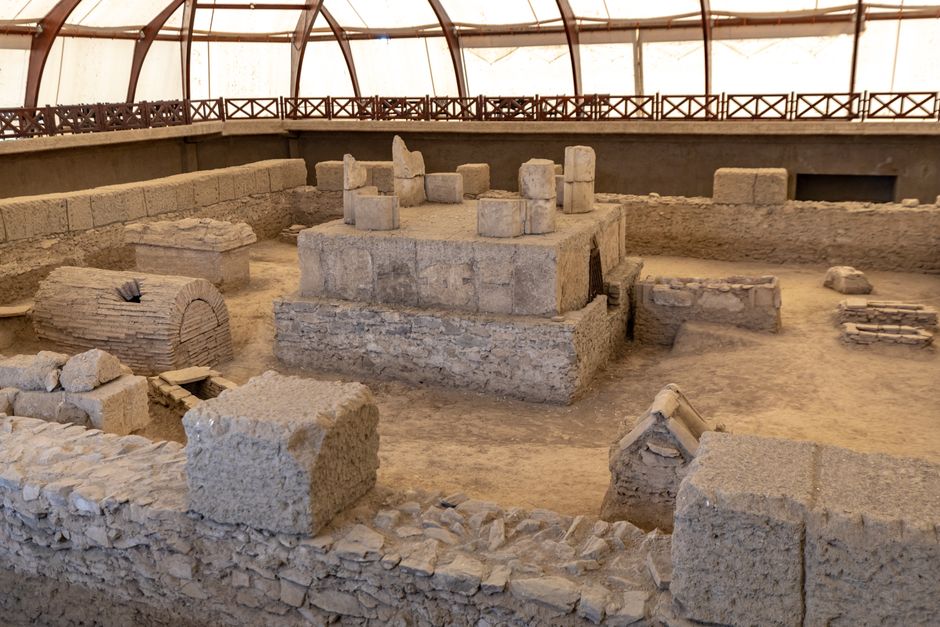
Hatra, Iraq
This ancient fortified city, a wealthy trading post and religious center, withstood Roman sieges but ultimately fell to a rival Persian empire.
Hatra was a large, heavily fortified city in ancient Mesopotamia, capital of an Arab kingdom that flourished under the Parthian Empire from the 3rd century BCE to the 3rd century CE. Its massive circular walls and impressive temples, blending Hellenistic, Roman, and Eastern architectural styles, allowed it to repel Roman invasions twice. However, in 241 CE, it was finally conquered and destroyed by the Sassanian Empire, leaving its magnificent ruins as a testament to its former glory and resilience.
9. The Swahili Mystery of the Coast
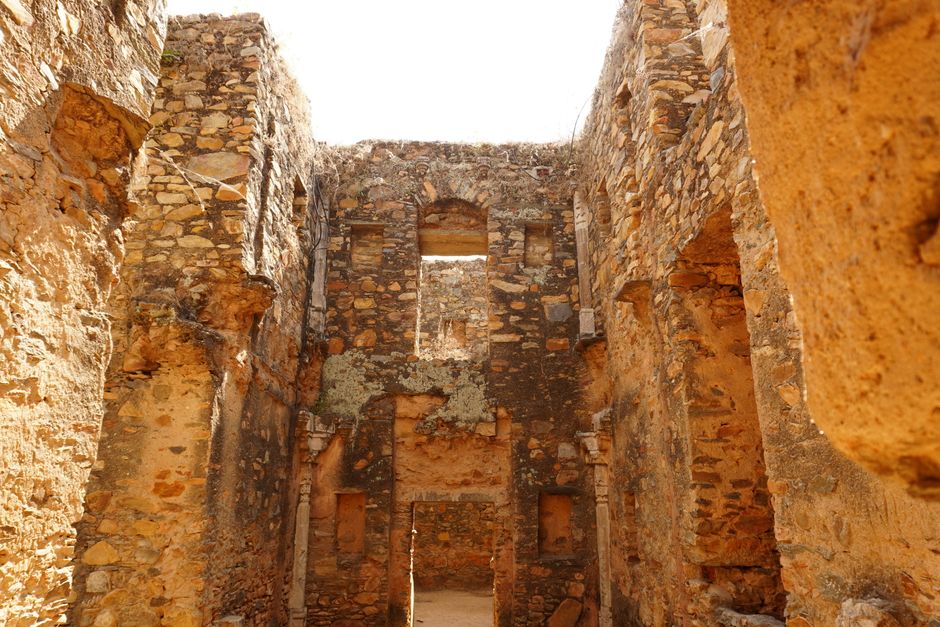
Gedi, Kenya
Deep within a coastal forest lie the remarkably preserved ruins of a prosperous Swahili town, mysteriously abandoned centuries ago.
Gedi was a thriving medieval Swahili town on the coast of Kenya, flourishing from the 13th to 17th centuries, with evidence of trade links as far as China. Its ruins include a palace, houses, mosques, and elaborate tombs, all built of coral stone. Despite its apparent prosperity and sophisticated infrastructure, Gedi was abruptly abandoned around the 17th century. Theories for its demise include water scarcity, epidemic, or attacks from encroaching Oromo tribes, leaving a well-preserved ghost town in the jungle.
Frequently asked questions
What makes a city "virtually uninhabited" for historical purposes?
For historical context, "virtually uninhabited" typically refers to a once-thriving urban center that has been largely abandoned by its population, often leaving behind significant ruins rather than continuous settlement. This differs from modern ghost towns, which are usually of more recent origin.
Were these cities truly "lost" to history?
While some cities were literally lost to memory and rediscovered by archaeologists, others remained known locally but were no longer major population centers. Their grandeur and scale were often forgotten or reduced to legend until modern historical research shed light on their past significance.
What are the main reasons ancient cities become uninhabited?
Common causes include environmental factors like climate change, drought, or shifting rivers; economic decline due to changing trade routes; political instability, invasions, or wars; and sometimes even disease outbreaks. Often, a combination of these factors leads to a gradual or sudden exodus.
How can AllTours.ai help me explore places like these?
AllTours.ai brings these historical sites to life by narrating their history, geology, and culture directly to you. Simply point your phone camera at a landmark or landscape, and the app will provide an immersive audio guide in your language, making the ancient world tangible.
Photography via Pexels. AllTours.ai is an AI audio tour guide — point your camera at any landscape and hear its story.