June 24, 2026 · 4 min read
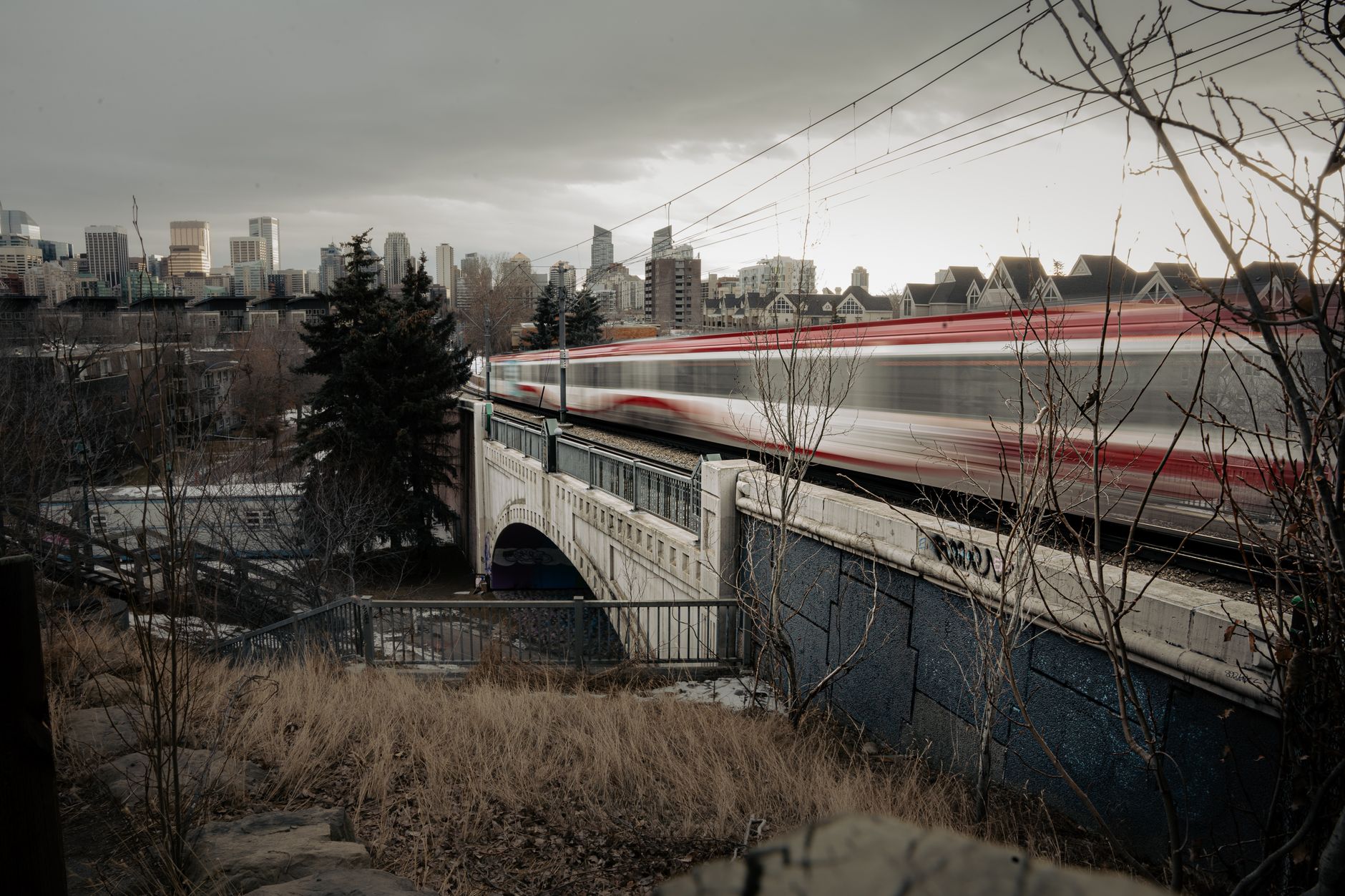
The vision of high-speed rail connecting Canada's economic and cultural heartland—the corridor between Toronto, Montreal, and Quebec City—has captured imaginations for decades. While much of the discussion focuses on the economic impact on major urban centers, the true transformative power of such a project lies in how it could redefine travel and discovery across the entire region.
But what will be the next step in developing the Toronto-Montreal-Quebec City high-speed rail project, according to planners? Beyond technical specifications and funding models, the crucial next phase involves a deep dive into the communities and landscapes along the proposed route. It’s about unearthing the unique stories, hidden histories, and surprising natural wonders that dot the map, making them accessible to a new generation of curious travelers.
1. Lake Ontario's Own Bermuda Triangle
Prince Edward County, Ontario, Canada
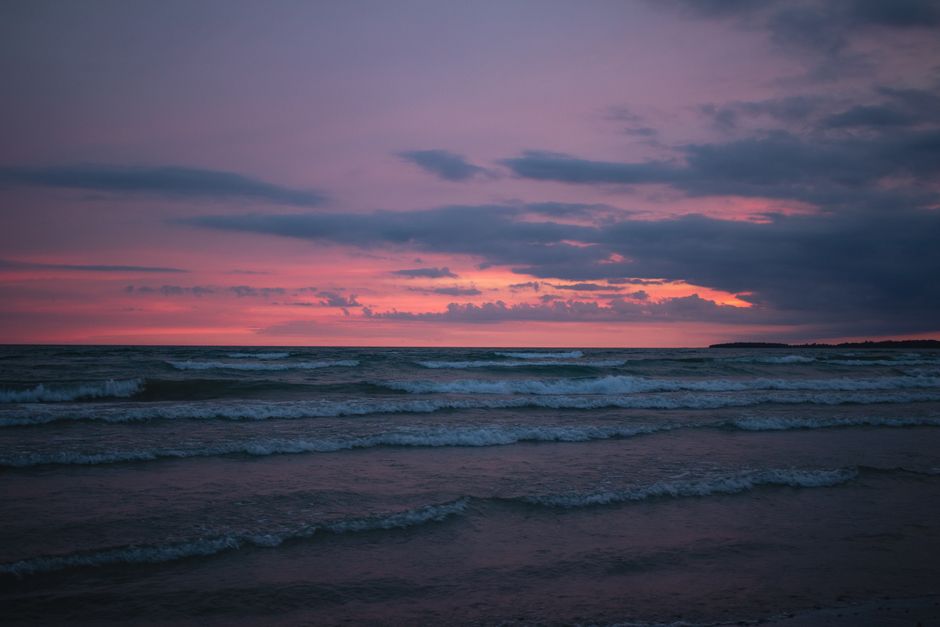
Lake Ontario holds a mysterious zone where ships and planes have vanished without a trace, much like its famous oceanic counterpart.
Off the shores of Prince Edward County lies the Marysburgh Vortex, a triangular area in Lake Ontario notorious for unexplained disappearances. Local legends and historical records document numerous shipwrecks and even aircraft losses, sometimes under calm conditions, fueling theories from magnetic anomalies to strange weather phenomena. This eerie stretch of water adds a layer of unexplained mystery to the otherwise tranquil beauty of the Great Lake.
2. Towns Lost Beneath the Waves
Near Cornwall, Ontario, Canada
For a massive hydroelectric project, ten entire villages were intentionally flooded, displacing thousands and creating a submerged historical landscape.
In the 1950s, the construction of the St. Lawrence Seaway and Power Project necessitated the intentional flooding of several communities along the St. Lawrence River. Known as 'The Lost Villages,' these ten Ontario towns were systematically evacuated and submerged. Today, their foundations, roads, and even some structures remain visible to divers beneath the waters of Lake St. Lawrence, serving as a poignant, silent memorial to a transformative era in Canadian history.
3. Belleville's Secret Prohibition Tunnels
Belleville, Ontario, Canada
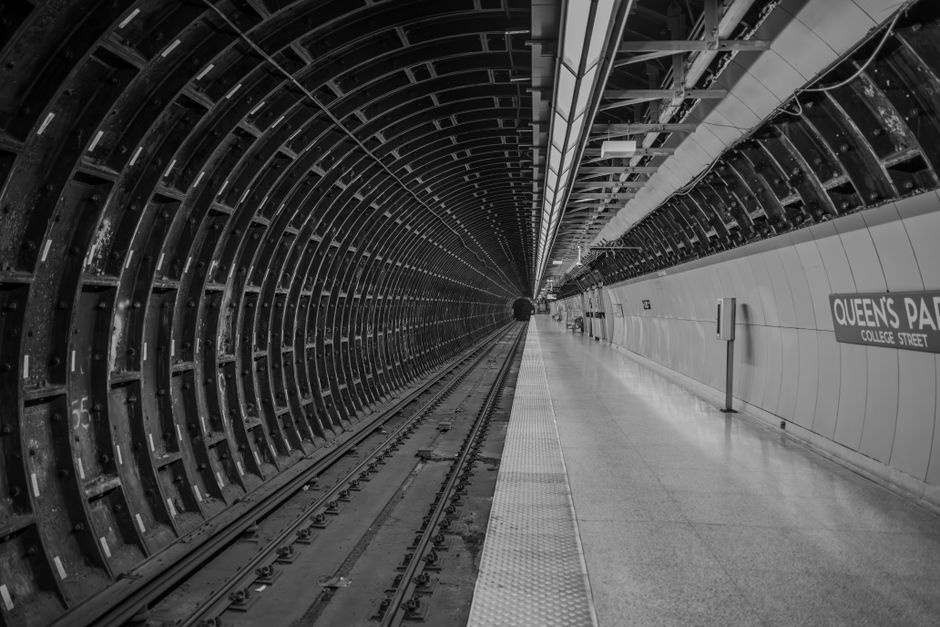
Beneath the streets of Belleville, a network of forgotten tunnels once played a crucial role in the city’s illicit Prohibition-era activities.
During the Prohibition era, Belleville became a hub for rum-running thanks to its strategic location on the Moira River. Legend and local historians point to a series of underground tunnels and passages, some connecting historic buildings and waterfront properties. These subterranean routes were reportedly used to smuggle alcohol and other contraband, evading authorities and adding a hidden, clandestine layer to the city's past.
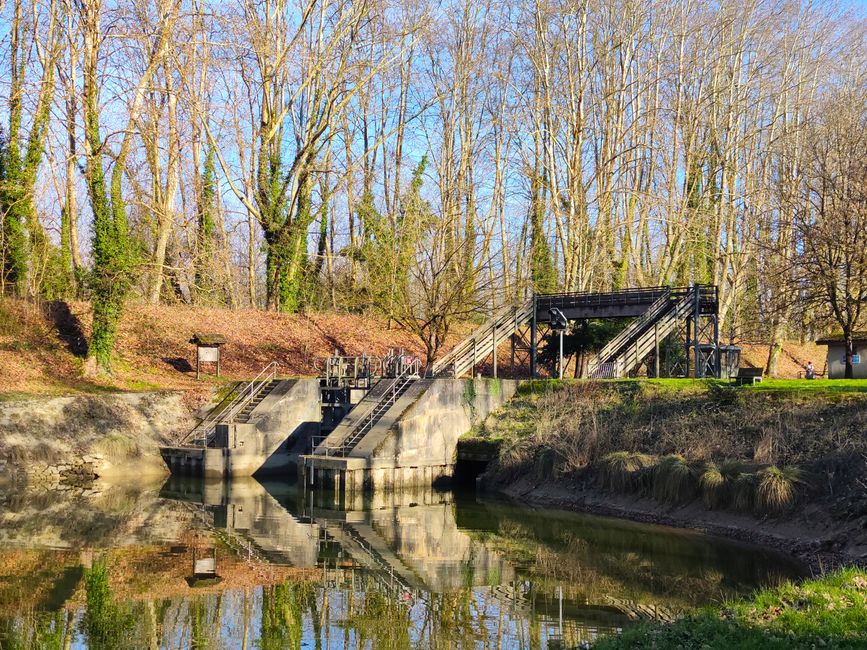
4. The Grand Canal's Forgotten Successor
Les Coteaux, Quebec, Canada
An impressive 19th-century canal, once a vital shipping route, now lies mostly abandoned, overshadowed by a much larger modern waterway.
The Soulanges Canal, a National Historic Site, was an engineering marvel when it opened in 1899, bypassing treacherous rapids on the St. Lawrence River. Its innovative design and hydroelectric power generation made it a key commercial artery. However, with the completion of the St. Lawrence Seaway in 1959, the Soulanges Canal became largely obsolete. Today, its locks, power stations, and towpaths offer a glimpse into a bygone era of Canadian transportation history, now repurposed for recreation.
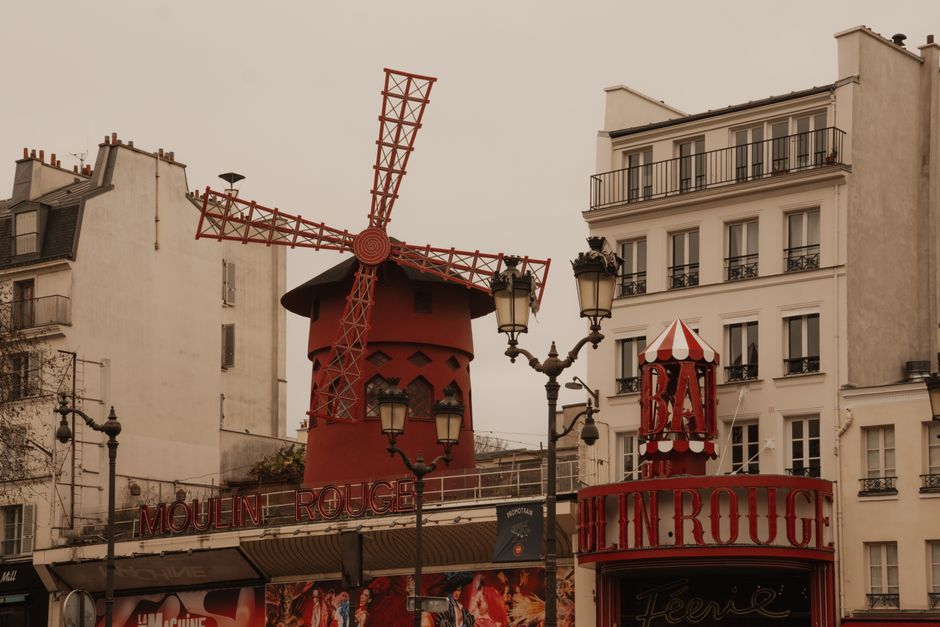
5. Quebec's Oldest Surviving Windmill
Deschambault-Grondines, Quebec, Canada
In a picturesque Quebec village stands one of North America’s oldest seigneurial windmills, still functional and bearing witness to centuries of history.
The Deschambault-Grondines region is home to several historic structures, including the Moulin de Grondines. This beautifully preserved windmill, dating back to the 18th century, is one of the oldest in Quebec and a rare example of seigneurial-era architecture. It stands as a testament to the agricultural and milling traditions of New France, offering a tangible link to the French colonial past and the ingenuity of early settlers.
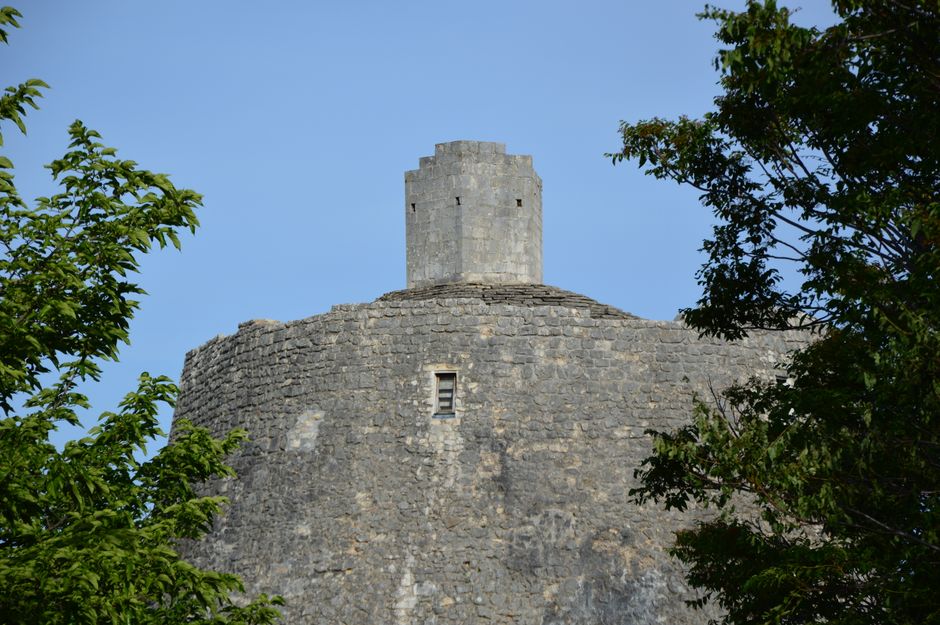
6. The Circular Fortress of Kingston
Kingston, Ontario, Canada
Kingston's waterfront is dotted with unique circular forts, built to defend against a phantom invasion that never materialized on Lake Ontario.
The Martello Towers of Kingston, particularly the Murney Tower National Historic Site, are distinctive circular defensive structures. Built in the mid-19th century, these towers were part of a comprehensive British defense plan to protect the Rideau Canal and naval dockyards from a potential American invasion, a threat that ultimately faded. Their sturdy stone construction and strategic placement offer a fascinating look into 19th-century military architecture and geopolitical anxieties on the Great Lakes.
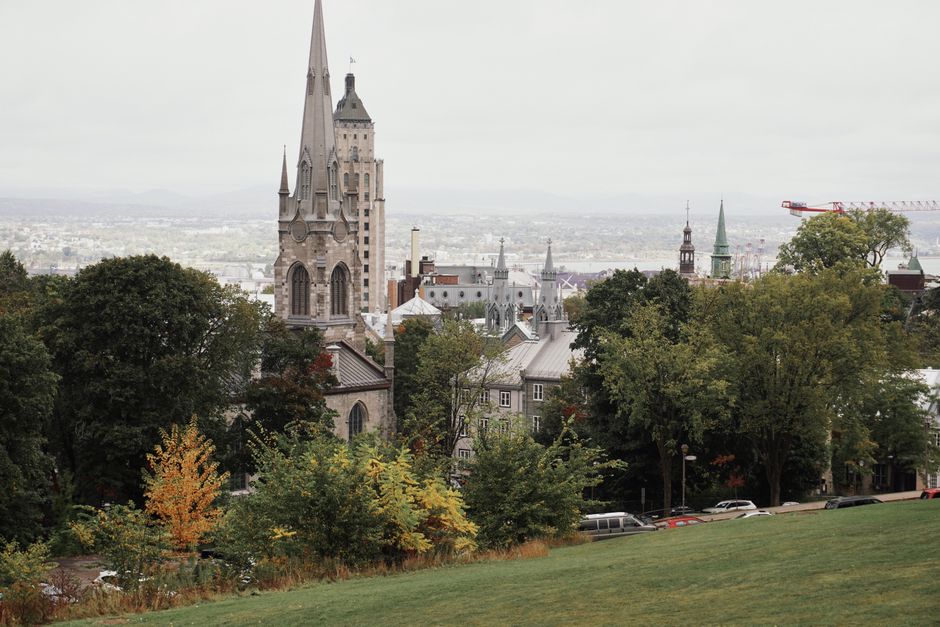
7. A Church Steeple Designed by a Shipbuilder
Cap-Santé, Quebec, Canada
The striking bell tower of Cap-Santé's historic church was famously designed by a local shipbuilder, giving it a unique maritime flair.
The Église Sainte-Famille de Cap-Santé, a stunning example of Quebec religious architecture, boasts an unusually graceful steeple. Local lore and historical accounts suggest that its elegant design was not the work of a conventional architect, but rather a skilled shipbuilder from the community. This unique origin story lends the church tower a distinct maritime quality, reflecting the village's deep connection to the St. Lawrence River and its rich shipbuilding heritage.
8. Portneuf's Hidden Glacial Gorges
Portneuf, Quebec, Canada
Deep within the Portneuf region lies a series of rugged gorges and canyons, sculpted by ancient glaciers and hiding unique ecosystems.
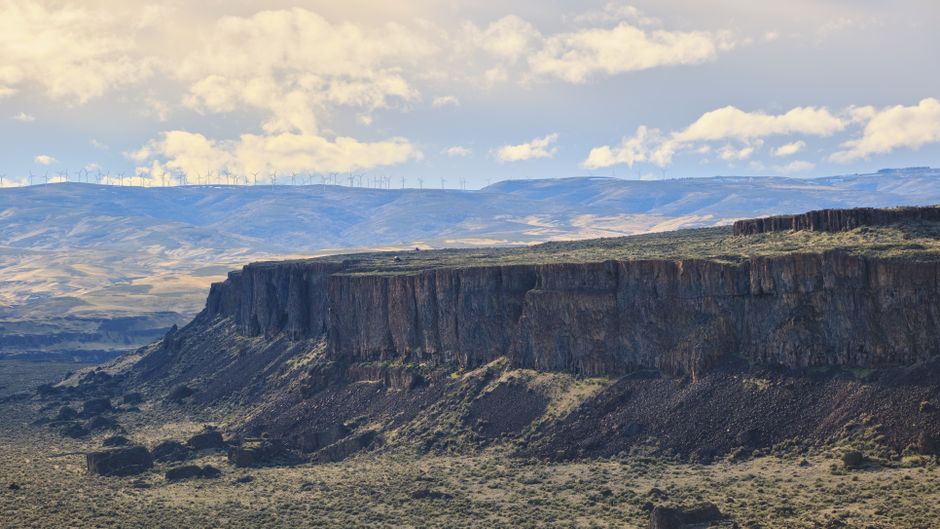
The Parc naturel régional de Portneuf protects a dramatic landscape of deep gorges, cascading waterfalls, and impressive rock formations. These features were carved over millennia by glacial activity and the erosive power of rivers like the Sainte-Anne. The park offers adventurers a chance to explore hidden canyons, discover unique flora and fauna adapted to these microclimates, and witness the raw geological power that shaped Quebec's interior.
Frequently asked questions
What will be the next step in developing the Toronto-Montreal-Quebec City high-speed rail project, according to Alto?
Project planners, including those like 'Alto' (a general term for project proponents), are currently focused on comprehensive studies. These 'next steps' involve detailed environmental assessments, socio-economic impact analyses, and extensive community engagement along the proposed corridor. The goal is to identify unique regional assets and challenges, ensuring the high-speed rail not only connects major hubs but also unlocks the full potential of the diverse communities it will serve.
How long would a high-speed rail trip between Toronto and Montreal take?
While exact times depend on final route and train speeds, proposals generally aim for a travel time of approximately 3 to 3.5 hours between Toronto and Montreal. This would significantly reduce current travel times by car or conventional train, making day trips and business travel much more efficient.
What are the biggest challenges facing the Toronto-Montreal-Quebec City high-speed rail project?
Major challenges include securing substantial funding, navigating complex land acquisition, addressing environmental impact concerns, and coordinating across multiple provincial and federal jurisdictions. Public support and political will are also crucial for overcoming these hurdles and bringing such an ambitious project to fruition.
How can I discover more about these unique Canadian places?
When you visit these or any other fascinating locations, simply point your phone camera at a landmark, landscape, or historical site. The AllTours.ai app will instantly narrate its history, geology, and culture in your preferred language, turning every view into a rich, personalized audio tour.
Photography via Pexels. AllTours.ai is an AI audio tour guide — point your camera at any landscape and hear its story.