July 6, 2026 · 4 min read
Ask anyone, 'What's a favorite food?' and you'll get answers ranging from comfort classics to Michelin-starred marvels. But often, the most unforgettable culinary experiences aren't found in guidebooks or on trending lists. They're hidden in plain sight, woven into the fabric of a place's deepest history and culture.
These aren't just meals; they're living archives. Each bite carries echoes of ancient traditions, geological quirks, and the ingenious spirit of local communities. Forget the usual tourist traps – we're diving into dishes with stories so rich, they'll transform your understanding of a destination.

1. Finland's Dark Easter Pudding
Finland
This traditional Finnish Easter dessert, mämmi, is a dark, rye-based pudding traditionally baked in birch bark boxes for hours at a low temperature.
Mämmi is an ancient Finnish dish, first mentioned in the 16th century, primarily associated with Easter. Its distinctive dark color and slightly malty, sweet flavor come from the long, slow baking process, which caramelizes the rye flour. Historically, it was prepared in oven-heated birch bark boxes and served cold with cream or vanilla sauce, a true taste of Finnish heritage and patience.
2. Georgia's Sailor's Cheese Boat
Adjara, Georgia
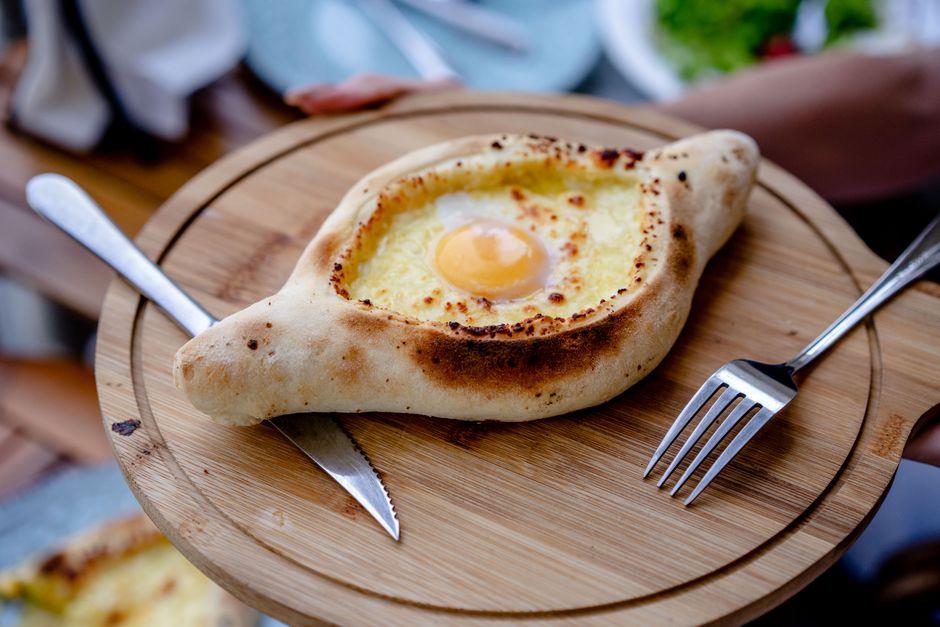
Khachapuri Adjaruli is a boat-shaped bread filled with molten cheese, butter, and a raw egg yolk, said to represent the sun setting over the Black Sea.
Originating from Georgia's Black Sea region of Adjara, this iconic dish is a testament to the area's maritime history. Legend says the 'boat' shape was inspired by sailors returning to port, and the raw egg yolk stirred into the hot cheese at the table symbolizes the sun. It's a rich, hearty meal that's meant to be torn apart and enjoyed with your hands, a true taste of coastal Georgian culture.

3. Morocco's Sweet & Savory Pigeon Pie
Fez, Morocco
Pastilla, a flaky Moroccan pie, famously blends sweet and savory flavors with pigeon meat, almonds, and spices, dusted with powdered sugar and cinnamon.
Pastilla is a masterpiece of Moroccan cuisine, believed to have Andalusian origins. Traditionally, it's made with squab (young pigeon) slow-cooked with saffron, ginger, and cinnamon, then layered with scrambled eggs and toasted almonds within delicate warqa pastry. The entire pie is then baked until golden and dusted with powdered sugar and cinnamon, creating an unexpected flavor profile that makes it a celebratory dish.
4. Finland's Portable Fish & Pork Pie
Savonia, Finland
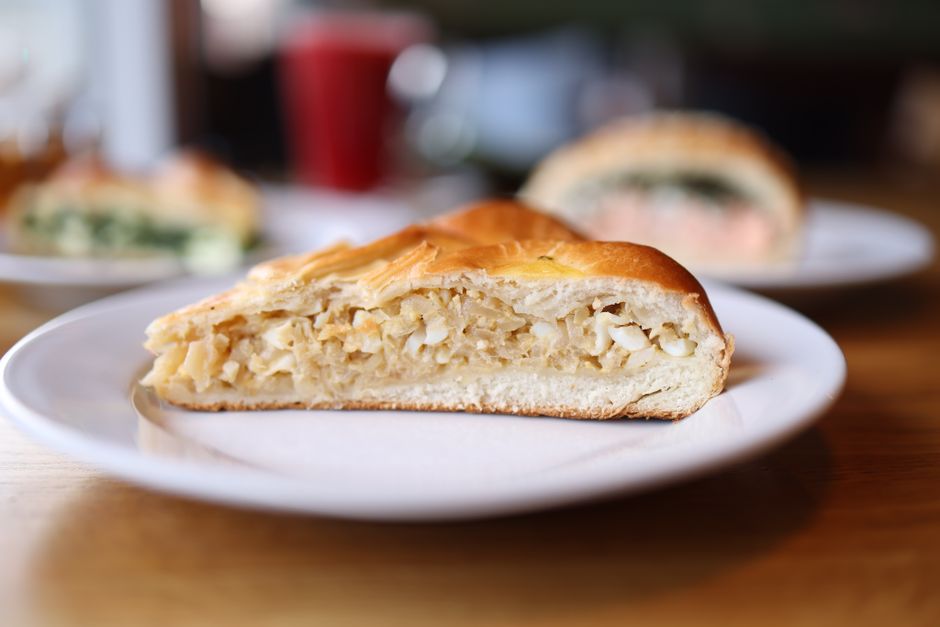
Kalakukko is a traditional Finnish dish where fish (often vendace or perch) and pork are baked inside a thick rye crust, designed as a portable meal.
From the Savonia region of Eastern Finland, Kalakukko was historically a practical, long-lasting meal for laborers working in forests or fields. The robust rye crust acts as an edible container, keeping the fish and pork moist and warm for days. The ingredients slowly cook within their 'shell' for several hours, allowing the flavors to meld into a rich, savory pie that reflects Finnish ingenuity and resourcefulness.
5. Brazil's Palm Oil-Free Fish Stew
Espírito Santo, Brazil
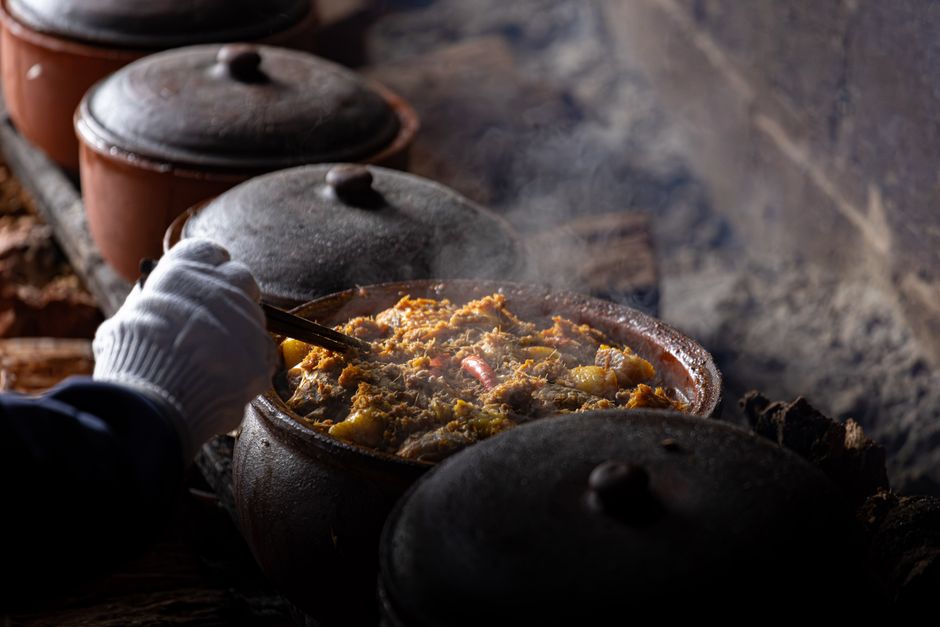
Moqueca Capixaba is a distinct Brazilian fish stew from Espírito Santo, unique for omitting palm oil and coconut milk, relying instead on urucum and annatto for color and flavor.
While its Bahian cousin is more widely known, Moqueca Capixaba offers a lighter, more delicate flavor profile. This stew, made with fresh fish, seafood, tomatoes, onions, and cilantro, is cooked in a traditional clay pot called a panela de barro. The lack of palm oil and coconut milk highlights the natural flavors of the seafood and vegetables, making it a beloved regional specialty that truly reflects the local indigenous and colonial culinary influences.
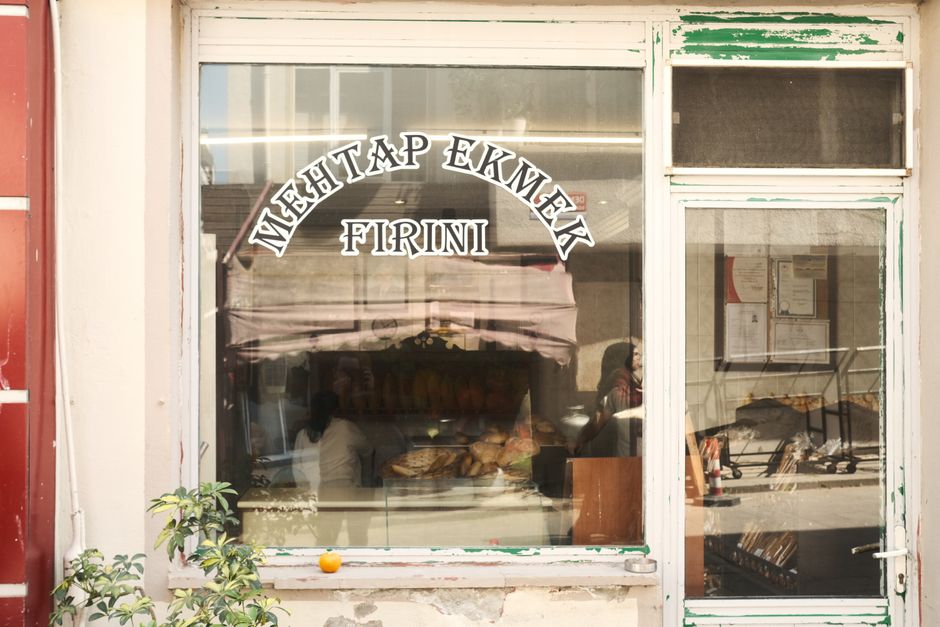
6. Istanbul's Bosphorus Fish Sandwich
Istanbul, Turkey
Balik Ekmek is a simple, beloved grilled fish sandwich served fresh from fishing boats under Istanbul's Galata Bridge, a true taste of the Bosphorus.
More than just a sandwich, Balik Ekmek is an experience. Freshly grilled mackerel or other white fish is tucked into a crusty bread roll with lettuce, onion, and a squeeze of lemon. It's traditionally sold from vibrant boats moored along the Eminönü shore, offering a quick, delicious, and authentically Istanbul bite while watching the ferries and bustling city life along the Bosphorus. It’s street food at its most iconic.
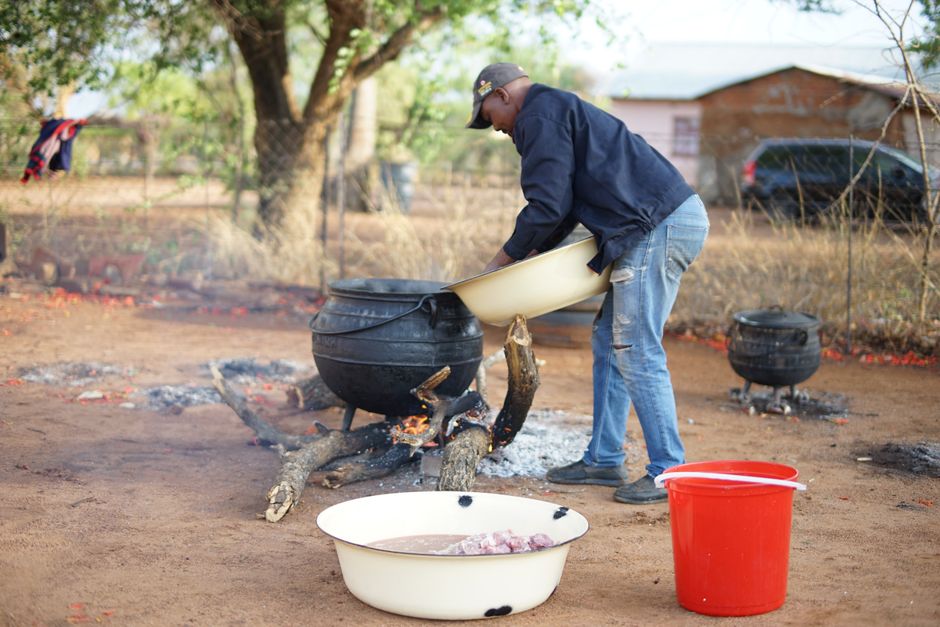
7. South Africa's Spiced Cured Meat
South Africa
Biltong is a South African cured meat, distinct from jerky, traditionally air-dried with vinegar, salt, and a blend of coriander, pepper, and other spices.
Originating with Dutch settlers in Southern Africa, biltong was a method of preserving meat to endure long journeys. Unlike jerky, which is often smoked and dried quickly, biltong is typically air-dried for several days after being marinated in vinegar and spices. This process results in a tender, flavorful, and often thicker cut of cured meat, reflecting a unique blend of colonial ingenuity and indigenous ingredients.
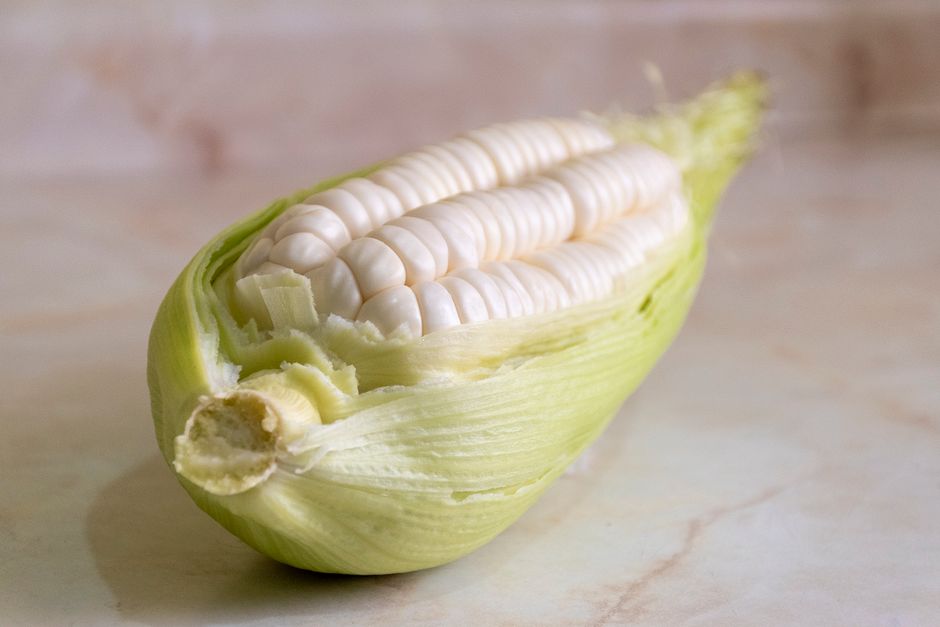
8. Chile's Savory Corn Pie
Chile
Pastel de Choclo is a comforting savory corn pie from Chile, featuring a creamy ground corn topping over a base of spiced ground beef, onion, and sometimes olives or hard-boiled egg.
This hearty dish has deep roots in South American culinary traditions, blending indigenous corn-based recipes with ingredients brought by Spanish colonizers. The 'pino' filling, a savory mix of ground meat, onions, and spices, is topped with a sweet and creamy purée of fresh corn. Baked until golden, Pastel de Choclo is a beloved comfort food, especially during colder months, representing a rich fusion of flavors and history.
Frequently asked questions
Why are some traditional foods so unusual?
Many traditional foods evolved out of necessity, using local ingredients and preservation techniques to survive harsh climates or long journeys. They also often carry deep cultural or ritualistic significance, making them unique expressions of a community's heritage and belief systems.
How do I find these lesser-known local dishes when I travel?
The best way is to venture beyond tourist areas. Talk to locals, visit neighborhood markets, and look for small, unassuming eateries. Online food blogs focusing on authentic local cuisine can also be a great resource, as can local tour guides specializing in food.
Are these unique foods safe to eat for travelers?
Generally, yes, especially from reputable local establishments. Always look for places that are busy with locals, indicating freshness and quality. If you have dietary restrictions or allergies, it's wise to learn key phrases in the local language to communicate your needs clearly.
How can AllTours.ai help me discover food stories?
AllTours.ai enhances your travel experience by narrating the history, geology, and culture of your surroundings. While we don't guide you to specific restaurants, our AI-powered audio tours can reveal the deeper stories behind local ingredients, culinary traditions, and the landscapes that shaped them, giving you invaluable context for the food you encounter.
Related guides
Photography via Pexels. AllTours.ai is an AI audio tour guide — point your camera at any landscape and hear its story.