July 5, 2026 · 4 min read
Vancouver often makes headlines for its unique housing market. Whether you're considering a move, curious about urban development, or simply fascinated by how people find a place to call home in a dynamic city, the question of "What’s the housing market like in Vancouver, and how do people usually find a place to live?" is a complex one.
Beyond the well-trodden tourist paths and familiar real estate listings, Vancouver's residential landscape is rich with lesser-known stories. These are the narratives of ancient settlements, community activism, visionary urban planning, and surprising natural enclaves that have shaped where and how people live today. Join us on a journey through these underrated spots, each with a fascinating tale to tell about Vancouver's enduring spirit and its ever-evolving homes.
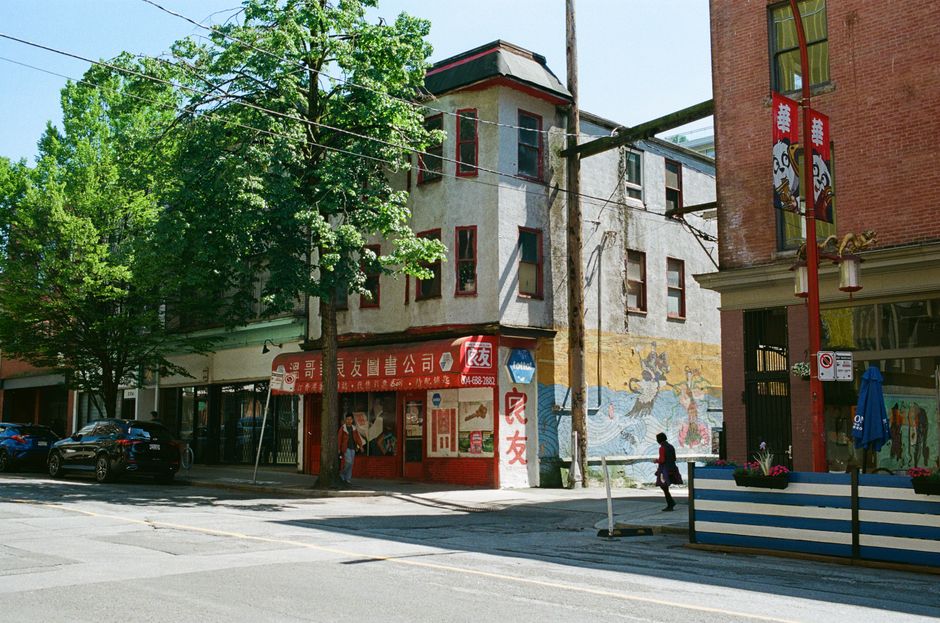
1. Strathcona: A Community Fought For
Strathcona, Vancouver, Canada
Vancouver's oldest residential neighborhood nearly vanished in the 1960s, saved by fierce community resistance against urban renewal.
Strathcona, initially home to a diverse working-class population, faced demolition plans for freeways and high-rises. Residents, predominantly Chinese-Canadian, Italian, and Black families, banded together to protect their homes and heritage. Their successful activism preserved the area's distinctive Victorian and Edwardian architecture, demonstrating the powerful role community plays in shaping a city's housing landscape and protecting its unique character from top-down development.
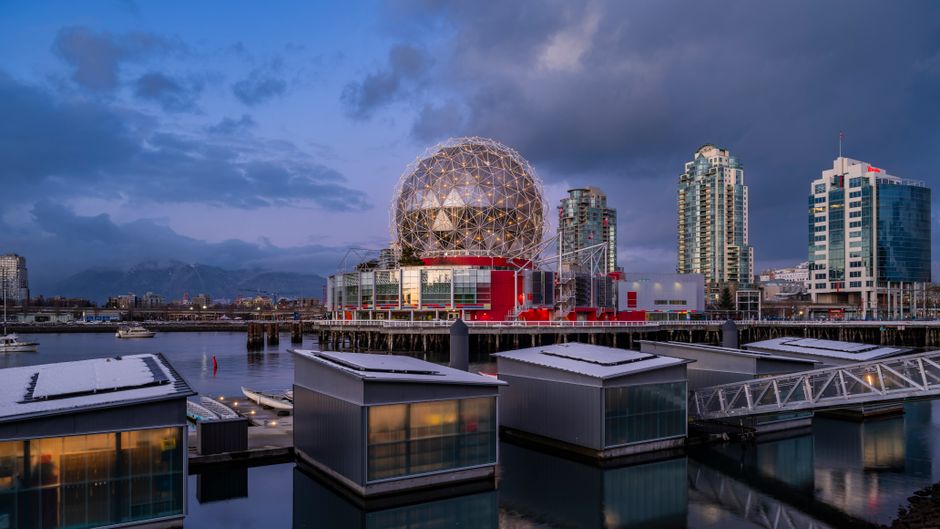
2. False Creek South's Visionary Housing
False Creek South, Vancouver, Canada
This waterfront area pioneered a groundbreaking social experiment in the 1970s, mixing market, co-op, and non-profit housing in a pedestrian-focused design.
Conceived as a 'liveable city' model, False Creek South was developed on city-owned leasehold land, prioritizing a diverse mix of income levels and housing types. Its low-rise, high-density design integrated green spaces and waterfront access, promoting community interaction over car dependence. This unique approach to urban planning and housing tenure offers a fascinating alternative to traditional market-driven development, still influential in discussions about equitable and sustainable urban living.
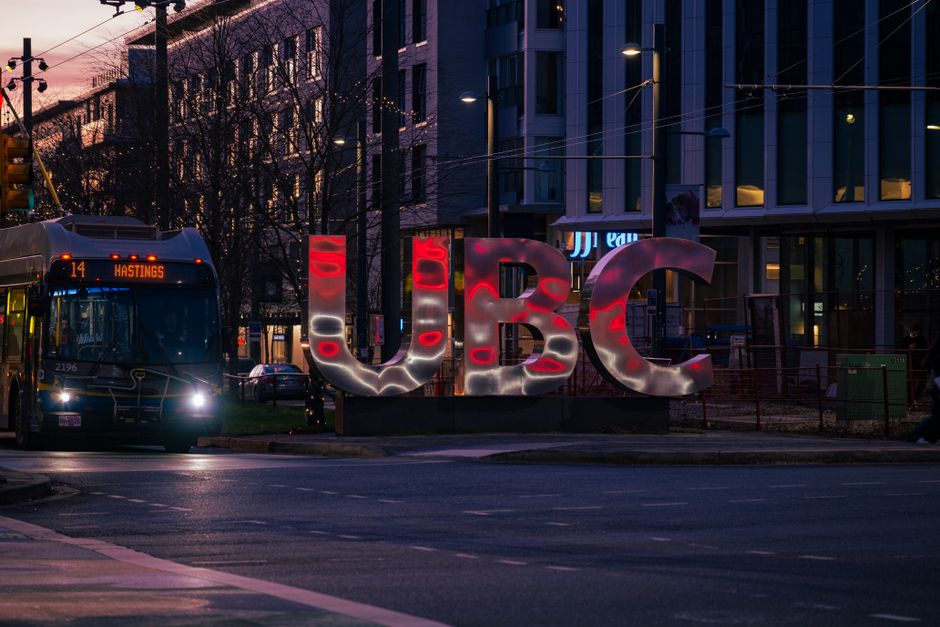
3. University Endowment Lands: Leasehold Living
University Endowment Lands (UEL), Vancouver, Canada
Homes here aren't owned outright but leased from the University of British Columbia, a unique land tenure model within the Metro Vancouver area.
Established in 1907 to fund UBC, the UEL operates as a distinct jurisdiction outside the City of Vancouver. Residents purchase homes but lease the land for up to 99 years, a system that impacts property values and long-term planning. This leasehold arrangement creates a unique housing dynamic, different from freehold ownership common elsewhere, reflecting the historical need to generate revenue for a growing institution and shaping a distinct community adjacent to the university campus.
4. Dunbar-Southlands: Urban Equestrian Life
Dunbar-Southlands, Vancouver, Canada
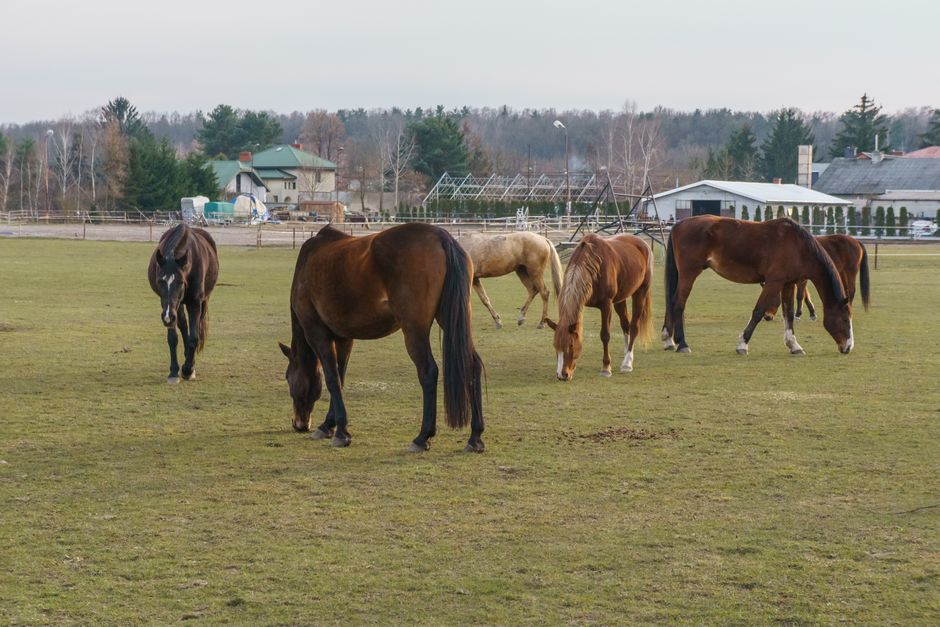
Within Vancouver's city limits, this area remarkably maintains active horse farms and riding trails, creating a surprising rural enclave.
Southlands is an anomaly in a dense urban environment, where city bylaws actually permit and encourage equestrian activities. This unique zoning and community commitment have preserved a distinct agricultural and rural character amidst urban sprawl. The presence of stables, riding rings, and open fields offers a stark contrast to the typical Vancouver residential landscape, showcasing how historical land use and community values can defy conventional urban development.
5. Fraserlands / River District: Industrial Rebirth
Fraserlands / River District, Vancouver, Canada
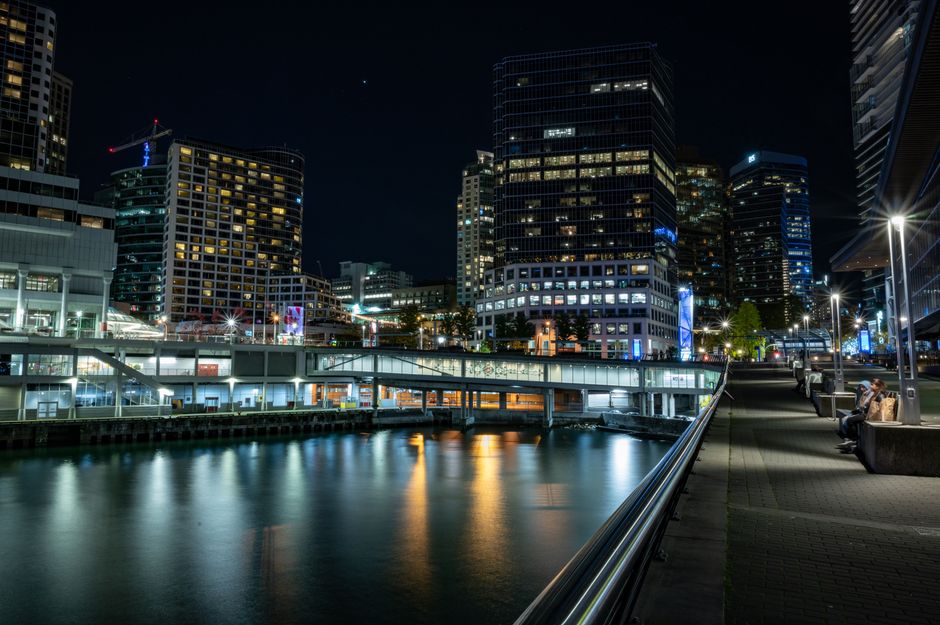
Once a heavily industrial riverfront, this area is undergoing a dramatic transformation into a dense, master-planned residential community.
For decades, the Fraser River's south bank was dominated by sawmills, factories, and shipping operations. Now, sites like the River District are being redeveloped from brownfield land into new neighborhoods featuring high-rise condos, townhouses, and public amenities. This shift illustrates Vancouver's ongoing struggle for space and the city's strategy of reclaiming industrial land for housing, reflecting both the pressures of population growth and a desire to create new waterfront communities.
6. Mount Pleasant: From Industry to Art & Home
Mount Pleasant, Vancouver, Canada
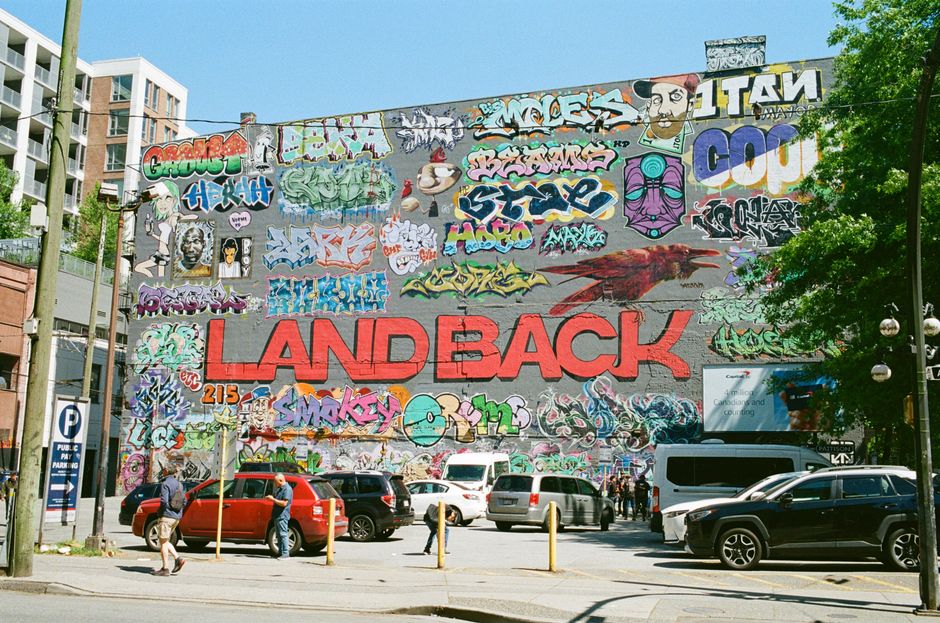
Mount Pleasant, one of Vancouver's earliest suburbs, transitioned from an industrial hub with breweries and factories to a vibrant arts and tech district while retaining its diverse housing stock.
Initially a working-class neighborhood with a mix of industrial activity and modest homes, Mount Pleasant developed around its access to False Creek and early transportation routes. Over time, its industrial core gave way to a burgeoning arts scene, independent businesses, and tech companies, drawing a new demographic. Yet, it still features a mix of historic houses, character homes, and newer developments, illustrating how older neighborhoods adapt and evolve under new pressures, influencing its housing character today.
7. Hastings-Sunrise: East Van's Enduring Spirit
Hastings-Sunrise, Vancouver, Canada
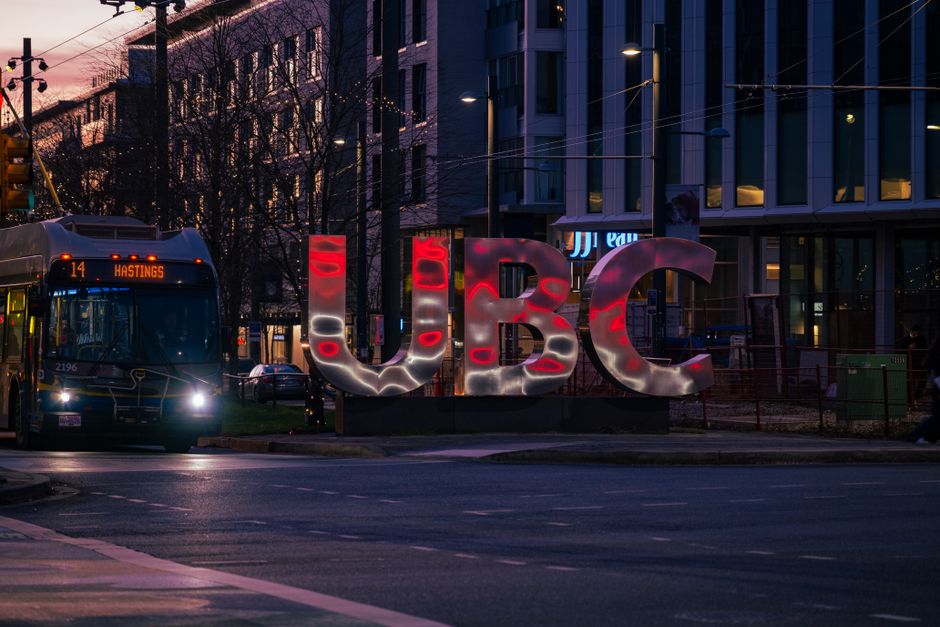
Home to the historic PNE fairgrounds, this East Vancouver neighborhood retains a strong working-class identity and distinct character, often overlooked by downtown focus.
Hastings-Sunrise, often referred to as East Village, developed as a more affordable, family-oriented alternative to the denser core. It's known for its independent shops, diverse culinary scene, and the annual Pacific National Exhibition (PNE) which has been a major fixture since 1910. The neighborhood’s enduring spirit is rooted in its community-focused lifestyle and a housing stock that includes many classic Vancouver bungalows and character homes, reflecting a different economic and social history than the city's west side.
Frequently asked questions
What's the average cost of living in Vancouver?
Vancouver consistently ranks among the most expensive cities globally. Housing is the primary driver, with average rent for a one-bedroom apartment often exceeding CAD $2,500 and detached home prices well over CAD $1 million. Transportation, groceries, and dining also contribute to a high cost of living compared to many other major cities.
How do most people find rental housing in Vancouver?
Online platforms like Craigslist, Facebook Marketplace, and dedicated rental websites (e.g., liv.rent, RentFaster) are popular. Many also rely on word-of-mouth, community groups, or local real estate agents specializing in rentals. Be prepared for competitive markets and quick decision-making, especially for desirable areas.
Are there any unique housing options in Vancouver beyond standard apartments or houses?
Yes, Vancouver has a variety of options. Co-operative housing (co-ops) offers shared ownership and community living, often at lower costs. There are also heritage conversions, laneway houses (smaller detached homes in backyards), and leasehold properties, particularly around UBC. These alternatives reflect the city's innovative approaches to housing supply.
How can AllTours.ai help me explore these Vancouver neighborhoods?
AllTours.ai is an AI audio tour guide that lets you discover the hidden stories of Vancouver. Simply point your phone camera at a landmark or landscape, and the app will narrate its history, geology, and culture in your preferred language. It's like having a local expert reveal the secrets of places like Marpole's ancient midden or Strathcona's activist past, deepening your understanding beyond what's visible.
Photography via Pexels. AllTours.ai is an AI audio tour guide — point your camera at any landscape and hear its story.