July 14, 2026 · 5 min read
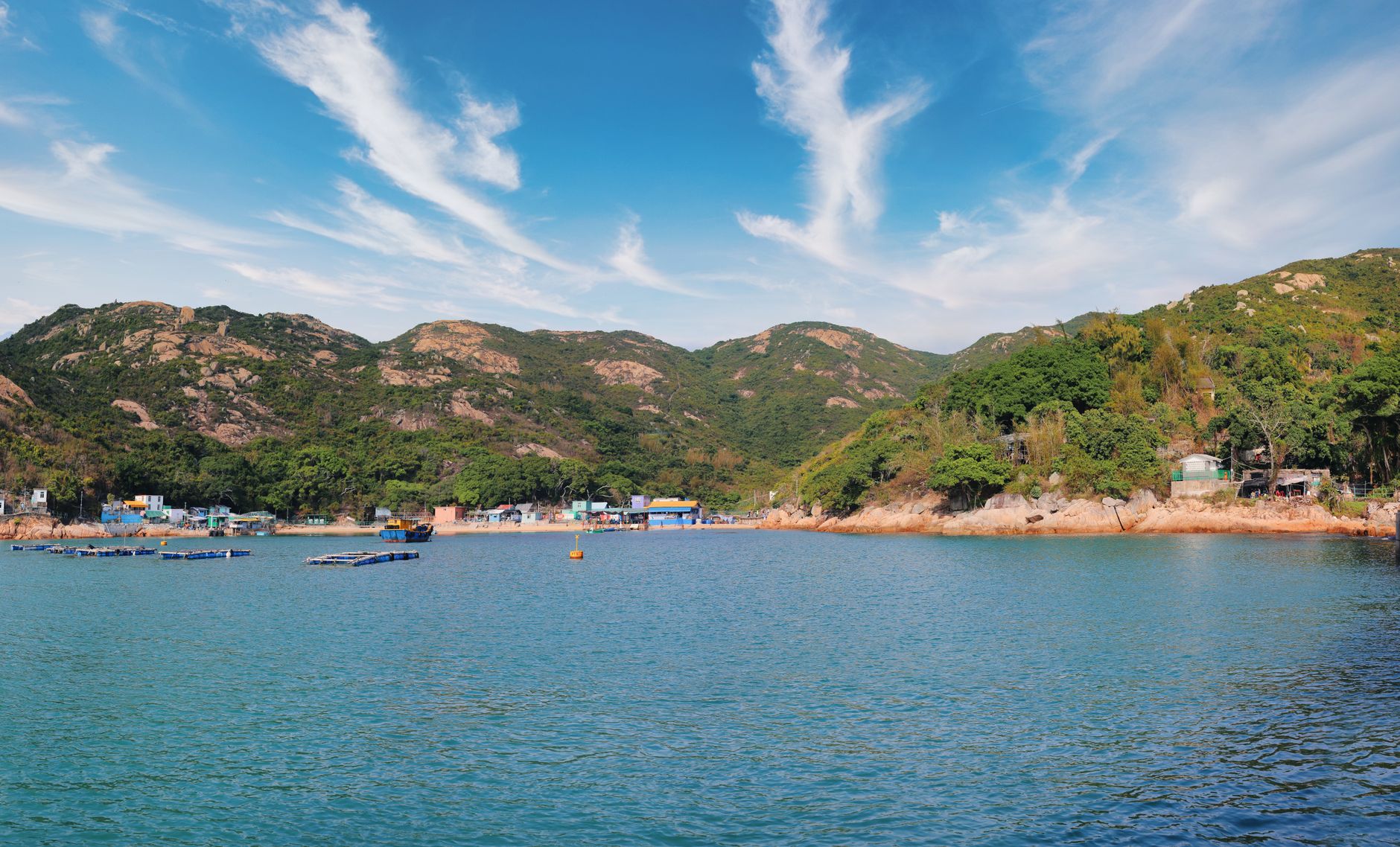
The question, "When do you think the Huanggang Port, Hong Kong will open?" is on the minds of many travelers eager to explore the vibrant intersection of Hong Kong and mainland China. While official updates on border crossings are best sought from government sources, the anticipation offers a perfect moment to consider the less-trodden paths within Hong Kong itself.
Beyond the gleaming skyscrapers and bustling markets, Hong Kong holds a treasure trove of obscure histories, unique geological wonders, and cultural narratives often overlooked by the average visitor. From ancient rock carvings that predate modern civilization to villages shaped by forgotten industries, these spots offer a profound connection to the region's deeper past and natural beauty.
1. Bronze Age Riddles on Stone
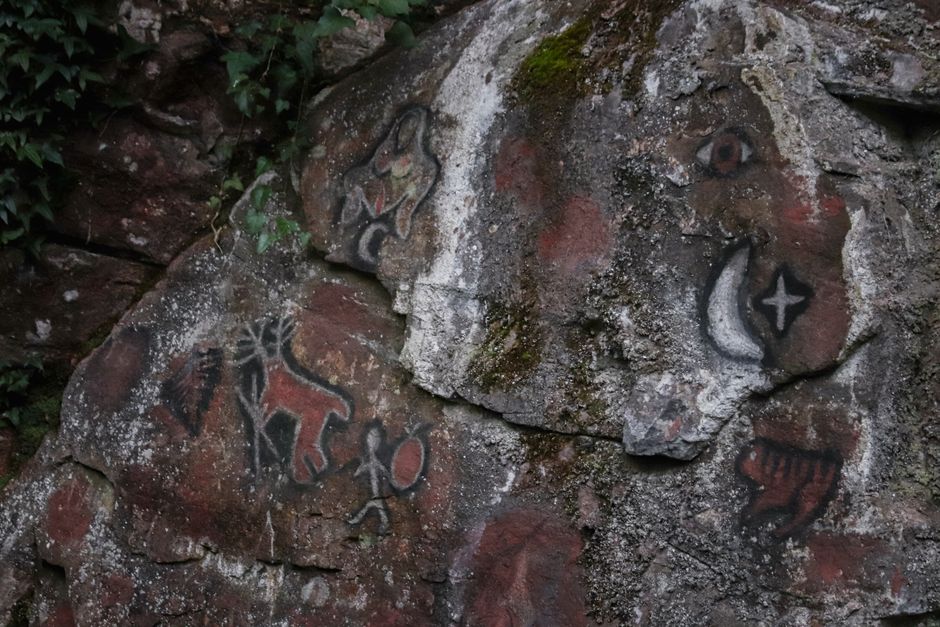
Shek Pik, Lantau Island, Hong Kong
Hidden along Lantau's coastline, enigmatic rock carvings offer a silent glimpse into Hong Kong's Bronze Age inhabitants, their meaning still debated by archaeologists.
The Shek Pik rock carvings, tucked away near the reservoir, are among Hong Kong's most significant archaeological finds. Discovered in the 1970s, these abstract patterns—spirals, concentric circles, and geometric shapes—are believed to be over 3,000 years old. Their purpose remains a mystery: perhaps ritualistic symbols, navigational markers, or artistic expressions of an ancient people who once called this rugged coast home. The site encourages quiet contemplation of an unknowable past.
2. Hong Kong's Duck-Shaped Red Rock
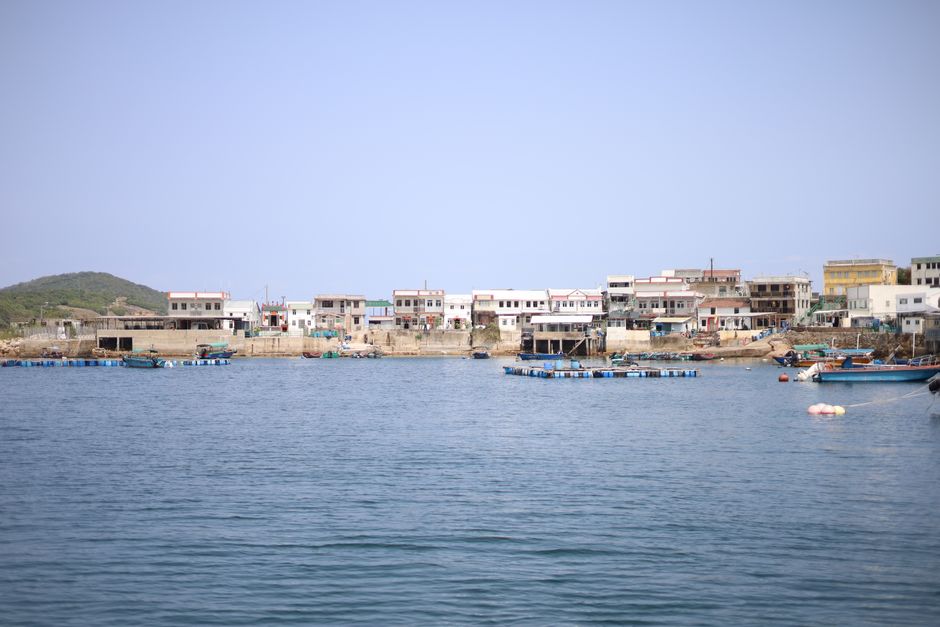
Ap Chau (Duck Island), North-East New Territories, Hong Kong
Ap Chau, Hong Kong's smallest inhabited island, is a geological marvel almost entirely formed from a distinctive reddish-brown breccia rock, giving it a unique hue and shape.
Ap Chau, or 'Duck Island' due to its distinctive shape, is a geological wonder nestled in Mirs Bay. Its striking red cliffs and shores are composed almost entirely of breccia, a sedimentary rock made of angular fragments cemented together. This unique geology makes it visually distinct from other islands in Hong Kong. Historically a small fishing community, its few remaining residents carry on a quiet existence, surrounded by a landscape that tells a dramatic story of ancient earth movements and weathering.
3. The Salt Village's Sacred Revival
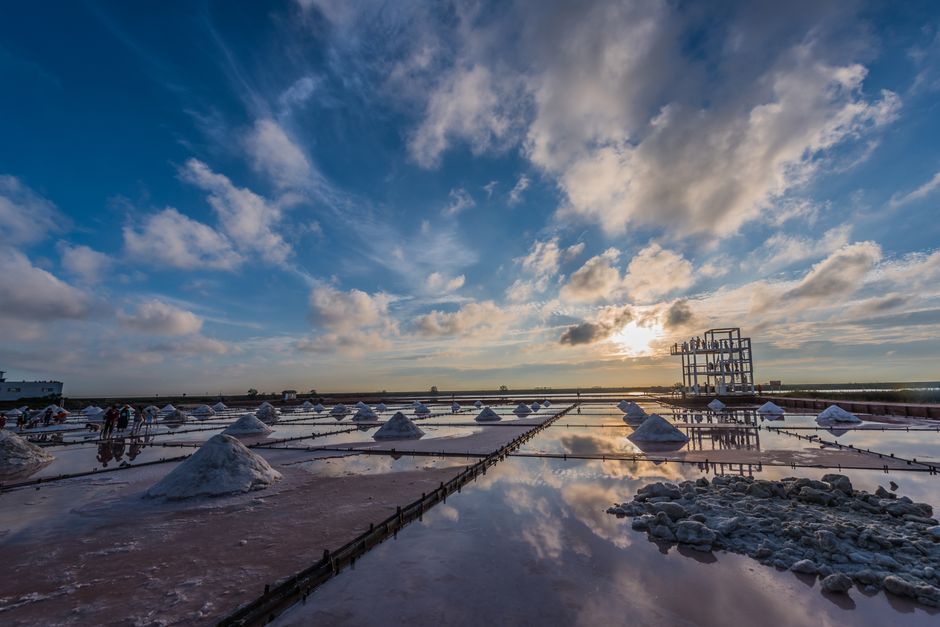
Yim Tin Tsai, Sai Kung, Hong Kong
Once a thriving salt-producing Hakka village, Yim Tin Tsai now stands as a unique blend of heritage, ecology, and spirituality, home to Hong Kong's only Roman Catholic chapel built in traditional Hakka style.
Yim Tin Tsai, meaning 'small salt field', was once a bustling Hakka village known for its salt production, a vital industry from the 19th to early 20th centuries. Today, the village offers a fascinating glimpse into a community that embraced Catholicism while maintaining its Hakka traditions. St. Joseph's Chapel, built in 1890, stands as a testament to this unique cultural fusion. The village has undergone a remarkable revitalization, preserving its ancestral homes, restoring the salt pans, and creating an eco-tourism destination that celebrates both its natural beauty and its distinct heritage.
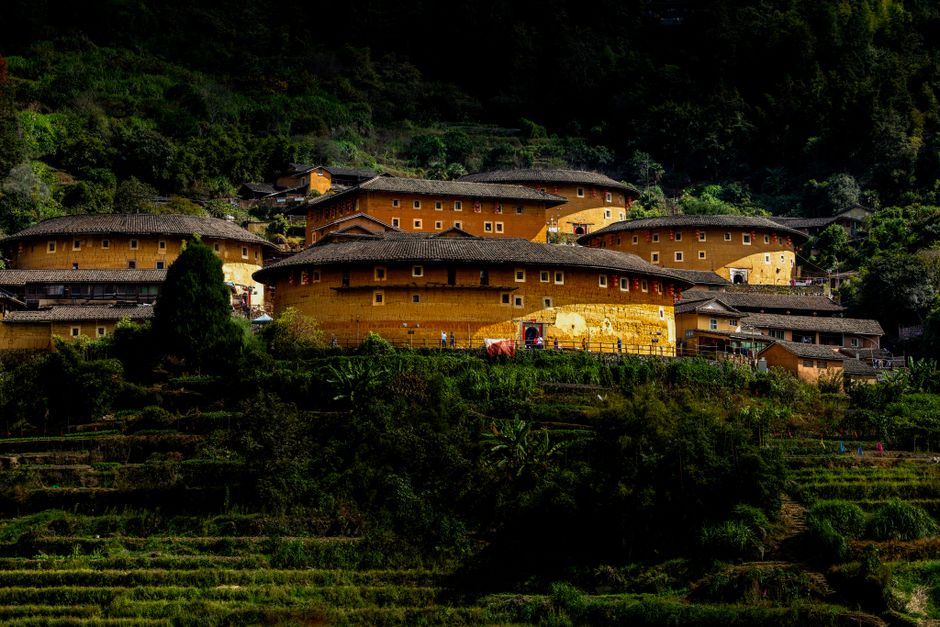
4. Feng Shui Forest and Forgotten Fields
Lai Chi Wo, North-East New Territories, Hong Kong
Lai Chi Wo, a remote and beautifully preserved Hakka walled village, boasts an ancient fung shui forest and a rich history of sustainable agriculture that has seen a recent revival.
Accessible primarily by ferry or a long hike, Lai Chi Wo is one of Hong Kong's best-preserved Hakka villages, dating back over 300 years. Its unique layout is carefully aligned with fung shui principles, protected by a dense 'fung shui forest' that guards against negative energies and erosion. For decades, the village lay largely abandoned, but a recent initiative has seen its ancestral homes restored and its rice paddies and farmlands brought back to life, offering a living museum of traditional Hakka culture and sustainable farming practices.
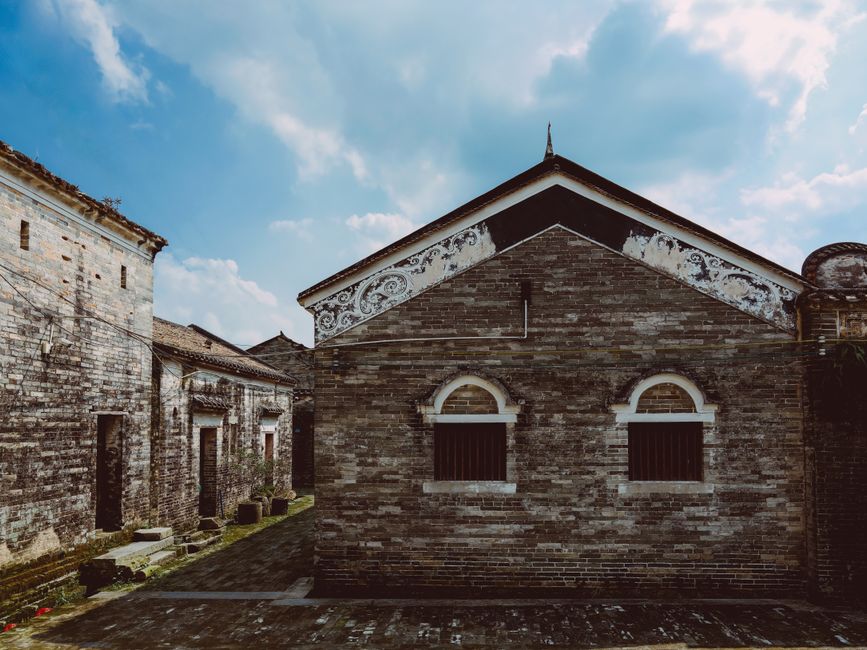
5. The Tang Clan's Defensive Legacy
Lung Yeuk Tau Heritage Trail, Fanling, Hong Kong
Explore the Lung Yeuk Tau Heritage Trail, a journey through ancestral halls and walled villages that tell the tale of the powerful Tang clan, one of Hong Kong's 'Five Great Clans'.
The Lung Yeuk Tau Heritage Trail winds through several villages and structures historically belonging to the Tang clan, who settled here in the 13th century. The trail highlights the clan's defensive architecture, including the impressive Lo Wai, a square-shaped walled village with watchtowers, and the elegant Tang Chung Ling Ancestral Hall, a meticulously preserved building showcasing traditional Chinese craftsmanship. These sites offer a powerful insight into the social structure, customs, and protective measures employed by powerful clans in rural Hong Kong centuries ago.
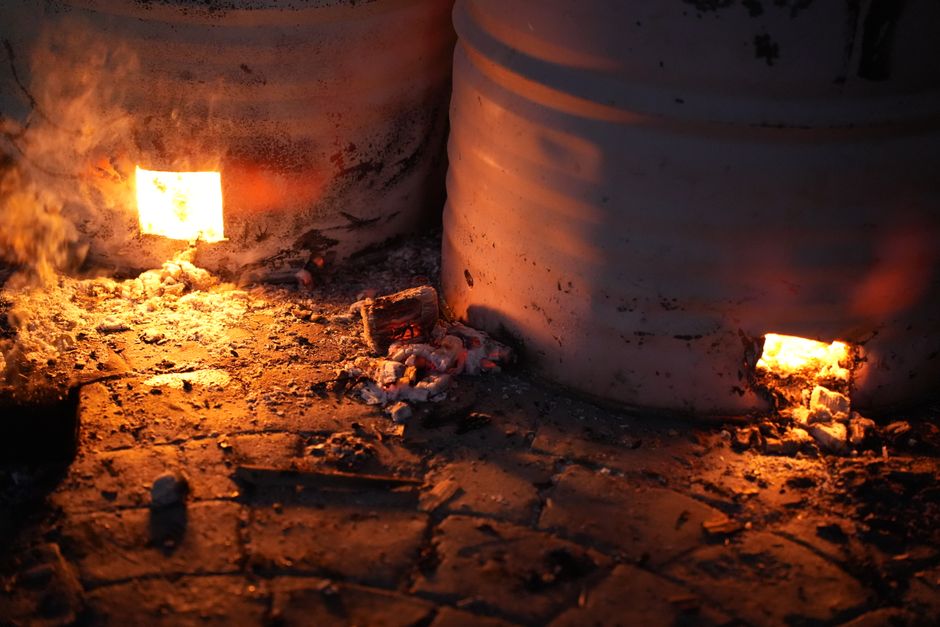
6. Island of Industrious Echoes
Peng Chau, Hong Kong
Peng Chau, a tranquil island, holds the forgotten echoes of Hong Kong's early industrial age, from old match factories to lime kilns, now reclaimed by nature and quiet island life.
Once a bustling industrial hub with a match factory, lime kilns, and a shipyard, Peng Chau has transformed into a peaceful retreat. The remnants of its industrial past, like the partially preserved Great China Match Factory and the unique lime kilns, are now fascinating historical curiosities. The island's slower pace offers a refreshing contrast to urban Hong Kong, inviting visitors to wander through its narrow lanes, discover charming temples, and enjoy a slice of traditional island life that feels far removed from the metropolis, yet is surprisingly close.
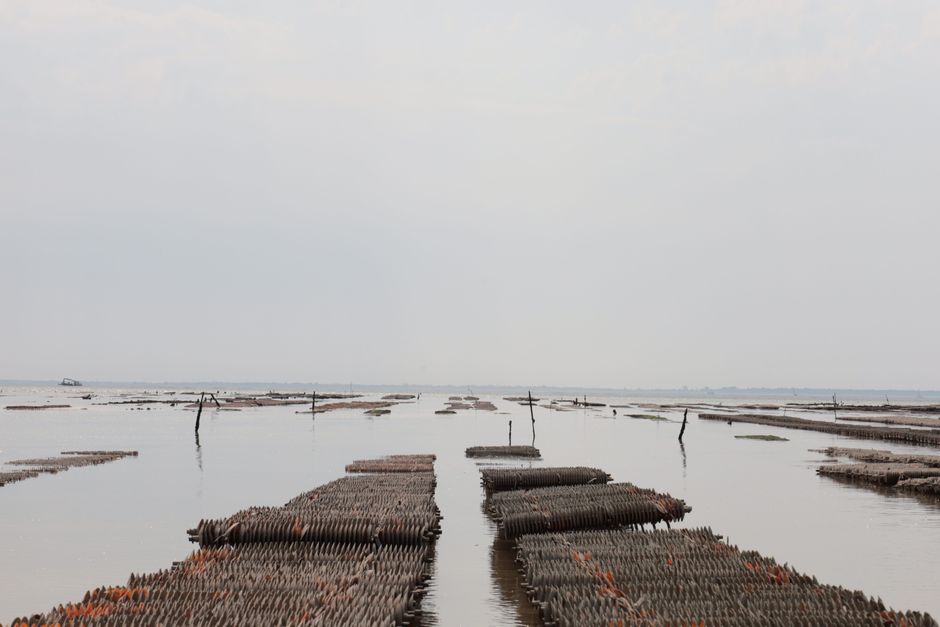
7. Oyster Farmers' Enduring Legacy
Lau Fau Shan, New Territories, Hong Kong
Lau Fau Shan is a unique coastal village renowned for its traditional oyster farming, a centuries-old practice that continues to shape its economy and cultural identity.
Lau Fau Shan stands as one of Hong Kong's last bastions of traditional oyster farming, a legacy that dates back hundreds of years. The village is famous for its fresh oysters, cultivated using time-honored methods in the nutrient-rich waters of Deep Bay. Visitors can witness the rustic charm of its seafood market, where the day's catch, especially oysters, are proudly displayed. This living heritage offers a direct connection to Hong Kong's agrarian and fishing past, providing a taste of local life that contrasts sharply with the city's modern image.
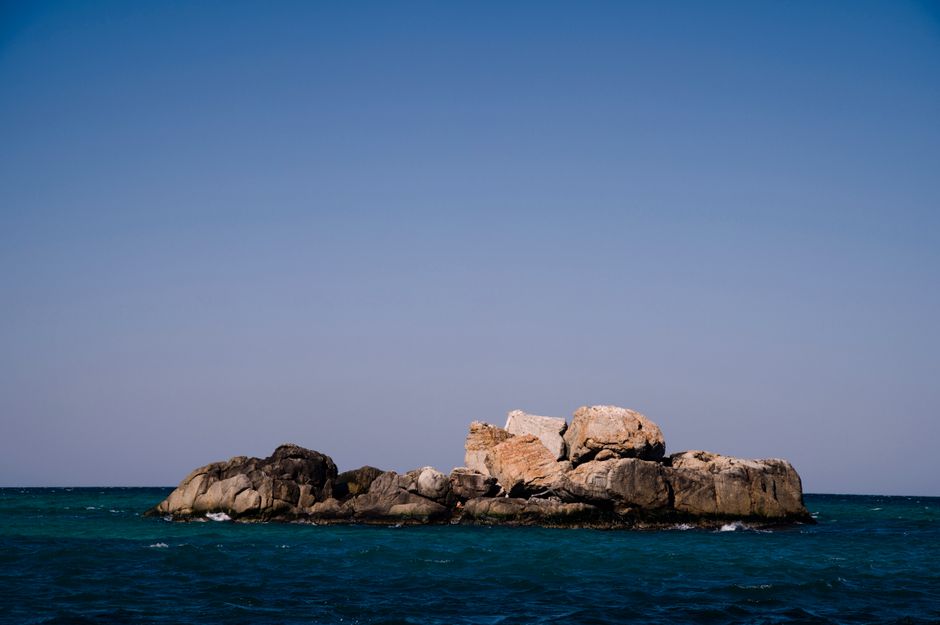
8. Po Toi's Palm Cliff and Monk Rock
Po Toi Island, Hong Kong
Known as the 'South Pole of Hong Kong', Po Toi Island offers dramatic rock formations like the 'Palm Cliff' and 'Monk Rock,' alongside ancient rock carvings, showcasing its raw natural beauty.
Po Toi Island, the southernmost island of Hong Kong, is a rugged paradise for nature lovers and geologists. Its granite landscape is sculpted by millennia of erosion into bizarre and captivating shapes. Highlights include the 'Palm Cliff,' a massive rock face resembling a giant palm print, and 'Monk Rock,' a natural formation that truly looks like a meditating monk. The island also features ancient rock carvings similar to those on Lantau, adding a layer of historical mystery to its stunning natural vistas. Its remote location ensures a tranquil escape.
Frequently asked questions
What is the current status of Huanggang Port for travelers?
The operational status and specific travel requirements for Huanggang Port can change frequently based on current cross-border policies. For the most accurate and up-to-date information regarding its opening and any necessary travel documents or health declarations, it is always best to consult official government websites for both Hong Kong and mainland China, or relevant immigration authorities.
What are the general travel requirements for entering Hong Kong?
General travel requirements for entering Hong Kong typically include a valid passport, and depending on your nationality, a visa. Health declarations or specific vaccination statuses may also be required. These rules are subject to change, so always check the official Hong Kong Immigration Department website or the Consulate General of your country in Hong Kong prior to your trip.
Are there other land crossings between Hong Kong and mainland China?
Yes, besides Huanggang Port, Hong Kong has several other land crossings to mainland China. These include the Lok Ma Chau Spur Line/Futian Port, Shenzhen Bay Port, and the Hong Kong-Zhuhai-Macao Bridge. Each port serves different areas and may have varying operational hours and transport links, so research the most suitable option for your specific travel plans.
How can AllTours.ai help me explore Hong Kong's hidden gems?
AllTours.ai enriches your exploration by turning your phone camera into an intelligent guide. When you point your camera at any of these unique Hong Kong landmarks or landscapes, the app instantly narrates their specific history, geological facts, and cultural significance in your preferred language, offering a deeper, more personal understanding than a traditional guidebook ever could.
Photography via Pexels. AllTours.ai is an AI audio tour guide — point your camera at any landscape and hear its story.