September 26, 2026 · 4 min read
Copenhagen dazzles with its colorful canals, groundbreaking design, and a culinary scene often lauded for its New Nordic innovation. But beyond the Michelin stars and well-trodden tourist paths lies a vibrant, authentic food landscape cherished by locals. This is where the true flavor of the city resides, in spots that tell a deeper story than just what's on the plate.
To truly eat like a Copenhagener means seeking out the time-honored traditions, the surprising historical twists behind beloved dishes, and the community hubs that form the city's gastronomic heart. Forget the guidebooks for a moment and prepare to uncover the unexpected culinary narratives that define Denmark’s capital, one authentic bite at a time.
1. The Century-Old Smørrebrød Institution
Husmanns Vinstue, Copenhagen, Denmark
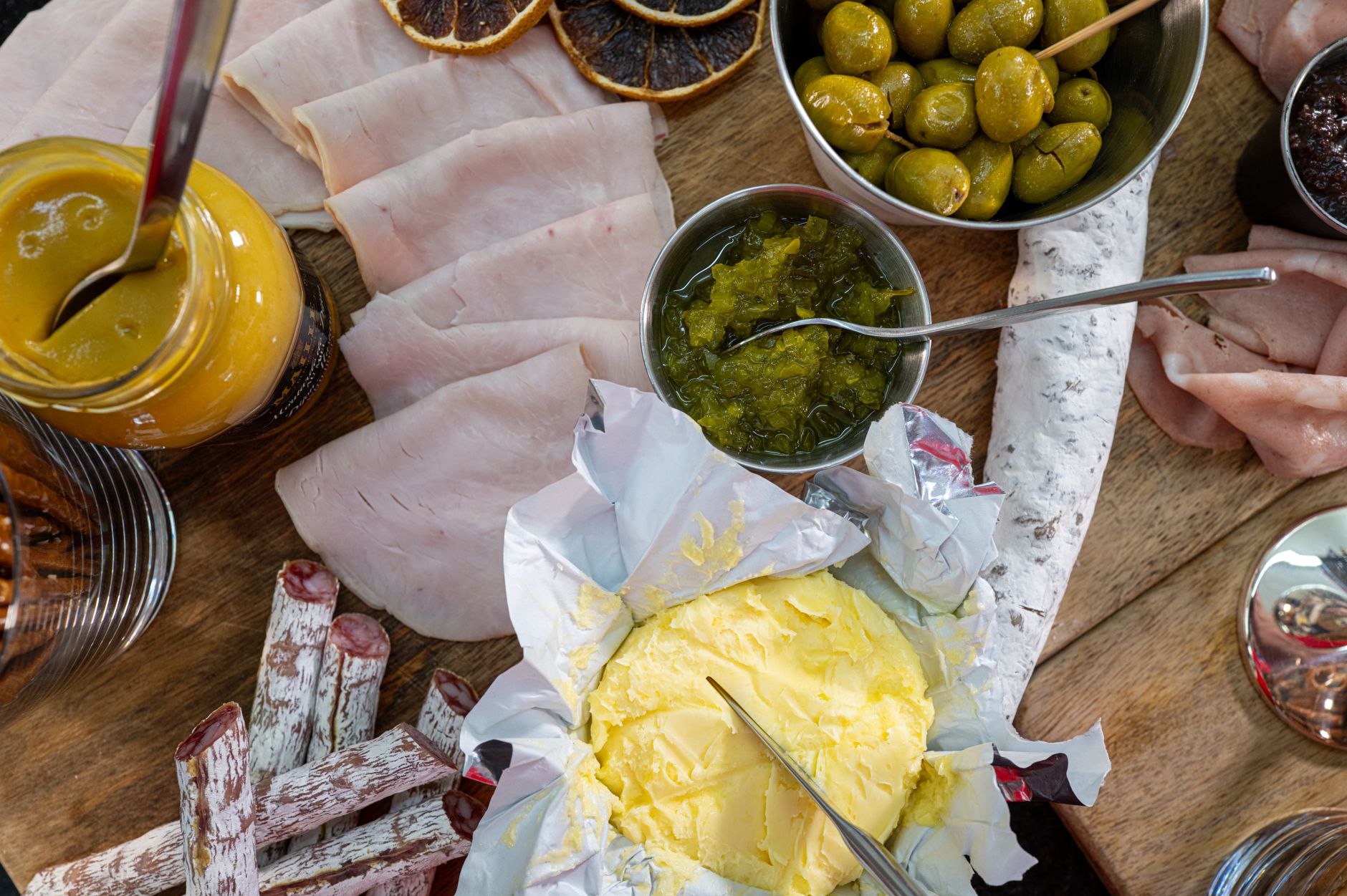
Smørrebrød's open-faced design was originally a practical way for workers to pack their lunch, evolving over centuries into an art form.
Husmanns Vinstue, established in 1888, has served smørrebrød for over a century, embodying the Danish lunch tradition where each piece is a small, edible canvas. Far from its humble origins as a simple slice of rye bread with leftovers, these elaborate creations reflect a meticulous culinary craft. Here, you'll find locals enjoying herring, roast beef, and other classic toppings, meticulously arranged and served with a side of history.
2. Communal Dining in a Deconsecrated Church
Folkehuset Absalon, Copenhagen, Denmark
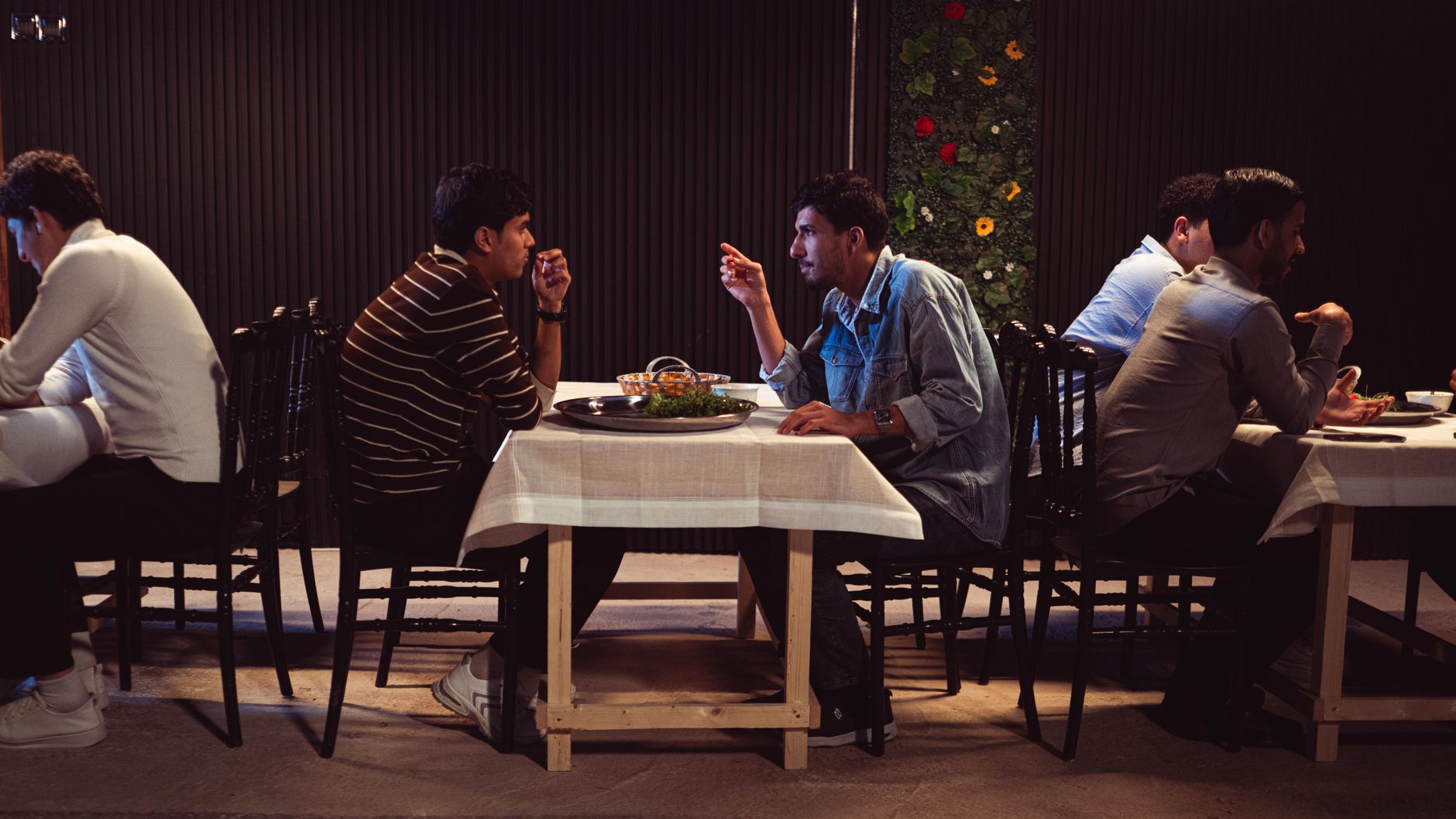
This vibrant community hub, once a church, hosts daily communal dinners, a modern echo of ancient shared meals.
Folkehuset Absalon, a former church in Vesterbro, was deconsecrated and transformed into a bustling community space. Every evening, it serves a fixed-menu, communal dinner where strangers share long tables, fostering a sense of togetherness reminiscent of old village gatherings. This unique blend of Danish hygge and shared dining offers an unparalleled look into contemporary local life, far beyond a typical restaurant experience.
3. Denmark's Voted National Dish
Restaurant Klubben, Copenhagen, Denmark
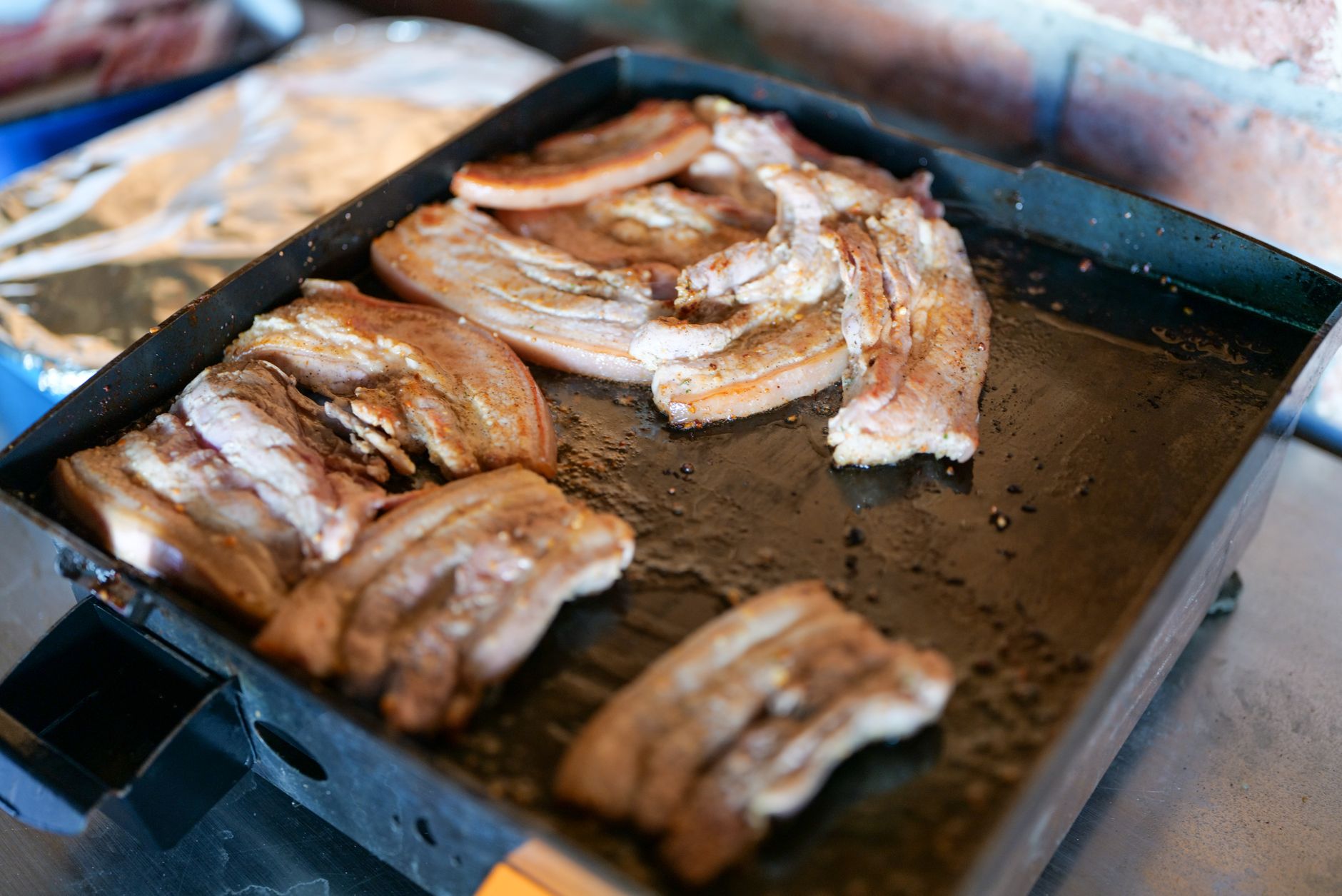
Denmark's national dish, *stegt flæsk med persillesovs* (fried pork belly with parsley sauce), surprisingly gained its status through a public vote in 2014.
Restaurant Klubben, located in Vesterbro, is a stronghold of traditional Danish cooking, particularly known for its *stegt flæsk*. This hearty dish of crispy pork belly served with boiled potatoes and a creamy parsley sauce represents a rustic, comforting side of Danish cuisine often overlooked by visitors seeking New Nordic experiences. Its official designation as the national dish by public vote highlights its deep cultural resonance.

4. The Austrian Roots of Danish Pastry
Juno the Bakery, Copenhagen, Denmark
The Danish pastry, or *wienerbrød*, didn't actually originate in Denmark but was brought by Austrian bakers during a strike in the 19th century.
Juno the Bakery, located in Østerbro, is celebrated for its exquisite pastries, particularly its cardamom buns. While often associated with Denmark, the iconic *wienerbrød* (Danish pastry) has Austrian roots, introduced by immigrant bakers. Juno masterfully crafts these traditions, serving locals who queue patiently for their morning *morgenbrød* and coffee, experiencing a beloved tradition with a surprising past.
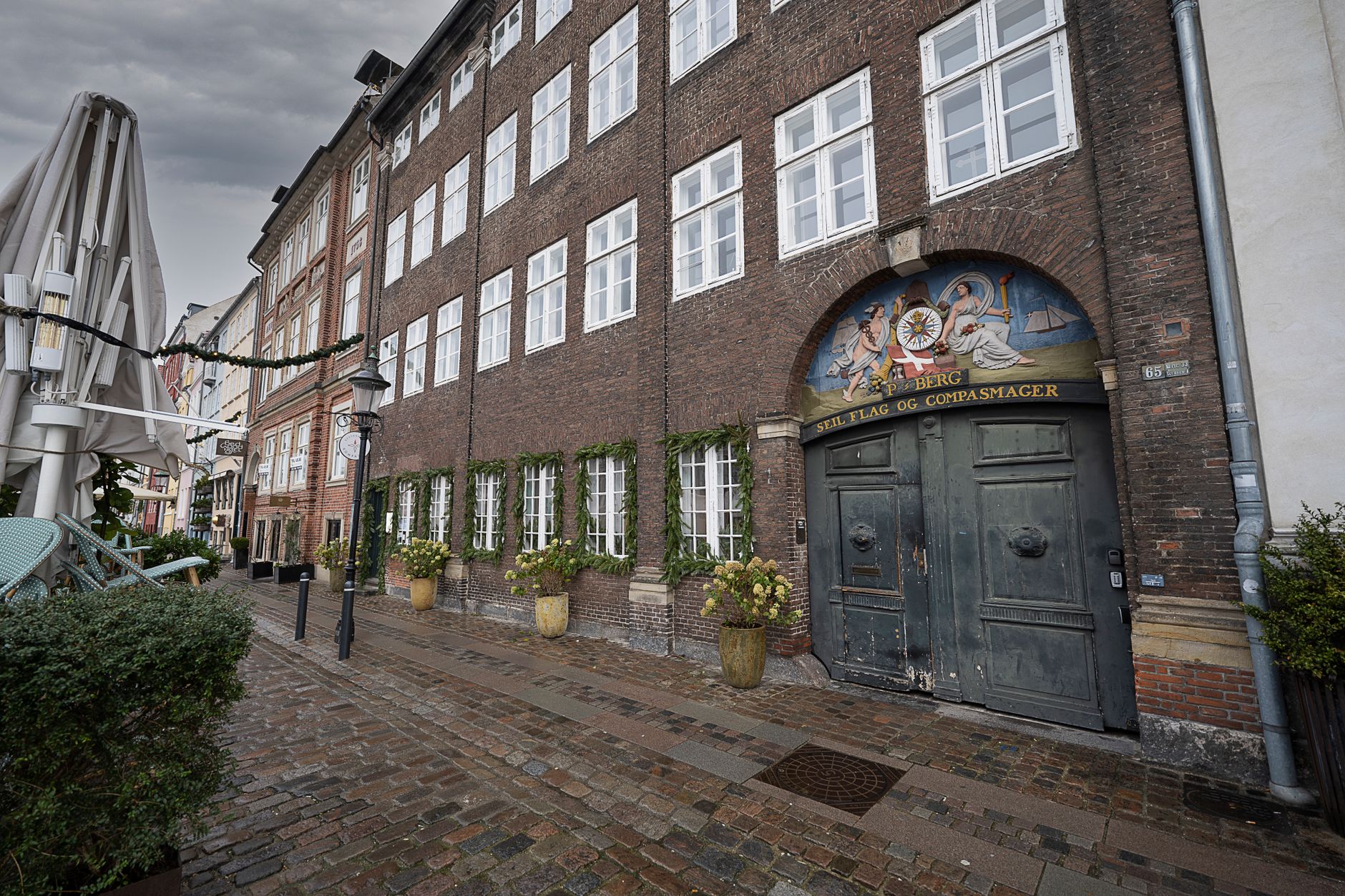
5. The Legendary Pølsevogn
Harry's Place, Copenhagen, Denmark
Denmark’s first *pølsevogn* (sausage cart) appeared in 1921, initially selling sausages boiled in water, a stark contrast to today's grilled varieties.
Harry's Place in Nørrebro is a legendary *pølsevogn*, serving its famous 'Bøfsandwich' (beef patty sandwich with gravy) and classic hot dogs since 1960. These stands are a Danish institution, evolving from simple boiled sausages sold from carts in the 1920s to today's diverse offerings. Harry's Place represents a quick, affordable, and deeply rooted part of local culinary life, a quintessential Copenhagen street food experience.
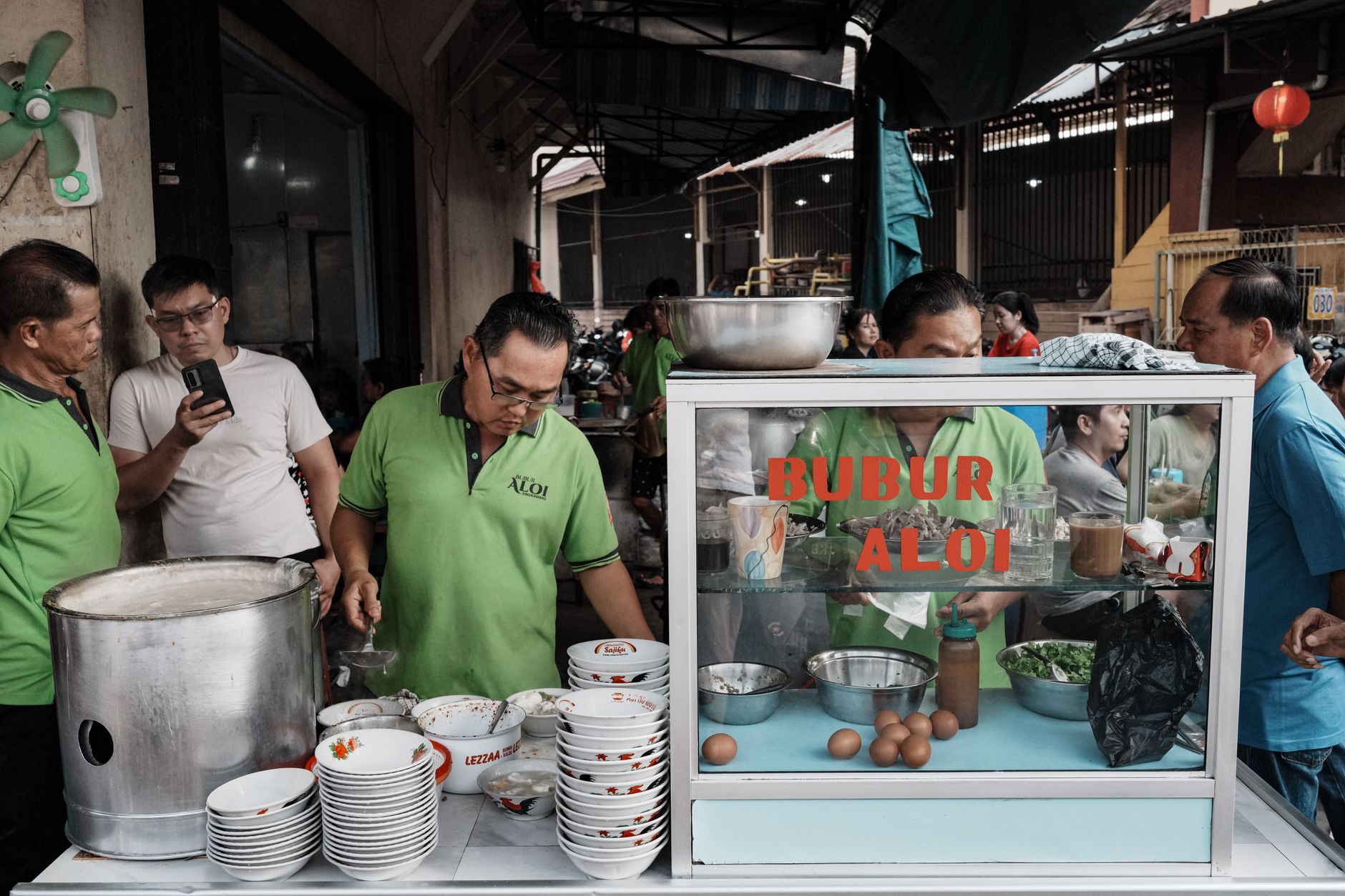
6. Gourmet Porridge, a Humble Staple Reimagined
Grød, Copenhagen, Denmark
Porridge, often seen as simple breakfast fare, has been a staple in the Danish diet for centuries, particularly during leaner times, now reimagined as a gourmet experience.
Grød, with its origins in Nørrebro, revolutionized the perception of porridge, transforming it from a humble, historical sustenance into a trendy, customizable meal. They offer both sweet breakfast porridges and savory risottos, using local, seasonal ingredients, reflecting a modern Danish culinary philosophy that elevates simple, honest food. It’s a unique spot to witness how traditional ingredients can be innovated for contemporary tastes.
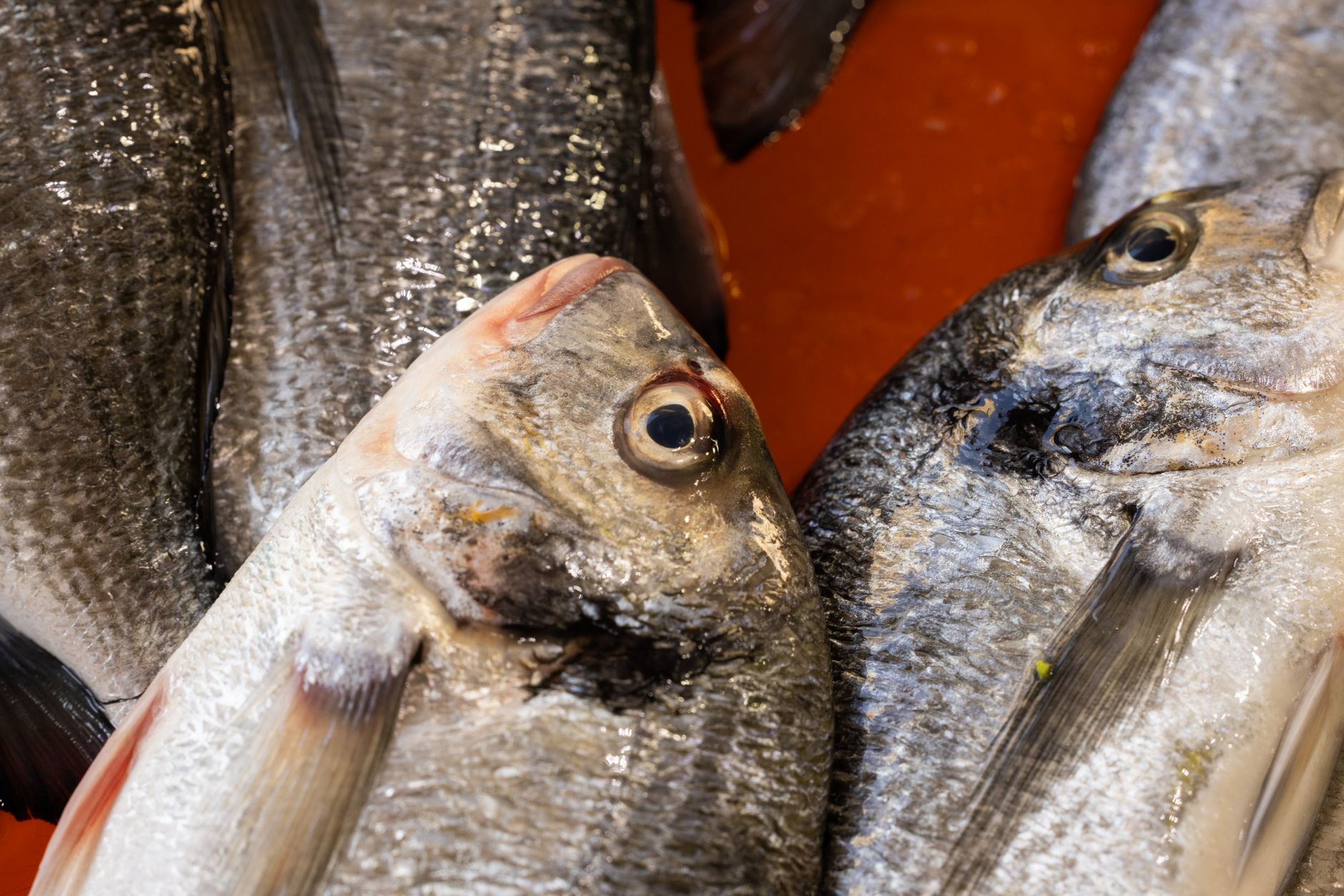
7. Fresh Catch from the Øresund Strait
Fiskerikajen, Copenhagen, Denmark
For centuries, the Øresund Strait, bordering Copenhagen, has been a crucial fishing ground, historically providing the city with its daily catch and shaping its diet.
Fiskerikajen, particularly its shop in Østerbro, offers a fresh glimpse into Copenhagen's maritime heritage. While primarily a fishmonger, they prepare simple, exquisite fish dishes to go or eat standing. The proximity to the Øresund Strait has made fresh fish a cornerstone of Danish cuisine for centuries, and Fiskerikajen continues this tradition by sourcing sustainably caught seafood, connecting diners directly to the sea.
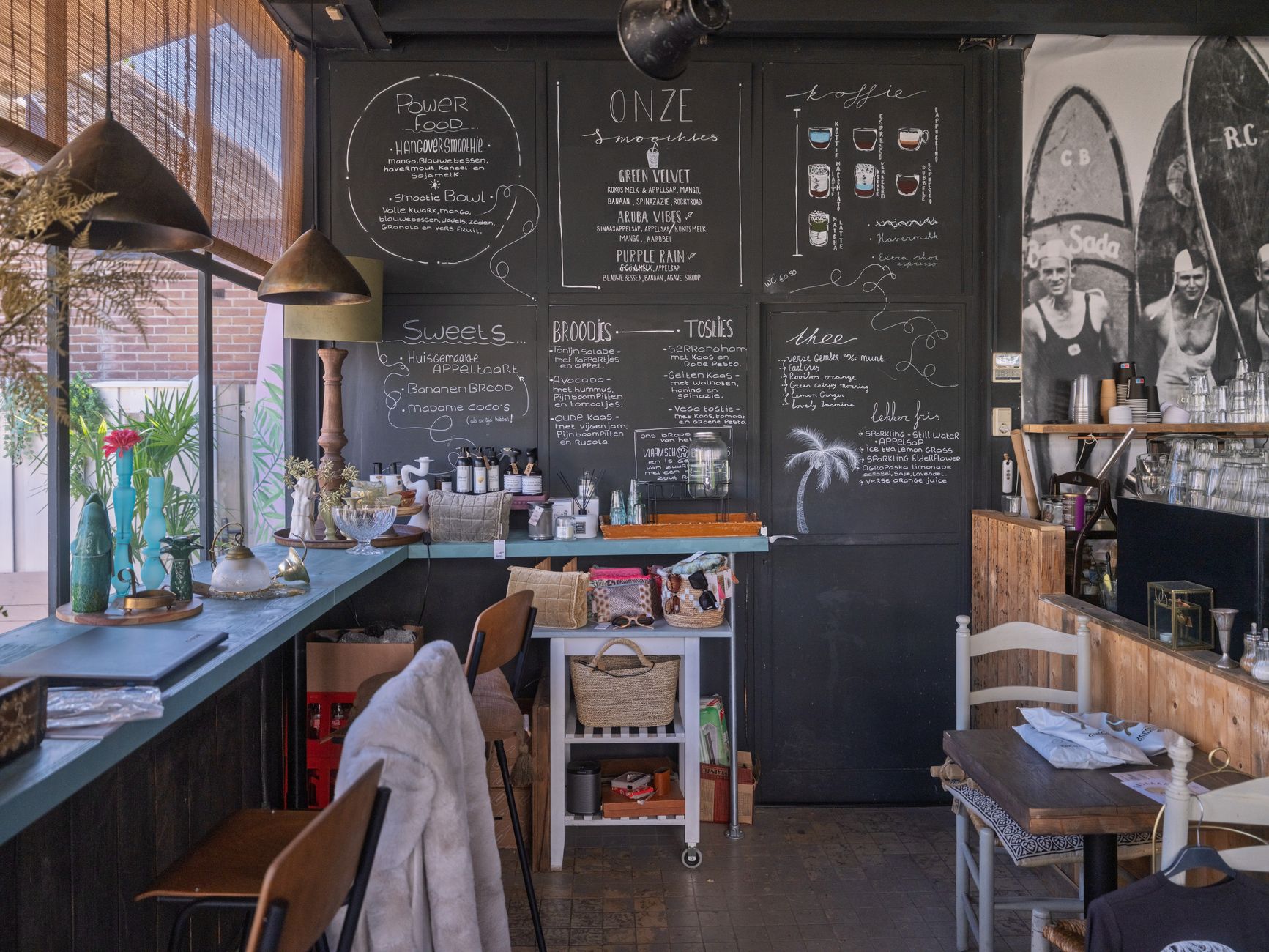
8. Copenhagen's Enduring Coffee Culture
Riccos Kaffebar, Copenhagen, Denmark
Despite Denmark's long maritime history, coffee wasn't widely adopted until the 18th century, brought by merchants, and now Danes are among the world's biggest coffee drinkers.
Riccos Kaffebar, with its cozy, unpretentious atmosphere across several Copenhagen neighborhoods, embodies the Danish love affair with coffee. While tea dominated for centuries, coffee surged in popularity after being imported by merchants, making Danes now some of the world's highest consumers. Riccos offers a genuine local experience, a place for quiet mornings or lively afternoon chats over a quality brew, deeply ingrained in the city's daily rhythm.
Frequently asked questions
What is a typical Danish breakfast?
A typical Danish breakfast often includes rye bread (rugbrød) with cheese, cold cuts, or jam, alongside soft-boiled eggs, yogurt with muesli, and of course, coffee. Pastries like wienerbrød or rundstykker (small bread rolls) are also popular morning treats.
What is the best time to visit Copenhagen for food?
Copenhagen's food scene is vibrant year-round, but late spring to early autumn (May-September) offers the best opportunities. During these months, street food markets are in full swing, outdoor seating is common, and seasonal produce is at its peak, enhancing the dining experience.
Are Copenhagen restaurants expensive?
Copenhagen can be an expensive city for dining out, particularly at upscale establishments. However, there are many affordable options like pølsevogne (hot dog stands), smørrebrød shops, and communal dining experiences that offer delicious food without breaking the bank. Seeking out local spots away from the main tourist areas can also help manage costs.
How does the AllTours.ai app work in Copenhagen?
The AllTours.ai app transforms your phone into a personal AI audio tour guide. Simply point your camera at any landmark, building, or even a natural landscape in Copenhagen, and the app will instantly narrate its history, geology, and cultural significance in your preferred language. It's like having a local expert by your side, ready to share fascinating stories about everything you see.
Photography via Pexels. AllTours.ai is an AI audio tour guide — point your camera at any landscape and hear its story.