September 21, 2026 · 4 min read
Comparing major global cities is a traveler's rite of passage, and few matchups spark as much debate as Sydney, Australia, versus Montreal, Canada. Both boast iconic landmarks, vibrant cultures, and world-class dining. But what happens when you peel back the layers and look beyond the guidebook highlights?
The true soul of a city often lies in its overlooked corners—places where history whispers from forgotten walls, nature reclaims urban spaces, or unique cultural narratives unfold. Forget the famous beaches and bustling old towns for a moment. This guide dives deep into which city is better, Sydney or Montreal, by exploring eight genuinely surprising spots, each with a story that will redefine your perception of these incredible destinations.
1. Convict Island's Industrial Echoes
Cockatoo Island, Sydney, Australia
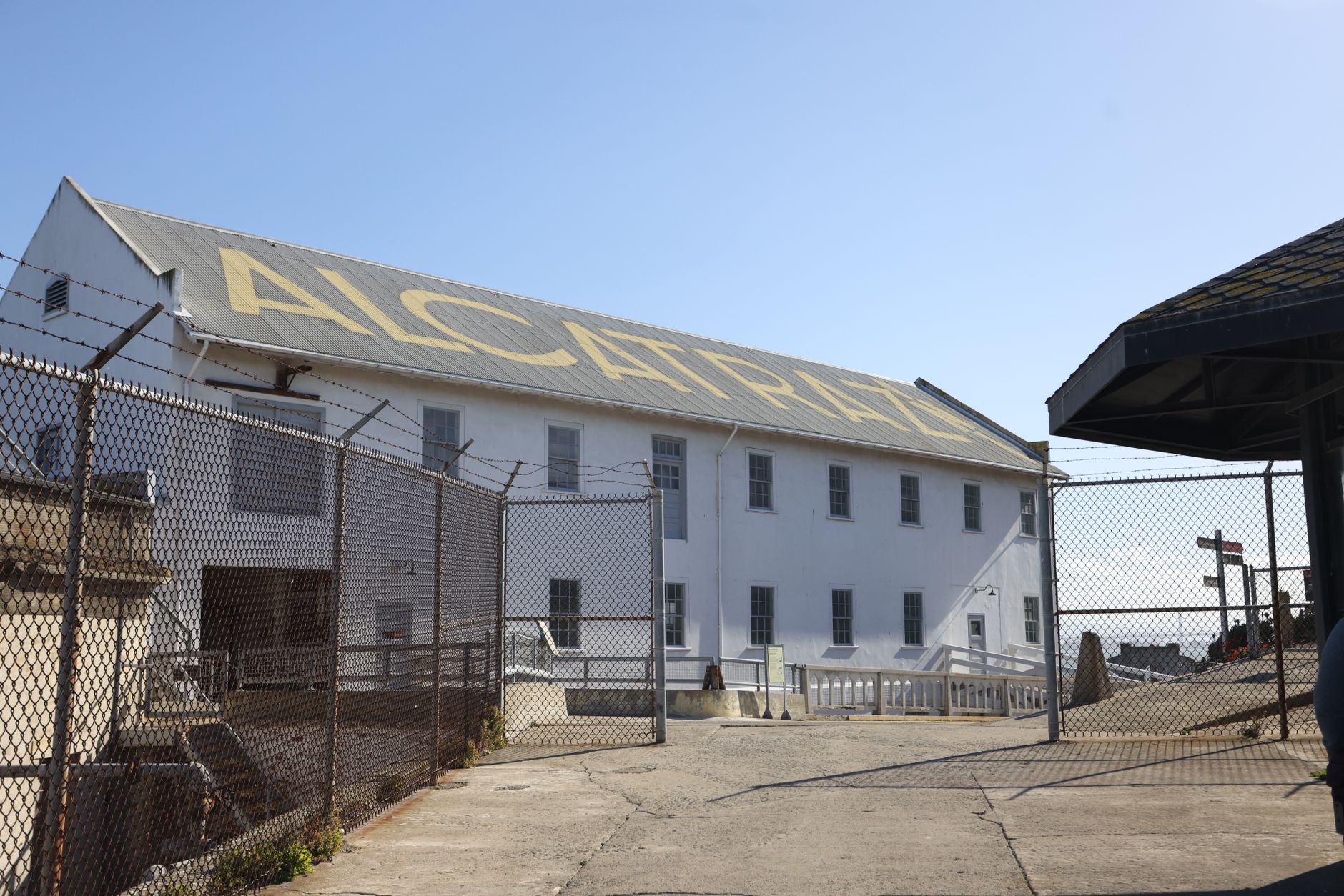
This UNESCO World Heritage site once held Australia's most hardened convicts and later became a groundbreaking shipbuilding hub.
From 1839, Cockatoo Island served as a penal colony for re-offending convicts, its sandstone quarries providing material for Sydney's buildings. It transformed into a major industrial shipyard, creating some of Australia's most significant vessels. Today, you can explore the convict dormitories, solitary cells, and giant cranes, feeling the echoes of lives defined by hard labor and industrial innovation on this island in the middle of Sydney Harbour.
2. The Sunken Victorian Oasis
Paddington Reservoir Gardens, Sydney, Australia
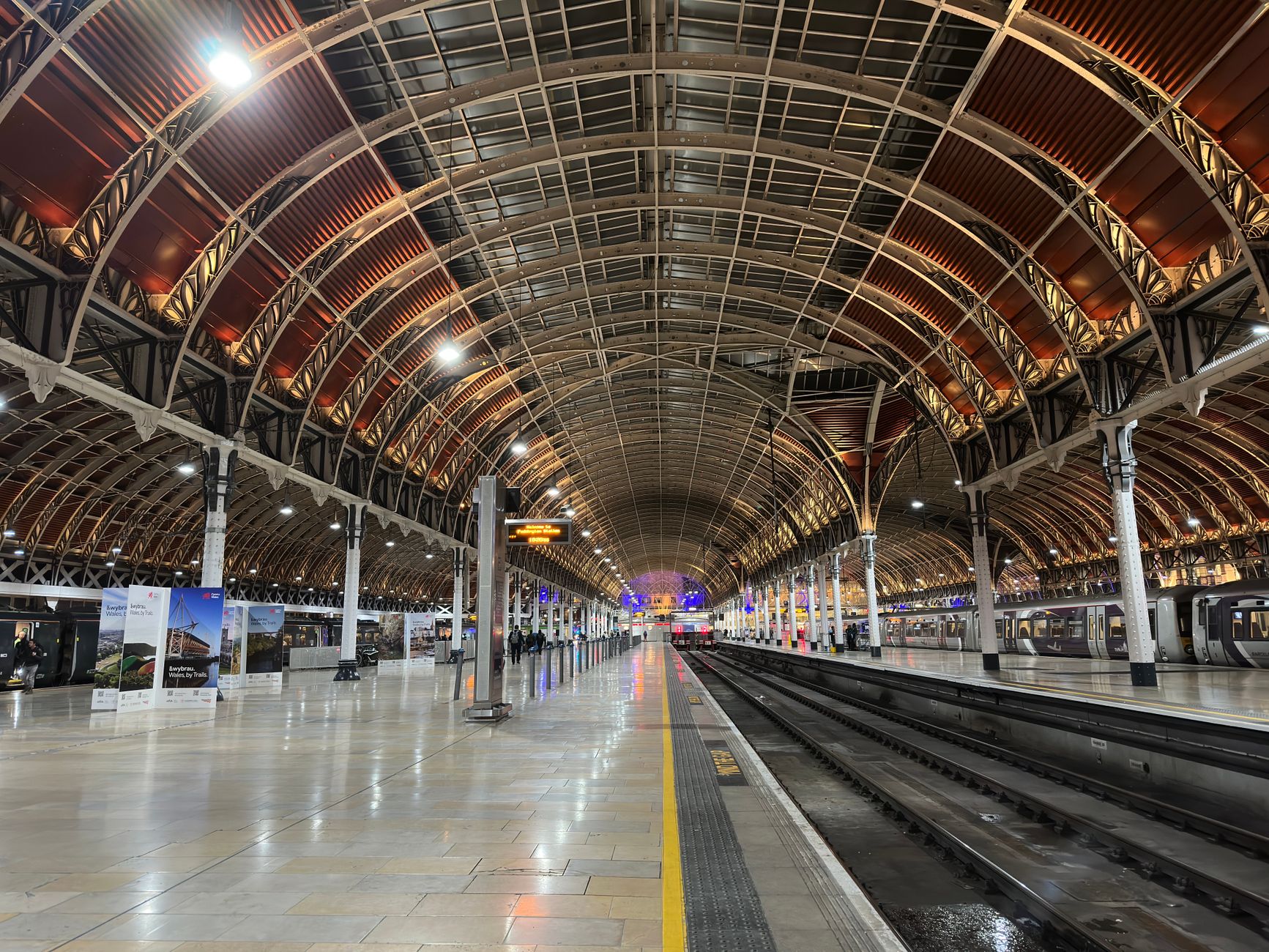
Beneath bustling Oxford Street lies a sunken Victorian water reservoir, now a stunning public garden resembling ancient Roman ruins.
Built in the 1860s, this massive underground reservoir supplied Sydney with water for over a century. Decommissioned in the 1990s, it lay derelict until its ingenious transformation into a unique public park. Walking through its vaulted brick chambers and along raised boardwalks amidst lush greenery, you can trace the original structural elements, witnessing a profound blend of industrial heritage and contemporary urban renewal. It's a surreal, tranquil escape from the city above.
3. Fortress of Botany Bay
Bare Island Fort, La Perouse, Sydney, Australia
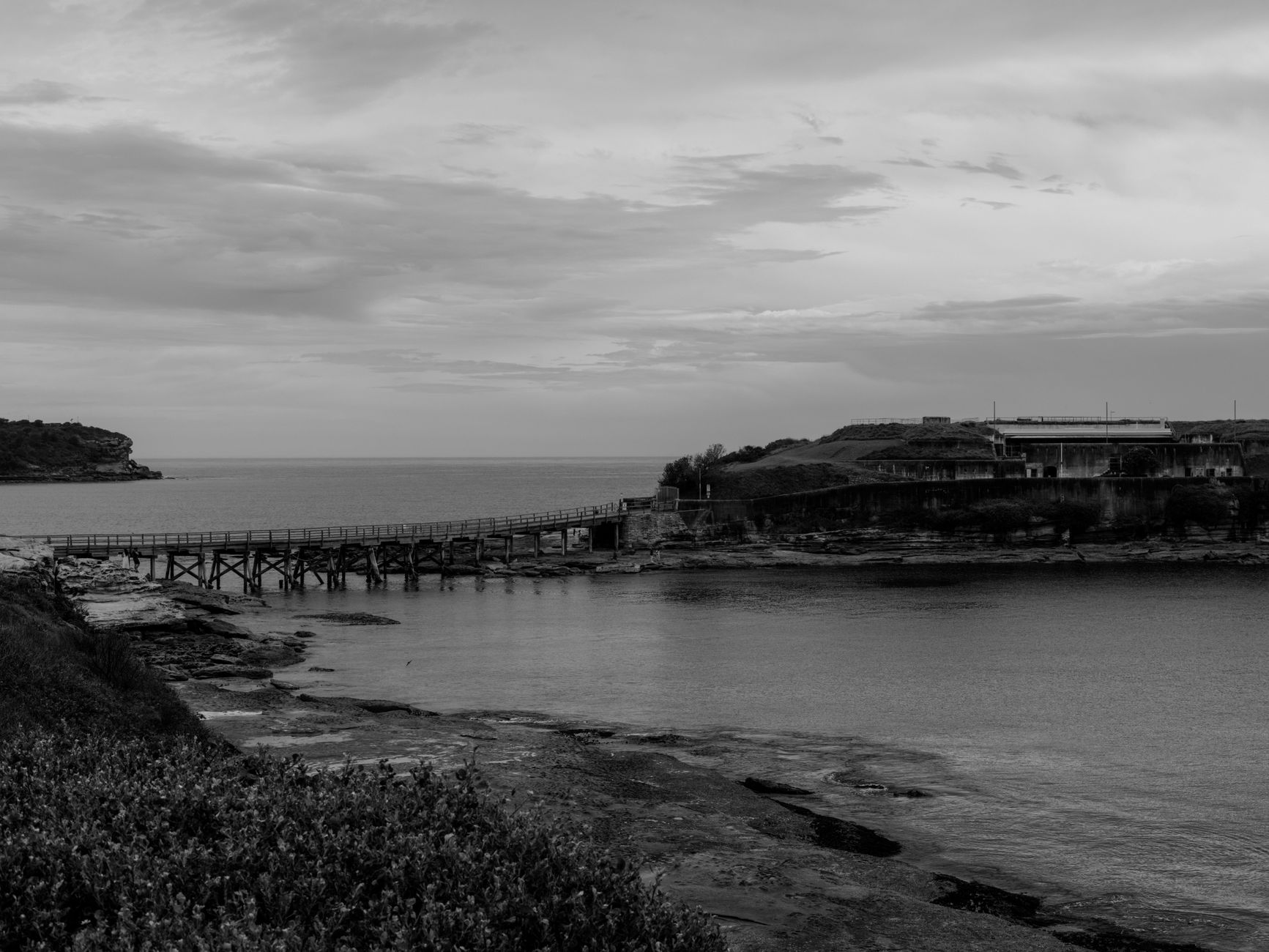
This small island fort, guarding Botany Bay's entrance, played a role in early colonial defense and even featured in a Hollywood blockbuster.
Completed in 1885 to defend Sydney against potential Russian invasion, Bare Island Fort is a fascinating slice of military history. It's built on a tiny islet connected by a wooden bridge to the suburb of La Perouse, a significant site of early European contact with Aboriginal Australians. Beyond its military past, the fort gained modern fame as a filming location for *Mission: Impossible 2*, adding a surprising layer to its historical narrative.
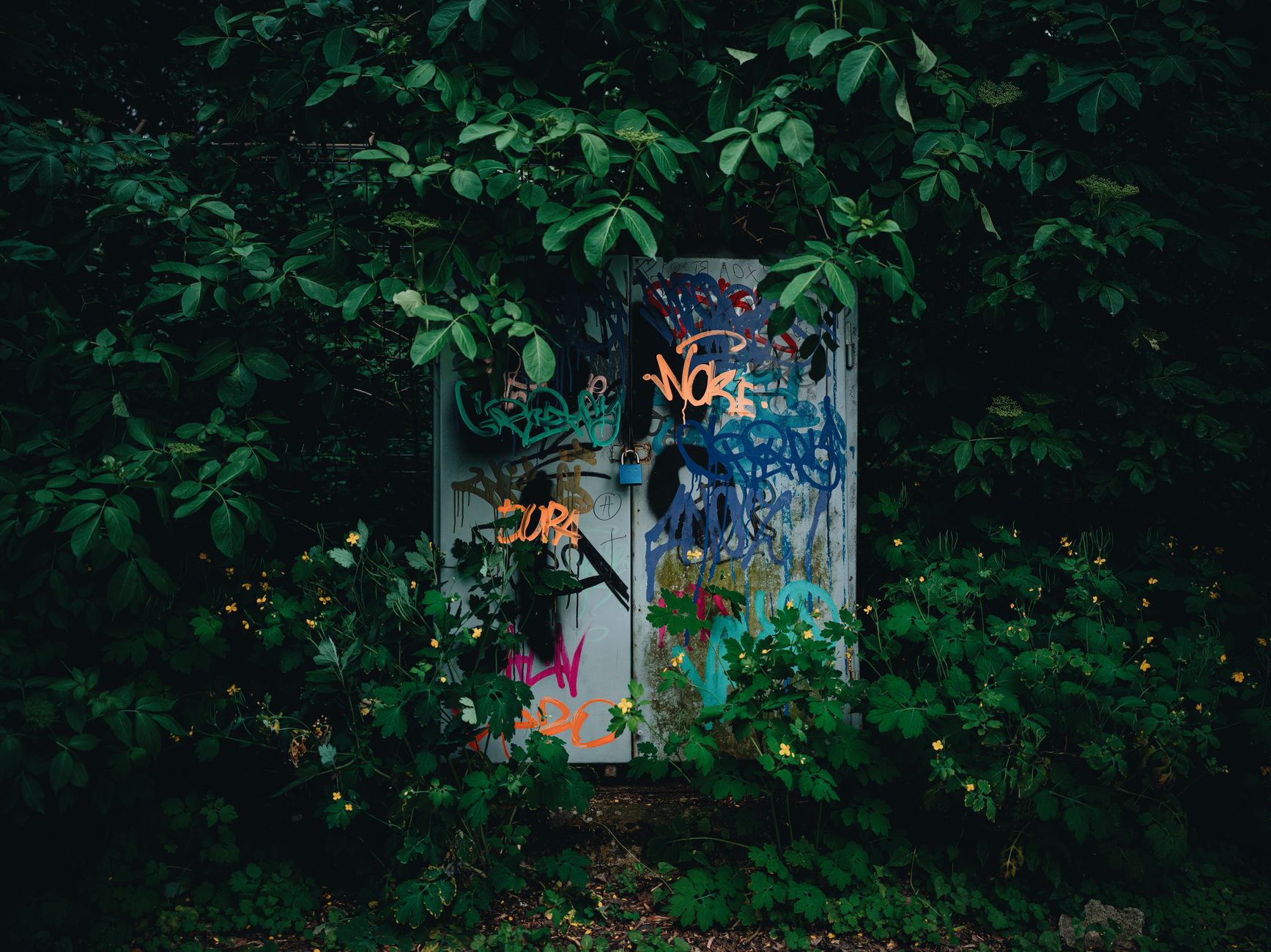
4. The Artist's Secret Sanctuary
Wendy Whiteley's Secret Garden, Lavender Bay, Sydney, Australia
A disused railway land transformed into a vibrant, whimsical public garden by a grieving artist and her community.
For decades, this patch of overgrown land beneath the Harbour Bridge viaduct was an eyesore. After the tragic death of her husband, artist Brett Whiteley, Wendy Whiteley channeled her grief into transforming the neglected space into a 'secret garden.' Without official permission or funding, she and a small group of volunteers meticulously cleared and cultivated it, creating a beloved, verdant sanctuary filled with winding paths, hidden sculptures, and breathtaking harbour views.
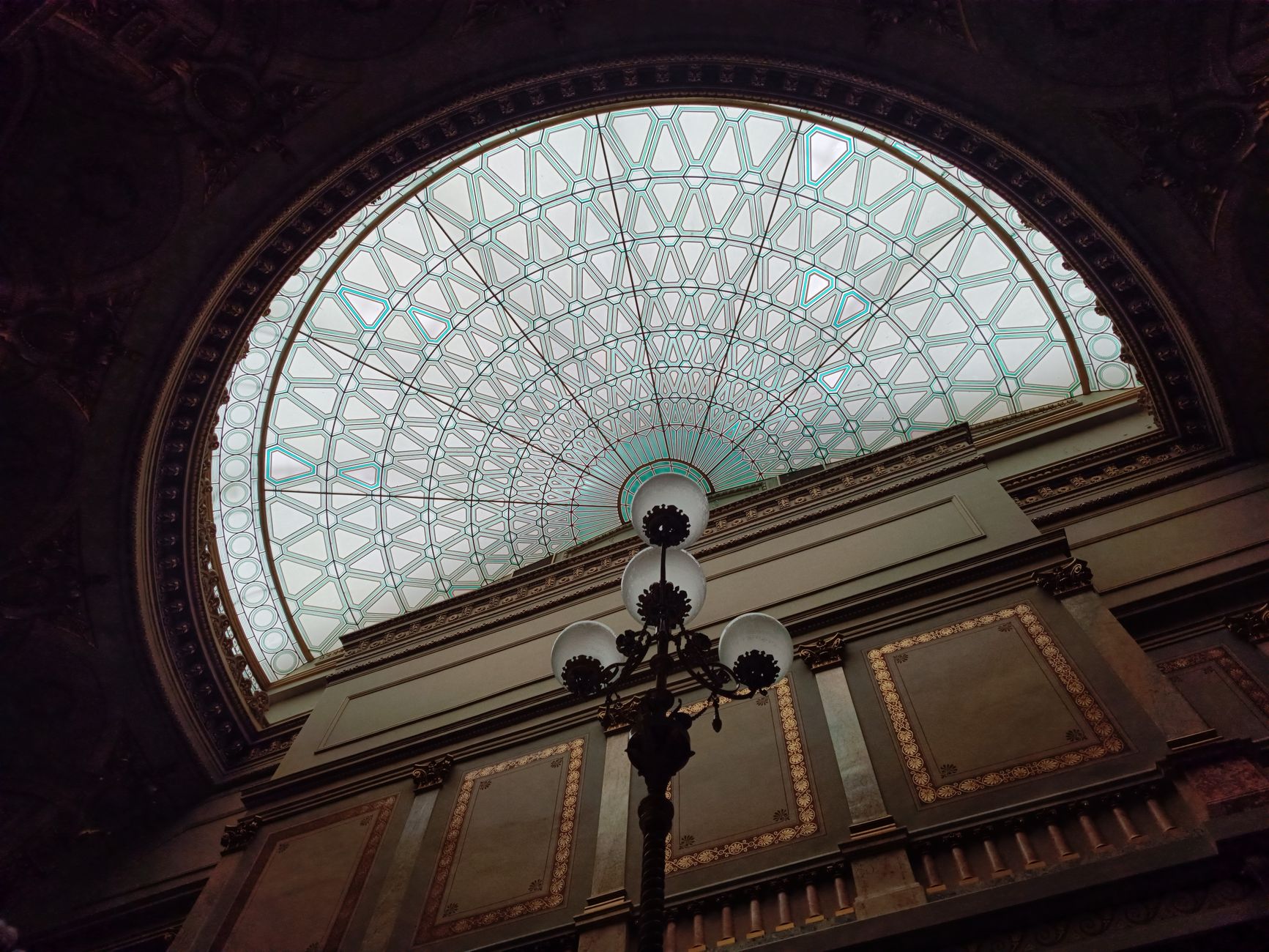
5. Canada's Oldest Natural History Museum
Redpath Museum, McGill University, Montreal, Canada
Tucked within McGill University, Canada's oldest natural history museum houses everything from dinosaur skeletons to ancient Egyptian mummies in a stunning Victorian setting.
Opened in 1882, the Redpath Museum is a lesser-known treasure, a grand example of Victorian Neoclassical architecture. It was specifically built to house the collections of McGill's principal, Sir William Dawson, and features diverse exhibits spanning paleontology, zoology, mineralogy, and ethnology. Its impressive halls, often quiet compared to larger city museums, offer an intimate journey through natural and human history, including a remarkable Egyptian collection.
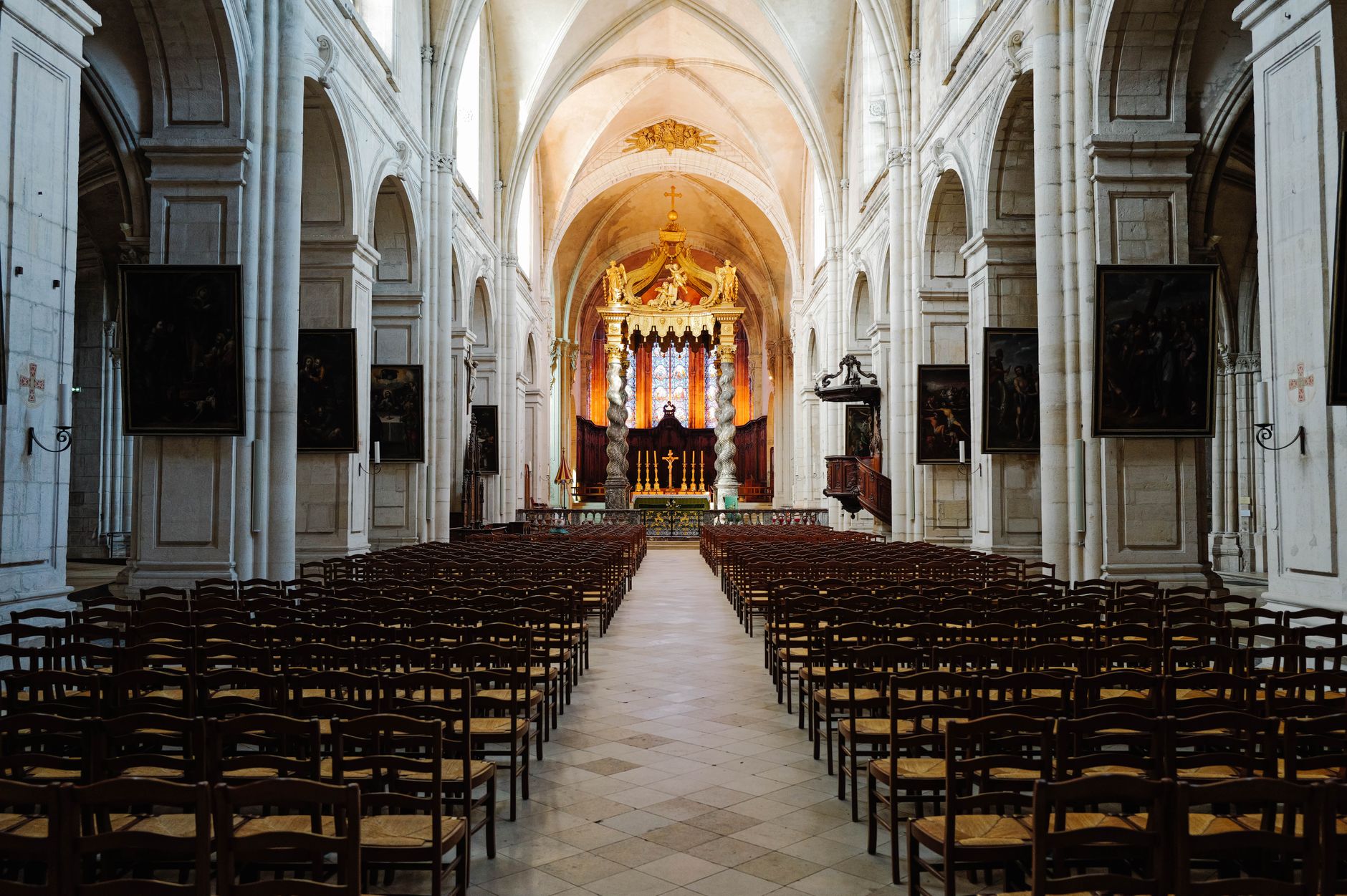
6. The Sailors' Church of Bonsecours
Notre-Dame-de-Bon-Secours Chapel, Montreal, Canada
Montreal's oldest stone chapel, adorned with unique wooden ship models, stands as a beacon for sailors and a testament to a pioneering woman saint.
Built in 1771 by Saint Marguerite Bourgeoys, Canada's first female saint, this chapel earned its 'Sailors' Church' nickname due to its location near the old port and its tradition of blessing ships. Inside, dozens of small wooden ships hang from the ceiling, offerings from grateful mariners. Visitors can explore the archaeological crypt beneath and ascend the tower for panoramic views of the St. Lawrence River, connecting directly to centuries of maritime history and faith.
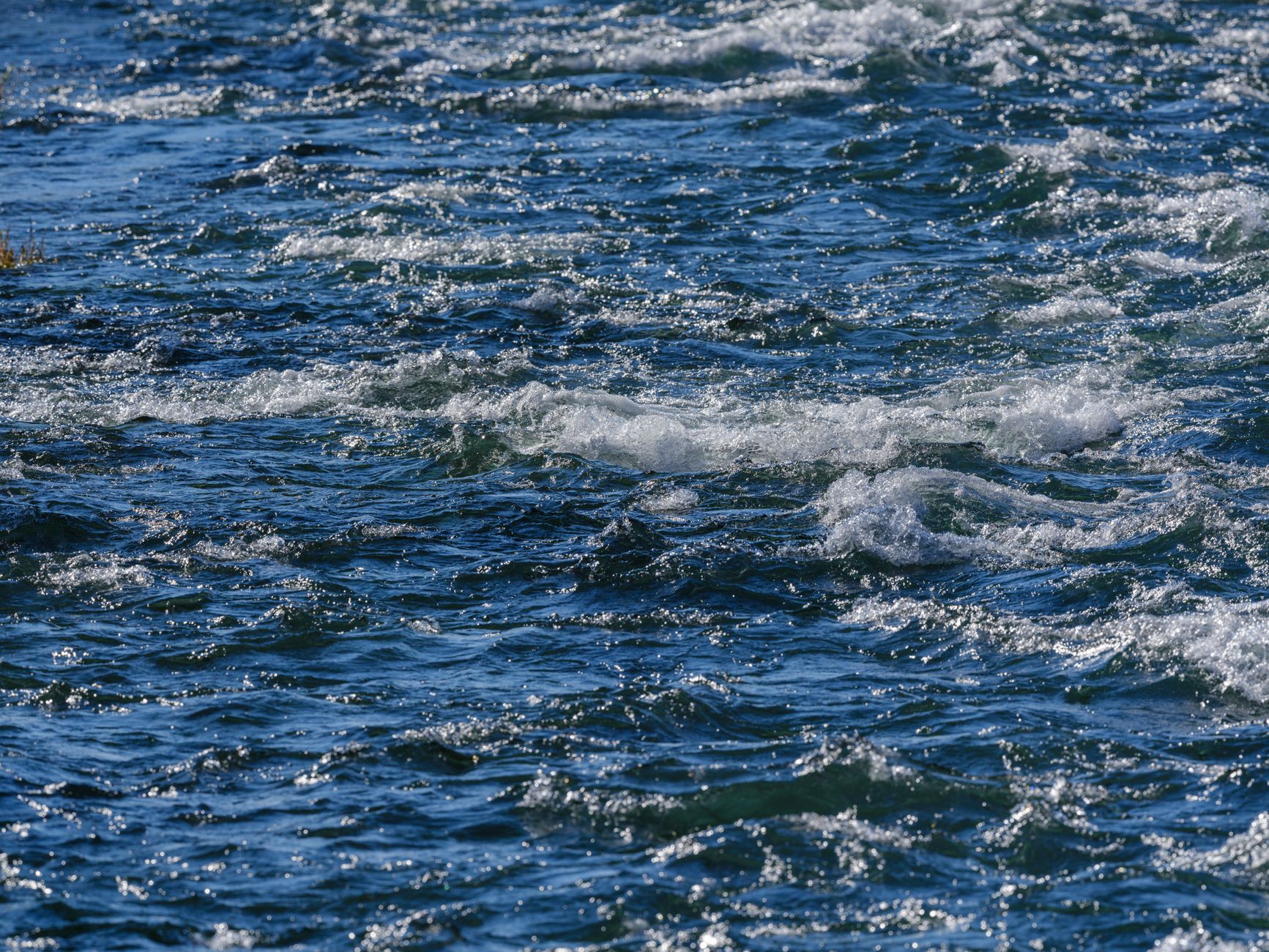
7. The Rapids That Built a City
Lachine Rapids, St. Lawrence River, Montreal, Canada
These powerful, unnavigable rapids on the St. Lawrence River forced early explorers to portage, forever shaping Montreal's strategic location and development.
While the Lachine Canal bypassed them, the Lachine Rapids themselves are a natural marvel and a crucial historical landmark. Jacques Cartier was stopped by these roaring waters in 1535, believing they led to China (La Chine). This natural barrier necessitated a portage route, establishing Montreal as a hub where goods and people had to stop, leading to its growth as a major trading post and city. Today, you can witness their raw power from several vantage points, a dynamic reminder of the forces that shaped a nation.
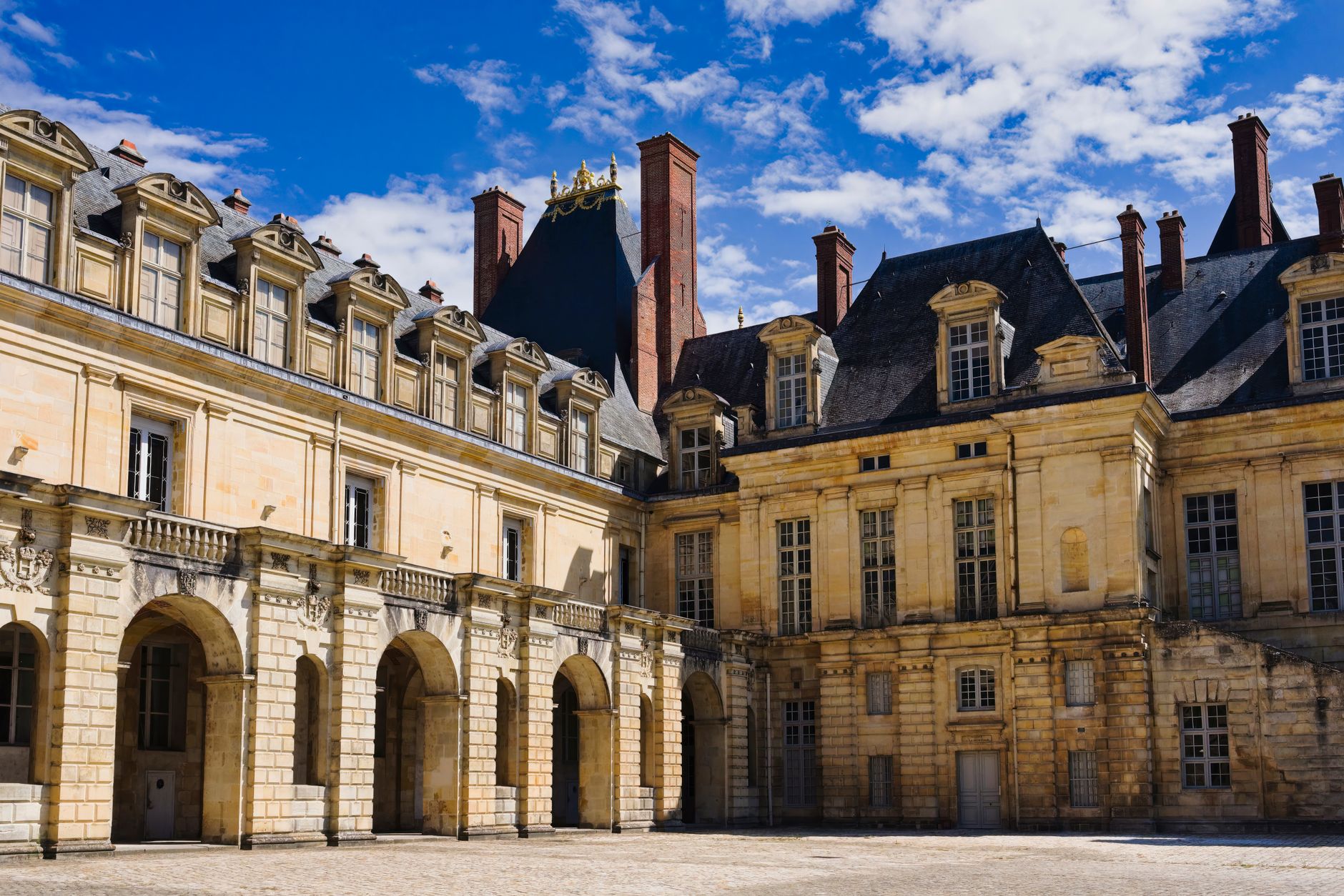
8. The Compassion of the Grey Nuns
Musée des Hospitalières de l'Hôtel-Dieu de Montréal, Montreal, Canada
Discover the hidden story of Montreal's first hospital and the pioneering Grey Nuns who served the sick and vulnerable for centuries.
Located within the historic Hôtel-Dieu hospital complex, this museum tells the compelling story of the Hospitalières de Saint-Joseph and the Grey Nuns, who founded Montreal's first hospital in 1642. Through original artifacts, medical instruments, and personal accounts, visitors gain insight into early healthcare, religious life, and the profound impact these women had on the city's social fabric. It's an intimate glimpse into a rarely told side of Montreal's history, highlighting resilience and compassion.
Frequently asked questions
Is Sydney or Montreal more expensive for travelers?
Generally, Sydney tends to be more expensive than Montreal, particularly regarding accommodation and dining. However, both cities offer a range of options, and savvy travelers can find budget-friendly choices in either destination. Transportation costs can vary, with Montreal's metro often being more economical.
Which city has better weather for tourism, Sydney or Montreal?
Sydney offers a temperate climate with warm summers and mild winters, making it pleasant for outdoor activities year-round. Montreal experiences four distinct seasons, with hot, humid summers and very cold, snowy winters. Your preference depends on whether you enjoy summer festivals and sunshine or winter sports and festive snowscapes.
Is it easier to get around Sydney or Montreal without a car?
Both cities have excellent public transport. Montreal's compact downtown and extensive metro system make it very walkable and easy to navigate without a car, especially for major attractions. Sydney's public transport (trains, buses, ferries) is comprehensive but the city is more spread out, making travel times between distant areas longer.
How can I learn more about these specific hidden gems while visiting?
The AllTours.ai app is designed for exactly this. Simply point your phone camera at a landmark or landscape, and the app instantly narrates its unique history, geology, and culture in your language. It’s like having a local expert revealing the true stories behind even the most overlooked spots.
Photography via Pexels. AllTours.ai is an AI audio tour guide — point your camera at any landscape and hear its story.