June 30, 2026 · 4 min read
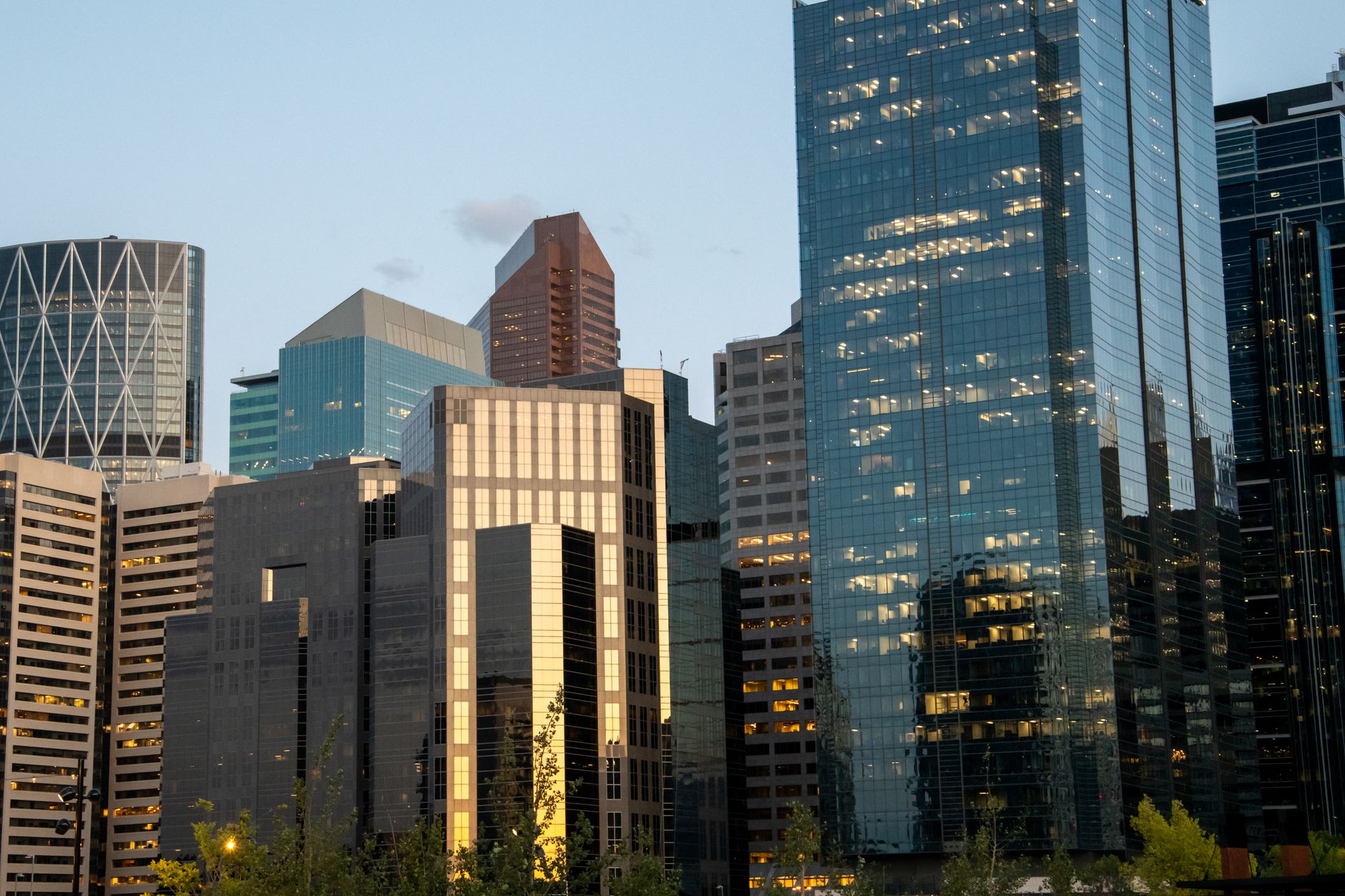
Deciding where to move as a single person, especially when leaving a vibrant city like Montreal, involves weighing many factors. For English speakers looking for new opportunities and a welcoming community, Calgary and Kitchener often emerge as top contenders. But beyond the well-trodden paths and common knowledge, what truly defines these cities?
This guide looks past the usual tourist attractions to uncover the genuinely underrated, often overlooked spots that give Calgary and Kitchener their unique character. From geological marvels shaped by ancient ice to meticulous gardens built by visionary citizens, these are the places with rich, surprising stories waiting to be discovered, offering a deeper sense of what living in these cities might truly feel like.
1. A Printer's Oasis in the Prairies
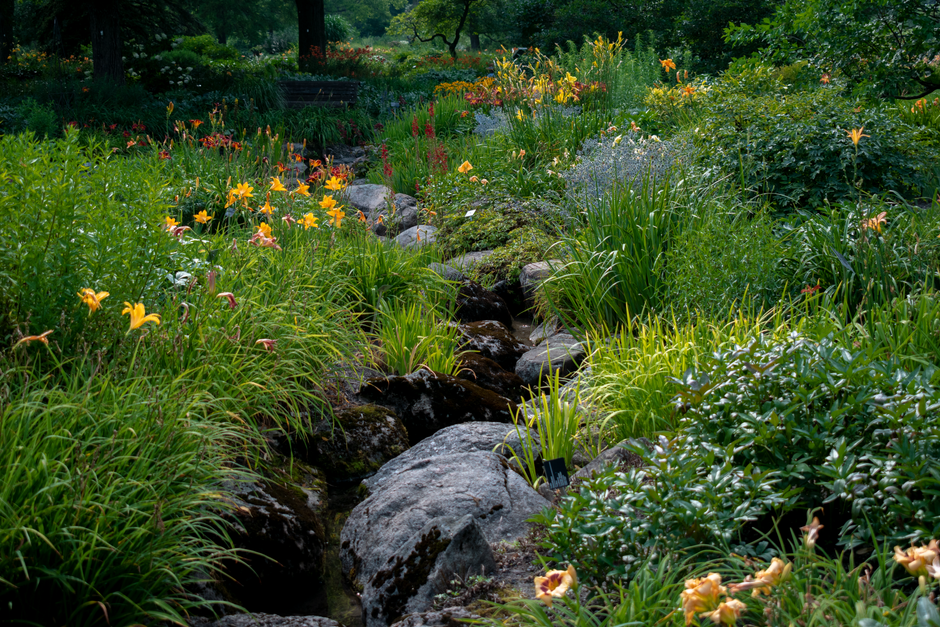
Reader Rock Garden, Calgary, Canada
This tranquil garden, a National Historic Site, was painstakingly crafted over decades by a single man in Calgary's challenging climate.
Built between 1913 and 1934 by city parks superintendent William Reader, this 2.8-hectare oasis on a hillside defied expectations, showcasing hundreds of diverse plant species. Reader's meticulous design created microclimates that allowed non-native plants to thrive, transforming a barren slope into a vibrant botanical marvel. It stands as a testament to one man's enduring vision and horticultural ingenuity.
2. The Clock That Stood Against a War
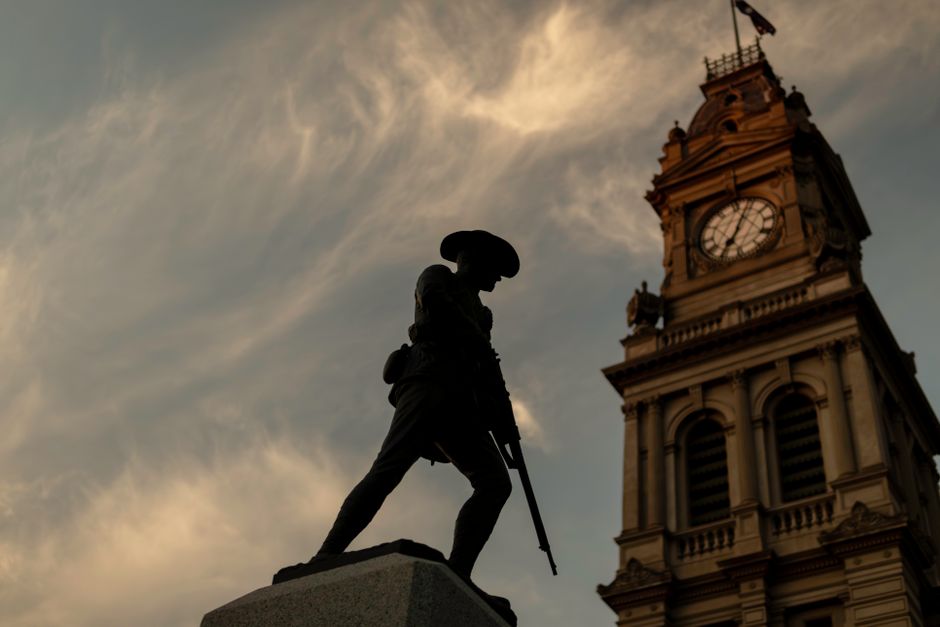
Victoria Park, Kitchener, Canada
Victoria Park houses Canada’s oldest continuously operating clock tower, which narrowly escaped destruction due to its surprising connection to wartime sentiment.
Erected in 1897 as part of the park's original amenities, this ornate clock tower holds a unique place in Kitchener's history. During World War I, with rising anti-German sentiment, a statue of Queen Victoria's husband, Prince Albert (who was German), was almost removed from the park. The clock tower, a symbol of the city's strong German heritage, faced scrutiny but ultimately endured, standing as a quiet monument to Kitchener's complex past and its resilience.
3. Whispers of Calgary's Early Days
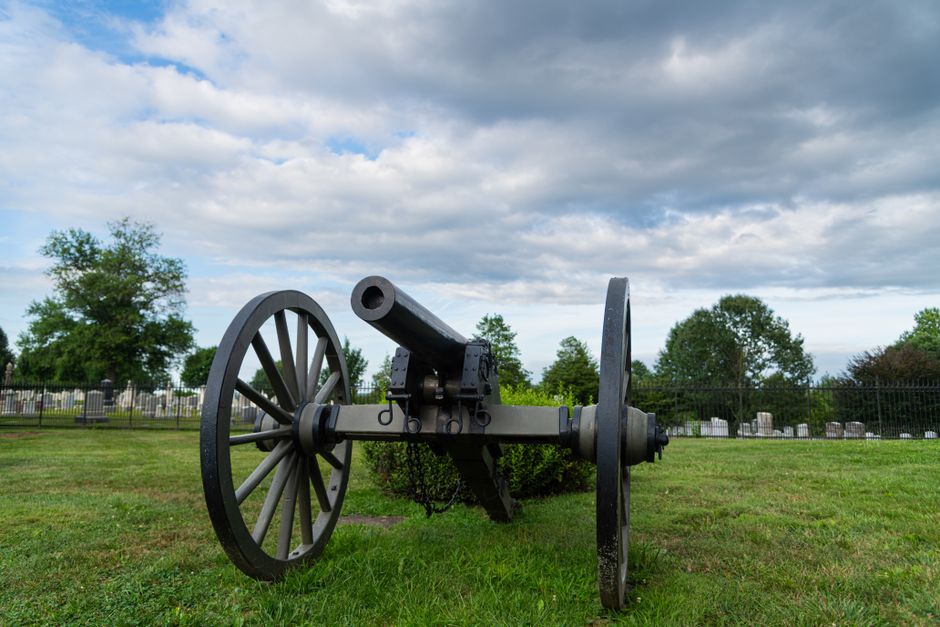
Union Cemetery, Calgary, Canada
Beyond its quiet paths, Union Cemetery tells the vivid, unvarnished stories of Calgary's pioneers, law enforcers, and ordinary citizens through its weathered headstones.
Established in 1889, Union Cemetery is a living archive of early Calgary. Here lie some of the city's first settlers, prominent figures, and even victims of forgotten tragedies. Look for the markers of the North-West Mounted Police officers, whose lives shaped the nascent town, or the unassuming graves of immigrant families who built Calgary from the ground up. Each stone offers a glimpse into the raw, often challenging, beginnings of a major Canadian city, far from the polished narratives.
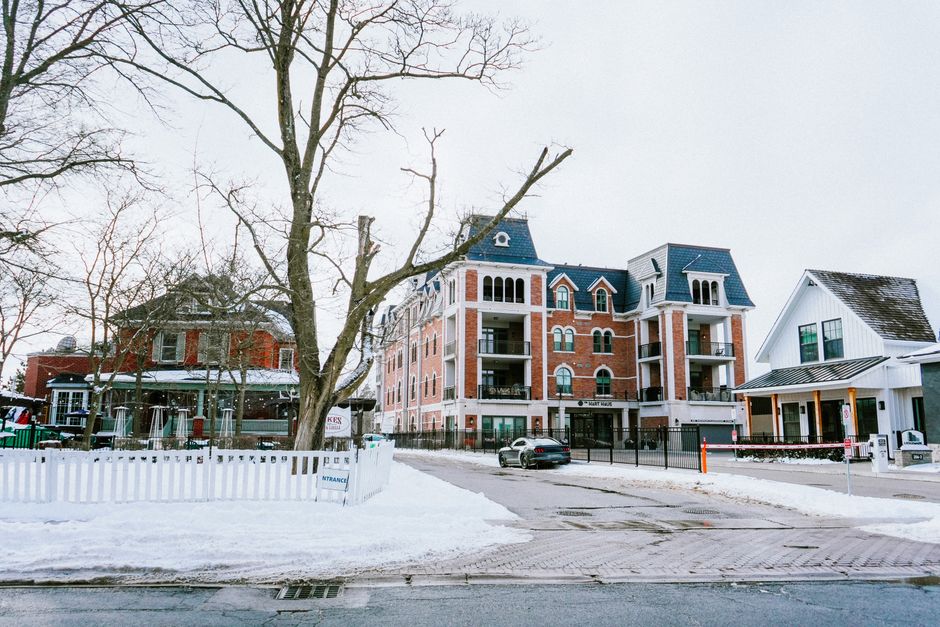
4. Step Back into Pioneer Mennonite Life
Schneider Haus National Historic Site, Kitchener, Canada
Discover Kitchener's oldest surviving dwelling, a log farmstead that offers an authentic window into early Pennsylvania-German Mennonite settlement.
Built in 1816 by Joseph Schneider, one of Kitchener's founding settlers, this log house is a rare architectural treasure. It stands as a tangible link to the resourceful and resilient Pennsylvania-German Mennonites who shaped the region's agricultural and cultural landscape. Exploring the house reveals not just period furnishings, but also the ingenuity in its construction and the daily routines of a family building a new life in a rugged land, long before Kitchener became a bustling city.
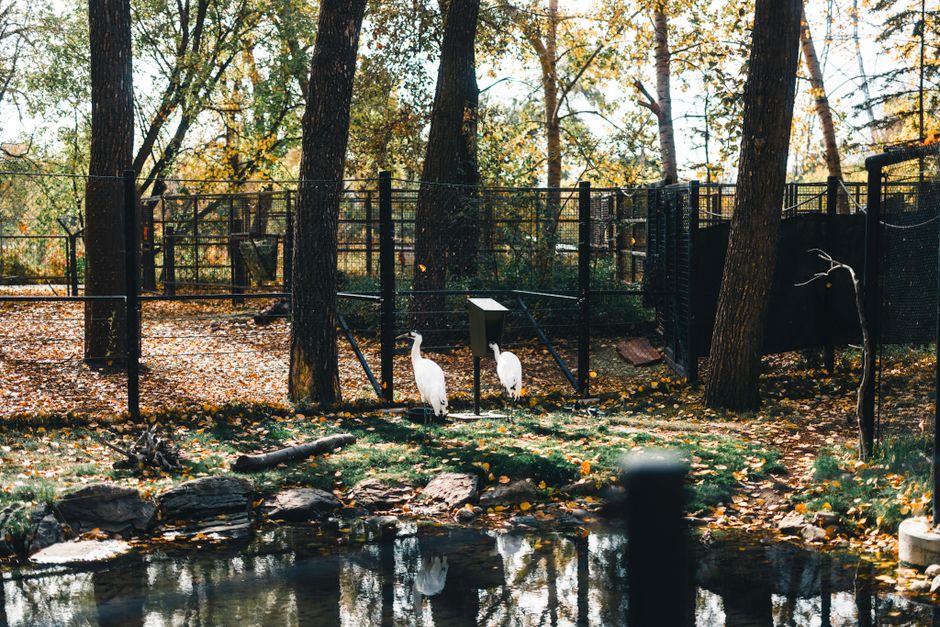
5. Alberta's Aquatic Guardians
Bow Habitat Station, Calgary, Canada
This unassuming facility plays a vital role in sustaining Alberta's aquatic ecosystems, raising millions of fish to stock lakes and rivers across the province.
More than just an interpretive centre, the Sam Livingston Fish Hatchery, located within the Bow Habitat Station, is a cornerstone of Alberta's fisheries management. Since 1907, it has been instrumental in raising trout and other native species, ensuring healthy fish populations for both recreation and ecological balance. Visitors can witness the lifecycle of fish from egg to fingerling, offering a fascinating look at the unseen efforts behind conserving Alberta's natural waters, right in the heart of Calgary.
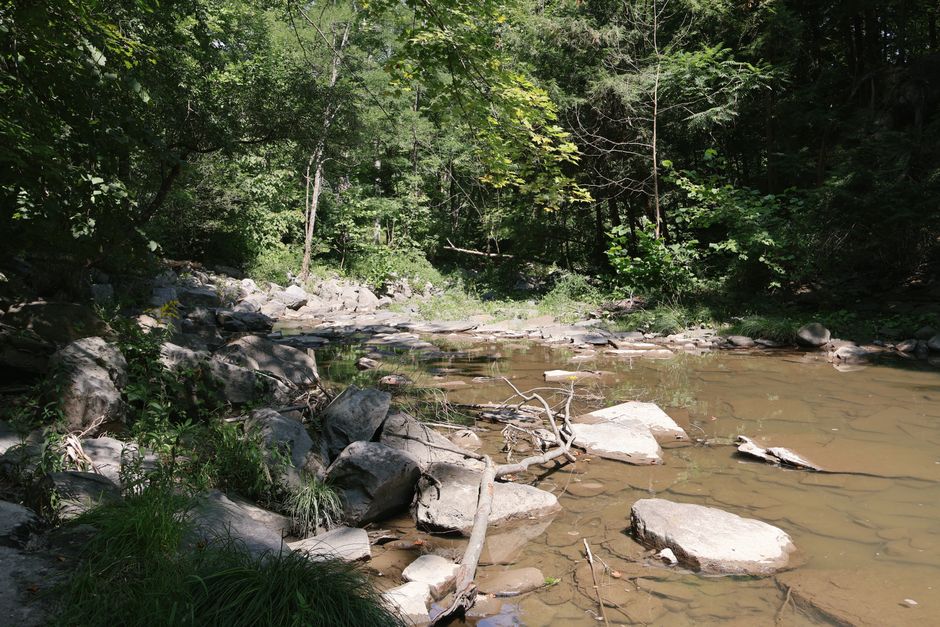
6. Glacial Echoes in an Urban Forest
Huron Natural Area, Kitchener, Canada
This vast urban natural area preserves ancient geological features, including channels carved by glacial meltwater, offering a glimpse into the region's ice age past.
Spanning over 107 hectares, the Huron Natural Area is Kitchener's largest natural space, a mosaic of forests, wetlands, and meadows. What makes it truly remarkable are the subtle yet profound traces of glacial activity. Walk its trails and you'll traverse ancient meltwater channels and observe varied topography shaped by the retreating ice sheets thousands of years ago. It’s a unique urban sanctuary where natural history is visibly etched into the landscape, providing vital habitat and a quiet escape.
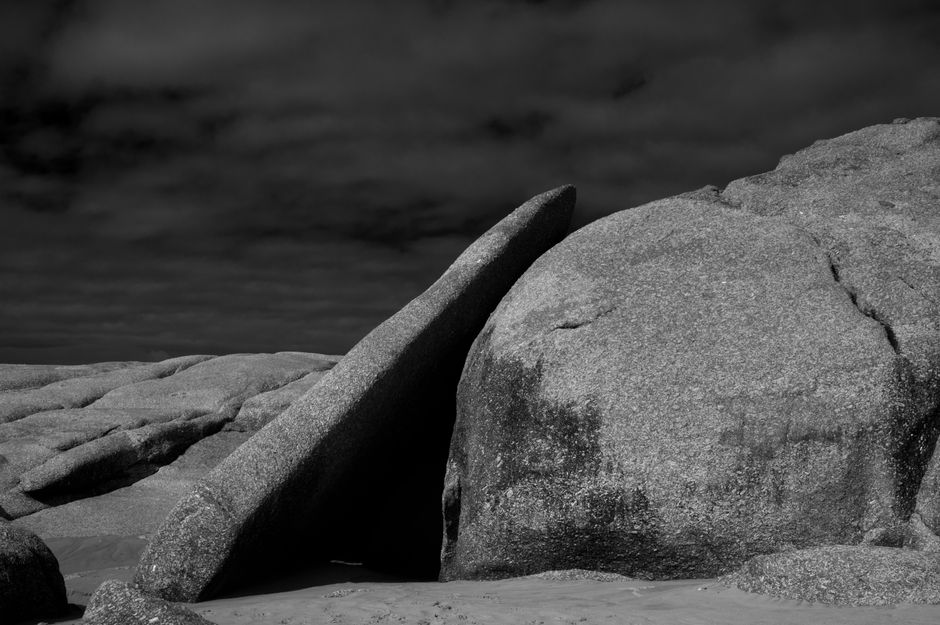
7. The Wandering Giant and Ancient Legend
Okotoks Erratic, Okotoks, Canada
This colossal boulder, dropped by a glacier far from its origin, is not only a geological marvel but also central to a Blackfoot creation story.
Just south of Calgary, the Okotoks Erratic, known locally as "Big Rock," is a massive quartzite boulder weighing over 16,500 tonnes. Its presence here is a geological anomaly, carried hundreds of kilometers from the Rocky Mountains by a massive glacial ice sheet. For the Blackfoot people, the rock holds deep cultural significance, featuring in a legend about a giant and a large rock that chased him. It's a powerful spot where ancient geology and indigenous narrative converge.
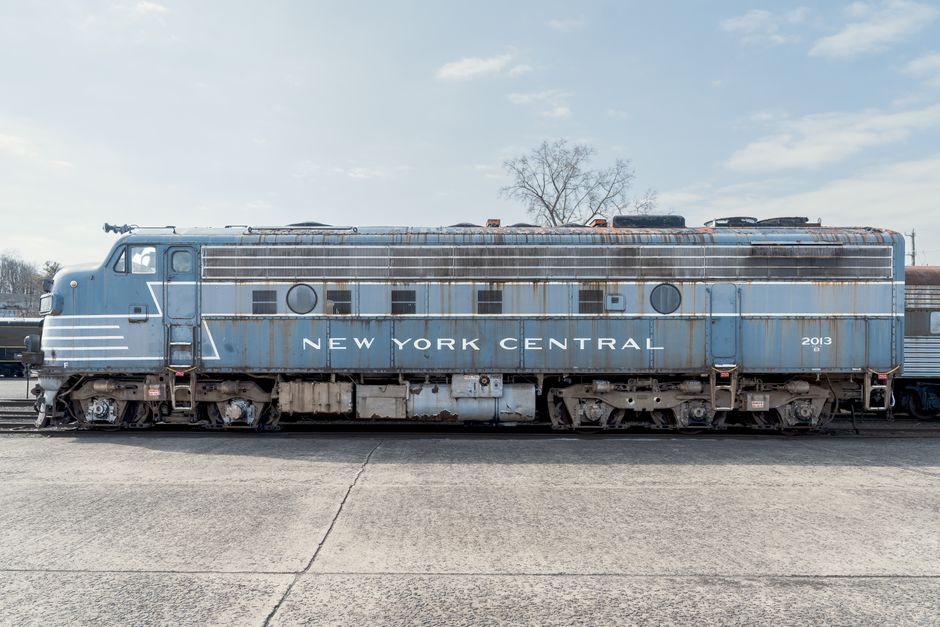
8. Riding the Rails of Local History
Waterloo Central Railway, St. Jacobs, Canada
This heritage railway offers more than a scenic ride; it’s a living museum preserving the industrial and agricultural transportation history of Waterloo Region.
Operating on a historic line that once served the region's thriving industries and farms, the Waterloo Central Railway uses authentic vintage locomotives and passenger cars. It connects the charming village of St. Jacobs with Waterloo and farmers' markets, offering a tangible link to a past when rail was the backbone of local commerce and travel. Riding these rails is a unique way to experience the rhythms of a bygone era and appreciate the ingenuity that built this part of Ontario.
Frequently asked questions
Is Calgary a good city for singles?
Calgary offers a vibrant social scene for singles, particularly with its strong economy attracting young professionals. There are numerous outdoor activity groups, bustling nightlife districts like 17th Avenue, and a growing arts scene that provides many opportunities for connection and community.
Is Kitchener a good city for singles?
Kitchener, part of the Waterloo Region, has a dynamic and youthful population thanks to its tech industry and universities. This translates into diverse social opportunities, from craft breweries and indie music venues to outdoor festivals and community events, making it a welcoming place for singles.
What is the cost of living comparison between Calgary and Kitchener?
Generally, the cost of living in Calgary can be more affordable than in Kitchener, especially regarding housing. While both cities have seen increases, Calgary's housing market, particularly for rentals, often presents better value compared to Kitchener's proximity to the highly competitive Greater Toronto Area.
How can AllTours.ai help me explore these cities?
AllTours.ai is an AI audio tour guide app designed to deepen your travel experience. Simply point your phone camera at any landmark, landscape, or even a specific building mentioned in this guide, and the app will instantly narrate its history, geology, and cultural significance in your preferred language, revealing the hidden stories around you.
Photography via Pexels. AllTours.ai is an AI audio tour guide — point your camera at any landscape and hear its story.