June 30, 2026 · 4 min read
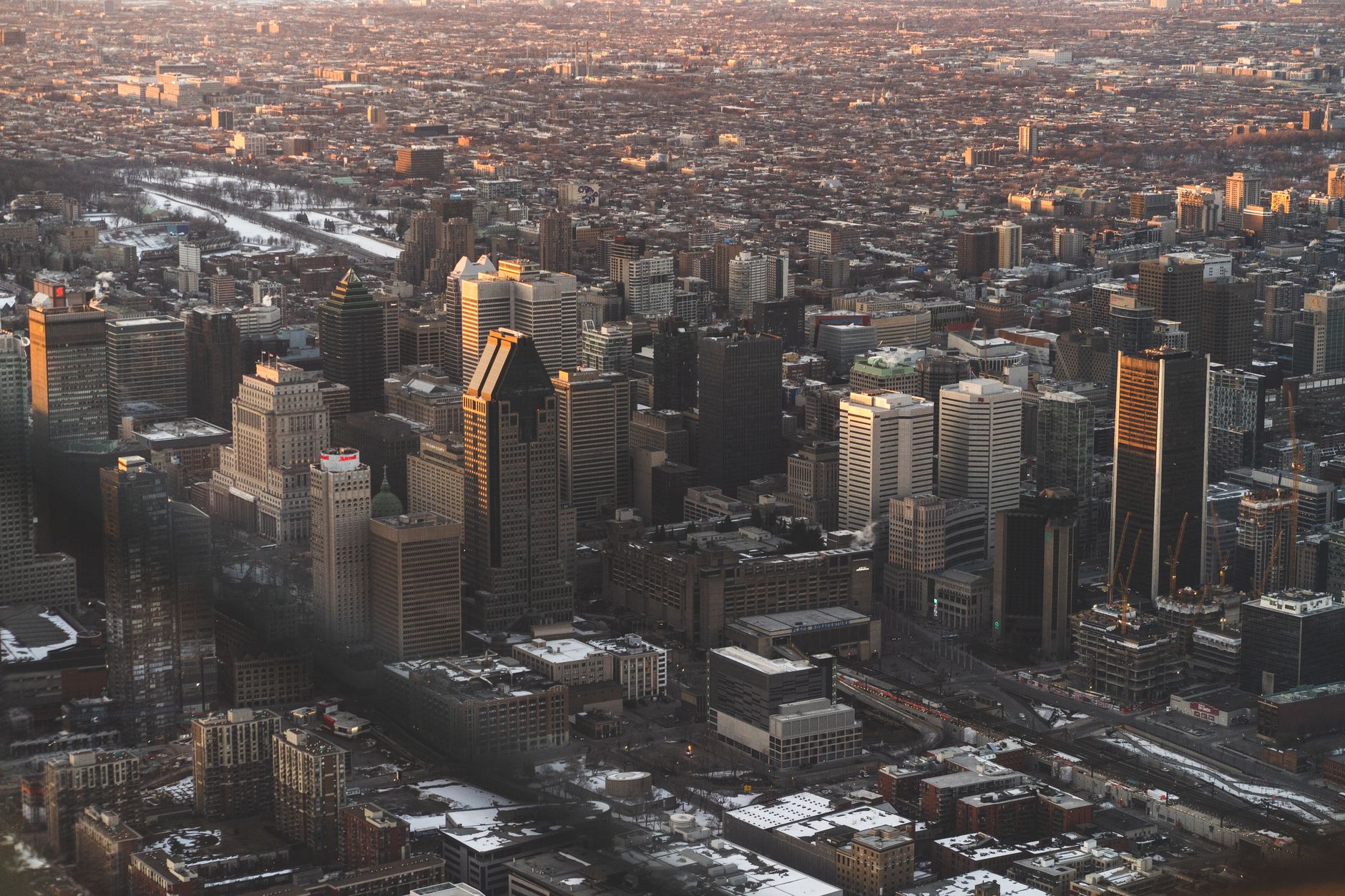
The question of which is larger, the greater area of Montreal or the Greater Toronto Area, often sparks debate among travelers and residents alike. While numbers can tell one story, the true scale of a region isn't just about square kilometers or population figures; it's about the depth of its stories, the richness of its lesser-known corners, and the surprising narratives hidden just beyond the highways.
Beyond the bustling city centers, both regions hold a wealth of fascinating places that rarely make it onto typical tourist itineraries. These are the spots where geological wonders meet centuries of human history, where unique ecosystems thrive, and where every landscape holds a surprising secret. Let's delve into some of these underrated gems, revealing the true breadth of wonder within each metropolitan area.
1. An Ancient Volcano's Hidden Riches
Mont Saint-Hilaire, Quebec, Canada
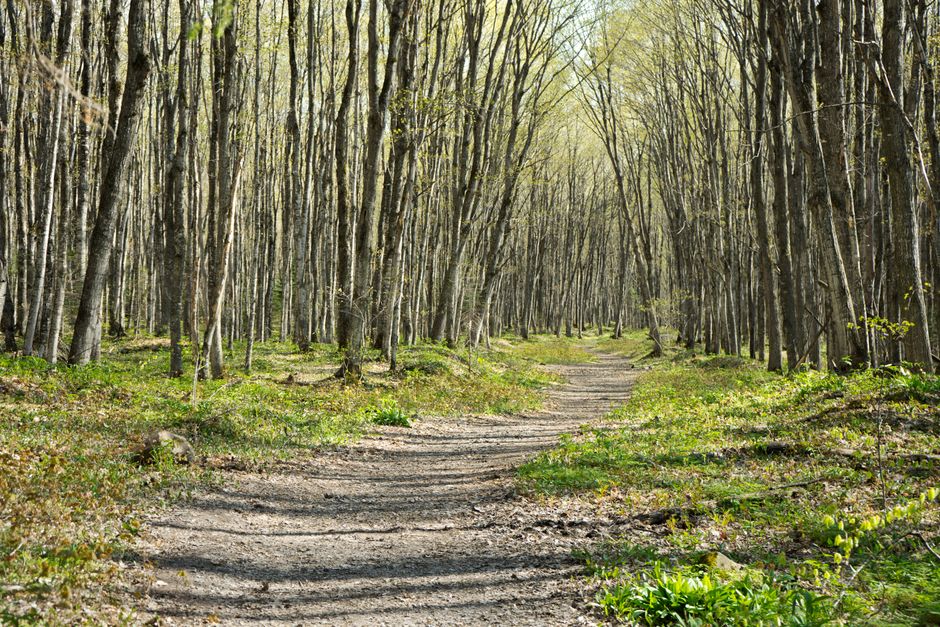
Mont Saint-Hilaire is not merely a mountain but the eroded core of an ancient volcano, containing minerals found almost nowhere else on Earth.
Rising dramatically from the St. Lawrence Lowlands, this UNESCO Biosphere Reserve is a geological marvel. Unlike typical volcanic peaks, it's a Monteregian Hill, formed by intrusions of magma that never reached the surface but solidified and were later exposed by erosion. The reserve protects unique ecosystems and is a treasure trove for mineralogists, with over 60 rare minerals discovered within its bounds, some endemic to the site.
2. Palgrave Forest's Glacial Legacy
Caledon, Ontario, Canada
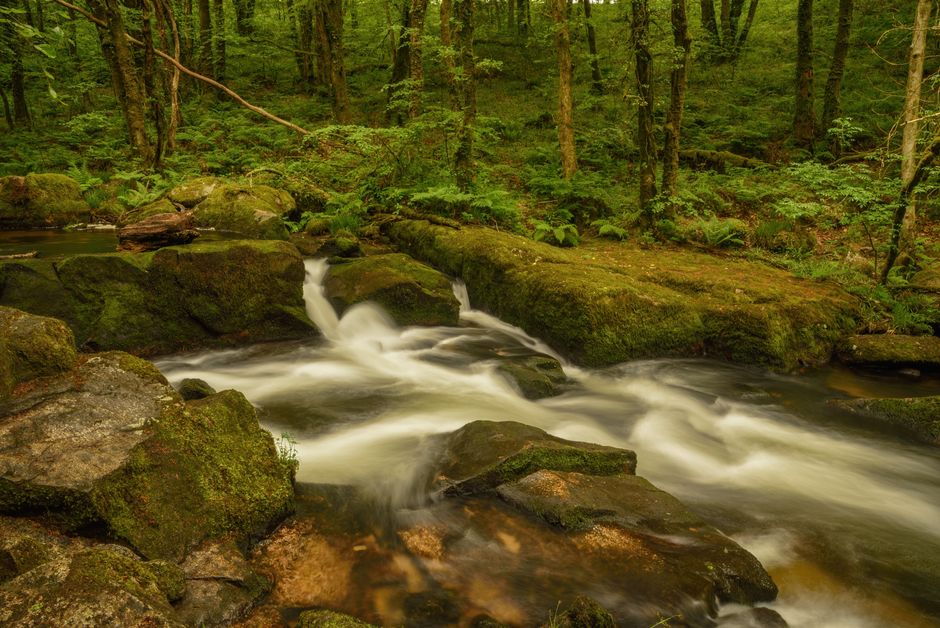
This serene forest protects the vital headwaters of the Humber River, an ecosystem profoundly shaped by the last ice age.
Tucked within the rolling hills of Caledon, Palgrave Forest and Wildlife Area is a haven of biodiversity. Its landscape, characterized by kames and kettles, is a direct result of retreating glaciers carving and depositing sediment. Crucially, it serves as a significant coldwater stream habitat for the Humber River's origins, making it a critical ecological zone often overlooked by those seeking more dramatic natural features.

3. Châteauguay's Sulpician Sanctuary
Châteauguay, Quebec, Canada
The Refuge faunique Marguerite-d'Youville, a crucial bird sanctuary, was once a working farm owned by the Sulpician Order, part of New France's earliest agricultural ventures.
This expansive wetland and bird sanctuary on Île Saint-Bernard offers a glimpse into both natural heritage and colonial history. Before becoming a protected refuge for over 200 bird species, the land was meticulously cultivated by the Sulpician priests, who were instrumental in settling and developing New France. The site blends significant ecological conservation with a tangible connection to the region's agricultural past, showcasing centuries of human interaction with the landscape.
4. Ball's Falls' Industrial Echoes
Lincoln, Ontario, Canada
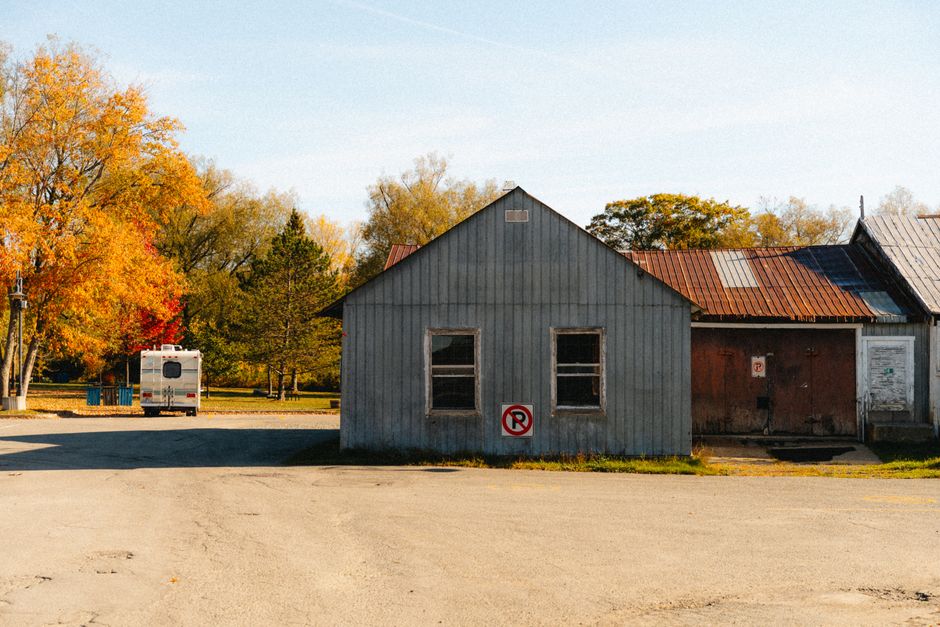
Ball's Falls preserves not only two stunning waterfalls along the Niagara Escarpment but also a remarkably intact 19th-century industrial hamlet, frozen in time.
While many visit for the picturesque Upper and Lower Falls, the true marvel lies in the surrounding historical village. Founded by Jacob Ball in the early 1800s, this meticulously restored site includes a grist mill, saw mill, church, and home, offering an authentic window into pioneer life and early industrialization in Upper Canada. It's a living museum where the roar of the falls once powered the community, an often-missed layer to this natural beauty.
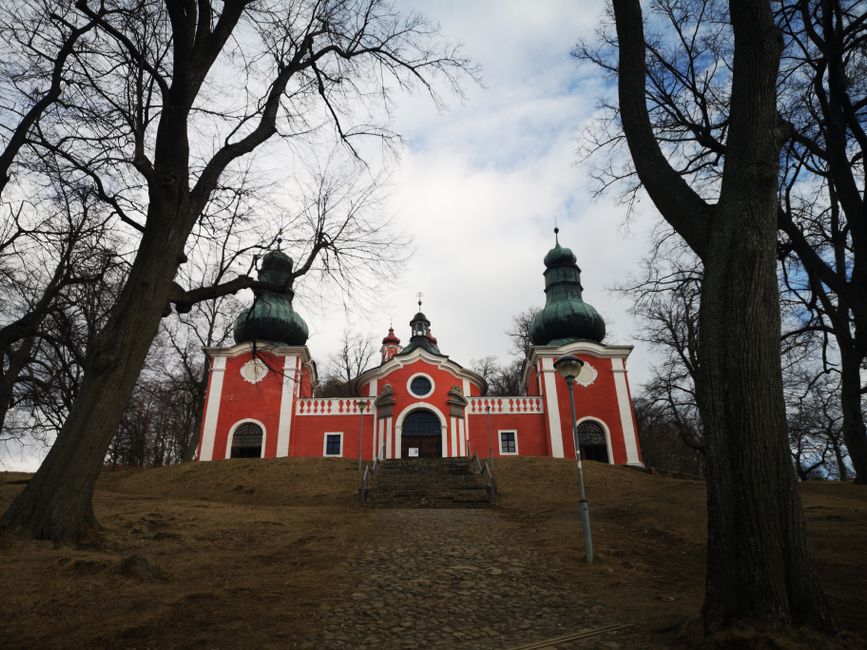
5. Oka's Sacred Calvary
Oka, Quebec, Canada
Beneath Oka's popular beaches lies a centuries-old pilgrimage route featuring 18th-century chapels, predating modern tourism.
Most visitors flock to Parc national d'Oka for its sandy shores, but a short walk into the woods reveals the historic Calvary of Oka. Established by the Sulpician missionaries in 1740, this Stations of the Cross site comprises seven stone chapels, each a testament to early French colonial religious fervor and craftsmanship. It’s a quiet, reflective path through history, offering a profound contrast to the bustling summer beach scene nearby.
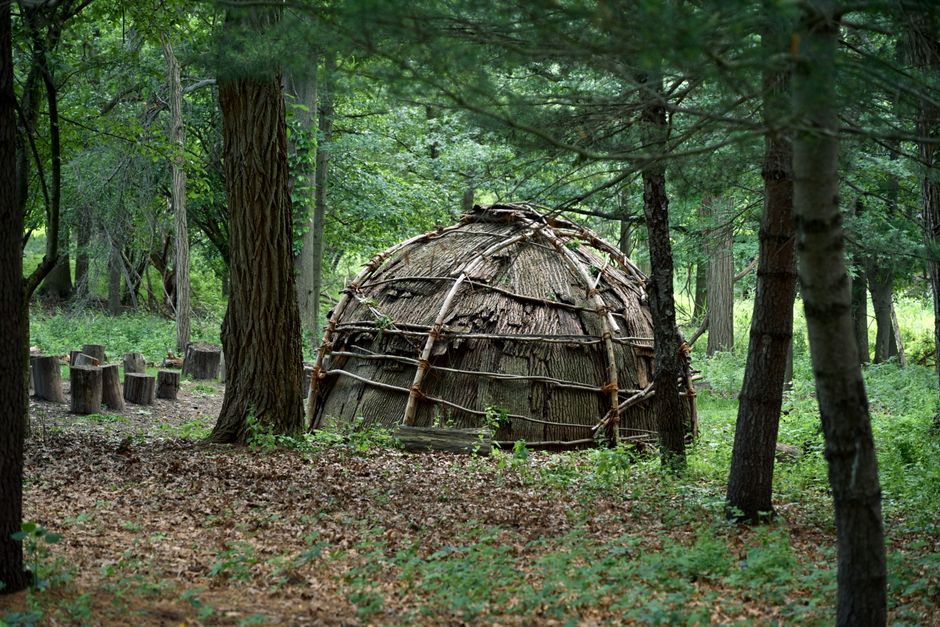
6. Rouge Park's Ancient Footprints
Toronto/Markham/Pickering, Ontario, Canada
Rouge National Urban Park, North America's largest urban park, holds archaeological sites tracing 10,000 years of Indigenous habitation and some of Ontario's oldest farmland.
Spanning a vast area right within the Greater Toronto Area, Rouge Park is a unique blend of wilderness and history. It's a critical ecological corridor, but also a cultural landscape where evidence of First Nations presence dates back millennia. Significant archaeological finds, including a 10,000-year-old campsite, tell stories of continuous human interaction, alongside remnants of some of the earliest European farming settlements in Ontario, making it a living chronicle of the land.
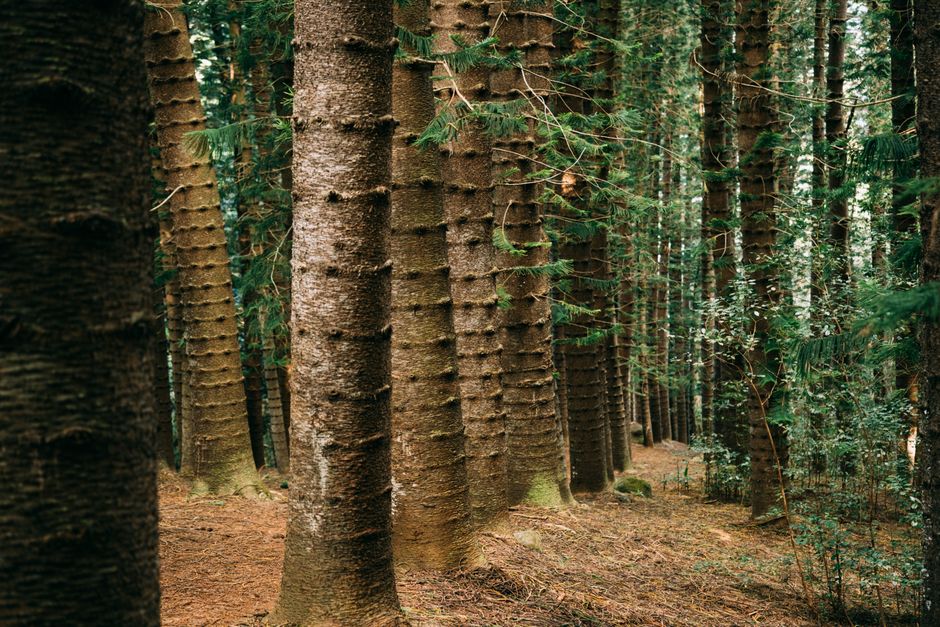
7. Morgan Arboretum's Living Lab
Sainte-Anne-de-Bellevue, Quebec, Canada
The Morgan Arboretum at McGill University contains one of Quebec's oldest managed forests, used for groundbreaking ecological research for over a century.
More than just a beautiful wooded area, the Morgan Arboretum is a dynamic living laboratory. Established in 1945, but with roots in earlier McGill University land use, it encompasses diverse forest types, wetlands, and open fields. Scientists have conducted continuous research here for decades, studying everything from forest ecology to bird migration. It’s a quiet testament to long-term environmental stewardship and scientific inquiry, hidden in plain sight on the western tip of Montreal Island.
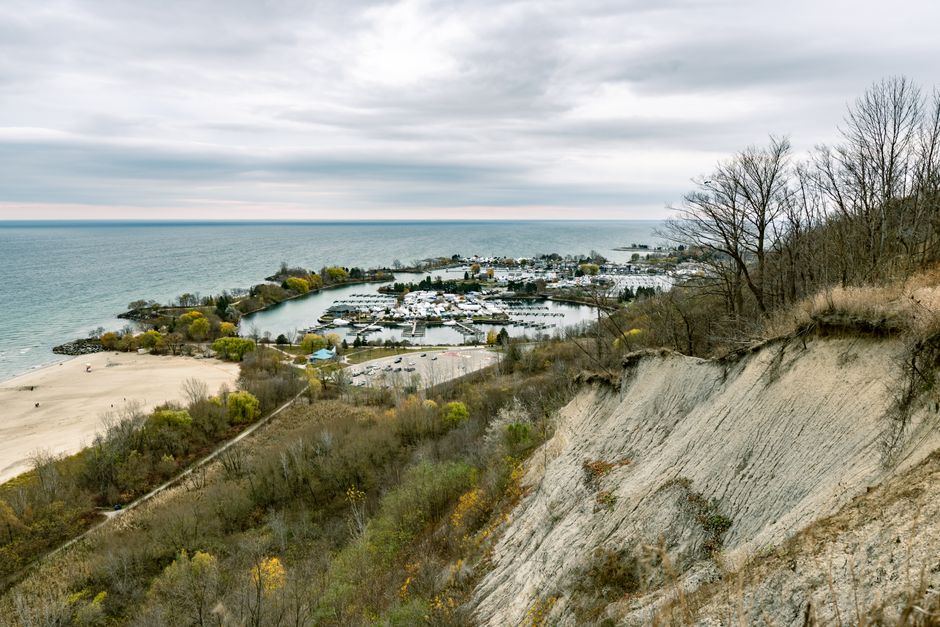
8. Scarborough Bluffs' Deep Time
Scarborough, Ontario, Canada
The dramatic Scarborough Bluffs are not just picturesque cliffs but ancient lakebed deposits revealing geological history stretching back 12,000 years.
These iconic natural landmarks, stretching along Lake Ontario's shore, are a geological masterpiece. Formed by the erosive power of ancient glacial Lake Iroquois, the bluffs expose layers of sand, silt, and clay that chronicle the region's post-glacial past. Each stratum tells a story of shifting climates, advancing and retreating ice sheets, and the slow, powerful forces that shaped the landscape long before human settlement, offering a tangible connection to deep time.
Frequently asked questions
Which is physically larger, the Greater Montreal Area or the Greater Toronto Area?
The Greater Toronto Area (GTA) is generally considered larger in land area than the Greater Montreal Area (GMA). The GTA covers approximately 7,125 square kilometers, while the GMA spans about 4,604 square kilometers. Both regions are vast and encompass numerous municipalities, green spaces, and waterways beyond their central cities.
What are the population differences between Greater Montreal and Greater Toronto?
The Greater Toronto Area has a significantly larger population than the Greater Montreal Area. As of recent census data, the GTA is home to over 6.5 million people, making it Canada's most populous metropolitan region. The GMA has a population of over 4.3 million, making it the second-largest.
Are there distinct natural features between the two greater areas?
Yes, both regions boast unique natural features shaped by different geological histories. The GMA features the Monteregian Hills, a series of ancient, eroded volcanic intrusions, and is influenced by the St. Lawrence River. The GTA is dominated by the Niagara Escarpment and the Oak Ridges Moraine, both significant glacial formations, and is situated on the shores of Lake Ontario.
How can AllTours.ai help me explore these hidden gems?
AllTours.ai transforms your phone into an AI audio tour guide. Simply point your camera at any landscape or landmark—from an ancient volcanic hill to a historic industrial village or a glacial bluff—and the app will narrate its history, geology, and culture in your language. It’s like having a local expert reveal the deeper stories of these lesser-known spots, making every detail come alive.
Photography via Pexels. AllTours.ai is an AI audio tour guide — point your camera at any landscape and hear its story.