July 5, 2026 · 5 min read
The perennial debate: which Canadian metropolis truly wears the crown of cosmopolitanism? Both Toronto and Montreal boast diverse populations, rich cultural tapestries, and world-class attractions. But defining "cosmopolitan" goes beyond population statistics; it's about the layers of history, the confluence of cultures, and the surprising stories hidden in plain sight.
To truly understand the unique international flair of each city, we must venture beyond the well-trodden tourist paths. Let's explore some lesser-known spots that reveal the deep, often unexpected, cultural, historical, and even geological currents that make Toronto and Montreal two of North America's most fascinating urban centers.
1. The Architectural Graveyard
Toronto, Canada
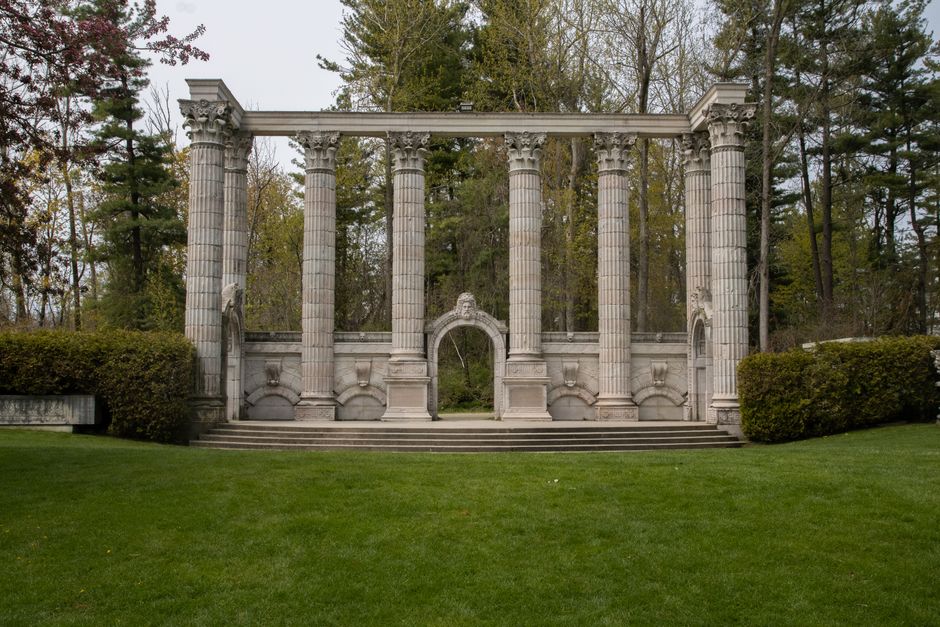
Amidst serene gardens, you'll find fragments of Toronto's grandest demolished buildings, rescued from the wrecking ball.
Tucked away in Scarborough, Guild Park and Gardens is a unique outdoor museum. Its grounds are dotted with architectural remnants – columns, archways, and gargoyles – salvaged from Toronto's lost Victorian and Art Deco landmarks. This collection offers a tangible, melancholic journey through the city's past, revealing how Toronto has constantly reinvented itself, often at the expense of its heritage, yet preserving these echoes of former glory. It’s a testament to urban evolution and the desire to hold onto history.
2. Ancient Shoreline Cliffs
Toronto, Canada
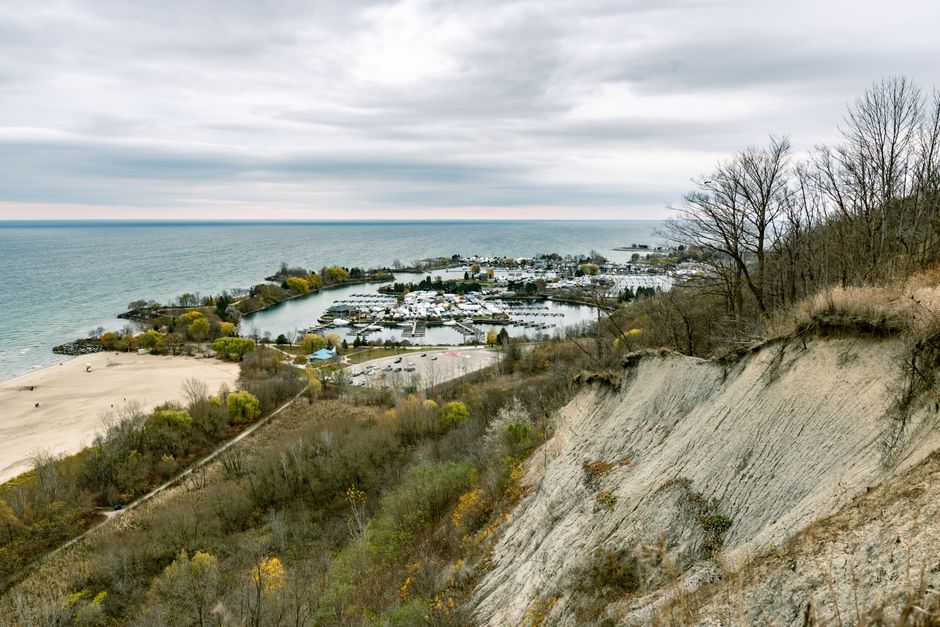
These dramatic cliffs aren't just scenic; they're the remnants of an ancient glacial lake, formed over 12,000 years ago.
Stretching for 15 kilometers along Lake Ontario, the Scarborough Bluffs are a geological marvel within Toronto. Composed of layers of sand, clay, and shale, they were sculpted by the powerful waters of ancient Lake Iroquois, a precursor to today's Great Lakes. Erosion continues to shape their distinctive form, revealing strata that tell stories of glacial epochs and prehistoric landscapes. This natural wonder offers a stark contrast to the urban sprawl, a wild, untamed edge that speaks to deep geological time.

3. A Working Farm in the City
Toronto, Canada
In the heart of Toronto's Cabbagetown, a functioning farm transports visitors back to the city's agrarian past.
Riverdale Farm isn't a petting zoo; it's a living, breathing historical farm on the site of the original Riverdale Zoo. Here, rare heritage breeds of livestock roam, and crops are cultivated using traditional methods. It offers a surprising glimpse into Toronto's rural roots, a reminder that much of what is now a bustling metropolis was once farmland. This oasis provides a unique connection to the cycles of nature and a simpler way of life, starkly contrasting with the urban density just beyond its fences.
4. Gateway to Islamic Art
Toronto, Canada
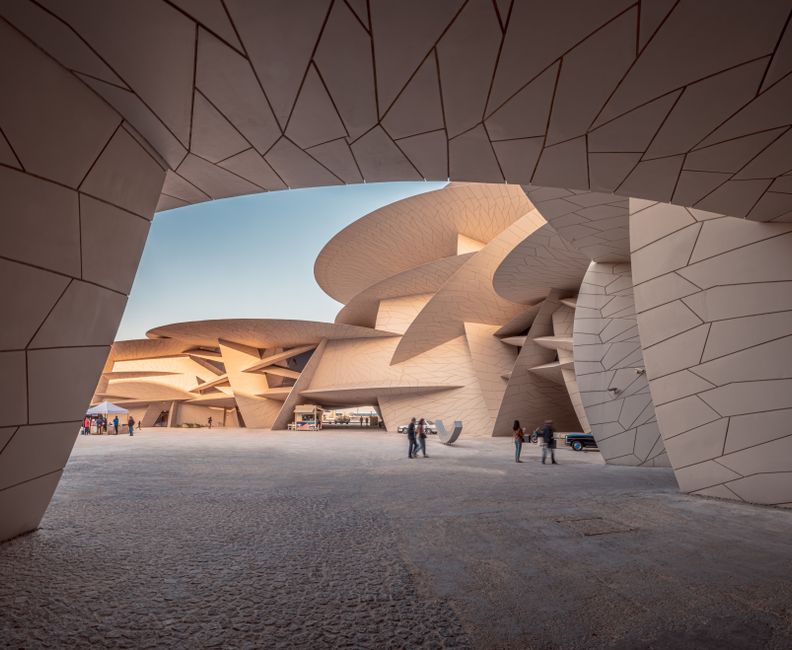
This striking museum is North America's only institution dedicated exclusively to the arts, intellectual, and scientific contributions of Islamic civilizations.
Designed by Fumihiko Maki, the Aga Khan Museum is an architectural masterpiece of white granite and light, housing a collection of over 1,000 artifacts spanning more than a millennium. From intricate manuscripts and ceramics to textiles and scientific instruments, it offers a profound journey through diverse Islamic cultures from Spain to China. Its presence in Toronto underscores the city's role as a global crossroads, fostering understanding and appreciation for a rich cultural heritage often overlooked in Western contexts.
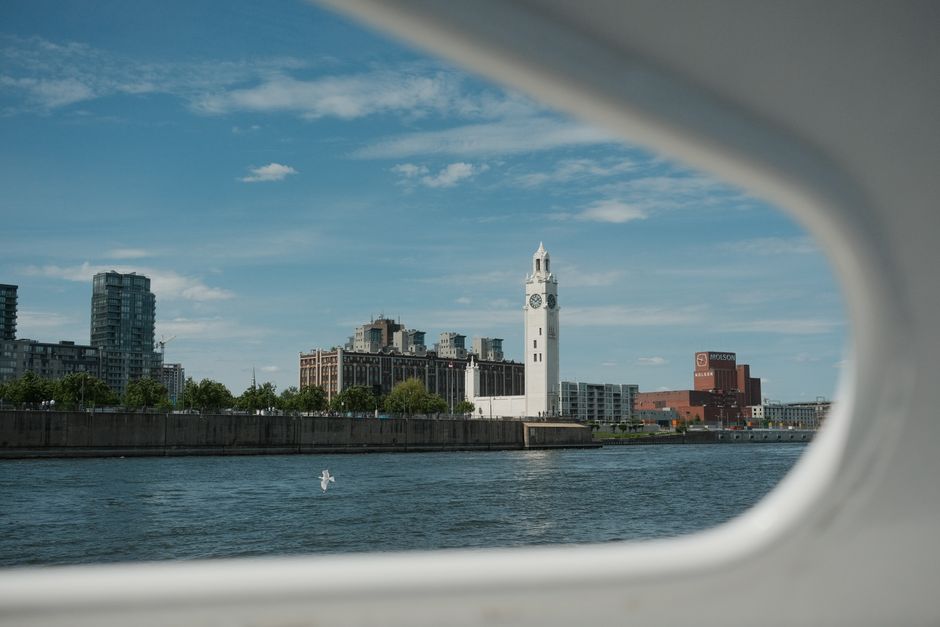
5. Birthplace of Canadian Industry
Montreal, Canada
This scenic waterway was once the engine of Canada's industrial revolution, transforming Montreal into a manufacturing powerhouse.
While now a tranquil park for cycling and strolling, the Lachine Canal holds a dramatic industrial past. Completed in 1825, it allowed ships to bypass the Lachine Rapids, connecting the Great Lakes to the Atlantic. Along its banks, factories for textiles, steel, and flour milling sprang up, powered by its waters. These industrial giants cemented Montreal's status as a major economic hub and laid the groundwork for Canada's modern economy. Exploring its locks and old factory buildings reveals the gritty, innovative spirit that defined early Canadian enterprise.
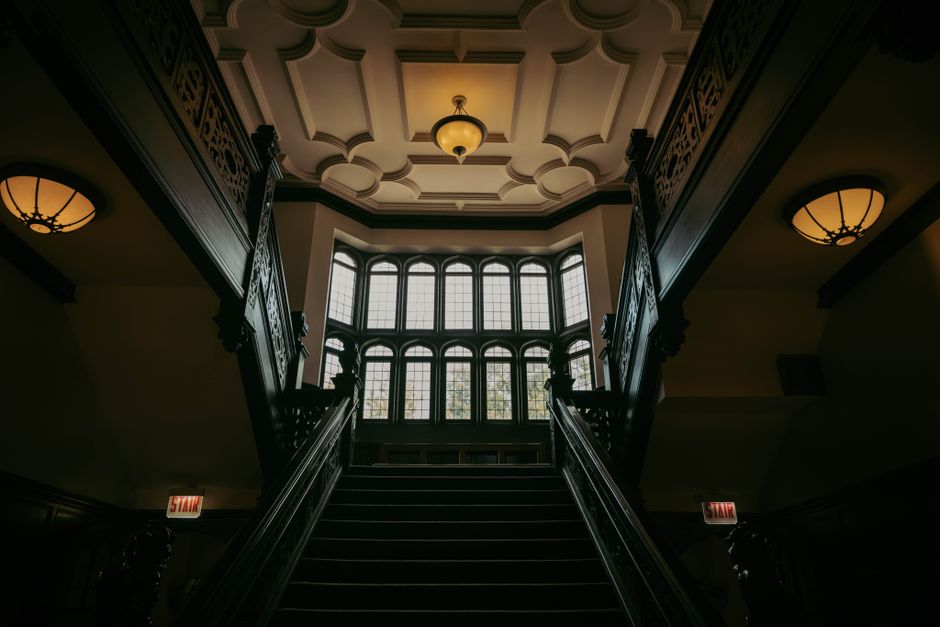
6. Canada's Oldest Natural History Museum
Montreal, Canada
Tucked within McGill University, this Victorian-era museum holds an ancient Egyptian mummy and a vast dinosaur collection, unchanged for over a century.
Opened in 1882, the Redpath Museum is a time capsule, preserving its original display cases and a sense of 19th-century scientific exploration. Its eclectic collections range from geology and mineralogy to paleontology and ethnology. Highlights include an authentic Egyptian mummy, dinosaur skeletons, and a wide array of taxidermied animals. This gem offers a charmingly old-fashioned yet profoundly informative journey through natural history, a testament to Montreal's long-standing academic and scientific curiosity.

7. The 24/7 Bagel Institution
Montreal, Canada
This iconic shop has been hand-rolling and wood-firing bagels around the clock since 1957, embodying Montreal's unique culinary heritage.
While Mile End is often associated with bagels, St-Viateur offers more than just a snack; it's a cultural cornerstone. Open 24/7, its wood-fired ovens constantly churn out chewy, slightly sweet bagels, a distinct contrast to their New York counterparts. The constant activity, the smell of warm sesame, and the sight of bakers working through the night reflect Montreal's vibrant, round-the-clock energy and its deep immigrant roots. It’s a delicious, tangible piece of the city's identity, a simple food elevated to an art form.
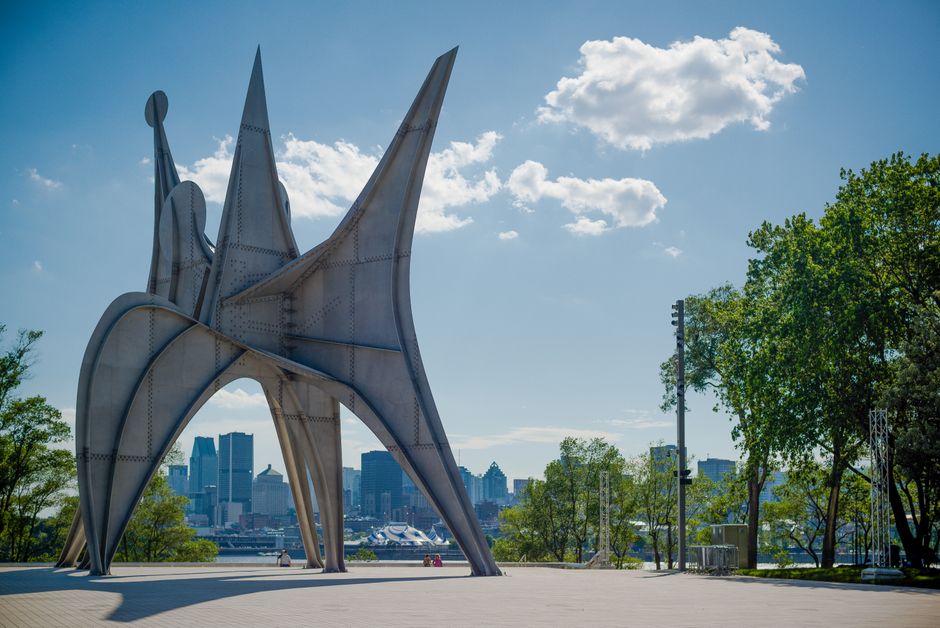
8. A Park with a Past
Montreal, Canada
This expansive urban park once hosted military parades, a zoo, and grand winter carnivals, revealing layers of Montreal's social history.
More than just green space, Parc La Fontaine has been central to Montreal's public life for centuries. Originally a military training ground and a site for public executions, it evolved into a Victorian pleasure garden in the late 19th century. It housed a zoo until the 1950s and was the setting for elaborate winter carnivals with ice palaces. Its grand fountain, bandstand, and theatre reflect its role as a cultural heart. Walking its paths means treading upon ground that has witnessed profound shifts in how Montrealers gather, celebrate, and relax.
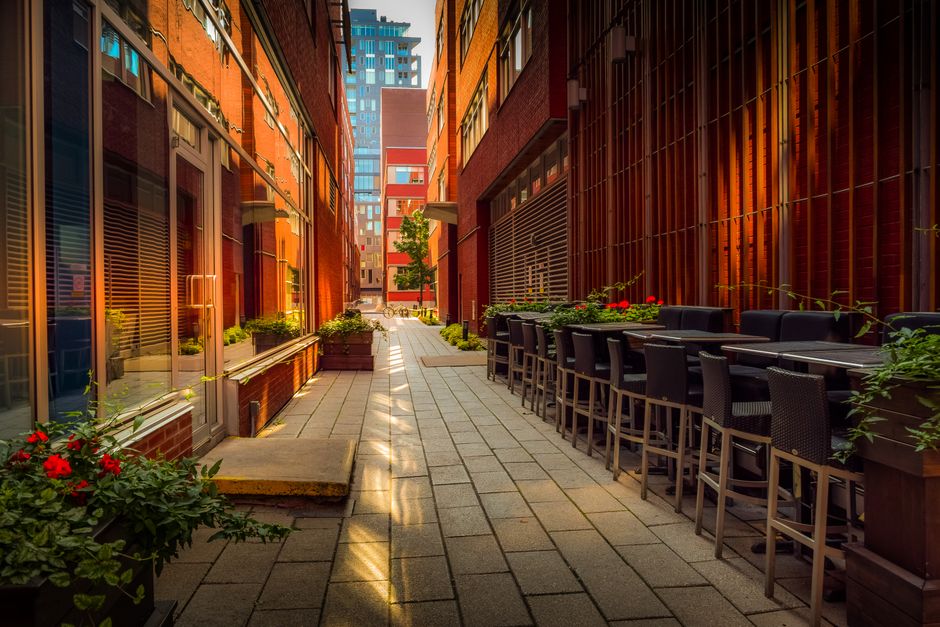
9. Secret Green Alleys and Spiral Stairs
Montreal, Canada
Beyond the main streets of the Plateau, hundreds of "ruelles vertes" (green alleys) reveal a unique community-driven urban landscape and iconic spiral staircases.
The Plateau's distinctive architectural style, characterized by its vibrant murals and iconic external spiral staircases, extends into its often-overlooked alleyways. These aren't just service lanes; many have been transformed into "ruelles vertes" – shared green spaces with gardens, public art, and communal gathering spots. This movement reflects a strong local community spirit and a creative approach to urban density. Exploring these hidden passages offers an intimate glimpse into Montrealers' daily lives and their commitment to transforming utilitarian spaces into vibrant extensions of their homes.
Frequently asked questions
Is Montreal truly older than Toronto?
Yes, Montreal was founded in 1642 as Ville Marie, while Toronto's origins as York date to 1793. This difference in age contributes to their distinct architectural styles and cultural foundations, with Montreal possessing a longer continuous European history.
What specific languages make Toronto and Montreal cosmopolitan?
Toronto is celebrated for its incredible linguistic diversity, with over 160 languages spoken, reflecting its global immigration patterns. Montreal is primarily French-speaking but also has a significant English-speaking population, making it uniquely bilingual, alongside a host of other languages spoken by its diverse residents.
Do both cities have a strong arts and culture scene?
Absolutely. Both cities boast world-class museums, theaters, music venues, and vibrant street art. Montreal is particularly known for its festivals and performing arts, while Toronto excels in film, live music, and diverse culinary arts, each offering a distinct flavor of cultural richness.
How can AllTours.ai help me explore these cities?
AllTours.ai enhances your exploration by turning your phone into an AI audio tour guide. Simply point your camera at any landmark, landscape, or even a hidden alley, and the app will narrate its fascinating history, geology, and culture in your preferred language, bringing these cosmopolitan cities to life with context and stories you might otherwise miss.
Photography via Pexels. AllTours.ai is an AI audio tour guide — point your camera at any landscape and hear its story.