July 10, 2026 · 4 min read
Deciding which Scandinavian capital is the best for first-time visitors can be a delightful challenge. Each city — Copenhagen, Stockholm, and Oslo — offers its own unique blend of vibrant urban life, rich history, and easy access to breathtaking natural beauty. For an unforgettable inaugural trip, the secret lies in venturing slightly beyond the well-trodden paths to discover spots that tell truly unique stories.
This guide moves past the typical tourist hubs to highlight lesser-known treasures, both within and just outside these capitals. We've handpicked places that offer a genuine slice of Scandinavian history, geology, or culture, perfect for travelers seeking deeper connections and surprising discoveries on their first visit.
1. The Dinosaur Boundary Cliff
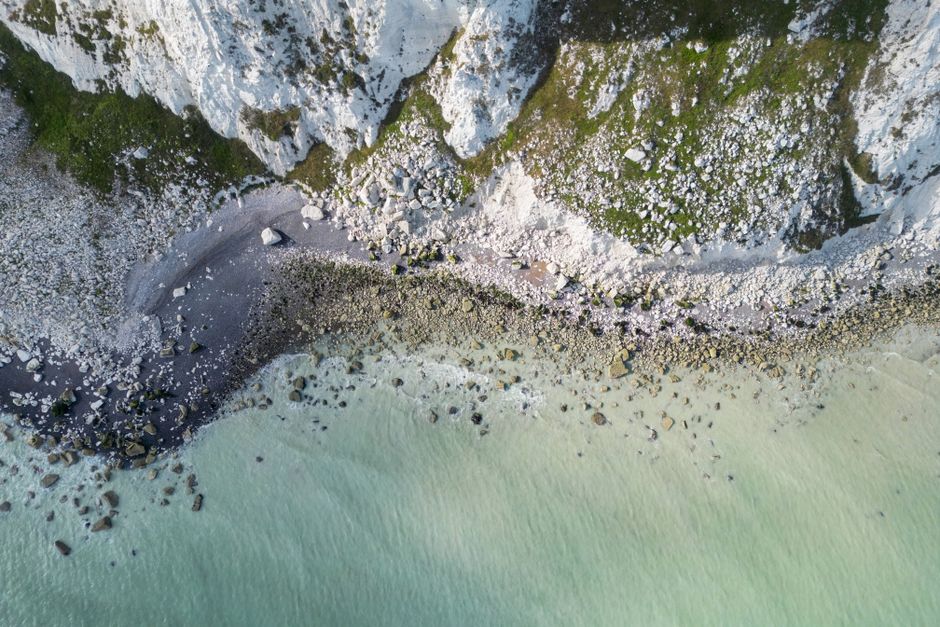
Stevns Klint, Denmark
This dramatic chalk cliff holds the geological signature of the asteroid impact that wiped out the dinosaurs 66 million years ago.
Just an hour's drive from Copenhagen, Stevns Klint is a UNESCO World Heritage site and a global geological marvel. The 40-meter-high cliff face reveals a distinct dark layer of 'fish clay' rich in iridium, a rare element on Earth but common in asteroids. This thin stratum marks the K-Pg boundary, the precise moment a massive asteroid struck our planet, initiating a mass extinction event that ended the age of dinosaurs. It's a raw, exposed archive of planetary catastrophe, offering a profound sense of deep time.
2. Timeless Herring Village
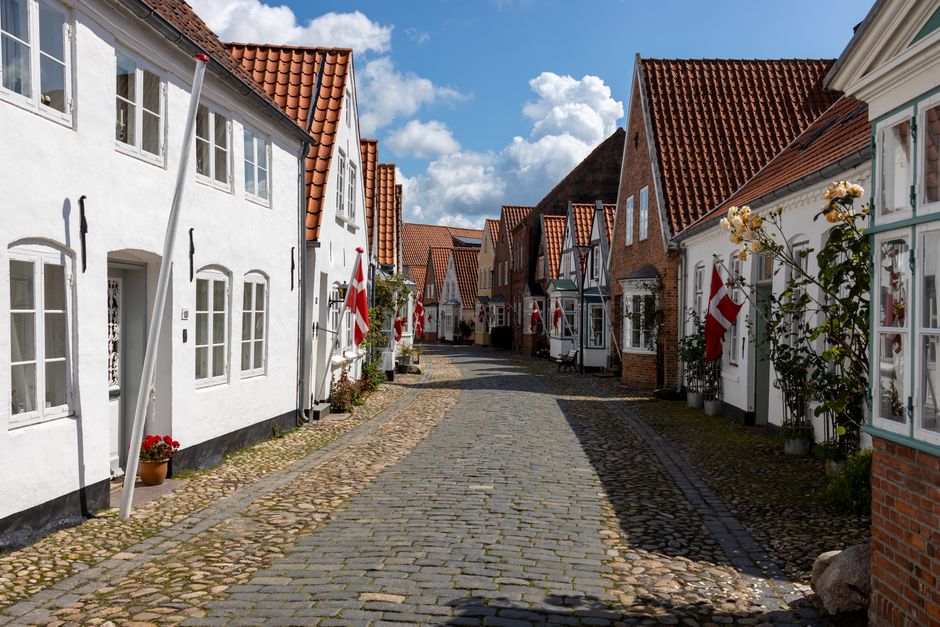
Dragør, Denmark
A beautifully preserved 18th-century fishing village, it feels like stepping into a living postcard just outside Copenhagen.
Escape the city buzz with a short trip to Dragør, a charming coastal town that has retained its historic character. Its narrow, cobbled streets are lined with picturesque yellow houses featuring red tile roofs, many dating back to the 1700s. Once a bustling center for herring fishing and maritime trade, Dragør offers a tranquil glimpse into old Danish seafaring life, with a quaint harbor and inviting cafes perfect for a leisurely afternoon.
3. Sweden's First Viking City
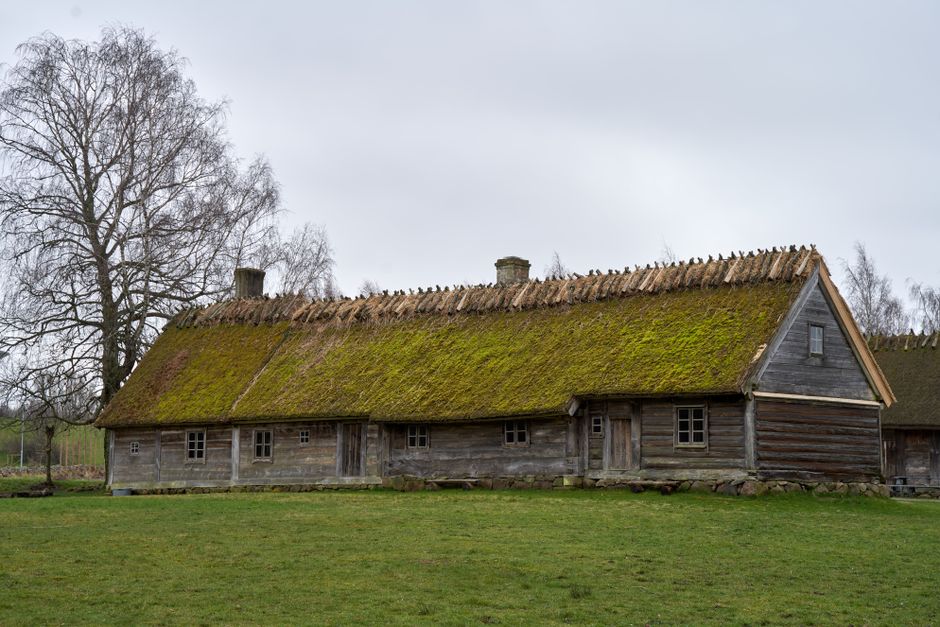
Birka, Sweden
Explore the archaeological remains of Sweden's first town, a vital Viking Age trading hub that connected Scandinavia to the wider world.
Located on the island of Björkö in Lake Mälaren, Birka was a flourishing international trading post during the Viking Age, established in the 8th century. Merchants from across Europe and the East gathered here, exchanging goods like furs, iron, and amber. Accessible by a scenic boat trip from Stockholm, archaeological excavations have revealed extensive burial grounds and remnants of a sophisticated settlement, offering a unique window into Viking life and its global connections.
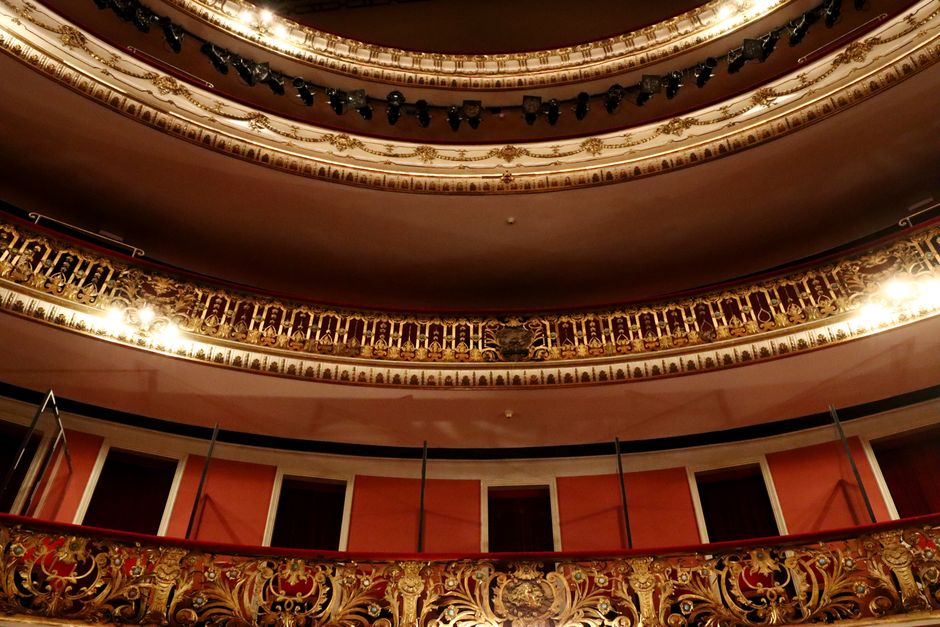
4. The King's Time-Capsule Theatre
Drottningholm Palace Theatre, Sweden
A perfectly preserved 18th-century theatre where original stage machinery still creates waves, thunder, and flying gods without electricity.
Part of the magnificent Drottningholm Palace complex (a UNESCO site near Stockholm), this unique theatre is a living time capsule. Built in 1766, it still uses its original wooden stage machinery to produce elaborate special effects – from rolling waves to thunderclaps and flying deities – all without a single electrical current. Attending a performance or taking a guided tour offers an unparalleled glimpse into the opulent entertainment and theatrical ingenuity of Swedish royalty centuries ago.
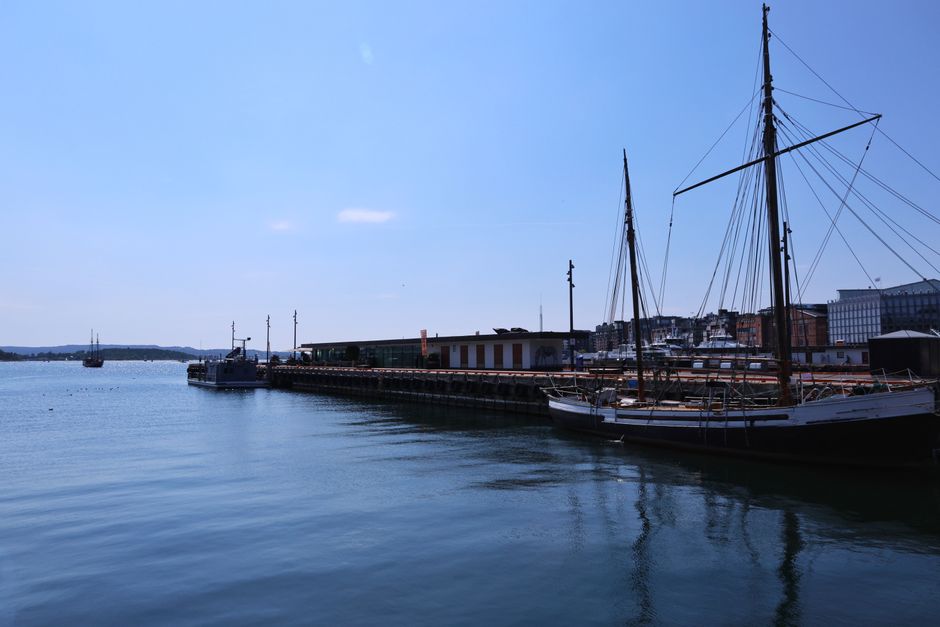
5. The Fortress That Changed WWII
Oscarsborg Fortress, Norway
This island fortress famously sank the German cruiser Blücher in 1940, delaying the Nazi invasion of Norway and altering history.
Perched on two islands in the narrowest part of the Oslofjord, Oscarsborg Fortress played a pivotal role in World War II. In the early hours of April 9, 1940, its aging cannons and torpedo battery fired unexpectedly upon the invading German fleet, sinking the heavy cruiser Blücher. This decisive act of resistance bought crucial time for the Norwegian royal family and government to escape the capital, significantly impacting the course of the German invasion. Today, it stands as a powerful memorial and a fascinating historical site accessible by ferry from Oslo.
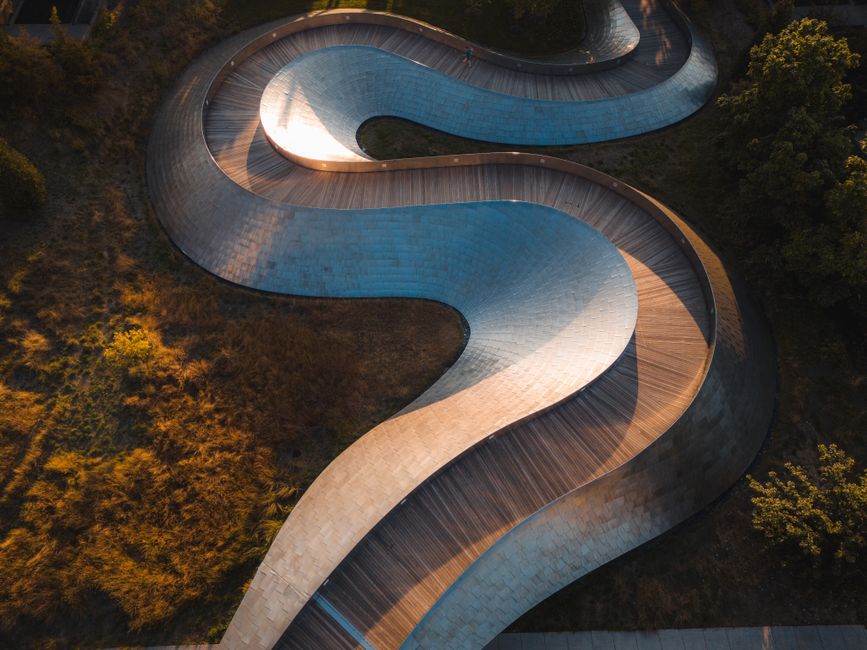
6. Art in an Industrial Twist
Kistefos Museum, Norway
A stunning contemporary art museum built around an old pulp mill, featuring a unique, twisting bridge gallery spanning a river.
An hour north of Oslo, Kistefos is more than just an art museum; it's a destination where industrial heritage meets world-class contemporary sculpture. Set on the site of a former pulp mill, the park features impressive outdoor installations and two indoor galleries. Its architectural marvel, 'The Twist,' is a gallery that literally twists over the Randselva river, blending bridge and exhibition space into one breathtaking experience. It's a place where art, architecture, and nature converge dramatically.
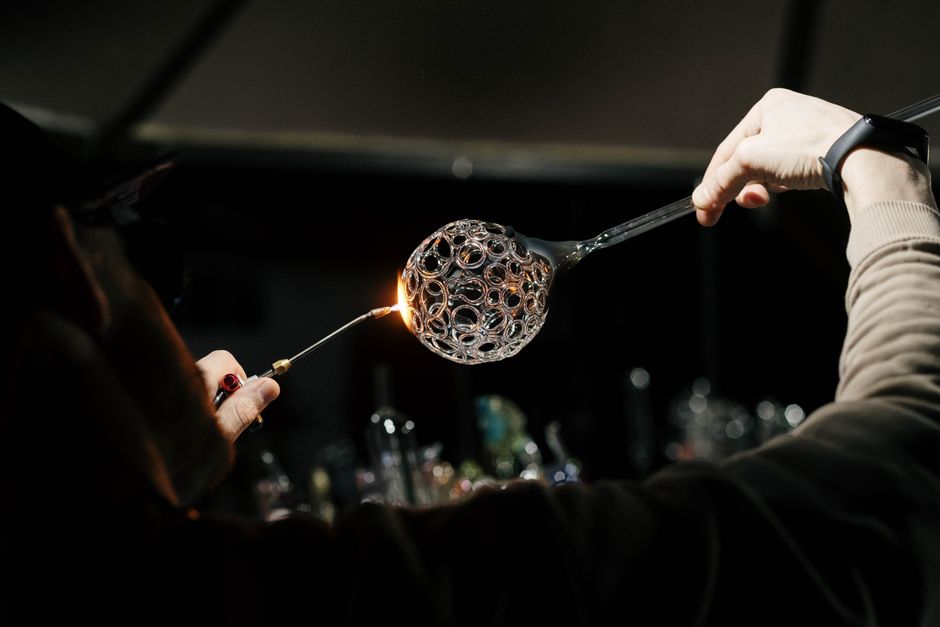
7. Centuries of Scandinavian Glasswork
Hadeland Glassverk, Norway
Norway's oldest continuously operating industrial enterprise, where skilled artisans have crafted glass since 1762.
Just a short drive from Oslo, Hadeland Glassverk offers a fascinating journey into Norway's artisanal past and present. Established in 1762, it has been a center for glass production for centuries, evolving from utilitarian bottles to exquisite art glass. Visitors can witness skilled glassblowers at work, explore the extensive museum detailing its history, and even try their hand at shaping molten glass. It's a unique cultural experience that showcases enduring craftsmanship.
Frequently asked questions
Which Scandinavian capital is easiest to get around for first-time visitors?
Copenhagen is often cited as the most walkable and bike-friendly, with an efficient public transport system connecting major sights. Stockholm also has excellent public transport, including ferries traversing its archipelago, while Oslo's compact city center is easily navigated on foot and by tram.
Is it expensive to visit Scandinavian capitals?
Yes, Scandinavian capitals are generally considered among the more expensive destinations in Europe, especially for accommodation and dining. However, there are ways to manage costs, such as utilizing self-catering options, taking advantage of free museums and parks, and choosing public transport over taxis.
How far are the countryside spots from the capitals?
Most of the featured countryside spots are within a 1-2 hour journey by public transport or car from their respective capitals, making them ideal for day trips. This allows first-time visitors to experience both urban culture and stunning natural or historical sites without extensive travel time.
How can AllTours.ai help me explore these Scandinavian spots?
AllTours.ai is an AI audio tour guide app designed to deepen your understanding of any location. Simply point your phone camera at a landmark, landscape, or even a specific building, and the app will narrate its history, geology, and cultural significance in your preferred language, offering rich context beyond what you see.
Photography via Pexels. AllTours.ai is an AI audio tour guide — point your camera at any landscape and hear its story.