July 9, 2026 · 5 min read
In a city as dynamic and historic as Montreal, the pursuit of wisdom doesn't always lead to a boardroom. Sometimes, the most profound insights, the most impactful 'coaching,' comes from the very fabric of the city itself: its overlooked corners, its forgotten stories, and the echoes of lives lived centuries ago. These aren't just landmarks; they're silent mentors, offering lessons in resilience, innovation, and the ever-shifting currents of human ambition.
For those seeking a deeper understanding of Montreal – and perhaps, a fresh perspective on their own journey – the true 'business coaches' are often found off the beaten path. We've curated a list of Montreal's most compelling, yet often underrated, historical sites. Each holds a unique narrative, a surprising twist of history, geology, or culture, waiting to spark your curiosity and offer a glimpse into the forces that shaped this remarkable city.
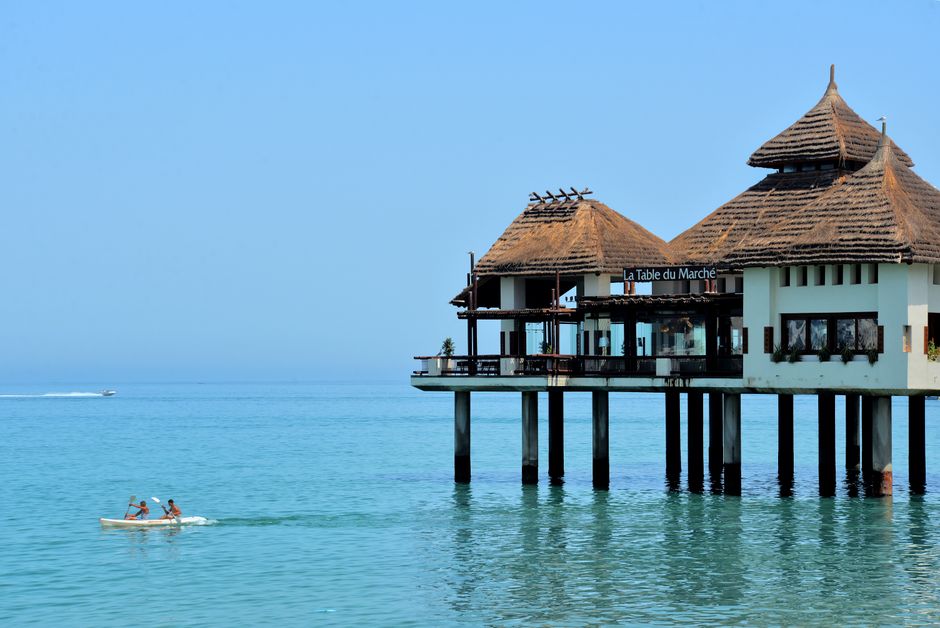
1. The Market That Was a Parliament
Marché Bonsecours, Montreal, Canada
This ornate public market once served as the Parliament of the United Province of Canada.
Before it became a bustling marketplace and exhibition hall, the grand Marché Bonsecours held a brief but pivotal role in Canadian governance. For a few years in the mid-19th century, this architectural marvel housed the legislative assembly of the United Province of Canada. Imagine the debates, the political maneuvering, and the foundational decisions made within these very walls, far removed from its present-day role as a center for local crafts and dining.
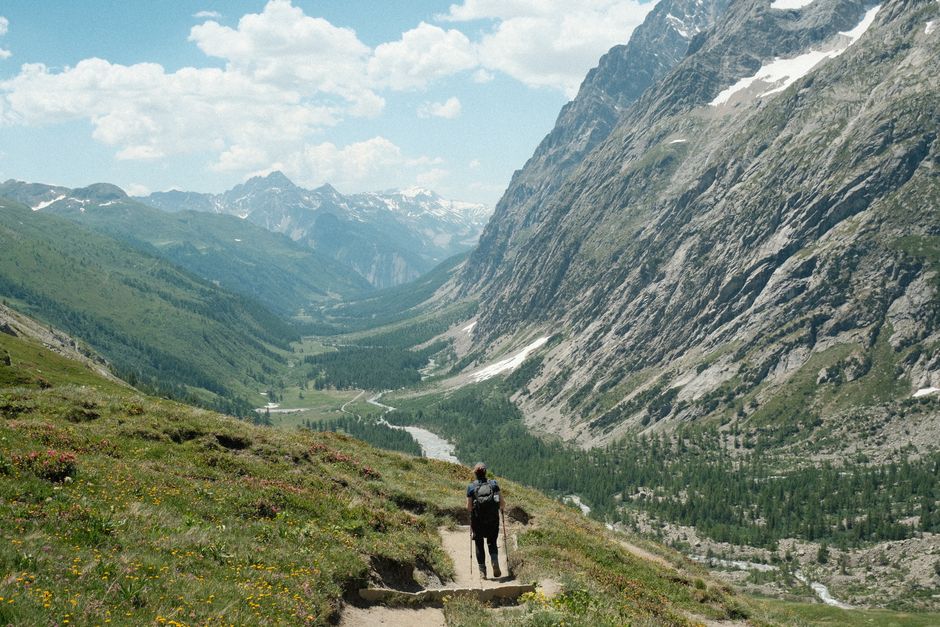
2. A Museum Born from Public Baths
Écomusée du fier monde, Montreal, Canada
The Écomusée du fier monde, celebrating working-class history, is housed in a former public bathhouse.
Nestled in the Centre-Sud district, this unique museum occupies the historic Bain Schubert, a public bathhouse built in 1912. It's a fitting location for an institution dedicated to preserving the history of Montreal's working class. The building itself tells a story of social progress and urban development, providing essential services to a burgeoning population before indoor plumbing became universal. Today, its tiled walls and high ceilings echo with the past, offering a tangible link to the daily lives of ordinary Montrealers.
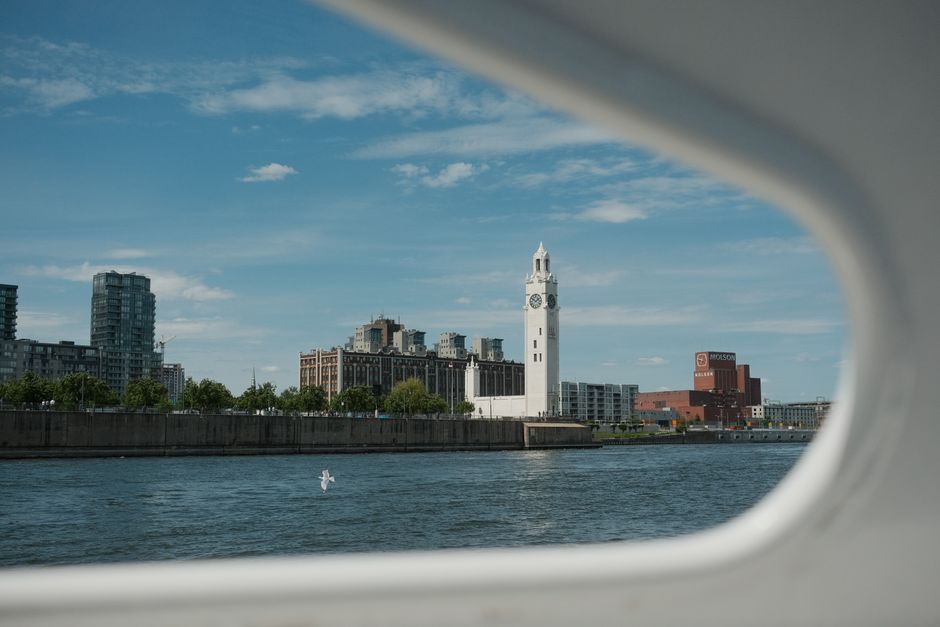
3. The Hub of a Fur Empire
Lachine Fur Trade National Historic Site, Lachine, Canada
Lachine was once the departure point for Montreal's vast and influential fur trade network, reaching deep into the continent.
Overlooking the Lachine Canal, this historic site marks the beginning of countless arduous journeys into the North American wilderness. From here, voyageurs loaded their canoes with trade goods, embarking on routes that stretched thousands of kilometers, connecting European markets with Indigenous trappers. The stone warehouses and reconstructed canoe routes offer a tangible sense of the immense scale and intricate logistics of this industry, which profoundly shaped Canada's geography and economy. It's a stark reminder of resourcefulness and global enterprise in a pre-industrial age.
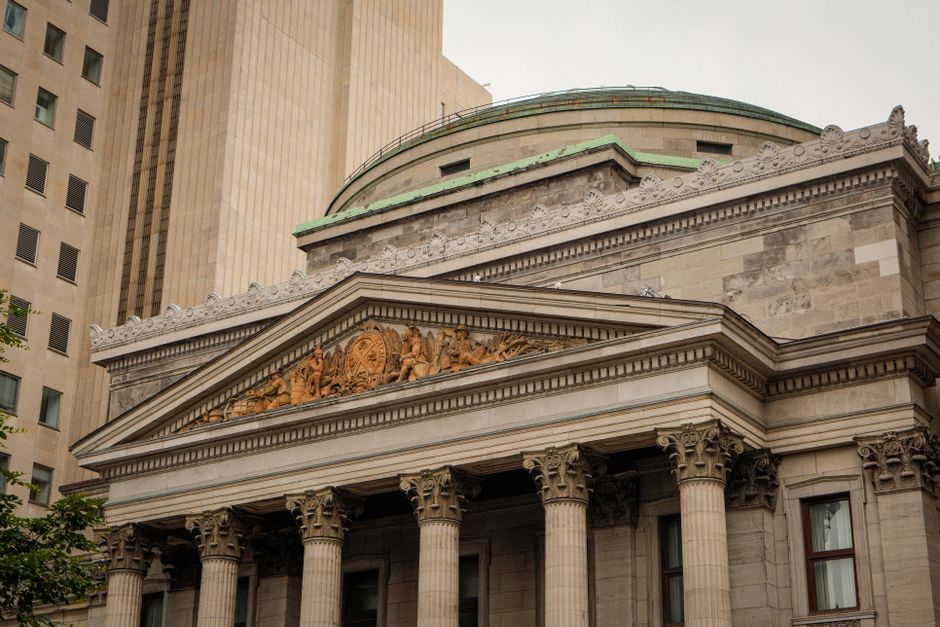
4. Where Canada's First Votes Were Cast
Old Court House (Vieux Palais de Justice), Rue Saint-Gabriel, Old Montreal, Canada
The Old Court House on Rue Saint-Gabriel was the site of Canada's very first federal election in 1867.
While its grander successor now stands nearby, the original Old Court House holds a significant place in Canadian history. It was within these walls that the democratic process of a newly formed nation took its first steps. On a hot summer day in 1867, citizens gathered here to cast their ballots, marking a pivotal moment in the country's journey towards self-governance. Today, standing on Rue Saint-Gabriel, one can almost hear the echoes of those inaugural political contests, a testament to enduring civic participation.
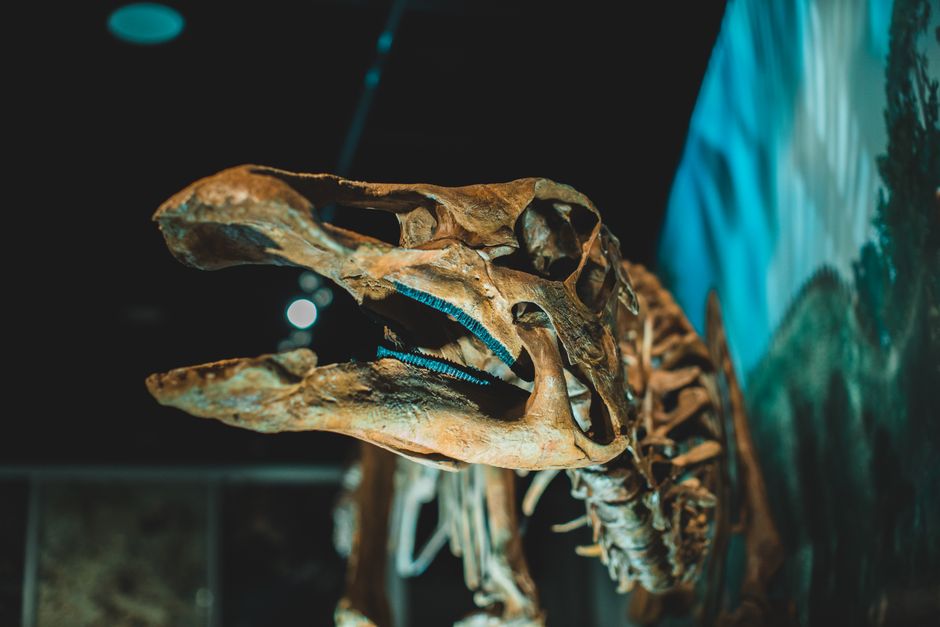
5. Canada's Earliest Dino Guardian
Redpath Museum, McGill University, Montreal, Canada
The Redpath Museum proudly displays Canada's first mounted dinosaur skeleton, a Gorgosaurus libratus.
Tucked away on the McGill University campus, the Redpath Museum is a Victorian-era treasure trove of natural history. Among its impressive collections of fossils, minerals, and ancient artifacts, a true highlight is its Gorgosaurus libratus skeleton. Acquired in 1912, it represents a pioneering effort in Canadian paleontology, captivating generations with its imposing presence. The museum itself is a time capsule, offering a glimpse into early scientific exploration and the grand, public presentation of natural wonders.
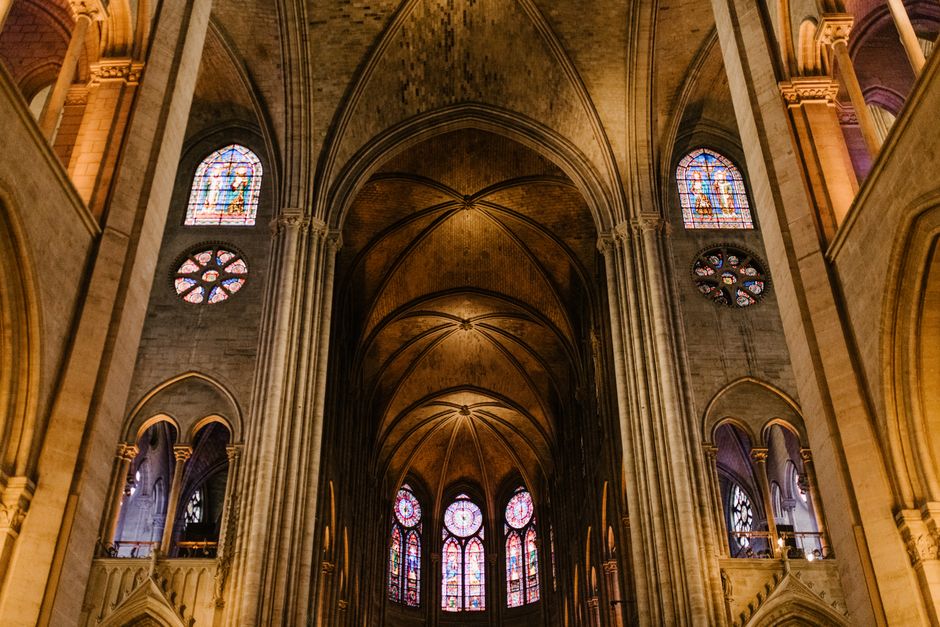
6. The Chapel of Sailors' Vows
Notre-Dame-de-Bon-Secours Chapel (Marguerite Bourgeoys Museum), Old Montreal, Canada
This historic chapel is known as the 'Sailors' Church' due to the miniature ships suspended from its ceiling, offered as votive prayers.
Perched near the Old Port, the Notre-Dame-de-Bon-Secours Chapel has long been a beacon for sailors and travelers. Its most striking feature is the collection of small, intricately crafted model ships hanging from the nave, donated by mariners seeking safe passage or giving thanks for a journey's end. This tradition, dating back centuries, vividly illustrates Montreal's deep connection to the St. Lawrence River and the perilous voyages undertaken by those who sailed its waters. Below, the crypt reveals layers of history, including the foundations of the city's first stone chapel.
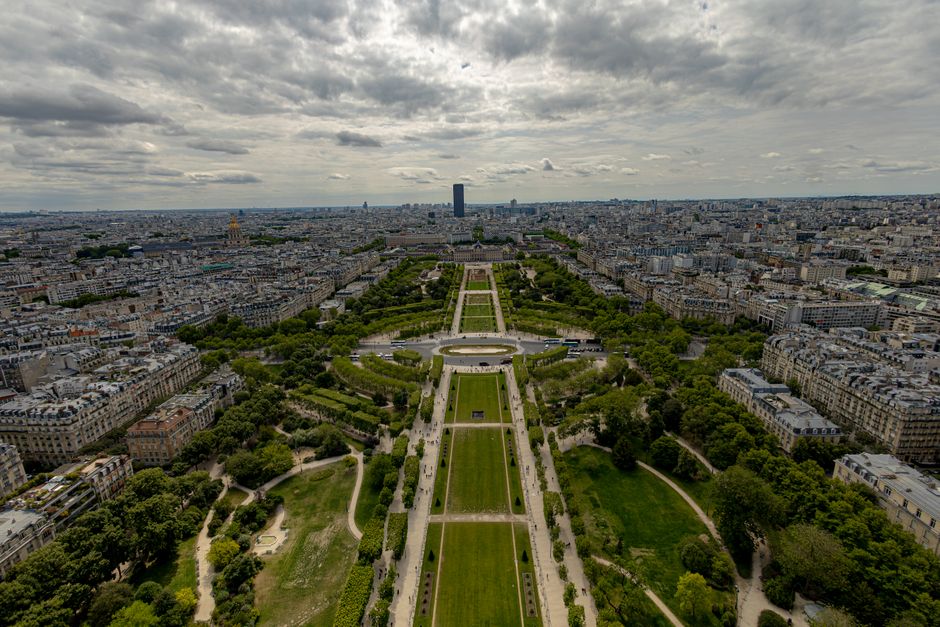
7. Where Soldiers Drilled and Sentences Were Served
Champ de Mars, Old Montreal, Canada
Today a peaceful park, the Champ de Mars was once a busy military parade ground and even a site for public executions.
Immediately behind Montreal's City Hall lies the Champ de Mars, now a green urban space offering panoramic views of the city. Yet, its tranquility belies a much more rigorous past. For centuries, this open field served as a military drill ground for various garrisons, from French soldiers to British troops. It also bore witness to public spectacles, including executions, making it a place where order was asserted and justice, sometimes harsh, was visibly meted out. Its current incarnation as a relaxing park offers a stark contrast to its historical role.
8. A Powder Keg's Transformation
Tour de Lévis (Île Sainte-Hélène), Parc Jean-Drapeau, Montreal, Canada
The distinctive Tour de Lévis on Île Sainte-Hélène began its life as a British military powder magazine.
Often mistaken for a quaint folly, the stone tower dominating a rise on Île Sainte-Hélène has a surprisingly utilitarian and strategic origin. Built by the British in the early 19th century, it was designed to safely store gunpowder, an essential component for the island's fortifications. Its robust construction and isolated location were critical for preventing accidental explosions. Today, this former military storehouse offers breathtaking views of the city skyline and the St. Lawrence River, a testament to Montreal's defensive past and its enduring urban evolution.
Frequently asked questions
What makes Montreal a good place for historical discovery?
Montreal boasts over 375 years of rich history, spanning Indigenous presence, French colonial rule, British conquest, and modern multiculturalism. Its compact historic core, diverse architectural styles, and numerous museums make it an excellent city for uncovering layered stories and significant moments in North American history.
Are there many lesser-known historical sites in Montreal?
Absolutely. Beyond the iconic Notre-Dame Basilica and Mount Royal, Montreal is filled with hidden gems. These often include industrial heritage sites along the Lachine Canal, specific residential neighborhoods with unique architectural legacies, and smaller, specialized museums that delve into particular aspects of the city's past, revealing stories not found in typical guidebooks.
How can I find truly unique historical stories in Montreal?
To uncover Montreal's truly unique historical stories, venture beyond the main tourist routes. Explore specific districts like Centre-Sud or the working-class areas, visit local ecomuseums, or simply wander down less-traveled side streets. Engaging with local guides or historical societies can also provide invaluable, niche insights that bring the city's past to life.
How does the AllTours.ai app help me explore these places?
The AllTours.ai app transforms your phone into an AI audio tour guide. Simply point your camera at any landmark, landscape, or even a subtle architectural detail, and the app will instantly narrate its history, geology, and culture in your preferred language. It's like having a knowledgeable local expert whispering captivating stories directly into your ear, making every step an immersive journey of discovery.
Photography via Pexels. AllTours.ai is an AI audio tour guide — point your camera at any landscape and hear its story.