September 11, 2026 · 4 min read
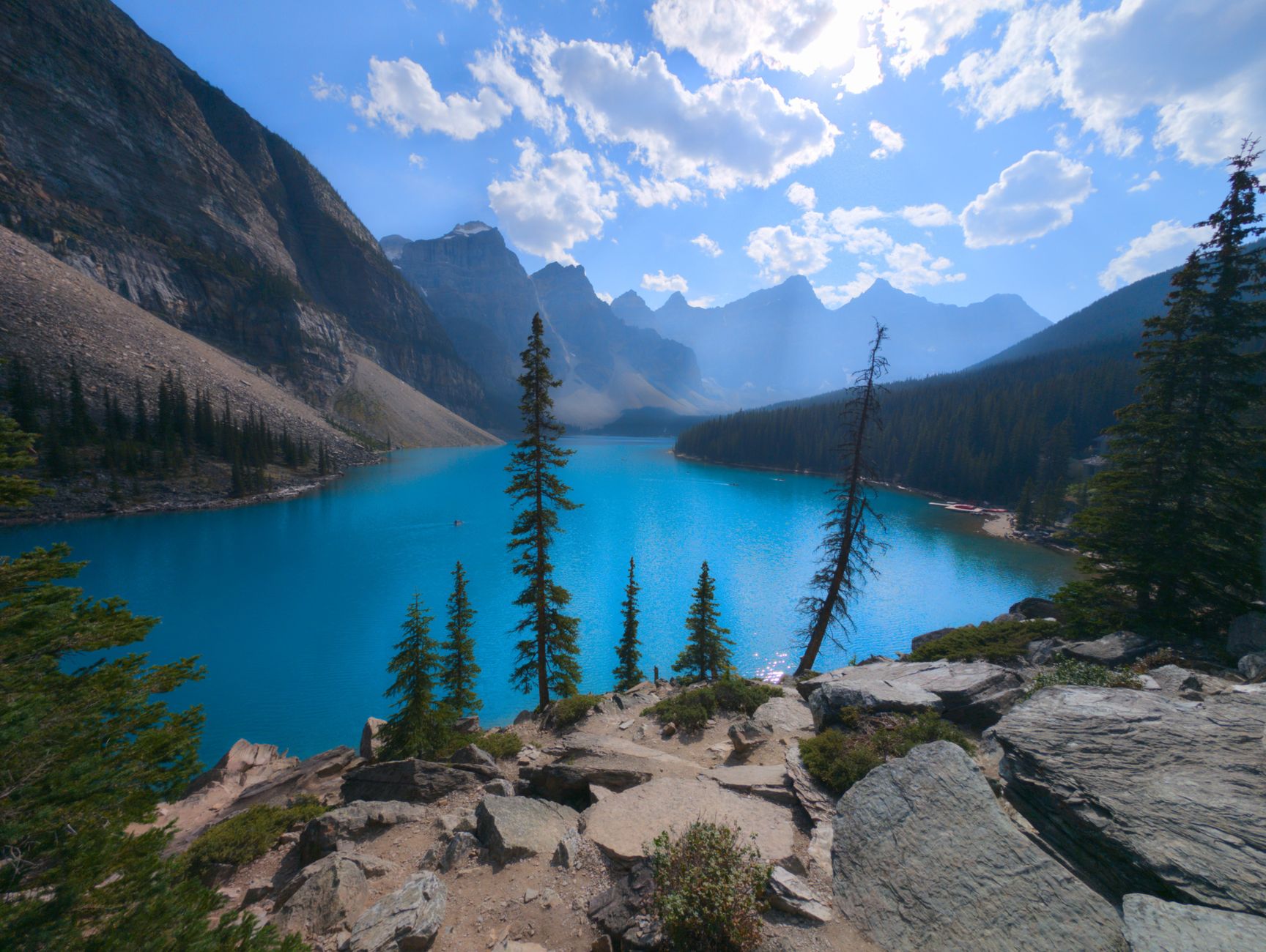
You might be asking, 'Why did Canada make the restriction against Gulfstreams?' While the specifics of aviation policy and private jet regulations are complex and not a general travel topic, Canada does present a different kind of 'restriction' — one crafted by nature, history, and sheer remoteness.
These are not legal barriers for private aircraft, but rather the natural boundaries, challenging terrains, and protected zones that have preserved some of the country's most spectacular and least-visited places. These 'restrictions' ensure that unique stories, ancient geology, and vibrant cultures remain untouched, waiting for the curious traveler to discover them.
1. The Unseen Carboniferous Rainforest
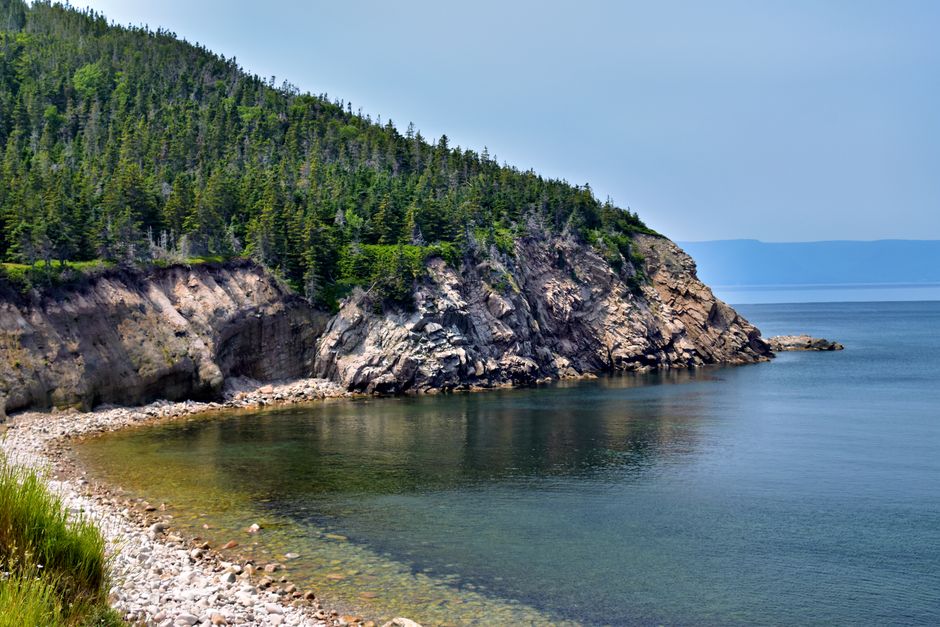
Joggins Fossil Cliffs, Nova Scotia, Canada
Beneath the unassuming cliffs of Nova Scotia lies a fossilized rainforest, a 310-million-year-old ecosystem trapped in time.
The Joggins Fossil Cliffs are a UNESCO World Heritage Site where the highest tides in the world continually expose an ancient Carboniferous rainforest. Here, you can walk among fossilized trees, ferns, and the remains of early reptiles and insects, all preserved in their original upright positions. The constant erosion acts as a natural 'restriction' for human development, yet a constant reveal for paleontological wonders.
2. The Untamed Wilderness of the North
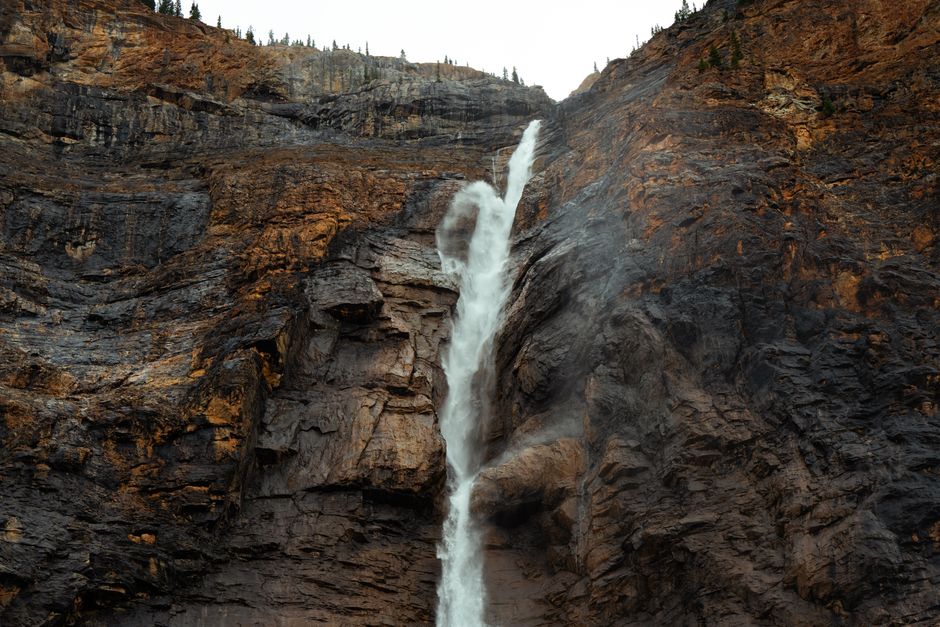
Nahanni National Park Reserve, Northwest Territories, Canada
Deep in the Northwest Territories, four immense canyons guard a sacred river and a waterfall twice the height of Niagara.
Nahanni National Park Reserve is a UNESCO site, a truly wild and remote expanse of mountains, hot springs, and the dramatic South Nahanni River. Virginia Falls (Náįlįcho) plunges into a vast chasm, a breathtaking spectacle accessible only by float plane or challenging canoe expedition. This extreme remoteness and the park's protected status act as a significant 'restriction,' preserving its pristine beauty and significance to the Dene people.
3. Basque Whalers on the Labrador Coast
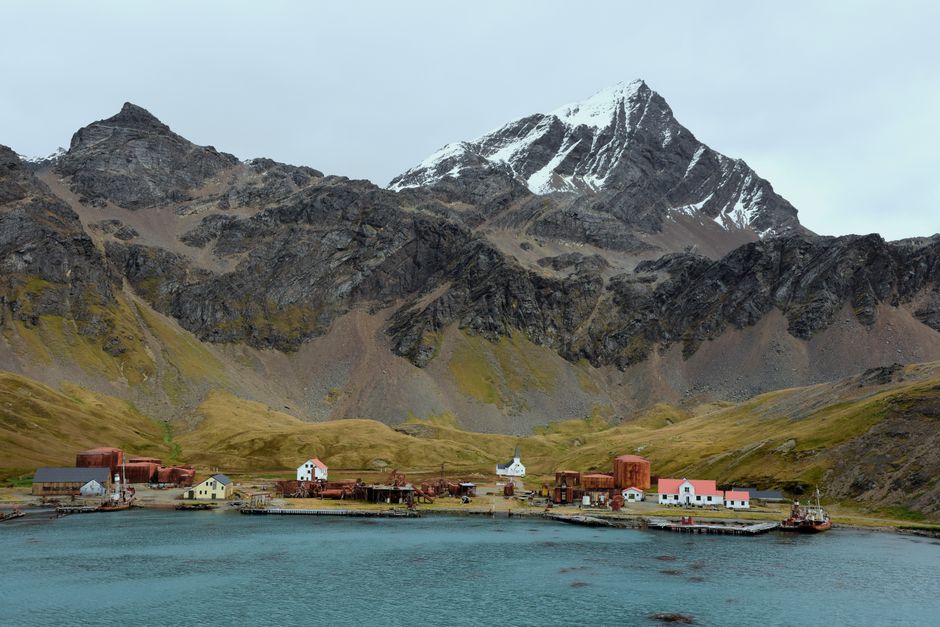
Red Bay Basque Whaling Station, Labrador, Canada
On a remote Labrador cove, the remains of a bustling 16th-century Basque whaling station lie preserved, revealing an untold chapter of early transatlantic industry.
Red Bay is a UNESCO World Heritage site that details the story of Basque whalers who established a major industrial complex here in the 1500s. They processed whale oil for European markets, leaving behind shipwrecks, rendered blubber ovens, and thousands of whale bones. Its isolation on the rugged Labrador coast acted as a 'restriction' from modern development, keeping this significant archaeological treasure largely undisturbed.
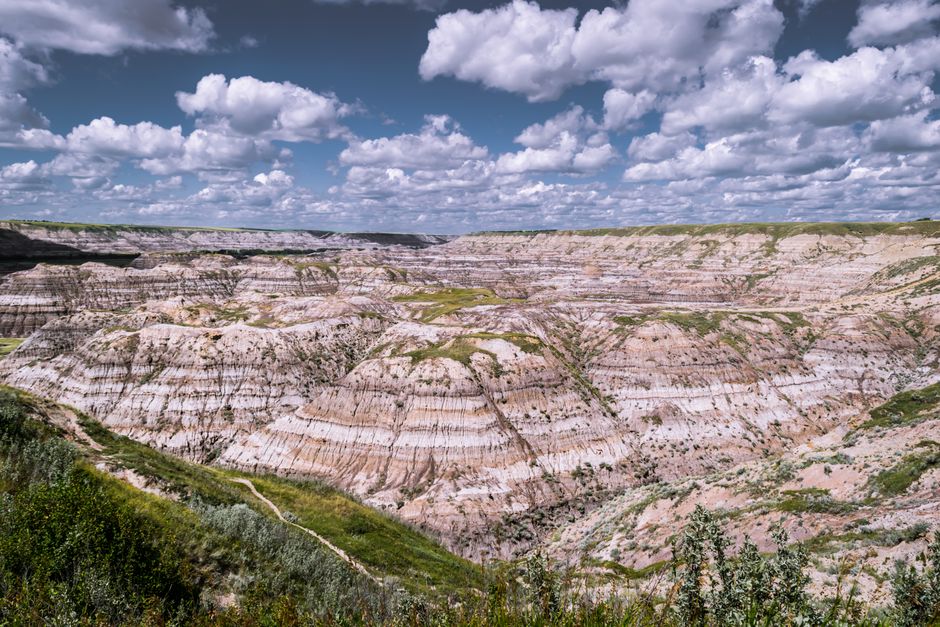
4. Dinosaurs of the Badlands
Dinosaur Provincial Park, Alberta, Canada
Venture into Alberta's moon-like badlands, a landscape sculpted by ancient rivers and home to more dinosaur fossils than anywhere else on Earth.
Dinosaur Provincial Park is another UNESCO World Heritage Site, a starkly beautiful landscape of hoodoos and coulees that hides an astonishing abundance of dinosaur fossils. Over 50 species of dinosaurs have been discovered here, making it a paleontological hotspot. The arid, eroding environment, while challenging for life, acts as a 'restriction' that continually unearths and preserves these prehistoric giants.
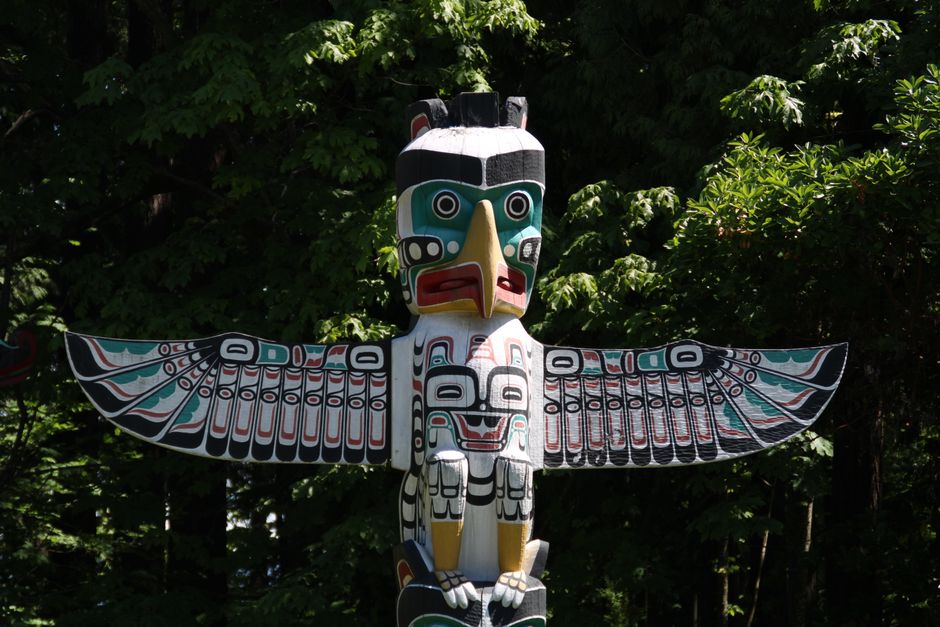
5. Spirits of Haida Gwaii
Gwaii Haanas National Park Reserve, Haida Gwaii, British Columbia, Canada
Journey to an archipelago shrouded in mist and ancient Haida culture, where monumental totem poles stand as sentinels of a vibrant past.
Gwaii Haanas, a UNESCO World Heritage Site and a protected area co-managed by the Haida Nation and Parks Canada, is a place of profound spiritual and ecological significance. Here, the remains of ancient Haida villages, including the iconic totem poles of SGang Gwaay, stand against the elements. Access is strictly controlled, acting as a 'restriction' that preserves both the natural environment and the rich cultural heritage of the Haida people.
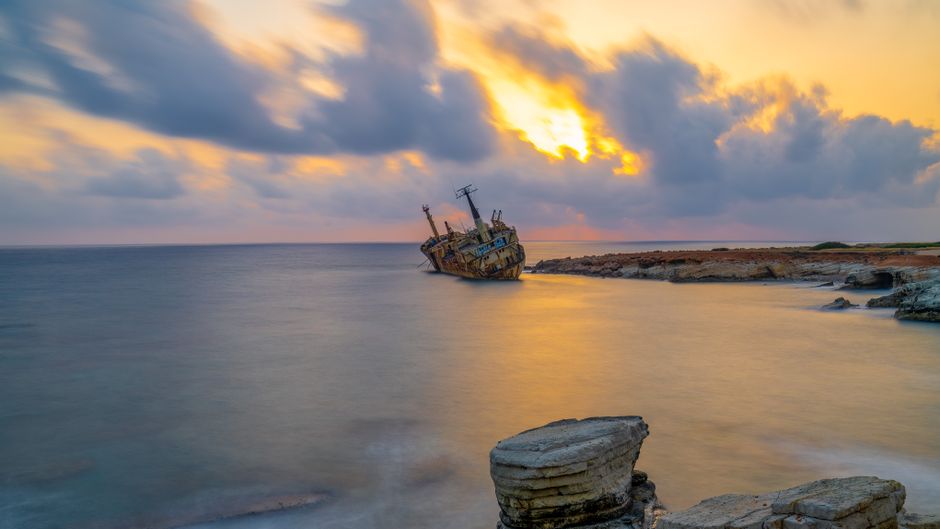
6. The Underwater Shipwreck Graveyard
Fathom Five National Marine Park, Ontario, Canada
Beneath the clear waters of Lake Huron lies an eerie underwater museum of historic shipwrecks and dramatic submerged cliffs.
Fathom Five is Canada's first National Marine Park, protecting a unique freshwater ecosystem and 22 historic shipwrecks. Divers and snorkelers can explore these remarkably preserved vessels, ranging from schooners to steamers, some dating back to the 19th century. The cold, clear waters and protected status act as a 'restriction' on disturbance, preserving these maritime relics for future generations.
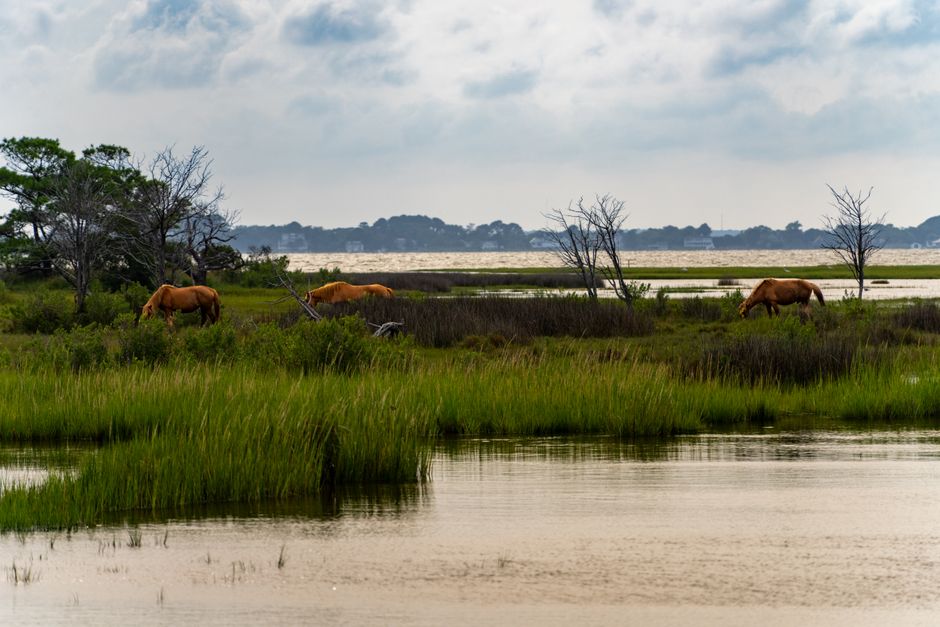
7. Sable Island's Wild Horses
Sable Island National Park Reserve, Nova Scotia, Canada
Off the coast of Nova Scotia, a crescent-shaped sandbar, infamous as the 'Graveyard of the Atlantic,' is home to hundreds of wild horses and seals.
Sable Island is a remote, treeless sand island, a unique ecosystem protected as a National Park Reserve. Known for its wild horses, which have roamed freely for centuries, and vast colonies of grey seals, the island is a testament to natural resilience. Strict access 'restrictions' (requiring permits and specific transport) ensure its delicate environment and the freedom of its inhabitants are maintained, offering a glimpse into a truly wild Canadian landscape.
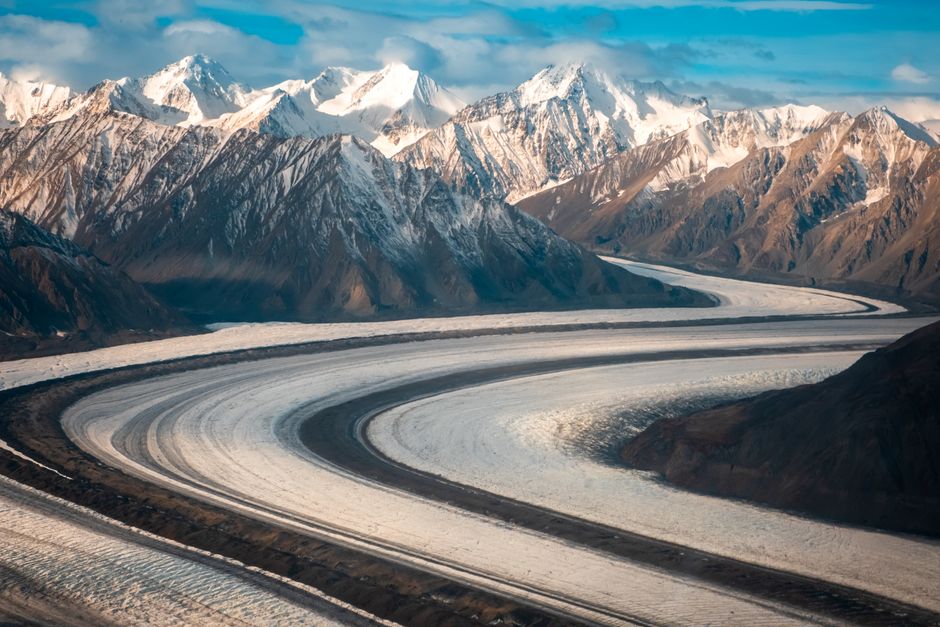
8. The Unfinished WWII Route
The Canol Road, Yukon, Canada
Trace the remnants of a forgotten World War II project through the heart of the Yukon wilderness, a testament to ambition and the power of nature.
The Canol Road was an ambitious 1940s project to build a pipeline and road across the Yukon to supply oil during WWII. Ultimately deemed a failure and abandoned, the remote gravel road remains, offering a rugged, challenging journey through pristine wilderness. Its historical 'restriction' from sustained development means it's now a route for experienced adventurers, providing unparalleled access to untouched subarctic landscapes and historical artifacts.
Frequently asked questions
Are there actual restrictions on private jets like Gulfstreams in Canada?
Generally, Canada does not have specific 'restrictions' against Gulfstream jets beyond standard aviation regulations, customs, and security protocols applicable to all private or commercial aircraft entering its airspace. The concept of 'restrictions' in a travel context often refers more to natural barriers, protected areas, or remote locations that limit access and preserve unique environments.
What are some truly remote or less-traveled places to visit in Canada?
Canada is vast, offering countless remote destinations. Places like Nahanni National Park Reserve in the Northwest Territories, Gwaii Haanas National Park Reserve in Haida Gwaii, and Sable Island National Park Reserve off Nova Scotia are excellent examples. These locations are often protected, require planning, and sometimes permits, ensuring their pristine nature endures.
How can I explore Canada's lesser-known historical and geological sites?
To explore lesser-known sites, focus on UNESCO World Heritage Sites that aren't mainstream tourist attractions, such as Joggins Fossil Cliffs or Red Bay Basque Whaling Station. Research national and provincial parks known for specific geological features or cultural significance, and consider guided tours to remote areas. Planning for logistics like transport and accommodation is key for these off-the-beaten-path experiences.
How does the AllTours.ai app enhance exploration of places like these?
AllTours.ai transforms your phone into a personal AI audio tour guide. Simply point your camera at any landscape, landmark, or even a hidden historical artifact, and the app will narrate its history, geology, and cultural significance in your language. It's like having an expert local guide in your pocket, revealing the untold stories of even the most remote and unique Canadian destinations.
Photography via Pexels. AllTours.ai is an AI audio tour guide — point your camera at any landscape and hear its story.