June 27, 2026 · 4 min read
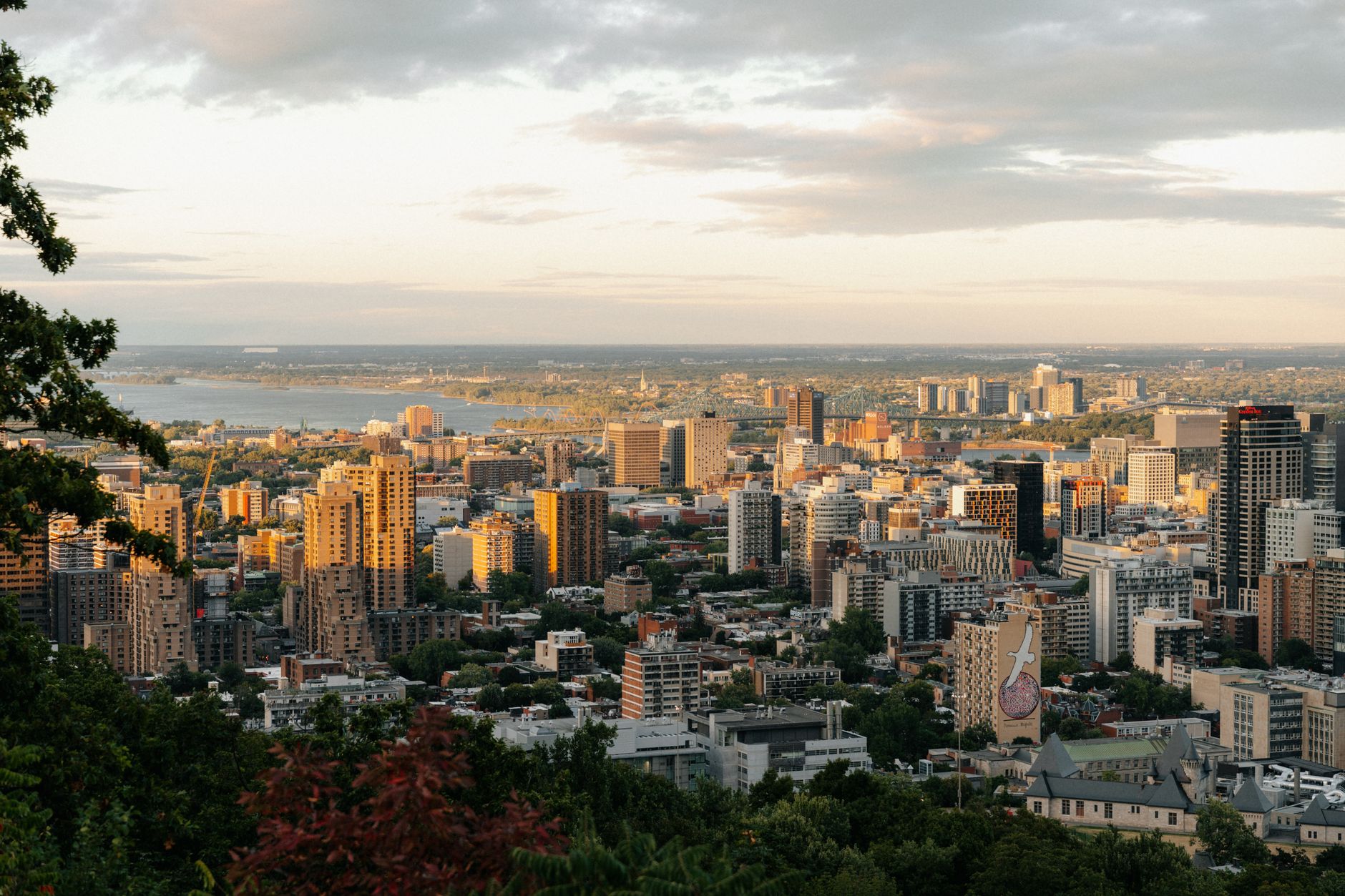
Quebec City, with its fortified walls and historic charm, often feels like the quintessential Canadian historical capital. Yet, it's Montreal, further upstream, that grew into the sprawling metropolis and economic powerhouse. This shift wasn't a sudden event but a centuries-long evolution driven by geography, commerce, and a relentless pursuit of progress.
Beyond the familiar tourist trails, specific sites and forgotten stories reveal the precise reasons why Montreal outgrew Quebec City. These hidden corners and overlooked histories offer a deeper understanding of the forces that shaped a continent and propelled one city ahead of another.
1. The Unyielding Lachine Rapids
Lachine Canal National Historic Site, Canada
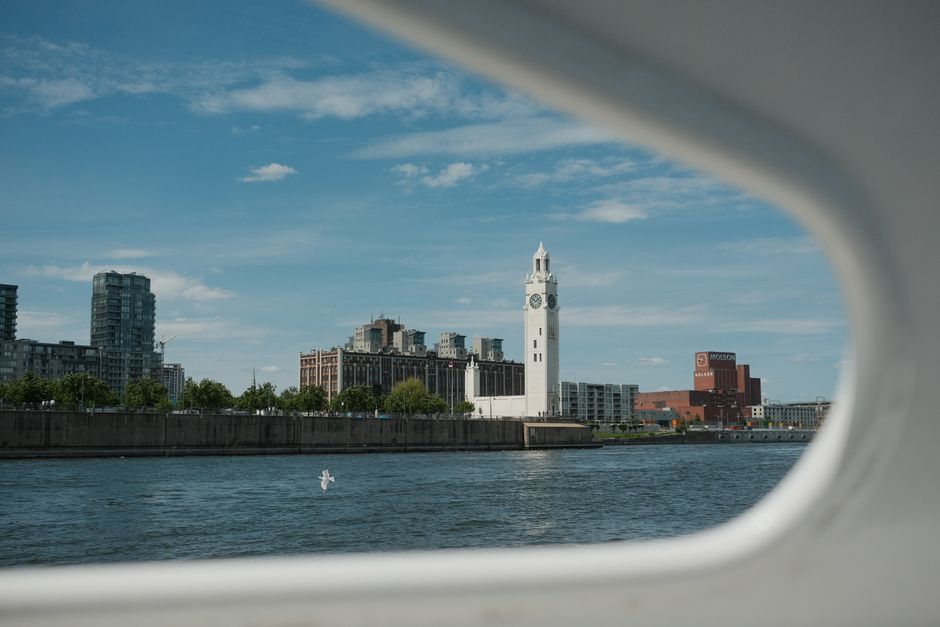
Before canals, the ferocious Lachine Rapids forced every ship to stop at Montreal, making it an unavoidable transshipment hub.
For centuries, the Lachine Rapids presented an impassable barrier to navigation on the St. Lawrence River. This natural obstacle meant that all goods arriving from Europe or destined for the continent's interior had to be unloaded and reloaded in Montreal. This forced transshipment created a massive economic advantage, establishing Montreal as the critical 'head of navigation' and a bustling port long before any canals bypassed the rapids.
2. Pointe-à-Callière: Birthplace of Commerce
Pointe-à-Callière, Montreal, Canada
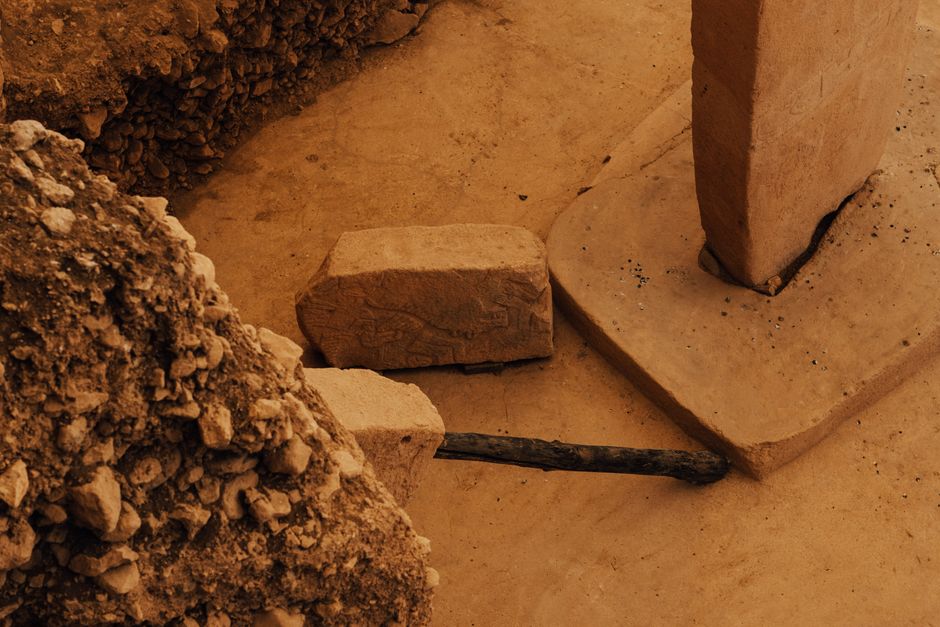
Beneath this museum's modern facade lie the archaeological remnants of Montreal's founding as a pivotal fur trading post.
The very ground beneath Pointe-à-Callière marks the precise spot where Ville-Marie, the predecessor to Montreal, was founded. Archaeological digs here reveal layers of early trading posts, fortifications, and the first customs house. This strategic location, at the confluence of the St. Lawrence and St. Pierre rivers, made it the ideal departure point for voyageurs heading into the vast interior, cementing its role as the undisputed hub of the lucrative North American fur trade.
3. Griffintown's Industrial Engine
Griffintown, Montreal, Canada
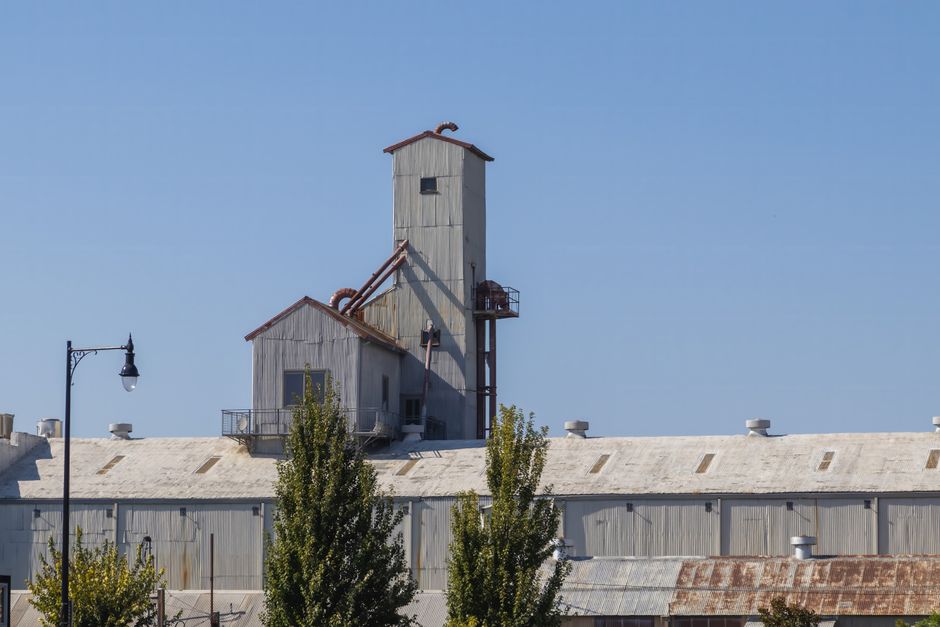
Once a gritty, working-class district, Griffintown's canals and factories powered Montreal's intense industrial revolution.
Griffintown, now a revitalized urban neighborhood, was the epicenter of Montreal's industrial might in the 19th century. The Lachine Canal, cutting through its heart, brought raw materials and powered numerous mills, factories, and foundries. Waves of Irish immigrants settled here, providing the labor that fueled this economic boom, transforming Montreal into a manufacturing powerhouse far outstripping Quebec City's more administrative focus.
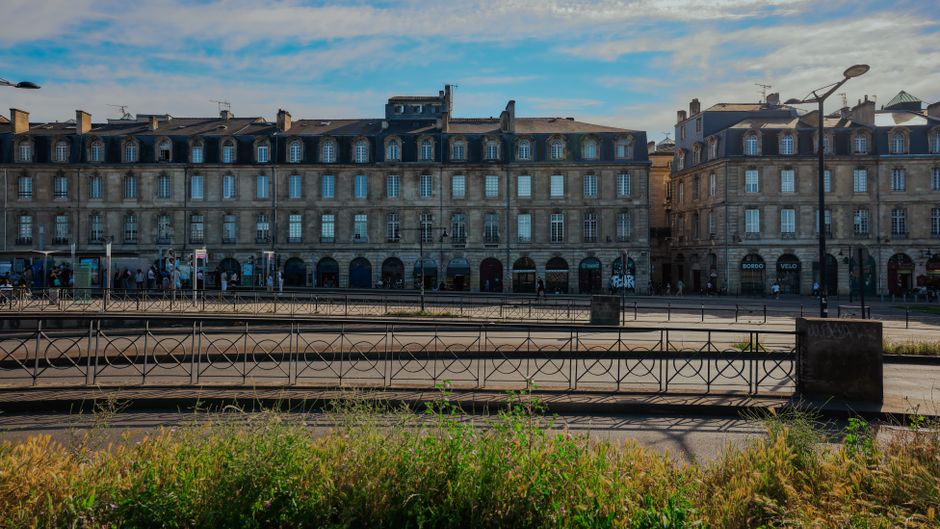
4. Rue Saint-Jacques: Canada's Wall Street
Rue Saint-Jacques, Montreal, Canada
This unassuming street was once the financial nerve center of Canada, boasting the nation's most powerful banks and institutions.
In the 19th and early 20th centuries, Rue Saint-Jacques earned the moniker 'Canada's Wall Street.' Lined with the opulent headquarters of major banks like the Bank of Montreal, the Royal Bank, and numerous insurance companies, it was the undisputed heart of Canadian finance. This concentration of capital and financial expertise attracted entrepreneurs and businesses, solidifying Montreal's economic dominance over a less commercially diversified Quebec City.
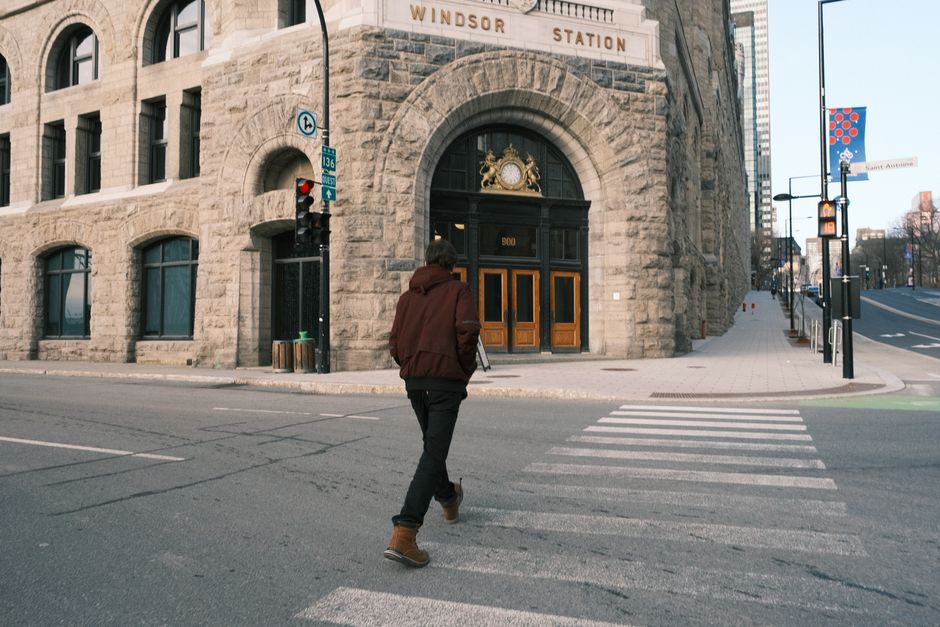
5. Windsor Station's Railway Empire
Windsor Station, Montreal, Canada
More than a train station, Windsor Station was the command center of the Canadian Pacific Railway, connecting a continent.
Windsor Station served as the magnificent headquarters of the Canadian Pacific Railway (CPR), a company that literally linked Canada from coast to coast. Its intricate network of tracks made Montreal the unparalleled transportation hub for goods, resources, and people across the vast Canadian expanse. This strategic advantage in rail connectivity, combined with its port, allowed Montreal to distribute products and gather resources on a national scale that Quebec City could not rival.
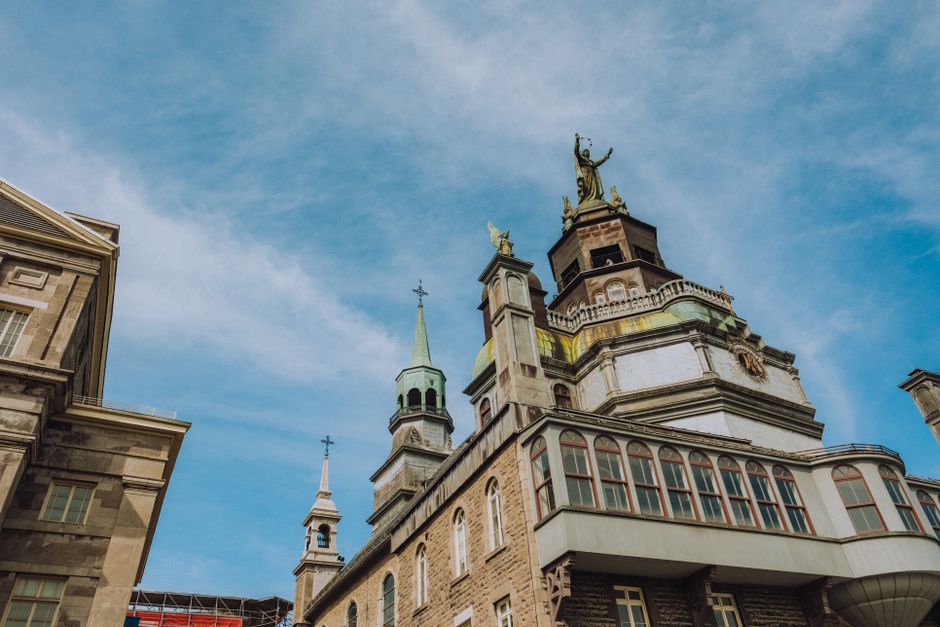
6. The Old Customs House's Global Reach
Old Customs House, Old Montreal, Canada
This building processed the immense flow of goods that solidified Montreal's critical role in post-conquest international trade.
After the British Conquest, Montreal's position further inland on the St. Lawrence River proved an unexpected advantage. The Old Customs House, now a historic landmark, once managed the vast and increasing volume of trade with Britain and the burgeoning United States. While Quebec City remained a defensive and administrative center, Montreal rapidly adapted to become the primary commercial artery for a much larger North American hinterland, attracting diverse merchants and capital.
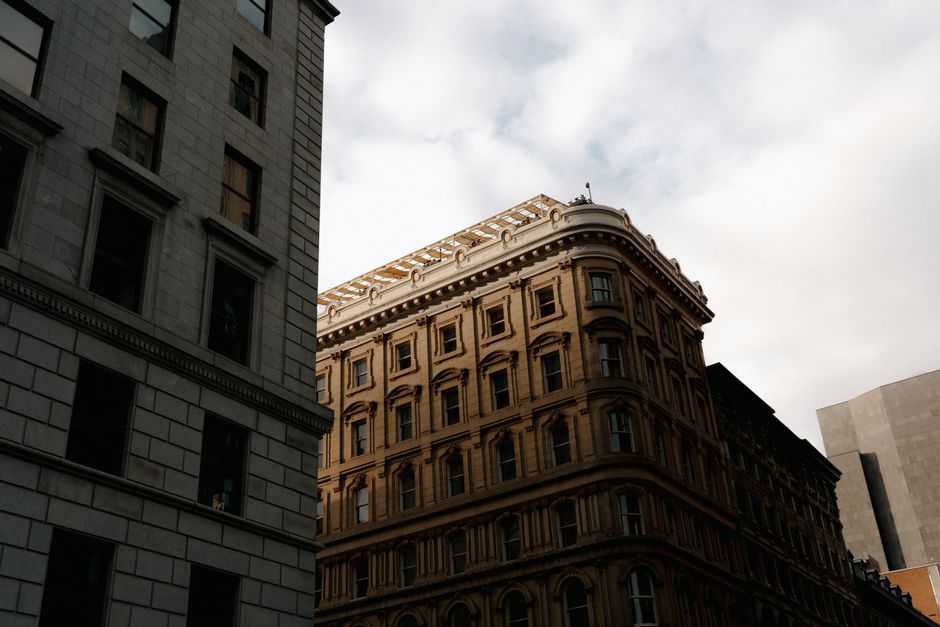
7. Montreal's Monumental Grain Elevators
Old Port, Montreal, Canada
Towering grain elevators in the Old Port were once the world's largest, testament to Montreal's agricultural trade dominance.
The colossal grain elevators that once dominated Montreal's Old Port were not just impressive structures; they symbolized the city's unparalleled role in global agricultural trade. For decades, Montreal was the largest grain-exporting port in the world. Grain harvested across the Canadian prairies funneled through Montreal's port, processed and stored in these massive facilities before being shipped overseas, underscoring its pivotal economic function.
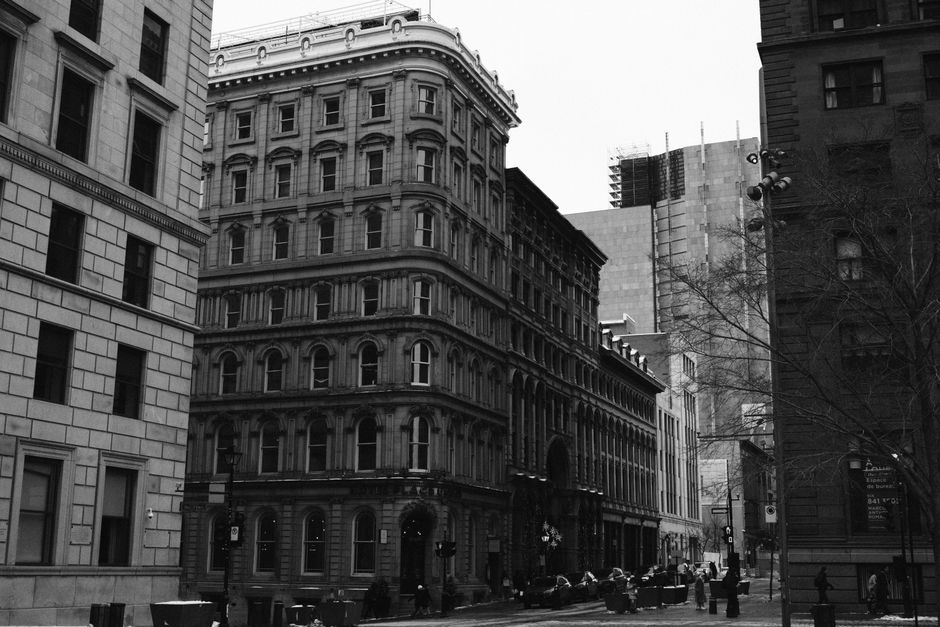
8. The Former Montreal Stock Exchange
Victoria Square, Montreal, Canada
Near Square Victoria, the original Montreal Stock Exchange facilitated the capital needed to fuel a growing nation's industries.
While Rue Saint-Jacques housed the banks, the Montreal Stock Exchange (Bourse de Montréal), located near Square Victoria, was where the actual trading of stocks and bonds happened. It provided the crucial capital markets necessary to fund Montreal's burgeoning industries, railway expansion, and resource development across Canada. This institution attracted investors and facilitated wealth creation on a scale that further cemented Montreal's economic primacy.
Frequently asked questions
Was Montreal always larger than Quebec City?
No, for much of New France's history, Quebec City, as the colonial capital and main defensive stronghold, held greater administrative importance. Montreal's rapid growth as an economic and commercial center truly began to accelerate in the late 18th and 19th centuries, eventually surpassing Quebec City in population and economic output.
What were the main economic activities that drove Montreal's growth?
Montreal's growth was fueled by a diverse economy. Initially, the fur trade was paramount, followed by its strategic role as a transshipment port. Later, industrialization, railway construction, finance, and agricultural exports (like grain) became major drivers, creating a robust and multifaceted economic engine.
Did geography play a significant role in Montreal's success?
Absolutely. Montreal's location at the head of navigation on the St. Lawrence River, above the Lachine Rapids, made it an essential break-bulk point. This, coupled with its access to the vast North American interior via waterways and later railways, gave it a distinct advantage as a commercial and transportation hub.
How can I discover more hidden histories like these when I travel?
The AllTours.ai app brings these stories to life. Simply point your phone camera at any landmark or landscape, and the app uses AI to narrate its history, geology, and culture in your language, revealing fascinating insights you might otherwise miss.
Photography via Pexels. AllTours.ai is an AI audio tour guide — point your camera at any landscape and hear its story.