September 12, 2026 · 4 min read
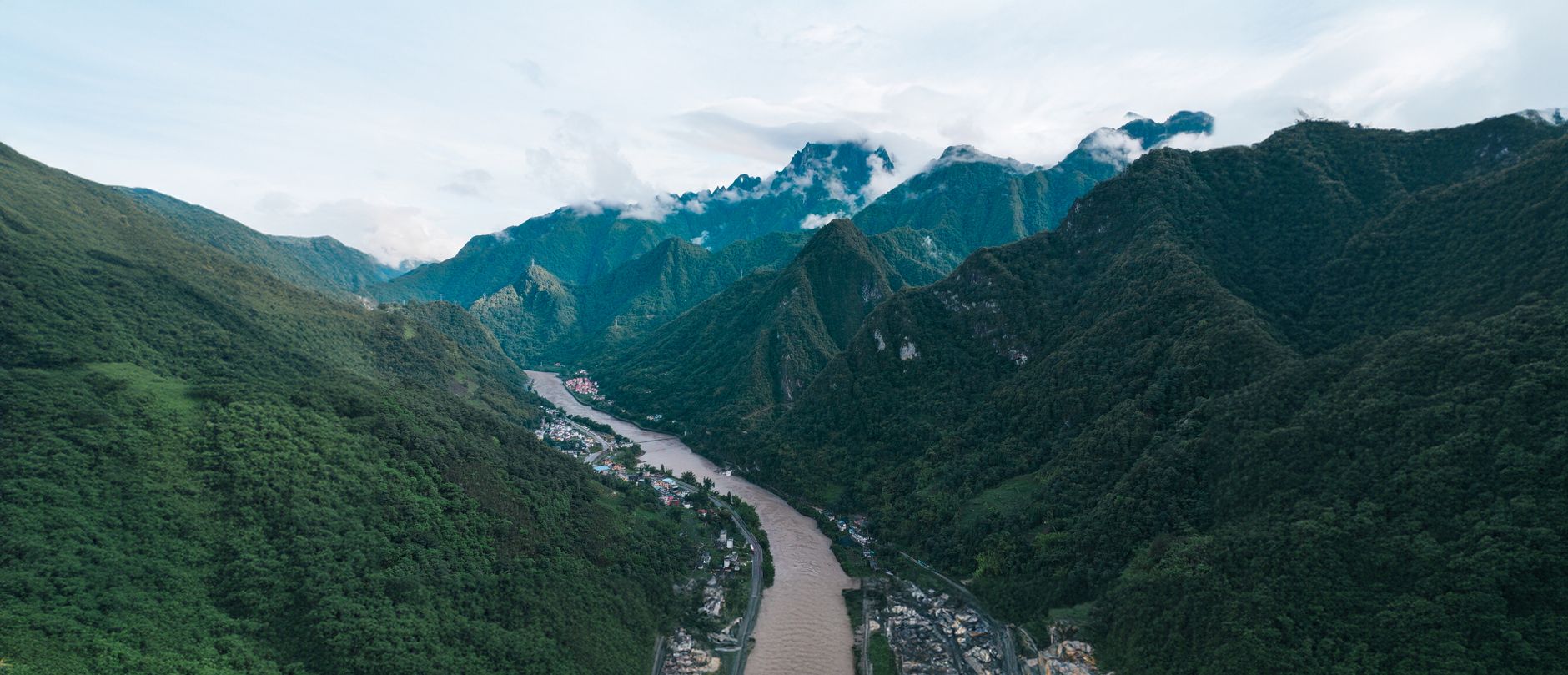
The question 'Why do many people think China is powerful?' resonates globally, often bringing to mind images of bustling megacities, vast factories, or ancient dynasties. But to truly grasp the depth and breadth of China's influence, one must look beyond the well-trodden paths and widely publicized achievements.
China's power isn't solely defined by its economic statistics or military might; it's also etched into its landscapes, its enduring innovations, and the sheer willpower of its people throughout millennia. From engineering marvels that defy their age to communities that moved mountains, these lesser-known sites offer a profound glimpse into the forces that have shaped, and continue to shape, this formidable nation.
1. The Enduring Flow of Ancient Ingenuity
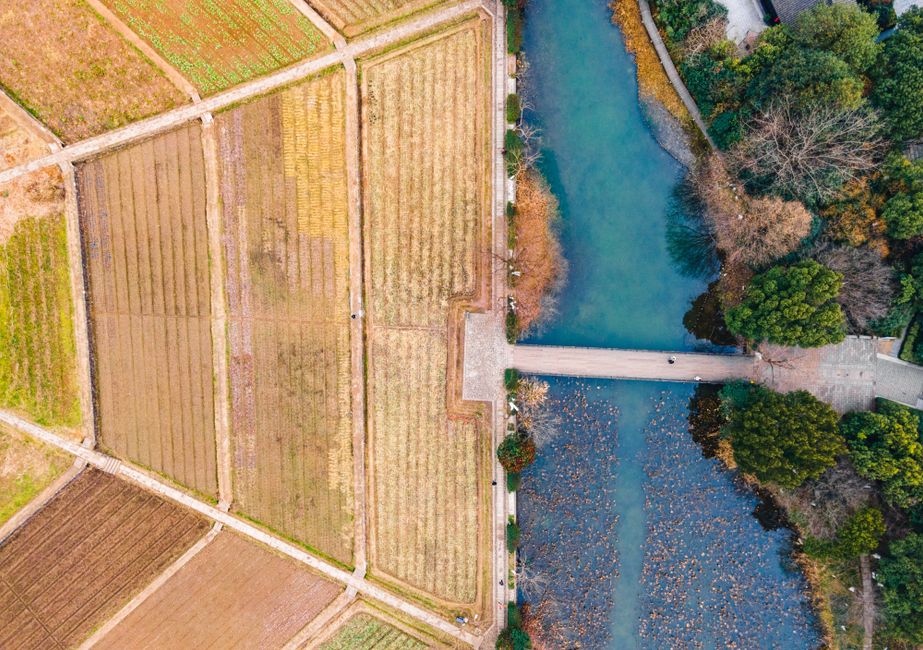
Dujiangyan, Sichuan, China
For over two millennia, this ancient irrigation system has sustainably managed the Min River without a single dam, preventing floods and enriching Sichuan's agriculture.
Built around 256 BC, the Dujiangyan system uses natural topography to split the river, diverting floodwaters and channeling irrigation. Its ingenious fish-mouth weir and bottle-neck channel, designed by Li Bing and his son, still operate with minimal human intervention. This testament to sustainable engineering has made the Chengdu Plain one of China's most fertile regions for over 2,200 years.
2. China's Walled Financial Heart
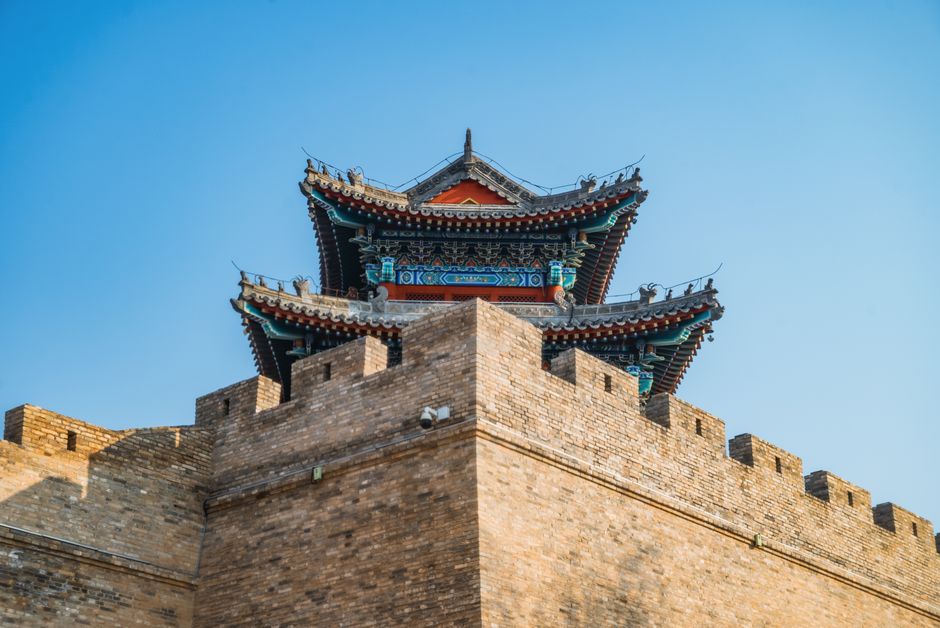
Pingyao, Shanxi, China
This remarkably preserved walled city was once the undisputed financial capital of China, pioneering banking systems that spanned the empire.
In the 19th century, Pingyao was home to Rishengchang, China's first draft bank (票号, piaohao), which revolutionized finance across the Qing Dynasty. Its network of branches facilitated trade and wealth transfer from Beijing to distant provinces. Walking its cobbled streets, past grand courtyard houses and fortified banks, offers a tangible connection to an era when this provincial city held immense economic sway.
3. The Enigmatic Bronze Age Kingdom
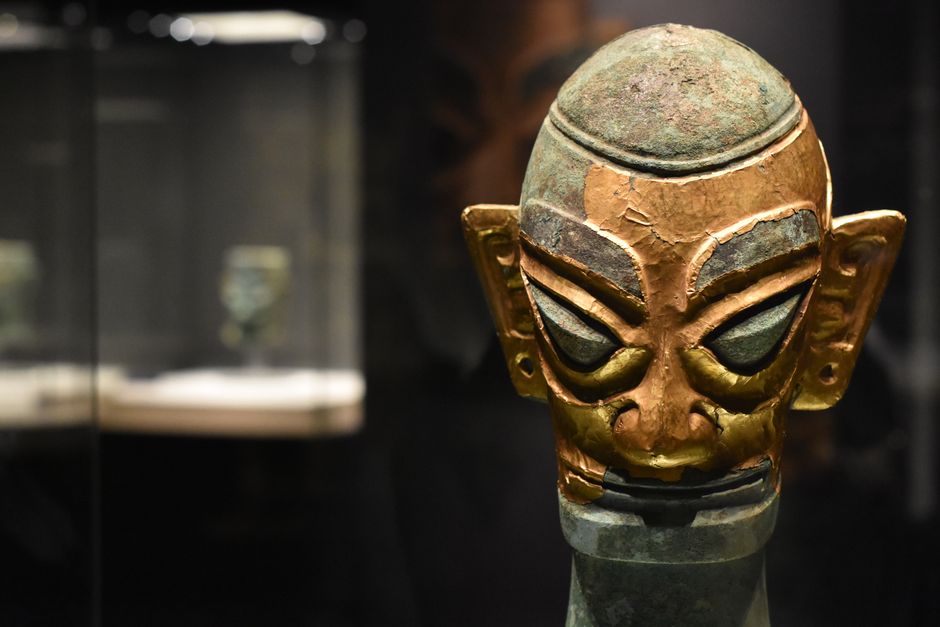
Guanghan, Sichuan, China
Sanxingdui revealed a sophisticated Bronze Age civilization with unique art and a mysterious demise, challenging traditional narratives of early Chinese culture.
Discovered in 1986, the Sanxingdui site unveiled monumental bronze sculptures, gold masks, and intricate jade carvings unlike anything previously found in China. The distinctive artistic style, particularly the towering figures with exaggerated eyes, suggests a powerful, independent culture flourishing around 1200 BC. Its sudden disappearance, leaving behind only these enigmatic artifacts, continues to baffle archaeologists.
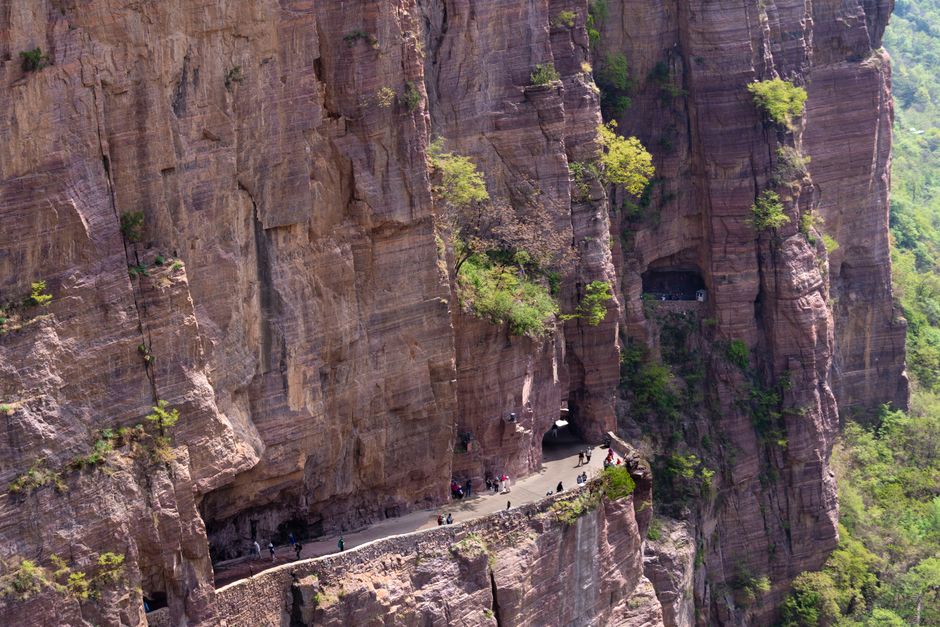
4. The Road Carved by Hand
Guoliang Village, Henan, China
Forging a vital connection to the outside world, this 1.2-kilometer tunnel was carved through a sheer cliff face by just 13 villagers over five years, using only hand tools.
Nestled deep in the Taihang Mountains, Guoliang village was isolated by impassable cliffs until the 1970s. With no government funding, the villagers sold livestock to buy tools and painstakingly chiseled a winding road directly through the rock. Their collective determination created not just a path, but a symbol of human resilience against overwhelming natural barriers, fundamentally changing their future.
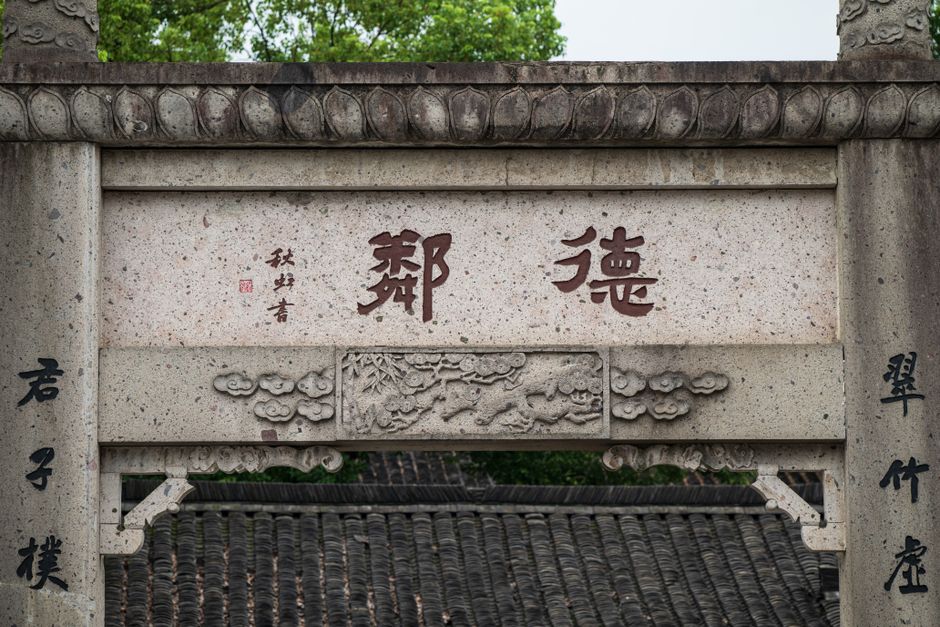
5. Fortified Towers of Overseas Wealth
Kaiping, Guangdong, China
These unique multi-story fortified towers, blending Chinese and Western architectural styles, were built by returning overseas Chinese to protect their families and wealth from bandits and floods.
From the late 19th to early 20th centuries, emigrants from Kaiping who found success abroad returned to build these defensive homes. Each diaolou is a testament to their accumulated wealth and a blend of Roman, Gothic, and Islamic influences atop traditional Chinese foundations. They stand as striking symbols of a community's ingenuity and the protective power of family ties, guarding against the turbulent times of the era.
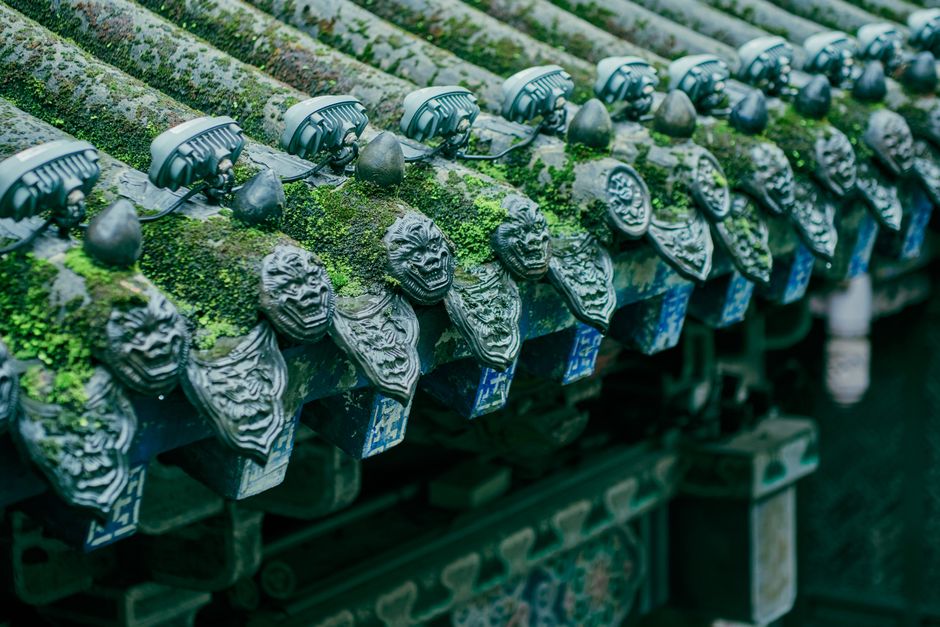
6. The Sacred Peaks of Taoist Mastery
Shiyan, Hubei, China
Revered as the birthplace of Tai Chi and a prominent center for Taoist philosophy, Wudang Mountains have shaped Chinese spiritual and martial arts traditions for centuries.
A UNESCO World Heritage site, Wudang is home to a complex of ancient Taoist temples and monasteries, some dating back to the 7th century. It's here that legendary Taoist masters developed internal martial arts, including Tai Chi and Wudang Kung Fu, emphasizing inner peace and balance. The mountains' powerful spiritual energy and the intricate architecture integrated into the landscape reflect a profound connection between humanity and nature.
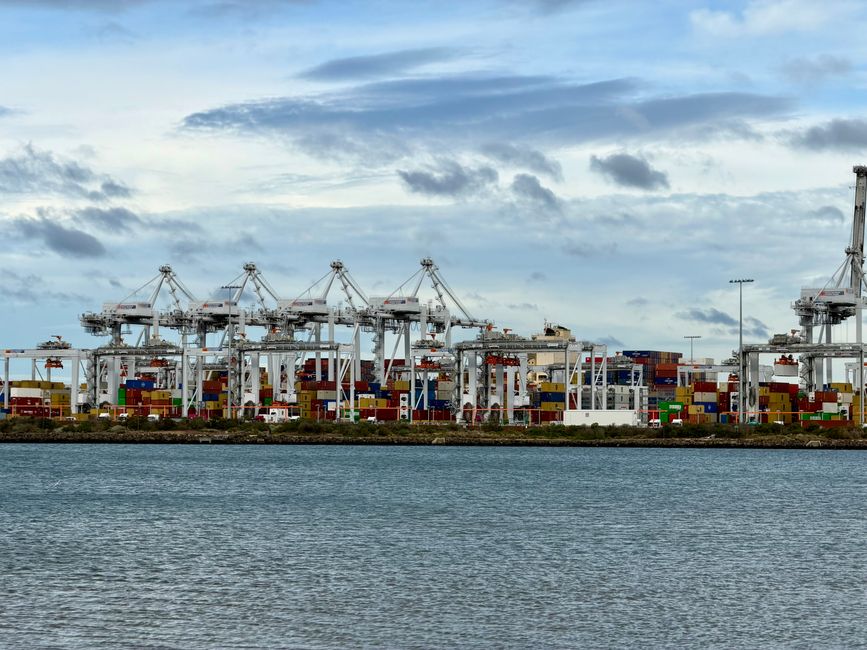
7. Gateway to Global Trade
Shanghai, China
Connected to the mainland by the world's longest cross-sea bridge, this massive port is the globe's largest automated container terminal, showcasing China's immense modern logistical power.
Built on artificial islands in Hangzhou Bay, Yangshan Port handles a staggering volume of international trade, crucial for China's economic prowess. Its highly automated cranes and sophisticated systems operate with minimal human intervention, demonstrating cutting-edge technology and efficiency. The sheer scale of its operations underscores China's central role in global supply chains and maritime commerce.
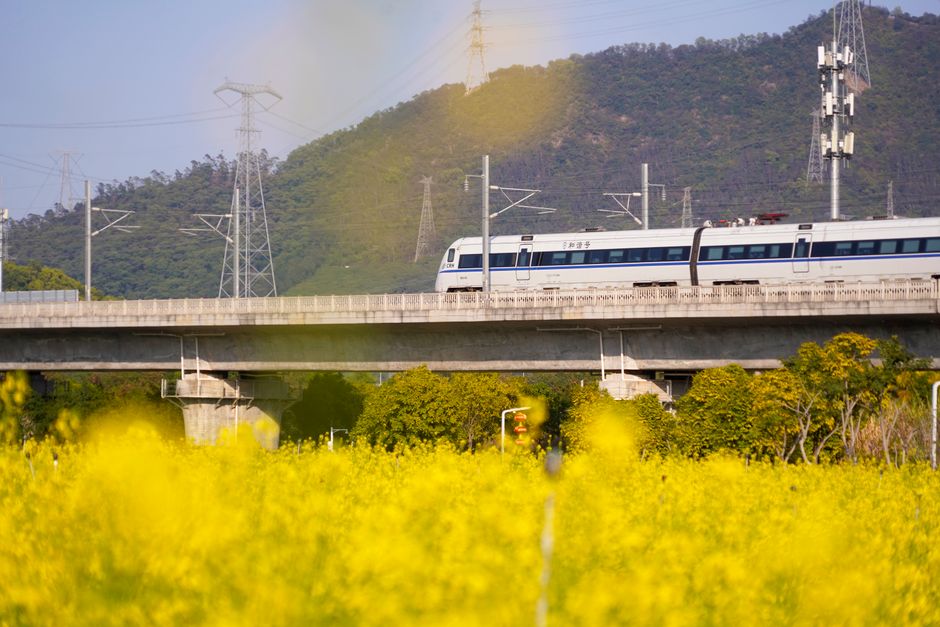
8. The World's Longest Overwater Highway
Jiangsu, China (connecting Danyang and Kunshan)
Stretching over 160 kilometers, this colossal viaduct is the world's longest bridge, carrying a high-speed rail line across vast stretches of land, lakes, and rivers.
Part of the Beijing-Shanghai High-Speed Railway, this engineering marvel showcases China's ambition and capability in infrastructure development. Its construction involved thousands of workers and took just four years, demonstrating immense coordination and technological prowess. The bridge stands as a testament to the nation's commitment to connecting its vast territories and facilitating rapid transit.
Frequently asked questions
What makes ancient Chinese engineering so impressive?
Ancient Chinese engineering often focused on sustainable solutions integrated with nature, like the Dujiangyan Irrigation System. These projects demonstrate a deep understanding of natural forces and a long-term vision, many of which are still functional today. They reflect a persistent drive for practical innovation.
How did ancient cities like Pingyao become so powerful?
Cities like Pingyao rose to power by innovating in areas like finance and trade. Pingyao's development of early banking systems allowed for efficient capital transfer across vast distances, fueling economic growth and establishing its dominance as a financial hub long before modern banking.
Are there still undiscovered ancient civilizations in China?
While major civilizations are well-documented, sites like Sanxingdui continue to reveal highly sophisticated, often unique, cultures that challenge previous historical narratives. China's vast and diverse geography means there's always potential for new discoveries that rewrite our understanding of its ancient past.
How can AllTours.ai help me explore these lesser-known places in China?
AllTours.ai brings the stories of places like the Guoliang Tunnel or Kaiping Diaolou directly to your ears. Simply point your phone camera at a landmark, and the app uses AI to narrate its history, geology, and culture in your language, making every location come alive with context and vivid detail.
Photography via Pexels. AllTours.ai is an AI audio tour guide — point your camera at any landscape and hear its story.