June 30, 2026 · 4 min read
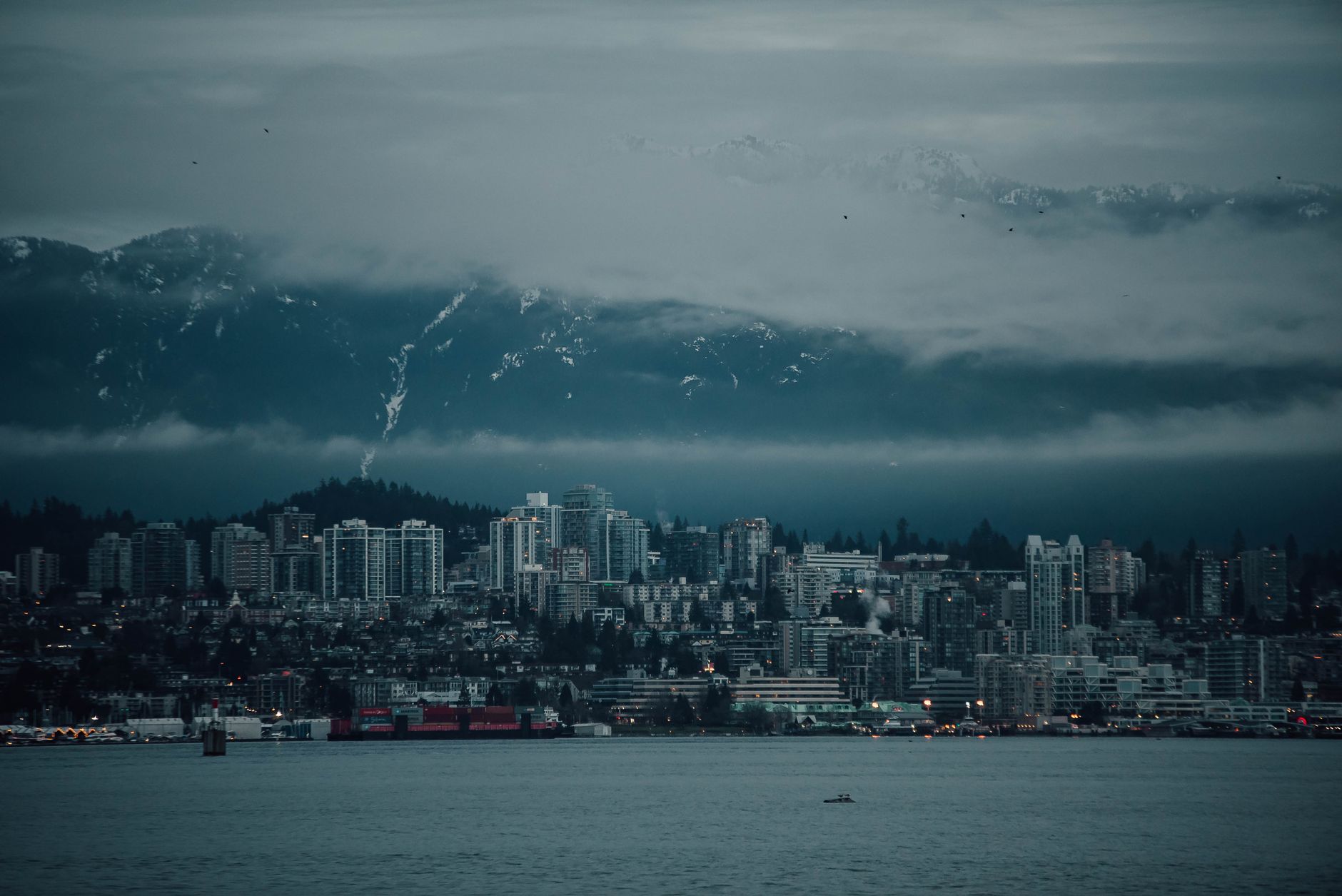
Vancouver often appears on "best of" lists, yet it's a city grappling with its own unique complexities, from housing affordability to rapid development. So, why, despite these challenges, do so many continue to be drawn to its shores, choosing it over other vibrant Canadian cities? The answer lies beyond the glossy brochures and well-trodden tourist paths.
To truly understand Vancouver's enduring appeal, you need to look closer, past the iconic landmarks and into the quieter corners where fascinating stories of resilience, innovation, and deep connection to the land are etched. These are the places that reveal the city's true character – a blend of natural wonder, diverse cultural heritage, and a pioneering spirit.
1. The Salmon Capital's Echoes
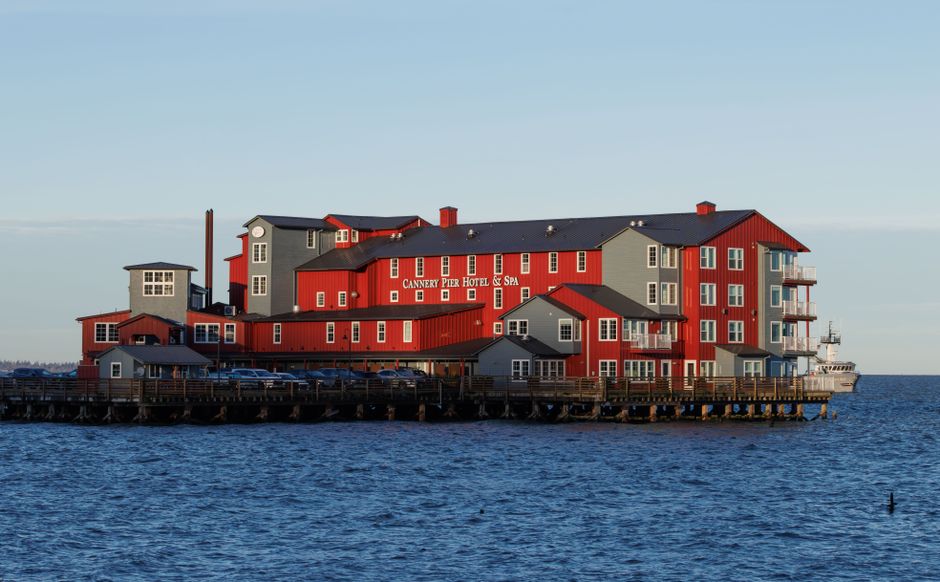
Steveston Village, Canada
This quaint fishing village was once the "Salmon Capital of the World," home to a bustling Japanese-Canadian community before their unjust internment during WWII.
Steveston's cannery industry boomed in the late 19th and early 20th centuries, fueled by waves of Japanese immigrants who became integral to its success. The Gulf of Georgia Cannery National Historic Site preserves this legacy, telling the stories of the multi-ethnic workforce and the devastating impact of the internment on a vibrant community. Today, it remains an active fishing port with a profound historical pulse.
2. Walking Among Giants
Vancouver, Canada
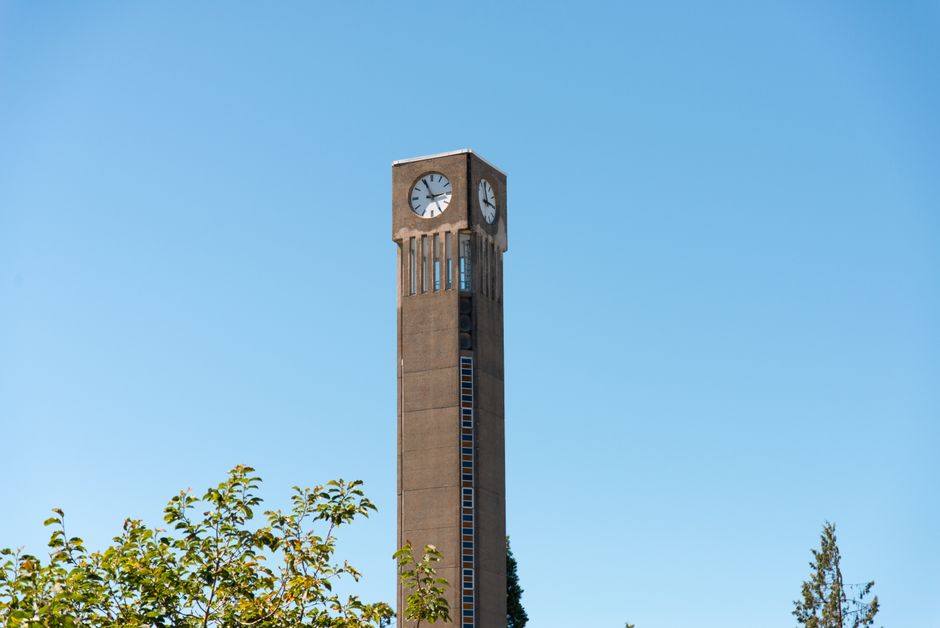
Walk among the treetops on suspended bridges designed to minimize impact on the ancient temperate rainforest canopy.
This unique eco-experience allows visitors to explore the temperate rainforest ecosystem from 20 meters above the forest floor. The innovative design uses a non-invasive suspension system, demonstrating how to interact with nature without disturbing its delicate balance. It offers a unique perspective on the biodiversity of coastal British Columbia, revealing a hidden world of epiphytes and canopy-dwelling creatures.
3. A Garden Without Nails
Vancouver, Canada
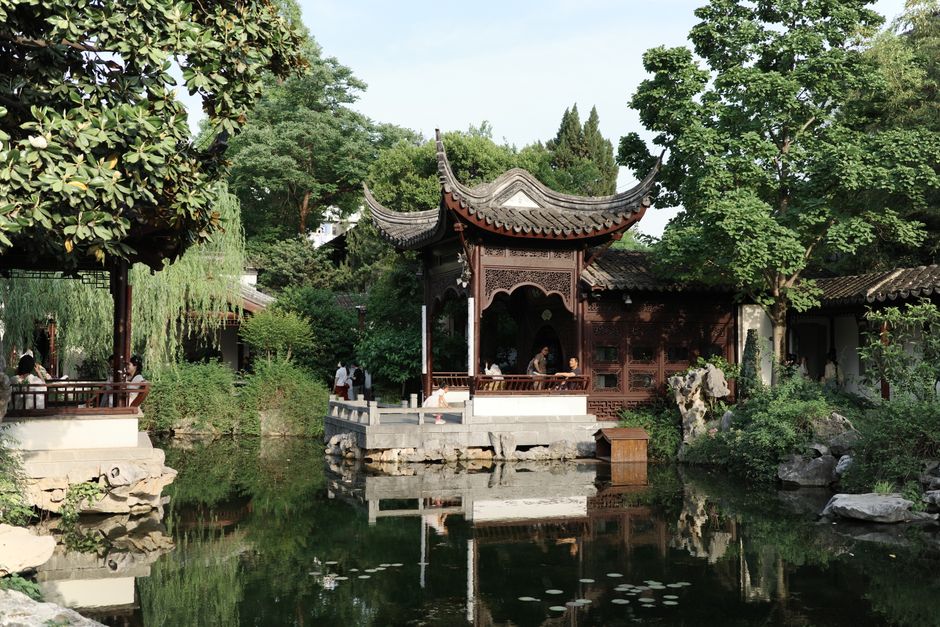
This classical scholar's garden was meticulously constructed without nails or screws, using traditional 14th-century Ming Dynasty techniques.
Master craftsmen from Suzhou, China, built this serene sanctuary in the heart of Chinatown, employing interlocking wooden joinery and carefully placed rocks and plants to create specific views and illusions. Its design emphasizes balance and harmony, a tranquil escape reflecting Taoist principles and the flow of qi. Every element, from the paving stones to the intricate lattice work, tells a story of ancient artistry.
4. The River's Ancient Sculptures
North Vancouver, Canada
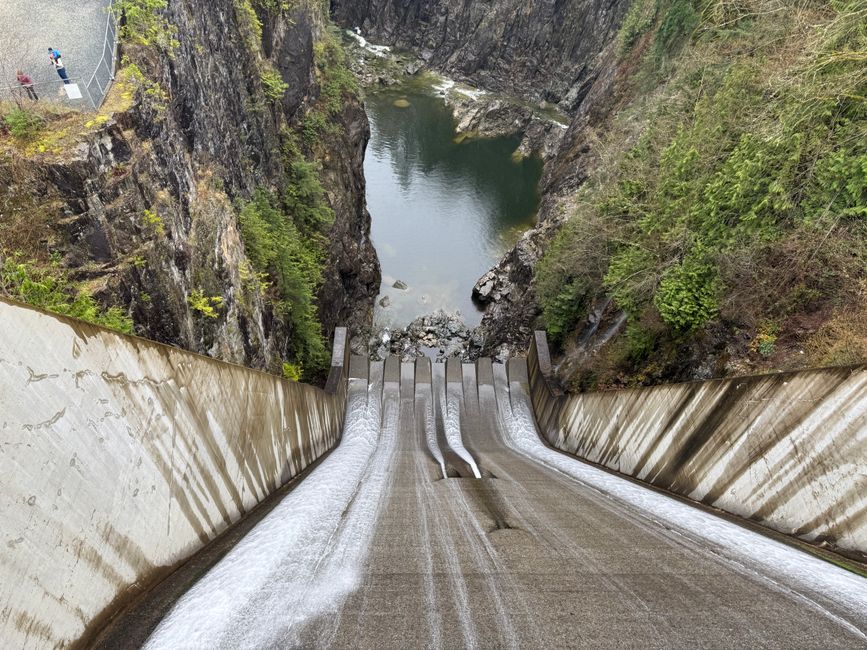
Beneath the iconic Cleveland Dam lies a hidden canyon carved by glacial meltwater, revealing millions of years of geological history.
The Capilano River, fed by glacial runoff, has sculpted a dramatic canyon through ancient bedrock, far less crowded than its famous suspension bridge neighbor. The park's trails reveal the raw power of nature, showcasing impressive rock formations and the rapid erosion that continues to shape the landscape. It's a stark reminder of the region's dynamic geological past and the forces that carved this land.
5. The Arctic Conqueror
Vancouver, Canada
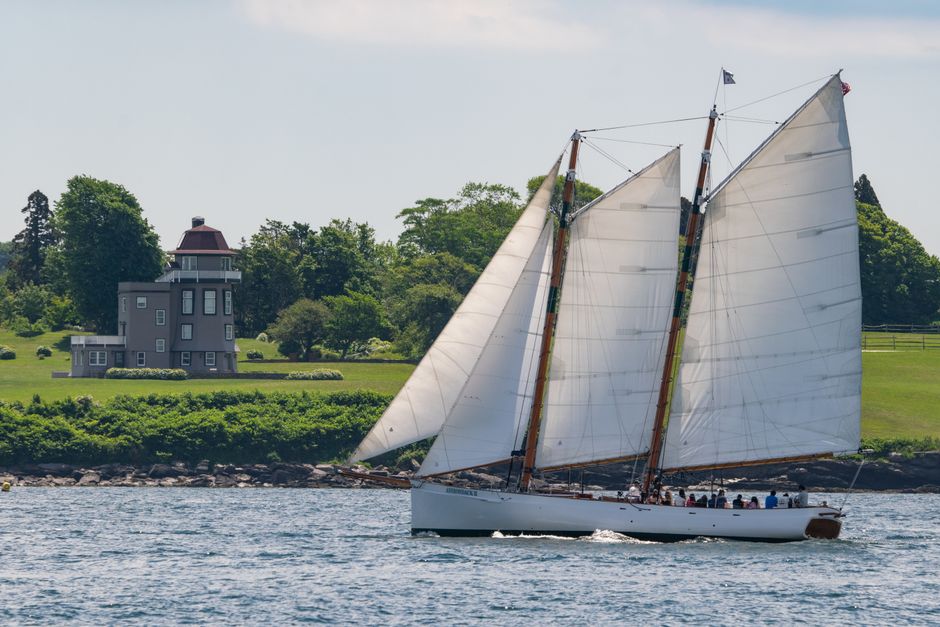
The museum houses the St. Roch, the first vessel to navigate the Northwest Passage from west to east and the first to circumnavigate North America.
The RCMP schooner St. Roch, a small but robust icebreaker, completed these epic voyages in the 1940s, mapping uncharted waters and proving the viability of the passage. Its dual role as a police vessel in the Arctic and a pioneer of exploration makes its story a testament to Canadian resilience and Arctic sovereignty. This humble ship's achievements are a cornerstone of Canada's polar history.
6. A Tropical Dome in the City
Vancouver, Canada
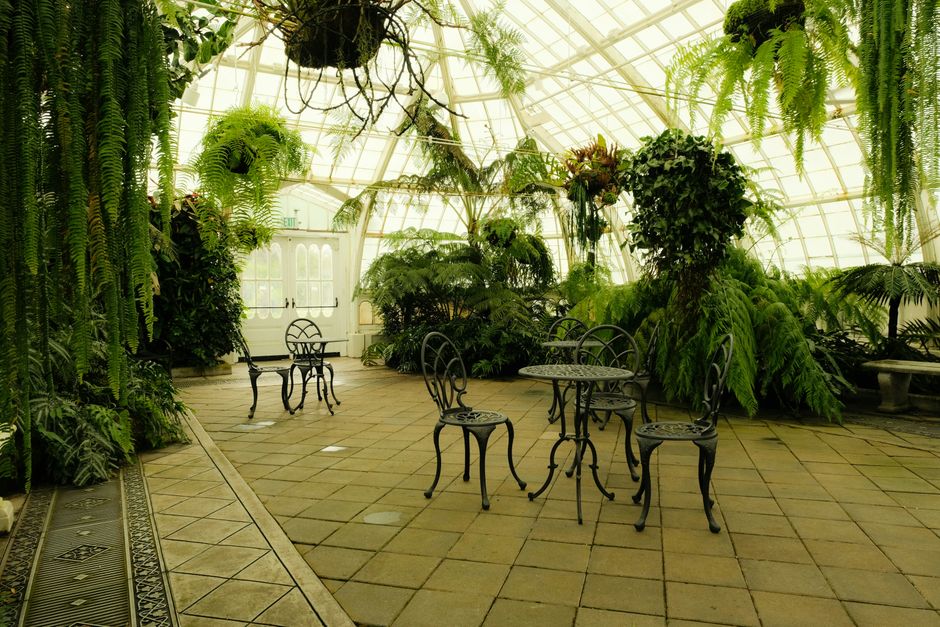
This geodesic dome, a marvel of mid-century engineering, houses three distinct climate zones under one roof, sustaining diverse ecosystems.
Opened in 1969, the Bloedel Conservatory's unique "triodetic" dome structure was an innovative feat, allowing it to house tropical, subtropical, and desert plants and birds without internal supports. Its existence is thanks to a lumber baron's donation, creating a year-round tropical oasis in the heart of Vancouver. It stands as a testament to civic pride and horticultural ambition, a living laboratory of global flora.
7. Architecture Echoing Ancient Forms
Vancouver, Canada
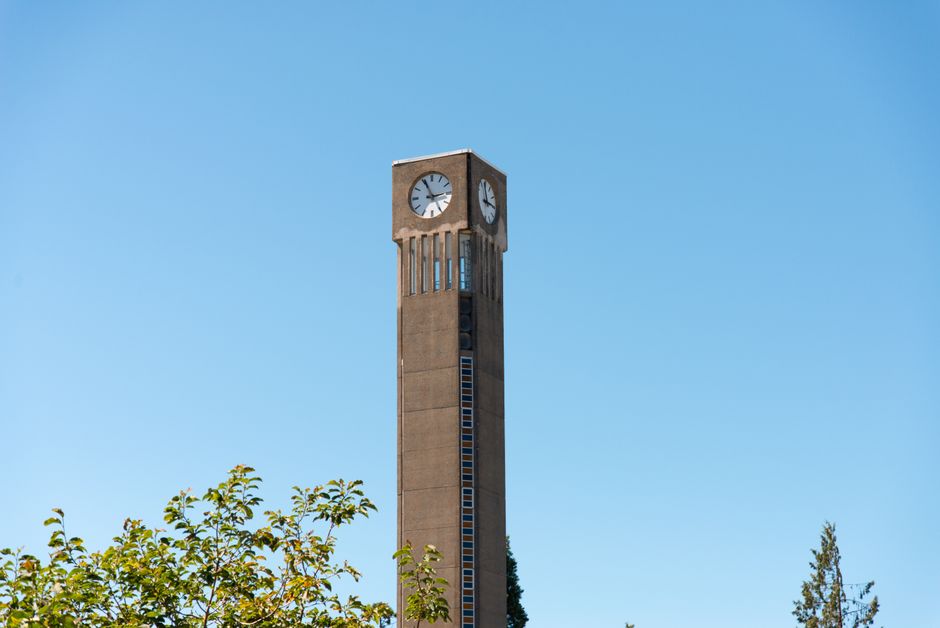
The museum's striking concrete and glass architecture was inspired by traditional Northwest Coast post-and-beam Indigenous longhouses.
Designed by renowned architect Arthur Erickson, MOA's soaring spaces and natural light evoke the monumental scale of Indigenous longhouses, creating a profound connection to the land. It houses one of the world's finest collections of First Nations art and cultural artifacts, emphasizing the deep relationship between the people, the land, and their artistic expressions. The building itself is a masterpiece that tells a story alongside its exhibits.
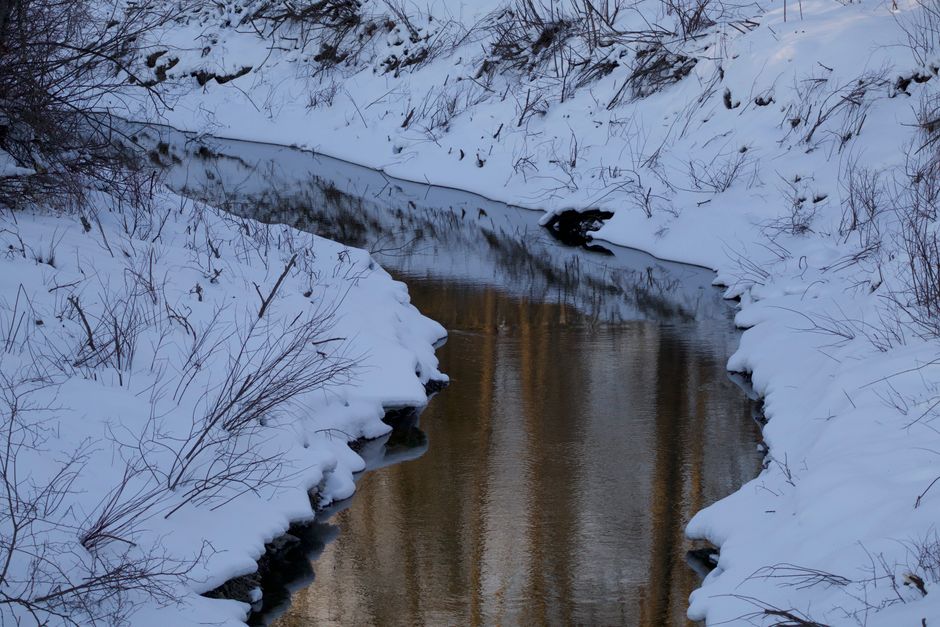
8. The Stream That Returned
Vancouver, Canada
This quiet urban ravine is part of a "daylighted" stream, bringing back salmon to a waterway once buried underground.
Renfrew Ravine is home to Still Creek, one of Vancouver's few remaining natural creeks. For decades, parts of it were culverted and hidden beneath urban development. Through dedicated community efforts, sections have been "daylighted" – brought back to the surface – allowing salmon to return and creating a vital green corridor that connects residents to the city's natural hydrological past. It's a powerful story of urban ecological restoration.
Frequently asked questions
What are some unique cultural experiences in Vancouver beyond typical tourist spots?
Beyond Gastown and Granville Island, explore the traditional Ming Dynasty architecture of the Dr. Sun Yat-Sen Classical Chinese Garden or delve into Indigenous art and history at the Museum of Anthropology at UBC, where the building itself echoes First Nations longhouses.
Are there any hidden natural gems in Vancouver for outdoor enthusiasts?
Absolutely. Instead of just the Seawall, discover the Greenheart TreeWalk at UBC Botanical Garden for a unique canopy perspective, or explore the geological wonders of Capilano River Regional Park's less-trafficked canyons.
How does Vancouver preserve its history amidst modern development?
Vancouver actively preserves its past in unique ways. Steveston Village maintains its fishing heritage and commemorates its Japanese-Canadian community, while even urban waterways like Still Creek in Renfrew Ravine are being restored to their natural state, revealing hidden ecological histories.
How can I learn more about these specific Vancouver locations during my visit?
The AllTours.ai app is designed for exactly this. Simply point your phone camera at a landmark or landscape, and the app will instantly narrate its history, geology, and cultural significance in your preferred language, offering a deeper understanding of places like those mentioned here.
Photography via Pexels. AllTours.ai is an AI audio tour guide — point your camera at any landscape and hear its story.