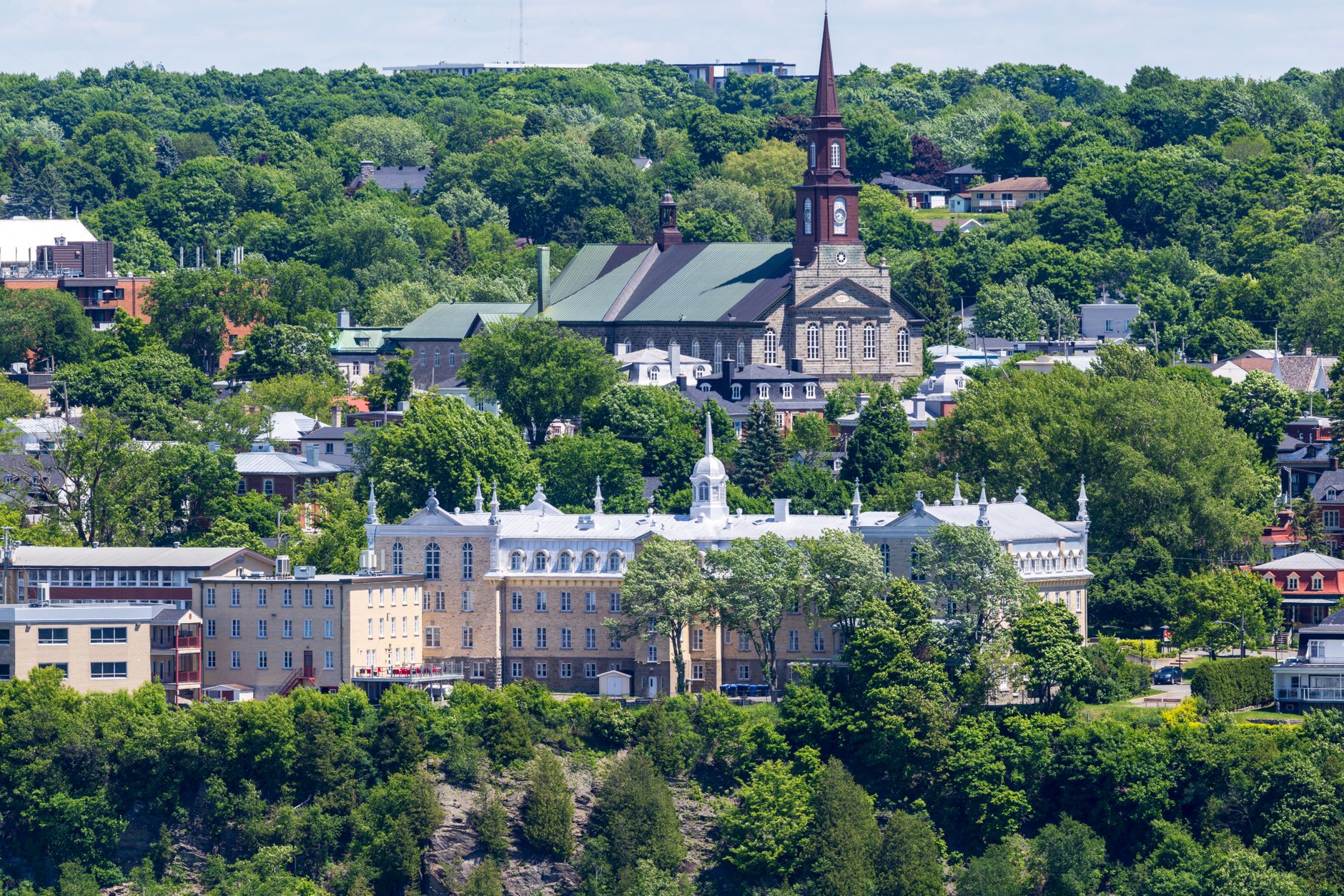
September 10, 2026 · 4 min read
Travelers in Montreal often encounter a curious linguistic distinction: why do locals identify as 'Québécois' rather than simply 'Canadien'? This isn't just a matter of semantics; it points to a deep, complex history and a vibrant cultural identity unique to Quebec within the Canadian federation.
To truly understand this distinction, one must look beyond the well-trodden paths of Old Montreal. Quebec's identity is woven into its landscapes, its forgotten battles, its quiet villages, and its enduring traditions. Join us as we explore some of these lesser-known corners, each telling a piece of the story of what it means to be Québécois.
1. Grosse Île: An Irish Famine Legacy
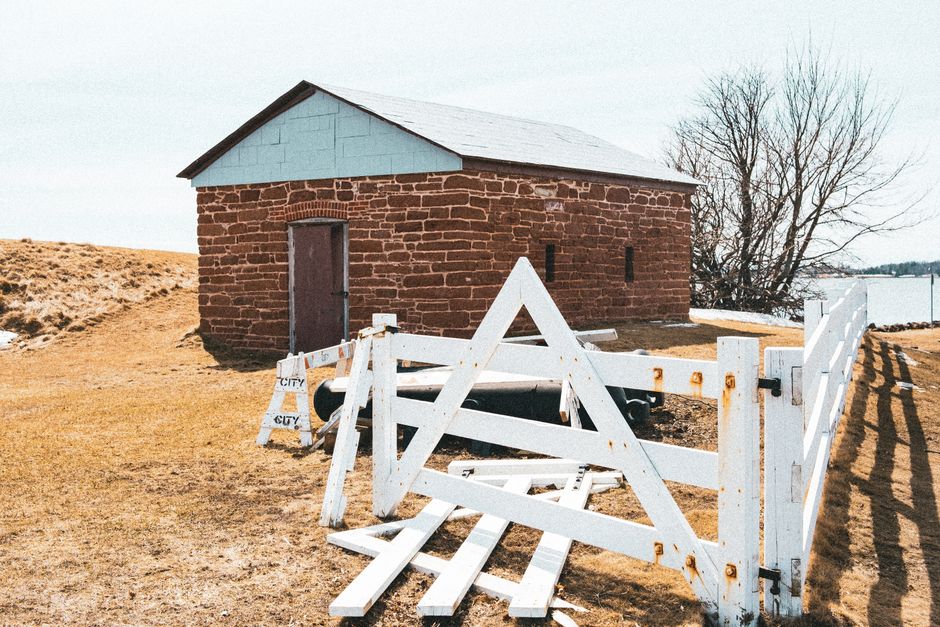
Grosse Île, Quebec, Canada
Thousands of Irish immigrants fleeing the Great Famine in the 1840s found their final resting place or a new beginning on this island in the St. Lawrence, shaping a forgotten aspect of Quebec's cultural mosaic.
Grosse Île served as Canada's primary quarantine station for over a century. During the peak of the Irish Famine in 1847, the island was overwhelmed, leading to immense suffering and thousands of deaths. The site now stands as a poignant memorial, not only to the Irish who perished but also to the medical staff and local habitants who risked their lives to help, highlighting an early instance of diverse cultures interacting on Quebec soil.
2. Manoir Papineau: A Rebel's Retreat
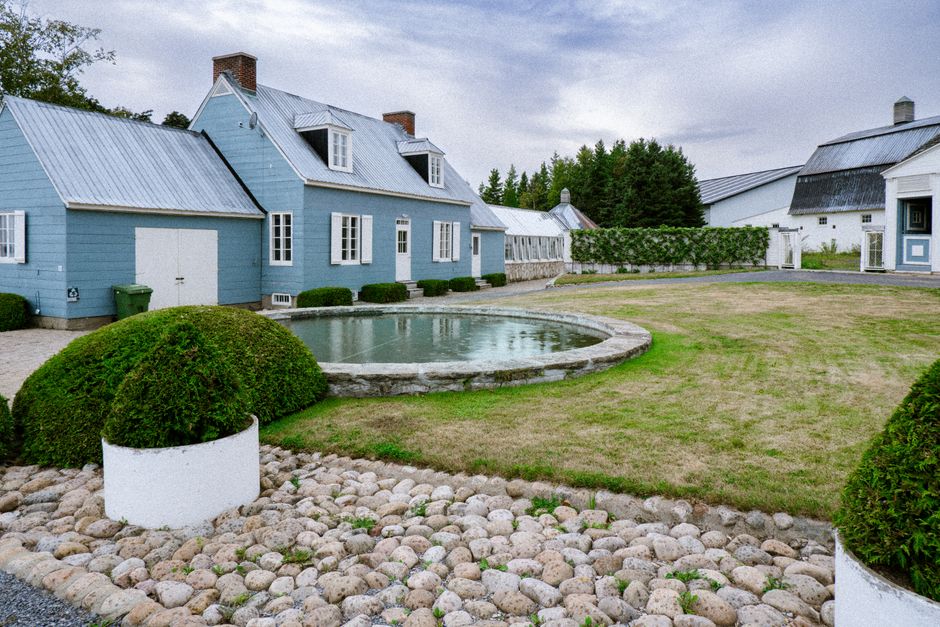
Montebello, Quebec, Canada
The grand estate of Louis-Joseph Papineau, a central figure in the 1837-38 Rebellions, stands as a testament to the political and cultural struggles that forged Quebec's distinct identity.
Louis-Joseph Papineau was a fiery orator and leader of the Patriotes, advocating for greater autonomy for French Canadians within British North America. His manor reflects the wealth and influence of the French-speaking elite, yet also the deep-seated grievances that led to armed conflict. Exploring his home offers a tangible connection to the intellectual and political ferment that shaped Quebec's self-perception and calls for self-determination.
3. Chemin du Roy: New France's First Highway
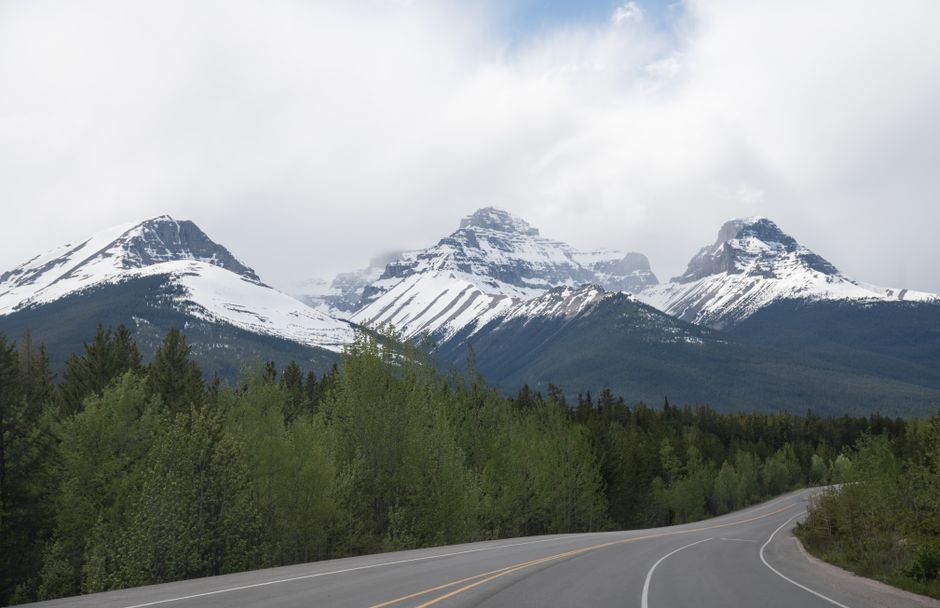
Between Montreal and Quebec City, Quebec, Canada
The Chemin du Roy, North America's first highway, was built in the 1730s to link Quebec's two main settlements, symbolizing the early French colonial ambition and the enduring connection between its foundational cities.
Predating Confederation by over a century, this historic route allowed for efficient communication and trade between Montreal and Quebec City. It winds through picturesque villages like Deschambault-Grondines and Neuville, many of which retain their 18th-century architecture and land divisions (rangs), offering a direct glimpse into the structured life of New France and the physical manifestation of its culture persisting through time.
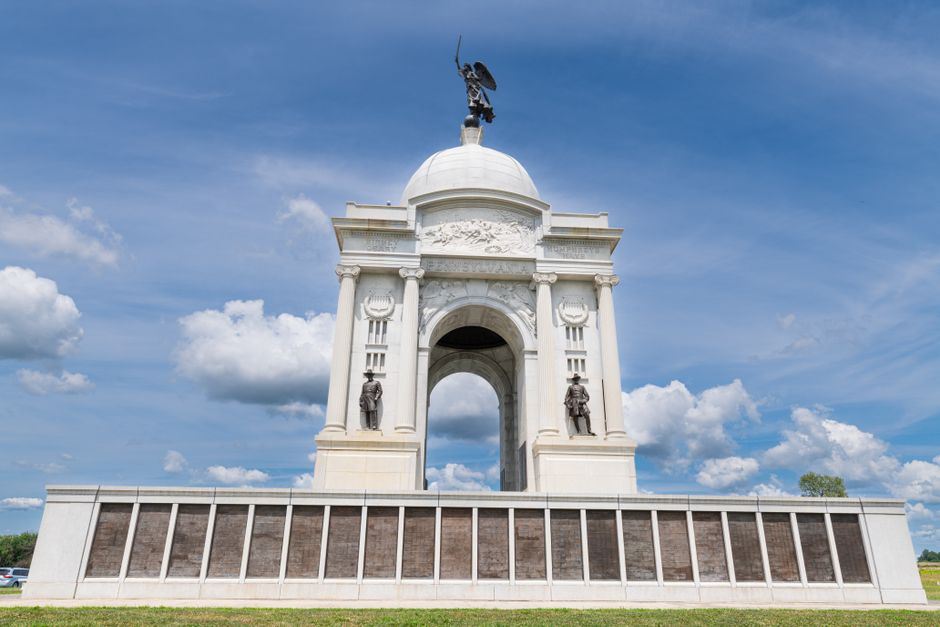
4. Battle of the Châteauguay: French-Canadian Valor
Howick, Quebec, Canada
In 1813, a small force of mostly French-Canadian militiamen famously repelled a much larger American invasion force at Châteauguay, a pivotal, often overlooked, moment in Canadian and Québécois military history.
This battle showcased the strategic prowess of Lieutenant Colonel Charles de Salaberry and the effectiveness of his largely French-speaking troops, many of whom were habitants defending their land. Their victory played a significant role in preventing the capture of Montreal during the War of 1812. It's a powerful reminder of the complex identity of French Canadians, who fought for British North America while preserving their own distinct cultural heritage.
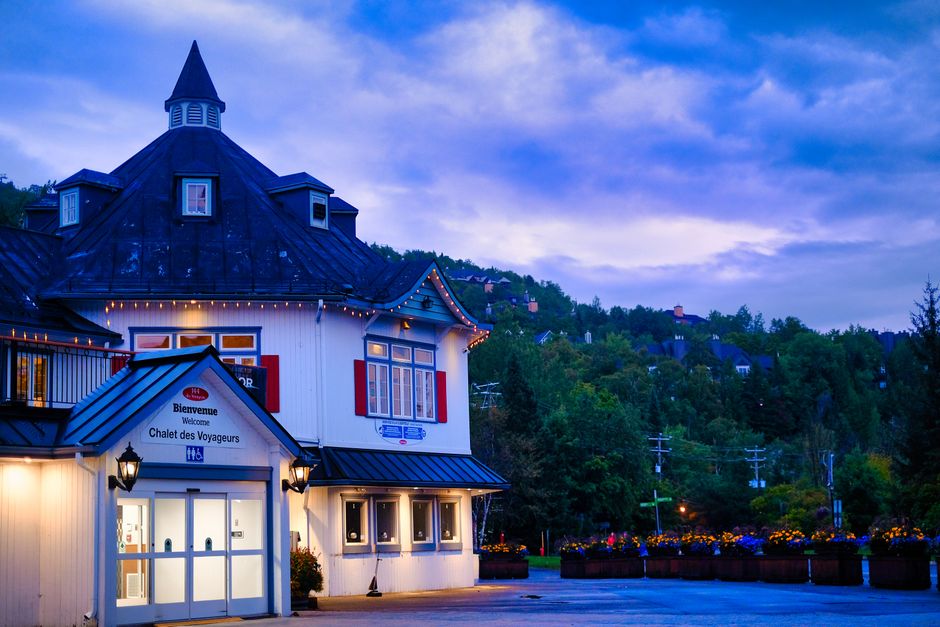
5. Village Québécois d'Antan: A Living History
Drummondville, Quebec, Canada
This living history village meticulously reconstructs 19th-century French-Canadian rural life, offering an immersive look at the daily routines, crafts, and architecture that shaped generations of Québécois.
More than just a collection of old buildings, the Village Québécois d'Antan brings to life the traditions, language, and resourcefulness of early Quebec settlers. Costumed interpreters demonstrate traditional trades like blacksmithing and weaving, while historic homes and farms reveal the resilience and communal spirit integral to the Québécois way of life before industrialization. It’s a tangible link to a past that profoundly influenced modern Quebec identity.
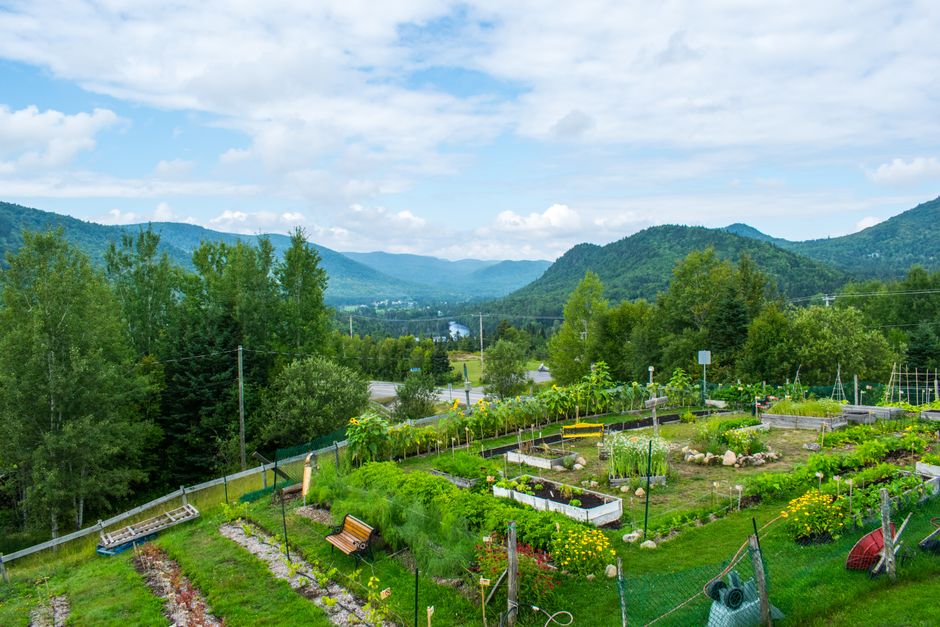
6. Domaine Joly-De Lotbinière: Aristocratic Roots
Sainte-Croix, Quebec, Canada
This sprawling 19th-century estate, home to one of Canada's oldest arboretums, reveals the refined European influences that coexisted with rural French-Canadian life along the St. Lawrence River.
The Joly-De Lotbinière family, prominent figures in Quebec's political and intellectual circles, cultivated this remarkable property for generations. The estate showcases both grand architecture and meticulously preserved natural landscapes, including rare tree species. It represents a layer of Quebec society where French and British influences mingled, contributing to a distinct regional gentry that, while separate from the habitant, still considered themselves rooted in Quebec.
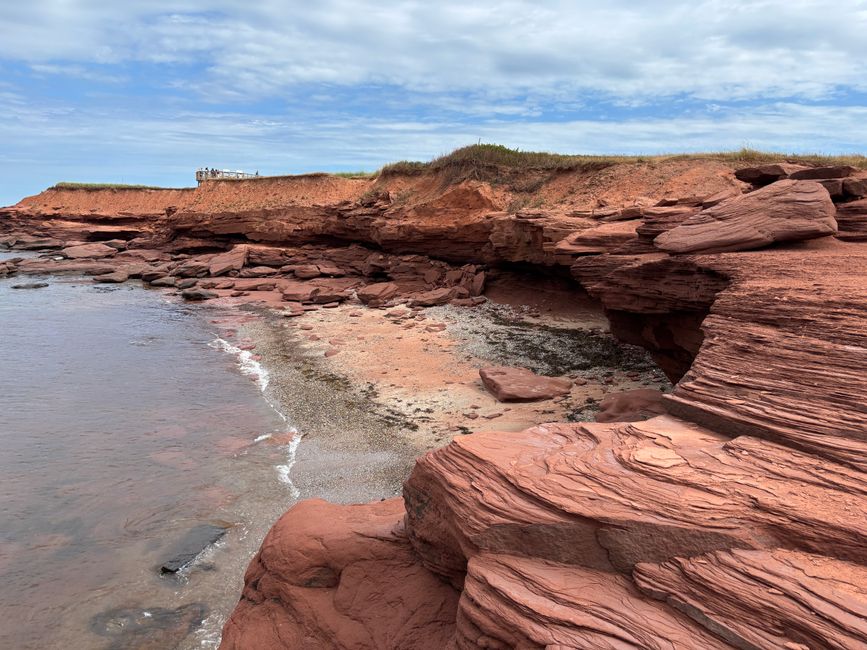
7. Magdalen Islands: Acadian Spirit
Magdalen Islands, Quebec, Canada
These remote, windswept islands in the Gulf of St. Lawrence boast a vibrant Acadian culture, unique red sandstone cliffs, and a distinct dialect forged by centuries of isolation and a deep connection to the sea.
Unlike mainland Quebec, the Magdalen Islands' population is largely descended from Acadians who fled British persecution. This history has fostered a tenacious identity, expressed through their specific French dialect, traditional music, and a strong maritime heritage. The islands' stunning geology, with its dramatic red cliffs and extensive dunes, further reinforces their isolated, self-reliant character, distinct even from other parts of Quebec.
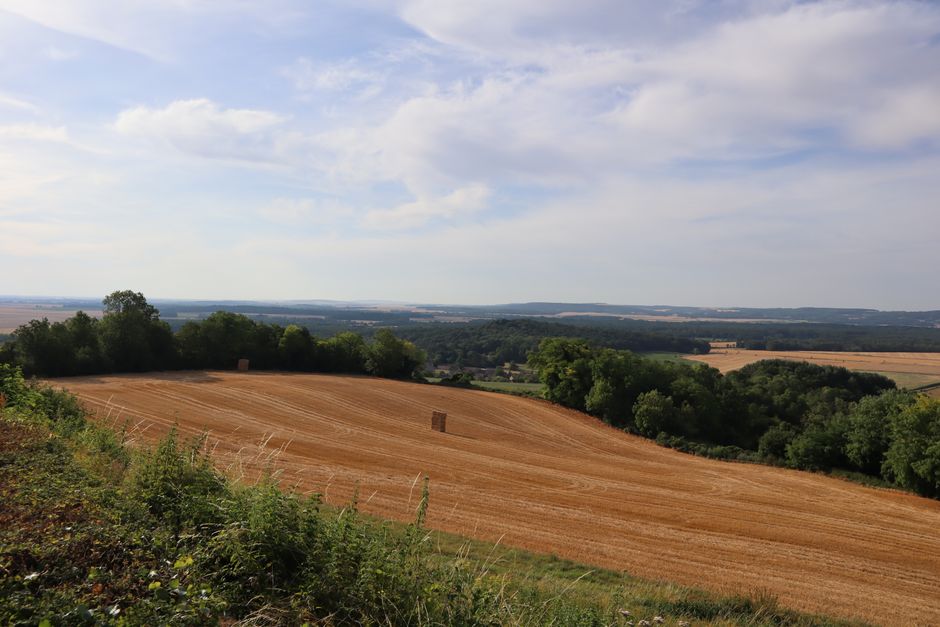
8. Île d'Orléans: Seigniorial Legacy
Île d'Orléans, Quebec, Canada
The enduring 'rang' system of land division on Île d'Orléans, where narrow strips of land stretch from the river, is a living relic of the French seigniorial system that profoundly shaped Quebec's agricultural landscape and social structure for centuries.
The seigniorial system, abolished only in 1854, granted vast tracts of land to seigneurs who then subdivided it among habitants. Île d'Orléans, a cradle of French civilization in North America, perfectly illustrates this legacy. Its unique long-lot farms allowed each family access to the river and fertile soil, fostering tight-knit communities and a deep connection to their ancestral land, a structure that reinforced French-Canadian identity against British common law.
Frequently asked questions
What is the primary difference between "Québécois" and "Canadien"?
"Canadien" generally refers to a citizen of Canada. "Québécois" specifically refers to a resident of Quebec, often emphasizing their distinct French-speaking culture, history, and a strong sense of national identity within Canada. While all Québécois are Canadians, not all Canadians are Québécois.
Is French the only language spoken in Quebec?
While French is the official language of Quebec and spoken by the vast majority, English is also widely spoken, especially in Montreal and other urban centers. Many Québécois are bilingual, and the province has vibrant Anglophone and Indigenous communities with their own languages.
What are some traditional Québécois dishes I should try?
Poutine, a dish of fries, cheese curds, and gravy, is a must-try. Other classics include Tourtière (meat pie), Pâté Chinois (shepherd's pie), and Cabane à Sucre (sugar shack) fare like maple taffy and pea soup, especially in spring.
How can AllTours.ai help me explore Quebec's unique identity?
AllTours.ai transforms your smartphone into a personal AI tour guide. Simply point your camera at any landmark, landscape, or historical site mentioned in this article or discovered on your own. The app will instantly narrate its history, geology, and culture in your language, bringing Quebec's stories to life as you explore.
Photography via Pexels. AllTours.ai is an AI audio tour guide — point your camera at any landscape and hear its story.