September 18, 2026 · 4 min read
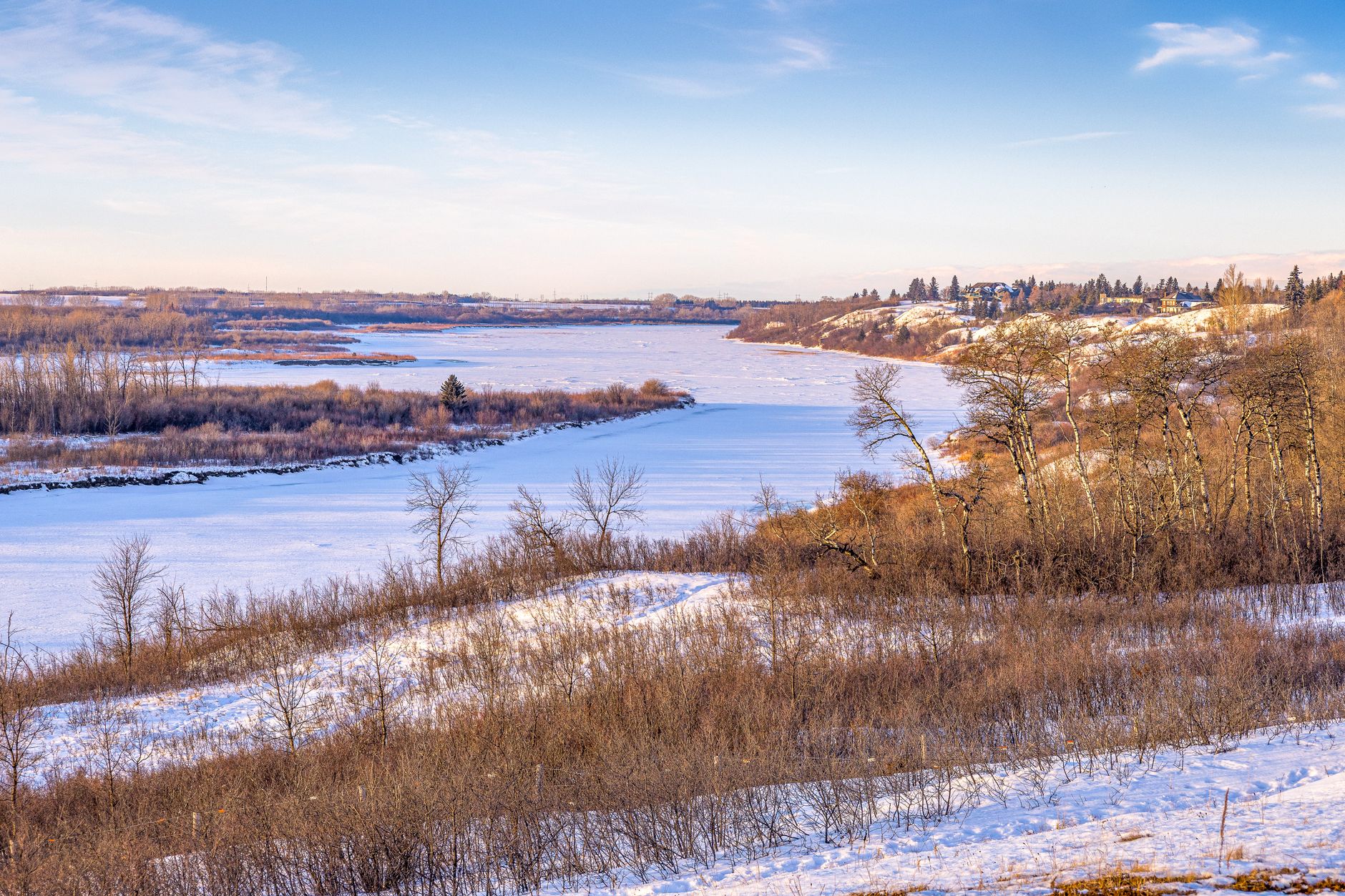
Canada: a land often synonymous with vast wilderness, friendly faces, and... extreme cold. So, why do so many European travelers brave the frost to explore its expansive landscapes, especially when the mercury plummets? The answer lies beyond the popular ski resorts and bustling city breaks, in a tapestry of unique natural phenomena, ancient histories, and cultural narratives that truly come alive in the chill.
These intrepid visitors aren't just seeking adventure; they're searching for stories etched into ancient rock, whispered by icy winds, and preserved in remote outposts. From geological wonders that expose our planet's very core to pre-Columbian settlements and ecosystems found nowhere else, Canada's lesser-known, colder destinations offer a depth of experience that transcends mere temperature.
1. The Earth's Exposed Mantle
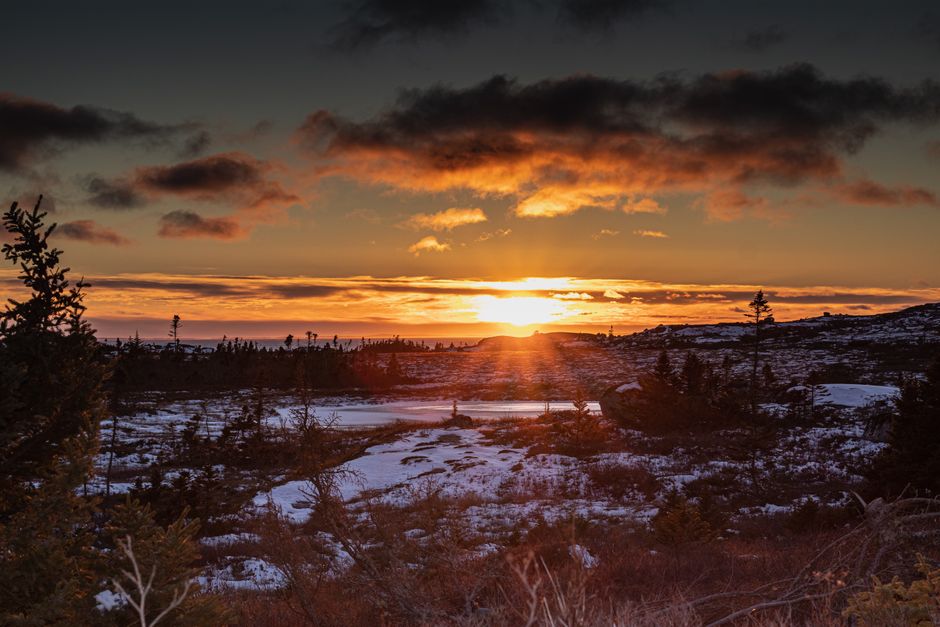
Gros Morne National Park, Newfoundland and Labrador, Canada
Walk on the exposed mantle of the Earth, a place where continents once ripped apart.
Gros Morne’s Tablelands are a UNESCO World Heritage site, famous for exposing the Earth's mantle – rock usually found deep beneath the crust. This barren, rust-coloured landscape of peridotite offers a stark contrast to Newfoundland's green forests. It's a geological anomaly, a testament to plate tectonics, showing the deep processes that shaped our planet.
2. Gold Rush Town on Shifting Ground
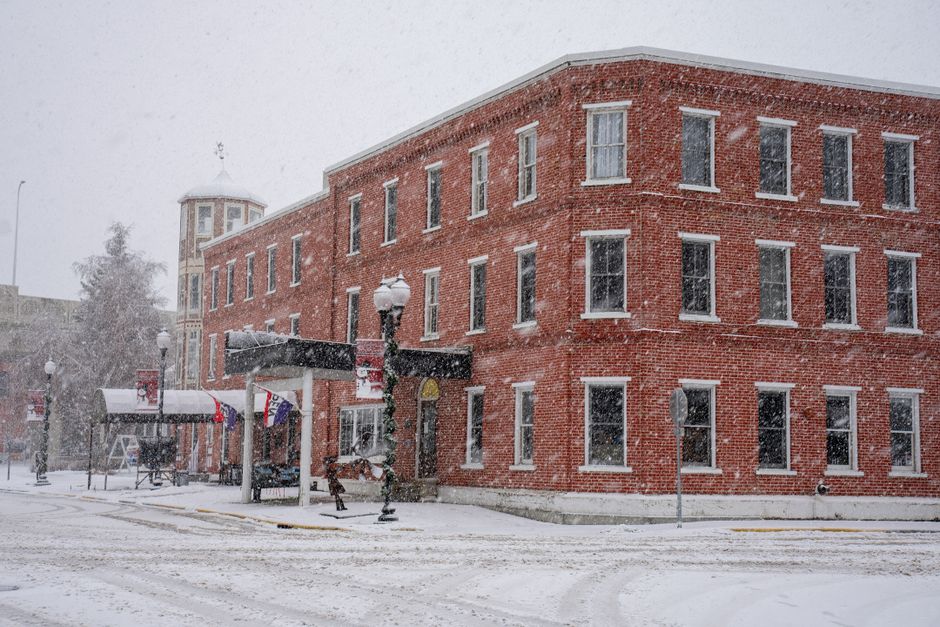
Dawson City, Yukon, Canada
Discover a frontier town where buildings 'walk' on permafrost and Gold Rush history is literally frozen in time.
Dawson City, legendary for the Klondike Gold Rush, is built directly on permafrost, a layer of permanently frozen ground. This unique foundation causes buildings to shift and sink over time, leading to a distinctive architectural style where structures lean precariously. This 'walking' architecture is a constant reminder of the town's struggle and adaptation to its extreme subarctic environment, preserving a raw slice of 19th-century history.
3. Giant Falls and Ancient Warm Springs
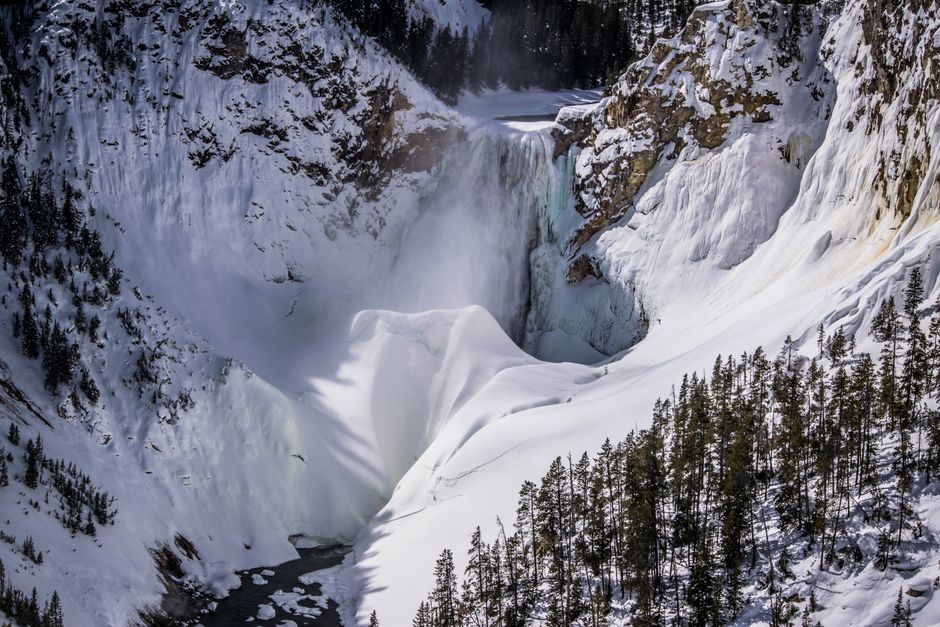
Nahanni National Park Reserve, Northwest Territories, Canada
Witness a waterfall twice the height of Niagara, hidden in a vast, ancient wilderness that also boasts warm, mineral-rich springs.
Deep within the Mackenzie Mountains lies Nahanni, a UNESCO World Heritage site known for its dramatic canyons and Náįlįcho (Virginia Falls). At 90 meters, it's a breathtaking spectacle. What's even more surprising are the hydrothermal tufa mounds, formed by mineral-rich warm springs bubbling up in this cold environment. These unique geological features support rare plants and are sacred to the Dene people, adding layers of natural and cultural wonder.
4. Underwater Shipwreck Graveyard
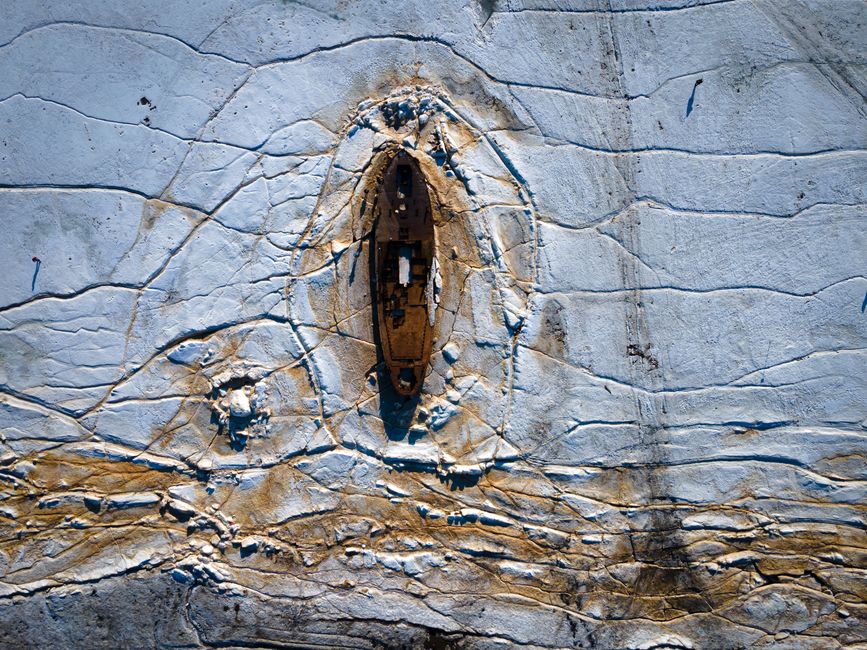
Fathom Five National Marine Park, Ontario, Canada
Explore 22 remarkably preserved shipwrecks in crystal-clear freshwater, visible even from the surface of Lake Huron.
Canada's first National Marine Park is a diver's paradise, but even non-divers can marvel at its submerged history. The cold, clear waters of Georgian Bay preserve wooden schooners and steamers dating back to the 19th century with incredible fidelity. This unique freshwater environment prevents marine borers from deteriorating the wrecks, offering a hauntingly beautiful glimpse into maritime past, easily viewed from glass-bottom boats or even a snorkel.
5. Beluga Whales and Northern Lights
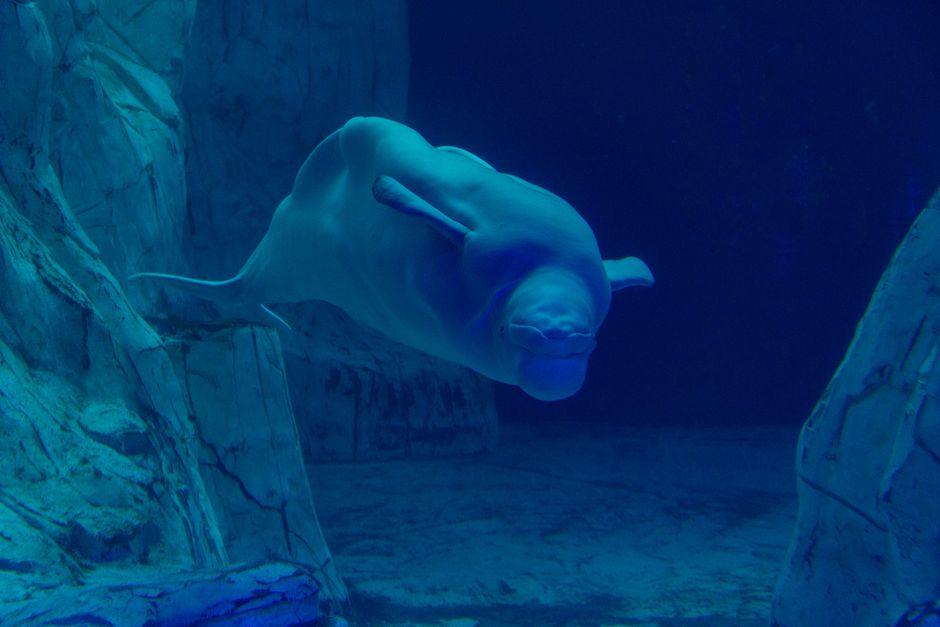
Churchill, Manitoba, Canada
Observe thousands of beluga whales gathering in a subarctic estuary, often under the ethereal glow of the Northern Lights.
Known as the "Polar Bear Capital of the World," Churchill offers more than just its iconic bears. In summer, over 50,000 beluga whales congregate in the Churchill River estuary, offering unparalleled viewing opportunities. When the cold sets in, the town transforms into one of the best places on Earth to witness the aurora borealis, with its minimal light pollution and northern latitude creating spectacular celestial displays.
6. Ancient Totems of the Rainforest Edge
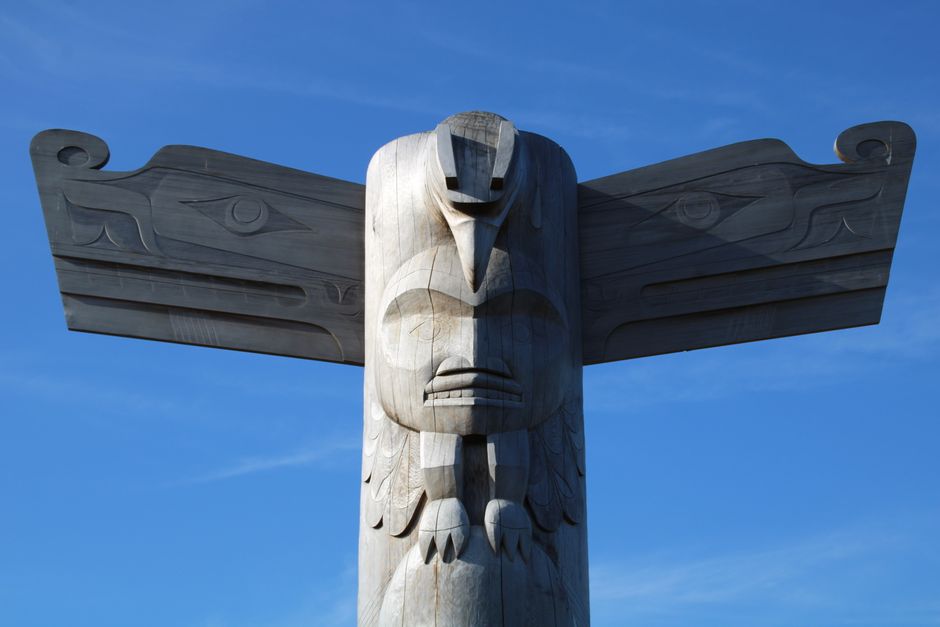
Haida Gwaii, British Columbia, Canada
Discover a remote archipelago where ancient totem poles stand sentinel over a temperate rainforest, telling stories thousands of years old.
Off the coast of British Columbia, Haida Gwaii is a mystical archipelago, home to the Haida Nation and a vibrant, ancient culture. The UNESCO World Heritage site of SGang Gwaay (Ninstints) features the largest collection of standing Haida totem poles in their original location, slowly returning to the earth amidst a lush temperate rainforest. These islands are a place where nature and culture are deeply intertwined, offering a profound sense of history and spiritual connection.
7. Arctic Desert in the Boreal Forest
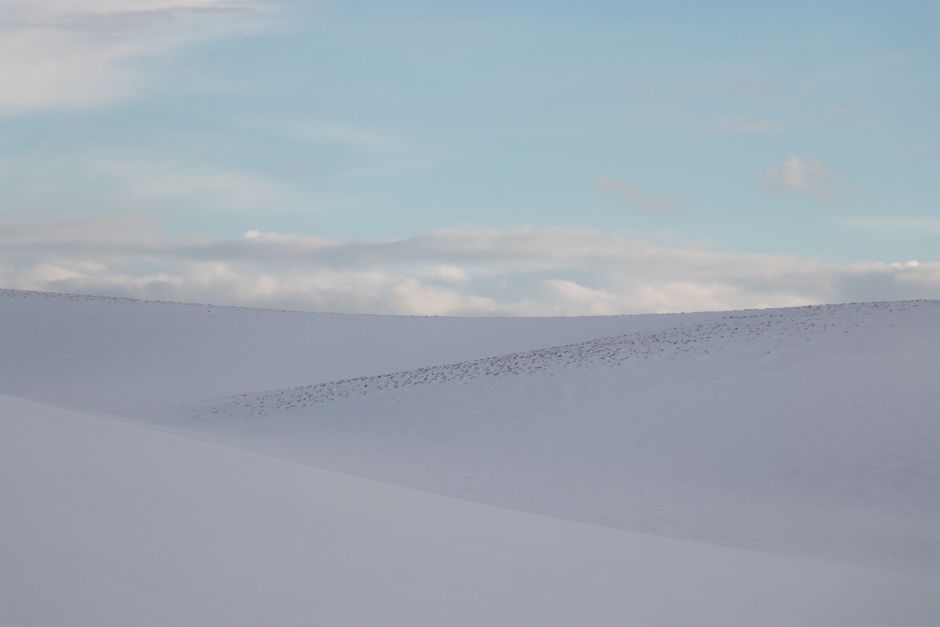
Athabasca Sand Dunes Provincial Park, Saskatchewan, Canada
Explore the world's most northerly active sand dunes, towering up to 30 meters high, nestled unexpectedly within Canada's boreal forest.
This incredibly remote provincial park in northern Saskatchewan presents a stark and surprising landscape: a vast system of active sand dunes stretching for 100 kilometers along the southern shore of Lake Athabasca. These dunes, some reaching three stories high, were formed by glacial meltwater depositing sand, which was then reshaped by strong winds. It's a unique desert-like ecosystem in a subarctic environment, only accessible by float plane, offering an unparalleled sense of wilderness.
8. Where Vikings Landed First
L'Anse aux Meadows National Historic Site, Newfoundland and Labrador, Canada
Walk the same ground as Vikings, who established North America's first verified European settlement 500 years before Columbus.
At the very northern tip of Newfoundland lies L'Anse aux Meadows, a UNESCO World Heritage site that rewrote history books. Here, archaeologists uncovered the only authenticated Norse settlement in North America, dating back to around 1000 AD. Reconstructed sod longhouses and artifacts offer a tangible link to Leif Erikson's sagas, proving the Vikings reached the New World centuries before other European explorers. It's a windswept, dramatic landscape where history feels incredibly close.
Frequently asked questions
What is the best time of year to visit Canada's cold regions?
While specific experiences vary, many cold regions offer unique attractions year-round. Winter provides opportunities for Northern Lights, ice festivals, and snow sports. Summer in subarctic areas allows for wildlife viewing like belugas and hiking without extreme cold, though the landscapes remain distinctly northern.
Is it safe to travel to remote, cold Canadian locations?
Yes, generally. However, remote travel requires thorough preparation. Always inform someone of your itinerary, carry appropriate gear for the conditions, and understand that amenities can be sparse. Many areas have well-established tour operators who specialize in safe, remote travel.
What kind of clothing should I pack for a cold Canadian trip?
Layering is key. Pack thermal base layers, insulating mid-layers (fleece or down), and a waterproof/windproof outer shell. Don't forget warm gloves, a hat that covers your ears, insulated waterproof boots, and wool socks. Hand warmers can also be a lifesaver.
How can AllTours.ai enhance my exploration of these unique Canadian sites?
AllTours.ai is your personal AI audio tour guide. Simply point your phone camera at a landmark or landscape, and the app will instantly narrate its history, geology, and cultural significance in your language. It’s perfect for uncovering the hidden stories of Canada’s lesser-known, colder destinations, bringing these vivid places to life as you explore.
Photography via Pexels. AllTours.ai is an AI audio tour guide — point your camera at any landscape and hear its story.