June 30, 2026 · 4 min read
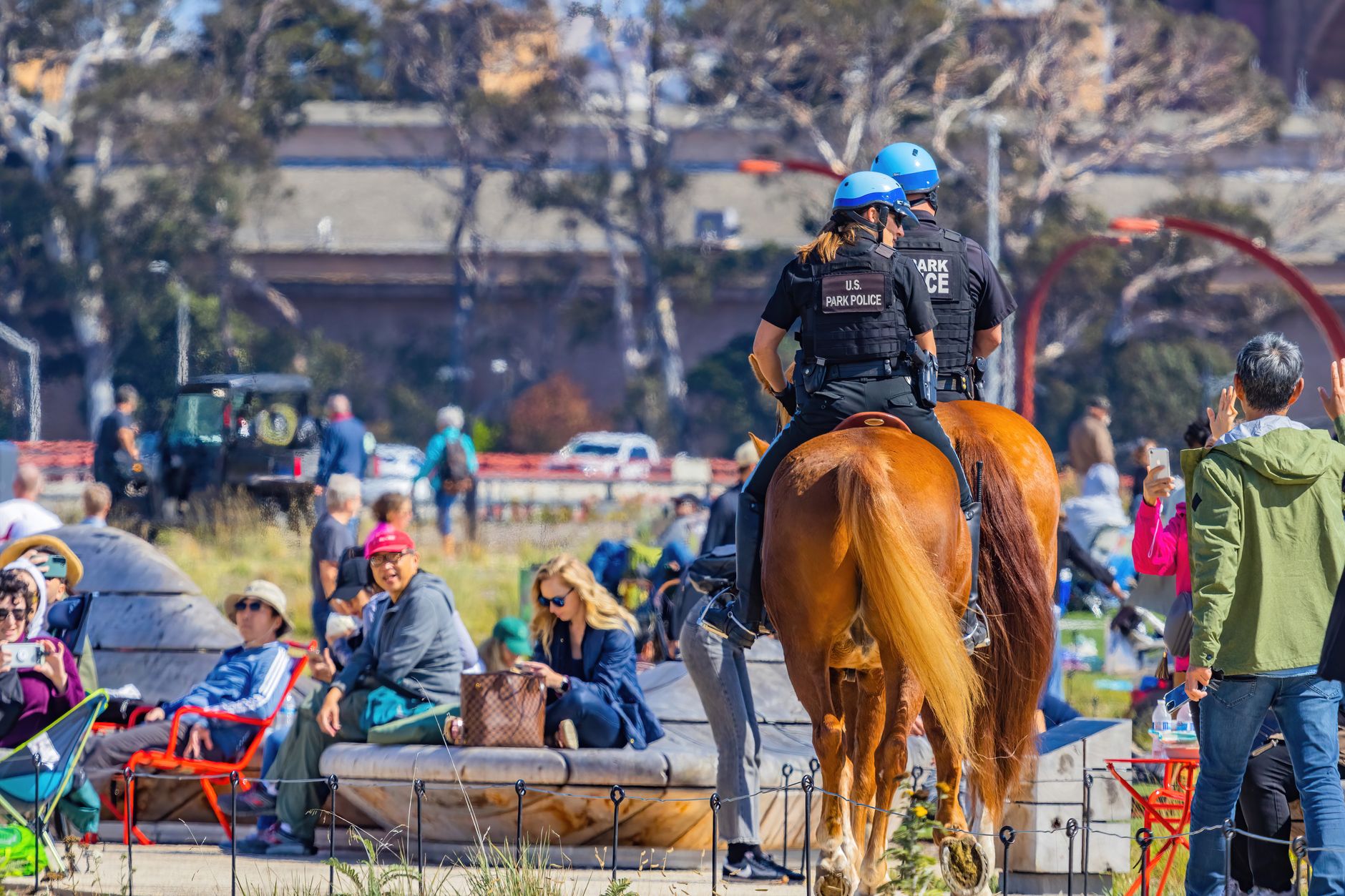
Canada's vastness isn't just a geographical reality; it's also reflected in its diverse approach to law enforcement. While the iconic red serge of the Royal Canadian Mounted Police (RCMP) is recognized globally, not every province relies on this federal force for its daily policing needs. In fact, some provinces operate their own distinct police forces, a decision rooted in history, regional identity, and the practicalities of governing a sprawling landscape.
This varied policing landscape isn't just a matter of policy; it's woven into the fabric of communities, influencing everything from local governance to the unique challenges faced by officers in remote outposts. Understanding why some Canadian provinces choose to have their own police force while others stick with the RCMP requires looking beyond federal mandates and delving into the specific stories of places, often far from the well-trodden tourist paths. Here's a look at how different policing models have shaped life in some of Canada's most compelling, and often overlooked, locales.
1. Val-Jalbert, Quebec: The Company Town's Own Law
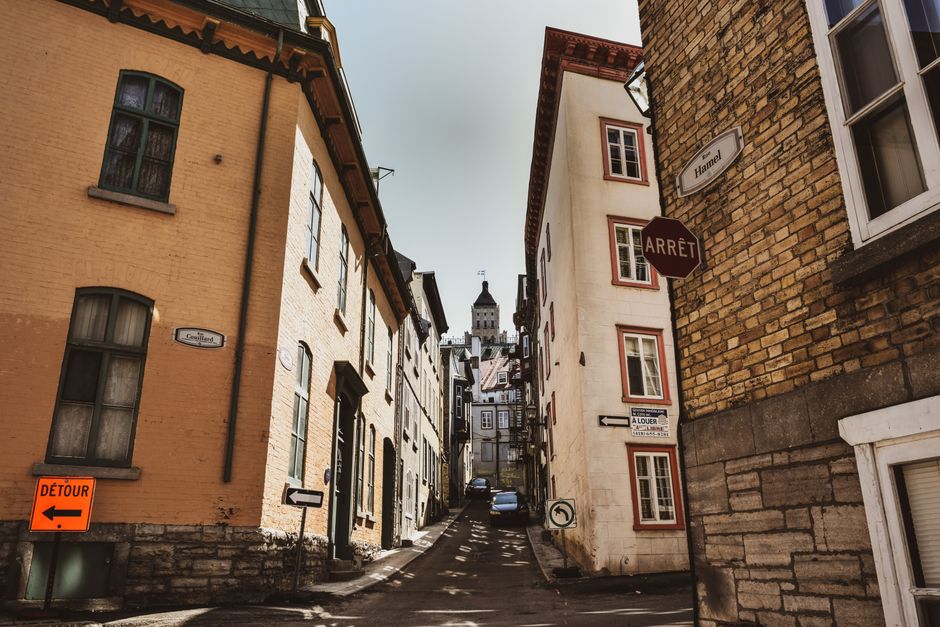
Val-Jalbert, Quebec, Canada
This historic ghost town once managed its own law and order before the Sûreté du Québec became the primary force.
In the early 20th century, Val-Jalbert was a thriving pulp mill company town, a self-contained world where the mill owner often dictated more than just wages. Policing was initially handled by company security, a common practice in industrial boomtowns. When the town ultimately declined and was abandoned, the surrounding region continued to be served by the Sûreté du Québec (SQ), Quebec's provincial police force, which steps in where municipal forces don't exist, providing a continuous presence even as communities evolve or disappear.
2. St. Joseph Island, Ontario: A Copper Rush Chaos
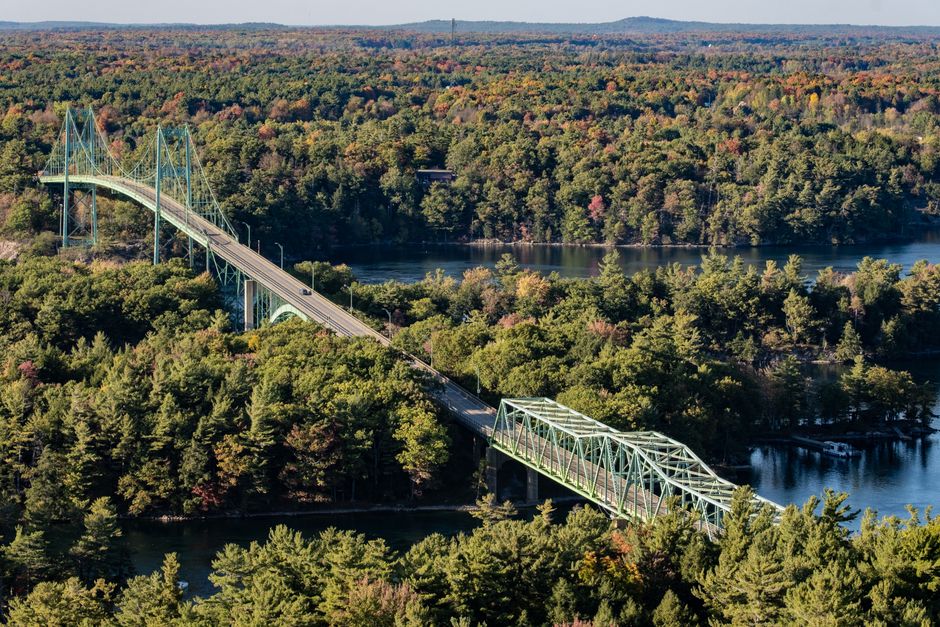
St. Joseph Island, Ontario, Canada
A little-known 1840s copper rush on this peaceful island brought a wave of lawlessness, testing early policing in Ontario.
Long before cottage country defined its image, St. Joseph Island saw a brief, chaotic copper rush in the mid-19th century. The sudden influx of prospectors led to disputes, thefts, and a general breakdown of order in what was then a remote frontier. This period highlighted the need for a provincial presence to enforce laws beyond local constables, laying groundwork for the Ontario Provincial Police (OPP) to eventually cover vast rural and unorganized territories, a model distinct from the RCMP's role in other provinces.
3. Barkerville, British Columbia: Gold Rush Justice
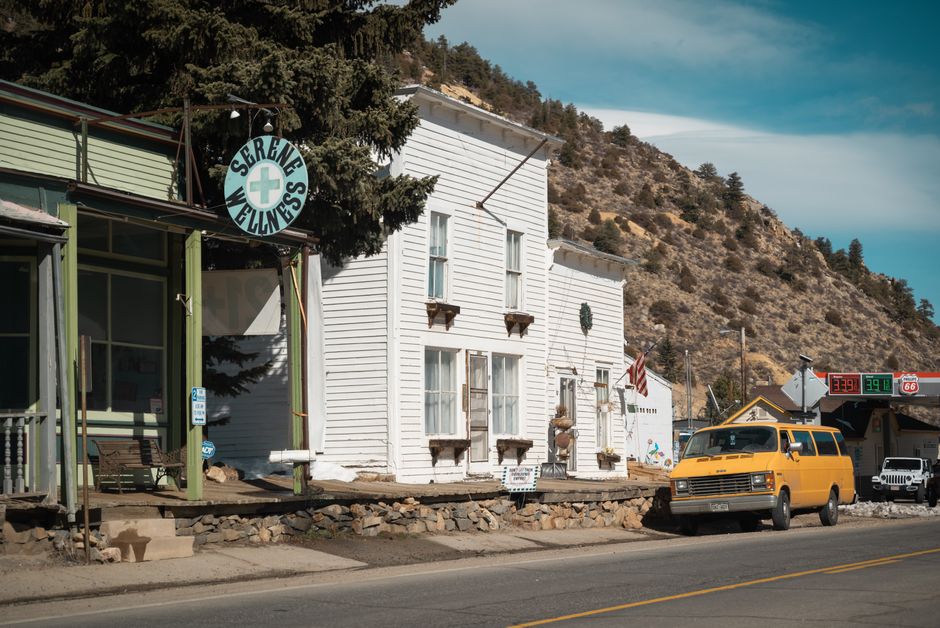
Barkerville Historic Town, British Columbia, Canada
This legendary gold rush town's claim of 'never having a jail' belies a complex early history of justice and evolving law enforcement.
Barkerville, at the heart of the Cariboo Gold Rush, is famously said to have never needed a jail, implying a self-regulating populace. While perhaps an exaggeration, the town did rely on magistrates and local constables. As the gold rush waned and the region stabilized, the North-West Mounted Police (NWMP), the precursor to the RCMP, established a presence. This demonstrates how policing in British Columbia, outside of major cities, eventually transitioned to the RCMP, a federal force providing provincial-level services.
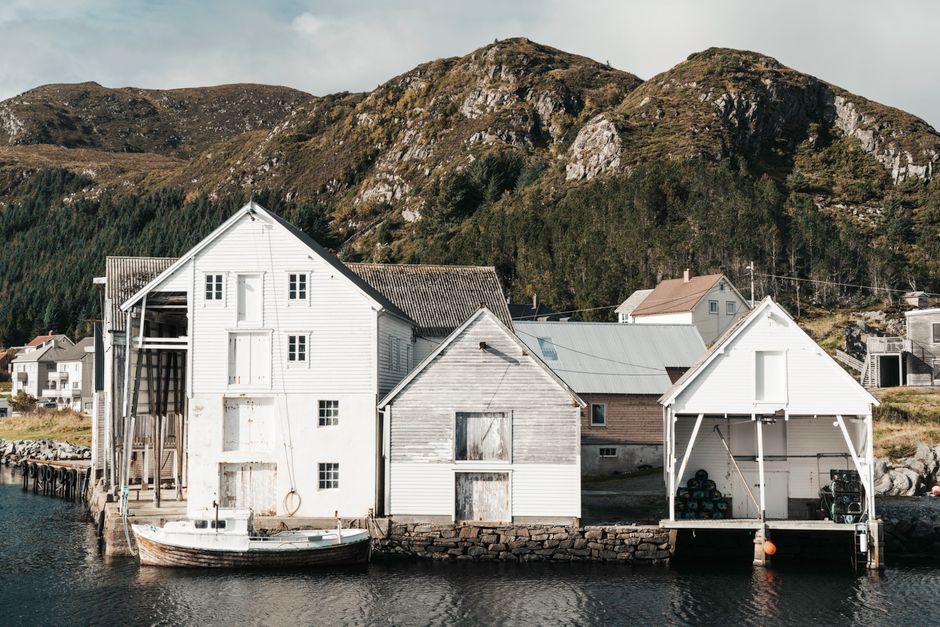
4. Battle Harbour, Newfoundland and Labrador: The RCMP's Lifeline Role
Battle Harbour, Newfoundland and Labrador, Canada
In this incredibly isolated Labrador outpost, the RCMP served as far more than just police for generations, embodying comprehensive community support.
Battle Harbour, a meticulously preserved fishing village on a remote Labrador island, illustrates the comprehensive role of the RCMP in areas where no provincial police force exists. For decades, the local RCMP detachment was often the sole government presence, handling everything from mail delivery and customs to search and rescue, and even basic administrative tasks for residents. Their multi-faceted duties highlight the benefits of a federal force providing a broad range of services in Canada's most distant communities.
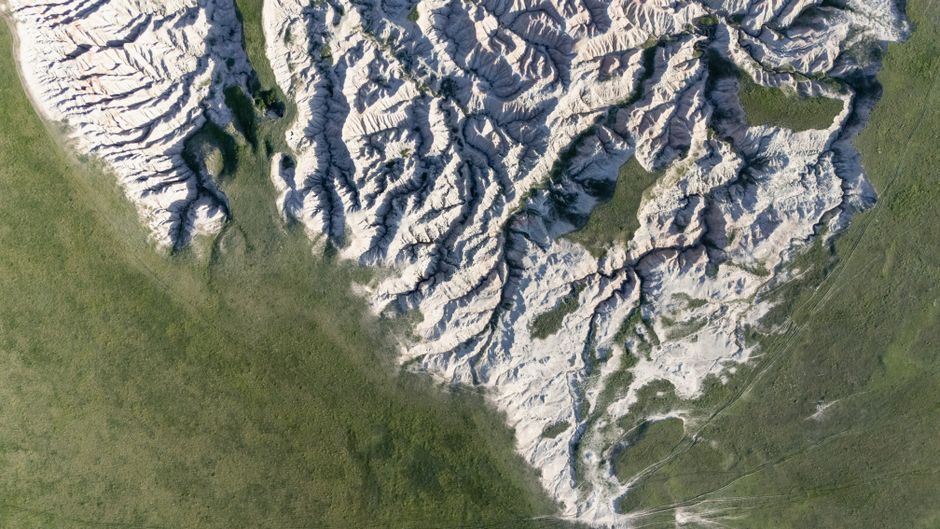
5. Big Muddy Badlands, Saskatchewan: Chasing Outlaws in the Labyrinth
Big Muddy Badlands, Saskatchewan, Canada
This labyrinth of coulees and hidden caves was a notorious hideout for outlaws, demanding unique strategies from early law enforcement.
The rugged terrain of the Big Muddy Badlands, with its intricate network of ravines and caves, made it a natural sanctuary for cattle rustlers and infamous figures like the Red River Rebellion fugitives in the late 19th century. Patrolling this vast, untamed territory was a monumental task for the North-West Mounted Police (NWMP). Their relentless pursuit of lawbreakers across these challenging landscapes established the foundation for the RCMP's enduring role in Saskatchewan, a province that continues to rely on the federal force for its provincial policing.
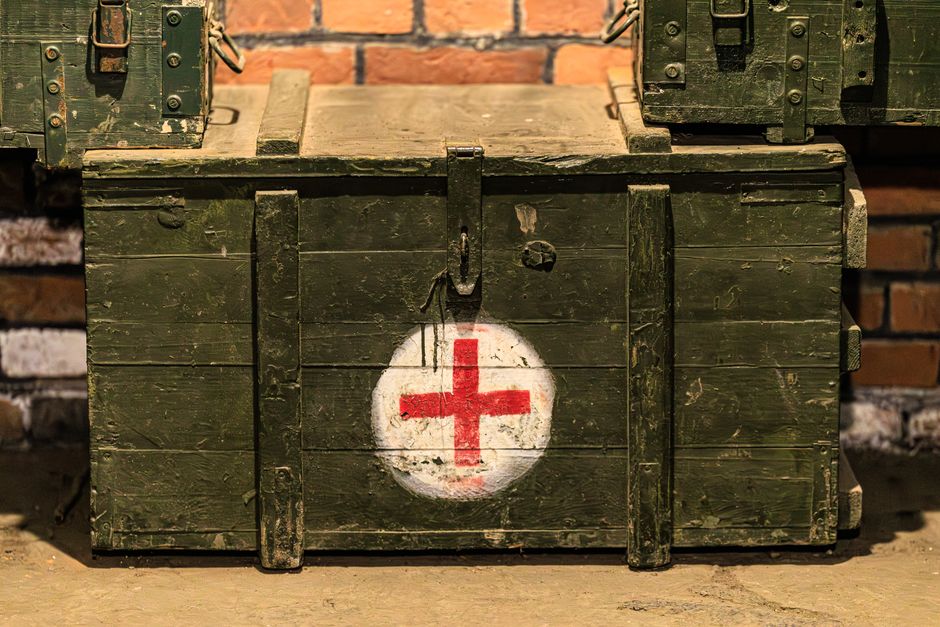
6. Fort Macleod, Alberta: The First Western Post
Fort Macleod, Alberta, Canada
The very first North-West Mounted Police post in the Canadian West was established here, not just to enforce laws, but to prevent one specific trade.
In 1874, Fort Macleod became the inaugural post for the newly formed North-West Mounted Police. Their primary mission wasn't initially to police a settled population, but to stamp out the illicit whisky trade that was devastating Indigenous communities and destabilizing the frontier. This strategic move asserted Canadian sovereignty and established order in the vast, unorganized territories. Fort Macleod's legacy underscores the foundational role of the NWMP, which evolved into the RCMP, in shaping law enforcement in Alberta, a province still policed by the federal force.

7. Churchill, Manitoba: The Bear Patrol
Churchill, Manitoba, Canada
In this remote Arctic port, the RCMP doesn't just deal with people, but also the unique challenge of 'bear patrol'.
Churchill, known as the 'Polar Bear Capital of the World,' presents law enforcement with challenges far beyond typical urban or rural policing. Here, the RCMP, which serves as the provincial police force for Manitoba's vast northern regions, works closely with conservation officers on 'bear patrol.' Their duties include deterring polar bears from entering town using non-lethal methods and managing the 'polar bear jail' for repeat offenders. This unique responsibility highlights the specialized, often unexpected, roles the RCMP performs in Canada's diverse and extreme environments.
Frequently asked questions
Why do some Canadian provinces have their own police forces while others use the RCMP?
The choice often stems from historical roots, provincial autonomy, and population density. Provinces like Ontario and Quebec established their own police forces (OPP and Sûreté du Québec) early on to manage their larger populations and distinct legal traditions. Other provinces, particularly those in the West and Atlantic regions, opted to contract the federal RCMP for provincial policing services, often due to cost-effectiveness or the RCMP's established presence in frontier development.
What are the benefits of a province having its own police force?
Provinces with their own police forces, like Ontario and Quebec, can tailor their policing strategies more directly to provincial laws, specific regional needs, and cultural contexts. This can lead to more integrated provincial justice systems and direct oversight by the provincial government, allowing for greater responsiveness to local priorities and policy changes.
What are the benefits of a province using the RCMP for policing?
Using the RCMP offers several advantages, including cost savings through federal subsidization and access to a national infrastructure for specialized services like forensics, intelligence, and major crime units. The RCMP also provides a consistent level of service across vast, remote areas where establishing independent provincial forces might be impractical or too costly, often acting as a single, comprehensive government presence in isolated communities.
How can AllTours.ai help me explore these unique Canadian places?
AllTours.ai enhances your travel experience by providing rich, contextual audio narratives for the places you visit. Simply point your phone camera at a landmark or landscape – whether it's a historic fort, a remote village, or even a badlands formation – and the app will narrate its history, geology, and culture in your preferred language, bringing these lesser-known Canadian stories to life.
Photography via Pexels. AllTours.ai is an AI audio tour guide — point your camera at any landscape and hear its story.