September 20, 2026 · 4 min read
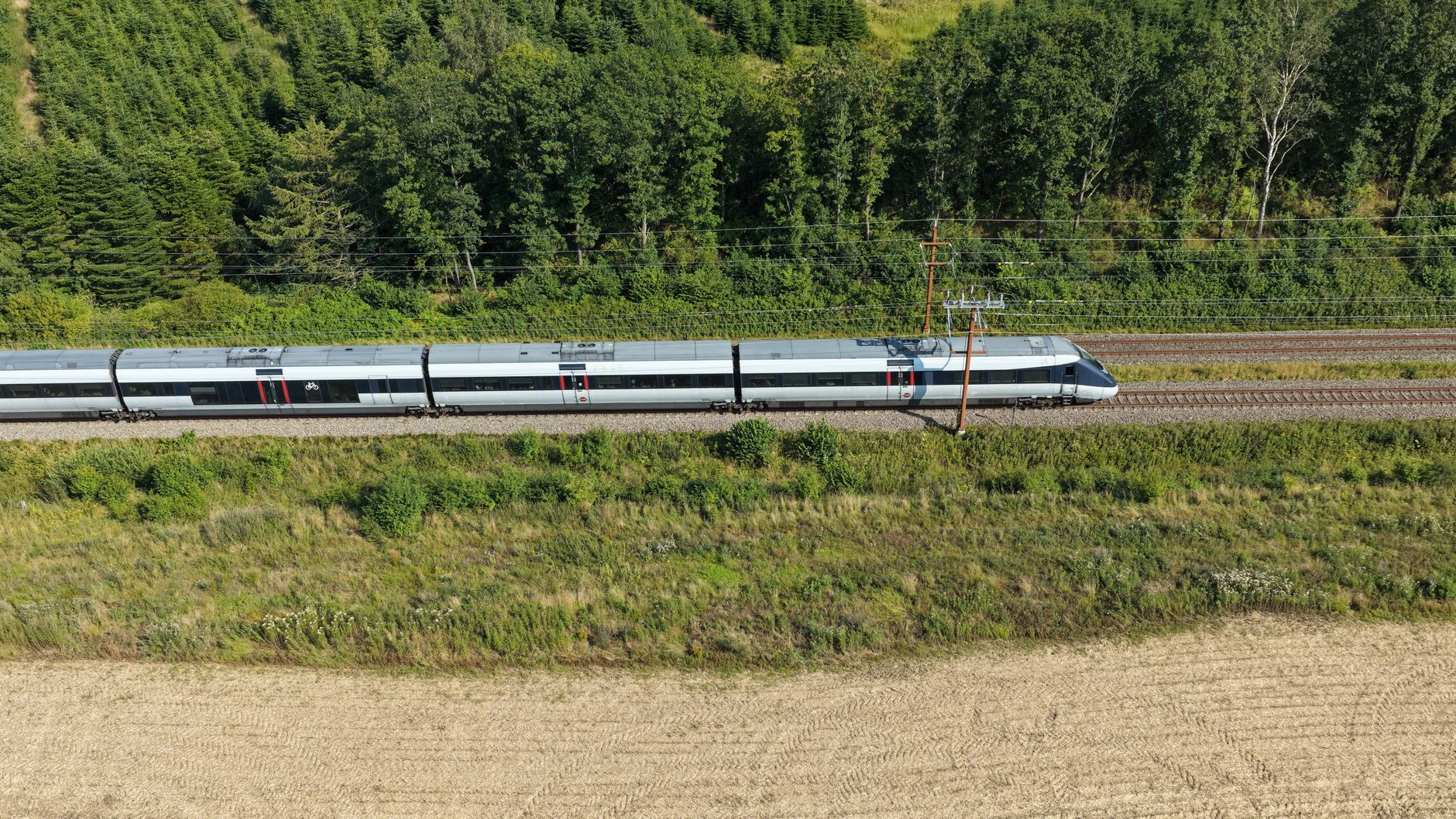
The journey between Montreal and Toronto by train is a cornerstone of Canadian travel, connecting two of the country's most dynamic cities. Yet, a persistent myth suggests this trip can stretch to a tedious 10 hours, a notion that puzzles many modern travelers accustomed to efficient rail services.
While older routes or specific local services might have once taken longer, today's high-speed corridor trains make the journey significantly quicker. But to focus solely on speed is to miss the true richness of the route: a landscape woven with astonishing, often overlooked, stories of history, geology, and culture. The real question isn't how long it takes, but how much you miss by not looking closer.
1. The Submerged Settlements of the Seaway
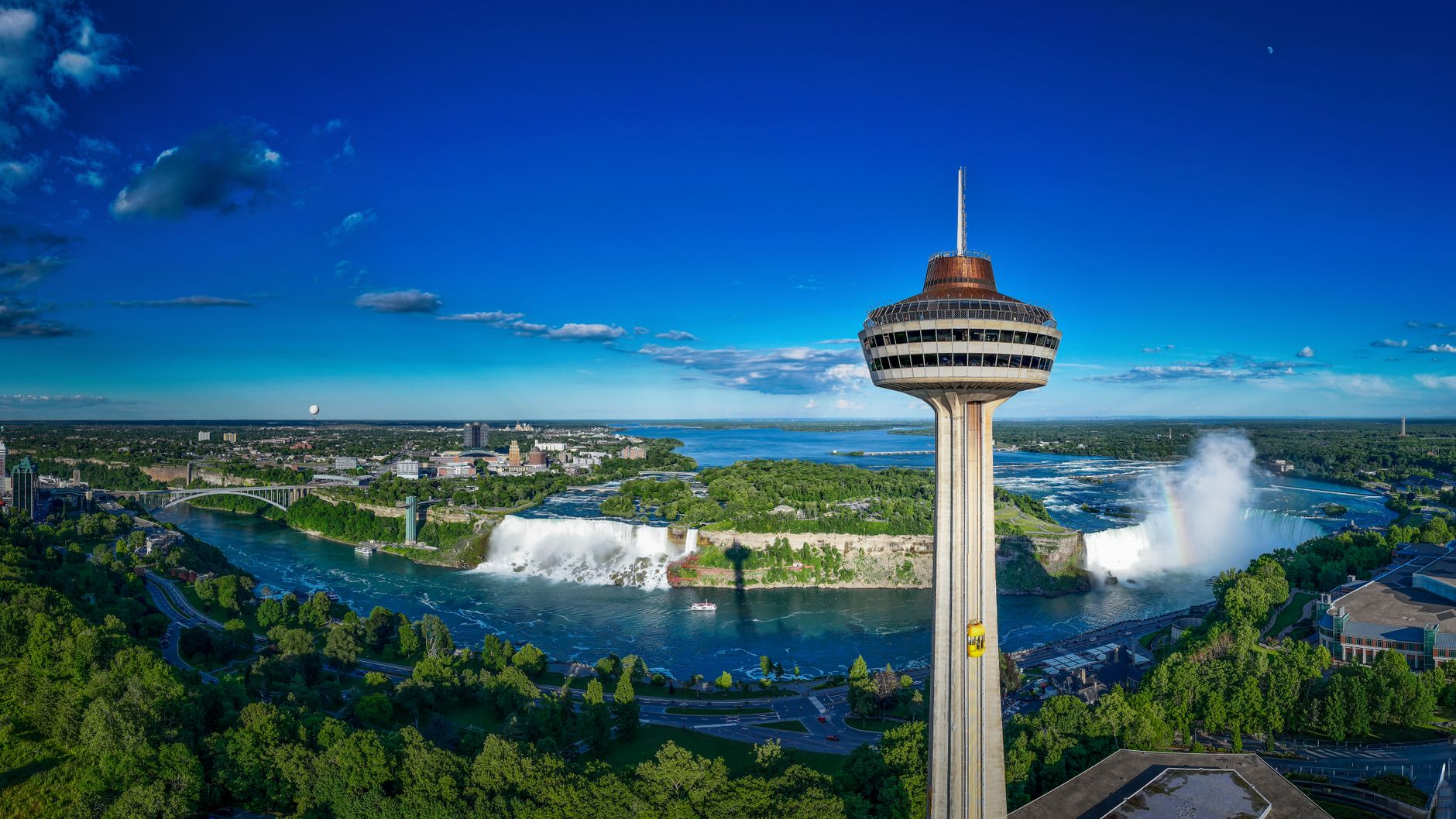
The Lost Villages, near Cornwall, Ontario, Canada
Entire communities were deliberately flooded in the 1950s to create the St. Lawrence Seaway.
In the 1950s, the monumental St. Lawrence Seaway project required the displacement of over 6,500 people and the permanent submergence of eight villages, three hamlets, and parts of two towns. These 'Lost Villages' – including Aultsville, Farran's Point, and Dickinson's Landing – vanished beneath the rising waters, their residents relocated and their homes either moved or demolished. Today, their memory persists in museums like Upper Canada Village, built partly from salvaged structures, and in the eerie tranquility of the river above.
2. Lake on the Mountain: Nature's Mystery
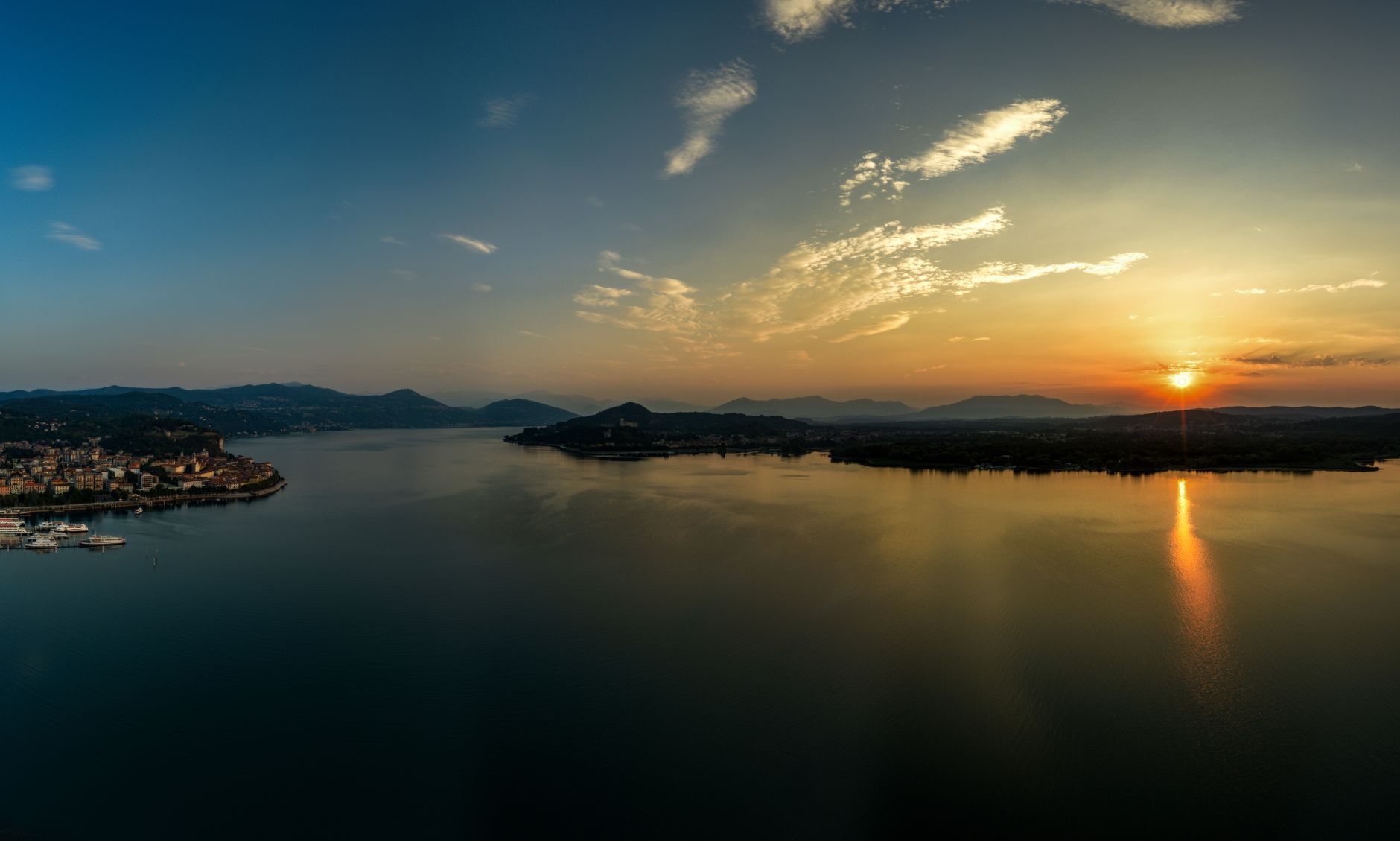
Glenora, Prince Edward County, Ontario, Canada
A freshwater lake sits 200 feet above the Bay of Quinte, with no visible source or inlet.
Perched improbably atop a cliff overlooking the vast Bay of Quinte, Lake on the Mountain has puzzled geologists and Indigenous peoples for centuries. This natural anomaly maintains a constant flow of fresh, clear water despite having no apparent rivers or streams feeding it. Local Haudenosaunee legends describe it as the 'Lake of the Gods,' a sacred place where spirits resided, while scientific theories grapple with its mysterious subterranean origins. Its serene beauty makes for a striking contrast with the dramatic drop-off to the bay below.
3. Fort Wellington: A Star-Shaped Defender
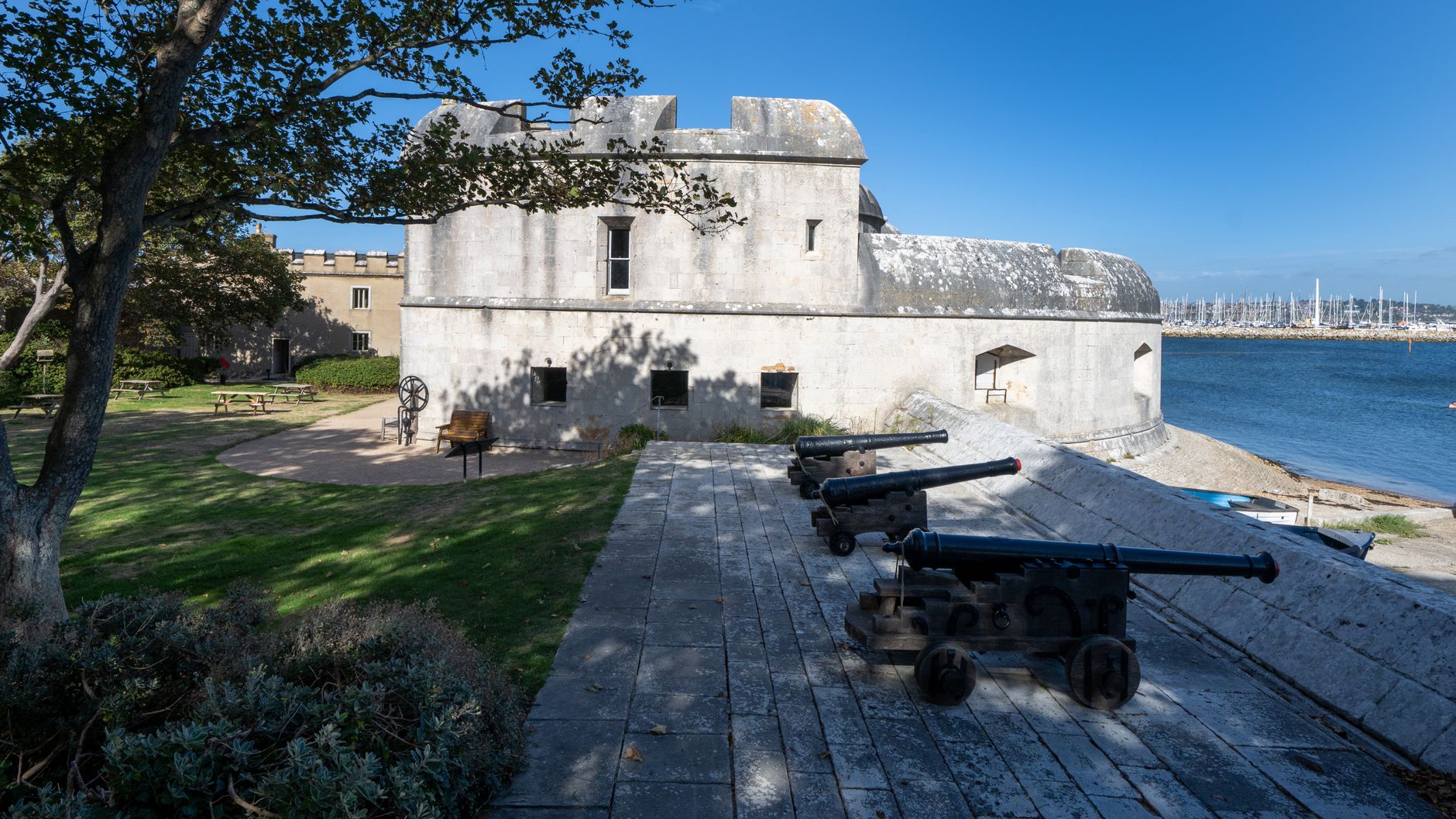
Prescott, Ontario, Canada
This unique star-shaped fort was built to protect against American invasion after the War of 1812.
Standing sentinel on the St. Lawrence River, Fort Wellington is one of Canada's best-preserved examples of an early 19th-century British military post. Its distinctive star shape, designed to maximize defensive angles and minimize blind spots, made it a formidable obstacle. Though largely built after the War of 1812, it served as a vital strategic point for decades, guarding the crucial supply route of the St. Lawrence and housing troops ready for any renewed conflict. Today, visitors can explore its barracks, blockhouse, and earthworks, stepping back into a tense chapter of Canadian history.
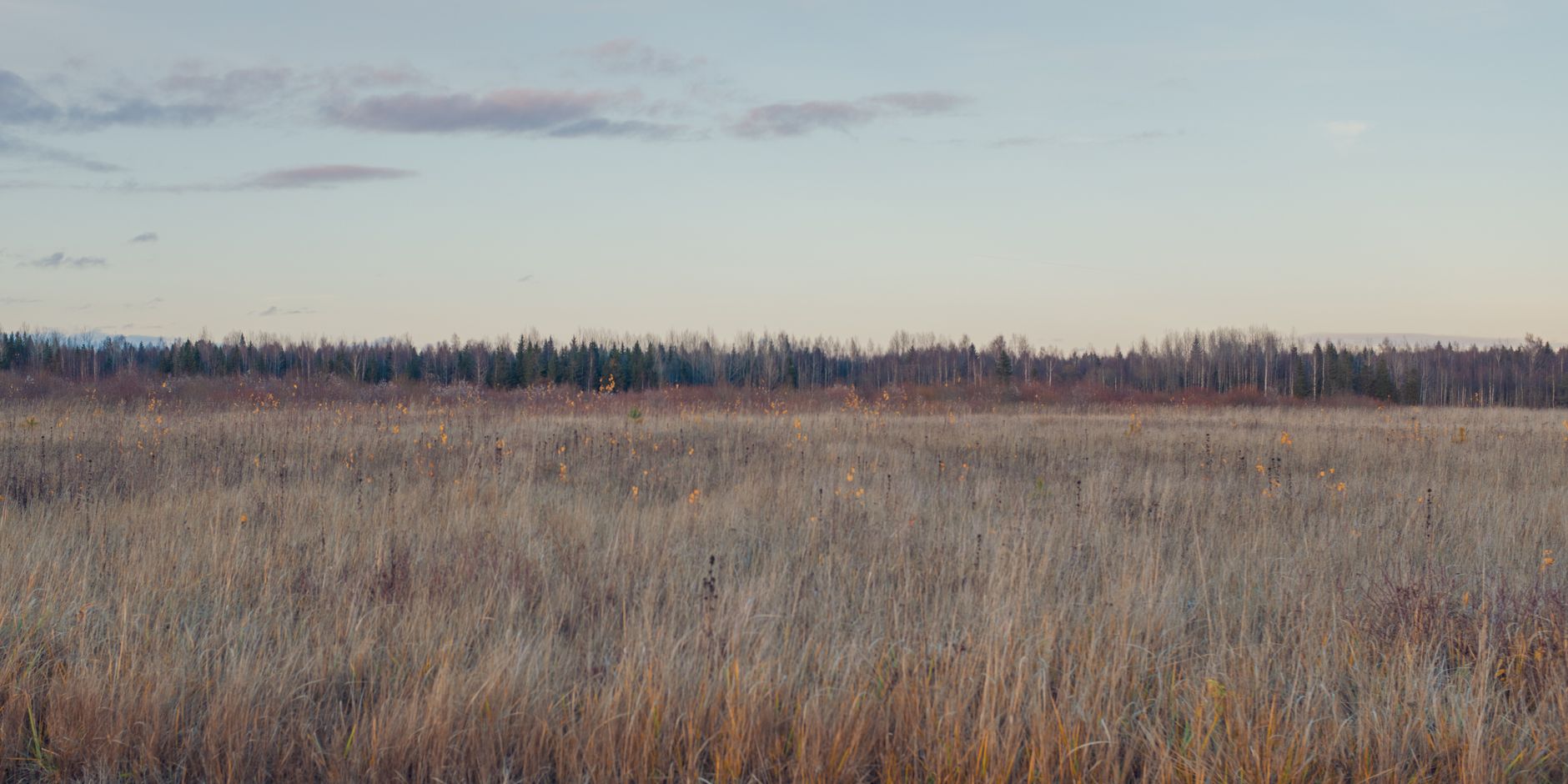
4. Tyendinaga Mohawk Territory: A Nation's Enduring Spirit
Near Belleville, Ontario, Canada
This land was granted to Mohawk Loyalists after the American Revolution, establishing a sovereign nation within Canada.
The Tyendinaga Mohawk Territory, located on the northern shore of the Bay of Quinte, is the largest Mohawk community in Ontario. Its establishment dates back to 1784, when loyalist Mohawks, led by Captain John Deseronto, were granted land by the British Crown for their service during the American Revolution. This act established a self-governing nation that has maintained its language, culture, and traditions for centuries. The territory is a vibrant hub of Mohawk identity, reflecting a profound connection to the land and a resilient history of self-determination.
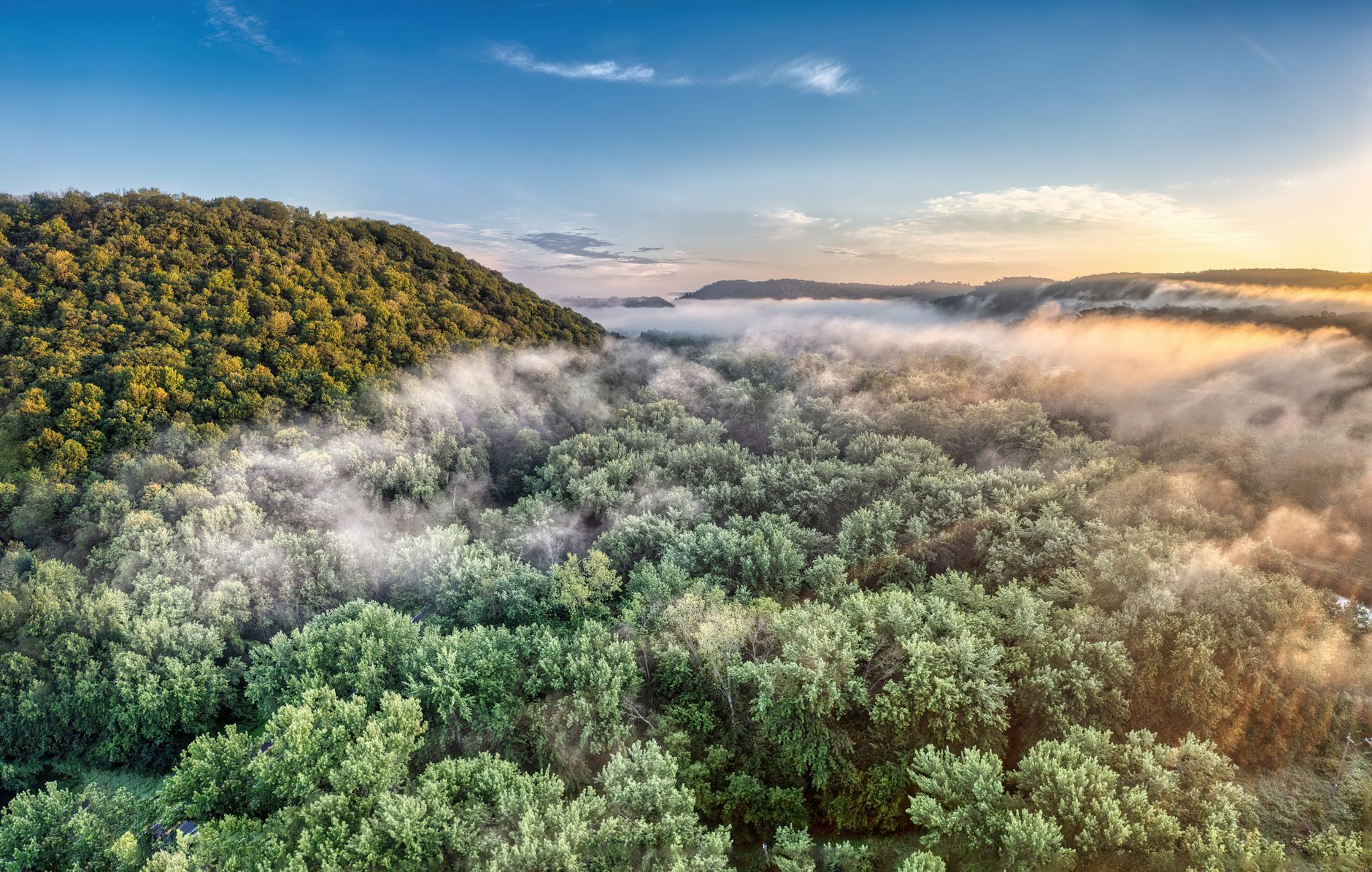
5. The Frontenac Arch: Ancient Earth's Backbone
Kingston / Gananoque region, Ontario, Canada
This ancient geological ridge is the only place where the Canadian Shield connects to the Adirondack Mountains.
The Frontenac Arch is a remarkable geological formation, a billion-year-old granite bridge that links the Canadian Shield to the Adirondack Mountains in New York. This narrow corridor of exposed Precambrian rock creates a unique ecological crossroads, allowing species from both northern and southern ecosystems to thrive. Designated a UNESCO Biosphere Reserve, its rugged landscape of forests, wetlands, and thousands of islands in the St. Lawrence River supports an incredible diversity of life, a testament to the Earth's deep history.
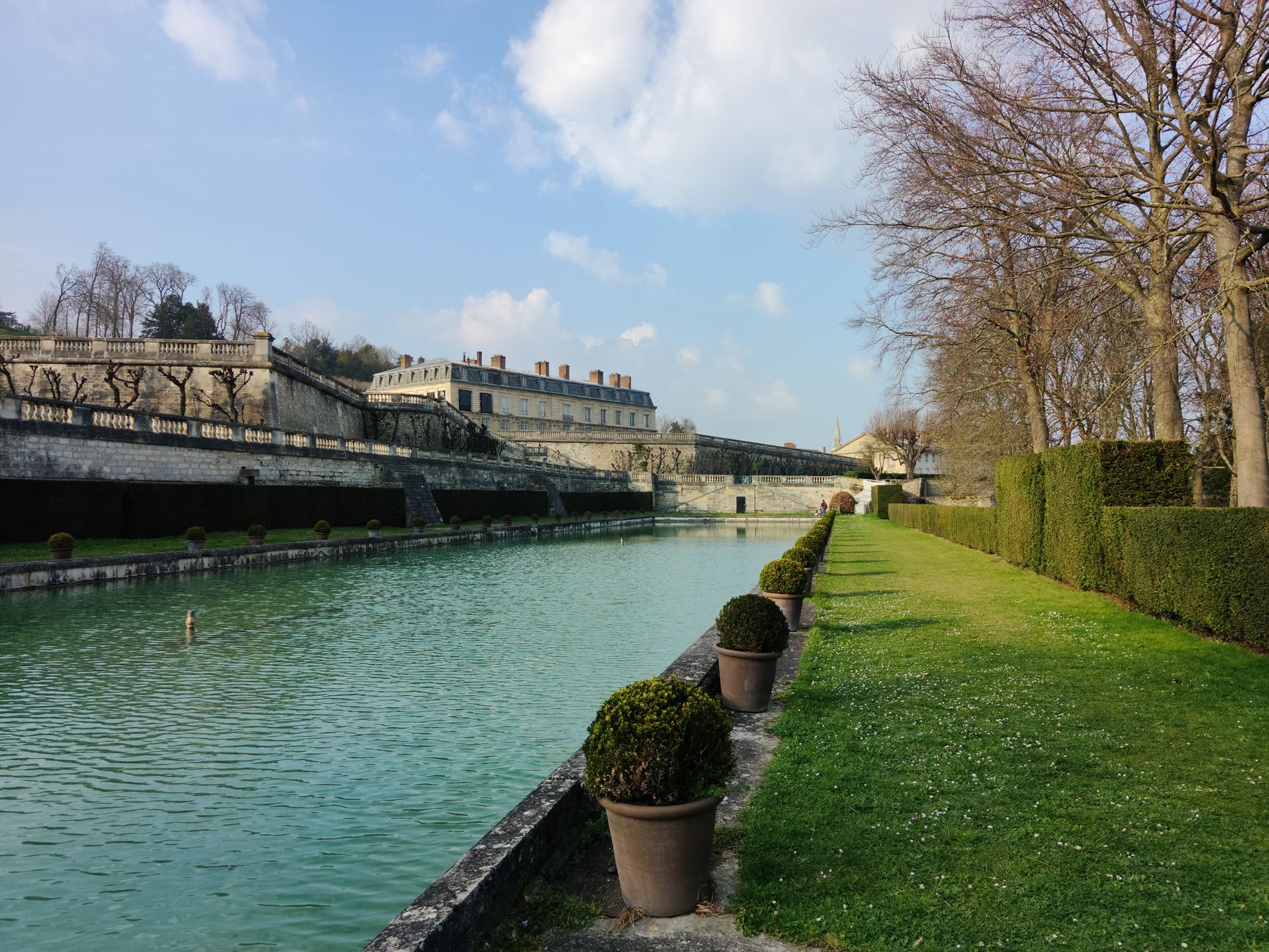
6. Sainte-Anne-de-Bellevue Canal: Historic Gateway
Sainte-Anne-de-Bellevue, Quebec, Canada
This canal, established in 1843, was a crucial lock connecting the Ottawa River to the St. Lawrence, facilitating trade and travel.
While often overshadowed by larger canals, the Sainte-Anne-de-Bellevue Canal played a vital role in Canada's early transportation network. Situated at the western tip of Montreal Island, it provided the essential link between the Ottawa River and Lake Saint-Louis on the St. Lawrence River. Before its construction, travelers and merchants faced treacherous rapids. The canal's lock allowed for safe passage, opening up trade routes deeper into the interior and becoming a bustling hub of activity. Today, it remains a charming and operational historic site, popular with recreational boaters.
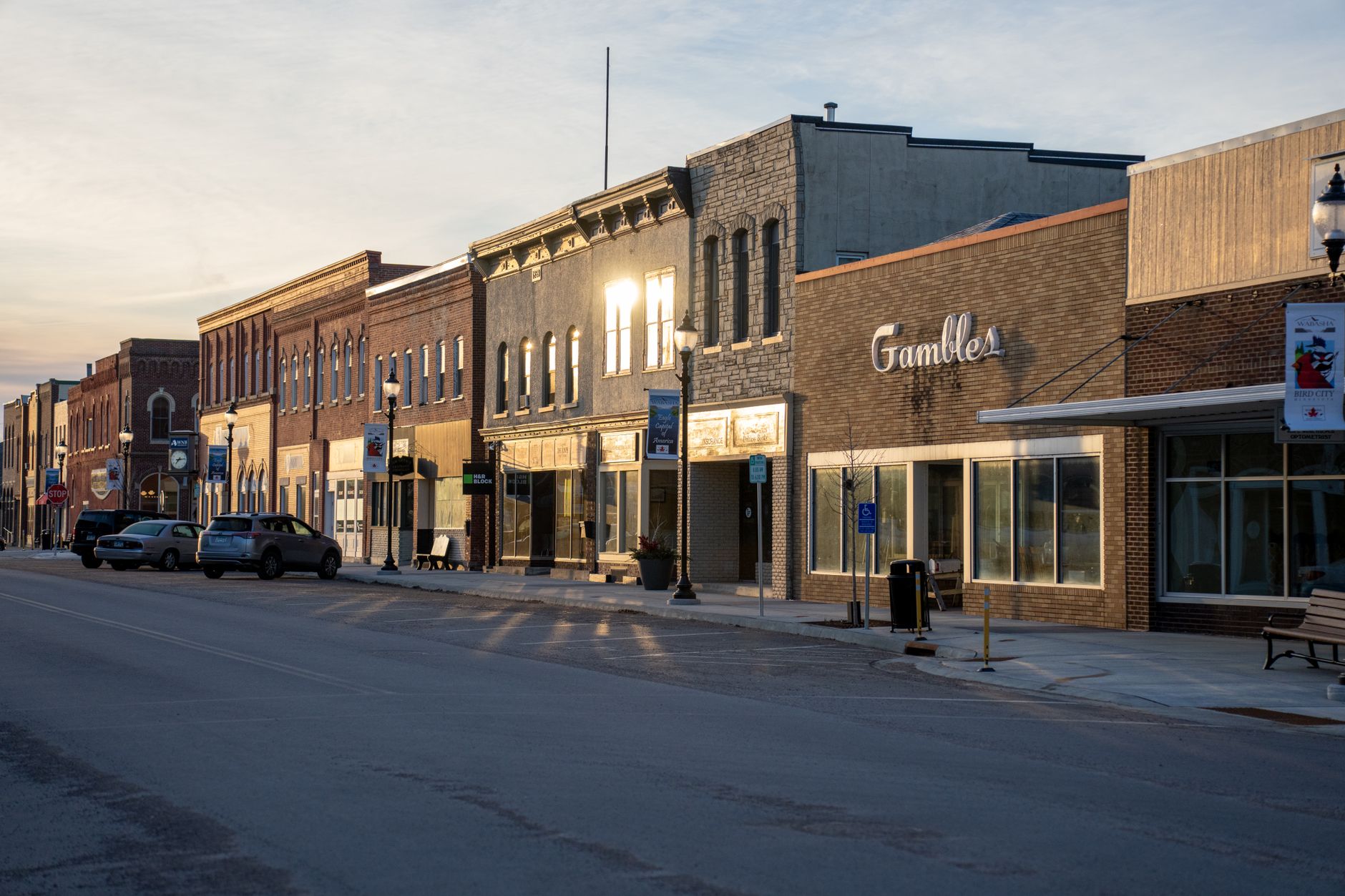
7. Upper Canada Village: A Rescued 1860s Community
Morrisburg, Ontario, Canada
This living history museum is composed of over 40 heritage buildings moved from the 'Lost Villages' and other areas to preserve their history.
Upper Canada Village is more than just a museum; it's a meticulously recreated 1860s community, built piece-by-piece to save heritage buildings from the fate of the Lost Villages. When the St. Lawrence Seaway project threatened to submerge historic structures, many were carefully dismantled, moved, and reassembled here. This dedication to preservation means visitors can experience a truly authentic glimpse into 19th-century life, from the working grist mill and sawmill to the costumed interpreters who bring the past to vivid life. It stands as a living memorial to a lost landscape.
Frequently asked questions
Why do some people think the train journey from Montreal to Toronto takes 10 hours?
This misconception likely stems from a time when train travel was slower, involved more frequent local stops, or referred to specific, older routes. Modern VIA Rail services between Montreal and Toronto are significantly faster and more direct.
What is the actual train travel time between Montreal and Toronto?
VIA Rail's high-frequency corridor trains typically complete the journey between Montreal's Central Station and Toronto's Union Station in approximately 4 to 5.5 hours, depending on the specific service and number of stops.
What's the best time of year to take the train between Montreal and Toronto?
The train journey offers unique scenery year-round. Autumn (September-October) provides spectacular fall foliage, while spring (April-May) brings lush greenery. Summer (June-August) is popular for vibrant towns along the route, and even winter offers stark, beautiful snow-covered landscapes.
How can the AllTours.ai app enhance my train journey between Montreal and Toronto?
As you travel, simply point your phone camera out the window at passing landscapes or landmarks. The AllTours.ai app uses AI to identify what you're seeing and immediately narrates its history, geology, or cultural significance in your preferred language, turning your journey into a live, personalized tour.
Photography via Pexels. AllTours.ai is an AI audio tour guide — point your camera at any landscape and hear its story.